Príncipe Felipe Science Museum Valencia: visitor guide
Valencia: Oceanogràfic + Hemisfèric + Science Museum combo
What is the Príncipe Felipe Science Museum in Valencia?
An interactive science museum in the City of Arts and Sciences complex with 40,000 m² of exhibition space across three floors. Entry is around €9 online. Best for teenagers and adults; younger children find the top floors most engaging. Allow 2–3 hours.
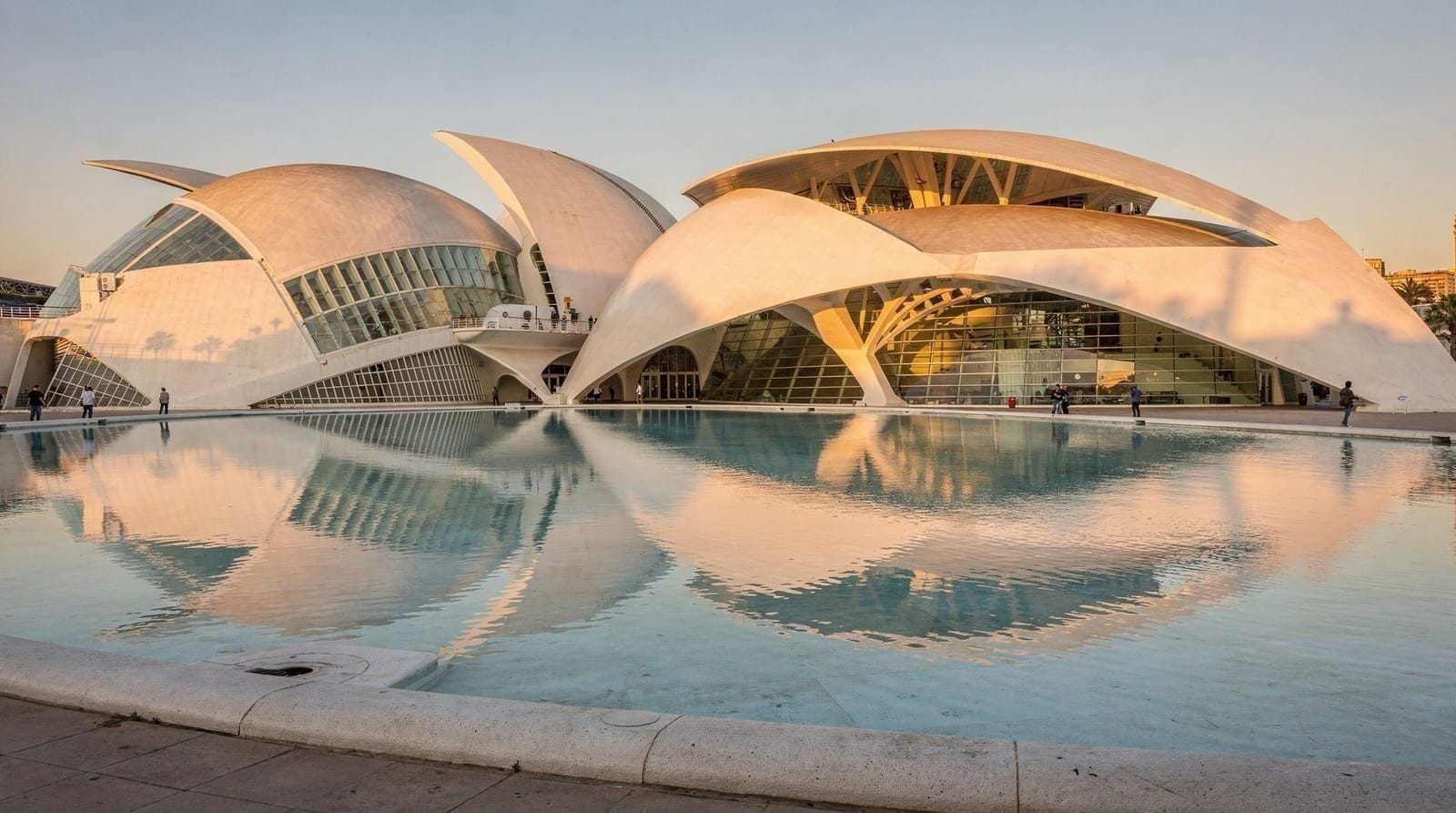
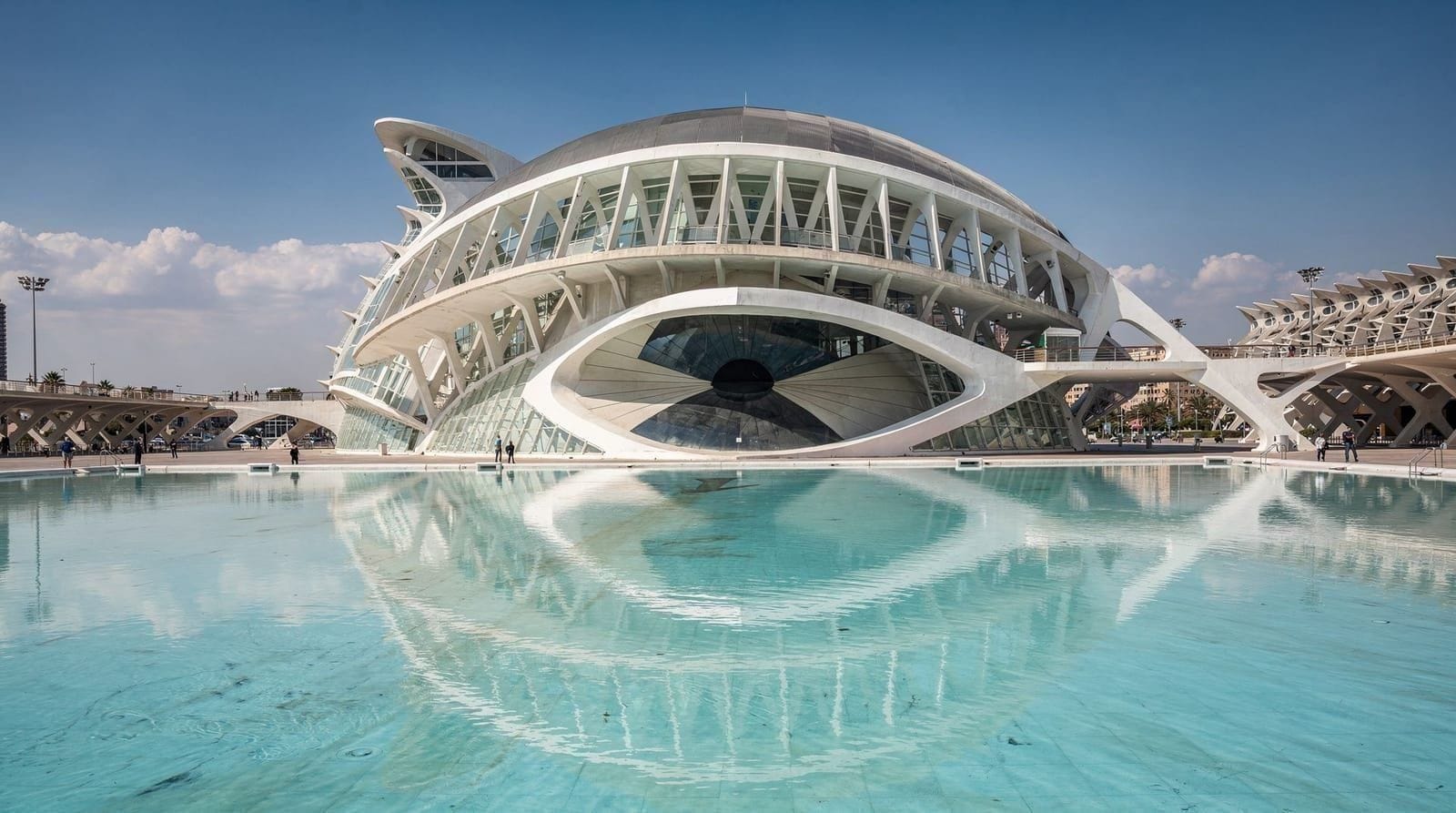
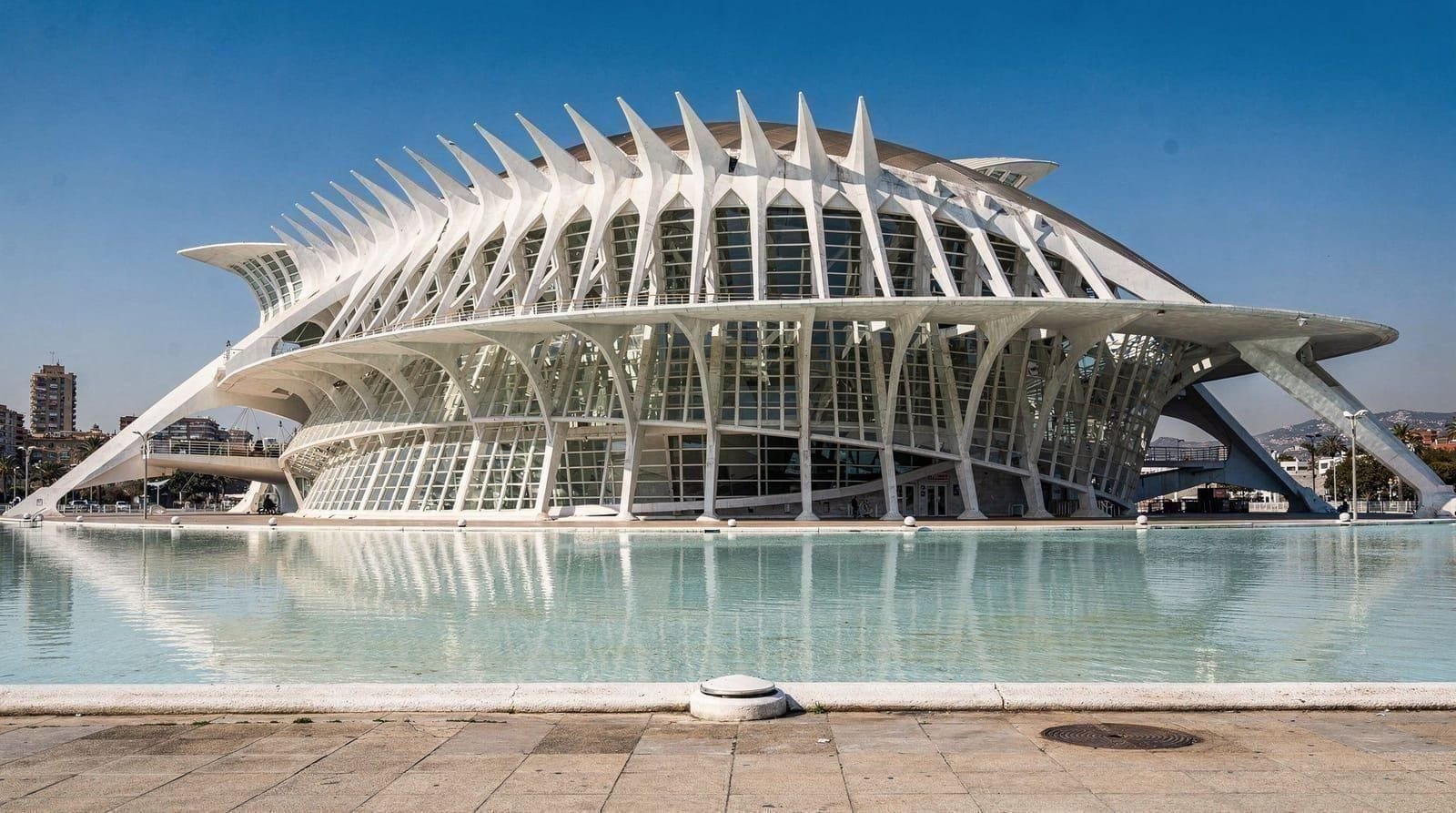
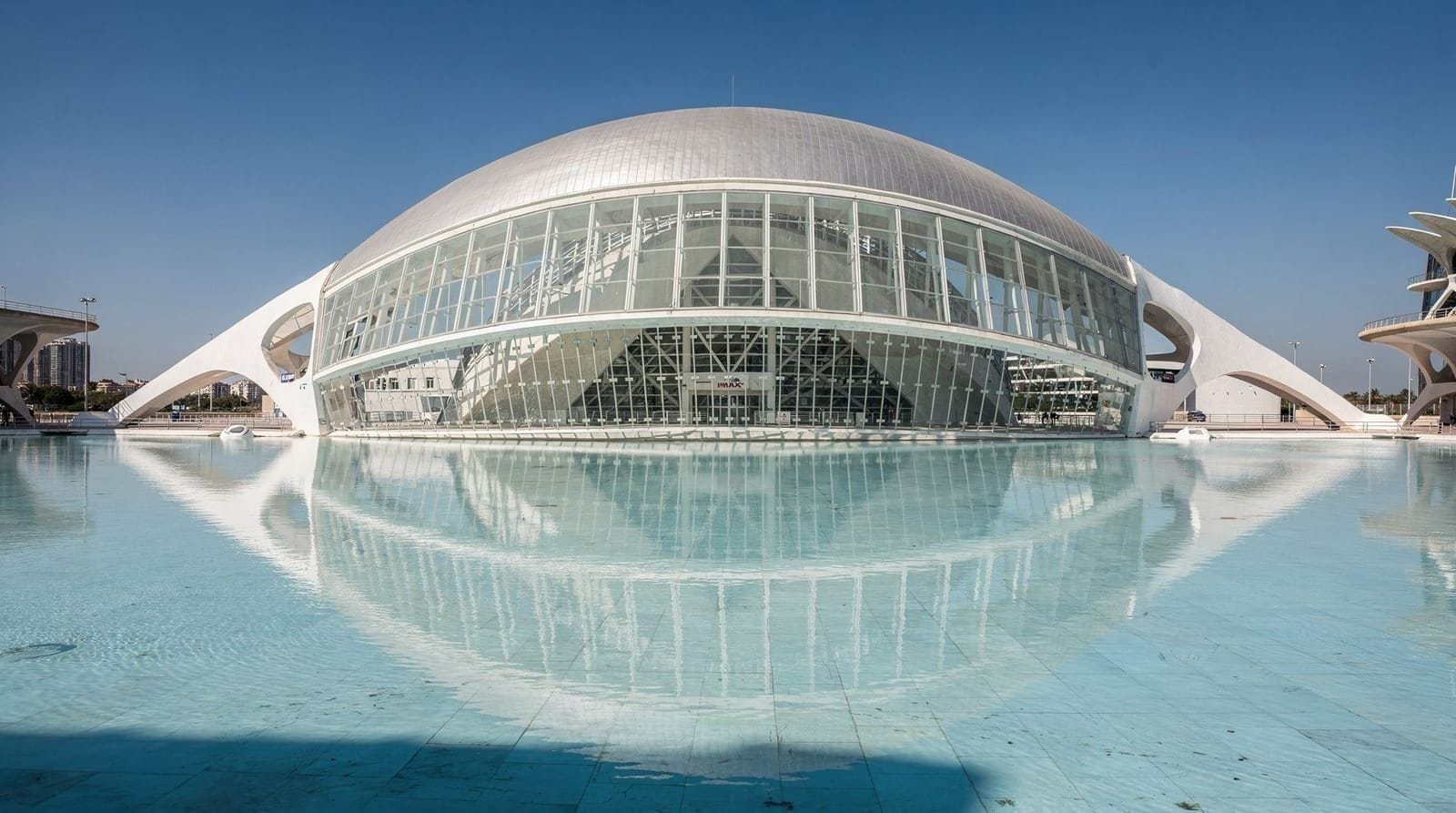
The Museu de les Ciències Príncipe Felipe is the second major building of the Ciudad de las Artes y las Ciencias complex, located directly across the central lake from the Hemisfèric. Designed by Santiago Calatrava and opened in 2000, it resembles the skeleton of a large whale — a 40,000 m² ribbed structure rising seven storeys, visible from the Turia Gardens path at a distance of several kilometres. Inside, three floors of interactive science exhibits cover physics, biology, environment, and technology.
| Where | Ciudad de las Artes y las Ciencias, across the lake from the Hemisfèric |
| Cost | Around €9/adult online, €6.90/child |
| Time needed | 2–3 hours |
| Getting there | Bus 13 from Plaza del Ayuntamiento, or 5 min walk from the Hemisfèric |
| Best time | Afternoon, after Oceanogràfic and the Hemisfèric screening |
The building
The Museu de les Ciències is routinely described as one of Calatrava’s most dramatic structures. The exterior is unmistakable — white concrete ribs rising from a ground-level reflecting pool, with the main entrance shaded under a projecting canopy that appears to hover without visible support. The building’s dramatic proportions have led to comparisons with a whale skeleton, a futuristic greenhouse, and a sprouting seed, depending on the angle.
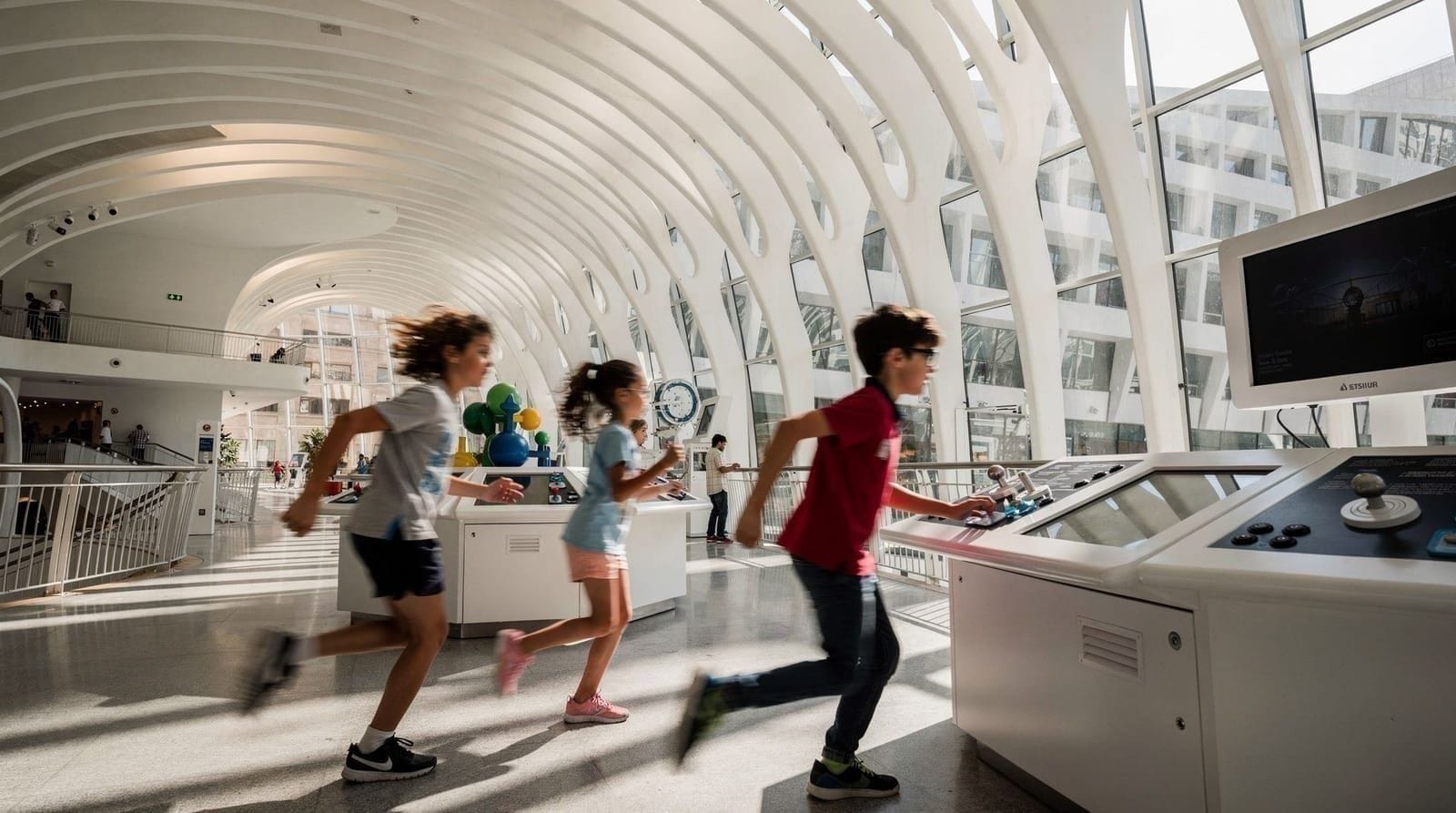
The interior is generous with natural light through the upper glazing. The three main exhibition floors are connected by escalators and open atria. On a clear sunny day, the quality of light inside the upper galleries is exceptional.
Before you go: setting the right expectations
This is a museum you do rather than watch. Visitors who treat it like a gallery, walking briskly past each display, tend to leave underwhelmed; those who stop at the exhibits with buttons, levers and moving parts usually have a much better time. If you are travelling with children, the science museum kids guide helps you decide which floors to prioritise, and the Valencia with kids guide places the museum within a wider family trip.
The museum also works as a weather fallback. On a wet or very hot day, a large air-conditioned building with plenty to touch is a sensible plan, and our rainy day kids guide lists other options for the same situation. In the other direction, on a perfect spring day you may prefer to spend the daylight outdoors and keep the museum for a slower hour.
What to expect: exhibit by exhibit
Ground floor: planet Earth and life sciences
The ground floor covers environmental science, biology, and the history of life on Earth. Exhibits include scale models of geological processes, information panels on the Mediterranean ecosystem (including the Albufera), and interactive models of evolution and adaptation. The atmosphere is spacious and calm.
For families with children under 8, the ground floor is the most accessible floor — the exhibits are physically interactive, the height of displays is calibrated for smaller visitors, and the café adjacent to the entrance provides a natural rest stop.
Second floor: physics and technology
The second floor is the most engaging for teenagers and adults. Interactive demonstrations cover classical mechanics (pendulums, lever systems, gear trains), thermodynamics, optics, and electromagnetic phenomena. Many exhibits are hands-on — you can adjust variables and observe results in real time.
The human body section, with working scale models of organ systems and nerve pathways, is consistently popular with school groups and tends to be crowded on weekday mornings in spring.
Third floor: space and environment
The upper floor covers space science, environmental challenges, and information technology. The exhibits here are less interactive than the second floor and more information-panel-based — better for adults than for young children.
The upper terrace, accessible from the third floor, provides excellent views over the entire complex and the Turia Gardens to the north. This is one of the better free views in the complex (included with museum entry) and is easy to miss if you do not ask staff about terrace access.
How to pace your visit
A simple way to avoid fatigue is to start at the top and work down, taking the escalators up first while your energy is fresh and finishing with the more hands-on exhibits lower in the building. Others prefer to follow the floors in order. Either works; what matters is deciding in advance which section you care about most, so that you give it unhurried time instead of rushing through everything equally.
Pick two or three exhibits and really engage with them. Adjust the variables, repeat the experiment, and read the explanation afterwards. This is far more memorable than skimming every panel, and it keeps younger visitors interested for longer. Build in a coffee break midway; the museum is large enough that tired feet are the most common reason groups cut the visit short.
Which age group gets the most out of it
Children of about 3 to 7 enjoy the ground floor most, where things can be pressed, turned and climbed on, but they tend to run out of patience on the upper floors, so plan a short visit of around 90 minutes rather than the full three hours. Children aged 8 to 12 are the sweet spot: they can read the explanations, they like the cause-and-effect experiments, and they will happily spend a long time at the second-floor mechanics and body exhibits. Teenagers and adults get the most from the physics and technology floor, while the third floor suits those who like to read and think rather than touch.
Quieter times and how to avoid the crowds
School groups are the main source of crowding, and they arrive mostly on weekday mornings during the school year. If you can, go in the afternoon or at the start of a weekday outside school-trip season, and expect the museum to feel noticeably calmer. Weekends and rainy days draw more local families, so the busiest exhibits may have short queues. If a popular station is occupied, move on and come back ten minutes later; the building is large enough that you will rarely wait long.
Practical comfort tips
Wear comfortable shoes, since the visit involves a lot of standing and walking across large open floors. The interior is air-conditioned, so a light layer is useful in summer, and a small bottle of water is handy for children. Check bags at the cloakroom if you are carrying anything bulky, and keep a few minutes spare at the end for the gift shop and the terrace rather than rushing out.
For visitors with limited mobility, the escalators and open atria make the building easier to navigate than its dramatic shape suggests. For wider advice on getting around the city, see the accessible Valencia guide.
Practical information
Opening hours (2026):
- Daily 10:00–19:00 (July–August until 20:00)
- Last entry one hour before closing
Ticket prices (2026):
- Adult (13+): €9 online
- Child (4–12): €6.90 online
- Under 3: free
- Senior (65+): €6.90 online
Combination tickets:
- Science Museum + Hemisfèric: ~€14.10
- Oceanogràfic + Science Museum: ~€42–44
- Triple combo (all three): ~€48–50
 Príncipe Felipe Science Museum entry ticketCheck availability
 Hemisfèric + Science Museum comboCheck availability
Getting there
The Science Museum is the most central of the three main City of Arts attractions. Bus 13 from Plaza del Ayuntamiento stops directly at Museo de las Ciencias. From the Hemisfèric it is a 5-minute walk across the pedestrian bridge over the central lake. From the Oceanogràfic it is a 15-minute walk or a short shuttle (included with full-day combined ticket).
By bike from the city centre: follow the Turia Gardens cycle path southeast for approximately 4 km. The museum entrance is visible from the path.
If you are staying elsewhere in the city, the getting around by metro and EMT guide explains the public transport options, and the Valenbisi guide covers the city bike-share if you would rather cycle down the Turia. Visitors arriving by air will find the route from the airport in the airport to city guide.
Combining with the rest of the complex
The Science Museum sits logically in the middle of a City of Arts and Sciences day. Practical sequence for a one-day visit: Oceanogràfic in the morning (3.5 hours), lunch break, 40-minute Hemisfèric screening, Science Museum in the late afternoon (2–2.5 hours). This fills a full day without feeling rushed.
For families with young children (under 7), the Science Museum is best saved for the afternoon when the aquarium energy has been absorbed. The science museum kids guide has specific age-by-age recommendations.
 City of Arts full-day combined ticketsCheck availability
Choosing between the three buildings
If you can only afford one paid entrance, most visitors pick the Oceanogràfic for the spectacle, the Hemisfèric for a short, restful screening, and the Science Museum for hands-on learning. The three work well together because they offer different rhythms: the aquarium is walking and watching, the Hemisfèric is sitting in the dark, and the Science Museum is touching and experimenting. Mixing them avoids the fatigue of three similar visits in a row. Check the Hemisfèric guide and the Oceanogràfic guide to decide which pairing suits your group.
Fitting it into a longer stay
If you have more than a day, there is no need to cram the whole complex into one go. Many travellers split it: the aquarium on one day, and the Science Museum with the Hemisfèric on another, leaving room for a long lunch in between. The how many days in Valencia guide helps you decide how much time the city deserves, and the Valencia in one day and Valencia in three days itineraries show where a museum visit slots in. Families will find a ready-made structure in the Valencia with family itinerary.
If your budget is tight, the Valencia on a budget guide and the free museum Sundays guide are worth reading before you decide which attractions to pay for. The Valencia Tourist Card guide is also worth checking to see whether a pass makes sense for your plans.
Honest assessment
The Príncipe Felipe Science Museum is consistently rated lower than L’Oceanogràfic by visitors, and the comparison is fair — the aquarium is a more spectacular and more emotionally engaging experience. But the science museum has its own strengths: the building is extraordinary, the second-floor physics exhibits are genuinely interesting for adults, and the atmosphere is less crowded than the aquarium.
The exhibits have not been substantially refreshed since around 2015 and the information panels show their age in places. At €9 per adult it is reasonably priced for what it offers. For families combining all three City of Arts buildings, it is a worthwhile third stop. As a standalone visit without the others, it is better suited to those with a specific interest in science education than to general visitors.
The museum gift shop, on the ground floor near the exit, has a reasonable selection of science-oriented books, puzzles, and models — better curated than the typical tourist attraction shop.
Photography and the architecture
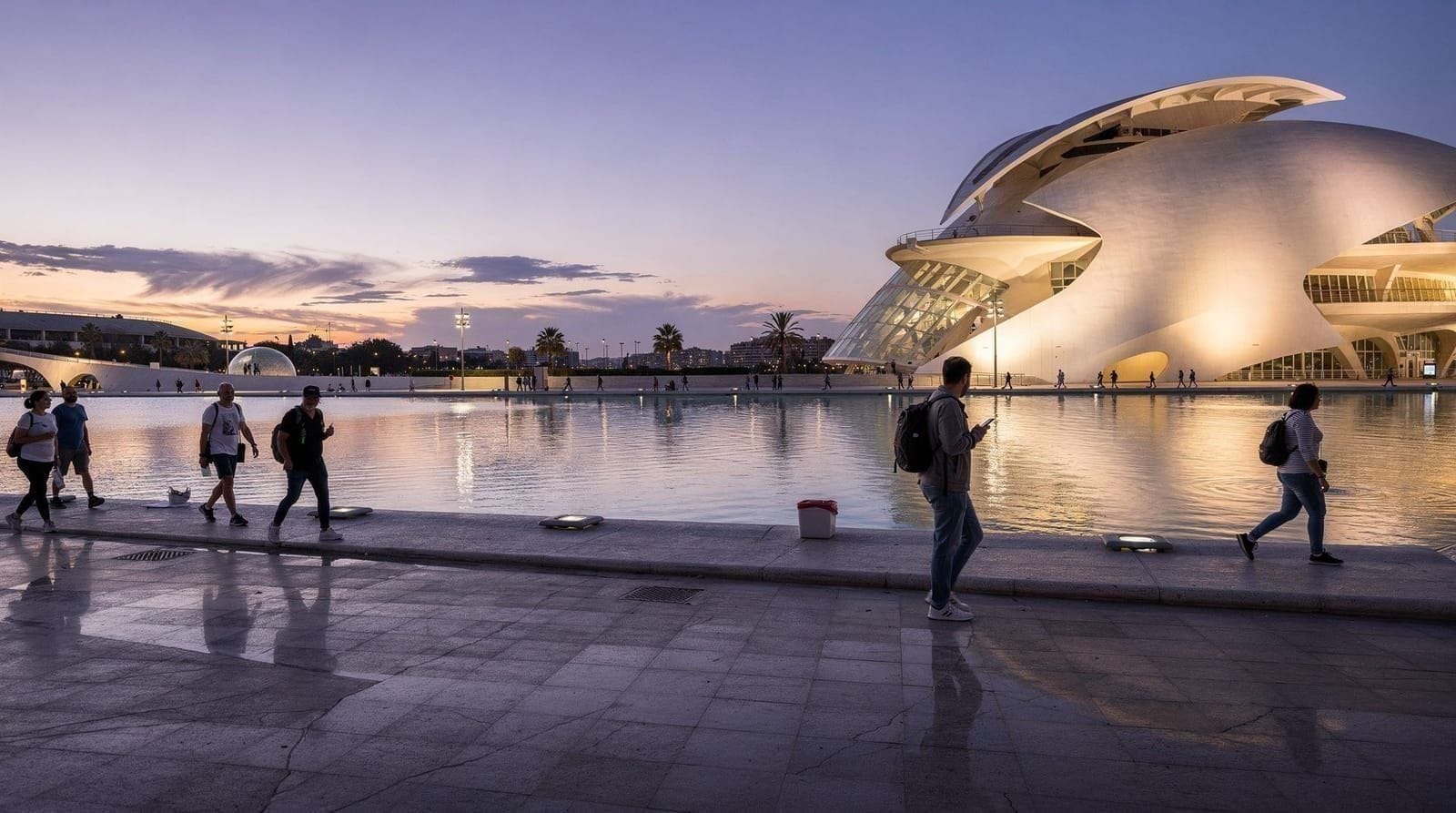
Even visitors with little interest in the exhibits themselves often find the building worth a stop for photography. The exterior ribs create strong repeating patterns best photographed from the reflecting pool’s edge in late-afternoon light, when the low sun rakes across the concrete surface. The interior atria, with their criss-crossing walkways and bridges, photograph well from the ground floor looking up. For visitors focused specifically on Calatrava’s architecture across the complex, see the Ciudad de las Artes y las Ciencias guide for the full context of his design across all the complex’s buildings.
Eating and resting nearby
The complex is not the best place in Valencia to eat well, and it pays to plan rather than improvise. A café inside the museum is fine for a coffee and a quick snack, but for a proper meal many visitors head back towards the city or to the neighbourhoods nearby. The best restaurants in Valencia guide and the menú del día guide point to better-value lunches, while the tourist menu traps guide explains what to avoid around busy attractions. Paella fans should read how to order paella before sitting down anywhere.
If you are travelling with children, bringing a few snacks and a water bottle is often the simplest solution, and the open spaces around the lake offer easy places to sit and eat before going back in. Eating a full lunch at the complex itself tends to be the least good-value option, so treat the museum café as a pause rather than a meal. Allow time to leave the complex for lunch if you are combining several buildings in one day.
After the museum, the gardens are a pleasant place to unwind. A slow walk or bike ride along the Turia Gardens takes you back towards the old town, and the Turia by bike guide lays out the route.
Who should skip it
Solo travellers and couples on a short Valencia visit with no particular interest in science exhibits can reasonably skip the interior and still appreciate the building from outside — the exterior and the surrounding Turia Gardens walk cost nothing. Families and anyone spending 2+ days in Valencia get better value from going in, particularly if combining it with the Hemisfèric or Oceanogràfic as part of a full City of Arts day.
Top experiences
Bookable activities with verified prices and instant confirmation on GetYourGuide.