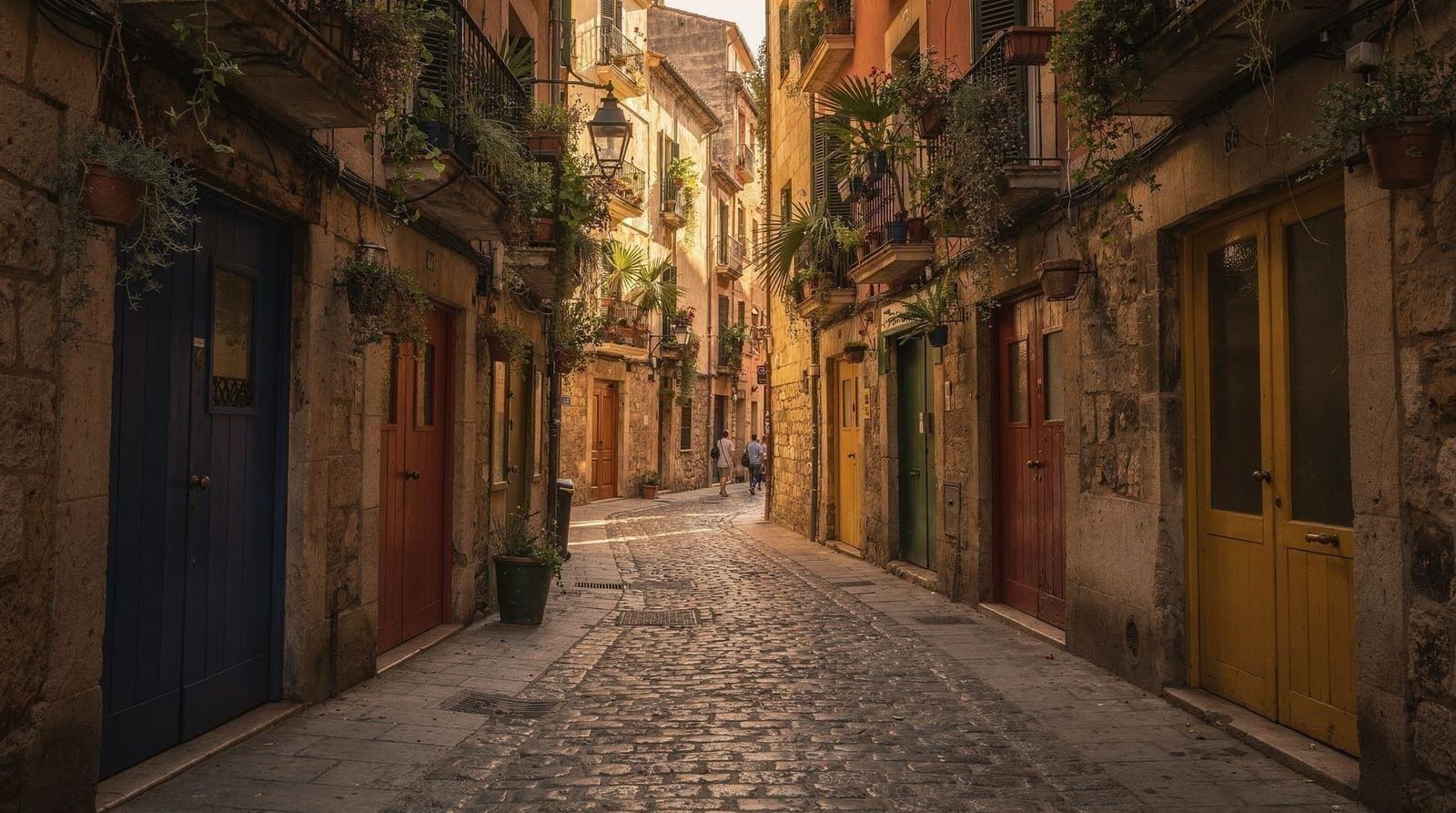
Street art in El Carmen: Valencia's outdoor gallery guide
Valencia: 2.5-hour street art tour
Duration: 2.5 hours
Where is Valencia's street art concentrated and how do I find it?
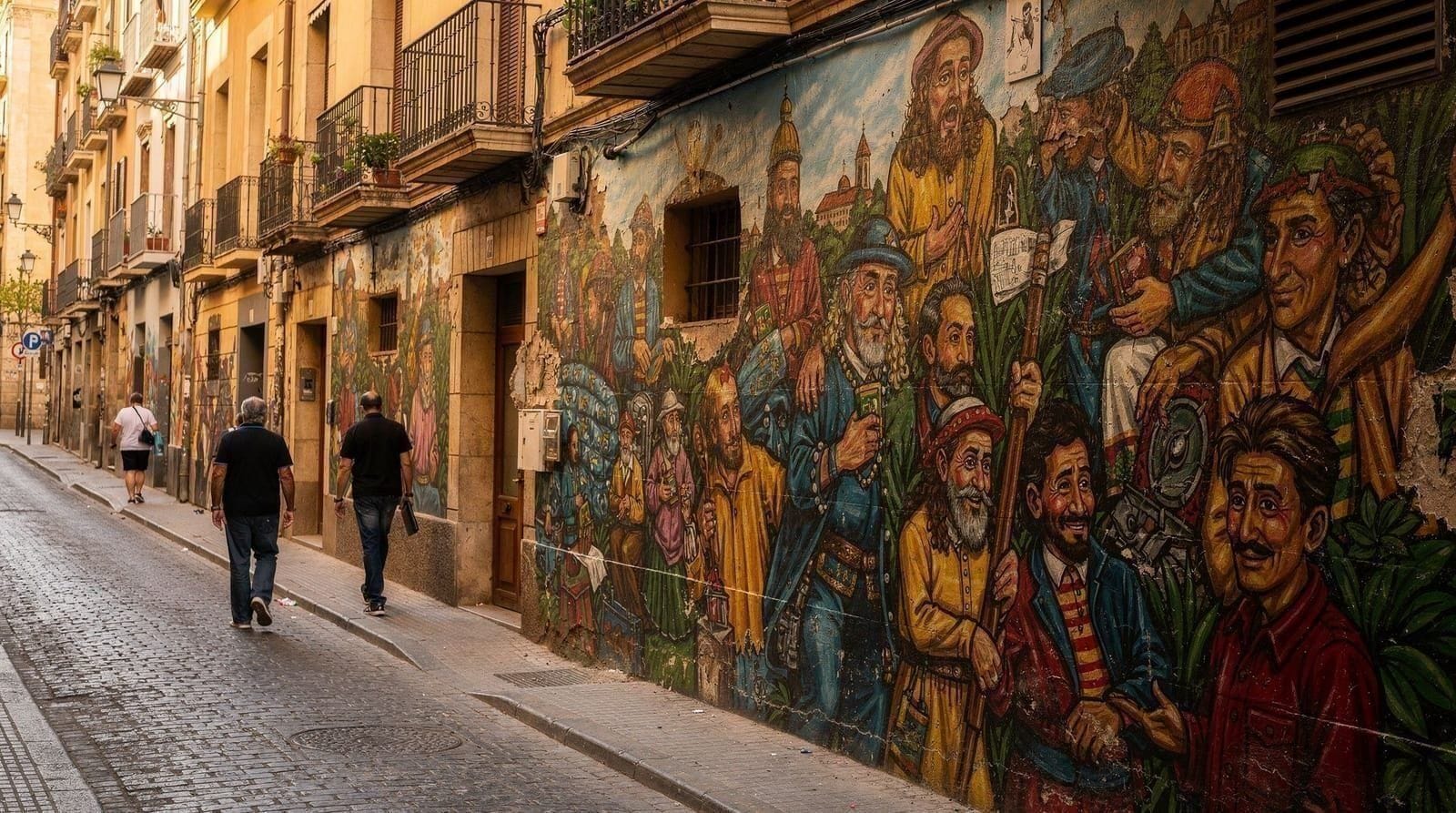
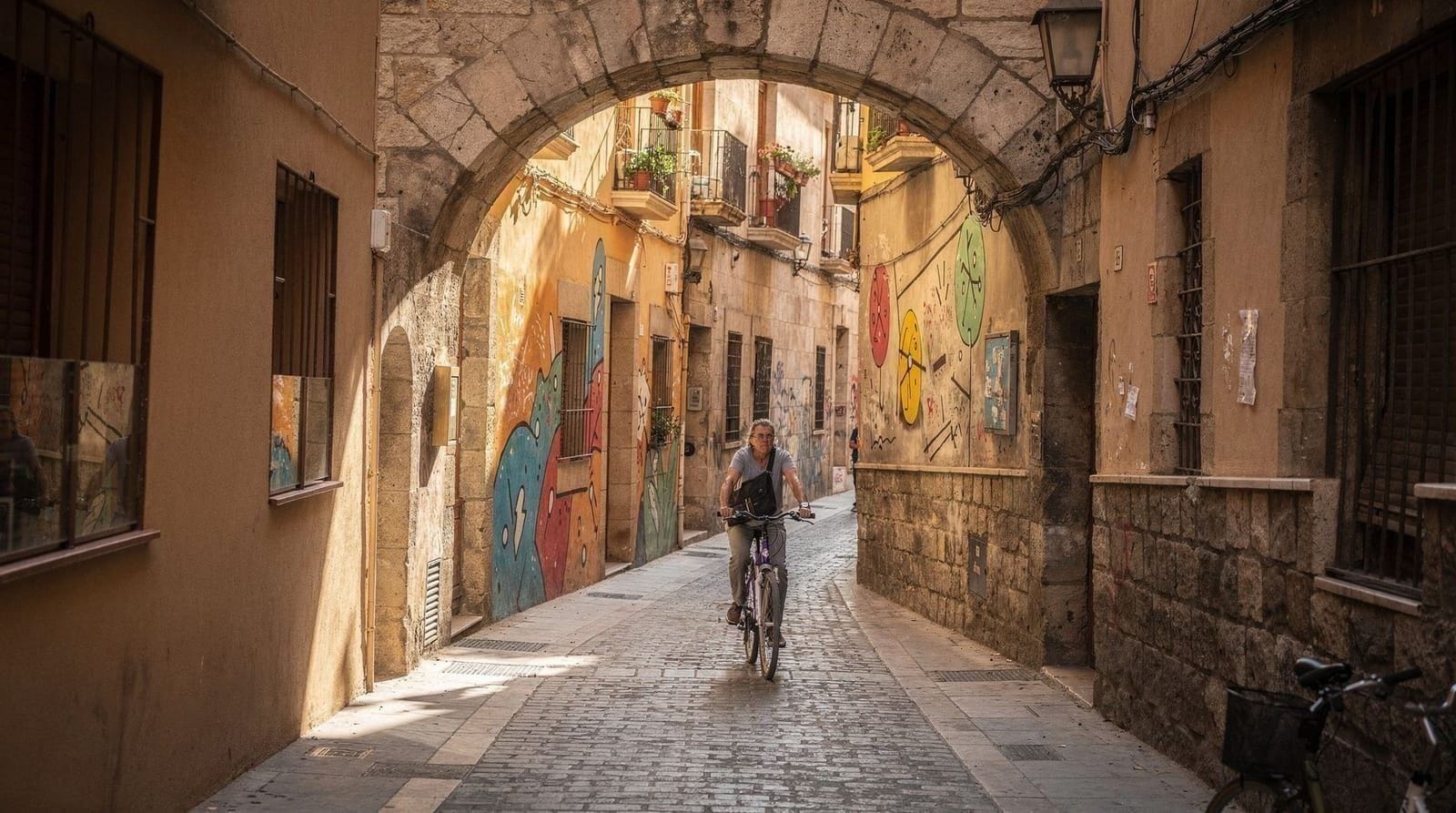
El Carmen neighbourhood (Barrio del Carmen) in Valencia's old town is the primary street art zone. The highest concentration is on Calle de les Roques, Calle de los Derechos, Carrer del Museu, and the streets around Plaza del Tossal and Plaza del Carmen. Most major pieces are within a 20-minute walk. Guided tours (2–2.5 hours) are the most efficient way to find the best work.
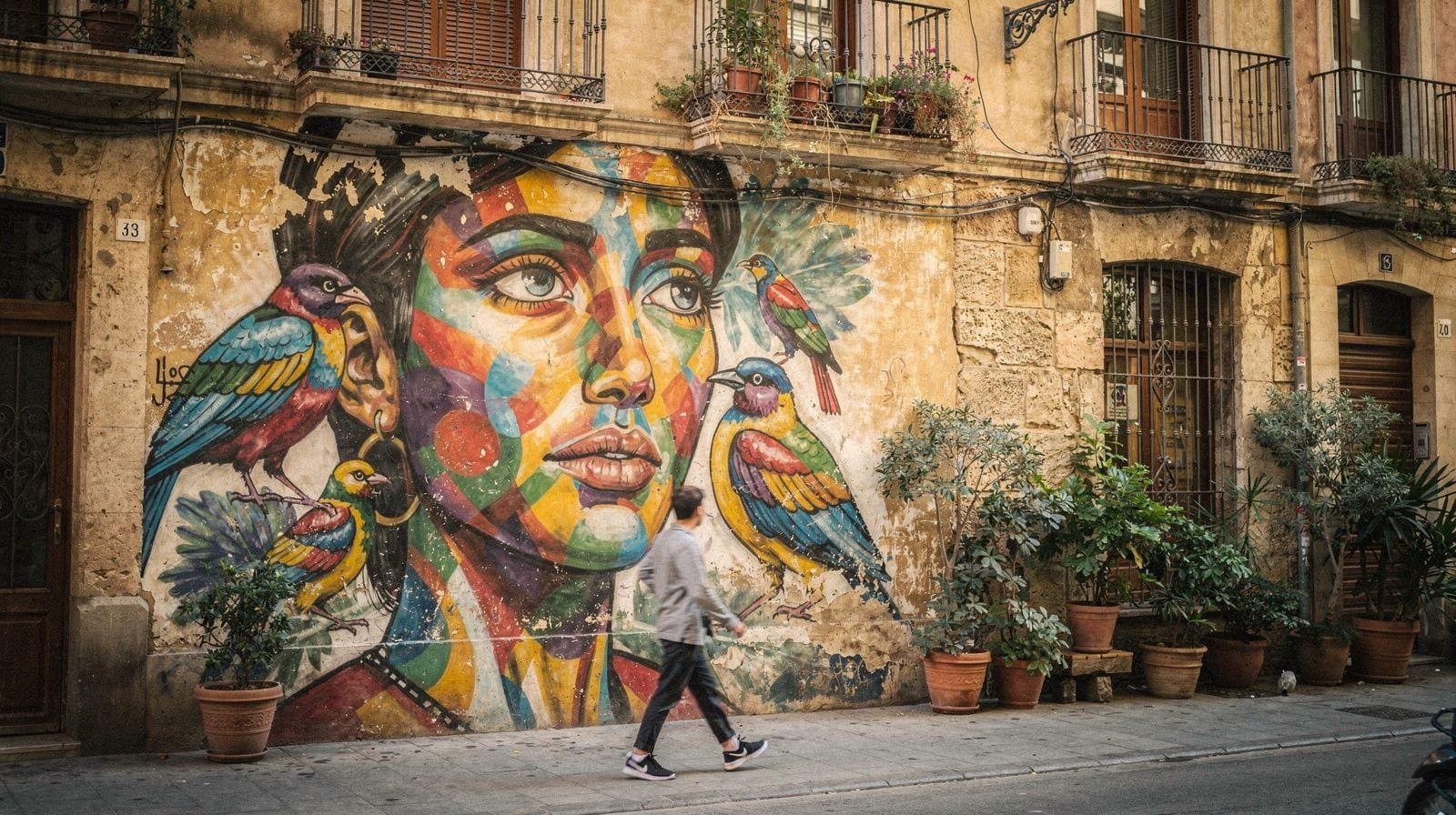
El Carmen’s street art is one of the most underrated cultural assets in Valencia. While the neighbourhood is better known for its medieval towers, Roman walls, and Gothic churches, the contemporary murals painted on its apartment blocks and party walls have made it one of Spain’s most visually interesting urban art zones. The combination of ancient and contemporary is not accidental — El Carmen’s street art grew from a deliberate institutional commitment to urban culture as heritage.
| Where | El Carmen neighbourhood, Valencia’s old town |
| Best streets | Calle de les Roques, Calle de los Derechos, Carrer del Museu |
| Time needed | 60–90 min self-guided core walk; 2–2.5hrs guided |
| Cost | Free to view; guided tours typically €20–30/person |
| Best time | Late afternoon light; weekday mornings for fewer crowds |
How El Carmen became a street art neighbourhood
The transformation began gradually in the 2000s, accelerated by the POLINIZA festival (launched 2004) and by the city government’s decision to commission rather than criminalise large-format murals in the historic centre.
El Carmen was an ideal setting for several reasons. The neighbourhood had gone through significant deterioration in the mid-20th century and was in the process of slow rehabilitation from the 1990s onward. Many party walls — the blank side walls of buildings visible where an adjacent structure had been demolished — were available for legal murals. The neighbourhood’s density of narrow lanes meant murals appeared suddenly around corners, creating the surprise encounters that make urban art effective.
The POLINIZA festival has been the key curatorial vehicle, inviting artists specifically to work in Valencia’s urban fabric and documenting the results. Over 20+ editions, it has created a coherent body of work — not a chaos of competing tags but a curated outdoor collection.
The main zones and pieces
Calle de les Roques and surroundings
This street, running between Plaza del Tossal and the Roman-era city walls, has perhaps the highest concentration of significant murals in El Carmen. The narrow lane amplifies scale — a 4-storey mural on a 5-metre wide street is overwhelming in the best way.
Look for the large-scale geometric compositions by Julieta XLF and the more figurative narrative pieces on the apartment end-walls. The junction with Carrer de les Corts Valencianes is particularly dense with work.
Around Plaza del Tossal
Plaza del Tossal is one of El Carmen’s main squares — a good orientation point for a self-guided walk. The streets radiating from the plaza toward the Roman walls (Carrer de les Monges, Carrer de Quart) have significant murals on their party walls. The trompe-l’oeil pieces here — murals that play with architectural scale and create visual illusions — are particularly effective.
Calle de los Derechos
The street of rights. Several of El Carmen’s most politically engaged murals are here — works addressing civic issues, social commentary, and Valencian identity. This reflects El Carmen’s history as a working-class neighbourhood with a tradition of political engagement.
The Roman city walls (Torres de Quart area)
The area around the Torres de Quart medieval towers (15th century) has wall sections used for large-format commissioned work. The contrast between the medieval stone and contemporary painting is visually arresting. See the Torres de Serranos and Quart towers guide for the towers in their own right.
Carrer del Museu
Running near the IVAM (Institut Valencià d’Art Modern), this street has art-adjacent murals — several commissioned in dialogue with IVAM exhibitions. The IVAM itself sits at the northern edge of El Carmen and its exterior walls have been used for significant commissions.
Key artists in Valencia’s street art scene
Escif: A Valencian artist working primarily in black and white with conceptual and ironic themes. Some of his most-discussed pieces are in El Carmen; his work has been included in international exhibitions. His style is minimalist but conceptually dense — pieces often require a moment’s thought to decode.
Deih XLF: Large-scale figurative work with strong colour and a graphic novel aesthetic. Several major pieces in El Carmen, including some of the neighbourhood’s most photographed murals.
Nano4814: Graffiti-rooted abstract work in Valencia’s urban fabric. One of the scene’s most longstanding figures.
Julieta XLF: Geometric and chromatic murals, often exploring how colour fields interact with architectural space. Particularly effective in the narrow streets of El Carmen where the scale of the work is amplified.
Blu (international): The Italian muralist created one notable piece in Valencia — large, political, and characteristically ambiguous in its imagery. Worth seeking out on a guided tour as it is in a location not obvious from main walking routes.
Photography tips for El Carmen’s murals
Bring a wide-angle lens or phone ultrawide mode if you have one — several of the tallest murals cover four to six storeys, and narrow streets leave little room to step back. Shoot in the early morning or late afternoon when low sun rakes across the façades rather than flattening them in harsh midday overhead light. Many of the best pieces sit above eye level on party walls, so look up constantly rather than only scanning street level. If a mural includes people in its foreground — a common device in the more figurative works — wait a moment for pedestrians to clear the frame, since El Carmen’s lanes are busy with both locals and tourists throughout the day. Respect that some murals face active shopfronts and residential entrances; photograph the art, not the people living and working underneath it.
How to look at a mural properly
Street art rewards slow looking. Start from across the lane, take in the whole composition, then walk closer to see how the artist has handled the wall itself: the cracks, the old paint, the window openings and the pipes that the design works around or deliberately includes. Many pieces in El Carmen are painted for one specific wall and make little sense in a photograph taken from the wrong angle, so move around before you decide what the work is about.
It also helps to ask what the piece is responding to. Some murals answer the medieval street they sit in, some comment on civic life, and others simply play with colour and scale. The trompe-l’oeil works are the most fun for first-timers because the illusion shifts as you walk past. If you are travelling with children, turning the walk into a spotting game works well, and the Valencia with kids guide has more ideas for keeping younger visitors engaged on a day in the old town.
Building a self-guided route
A sensible loop begins at Plaza del Tossal, drifts toward the walls and the Torres de Quart, then returns through the lanes around Calle de los Derechos. Keep the route loose: the pleasure of El Carmen is turning a corner and finding a wall you did not expect. Carry water, wear comfortable shoes for uneven old-town paving, and leave room in the schedule for a coffee stop. For a good coffee-and-lunch plan after the walk, the best restaurants in Valencia guide and the eat like a local guide both suit the neighbourhood, and the esmorzaret guide explains the traditional mid-morning bite that fits neatly between two stretches of walking.
If you would rather combine murals with other sights, the Valencia in one day itinerary and the first weekend itinerary both pass close to El Carmen, so the walk can slot in without a detour. Visitors staying longer can spread the neighbourhoods across several days using the 3-day itinerary.
Getting to El Carmen
El Carmen is compact and best covered on foot, so the main question is how you arrive. The getting around guide for metro and EMT buses explains the public transport options, and the airport to city guide covers the first leg if you are arriving the same day. Cyclists can combine the walk with the Valenbisi guide, although the narrowest lanes are more pleasant on foot. If you are still choosing a base, the where to stay in Valencia guide and the best area for first-timers explain how El Carmen compares with other neighbourhoods.
The guided tour option
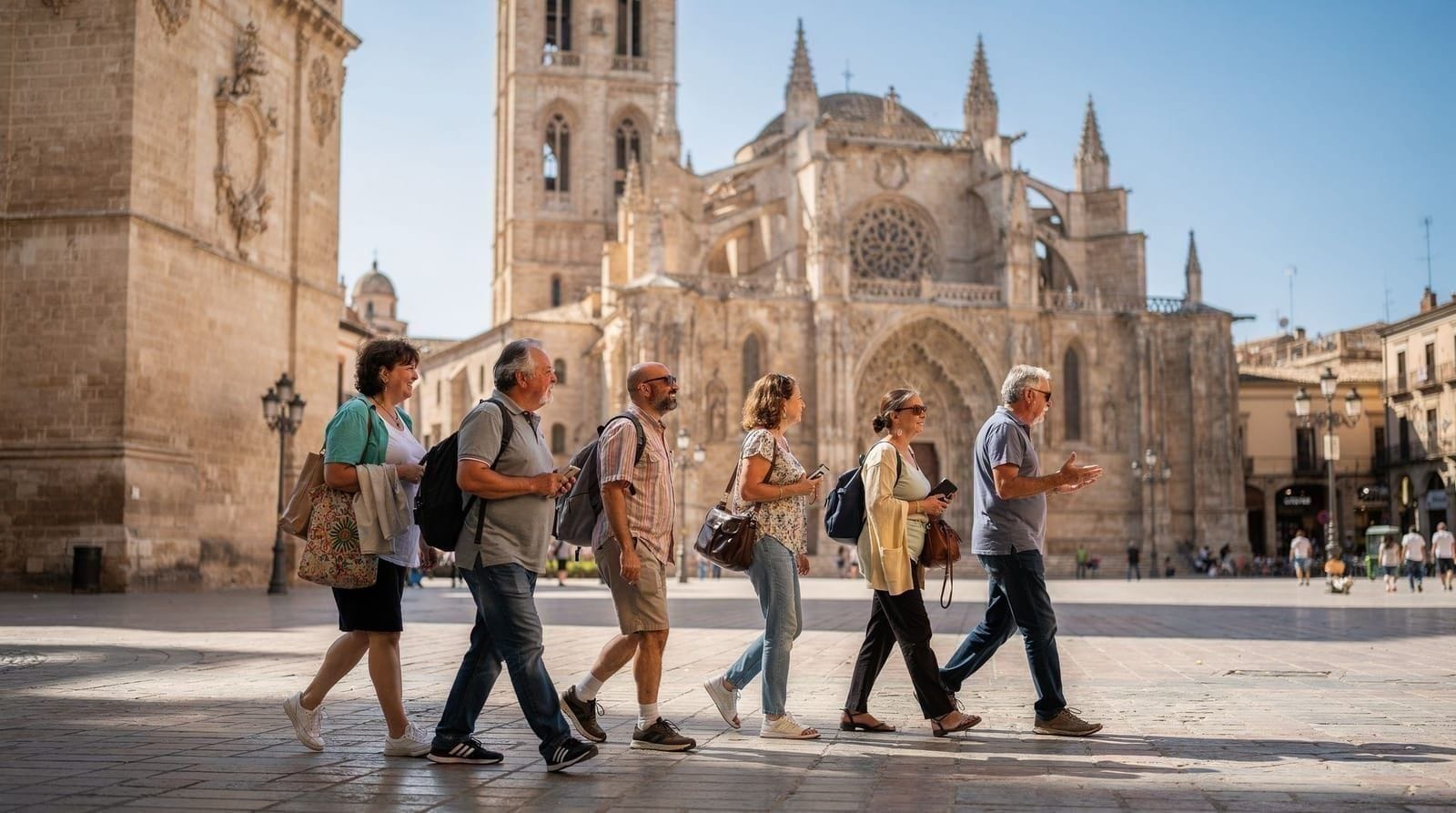
2.5-hour street art walking tour of Valencia’s El Carmen — guide covers artist histories, locations of key pieces, and the cultural context of Valencia’s mural tradition
A guided tour solves three problems with self-directed walking: finding pieces that are not on tourist maps, getting context for what you’re looking at, and understanding how individual works relate to the broader scene. The guides on the street art tours are typically active participants in Valencia’s art scene rather than general city guides.
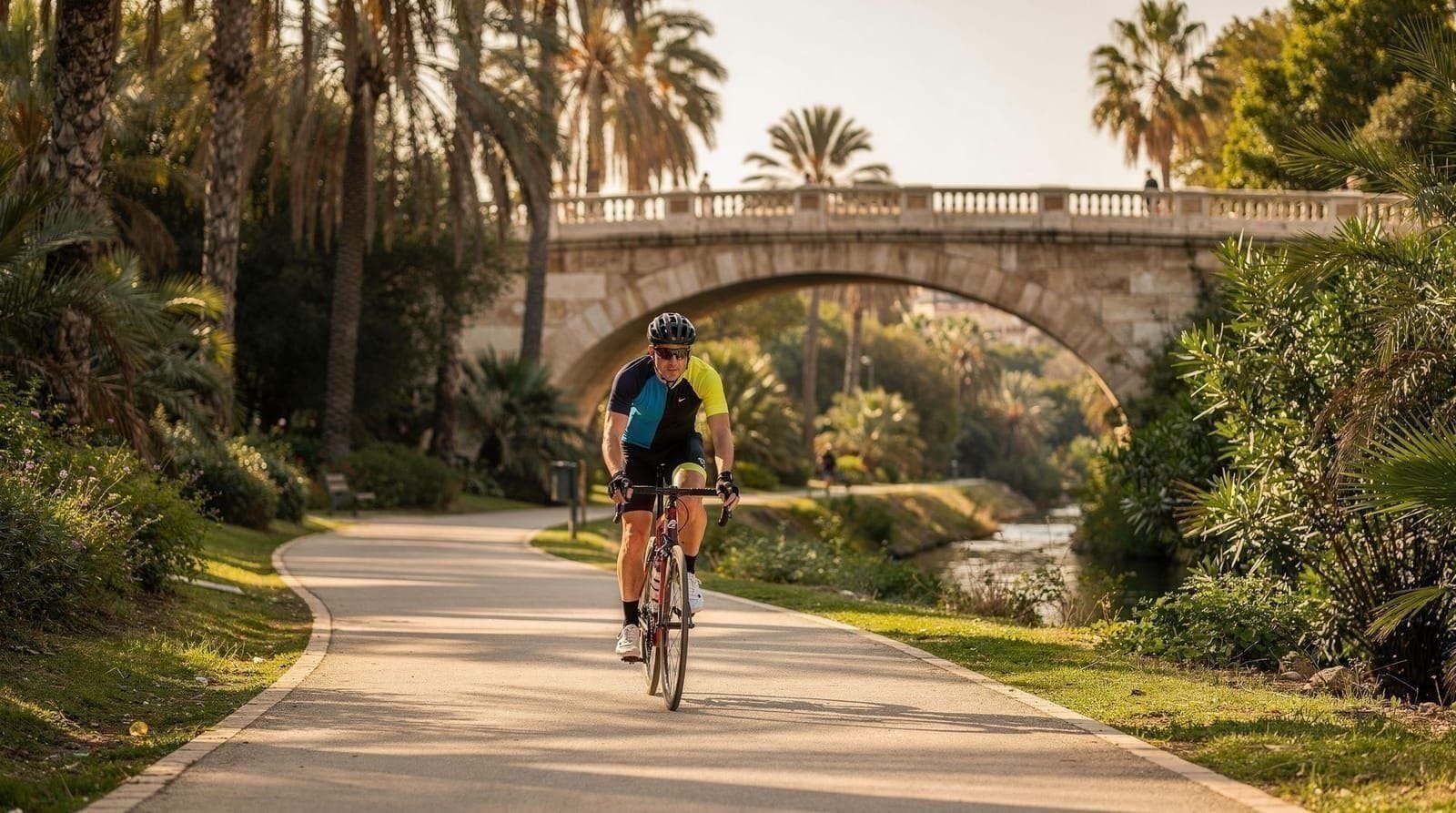
The walking tour (2.5 hours) is better for close attention to individual pieces. The bike tour covers more of the city but at the expense of time at each piece.
Street art bike tour of Valencia — broader coverage of murals across El Carmen and beyond by bicycle
If you want the murals set inside the wider story of the old town, a guided walking tour of Valencia’s medieval centre, of which El Carmen is a part, pairs well with a separate look at the street art, since it covers the historic streets and buildings that the murals now sit among. Travellers who prefer a second opinion on routes can also compare another street art walking tour of the old town before choosing a time slot. For a broader view of the choices, the guided vs self-guided Valencia guide, the free walking tours guide and the photography tours guide lay out the alternatives.
Self-guided vs guided: which suits your visit
| Option | Time | Best for | Trade-off |
|---|---|---|---|
| Self-guided walk | 60–90 min core / 2–3hrs thorough | Independent explorers, no set schedule | Free tourist-office map misses non-obvious pieces |
| Guided walking tour | 2–2.5hrs | Art context, artist backstories, photography | Fixed schedule, small group booking needed |
| Bike tour | Around 2hrs | Broader coverage beyond El Carmen | Less time lingering at each mural |
Combining the walk with nearby neighbourhoods
El Carmen has the highest concentration of murals, but it is not the only place in Valencia worth a look for street art. Ruzafa, Valencia’s other trendy barrio, has its own cluster of work around Calle de Cuba — see the Ruzafa neighbourhood guide for where to combine murals with the area’s café and tapas scene. El Cabanyal, the old fishermen’s quarter near the beach, mixes its distinctive tiled façades with more recent murals; the El Cabanyal guide covers both. Trying to fit all three into one afternoon usually means rushing each — El Carmen alone deserves the bulk of your time, with Ruzafa or El Cabanyal as a separate outing rather than a rushed add-on. For the neighbourhood’s cafés, bars, and general orientation beyond the murals, the El Carmen guide is the fuller companion piece to this one.
El Carmen beyond street art
El Carmen is historically the oldest continuously inhabited part of Valencia — the Roman city (Valentia, founded 138 BCE) was approximately coextensive with the current El Carmen neighbourhood. The Roman city walls, the medieval Torres de Serranos and Torres de Quart, the Gothic churches, and the Baroque courtyards make it one of the densest historical environments in Spain.
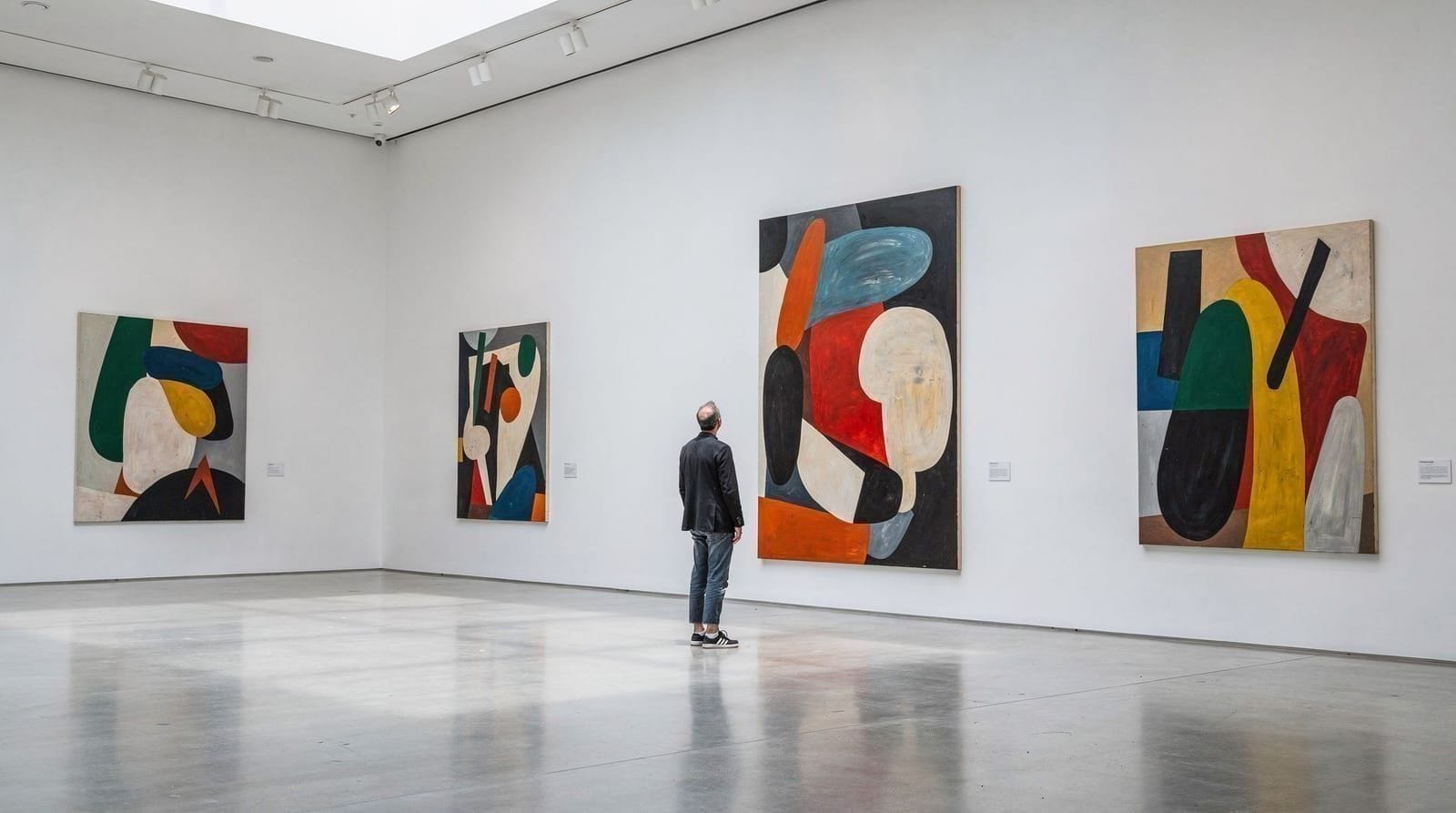
The IVAM (Institut Valencià d’Art Modern) on Calle Guillem de Castro is the main contemporary art museum for the Valencian Community — admission €6 (free Sundays). The permanent collection includes significant work by Julio González (sculptor) and a strong international contemporary section. See the IVAM guide for the current programme.
The full El Carmen neighbourhood guide covers the area’s bars, restaurants, history, and practical information.
When to do the street art walk
Lighting: The best murals in El Carmen are on walls that face morning or afternoon light. The narrow streets mean some pieces are in shadow for parts of the day. Late afternoon (16:00–18:00 in summer, earlier in winter) tends to give warm directional light on the most photogenic walls.
Crowds: El Carmen is Valencia’s tourist-heaviest neighbourhood. The street art zones are slightly off the main tourist circuit and thus less crowded than Plaza de la Virgen or the Lonja. Weekday mornings are the most peaceful.
Fallas connection: During Las Fallas (March), the streets of El Carmen are densely installed with festival sculptures alongside the permanent street art. The juxtaposition of contemporary murals and giant satirical fallas — both forms of public art with different traditions — is particularly interesting. See the Las Fallas complete guide.
Frequently asked questions about Street art in El Carmen
What makes Valencia's street art different from other cities?
El Carmen is a physically distinctive setting — a medieval neighbourhood with narrow lanes, Roman walls, Gothic churches, and early 20th-century apartment buildings. The contrast between ancient stone and contemporary mural art is more striking here than in post-industrial zones used by cities like Bilbao or Shoreditch. The scale of some murals (4–6 storeys on apartment façades) is also notable. Valencia has institutionally supported street art as cultural heritage rather than treating it as vandalism — murals are commissioned, not tolerated.Who are the main artists represented in El Carmen?
The neighbourhood has work from both local Valencian artists and internationally recognised muralists. Local names include Escif (abstract/conceptual), Deih XLF (large-scale figurative), Nano4814 (hand-style and abstract), and Julieta XLF (colour field and geometry). International artists who have worked in Valencia include Blu (Italian muralist, one large piece), Seth Globepainter, and work commissioned for festivals like POLINIZA and GIANT.Is there a self-guided street art route available?
Yes — Valencia's tourist office (Calle Paz) distributes a free street art map of El Carmen. The Guía de Arte Urbano de Valencia (available as a PDF on the Valencia tourism website) lists locations by street. The Valencia Street Art app has GPS-tagged locations. Guided tours remain the better option for context and finding pieces that are not obvious from the street.What is POLINIZA and how does it relate to El Carmen's street art?
POLINIZA is a Valencia-based street art and urban culture festival (typically spring) that has commissioned major murals in El Carmen and the broader city for over a decade. It has been one of the primary drivers of quality street art in Valencia, with curated invitations to significant international and local muralists. Many of El Carmen's best pieces were created during POLINIZA editions.Are there guided street art tours in English?
Yes — both the 2.5-hour street art walking tour and the street art bike tour operate in English. The walking tour is recommended for art appreciation; the bike tour covers more ground but with less time at each piece. Advance booking is recommended as group sizes are small.Is street art in El Carmen all graffiti or is it commissioned?
The significant pieces in El Carmen are almost all commissioned murals — not unsanctioned graffiti. The city government's street art programme and festivals like POLINIZA work with building owners and the neighbourhood to place legal murals. There is also unsanctioned work (tags, paste-ups) in the area, but the pieces worth visiting are legal commissions.How long does the self-guided walk take?
The main concentration in El Carmen can be covered in 60–90 minutes at a walking pace with time to look properly at each piece. A thorough self-guided walk including secondary pieces takes 2–3 hours.Are there street art murals in other Valencia neighbourhoods?
Yes — Ruzafa (especially around Calle de Cuba and surrounding streets), El Cabanyal, and the area around the IVAM have significant murals. The concentration in El Carmen is highest, but a bike tour can cover the broader city picture.Has any of the street art been removed or painted over?
Street art on party walls is subject to change when buildings are renovated or new owners commission different work. Some pieces documented in older guide books no longer exist. This is inherent to the medium — guided tours have current information.
Top experiences
Bookable activities with verified prices and instant confirmation on GetYourGuide.