Xàtiva castle day trip from Valencia — what to expect
Why Xàtiva is the best short day trip from Valencia
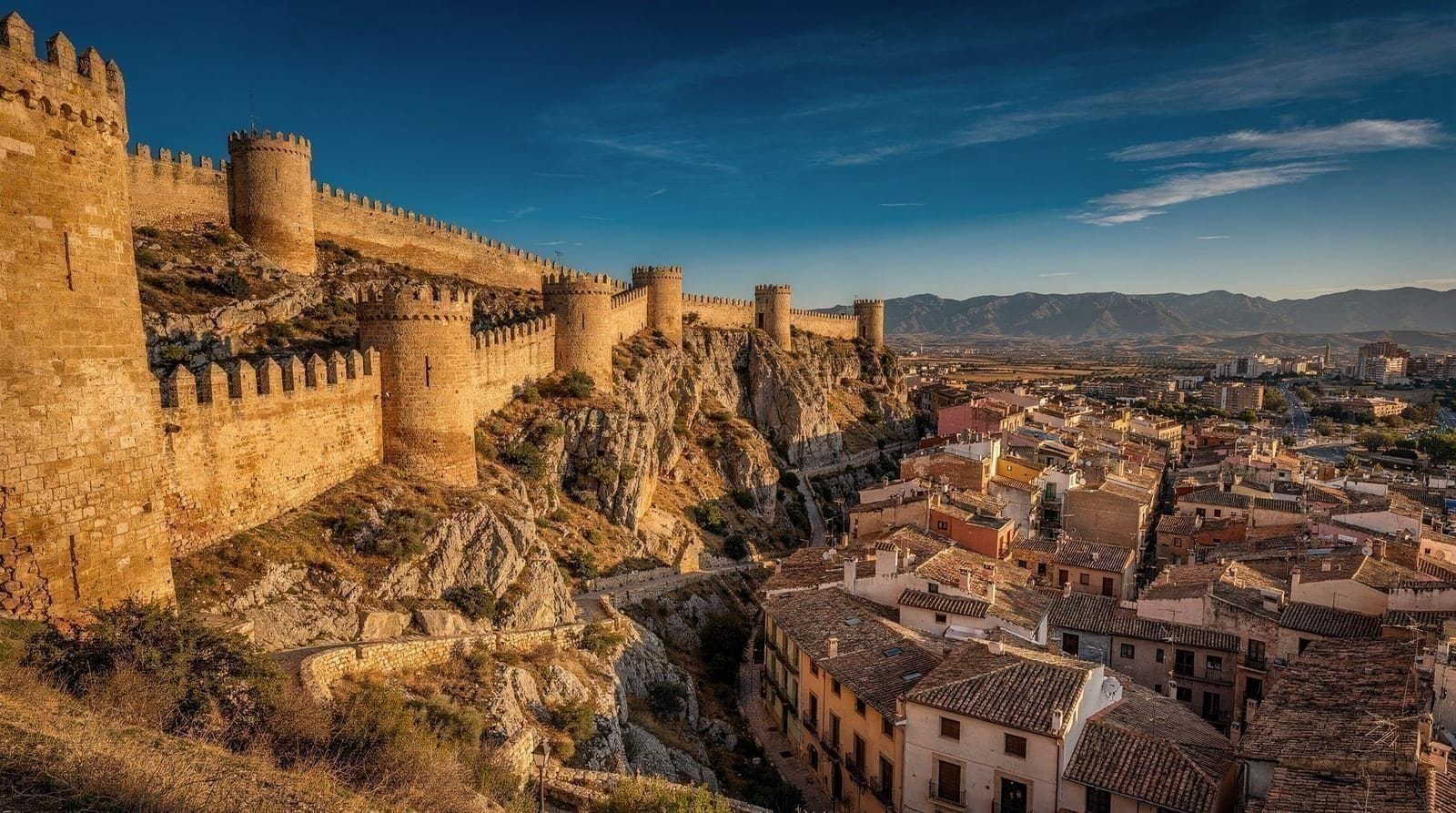
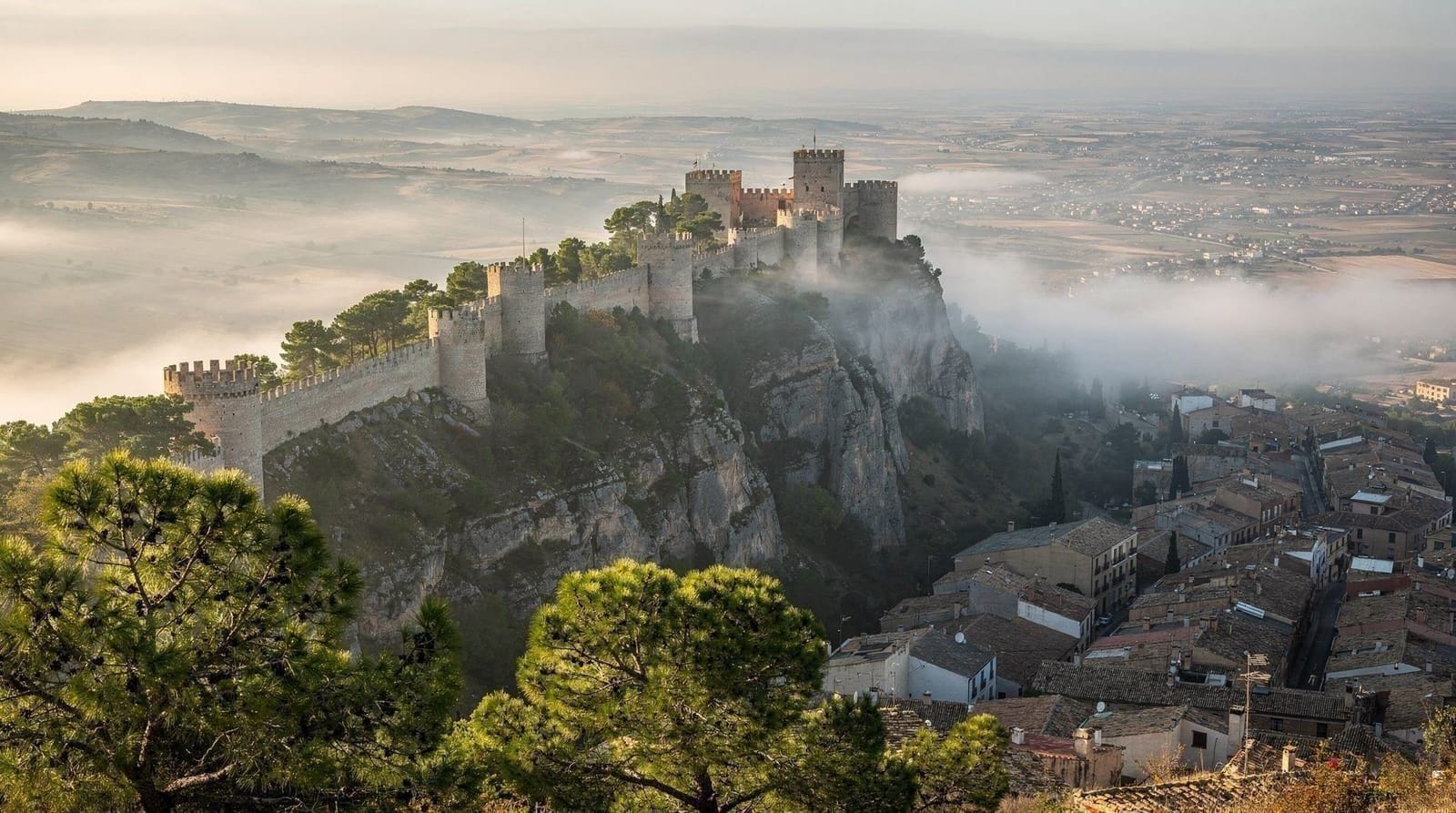
Fifty kilometres south of Valencia, Xàtiva punches far above its size. The town has a population of around 30,000 but a history outsized enough to occupy a full afternoon of serious engagement: a castle complex stretching across a ridge above the town that covers more than 2 kilometres from end to end; a collegiate church that took 500 years to complete and shows it; and a museum that displays a portrait of the Bourbon king Felipe V turned upside down — a defiant civic statement about the 1707 massacre and burning of the town, still maintained over 300 years later.
| Where | Xàtiva, about 50 km south of Valencia |
| Cost | Train €5-7 return, castle entry around €6, lunch €10-12 |
| Time needed | Half day, 3-4 hours from train arrival to departure |
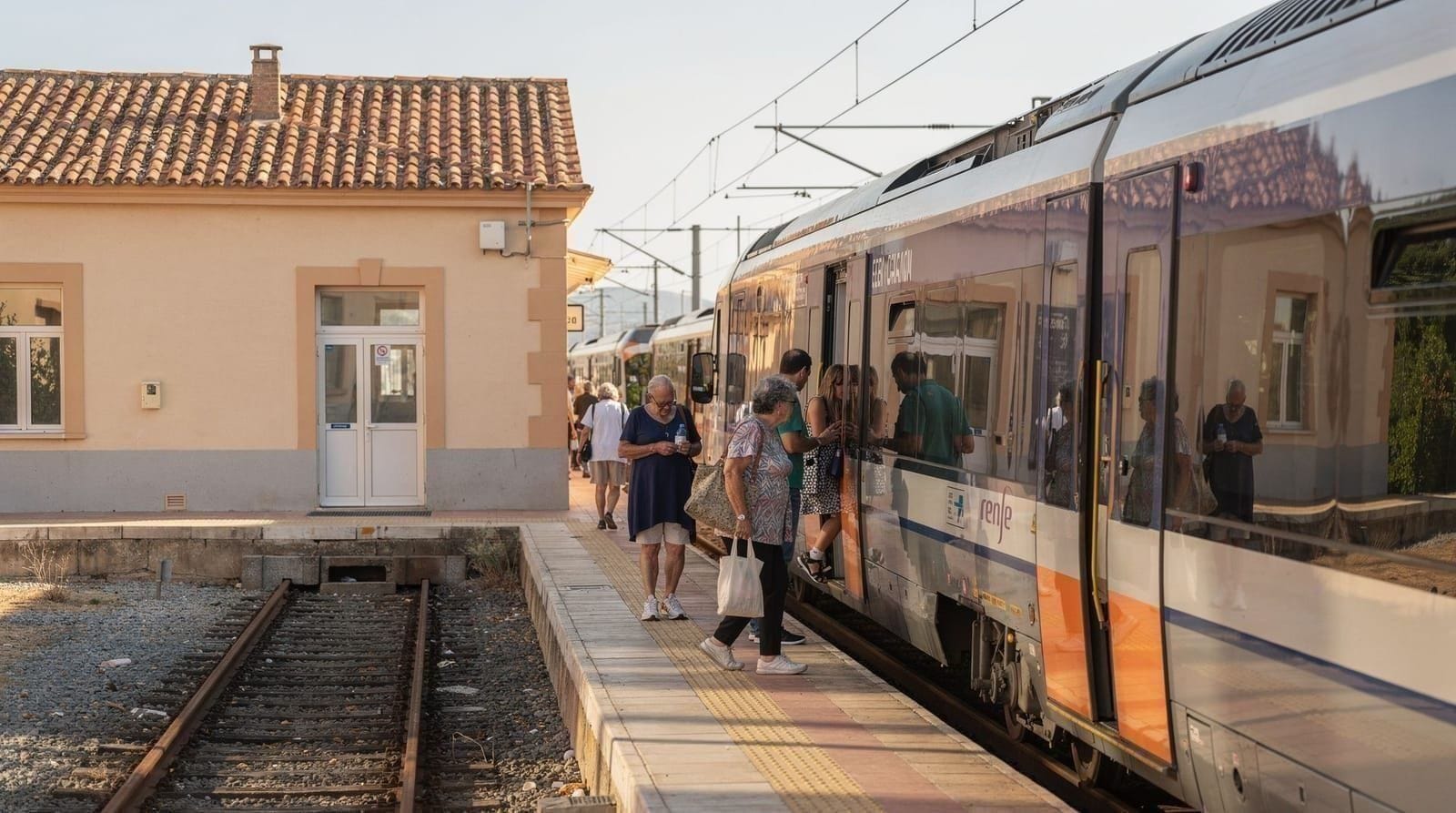
| Getting there | Train from Estació del Nord, 50-65 min, roughly hourly |
| Best time | Spring or autumn; the castle climb is tough in summer heat |
The train journey from Valencia’s North Station is 50–65 minutes. Return tickets run €5–7. Trains run hourly. This is the easiest serious day trip from Valencia — see the day trips by train guide for how it compares to the other train-accessible options, and the day trips without a car guide if you’re planning a whole trip around public transport.
Getting from the station to the castle
Xàtiva station is at the bottom of the hill. The castle is at the top. The gap is about 2.5 km and 100 metres of elevation.
Walking: a path climbs through the old town past the Colegiata, through the park at the base of the castle hill, and up the ridge. It takes about 40 minutes and is genuinely pleasant in cool weather. In summer heat (July–August), it’s a different proposition.
Tourist train (Tren Turístic): a small tourist road-train runs from the town centre to the castle entrance during high season (check times locally). It’s not fast or elegant, but if you have children or limited mobility, it solves the climb.
Taxi: from the station to the castle entrance, approximately €8–10. Practical for the uphill journey; walk down afterward through the old town.
What to see at the castle
The castle complex (Castillo de Xàtiva) is divided into two connected sections: the Minor Castle (Castillo Menor), the older part dating to the Iberian period and later expanded by Romans and Moors; and the Major Castle (Castillo Mayor), the larger medieval section.
The walls and towers: walk the perimeter where open — the views over the flat valencian plain, the rice paddies, and on clear days the sea are genuinely spectacular.
The cisterns: the medieval water storage systems carved into the rock are better preserved than at most comparable sites in Spain. Worth a few minutes.
The views: from the highest points of the major castle, you’re looking over a landscape that stretches to the sea. This is the main reason to come up here.
Budget 1.5–2 hours for the castle complex. Entry is approximately €6 per adult (prices subject to change; confirm locally).
The complete Xàtiva experience from Valencia — castle, museum, and guided historical context for both
The Museu de l’Almodí: don’t miss the upside-down portrait
In the town below the castle, the Museu de l’Almodí occupies a Renaissance building and holds, among other things, a collection of local archaeological finds and a gallery of paintings. One of these paintings — a portrait of Felipe V — is hung upside down.
This is not an accident or an installation. It’s a deliberate act maintained for over three centuries: Xàtiva was burned and many of its inhabitants massacred in 1707 by the troops of Felipe V during the War of the Spanish Succession, after the town supported the Habsburg claimant. The town has never forgiven the Bourbon king. The portrait hangs inverted as a permanent protest.
The museum is small and the other contents are only modestly interesting, but this single painting is worth the visit on its own terms. Entry is minimal.
Lunch in Xàtiva
The old town around the Plaça de la Trinitat and Carrer de la Corretgeria has several restaurants and tapas bars. Prices are noticeably lower than Valencia city — a menú del día in Xàtiva typically runs €10–12 including wine, compared to €12–16 in the city.
Xàtiva has its own rice dish tradition: arroz al horno (baked rice with chickpeas, morcilla, and pig’s trotters in some versions) is a winter staple. If you’re visiting in the cooler months and see it on the menu, it’s worth trying.
Allow time: the midday sun in summer makes the castle walk significantly harder than in spring or autumn. Most visitors who dislike the heat should plan to be at the castle before noon and lunch after, or arrive in the afternoon when the direct sun on the south-facing slopes has eased.
What to bring
Water: the castle complex has no refreshments sold on site. Bring at least a litre per person, more in summer.
Sun protection: the ridge is fully exposed. Hat and sunscreen are not optional in April–October.
Walking shoes: the castle paths are uneven stone. Sandals and dress shoes make the visit significantly less comfortable.
Is it worth doing with a car instead of the train?
The train is genuinely the easier option for a solo Xàtiva visit — no parking to find, no motorway driving, and the station drops you within walking distance of the old town. A car only earns its keep if you’re combining Xàtiva with somewhere the train doesn’t reach cleanly in a day, such as Anna’s lakes or a wider loop through the region. If you don’t already have a car for other parts of your trip, the car rental for day trips guide is worth reading before deciding it’s necessary just for Xàtiva.
How Xàtiva compares to Valencia’s other castle day trips
Xàtiva isn’t the only fortress-topped town within reach of Valencia. Peníscola, further north up the coast, pairs a castle with a beach town and coastal views rather than Xàtiva’s inland plain outlook, and takes noticeably longer to reach. Sagunto, much closer to the city, has its own castle and Roman theatre but on a smaller scale than Xàtiva’s sprawling complex. For a single half-day trip with the best ratio of history to travel time, Xàtiva is the strongest option; for a fuller day combining a beach, Peníscola is worth the extra distance. Because the trip is long, many visitors prefer an organised day out to the Peníscola castle rather than piecing together the transport themselves, while the Peníscola and Morella itinerary shows how those two towns fit together.
The town beyond the castle
Xàtiva’s lower town is pleasant for an hour of wandering after the castle: the Colegiata Basílica de Santa María (the collegiate church still not fully finished after 500 years of construction), the medieval fountain at the old market square, the series of small squares lined with palm trees.
It’s not an overwhelming old town — maybe 3–4 hours from train arrival to train departure is the right amount of time total. The Xàtiva guide has the fuller destination picture, and the Xàtiva castle guide covers the archaeological detail.
Combining Xàtiva with other destinations
Xàtiva and Albufera: possible in a single day with car transport; difficult by public transit (the timings don’t work cleanly). The Albufera day trip guide covers that route separately.
Xàtiva and Anna (lakes): there’s a village called Anna north of Xàtiva known for its natural lakes and waterfalls. Combined with Xàtiva, it makes for a full day with a car. The Anna Lakes destination covers this. If you would rather not drive, a guided day trip from Valencia that links Xàtiva and the Anna lakes removes the logistics, and it is worth comparing against the train plan below.
Xàtiva standalone by train: the most practical approach for most visitors. Morning train, castle, lunch, museum, afternoon train. Perfect for a single day.
Frequently asked questions about Xàtiva castle day trip from Valencia — what to expect
Do I need to book the castle entry in advance? No, entry is pay-on-arrival and the castle rarely reaches capacity outside major local festivals, so advance booking isn’t necessary for an independent visit.
Is Xàtiva doable as a half-day trip, or does it need a full day? Half a day is genuinely enough — most visitors need 3-4 hours from train arrival to departure, covering the castle, the museum and lunch, which leaves the rest of the day free back in Valencia.