Albufera day trip guide — how to visit Valencia's lagoon properly
The Albufera is Valencia’s easiest genuine escape from the city — a working wetland, a national dish, and a sunset all within an hour of the old town. Here’s how to do it properly, without wasting a half-day on the wrong bus or the wrong boat.
| Where | 10 km south of Valencia, around El Palmar village |
| Cost | Bus ~€1.50 each way; boat trips €5–25; guided day trips vary |
| Time needed | Half day for sunset boat + lunch; full day with birdwatching |
| Getting there | EMT bus 24/25, taxi, guided tour, or bike |
| Best time | Sunset (Apr–Oct) for the boat; early morning (Nov–Feb) for birds |
What the Albufera actually is
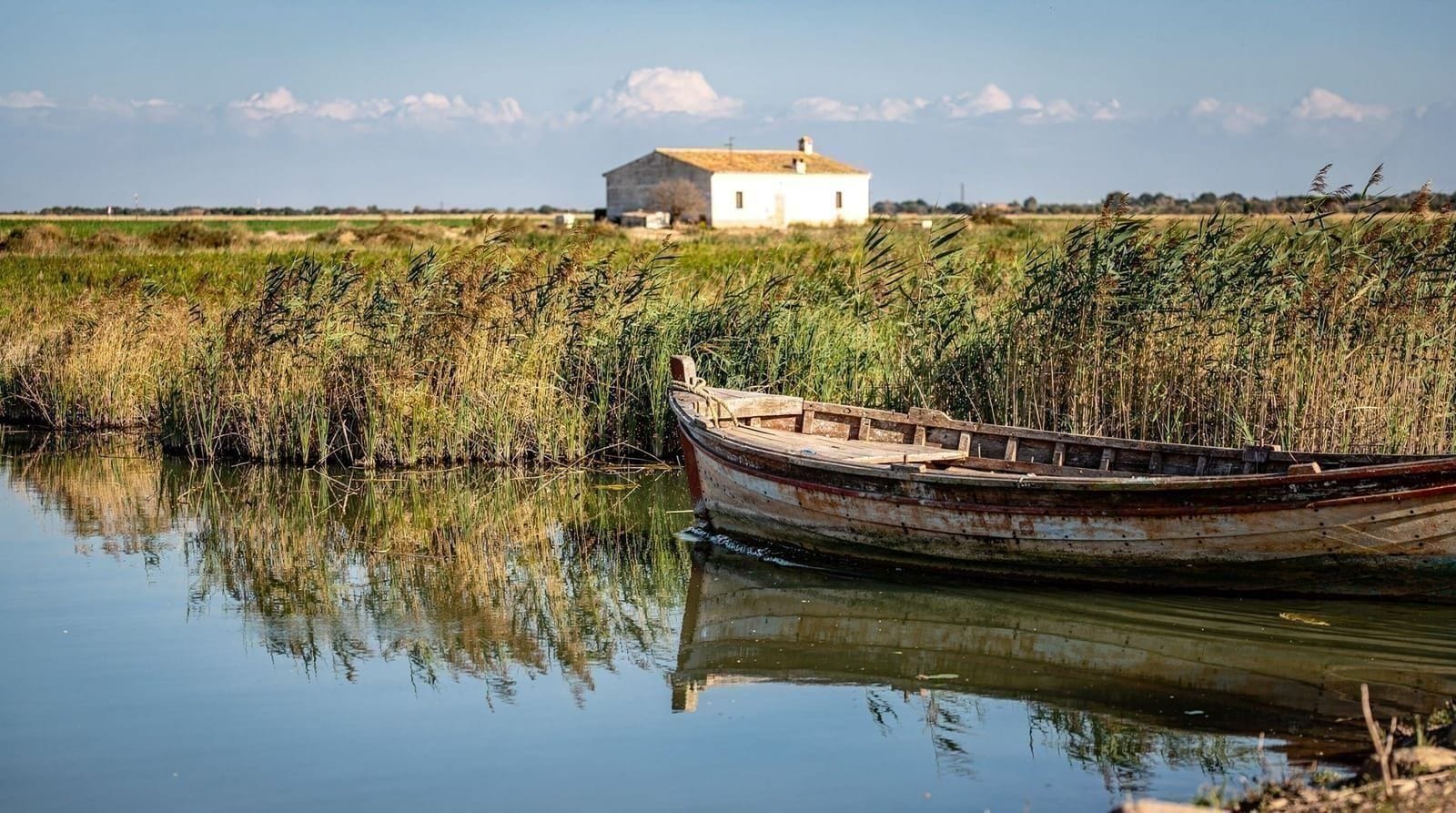
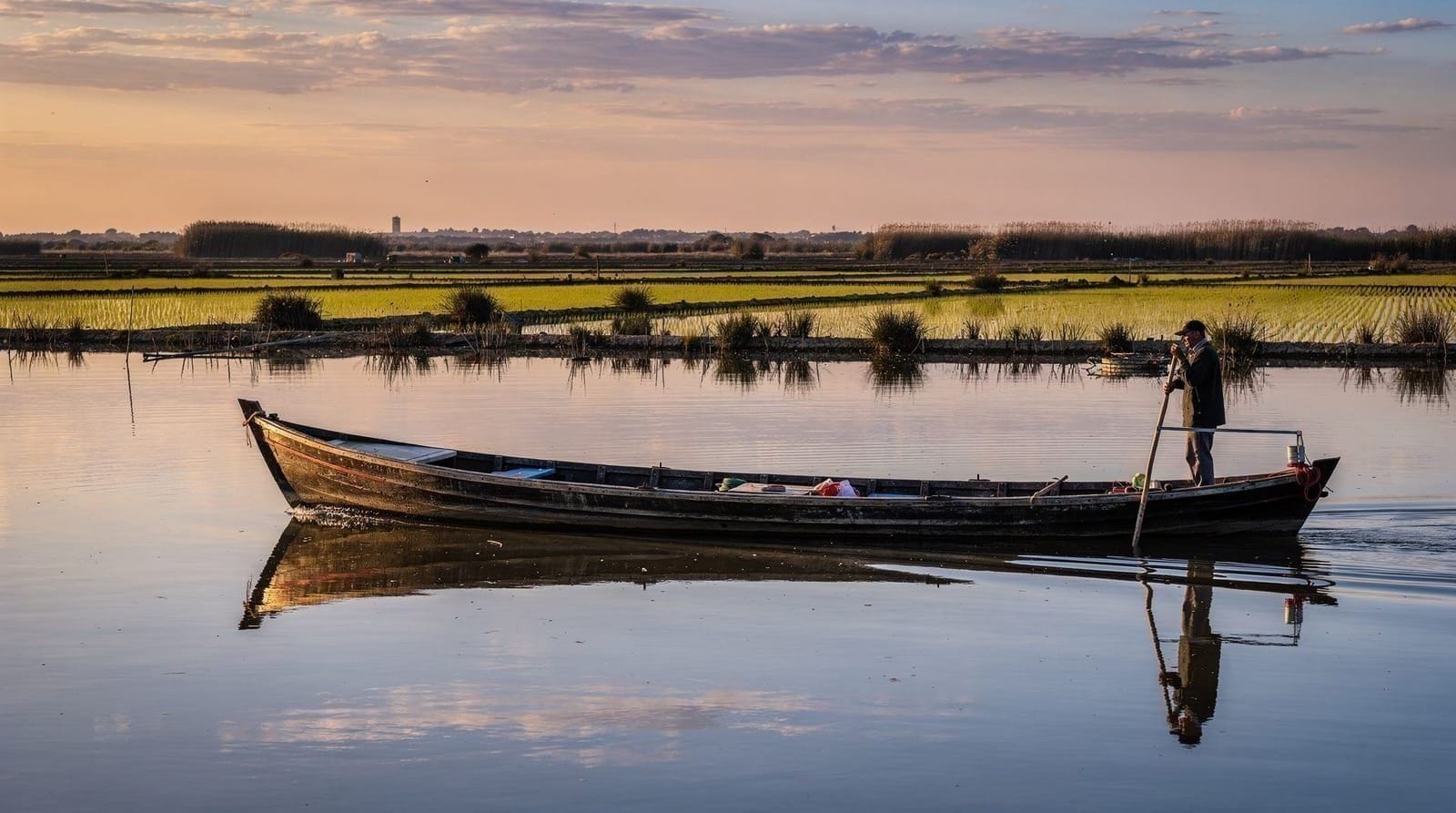
The Albufera is a shallow saltwater lagoon separated from the Mediterranean by a narrow strip of land — the Devesa — covered in pine forest and dunes. It lies 10 km south of Valencia city centre and covers roughly 21,000 hectares, making it the largest lake in Spain. The surrounding wetlands have been growing rice since Moorish times; the short-grain rice used in genuine Valencian paella and arroz a banda comes from these paddies.
This is the landscape that created paella. The dish was born in the villages around the Albufera, cooked by farmworkers and fishermen from local rice, eels (the signature all i pebre stew), ducks, and whatever grew nearby. Eating in El Palmar with a view over the lagoon is as close to the source of one of Spain’s most important dishes as you can get.
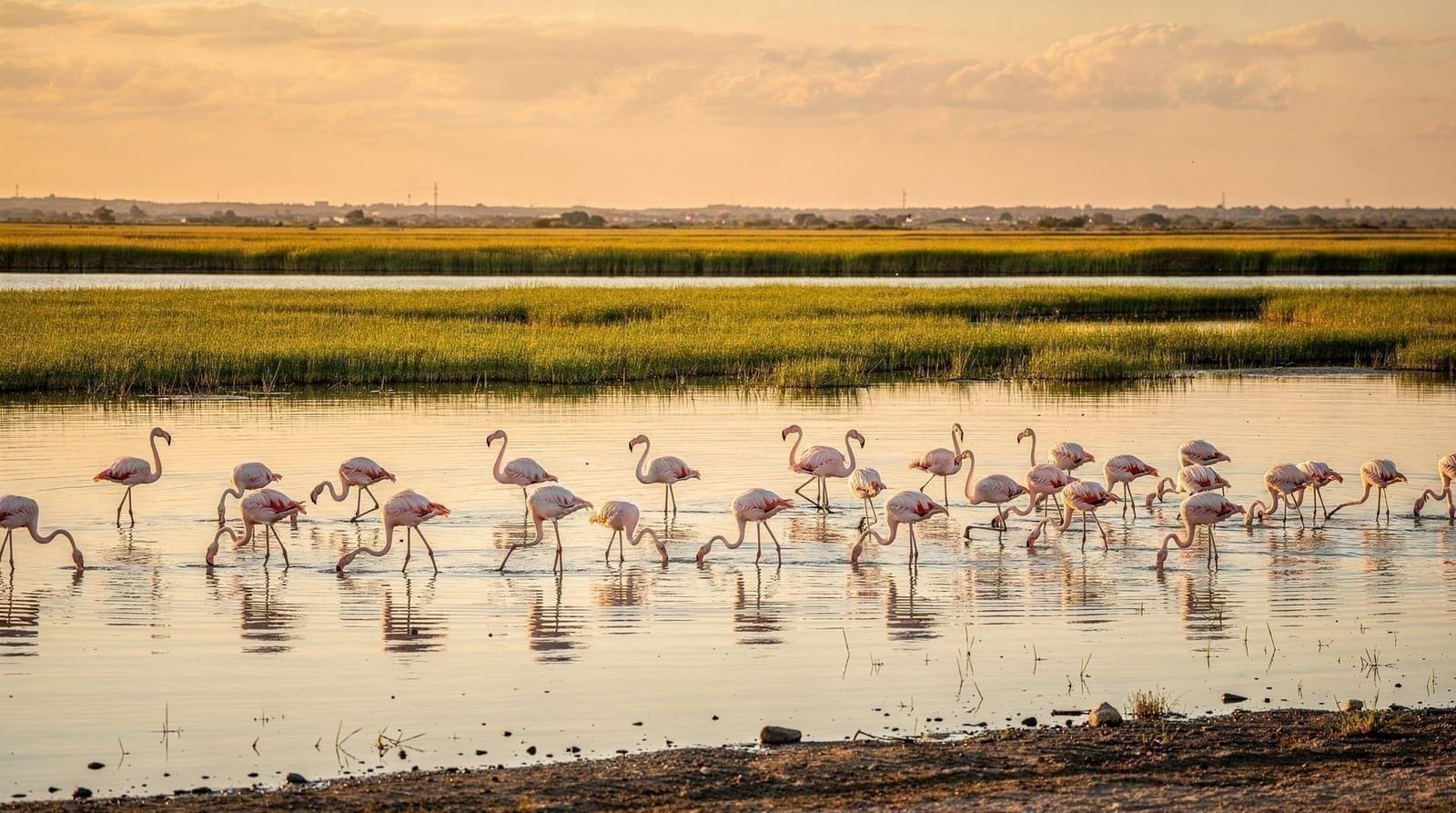
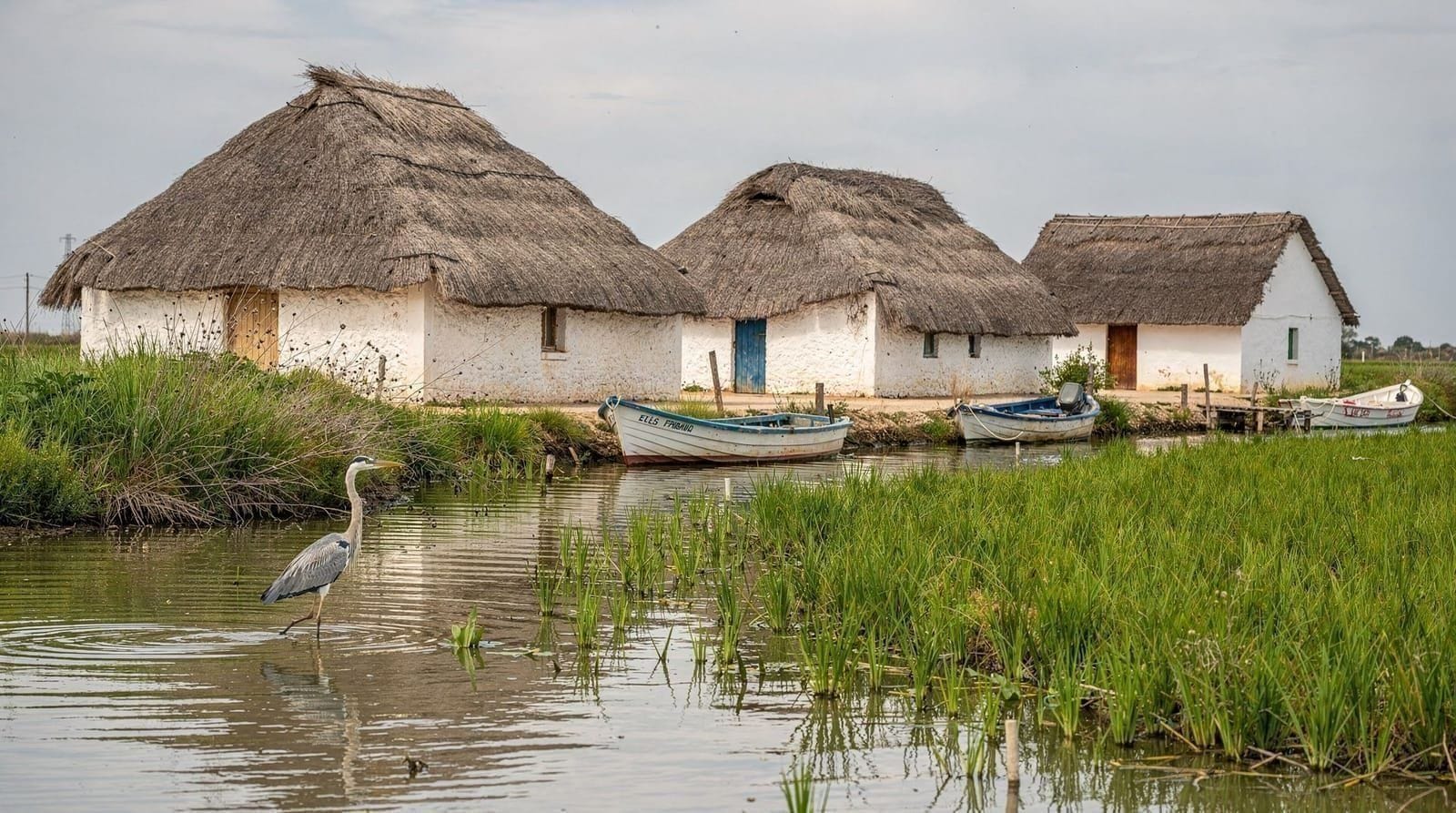
The Albufera is also a protected natural park — Albufera Natural Park — with significant birdlife, particularly important for migratory birds in autumn and winter. Flamingos, herons, egrets, and thousands of waterfowl use the lagoon seasonally.
How to get there
Bus: EMT buses 24 and 25 run from Valencia city centre to El Palmar village and the Albufera recreational area. The journey takes approximately 35–45 minutes. Buses run roughly every 30–60 minutes; check the EMT Valencia app for current schedules, as they vary seasonally. Cost: standard EMT fare, around €2 each way (or your Bonobus rate).
Taxi or rideshare: approximately €15–20 from the city centre to El Palmar. Sensible if you’re in a group and the bus timing doesn’t suit you.
Guided tour: several operators run Albufera day trips from Valencia that include transport, a boat ride on the lagoon, and lunch (typically paella or all i pebre) at a restaurant in El Palmar. These are genuinely convenient and well-reviewed.
Albufera boat ride with paella included — transport from Valencia, sunset boat tour, and a full lunch at El Palmar
By bike: the Albufera is reachable by a well-marked cycling route south from Valencia along the coast and through the Devesa forest. The round trip is about 35 km. For fit cyclists, this is a genuinely beautiful route. The cycling Turia guide has relevant route context.
What to do at the Albufera
Boat trip on the lagoon: the traditional wooden flat-bottomed boats (barraquetes) offer short circuits of the lagoon from the boat terminal in El Palmar. Independent boat rides cost approximately €5–7 per person for a 20-30 minute circuit. These are less spectacular than the guided sunset eco-boat tours but more flexible and considerably cheaper. The key is timing: the sunset view over the Albufera from a boat is one of the most photographed scenes in the Valencia region. If you’re visiting in late afternoon, time your boat trip for the hour before sunset.
Albufera Natural Park eco-boat tour at sunset — guided tour with natural-history commentary and optimal sunset positioning
The Devesa forest and beach: the narrow strip of land between the lagoon and the Mediterranean carries a pine forest (the Devesa de l’Albufera) and the beach of El Saler. This is an excellent spot for a walk after lunch, particularly in the cooler months. The beach at El Saler is one of the cleanest and least crowded near Valencia.
El Palmar village: the small fishing village of El Palmar is the main destination for lunch. Several family-run restaurants specialise in all i pebre (eel stew, the dish specific to the Albufera) and rice dishes. Restaurante Levante is among the most respected, but there are multiple solid options along the main canal street. If you’d rather structure your visit around eating, the best paella restaurants guide covers El Palmar’s options in the wider Valencia context.
Birdwatching: the observation towers and hides around the lagoon perimeter offer good access to the wetlands in autumn and winter. The park visitor centre (Centre d’Interpretació de l’Albufera) near El Saler has maps and information.
All i pebre: the dish you shouldn’t skip
All i pebre (garlic and pepper in Valencian) is an eel stew that’s as specific to the Albufera as paella is to Valencia generally. The eels (anguilas) were historically caught in the lagoon; today’s supply is partly farmed, but the dish remains a defining preparation of this area.
The stew is deeply savoury, with a broth built on ñora peppers, garlic, olive oil, and potato. It’s served with bread for mopping. Many visitors focus on paella and miss all i pebre entirely; this is a mistake if you’re making the journey specifically to eat at the source. The all i pebre guide has the cultural context and restaurant recommendations.
Timing your visit
Sunset visits (April–October): take an afternoon bus or taxi to El Palmar, have lunch, explore the village, take a boat trip timing it for the sunset, and return to Valencia by bus or taxi in the early evening. This is the canonical Albufera experience.
Morning visits (year-round for birdwatching): the lagoon is most active for birdlife in the early morning, particularly November through February. Come early, walk the lagoon perimeter, visit the observation tower, and have lunch before heading back.
Summer weekends: El Palmar restaurants are very busy on summer weekend lunchtimes. Book in advance. The beach at El Saler is also crowded on summer weekends — go on a weekday if possible.
Albufera by season
| Season | Conditions | Best for |
|---|---|---|
| Spring (Mar–May) | Rice paddies flooded and planted, mild weather | Photography, quiet visits, birdlife starting to return |
| Summer (Jun–Aug) | Hot, restaurants busy on weekends, long sunset light | Sunset boat trips, evening visits |
| Autumn (Sep–Nov) | Rice harvest, cooling weather, migratory birds arriving | Birdwatching begins, fewer crowds |
| Winter (Dec–Feb) | Cool, quiet, best birdlife | Serious birdwatching, empty boat terminal, moody light |
Combining the Albufera with other day trips
If you’re building a longer itinerary rather than a single day out, the Albufera pairs naturally with the beaches directly south of it — see the best beaches near Valencia guide for how El Saler and Cullera fit into the same coastal stretch. Travellers without a rental car should also check the day trips without a car guide, since the Albufera is one of the easiest natural areas to reach on public transport alone, unlike inland destinations such as Bocairent or Montanejos.
The honest boat-trip advice
The independent boat trips from El Palmar harbour (the small boats operated by local families) are fine for a short circuit of the lagoon at any time of day. They’re cheap, require no booking, and give you a genuine sense of the water.
The organised eco-boat tours are better for sunset specifically: they’re timed for optimal light, they come with natural-history commentary (usually in Spanish and English), and they cover a longer circuit that independent boats typically don’t. The price premium (€15–25 versus €5–7) is justified if sunset timing matters to you.
For the complete Albufera guide — the natural park boundaries, the history of rice cultivation, the bird species, and the full restaurant map of El Palmar — see the Albufera day trip guide and the Albufera Natural Park guide.