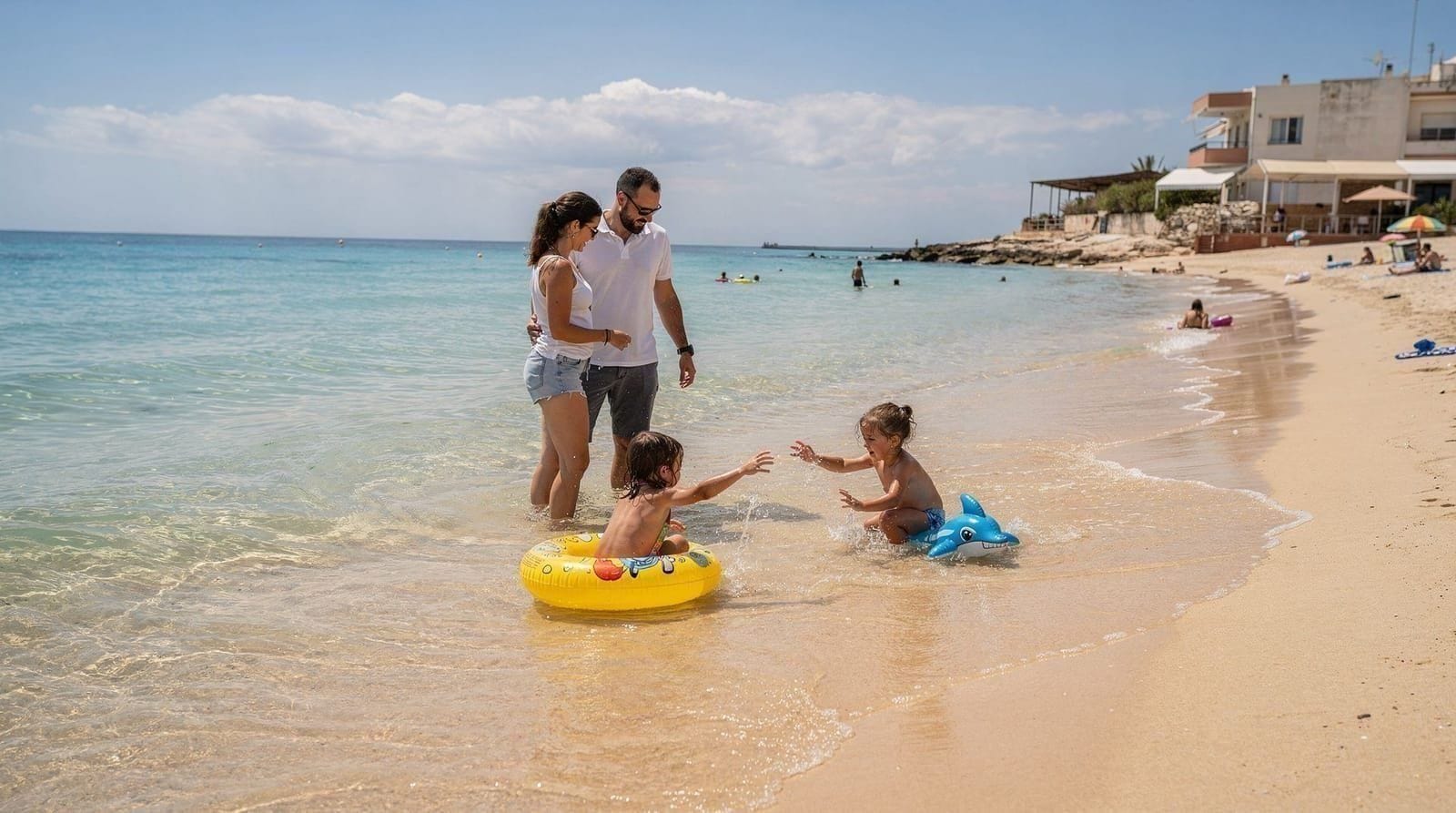
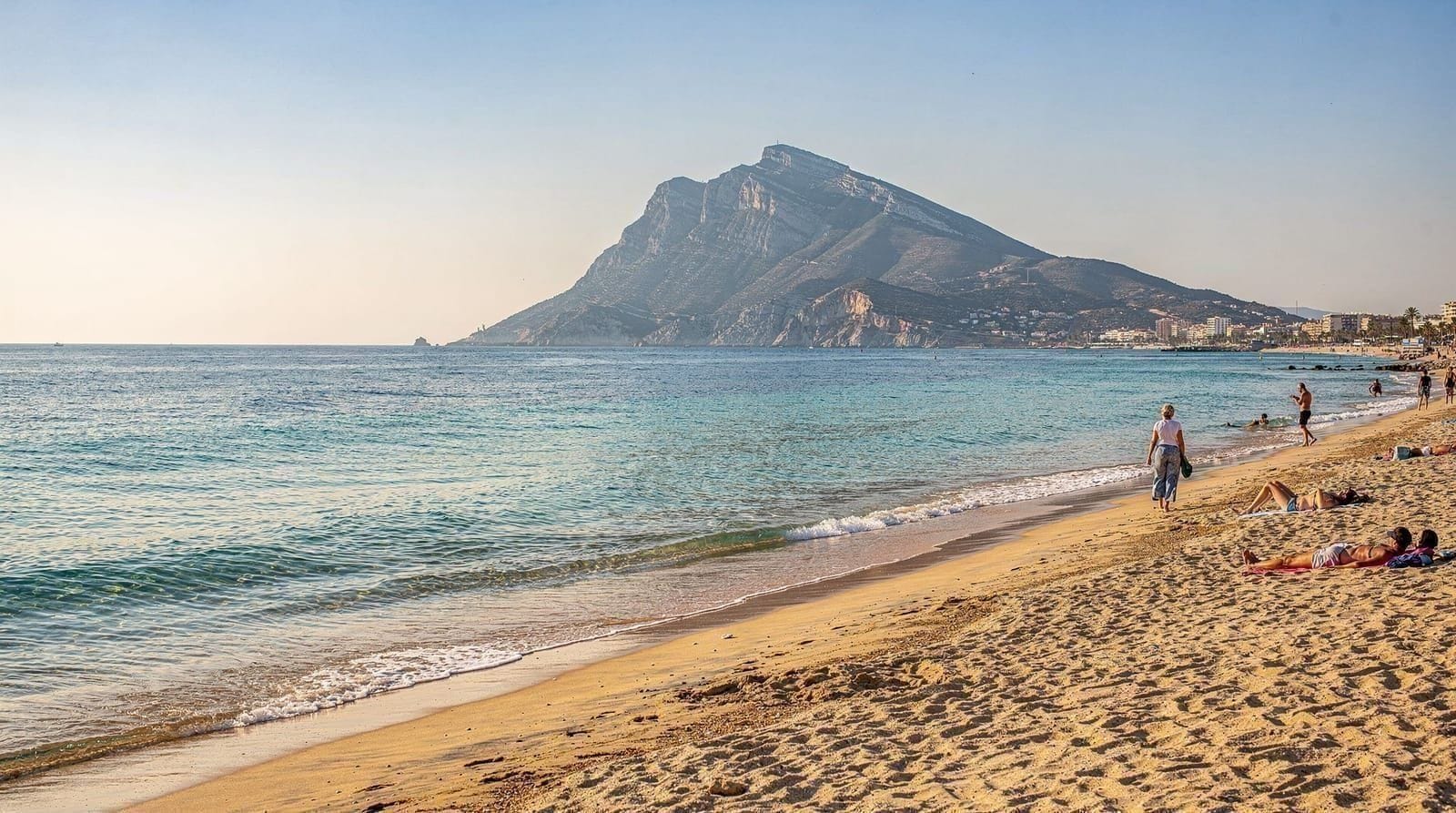
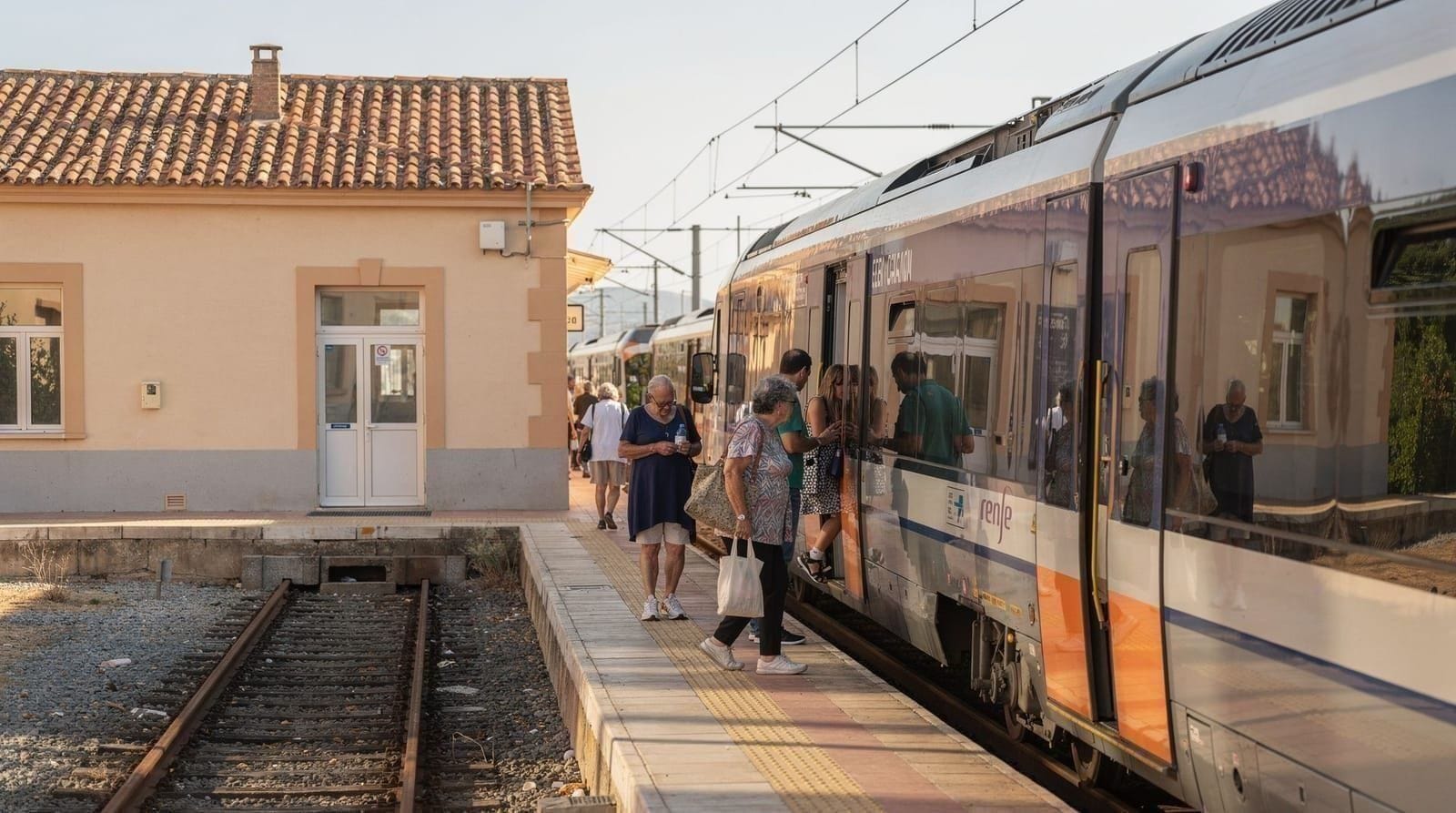
Gandia beach guide: wide sands, summer resort, and honest assessment
Valencia: sailing catamaran cruise with sunset option and DJ
Duration: 1-1.5 hours
Is Gandia beach worth visiting from Valencia?
Yes for a full beach-resort day. The Cercanías C2 train from Estació del Nord takes 60 minutes (€4.80) and the beach is 1.5 km from the station. Platja de Gandia is 6 km of well-maintained sand with good services. It is busier and more resort-oriented than Cullera, calmer and more accessible than the southern Costa Blanca.
Gandia beach is the largest resort beach within practical day-trip distance of Valencia. The 6 km main beach is one of the longest continuous sandy stretches on the Valencian coast. It is well-maintained, has solid facilities, and in summer hosts a legitimate resort atmosphere complete with beach clubs, seafront restaurants, and nightlife. It is also, as of 2026, the most popular Valencia-accessible beach among Northern European package tourists and Spanish families looking for a proper resort experience rather than a city beach.
What it is not: quiet, hidden, or particularly authentic. Gandia beach is developed and proud of it. Understanding this in advance removes any disappointment and helps visitors get the most from what is genuinely a good resort beach.
| Where | 6 km beach, 1.5 km east of Gandia train station |
| Cost | Free beach access; sunbeds around €8-12, train around €4.80-5.20 each way |
| Time needed | Full day trip |
| Getting there | Cercanías C2 from Estació del Nord, 55-65 min |
| Best time | June or September for good weather without peak crowds |
For how Gandia stacks up against Valencia’s other day-trip beach options, see the best beaches near Valencia guide, and for the town itself beyond the beach, the Gandia destination guide.
Getting to Gandia from Valencia
By train
The Cercanías C2 line from Valencia Estació del Nord to Gandia takes 55–65 minutes (direct services on the faster variant) and costs approximately €4.60–€5.20 one way. Frequency is roughly every 30 minutes; check Renfe’s Cercanías app for current times.
At Gandia station, the beach is approximately 1.5 km east. In summer, local buses connect the station to the beach. Walking takes 20 minutes. Taxis cost around €6–8. The station area has a tourist information office with maps.
The train is the practical option for most day-trippers from Valencia. It is reliable, comfortable, and eliminates the August parking problem at the beach.
By car
Via the AP-7 motorway: approximately 60–70 minutes. Via the N-332 coastal road: approximately 90 minutes through multiple towns. The AP-7 is the practical choice for a day trip. Gandia’s beach area has paid car parks along the seafront (approximately €3–5 per day) plus free spaces in the residential areas behind the beach.
By bus
ALSA runs regular coach services from Valencia’s Estació d’Autobusos (Bus Station, south of the city centre) to Gandia. Journey time approximately 70–80 minutes. The coach drops in central Gandia; bus or taxi to the beach.
The beach
Platja de Gandia (main beach)
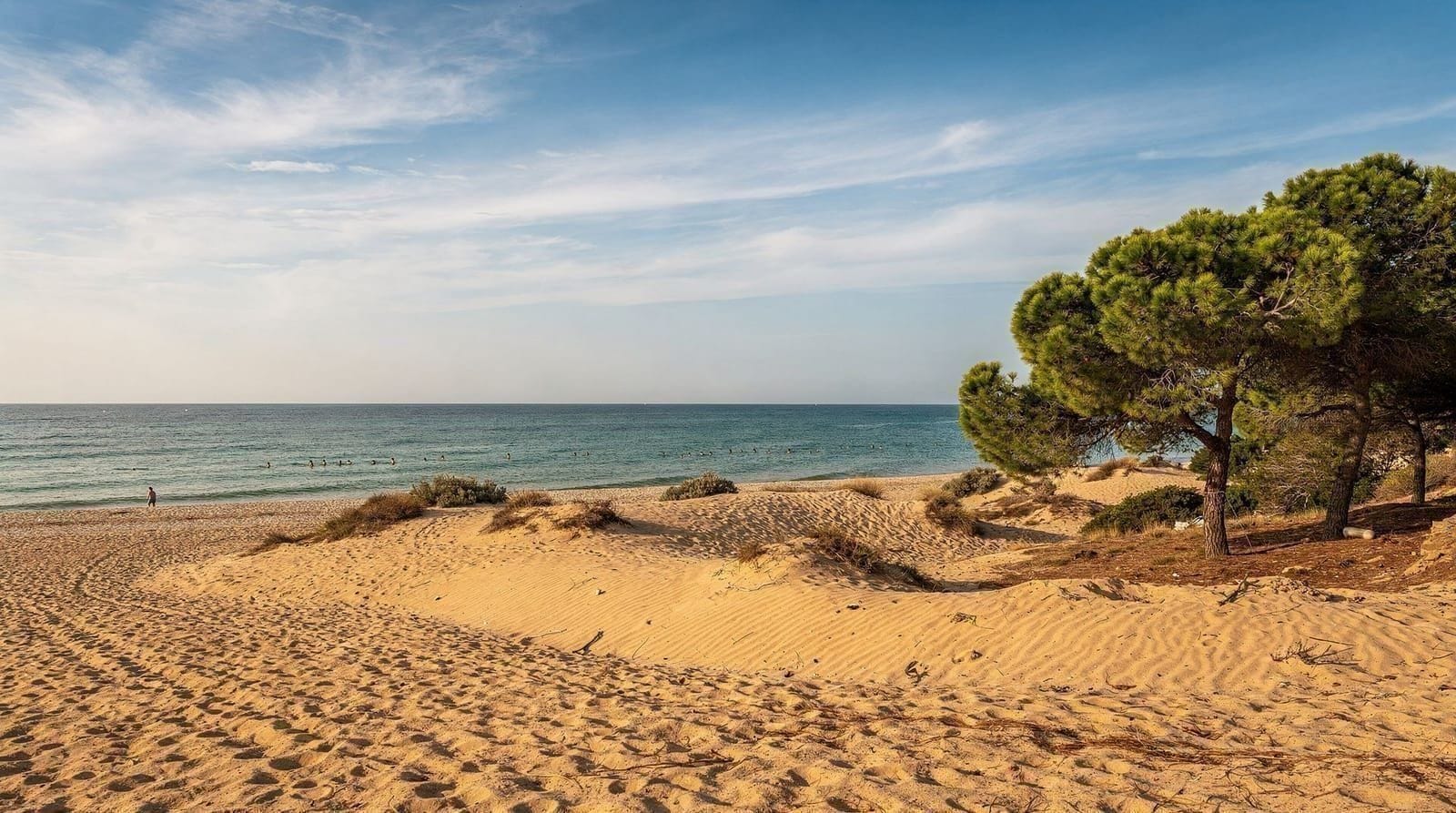
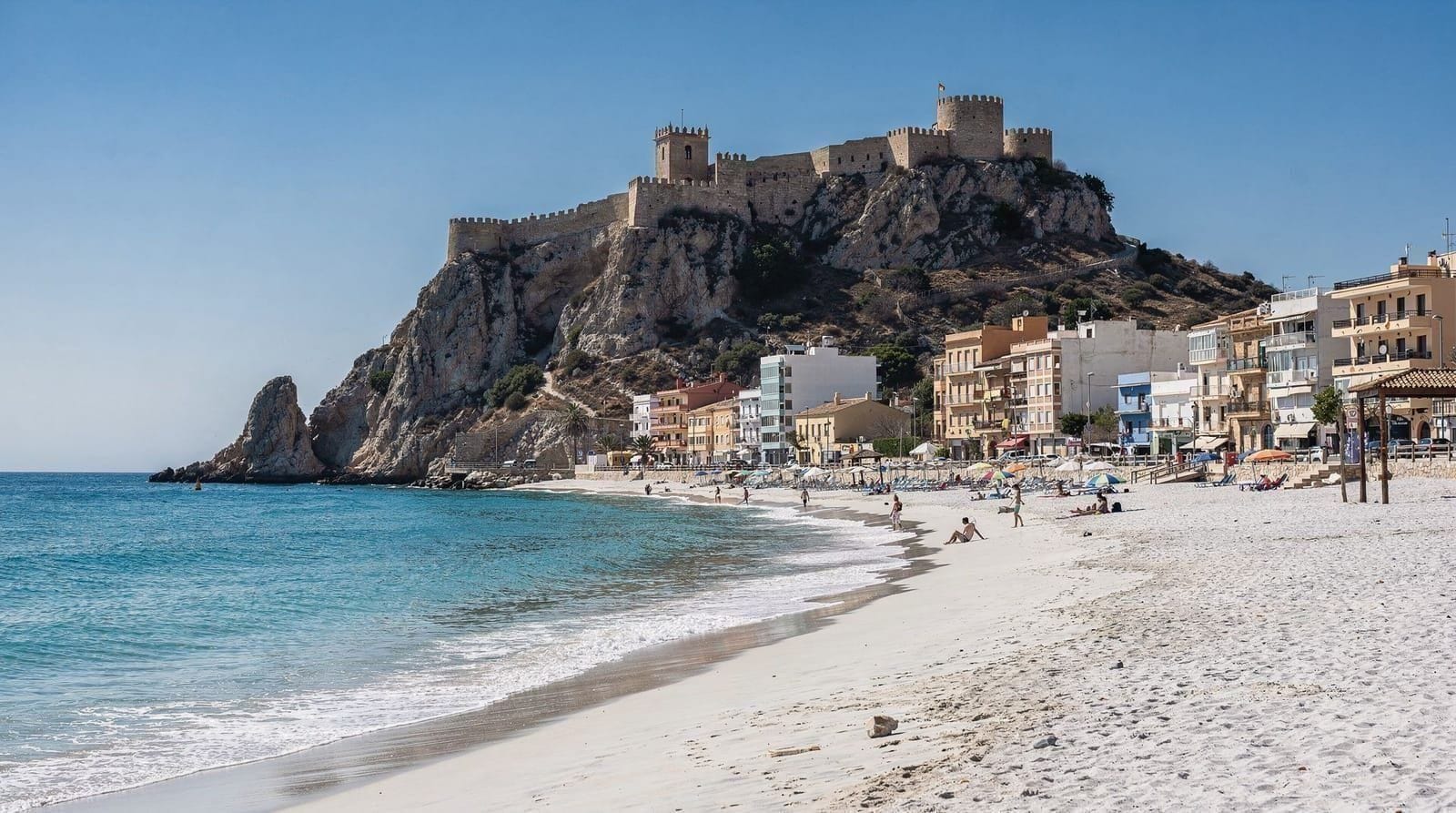
The main beach runs 6 km from the port area in the north to the southern residential resorts. It is consistently 80–100 metres wide. The sand is well-maintained — the town has invested in beach management infrastructure including mechanical cleaning, regular quality checks, and Blue Flag applications.
Water conditions: The beach is moderately exposed. Gentle swell (0–0.5 m) on most summer days. Water temperature matches the Valencian coast: 22–26 °C in summer. The southern sections are marginally calmer due to some natural headland shelter.
Services: Full resort infrastructure. Sunbed and parasol concessions run the entire length in season (June–September). Expect €8–12 per sunbed. Beach bars every 300–400 metres. Showers, toilets, accessible ramps. Lifeguards June–September with Red Cross first aid posts.
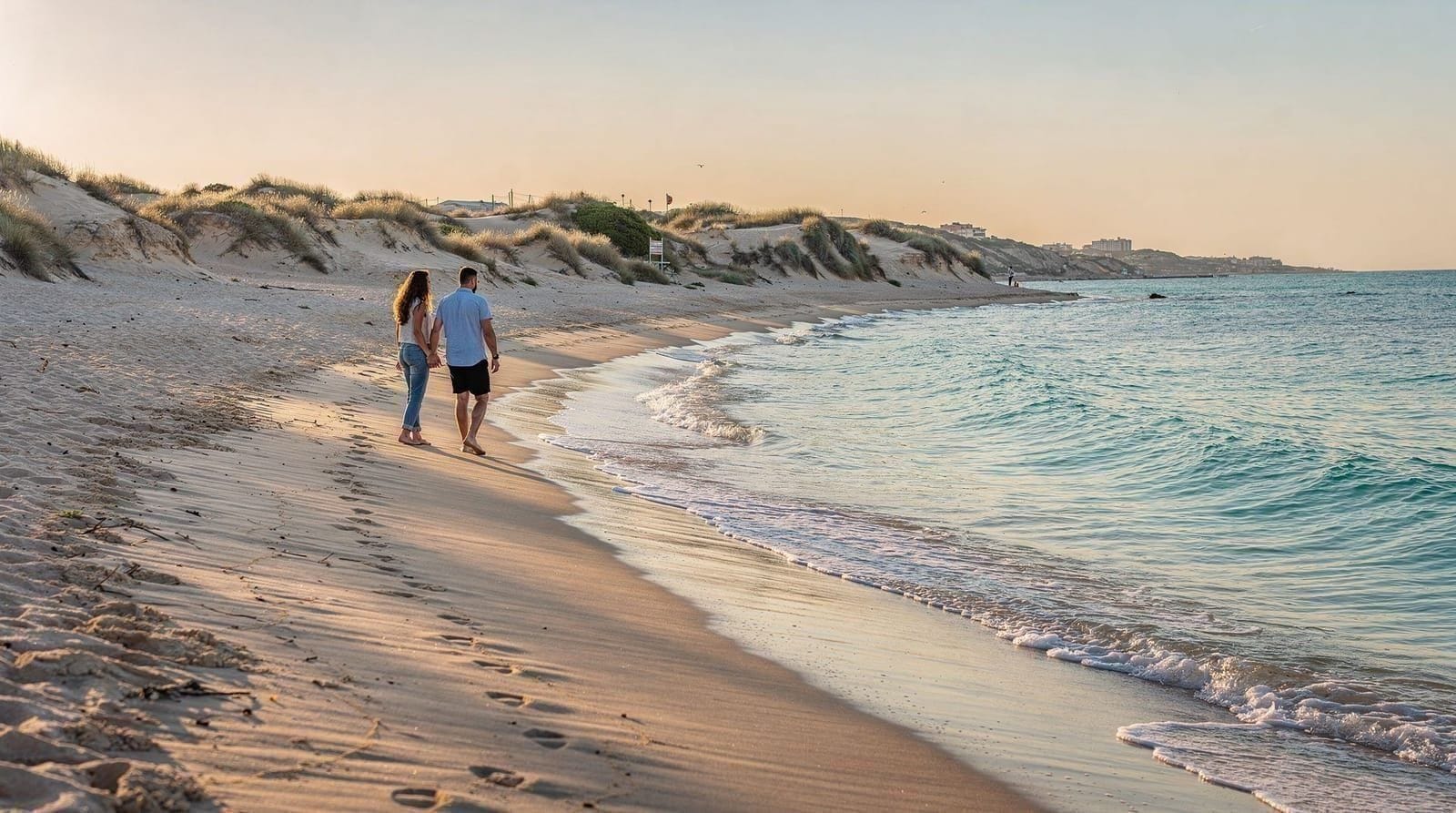
Crowds: The main beach absorbs significant numbers without reaching Malvarrosa-level density, simply because it is so large. The northern section near the port is busiest and closest to restaurants. The central sections are the standard resort experience. The southern sections beyond the main resort cluster are noticeably quieter and worth the 20-minute walk or bike ride.
Platja del Grau de Gandia
The Grau (port area) beach at the northern end has a different character — less manicured resort, more working coastal town. The fish market here operates mornings and supplies the town’s restaurants with fresh catch.
Beaches south of Gandia
The coast continues south from the main Platja de Gandia through smaller resorts: Playa de Venecia, Playa de Xeraco (approximately 10 km south). These receive fewer visitors but require transport.
Gandia’s old town
Most day-trippers from Valencia go directly to the beach without visiting Gandia town, which is a missed opportunity. The old town is 1.5 km west of the beach (the station is between them) and has:
Palau Ducal dels Borja (Borja Palace): the historic seat of the Borja family, the same family that produced Pope Alexander VI and Cesare Borja. The Gothic-Renaissance palace has been extensively restored and is worth the €8 entry for the guided tour. This is not a tourist trap — the Borja history is genuinely significant (and scandalous) enough to justify 60–90 minutes.
Convent of Sant Francesc de Borja: connected to the Borja history, the convent has a church with interesting baroque decoration.
Market: Gandia’s central market operates daily mornings. The produce section has excellent local citrus, given the Gandia region’s significant orange and clementine production.
A practical day pattern: old town in the morning (10:00–12:00), beach for the afternoon.
Restaurants and eating in Gandia
The restaurant situation at Gandia follows the same pattern as other resort beaches: the seafront strip is more expensive and more tourist-oriented than the inland streets.
Seafront restaurants: Expect to pay €20–30 per person for a full lunch. The paella and fish dishes are generally competent but not exceptional. Several restaurants have adopted the tourist-menu format.
Grau de Gandia (port area): The restaurants near the fish market serve fresh catch at prices reflecting lower tourist overhead. Ask about the day’s catch rather than ordering from the menu. Lunch 13:00–15:30.
Gandia town restaurants: The old town has genuine neighbourhood restaurants at €12–16 for a menú del día. Carrer de les Germanies and the streets around the Palau Ducal have several honest options.
Water sports at Gandia beach
Gandia’s beach length and exposure make it viable for several water sports:
Paddle surf: Multiple operators on the main beach offer board rentals (€10–15/hour) and lessons. The southern sections have calmer water and are better for beginners.
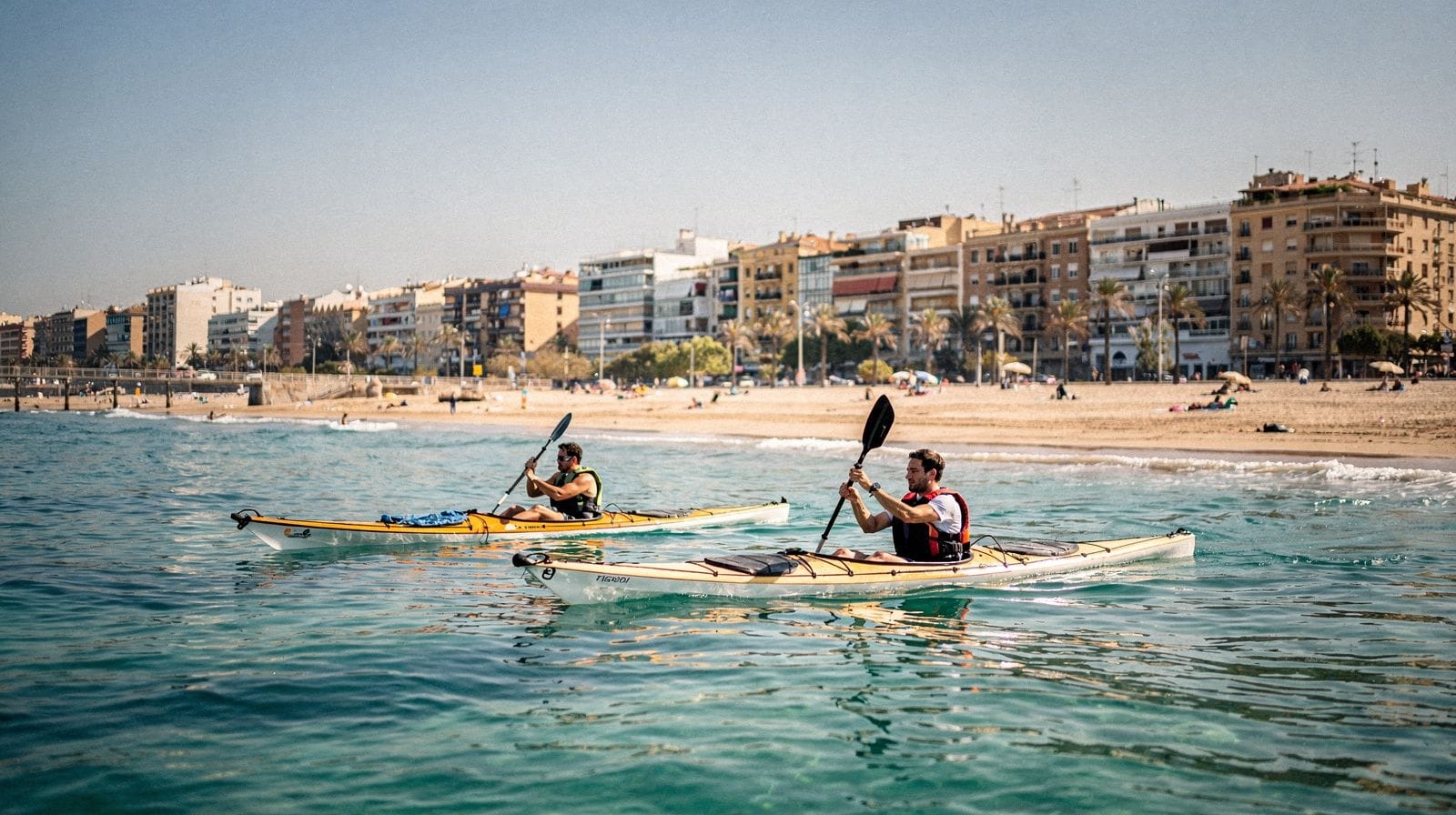 paddle surf lessonCheck availability
Kitesurfing and windsurfing: Gandia attracts these sports, particularly in the southern sections where there is more space away from swimmers. Local operators run rental and instruction.
Sailing: Several sailing schools operate from the Gandia marina (Puerto Deportivo de Gandia, north of the beach). Day charter and sailing lessons available.
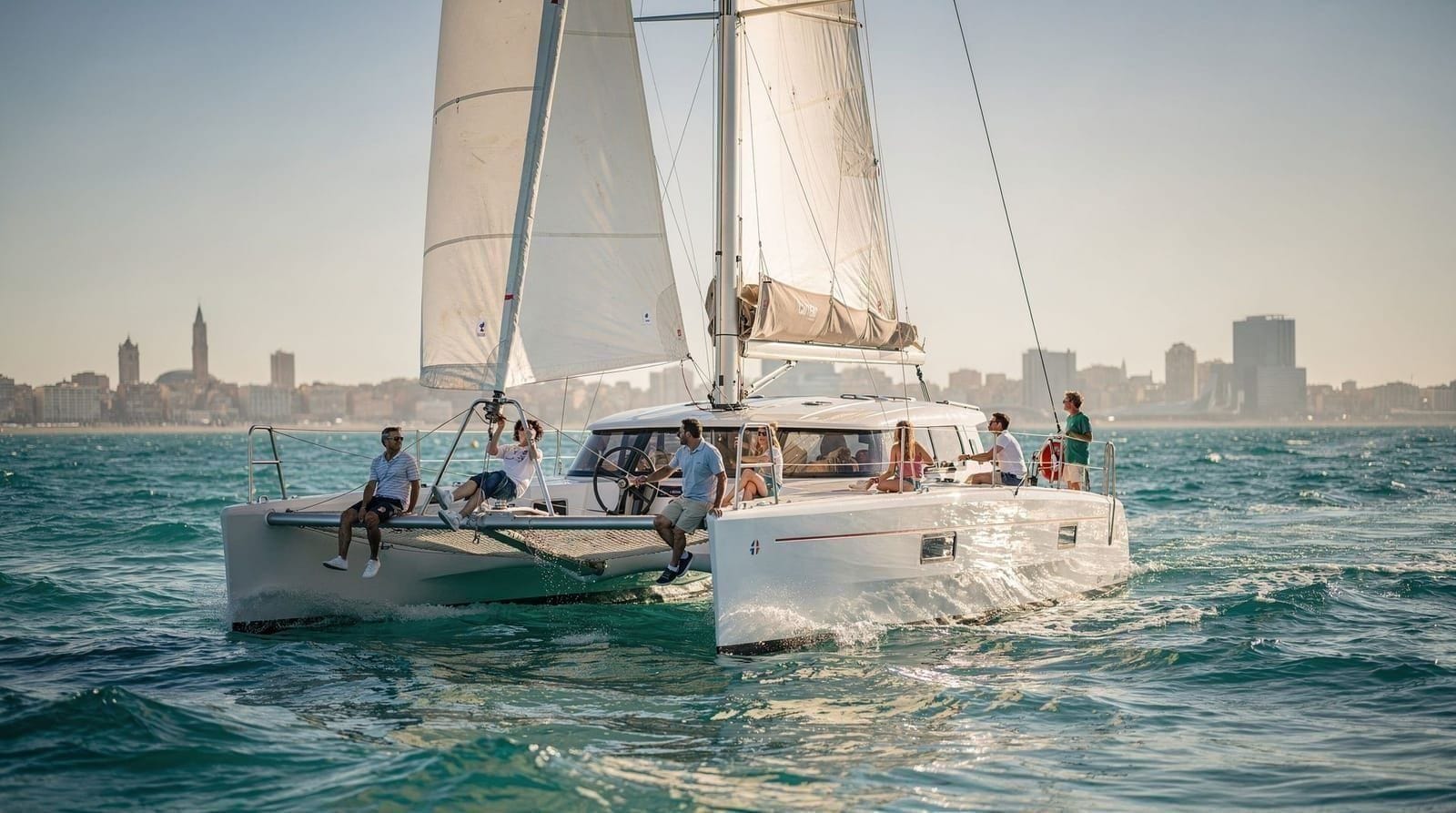 sailing catamaran cruise with sunset option and DJCheck availability
What the tourism boards leave out
August in Gandia is intense. The town is one of Valencia’s most popular summer destinations for Spanish families and receives significant Northern European package tourism. In the last two weeks of August, accommodation, restaurants, and the beach are all at peak capacity. If you visit in August, expect crowds, queues, and prices 30–40% above June/September rates.
The seafront nightlife runs late. Gandia beach has a developed nightlife scene in July–August, centred on the beach clubs and bars south of the main tourist strip. This is a feature for some visitors and a deterrent for others — families with young children should know that the area near the main beach clubs stays active until 04:00+.
Water sports infrastructure beyond paddle surf is limited for day-trippers. Most serious water sports operators in Gandia require advance booking or multi-day rental arrangements. If water sports are the priority for a day trip, Malvarrosa/Patacona in Valencia has more accessible day-trip operators.
Practical information
Train: Cercanías C2 from Estació del Nord (55–65 min, ~€4.80). Station to beach: 1.5 km, 20-min walk or local bus. For other train-accessible day trips from Valencia, see the day trips by train guide.
Best months: June and September. June offers good weather without peak crowds. September has warm water and thinner crowds after the 1st.
Beach length: 6 km main beach. Width: 80–100 metres.
Services: Full resort infrastructure. Blue Flag certified. Lifeguards June–September.
Best for: Full resort beach day, families wanting services, visitors wanting more space than Malvarrosa.
Not ideal for: Quiet or natural beach experience — see La Devesa or quiet beaches near Valencia.
Frequently asked questions about Gandia beach
Is Gandia beach or Cullera beach better for a day trip from Valencia?
They offer different experiences. Gandia is better if you want a full resort infrastructure, a longer beach, and more sunbed-and-umbrella experience. Cullera is better if you want variety (castle, cove, lagoon), a slightly less developed atmosphere, and similar train access. Both are solid day-trip choices.
How busy is Gandia beach in summer?
Significantly busy in July–August, manageable in June and September. The beach is large enough that even on peak days there is space, but the resort atmosphere — beach clubs, loud music, crowds — is pronounced in the main section.
Can I arrive at Gandia without booking?
Yes for the beach itself. For restaurant lunch at the better port-area restaurants on summer weekends, booking a table is advisable. For water sports, same-day availability is usually fine at the main operators.
What is the best part of Gandia beach?
The southern sections beyond the main resort cluster are less crowded. The Grau de Gandia (northern end near the port) has better restaurant options. The central section has the highest density of services.
Is there anything to do at Gandia on a rainy day?
The Palau Ducal dels Borja is the main indoor attraction. The central market operates regardless of weather. Gandia is otherwise a beach town and closed-sky days are slow — if the forecast is poor, Cullera’s castle or Valencia’s own museums are better bad-weather options.
Is Gandia suitable for a family day trip with young children?
Yes, with caveats. The main beach’s gentle gradient and lifeguard coverage work fine for children, and the resort infrastructure (toilets, showers, restaurants) is more convenient than a less-developed beach. However, the crowding and beach-club noise in peak July-August sections can be overwhelming for very young children — the quieter southern stretches or an early arrival avoid most of this. For toddlers specifically, the family beaches guide rates the Estany de Cullera lagoon as a calmer, shallower alternative than anything at Gandia.
How does the train journey compare to driving?
The Cercanías train is almost always the better choice for a day trip. It avoids the parking search that becomes genuinely difficult in peak season, removes the need for a designated driver if the day includes seafront drinks, and the 55-65 minute journey is comparable to driving time once traffic and parking are factored in. A car only pays off if you’re planning to explore multiple beach towns along the coast in one day.
Gandia’s citrus heritage
The Gandia comarca (district) is one of Spain’s most significant citrus producing areas. The orange and clementine groves that surround the town are visible from the train as you approach: dark green rows stretching back from the coast. Gandia-grown clementines and navelate oranges have international reputation; the Dutch and German markets specifically import Valencian citrus from this area.
The connection to the beach visit is direct: the Gandia market has excellent fresh citrus year-round, and in November–February the clementine season produces the most aromatic fruit. Buying a bag of clementines for the beach costs €1–2 at the market versus the inflated prices of beachfront juice stalls.
The Borja family connection
Gandia’s most historically significant family — the Borja dynasty — is the reason the town appears in European history beyond the regional level. The Borja family originated in the Valencian region (the Spanish form of the name; Italian usage “Borgia” came later). Three members achieved historical prominence:
Alfons de Borja became Pope Calixtus III (1455–1458) — the first Spanish pope.
Roderic de Borja became Pope Alexander VI (1492–1503) — among the most controversial papal reigns in history, associated with nepotism, political intrigue, and the legitimised advancement of his children Cesare and Lucrezia.
Francesc de Borja (Francisco Borja, 1510–1572) was born in Gandia, became a Jesuit, and was canonised Saint Francis Borja in 1671 — the complete opposite trajectory from his infamous family predecessors.
The Palau Ducal in Gandia was the Borja family residence and the setting for much of this history. For visitors with any interest in European Renaissance history, the palace is genuinely worth 90 minutes. The guide narration covers the full family story without sanitising it.
Beaches north of Gandia: the coastal highway
The N-332 coastal road north from Gandia toward Cullera passes through a sequence of smaller beach developments: Platja de Gandia proper gives way northward to Playa de Beniarjó, then Barx-Tavernes, then Platja de Tavernes de la Valldigna (covered in the quiet beaches guide). For visitors with a car, this 20 km stretch reveals progressively quieter and less-developed beach sections — a useful afternoon exploration after a morning at Gandia main beach.
Getting around Gandia at beach time
The walk from Gandia train station to the beach (1.5 km) is the main friction point for day-trippers. In summer, the local bus service (Línea Playa) runs frequently between the station and the beach in June–September. Taxis from the station cost €6–8. Rental bikes are available near the station in season.
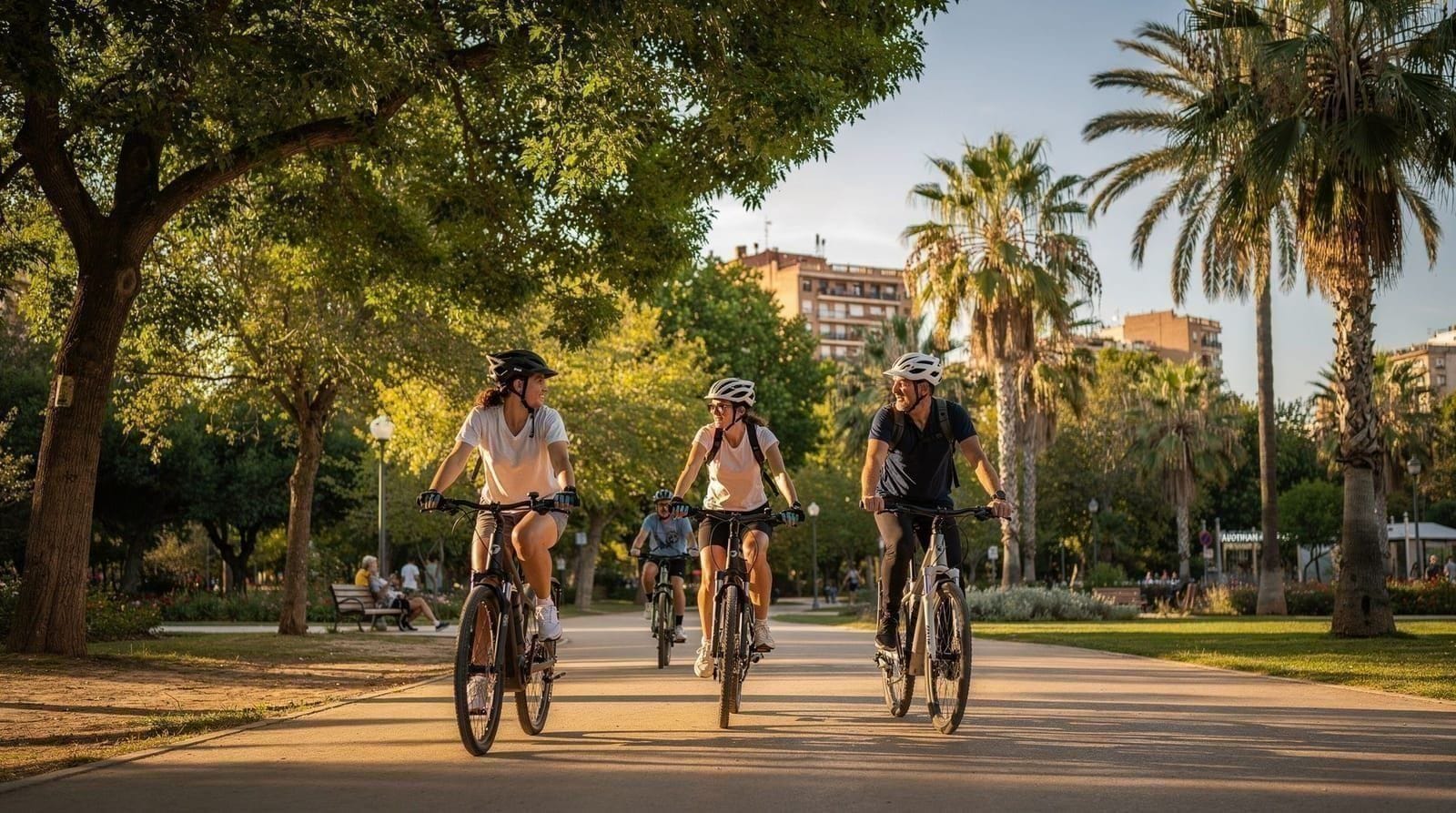
Within the beach area, cycling is the practical way to move between the main beach, the port area, and the less crowded northern sections. Several bike rental points operate near the main beach access from June through September, charging approximately €10–15 for a half-day rental. Walking is entirely feasible too if you’re not carrying much gear — the flat promenade makes the 1.5-3 km stretches between sections a genuinely pleasant option outside the peak midday heat.
Gandia vs. Cullera: the decision guide
Many Valencia visitors are choosing between Gandia and Cullera as their day-trip beach destination. Here is the honest comparison:
Choose Cullera if:
- You want variety (cove + lagoon + main beach + castle)
- You are travelling with young children (Estany lagoon)
- You want a slightly less resort-heavy atmosphere
- Historical architecture is part of the appeal
Choose Gandia if:
- You want a longer, wider main beach with full resort infrastructure
- You want access to better beach club/nightlife options in season
- The Borja palace history interests you as a complementary activity
- Your group prefers the resort experience with full amenities
Both are comparable by train (50 min vs. 60 min from Valencia). Neither is a wrong choice for a beach day. See the Cullera beaches guide for the full breakdown of Cullera’s cove, lagoon, and main beach options if you’re still deciding. Families specifically should also check the family beaches near Valencia guide, which ranks both Gandia-area and closer options by age suitability.
| Gandia | Cullera | |
|---|---|---|
| Beach length | 6 km, wide and continuous | Shorter main beach, plus cove and lagoon |
| Train time | 55-65 min | ~50 min |
| Best for | Resort infrastructure, nightlife, space | Variety, toddlers (Estany lagoon), castle |
| Atmosphere | Developed, resort-proud | Slightly less resort-heavy |
Seasonal highlights at Gandia beach
June (quieter summer): Best month for Gandia if you want the resort without the crowds. Restaurants can be booked on the day; the beach is comfortable all morning.
July 1–15: Transition to peak season. Getting busier but manageable.
July 15 – August 31: Full peak. The beach, restaurants, and accommodation are at maximum. The nightlife district operates at full intensity.
September: Strong recommendation for this month. Water 23–24 °C, significantly fewer visitors, better restaurant availability. The Palau Ducal is less crowded.
Off-season: Much of the beach resort infrastructure closes October–May. Some restaurants remain open year-round in the port area. The town is a working Valencian city in winter — pleasant for walking but not a beach destination.
For a broader sense of how Gandia’s seasons compare to Valencia city’s own climate patterns, the best time to visit guide covers month-by-month weather and crowd levels across the whole region, useful context if you’re deciding when to schedule a Gandia day trip within a longer Valencia stay.
Top experiences
Bookable activities with verified prices and instant confirmation on GetYourGuide.