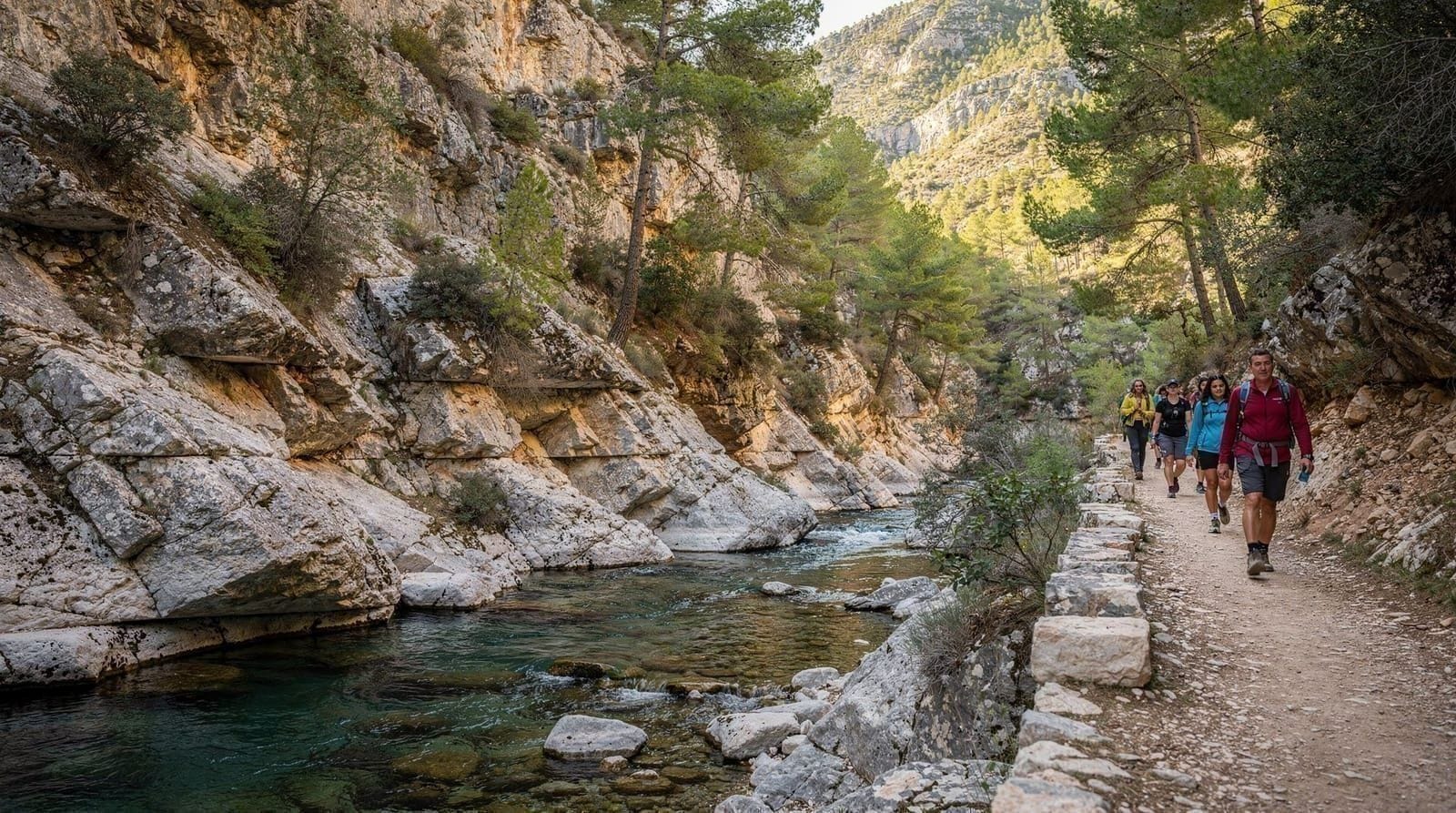
Albufera and Montanejos nature itinerary — 2 days by car
Valencia: waterfalls and thermal springs tour with swimming
Two days combining the Albufera and Montanejos gives you the full range of the Valencian natural environment: the flat coastal wetlands and rice country of the lagoon on day 1, and the limestone gorges, thermal river and pine-forest inland landscape of the Castelló interior on day 2. Both require a car. Both are significantly off the standard tourist circuit — particularly Montanejos, which barely appears in English-language travel writing despite being one of the best natural swimming destinations in Spain.
| Where | Albufera (18 km south) then Montanejos (130 km north-west) |
| Cost | around €35–60/day car rental, plus €20–30/pers for meals and boat |
| Time needed | 2 full days, both requiring an early start |
| Getting there | Car essential — no practical public transport link between the two |
| Best time | June–September for swimming, autumn for harvest and mushrooms |
Quick answer: Day 1: Albufera natural park — rice paddies, El Palmar paella, sunset boat on the lagoon. Day 2: drive north to Montanejos (130 km, 1h45), hike the Fuente de los Baños gorge, swim in the thermal river pools, lunch in the village, return to Valencia.
Getting around: car logistics
A car is essential for both destinations. Montanejos in particular has no practical public transport from Valencia. Albufera is reachable by bus (line 24/25) but combining it with Montanejos in a 2-day circuit requires a car.
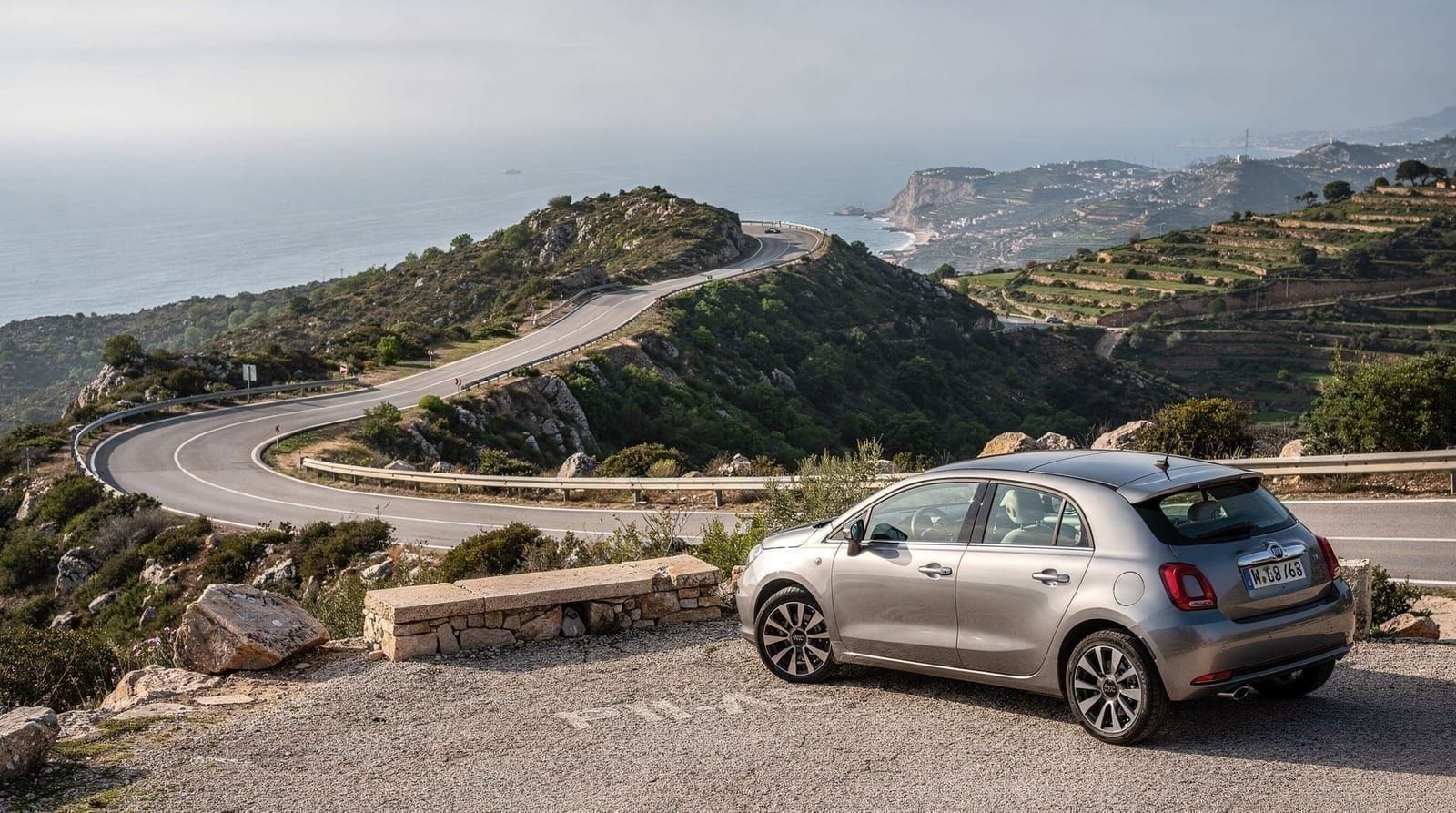
Car rental: Pick up from Valencia Airport for the best selection (€35–60/day compact, including insurance). Full guide: car rental for day trips from Valencia.
Driving distances:
- Valencia → El Palmar (Albufera): 18 km south, 25 minutes, free roads
- El Palmar → Montanejos: 115 km north, 1h40 (CV-25 north via Castellón de Rugat, then CV-185 and CV-20 into the interior)
- Valencia → Montanejos direct: 130 km north-west, 1h45 (A-23 Mudéjar motorway to Jerica, then CV-25)
- Montanejos → Valencia: 130 km, 1h45
Base: Staying in Valencia both nights and driving out each day works, or stay one night in Montanejos (good rural casas rurales, €60–90/night) and drive back to Valencia directly on day 2 afternoon.
Day-by-day summary
| Day | Morning | Afternoon | Evening |
|---|---|---|---|
| 1 | El Palmar village, rice paddies, Devesa reed beds | Paella lunch, boat at sunset | Return to Valencia or overnight near Montanejos |
| 2 | Drive to Montanejos, Fuente de los Baños, gorge walk | Village lunch, second swim or Camino de los Calderones | Return to Valencia, dinner in Ruzafa |
For a shorter version of day 1 alone, the city and Albufera itinerary pairs the lagoon with a day in the old town instead of Montanejos — useful if you only have one nature day available.
Day 1: Albufera natural park
9:00 — Drive south to El Palmar
The drive south from Valencia on the coastal road (V-30 south, then turn onto the El Palmar road) passes through Valencia’s industrial and port zone before the landscape suddenly shifts to flat rice paddies at the Albufera boundary. In summer, the paddies are green and watered; in autumn they turn gold before the October harvest. In November–December, migratory birds arrive and the rice stubble stands in pools of shallow water.
Park at the El Palmar car park (free) and walk into the village.
9:30 — El Palmar village and rice paddies
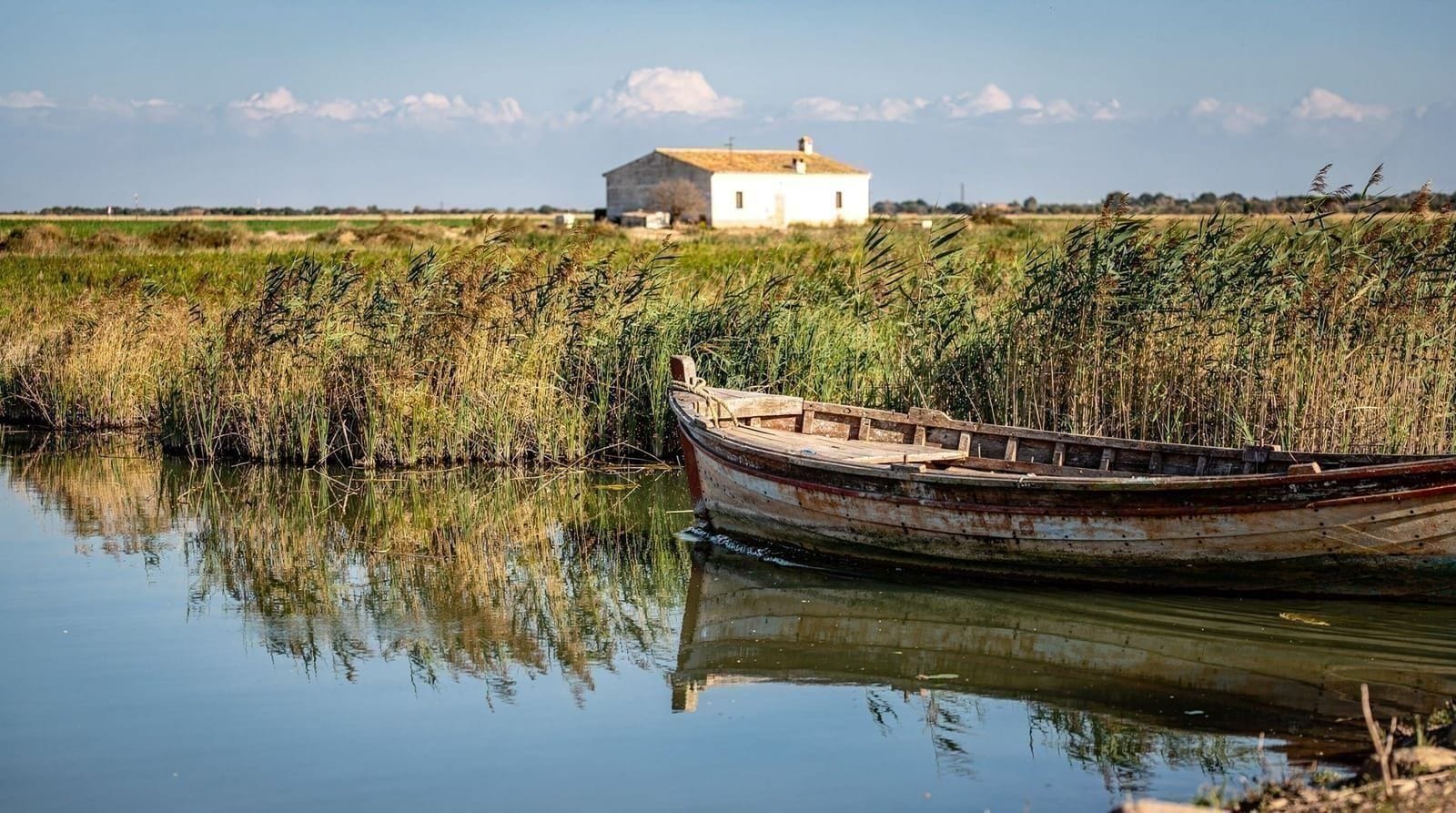
El Palmar sits on an island in the Albufera lake, reached by a narrow road that crosses the paddies. The village is small (around 1,000 residents), genuine and not significantly altered for tourism.
Walk through the village, past the old fishing boats on the roadside, to the lake shore. The Albufera is Spain’s largest freshwater lagoon — 21,000 hectares, average depth 1 metre, surrounded on the western and southern edges by 13,000 hectares of rice fields. The smell is of water and rice and reeds. In the right season, flamingos are visible in the reed beds from the shore (November–March). Herons year-round.
11:00 — Walk the Devesa and reed beds
The Devesa de la Albufera is the pine and dune forest separating the lake from the Mediterranean. A 10-minute drive south from El Palmar (or 45-minute walk on marked trails) brings you to the Devesa forest trails. The walking here is flat, shaded and remarkable for birds: hoopoes, short-toed eagles, black-winged stilts, and in autumn, cranes overhead.
The visitor centre for the Albufera Natural Park is at El Palmar (Centro de Interpretación, free). Good maps of the Devesa trails and bird species lists.
13:00 — Paella lunch in El Palmar
The definitive paella experience: rice grown in the paddies visible from your table, cooked in the traditional way, eaten at the village that has been making it this way for generations.
Best restaurants:
- Mateu Paella (Calle de les Canyes 4): wood-fire paella valenciana, €18–25/pers. Family-run, traditional recipe, genuinely excellent.
- Casa Trotxa (Calle del Pedregal): smaller, less visited, honest prices (€15–20/pers). All i pebre (eel stew) is excellent here.
- Restaurante La Pista (Carretera del Palmar): more commercial but reliable, good for larger groups.
All i pebre: The eel stew is the dish to order alongside or instead of paella. Eel from the lake, garlic, paprika, potato and olive oil. It’s the most specifically Albufera dish, and it tastes nothing like anything else. Order it.
15:00 — Afternoon boat on the Albufera
After lunch, the afternoon on the lake. The traditional rowing boat (albuferenc): 30–40 minutes, €5–8/pers. Find operators on the lake shore or ask at the restaurant.
For the sunset specifically, stay through to 19:00–20:00 for the light change. The afternoon boat combined with sunset creates the complete Albufera experience: the birds, the rice, the water, the sky.
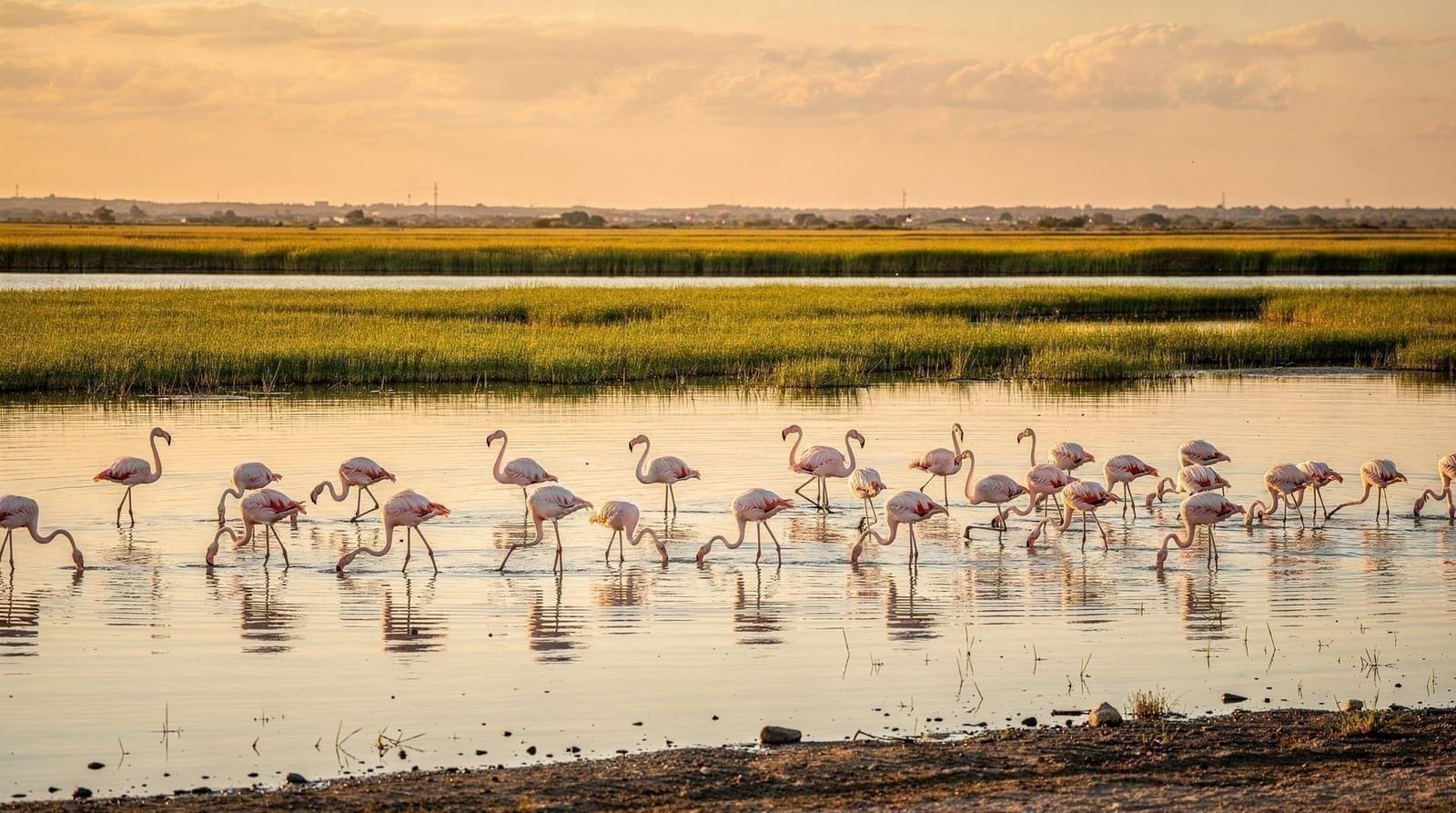 Albufera Natural Park eco boat tour at sunsetCheck availability
For those who prefer a combined boat and paella tour including transport from Valencia:
Albufera boat ride with food and paella includedCheck availability
20:30 — Return to Valencia or drive to accommodation
Option 1: Return to Valencia (20 minutes), rest, dinner in Ruzafa. Option 2: If staying two days in the field — check into a casa rural near Montanejos (Alojamiento Rural Montanejos area) and be ready for an early start. Several excellent rural accommodations: Fuente Baños Spa Hotel (€80–120/night), Casa Rural El Molino (€60–90/night).
Day 2: Montanejos thermal river and gorge
8:30 — Drive to Montanejos
Montanejos is in the upper valley of the Río Mijares, 130 km north-west of Valencia. The approach from the south (CV-25 from Castellón de la Plana or via Segorbe) gives the most dramatic entry — the road follows the Mijares gorge through limestone walls 100–150 metres high before arriving at the village.
Alternative route from Valencia: A-23 Mudéjar motorway north to Jerica, then west on CV-25 through the gorge. 1h45 from Valencia city centre.
10:00 — Fuente de los Baños — the thermal pools
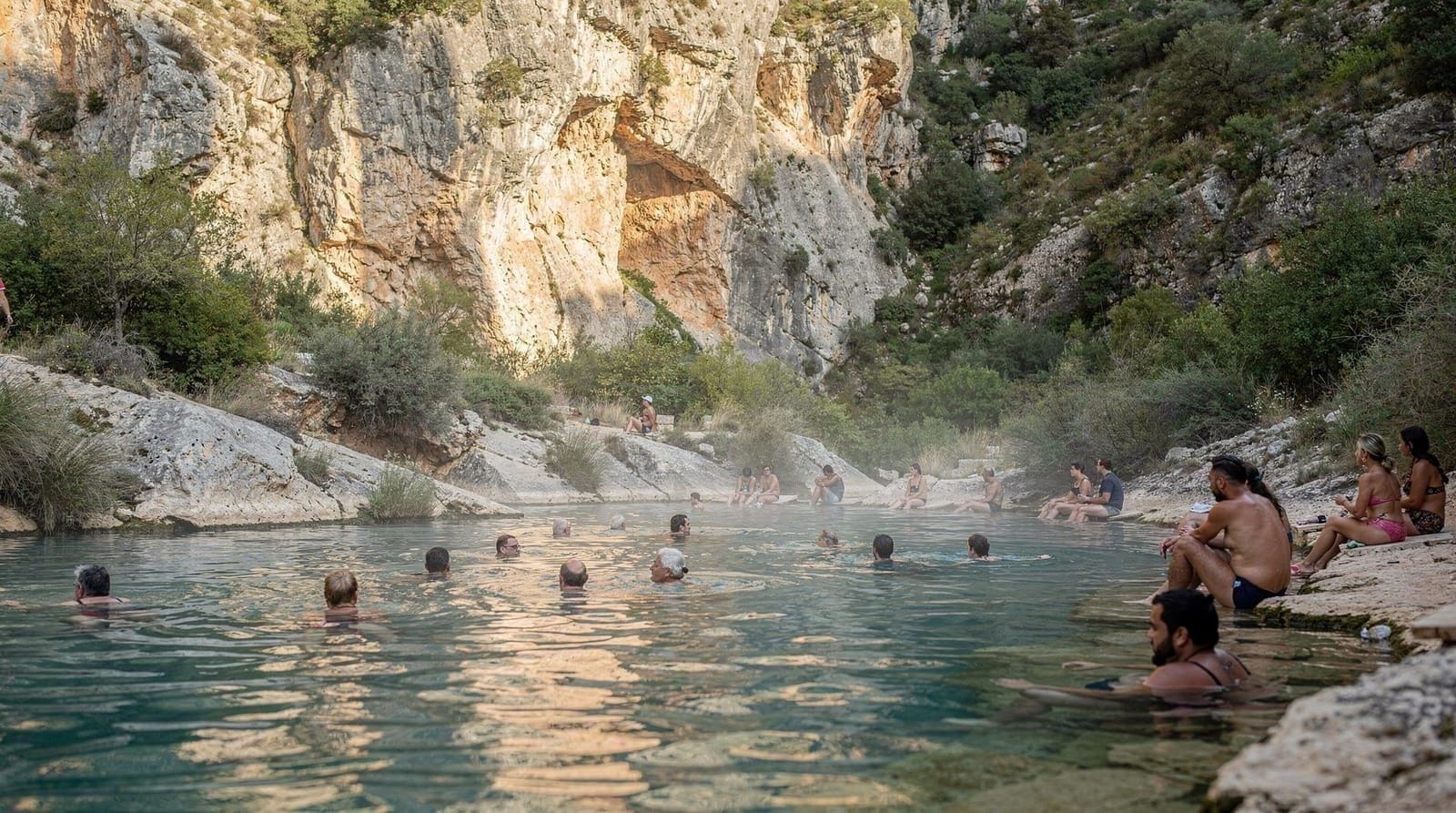
The Fuente de los Baños (literally: spring of the baths) is the defining natural feature of Montanejos: a natural spring at 25°C discharging directly into the Río Mijares, which itself runs through a limestone gorge. The combination of the 25°C thermal spring and the cold river creates river pools that are perfect for swimming year-round — the temperature is constant regardless of the season.
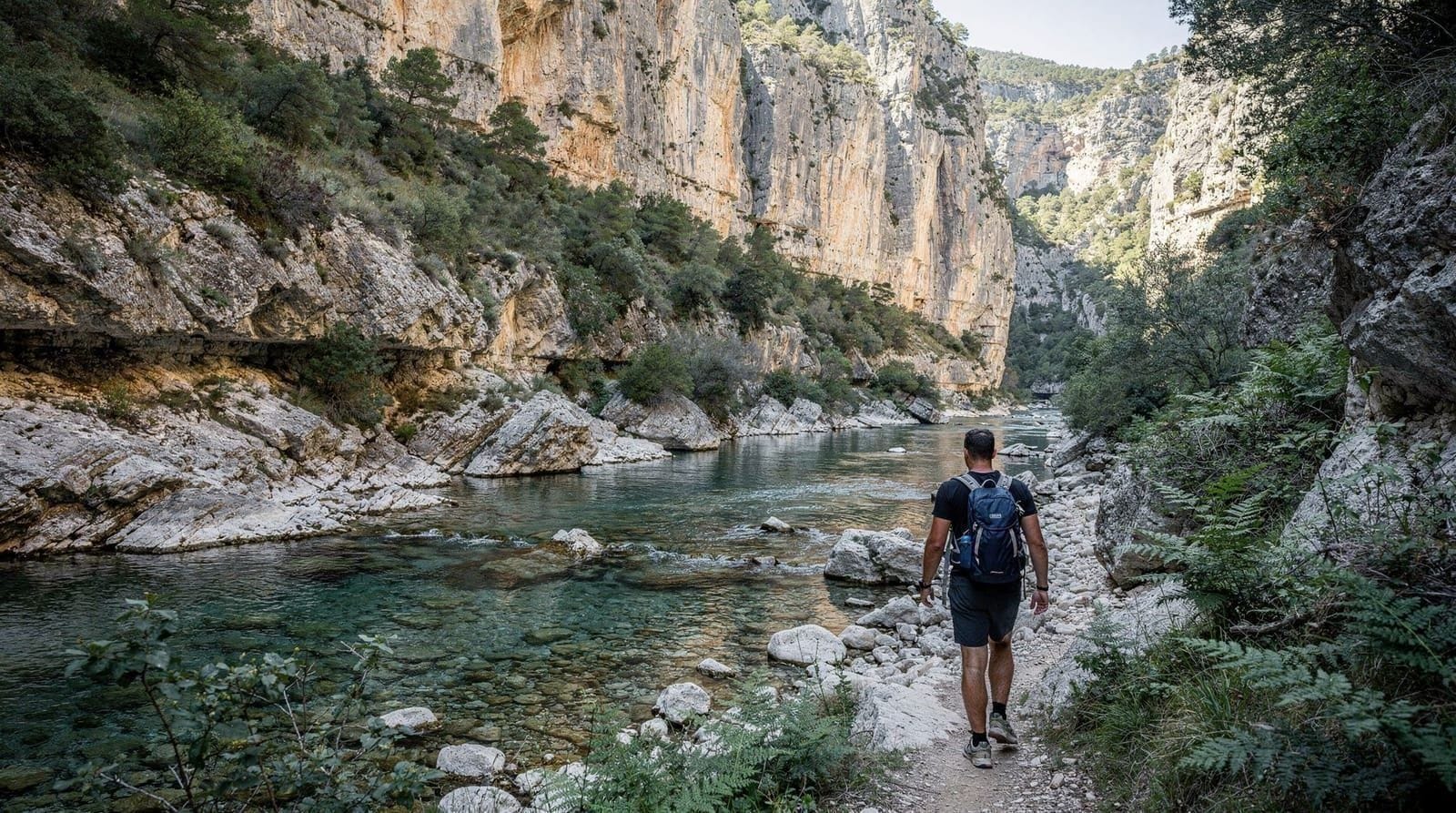
The main swimming zone is a 10-minute walk from the village on the marked trail. Entry is free. The path follows the river bank through the gorge, passing the natural pools. The biggest and deepest pool is about 20 minutes from the village along the gorge trail.
Practical notes:
- No sunbeds, no facilities in the gorge itself
- Bring water shoes (the riverbed is rocky)
- Arrive early — the main pools fill in summer (July–August) by 11:00
- The thermal spring is at the north end of the main bathing area; the water is noticeably warmer where the spring discharges
- Snorkelling is excellent: clear thermal water, 3–5 metre visibility, freshwater fish (barbel, carp, occasional rainbow trout)
11:00 — Gorge walk (Ruta de las Fuentes)
Beyond the bathing pools, the Ruta de las Fuentes walking trail continues through the gorge for 3–4 km. The trail requires scrambling over rocks and some sections require wading through shallow river water in summer. Difficulty: moderate. Duration: 2–3 hours return. Reward: deeper canyon, fewer people, several additional spring discharges visible in the cliff face, and a genuinely wild landscape.
Equipment: Walking shoes with good grip (not just sandals), a dry bag for your phone, and a waterproof layer in autumn/spring. Summer hiking shorts are adequate — you’ll be getting wet regardless.
For a guided canyoning tour with a professional guide covering the gorges around Anna and Montanejos:
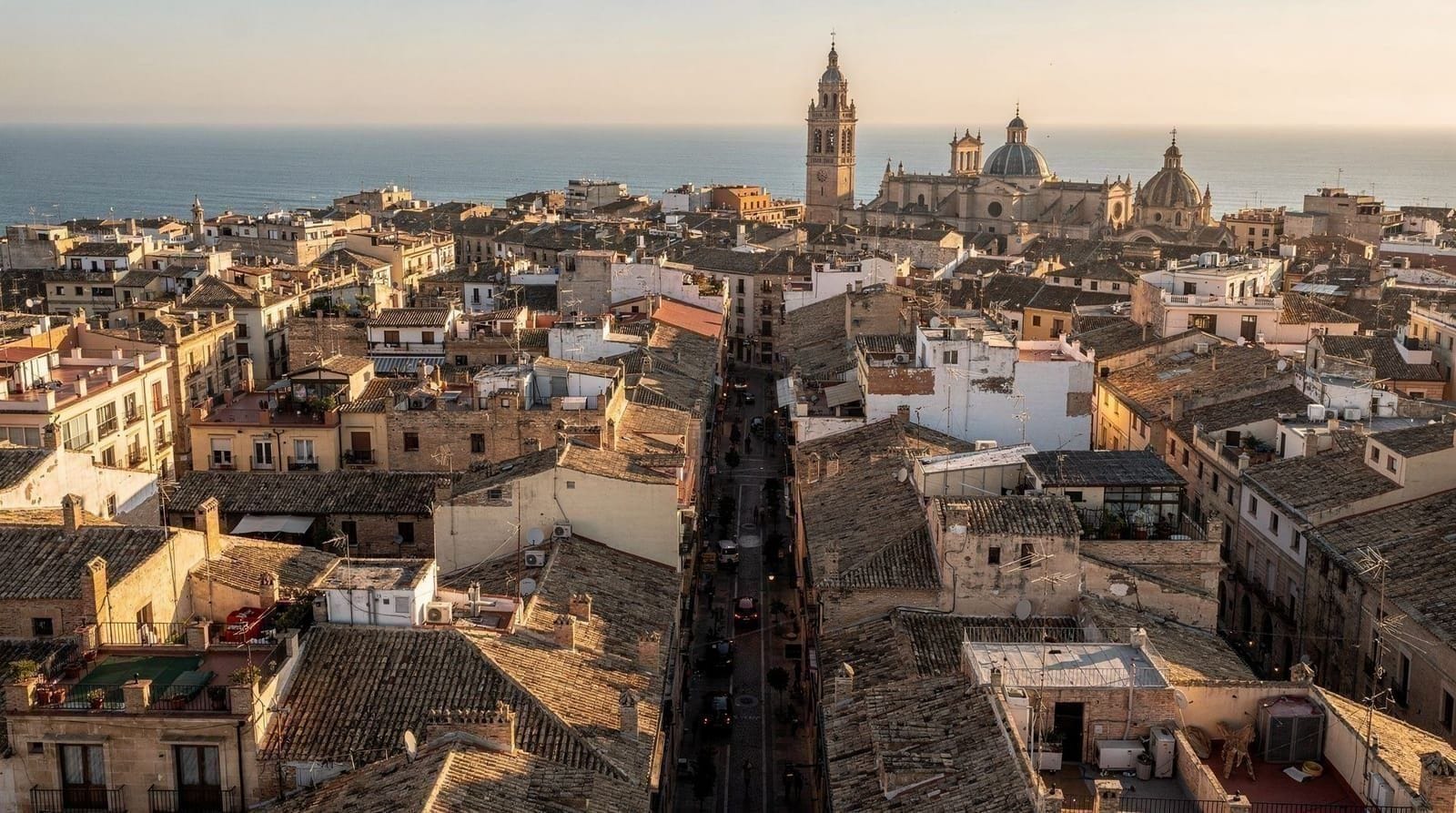 Gorgos de Anna canyoning or hiking tourCheck availability
The thermal springs and waterfalls circuit is also available as an organised tour from Valencia:
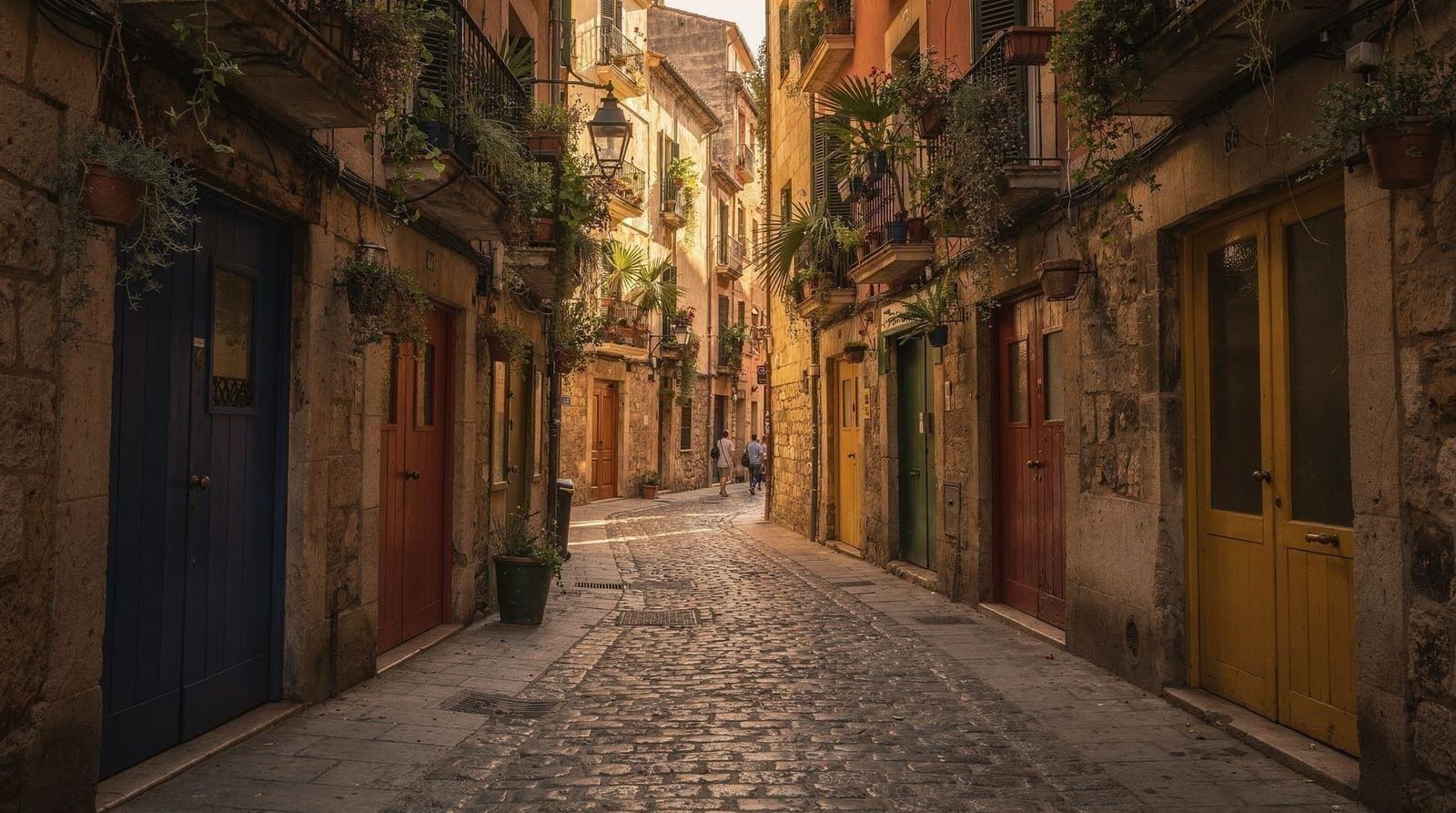 waterfalls and thermal springs tour with swimmingCheck availability
13:30 — Lunch in Montanejos village
The village itself is small (around 800 residents) but has a good selection of restaurants and a traditional character. The local specialities are mountain food: rabbit, lamb, wild mushrooms in autumn, and the mountain herbs (rosemary, thyme) that grow on the hillsides.
Best restaurants:
- Restaurante Montanejos (Carretera de Tales 1): the most reliable kitchen in the village, mountain cuisine, €16–24/pers, terrace with gorge view
- Bar de Julián (centre): unpretentious, cheap, local workers’ food, €10–14 menú del día on weekdays
- Hotel Rosaleda del Mijares restaurant: the hotel restaurant is good and serves the locally-caught river trout (€18–22 for a full meal)
Buy for the return journey: Local honey from the village shops (mountain rosemary honey is specific to this area), dried mushrooms (ceps and chanterelles in autumn), and artisan olive oil from the Castelló interior cooperatives.
15:30 — Afternoon swim or hike
With a full afternoon available:
- Return to the Fuente de los Baños for a second swim (the pools are much quieter after 15:00 when families with children leave)
- Hike the Camino de los Calderones — a 6 km loop above the village through pine forest with views down into the Mijares canyon (moderate, 2.5 hours)
- Drive 20 km north on CV-25 to visit the Cueva de los Murciélagos) (Bat Cave) — a limestone cave system open to guided tours (€6, check seasonal schedule)
18:00 — Return to Valencia
The return drive via the A-23 Mudéjar motorway takes 1h45 to Valencia city centre. The motorway is toll-free in this northern section. Arrive Valencia by 20:00 for a final dinner.
End dinner: After two days of nature and traditional regional food, the contrast of Ruzafa’s contemporary restaurant scene (Canalla Bistro, Bar Perdut, Veraz) is a satisfying finish to the circuit.
Nature circuit: seasonal notes
Spring (March–May)
- Albufera: rice paddies flooded and prepared for planting, excellent birds (breeding egrets, herons)
- Montanejos: wildflowers in the gorge, cool water (20–22°C in the thermal spring, river still cold)
- Best for: hiking and photography without summer crowds
Summer (June–September)
- Albufera: green rice, the lake at its warmest, more tourist pressure in El Palmar on summer weekends
- Montanejos: the main swimming season. The thermal pools are the destination — book accommodation early. July–August: expect crowds at the Fuente de los Baños from 10:00
- Best for: swimming in the thermal river, combined with Albufera evening boat
Autumn (October–November)
- Albufera: rice harvest (September–October), the paddies turn gold, migratory birds begin arriving
- Montanejos: mushroom season (ceps and chanterelles in the pine forests), fewer tourists, the best light
- Best for: photography, the harvest spectacle, mushroom foraging
Winter (December–February)
- Albufera: flamingo season, extraordinary birdlife, the lake at its most atmospheric
- Montanejos: thermal pools work all year (25°C), snow possible above 800 m in the mountains behind the village
- Best for: birdwatching at Albufera, uncrowded thermal pools
Frequently asked questions about Albufera and Montanejos nature travel
Can I visit Montanejos without a car?
Barely. There are infrequent buses from Castellón de la Plana (the provincial capital, 1 hour north of Valencia) but the service is minimal and doesn’t make a day trip practical. A car or an organised tour is required. See car rental for day trips from Valencia.
Is the Montanejos thermal river suitable for children?
Yes — the thermal spring area is calm, shallow at the edges and genuinely warm. Children love it. Bring water shoes, a swimming float for small children, and don’t attempt the gorge trail beyond the main pools with under-6s. The walk to the pools themselves (10 min) is fine for toddlers.
When is the best time to visit Montanejos for swimming?
June–September for the warmest air temperature (the water is 25°C year-round, but getting out into 15°C autumn air is cold). July–August for the most infrastructure (open restaurants, water shoe rentals). September is ideal: warm enough to dry quickly, fewer crowds than August.
What is the Albufera best known for?
Paella — the rice grown in the paddies around the lake is the original ingredient of paella valenciana, and the village of El Palmar has been cooking it this way for centuries. The lake is also Spain’s largest freshwater lagoon and an important protected wetland. See the Albufera natural park guide.
Do I need to book Montanejos accommodation in advance?
In July and August: yes, book 4–6 weeks ahead. The village has limited accommodation and fills during peak summer. September and outside summer: booking 1–2 weeks ahead is usually sufficient. For autumn/winter, you can often book the same week.
What’s the difference between the two Montanejos guides?
The Montanejos nature guide covers the village, the gorge trails and the wider Castelló interior landscape; the Montanejos thermal pools guide focuses specifically on the Fuente de los Baños swimming area — access, timing and what to expect at the water itself. Read the thermal guide first if swimming is your priority.
Is there a version of this trip without Montanejos?
Yes. If a full nature circuit feels like too much driving, the Sierra Calderona guide covers a closer hiking area only 30–40 minutes from Valencia, and the Turia Natural Park guide covers the river’s upper valley — both work as a single easier day instead of the two-day Montanejos circuit.
Extending the circuit
Travellers with a third day sometimes add Requena wine country (1 hour west of Valencia, cave cellars and Bobal reds) or the Moorish-era gardens at Anna, west of Xàtiva, to make a longer inland loop. Both fit naturally after Montanejos since they’re on the same side of the province, though they add a third day rather than extending day 2. The Xàtiva and Gandia road trip is a different circuit entirely (castle and beach rather than nature) but shares the same car-rental logistics if you’re comparing which inland day trip suits your trip better.
Top experiences
Bookable activities with verified prices and instant confirmation on GetYourGuide.