Turia Natural Park: Valencia's 9 km urban green corridor
Valencia: parks private tour on bicycle, e-bike or e-step
What is the Turia Natural Park in Valencia?
The Turia Natural Park (Parc Natural del Túria) refers to the full extent of the converted Turia riverbed — a 9 km urban green corridor through Valencia plus the broader protected river valley extending 67 km to the west. The urban section, known as the Jardines del Turia, connects Bioparc to the sea and contains Valencia's main recreational infrastructure.
The Turia Gardens are the physical consequence of a political decision. In 1957, catastrophic flooding of the Turia river killed over 80 people and caused massive damage to Valencia’s city centre. The Spanish government planned to divert the river and fill the dried bed with a motorway. Valencia’s citizens — according to local legend and some historical record — pushed back with the slogan “El riu és nostre i no el volem” (the river is ours and we don’t want it [as a road]). What was built instead was one of Europe’s longest urban parks: 9 km of car-free green space running through the centre of the city.
The motorway would have been forgotten by now. The Turia Gardens are among Valencia’s defining features.
| Urban park | Jardines del Turia, 9 km, free, car-free, Bioparc to the sea |
| Wider natural park | Parc Natural del Túria, ~4,800 ha, 45–60 km west, car needed |
| Cost | Free (urban park); adjacent attractions like Bioparc charge separately |
| Best for | Cycling, running, families (urban); hiking, birdwatching (wider park) |
| Best time | Spring for both; early mornings in summer for the urban section |
The urban park: Jardines del Turia
What it is
The Jardines del Turia occupies the former bed of the Turia river — a corridor approximately 200 metres wide running east to west through the city. It is not a wilderness park or a nature reserve in the traditional sense. It is managed green infrastructure: maintained lawns, flower beds, cycle paths, playgrounds, sports facilities, and cultural buildings.
The ecological value is modest compared to the surrounding natural areas, but the park has genuine biodiversity — mature trees, migrating birds that stop in spring and autumn, bats in the evening over the water features. For a public park in a city of 800,000, it functions well as both recreational infrastructure and green corridor.
What to find where
Western section (near Bioparc): The widest and quietest section. Sports facilities including the Valencia Velodrome and football pitches. Used primarily by local residents rather than tourists. The Palau de la Música concert hall sits at the western-to-central transition.
Central section (Torres Serranos to Pont de l’Àngel Custodi): The most visited section. The Torres Serranos medieval gate spans directly over the path at the northern old town entry. Multiple playgrounds, a puppet theatre (Teatre de Titelles), open lawns, benches, and kiosks characterise this section. Dog walkers, joggers, and tourists on rental bikes share the space in roughly equal proportions on weekend mornings.
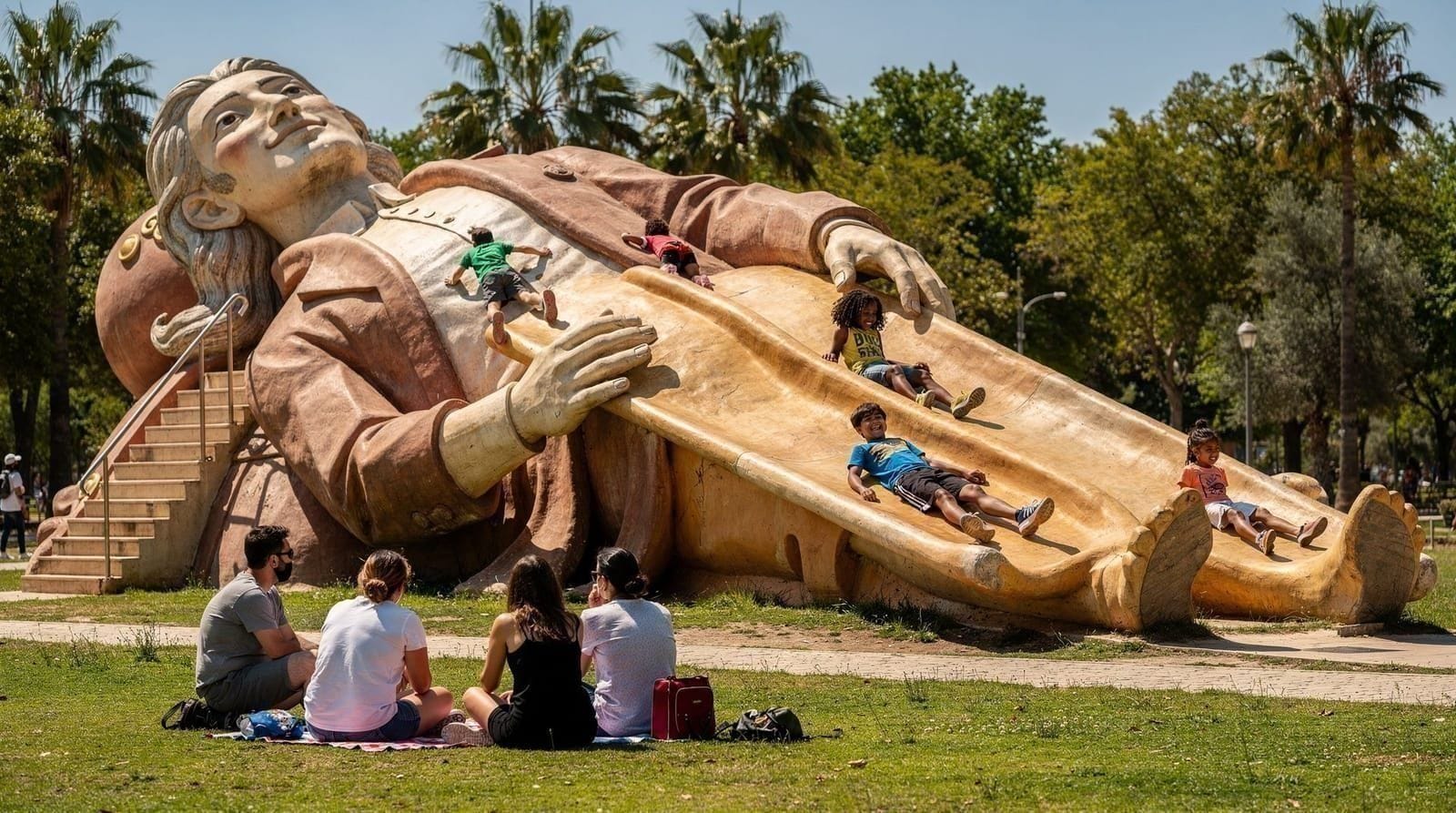
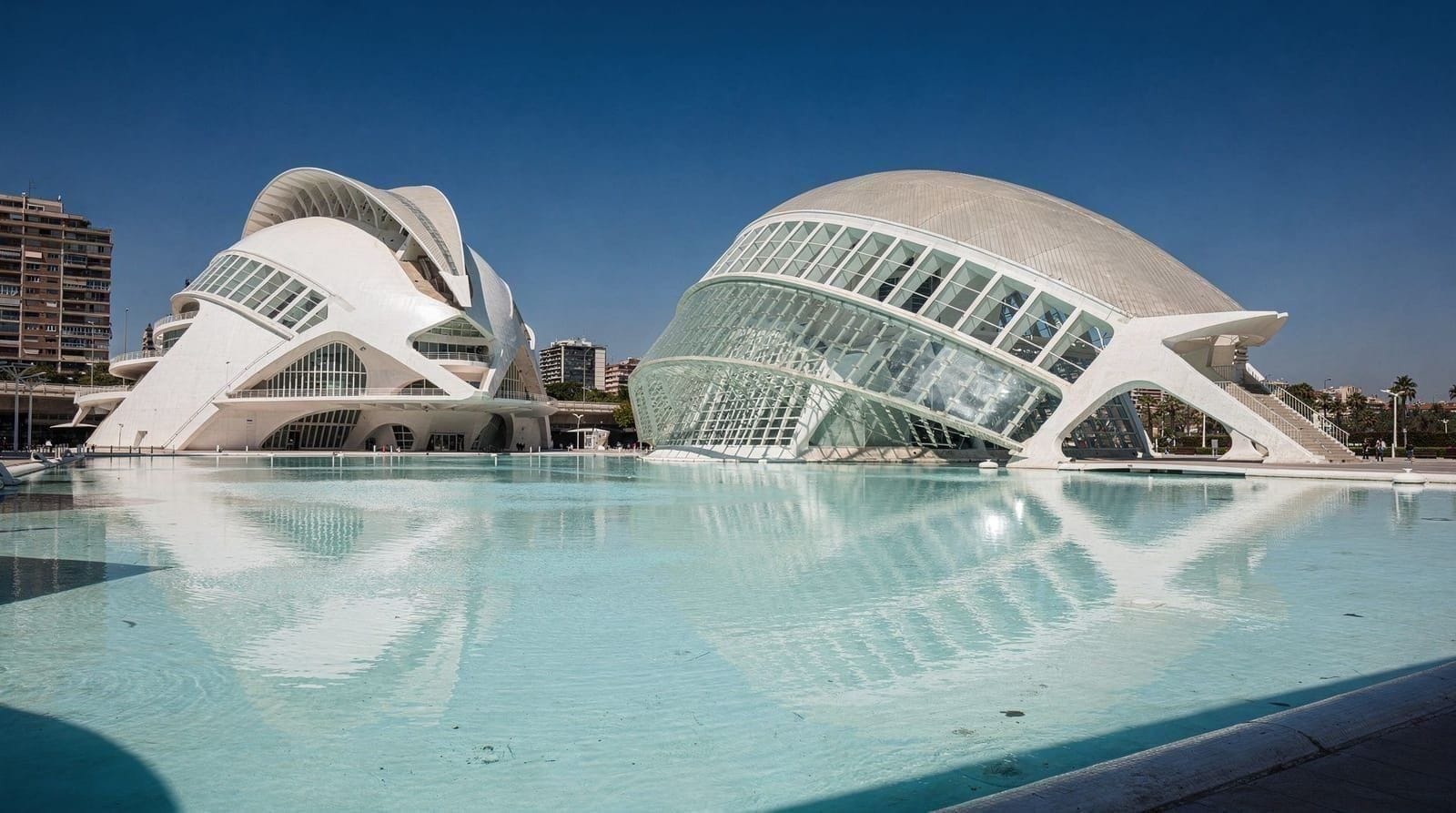
Eastern section (near City of Arts): The Gulliver Park playground anchors the approach to the Ciudad de las Artes y las Ciencias. The gardens gradually give way to the designed landscape of the Arts complex, with its shallow reflecting pools and Calatrava-designed structures. The cycling path continues through.
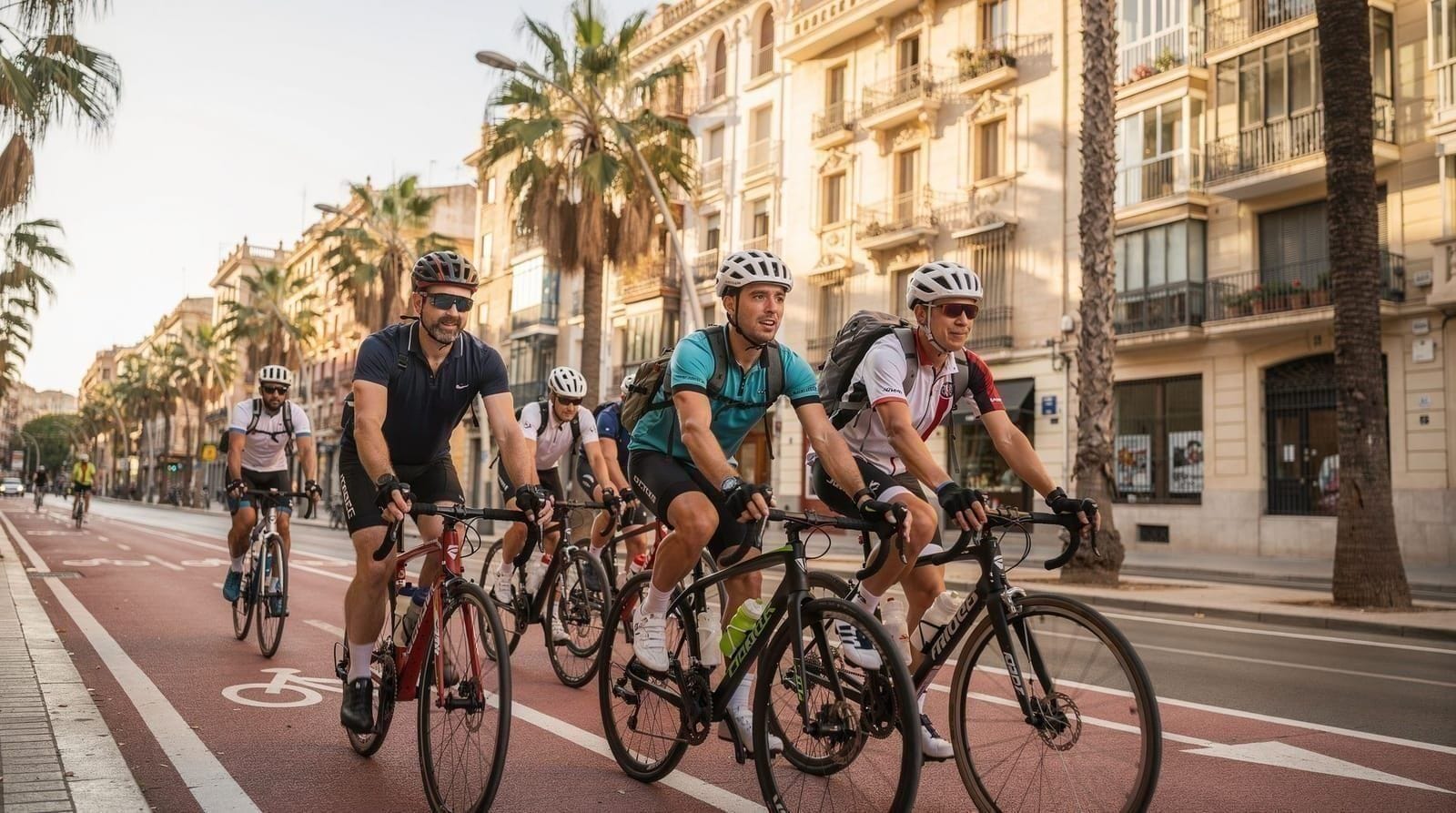 Turia Park guided bike tourCheck availability
The wider Turia Natural Park
The official Parc Natural del Túria is a different and wilder thing. Located in the Turia river valley upstream of Valencia, it covers approximately 4,800 hectares of pine and holm oak forest, river gorges, and agricultural land extending 67 km west of the city toward Puebla de Vallbona.
This is the park that serious walkers and naturalists come to explore — though far fewer international tourists visit it compared to the urban gardens. The protected area contains:
- River gorges with limestone walls
- Cork oak and holm oak forest
- Significant populations of Bonelli’s eagle, golden eagle, and various raptors
- The Cueva de Don Juan (a river cave near Gestalgar)
- Several traditional farming villages largely unchanged since the 20th century
The main access points are from the villages of Chulilla, Gestalgar, and Pedralba — about 45–60 km west of Valencia by car. This area is not served by public transport from Valencia and requires a vehicle.
For day trips from Valencia, the Turia valley west of the city offers completely different scenery and ecological conditions from the coastal plain and provides a contrast with the urban park that many visitors find illuminating.
Activities in the Jardines del Turia
Cycling
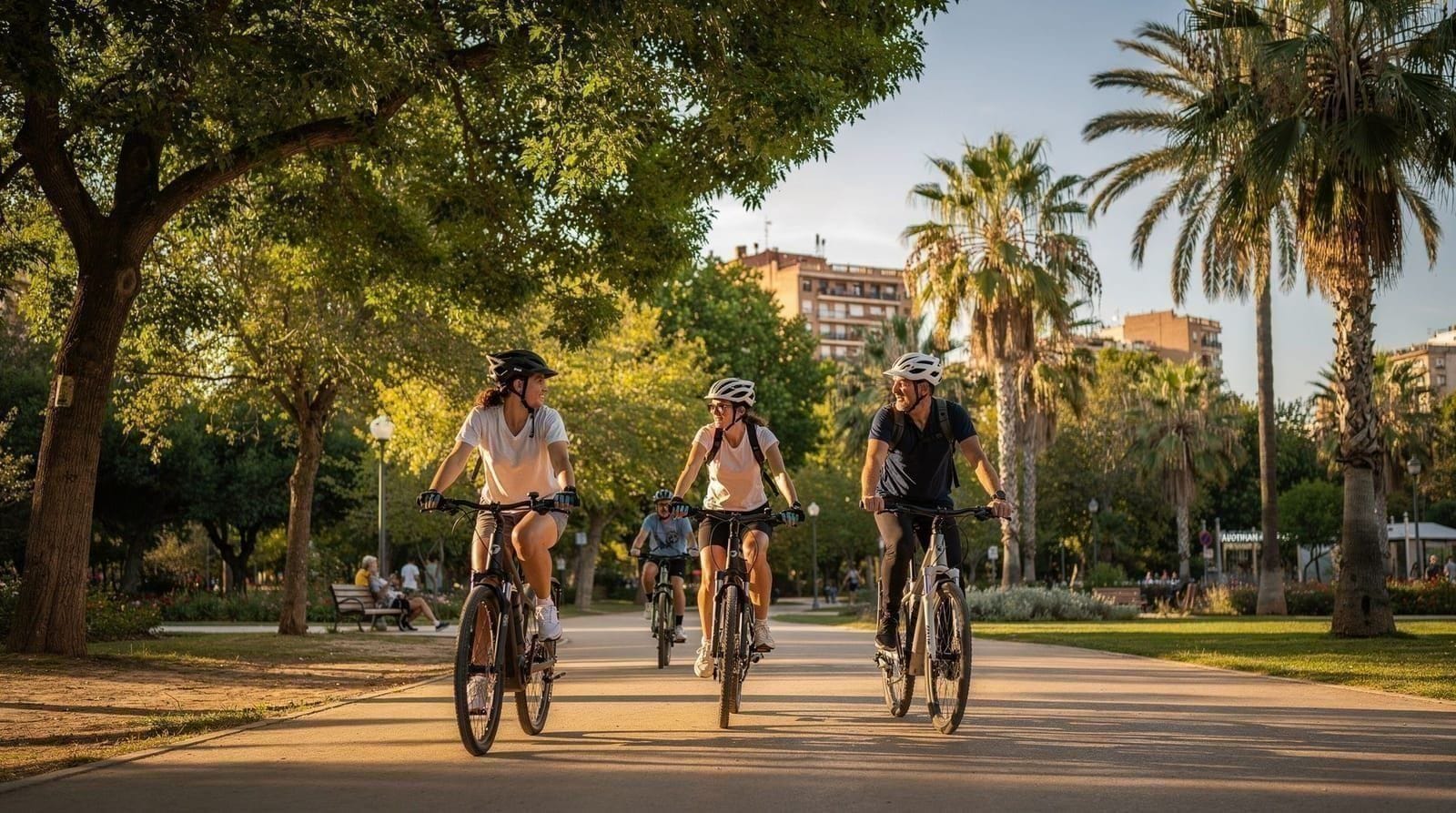
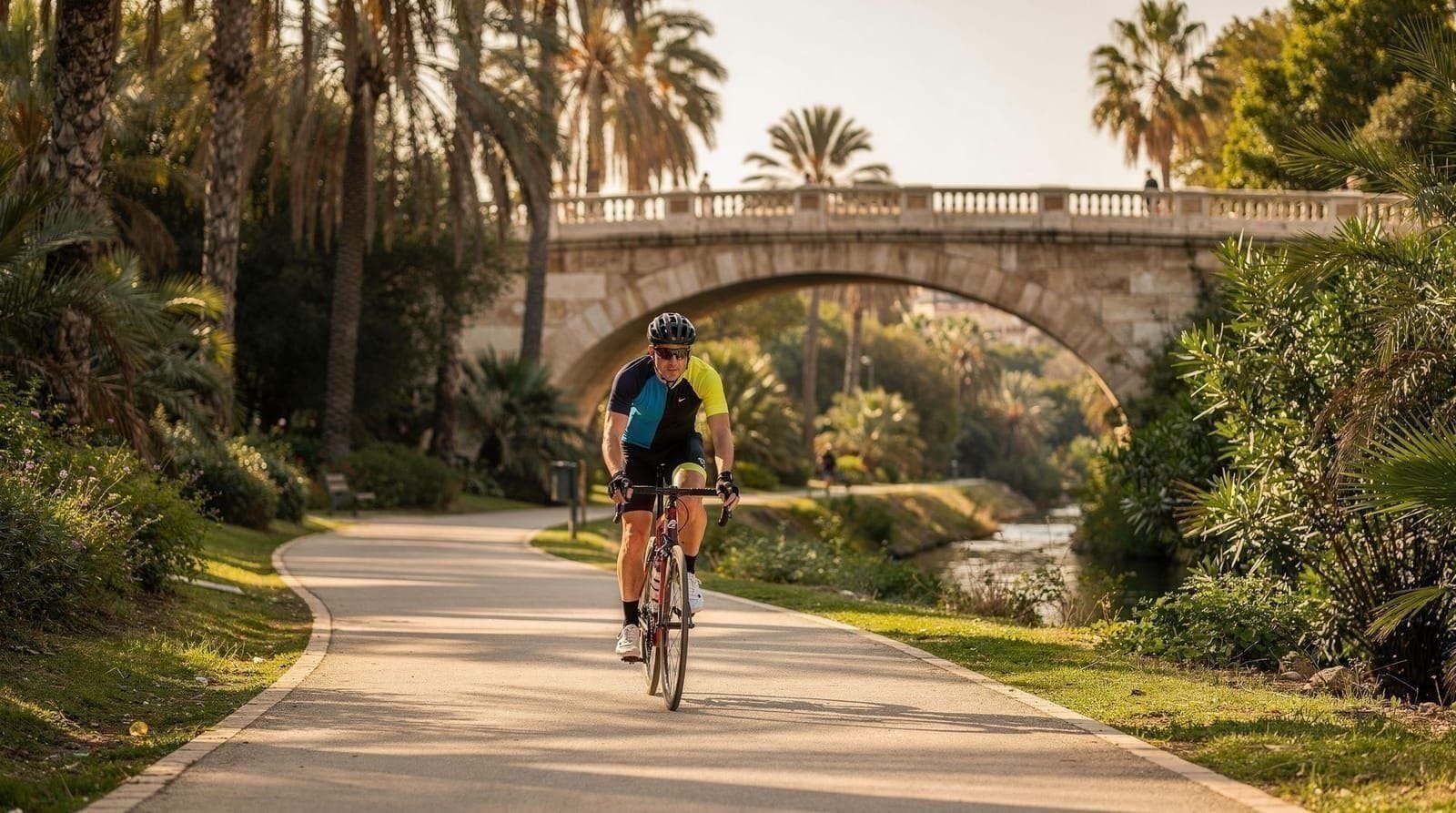
The dedicated cycle path runs the full 8.5 km length. See the Turia by bike guide for the full route breakdown. In summary: flat, car-free, well-maintained, accessible to all levels. The Valenbisi bike-share scheme covers the gardens with multiple docking stations.
Running
Distance markers every kilometre from the western end. The surface is varied — tarmac in the most-used sections, compacted track in others. Early morning (before 9:00) is the preferred time for serious runners. See the running Turia guide for specific route advice and seasonal timing.
Family activities
Gulliver Park is the primary family destination — the free giant playground at the eastern end. Multiple smaller playgrounds are distributed through the central section. The puppet theatre (Teatre de Titelles) runs performances primarily for children at weekends; check the current schedule at the website or at the theatre itself.
Sports
The gardens contain football pitches, basketball courts, petanca courts, a velodrome (for competitive cycling), and open space for informal sports. Most facilities are free and on a first-come basis. The velodrome is used for competitive events on some weekends.
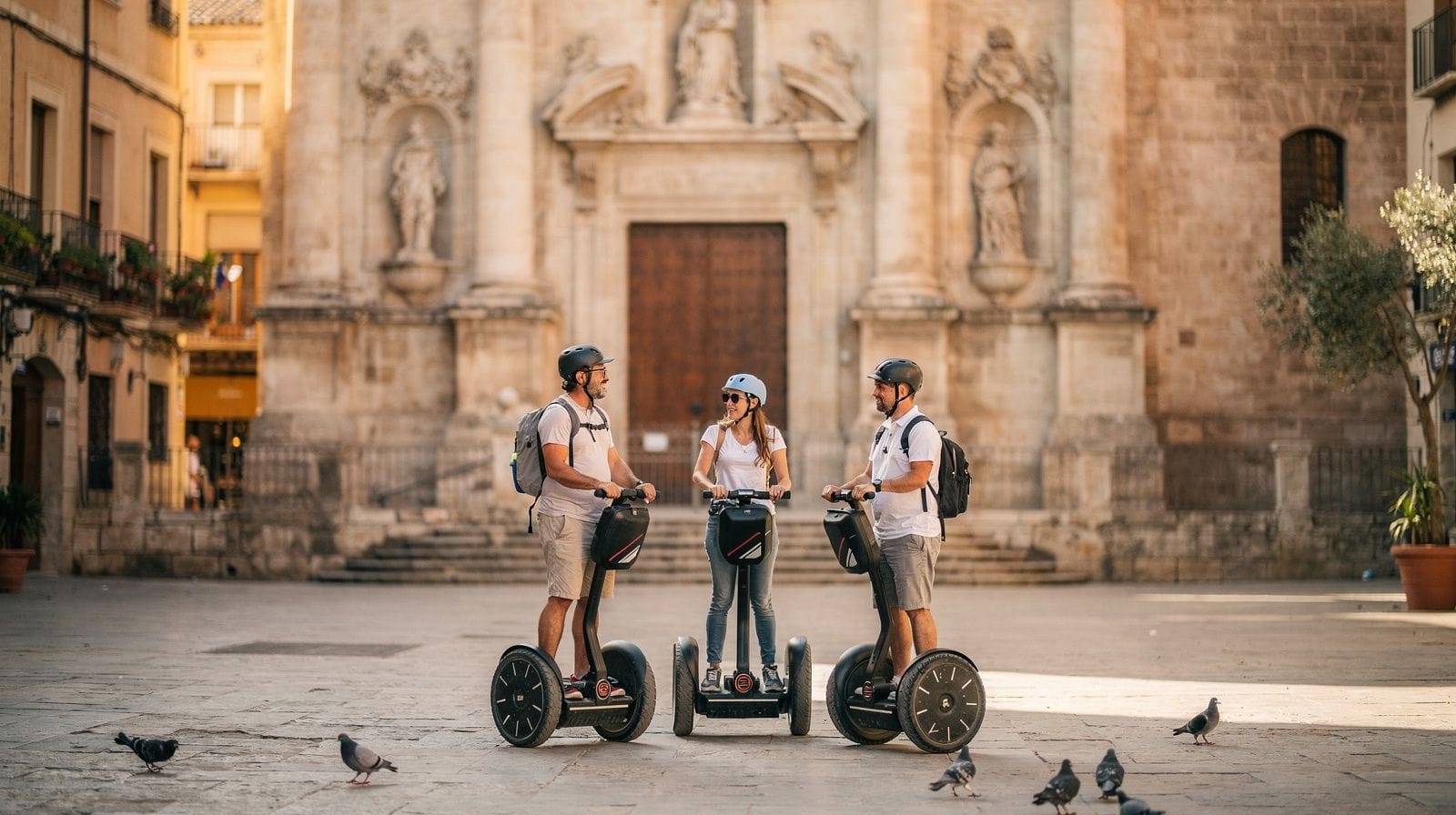 Turia Park segway tourCheck availability
Nature observation
The gardens support a surprising range of urban wildlife. The water channels and mature trees attract breeding birds including Eurasian wryneck, hoopoe, and various warblers in spring. Herons are common year-round near the water features. The bat population — several species of pipistrelle and the noctule bat — is visible in the evening from April to October.
The gardens are also a significant insect corridor. The wildflower sections that some areas maintain attract butterflies and insects that are absent from the wider urban environment.
Building a day around the gardens
The gardens work best as a spine for a day rather than a destination in themselves. A simple pattern is to start at the Torres Serranos end, drift east with a coffee from one of the kiosks, spend time with children at Gulliver Park if you have them, and finish among the pools and white structures of the City of Arts. If the family wants more to do afterwards, the Oceanogràfic and the Hemisfèric sit right at the end of the path, and the Science Museum is next door. Anyone who prefers to keep moving can swap the walking for a bike and treat the whole corridor as a transport route between sights.
Walkers who want more context about what they are passing can pair the gardens with the old town. The El Carmen guide covers the streets just above the northern edge of the park, and the Valencia with kids guide helps if the gardens are one stop in a longer family plan. For a looser plan covering several days, the first weekend itinerary shows where a Turia morning fits alongside the main sights.
Guided options
If you would rather not navigate alone, the gardens lend themselves to guided formats. A guided ride suits visitors who want the history of the riverbed explained as they go, while a private bike or e-bike outing gives you the pace you choose, for example on a private bike or e-bike outing. For a fuller picture of the choices, the e-bike tours guide and the segway tours guide compare the formats, and guided vs self-guided helps you decide whether a guide is worth it at all.
The reasoning is practical. The park is long, and the interesting details — why the bridges look the way they do, where the old river ran, which buildings belong to the cultural complex — are easy to miss when you are focused on the path. A guide fills in that story. Independent visitors can get most of the same value by reading the history section above before setting out and stopping at each bridge.
Getting to the Turia Gardens
The park runs through the centre of Valencia — it is more accurate to say that much of the city is within walking distance of the park than to give directions to it. The key entry points:
Torres Serranos: The most visited entry for tourists, directly below the northern wall of the old town. Access from Plaça dels Furs or from Carrer de Guillem de Castro.
Pont de Serrans / Pont de l’Exposició: Multiple bridges cross the gardens — many are old stone bridges from the river era. Each bridge entry point connects to the neighbourhood above and the gardens below.
Bioparc end: Avenida de Pío Baroja, near the Bioparc entrance. Bus 98 serves this area.
City of Arts end: Carrer del Professor López Piñero or Carrer de l’Institut Obrer, adjacent to the Science Museum.
The gardens are free and open at all hours. No access control, no tickets. Lighting is available on the main path in the central section from dusk to approximately 23:00.
Seasonal character
Spring: The best season. The gardens turn green quickly after the winter, flowering plants bloom in the maintained beds, and the temperature makes prolonged outdoor time enjoyable. Morning light on the Torres Serranos gate is particularly good in March and April.
Summer: Early morning is essential — the exposed central sections become very hot by midday. The gardens are most used in the evenings in summer, when Valencians walk and cycle after the heat breaks.
Autumn: Pleasant temperatures and the western section’s trees begin to turn. Less photogenic than spring but quieter and still excellent for cycling and running.
Winter: The gardens thin out but remain beautiful. The absence of crowds and the low angle winter light makes this a good season for photography and quiet walks. The puppet theatre and outdoor performances largely cease from November to March.
Season at a glance
| Season | Urban park | Wider natural park |
|---|---|---|
| Spring | Best overall — green, mild, blooming | Best for hiking and birdwatching, wildflowers |
| Summer | Early morning/evening only; midday heat | Shaded gorge trails more bearable than open urban sections |
| Autumn | Pleasant, quieter, good light | Good hiking weather, fewer crowds |
| Winter | Quiet, clear light, thinner crowds | Cooler gorge walks, some trail access limited by weather |
What to bring and how to behave
Because the gardens are open and unsupervised, a little preparation goes a long way. Carry water, especially in the warmer months, and wear sun protection, since the central section offers limited shade. Comfortable shoes matter more than you might expect on a long walk, and a light layer is useful in the evening. Keep to the right on the cycle path, listen for bells, and do not stop in the middle of a lane to take photographs; the path is shared by walkers, runners, and cyclists, and courtesy keeps it pleasant for everyone.
Valuables deserve ordinary city caution. The gardens are generally relaxed, but crowded weekends are the usual moment for petty theft anywhere in Valencia, so the advice in the pickpockets and safe areas guide applies here too. If you are travelling with a pushchair or have limited mobility, the accessible Valencia guide is a useful companion, and the flat, car-free layout of the park is one of its strengths.
Why the gardens matter to locals
For Valencians the park is less a tourist sight than a shared living room. Families gather on the lawns, groups of friends meet at the sports courts, and runners and cyclists treat the path as their daily route. Seeing it in use at different hours is the best way to understand why the city chose a park over a motorway. Come once in the morning and once in the evening, and you will see two different cities using the same space. That everyday use is also why the park feels safe and well looked after: it belongs to the people who use it.
Visitors who enjoy that local rhythm often go on to explore the neighbourhoods that border the riverbed. The Ruzafa guide and the Valencia in spring guide are natural next reads, and the Valencia by bike guide shows how the gardens connect to the wider network of routes.
Visiting the wider natural park practically
Unlike the urban gardens, the Parc Natural del Túria requires planning. There is no direct public transport link from central Valencia to the main access villages (Chulilla, Gestalgar, Pedralba), so a rental car or organised day trip is the only realistic way in. Once there, marked trails range from easy riverside walks to more demanding gorge routes with some scrambling — check current trail conditions locally, as gorge paths can close after heavy rain. Bring more water than you think you need; shade is inconsistent and villages en route have limited facilities outside the main square. This is a genuinely different experience from the urban park — closer to a countryside day trip than an extension of the city stroll, and worth treating as a separate outing rather than an add-on to a Turia Gardens visit.
Frequently asked questions about Turia Natural Park
How long is the Turia Gardens path in Valencia?
The urban Turia Gardens section runs 8.5 km from Bioparc in the west to Ciudad de las Artes y las Ciencias in the east. An extension continues approximately 4 km to La Malvarrosa beach. The full path from Bioparc to the sea is around 12–13 km.Is the Turia Gardens the same as the Turia Natural Park?
They overlap but are not identical. The Turia Gardens (Jardines del Turia) refers specifically to the urban park in Valencia's former riverbed. The Turia Natural Park (Parc Natural del Túria) is a separate protected area in the Turia river valley west of Valencia — wilder, less visited, and more ecologically significant.What activities are available in the Turia Gardens?
Cycling (dedicated lanes), running (marked km distances), walking, rollerblading, skateboarding, children's playgrounds, sports courts, puppet theatre performances, outdoor concerts, and several cafés and kiosks. The Gulliver Park playground and Bioparc are at opposite ends.Is it free to use the Turia Gardens?
Yes. The urban Turia Gardens park is free and open at all hours. Some adjacent attractions (Bioparc, Science Museum, Gulliver Park) charge entry or are free; the path itself is always free.What is the best section of the Turia Gardens?
For families: the eastern section between Torres Serranos and Gulliver Park, with multiple playgrounds. For scenery and architecture: the approach to Ciudad de las Artes y las Ciencias. For quiet and nature: the western section near Bioparc.
Top experiences
Bookable activities with verified prices and instant confirmation on GetYourGuide.