Best paella restaurants in Valencia — where locals actually go
The rule you need to understand first
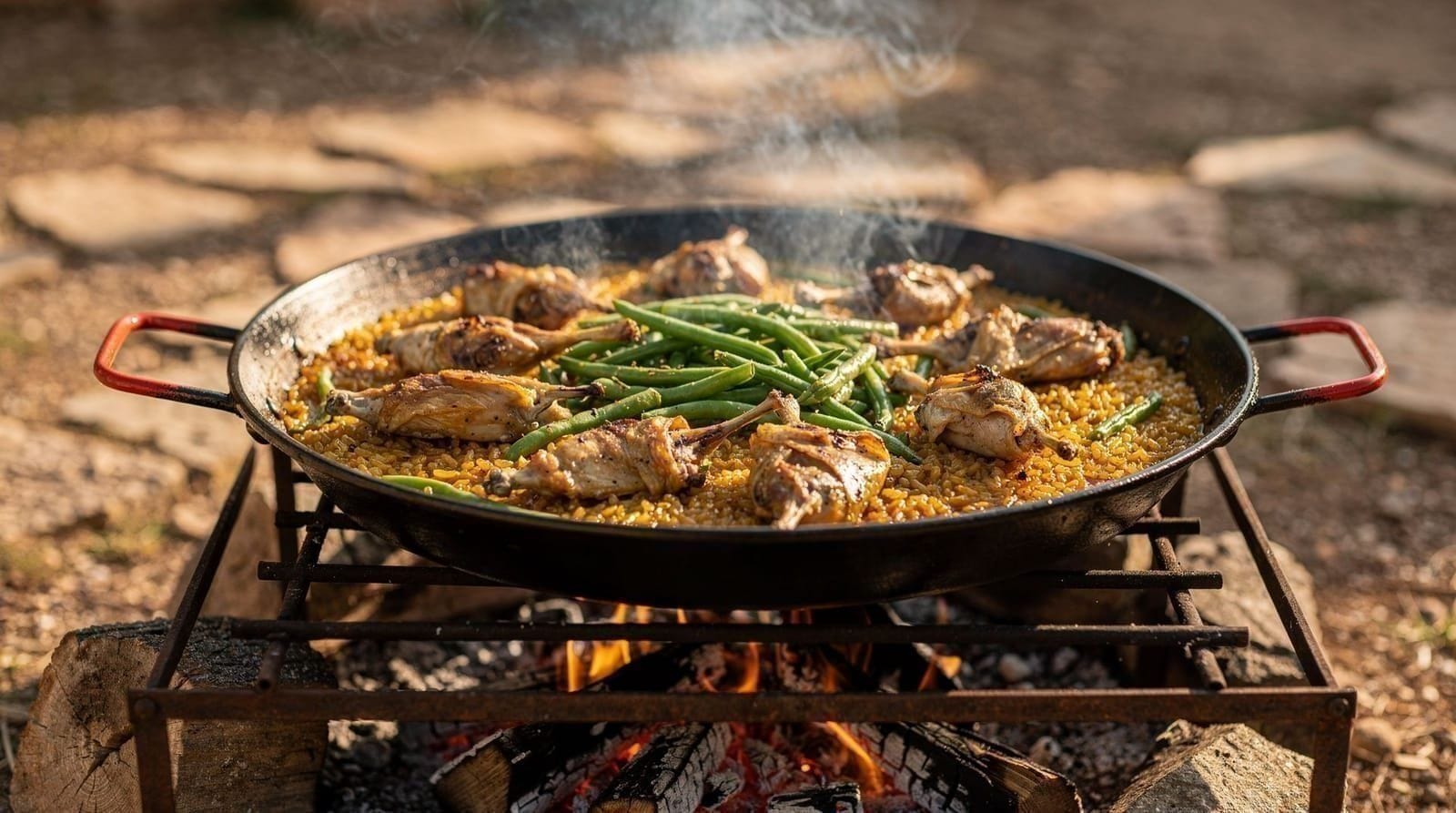
Paella in Valencia is a midday meal. Not an evening meal. Not an anytime meal. The best restaurants cooking authentic Valencian paella — the kind made over wood fire with the correct proportion of rice, rabbit, chicken, ferraura beans, and garrofó beans — serve it for lunch, period. If you arrive at a restaurant after about 3:30pm wanting paella, the honest ones will tell you it’s finished. The dishonest ones will reheat something.
| When | Lunch only — most kitchens stop paella by 3:30pm |
| Cost | Around €15–25 per person, €30–50 for a table of two |
| Book ahead | Yes, especially weekends, at all the restaurants below |
| Where to avoid | Restaurants with display trays near the Cathedral and Plaza de la Reina |
| Furthest worth it | Restaurante Levante, El Palmar — 15 minutes south |
This is not a trivial distinction. The restaurants near Valencia’s main tourist squares — Plaza de la Reina, around the Cathedral — serve paella all day and into the evening because they’re catering to the expectation that paella is always available. The rice used is often pre-made, or made in bulk and served in portions. These restaurants are not where you want to eat.
Understanding this fundamental rule transforms your Valencia paella experience. The never-eat-paella-for-dinner guide goes into more detail on why this matters.
The restaurants worth booking
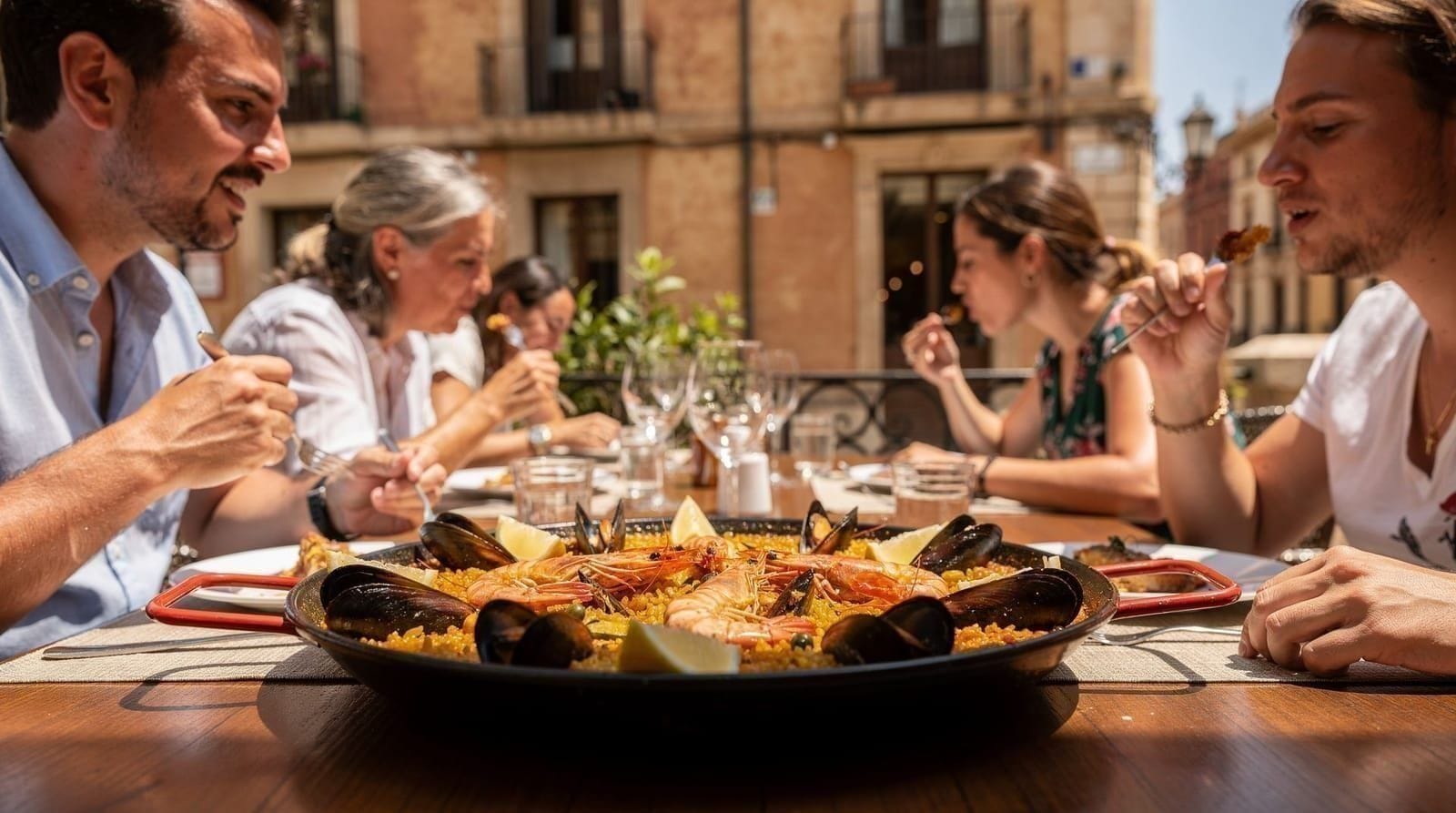
La Pepica (Malvarrosa beach) La Pepica has been in the same family since 1898 and occupies a long, light-filled dining room on Playa de la Malvarrosa. Hemingway allegedly ate here; there’s a signed photo somewhere on the wall. The paella valenciana is properly cooked over orange wood, the socarrat (the caramelised crust at the bottom of the pan) is reliable, and the arroz a banda (rice with fish broth) is equally good. Expect 18–22 € per person for a two-course lunch including wine. Book ahead, especially on weekends. The beach setting means this is a particular pleasure in warm weather.
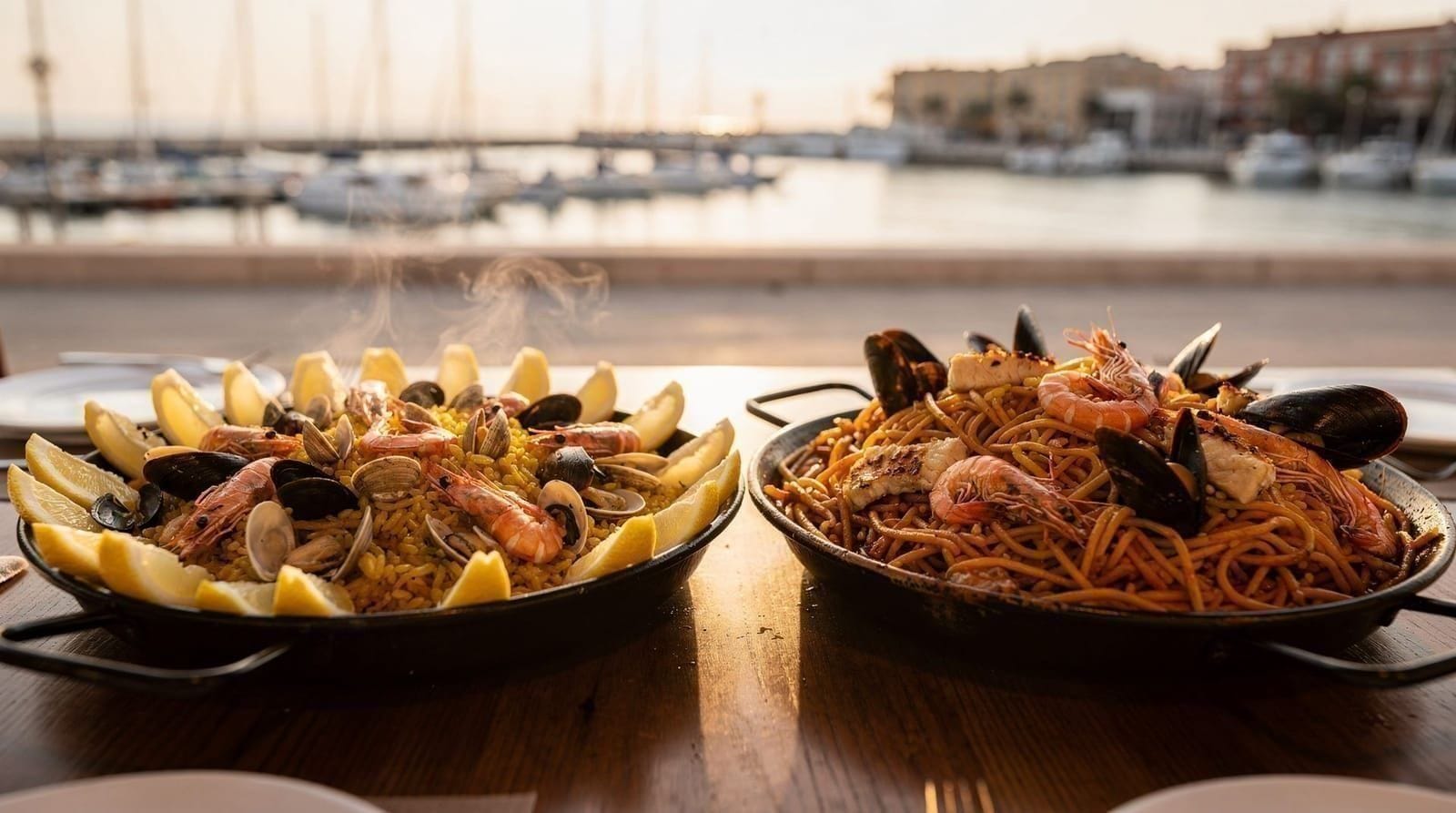
Casa Carmela (Malvarrosa/Cabanyal area) Casa Carmela on Calle Isabel de Villena has been cooking paella over orange and pine wood for over 100 years. It’s a lunch-only institution with a serious local following. Paella valenciana for two is around 40–45 € total. The fideuà (noodle paella equivalent) is also excellent. Booking is near-essential on weekends.
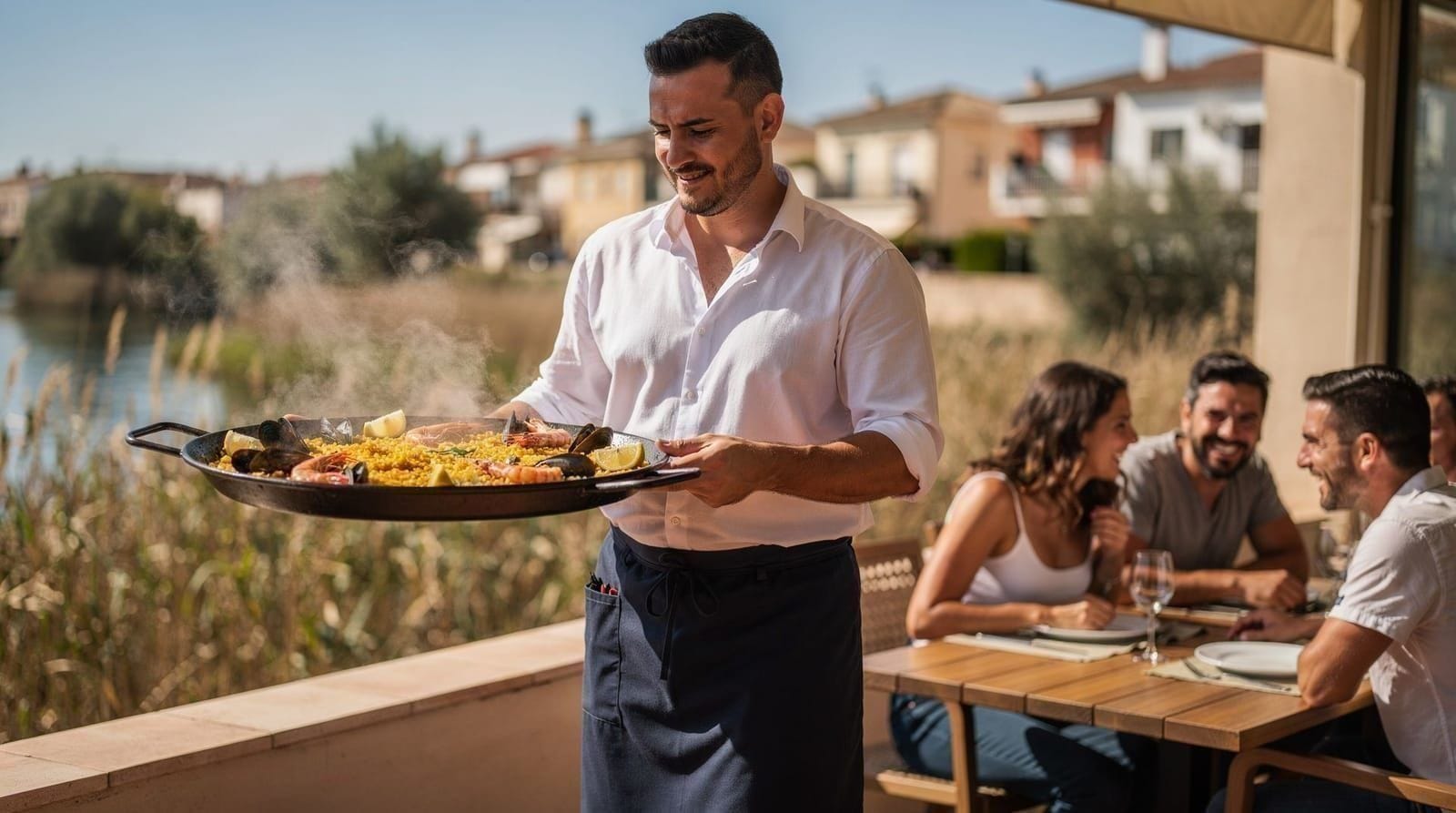
Restaurante Levante (El Palmar) If you’re willing to travel 15 minutes south of the city to the village of El Palmar in the Albufera wetlands, you’ll find the authentic heartland of Valencian paella. El Palmar is a fishing village surrounded by rice paddies and marshland — the ecosystem that gave birth to the dish. Restaurante Levante is one of several serious paella restaurants in the village, with a terrace facing the lagoon and paella valenciana cooked to order. This is where rice meets landscape in a way that eating in the city never quite achieves. The Albufera day trip guide covers how to combine the meal with the lagoon itself.
Bar Restaurante La Riuà (Old City) On Calle del Mar in El Carmen, La Riuà is more central than the beach or El Palmar options and has remained honest about what it is: a family restaurant doing a small menu well, including excellent paella valenciana at lunch. Less theatrical than La Pepica, less of a journey than El Palmar, and more consistently good than most central options.
Cervecería La Pilareta (Central Market area) Not primarily a paella destination — La Pilareta is known for its clotxines (small mussels served hot with salt and lemon) and as one of the last functioning old-school cervecerías in the city. But if you’re in the Central Market area and want a genuine Valencian lunch, this is one of the most authentic options nearby.
Pairing a paella lunch with the rest of your day works well. The beach restaurants sit close to Malvarrosa beach, so a long lunch can be followed by a slow walk along the sand, and the Cabanyal guide is a good companion if you want to explore the neighbourhood behind Casa Carmela. If you are building a food-focused trip, the Valencia for foodies itinerary shows where a paella lunch fits among markets, tapas and other meals.
Paella cooking classes: make your own
If you want to go deeper than eating paella, taking a cooking class in Valencia is one of the more memorable food experiences available. The classes that are worth your time involve real instruction — sofritos done properly, the rice-to-water ratio, how to build the socarrat — rather than supervised stirring and photo opportunities.
Master paella in an authentic Valencian kitchen — a hands-on class that covers the full technique, from sofritos to socarrat
Authentic Valencian paella cooking class with a professional chef — 4-hour session including market shopping and full lunch
A class is also a sensible choice if your schedule does not allow a long restaurant lunch, or if you want to take the technique home. For more on how Valencians eat the rest of the day, the eat like a local guide and the best restaurants in Valencia cover what to order beyond rice.
What to order (and what to avoid)
Order: paella valenciana (the classic — rabbit, chicken, beans), arroz a banda (fish broth rice, topped with alioli), arroz negro (black rice with squid ink). These are honest Valencian preparations.
Think twice about: mixed paella or “paella mixta” with shrimp, mussels, chicken, and peppers all together. This is a tourist accommodation that combines two separate traditional preparations into one hybrid. It’s not wrong, but it’s not what the restaurants above specialise in. If you’re unsure of the difference between rice dishes, the paella vs fideuà guide breaks down the main distinctions.
Avoid: paella served from a display tray at the restaurant entrance. Paella shown to tourists with steaming rice in a giant pan in the window. Paella served in a restaurant where the waiter has pushed you to sit down after ten seconds of consultation.
The bread trap: in many tourist-facing restaurants, bread arrives unbidden at the table and is later charged at €1.50–2.50 per person. This is technically legal but ethically dubious. The tourist traps guide covers this and similar charges.
What paella actually costs
At a proper restaurant, a full paella lunch for two — including the paella (minimum for two people), a small starter, and a shared bottle of house wine or two drinks — runs €30–50 for the table. Per-person prices of €15–25 cover the rice dish alone.
The restaurants near the Cathedral charging €18–22 per person for “paella valenciana” from a menu card that also includes twenty other dishes are almost always serving a tourist-calibrated version, not a wood-fire preparation. The price differential between honest restaurants and tourist restaurants is smaller than you’d expect; the quality differential is enormous.
For the complete guide to Valencia’s paella landscape — the history of the dish, the regional varieties, how to read a menu, and the tourist-trap warning signs — see the authentic paella guide and the how to order paella like a local guide.
If you are unsure whether a place is serving the real thing, the paella traps guide lists the warning signs to look for before you sit down, and the Valencian blog guide to ordering paella like a local walks through the conversation with the waiter.
The five restaurants at a glance
| Restaurant | Area | Price (2-course lunch) | Best for |
|---|---|---|---|
| La Pepica | Malvarrosa beach | 18–22 €/person | Beach setting, history |
| Casa Carmela | Malvarrosa/Cabanyal | ~40–45 € for two | Wood-fire tradition, locals |
| Restaurante Levante | El Palmar | Varies | The authentic source, worth the trip |
| La Riuà | El Carmen | Mid-range | Central, honest, low-key |
| La Pilareta | Central Market area | Tapas prices | Old-school cervecería, not paella-only |