Is Agua de Valencia worth ordering? An honest answer
Ask ten Valencia visitors about Agua de Valencia and you’ll get two completely different drinks described back to you — one genuinely excellent, one a syrupy tourist letdown. Both are technically the same recipe. The difference is entirely about where you order it.
| What it is | Cava, fresh orange juice, vodka, gin, sugar |
| Origin | Café Madrid, El Carmen, 1959 |
| Fair price | Around 5–8 € per glass at a genuine bar |
| Tourist-zone price | 8–15 € per glass, 25–40 € per carafa |
| Best context | Late afternoon, in company, not with a meal |
What it actually is
Agua de Valencia is not complicated. The recipe is: cava (Spanish sparkling wine), freshly squeezed orange juice, vodka, gin, and a small amount of sugar. Mixed cold, served in a large glass or carafa, consumed in company.
The orange juice is what defines it. Valencia is one of the main orange-growing regions in Europe; the Valencian orange is sweeter and more aromatic than most supermarket oranges, and a properly made Agua de Valencia uses juice squeezed to order. The cava adds effervescence and a dry note. The vodka and gin are background alcohol — you shouldn’t taste them distinctly; they should contribute to a round, slightly boozy citrus drink.
When it’s made well, it’s genuinely excellent. Light, refreshing, sociable, and specific to the place where you’re drinking it in a way that very few cocktails are.
When it’s made badly — or cynically — it’s a large glass of industrial orange juice with a splash of cava and an unnecessary price tag.
Where the cocktail came from
The origin story of Agua de Valencia is specific and documented. It was created in 1959 by Constante Gil, the owner of Café Madrid on Calle Abadía San Martín in Valencia’s El Carmen neighbourhood. The story goes that a group of Basque tourists came in asking for agua de Bilbao (a mild cocktail from that region), and Gil improvised with what he had: Valencia’s abundant oranges, some cava and the spirits behind his bar.
Café Madrid still exists. It still serves Agua de Valencia. The calle and the bar look roughly as they might have sixty years ago. Going there is the most direct way to drink the original version.
The tourist zone problem
The cocktail’s fame has created a market for tourist-zone versions that range from adequate to actively bad.
Near Plaza de la Reina and around the Cathedral, you will see Agua de Valencia sold in enormous, visually striking carafas (glass pitchers) displayed on bar terraces. The prices range from 8-15 € per glass, or 25-40 € per carafa. The oranges used may or may not be freshly squeezed; the cava may be the cheapest available; the serving temperature may be room temperature on a warm day.
The presentation is often theatrical. Instagrammers photograph these giant glasses enthusiastically, and the bars rely on that documentation to perpetuate the tourist circuit. The actual flavour of the drink often disappoints people who’ve heard about how good it should be.
Where to drink it properly
Café Madrid (El Carmen): The origin point. Small, dim, old-fashioned. The Agua de Valencia here is served in a classic style and costs around 5-7 € per glass. The bar is on Calle Abadía San Martín and can feel touristy itself now, but the recipe is genuine.
Bars in Ruzafa: The cocktail bars around Calle Cadiz in Ruzafa tend to use better ingredients and charge 5-8 €. Look for bars that display fresh fruit prominently.
During Las Fallas: The communal Agua de Valencia tradition peaks during Las Fallas (1-19 March), when carafas appear on every terrace and the spirit of the cocktail — large group, celebratory, mid-afternoon sun — matches the festival perfectly. If you’re in Valencia during Fallas, drinking it here in this context is the best possible version of the experience.
At a good cocktail bar: Any bar that takes its drinks seriously will make a better Agua de Valencia than the tourist strip. Ask where you’re thinking of eating dinner; the bartender or waiter can usually suggest where locals drink in the area.
Where to drink it: quick comparison
| Location | Price | What you’re getting |
|---|---|---|
| Café Madrid, El Carmen | 5–7 € | The original recipe, small and unpretentious |
| Ruzafa cocktail bars | 5–8 € | Fresh ingredients, contemporary bar setting |
| Plaza de la Reina tourist terraces | 8–15 € (glass), 25–40 € (carafa) | Theatrical presentation, inconsistent quality |
| During Las Fallas, anywhere | Varies | Communal, festive, best possible context regardless of bar |
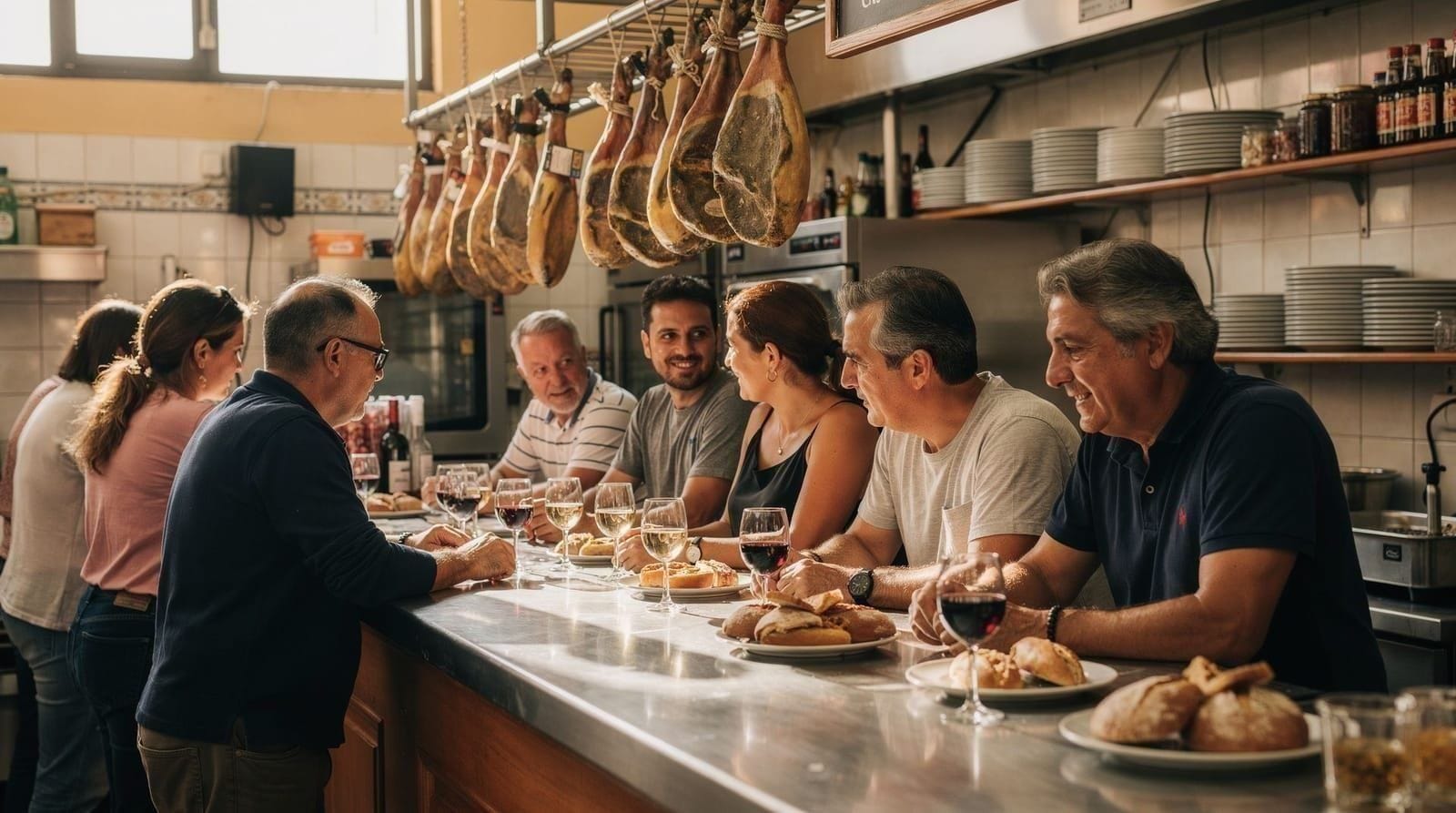
If you want to combine a first proper drink with meeting other people who know the city, a small-group tapas-and-drinks evening in Ruzafa is a reliable way to be steered toward the good bars rather than the photogenic ones.
Evening tapas and drinks tour with a local — includes stops at proper neighbourhood barsIs it worth ordering?
It depends on two things: where you’re ordering it and why.
If you’re in a tourist-facing bar near a major sight and you want an authentic Valencia experience, Agua de Valencia is probably not the path to that experience. You’ll pay a premium and receive a mediocre version of something that deserves to be tasted properly.
If you’re at a bar in El Carmen or Ruzafa with friends, it’s a late afternoon, and the carafa looks like it’s been made with care, it’s absolutely worth ordering. It’s one of the more distinctive regional drinks in Spain — not because of any particular sophistication, but because it’s genuinely of the place.
The third scenario: ordering it as part of a larger meal at a restaurant is often the worst option. Restaurants mark cocktails up significantly, and Agua de Valencia is not a cocktail that particularly benefits from being served alongside food.
A note on making it yourself
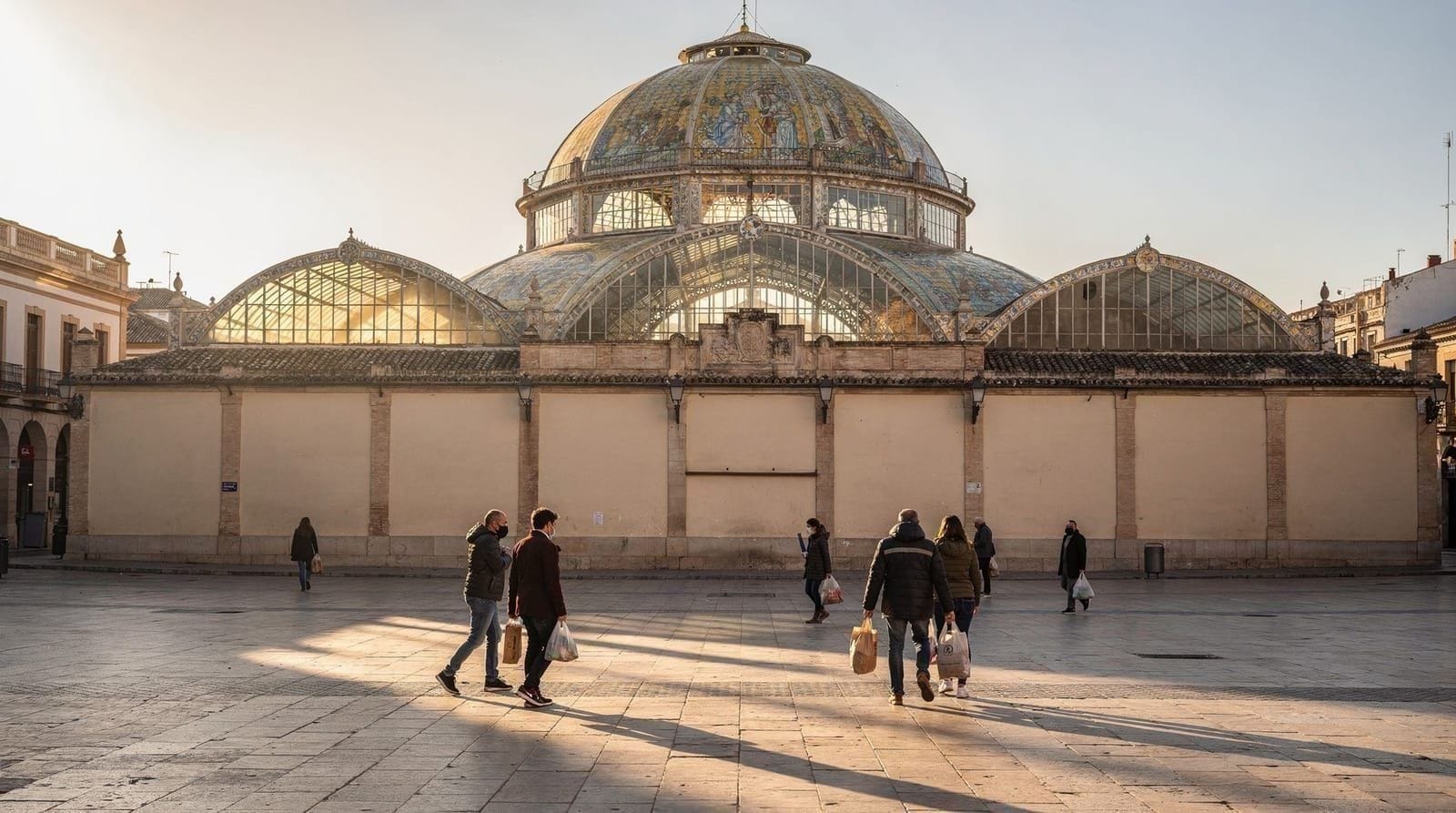
If you’re renting an apartment in Valencia for a week, making Agua de Valencia at home is trivially easy and will produce a better result than most tourist bars. Freshly squeezed Valencia oranges cost almost nothing at the Mercado Central or any greengrocer. A bottle of decent cava (Codorníu or Freixenet Vintage) costs 8-12 €. Add a modest amount of vodka and gin (the cheap house brands work fine; you’re not making a vodka martini). Mix cold.
This is genuinely how many Valencians make it for parties at home. The bar version is for the social occasion; the home version is for when you want to actually taste what the fuss is about.
For more on honest food choices in Valencia, the tourist trap guide and the eating like a local guide cover the broader picture.
How it fits into a night out
Agua de Valencia rarely works as the only drink of an evening — it’s strong, sweet, and best treated as a starting point rather than something to order round after round. A typical local sequence in El Carmen or Ruzafa runs: one Agua de Valencia to start, then a switch to beer or wine with tapas as the evening continues. If you’re planning a first weekend in the city and want this slotted in properly rather than as an afterthought, the Valencia first weekend itinerary places an evening drink stop in a sensible spot in the day. For rooftop options with a view rather than a street-level bar, the best rooftop bars guide lists a few that also do a respectable version.
How to spot a good glass before you pay
You don’t need to be a cocktail expert to tell a careful Agua de Valencia from a lazy one. Watch the bar for a minute. If oranges are being squeezed to order, you’re in the right place; if the juice comes out of a carton or a tap, you can already guess what the glass will taste like. The drink should arrive cold, lightly sparkling and pale orange, not flat and deep amber.
A few quick signals help:
- Check the menu before you sit down. A short, confident drinks list usually means a bar that cares about what it pours. A laminated menu with photos of giant carafas is the opposite signal.
- Order a single glass first. Even if you’re a group, try one glass before committing to a carafa. If it’s good, the carafa follows; if it isn’t, you’ve lost very little.
- Look at who’s drinking it. Tables of locals chatting over a shared carafa are a better recommendation than any review.
For a broader look at the sort of places that are worth your money, the Agua de Valencia guide goes deeper on the drink itself, and the tourist traps guide shows how the same pattern repeats with other dishes and drinks.
Pairing it with the right neighbourhood
Where you drink it shapes the whole experience. The narrow streets of El Carmen suit a slow, early-evening stop; the El Carmen guide maps out the area so you can wander between bars without backtracking. Ruzafa is livelier and more contemporary, and the Ruzafa guide and the Ruzafa tapas guide help you build a evening around a first drink and a few small plates.
If you’d rather drink it on the water, a relaxed boat outing is another way to enjoy the same sociable, late-afternoon spirit that makes the cocktail work. A sunset sailing with a drink included can be a good fit when you want the atmosphere without choosing a bar yourself, as in a catamaran trip at sunset with a drink on board. For more options on the water, see the sailing and catamaran guide.
Buying the oranges, skipping the markup
If the home version appeals, start where Valencians do. The Central Market guide explains how to shop there and what to look for among the fruit stalls. Pair the orange stop with a look at the best time to visit Valencia if you’re deciding when a cold, citrusy drink will suit you best, and keep the Valencia festivals calendar in mind: celebrations are when the carafa tradition feels most natural.