How to eat like a local in Valencia: hours, habits and honest advice
Valencian food culture is not hidden. It’s not gatekept by secret addresses or insider knowledge. It’s governed almost entirely by timing, and most visitors miss it simply because nobody tells them the clock is different here.
| Breakfast | 8–11am, café + tostada, around 3 € |
| Almuerzo | 10:30–11:30am, the meal most visitors skip entirely |
| Lunch | 2–4pm, the main meal — menú del día 12–16 € |
| Dinner | 9–11pm, light — tapas, not paella |
| Rule of thumb | Walk 50m further from the sights, pay less, eat better |
Start with the clock
Before discussing what Valencians eat, understand when they eat it. The schedule is the single most important thing for a food-focused visit, because it governs everything from which restaurants are open to what’s on the menu.
Breakfast (desayuno): 8-11am. A coffee and something small — toast with olive oil and tomato, a croissant, a magdalena. The classic Valencian breakfast spot is a bar or café, not a hotel dining room. Order a café con leche and two tostadas con aceite y tomate for about 3 €.
The almuerzo (mid-morning break): This is the meal most visitors miss entirely and most explains why Valencians seem to eat lunch so late. Around 10:30-11:30am, many workers stop for a substantial mid-morning meal — not a snack, but a sandwich or a plate of tapas, at a bar. This is the esmorzaret tradition. The esmorzaret guide covers it properly.
Lunch (comida/dinar): 2-4pm. This is the main meal. Everything that matters about Valencian food happens at lunch. Paella, all i pebre, arrós al forn — these are lunch dishes. The menú del día (fixed three-course lunch with wine) runs 12-16 € at local restaurants. Restaurants serving lunch before 1:30pm are serving tourists; if you sit down at noon expecting a full lunch service, you may find yourself waiting or told to come back later.
Dinner (cena): 9-11pm. Light by comparison. Tapas, a small plate, perhaps an omelette or some cold cuts. Many Valencians go out for dinner but eat less at dinner than at lunch. The restaurants that serve full dinners with paella and three-course menus are, for the most part, tourism-oriented.
What Valencians actually eat
Paella valenciana
The authentic version contains chicken, rabbit, flat beans (garrofó), green beans (ferraura), tomato, saffron, olive oil, water and Valencian round-grain rice. That’s it. There is no seafood in traditional paella valenciana. If a Valencia restaurant offers “paella mixta” (seafood and meat together), that’s a tourist hybrid.
Locals eat paella at Sunday lunch, at family gatherings, on festive occasions. It is a communal dish cooked over a wood fire and eaten outdoors or at a large table. The crust of rice at the bottom — socarrat — is prized and politely contested.
The restaurants that make proper paella: Casa Carmela in El Cabanyal (paella cooked outdoors over orange wood), La Pepica on the Malvarrosa seafront (since 1898), La Riua in the city centre for a slightly more restaurant-formal version. More in the authentic paella guide.
Horchata and fartons
Horchata (orxata in Valencian) is made from tigernut (chufa), grown specifically in the l’Horta Nord region north of the city in towns like Alboraia. It is milky, slightly sweet and earthy, and nothing like the Mexican rice-based horchata most Americans will have encountered.
Fartons are elongated glazed pastries made to dip in horchata. They have a slightly dry, brioche-like texture. The combination is eaten as an afternoon snack in summer; horchalerías specialising in it open primarily May-September.
The denomination of origin protects authentic horchata; look for the “Chufa de Valencia” designation. The powdered horchata sold as a tourist souvenir is a different and inferior product.
All i pebre
All i pebre (garlic and pepper) is the dish of the Albufera, made with eel (or sometimes other freshwater fish from the lagoon) in a sauce of garlic, paprika, dried red pepper and olive oil. You eat it in the restaurants of El Palmar, the fishing village in the middle of the Albufera Natural Park. The Albufera day trip guide has more context.
It is an acquired taste in the best possible sense — deeply savoury, slightly smoky, unlike anything else. If you spend a day in the Albufera and don’t try it, you’ve missed something.
The menú del día
Every working-day at lunch, most Valencian restaurants offer a menú del día: a set first course, main course, dessert or coffee, bread and a glass of wine or beer. The price ranges from 12 € in neighbourhood restaurants to 16 € in slightly fancier ones.
This is how Valencians eat lunch during the week. It is one of the best culinary values in Spain. The food is not exceptional but it is honest, consistent and representative of what people are actually eating. It almost always beats ordering à la carte at the same restaurant for quality and price.
The catch: it’s typically only available Monday-Friday, from 1:30-3:30pm. On weekends, restaurants may offer something similar at a slightly higher price.
Tapas in Ruzafa
The Ruzafa/Russafa neighbourhood has developed a genuinely good tapas culture over the last decade, distinct from both the tourist-facing old town and the traditional bar scene elsewhere in the city. The bars around Calle Cadiz and its surrounds — Canalla Bistro, Palo Alto, Bar La Sal — serve well-executed small plates in a creative but unpretentious register. Evening tapas here from 8-11pm, with a glass of local wine, is the quintessential contemporary Valencia night out.
More in the tapas Ruzafa guide.
If you’d rather not choose between bars on your own, an evening spent hopping between tapas spots with a local is an easy way to see how the evening round works: an evening of tapas and drinks with a local host lets you follow the pace of the night instead of guessing it. For a wider introduction to the city’s dishes in one outing, a food tour built around a series of tastings is another option, and it pairs well with the habits described on this page.
The Mercado Central and daily shopping
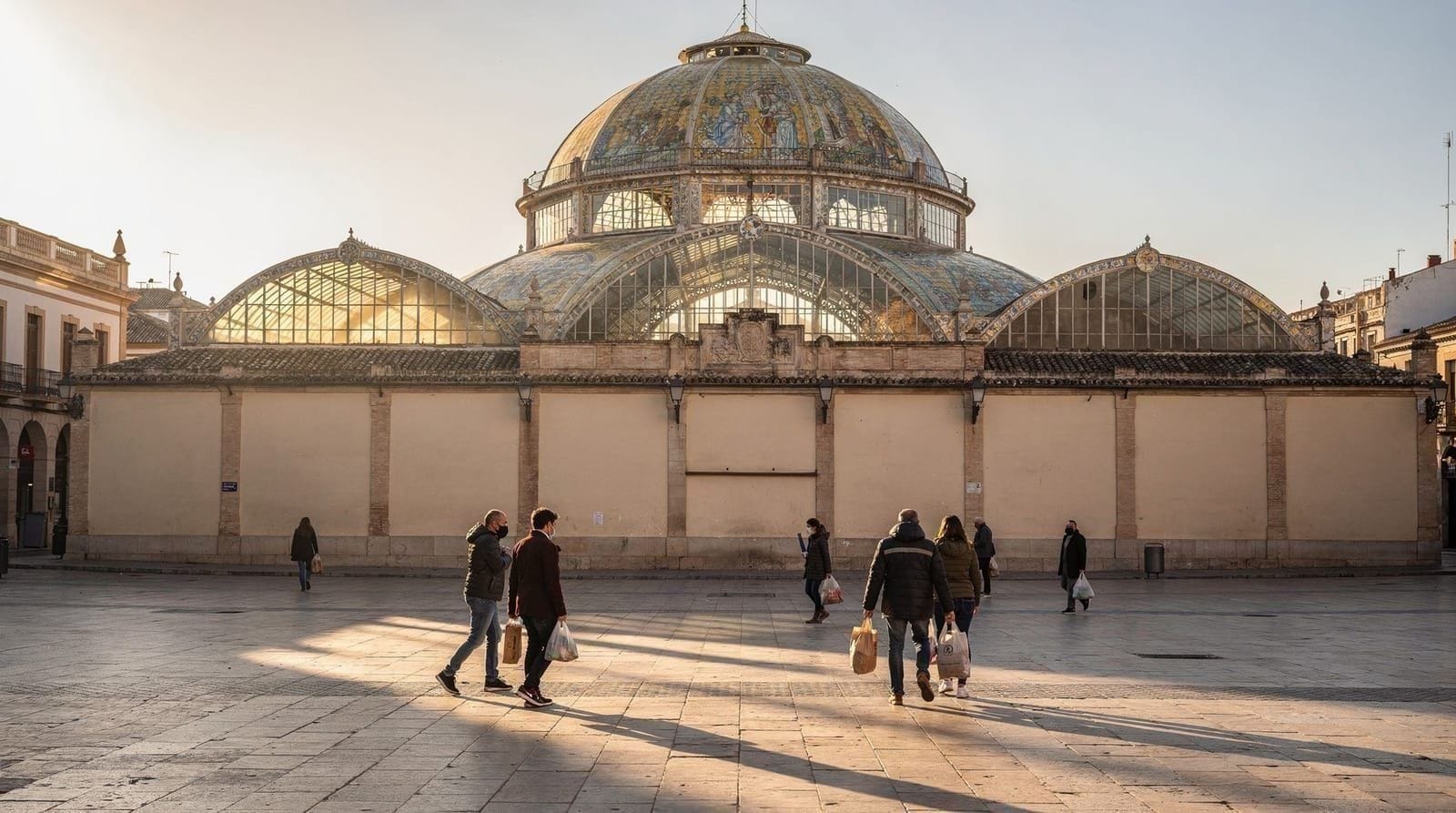
Locals in the old town still shop daily or near-daily at the Mercado Central, one of the largest covered markets in Europe and a working food market first, tourist sight second. Go early — 8-10am — to see stallholders and regular customers rather than tour groups, which arrive from mid-morning onward. Buying fruit, cheese, jamón or a coffee from a market bar here costs the same as it does for locals; nothing is marked up simply because a visitor is buying it. The Valencia food markets guide covers the smaller neighbourhood markets — Mercado de Ruzafa, Mercado de Colón — that see far fewer tourists and are, in some ways, more representative of daily shopping habits than the Central.
If you’d rather have the market and the cooking explained than navigate it alone, a guided food tour through the Central Market’s stalls is a genuinely efficient way to taste widely in a short visit.
Guided morning food tour through the Central Market — tastings with a local guidePractical rules
Don’t ask for separate bills. In Spain, the bill typically comes as a whole, and splitting it is handled informally at the table. Asking the waiter to produce multiple bills is not standard practice and causes friction. Calculate your share and pay together.
Bread charges: As covered in the tourist traps article, bread appearing on the table is not always free. Ask if unsure.
Coffee: The hierarchy goes café solo (espresso), café con leche (espresso with equal parts hot milk), cortado (espresso with a splash of milk). Ordering a “latte” or “flat white” is possible in speciality coffee shops but will get blank looks at a traditional bar.
Tipping: Service charges are not standard in Spain. Tips are appreciated but not expected in the way they are in the US. At a restaurant, rounding up the bill or leaving 5-10% for genuinely good service is sufficient. At a bar, leaving the change from the counter is typical.
Water: Tap water in Valencia is safe to drink but has a distinct mineral taste that some people find strong. Bottled water is 1-2 € at a bar; the 5 L bottle from any supermarket is less than 1 €.
The almorzar vs. tourizr difference
The moment you start eating outside the tourist zones, at the hours locals eat, the price and quality equation changes dramatically. A full three-course lunch with wine costs 13 € at a restaurant in Benimaclet. The same three courses costs 25-30 € at a restaurant fifty metres from the Cathedral.
The food at the Cathedral restaurant is not twice as good. The location is twice as expensive. This is the most direct way to explain how to eat like a local: go fifty metres further from the major sights.
The best restaurants guide has specific names. The budget Valencia guide frames it from a cost perspective.
Drinking on the local schedule
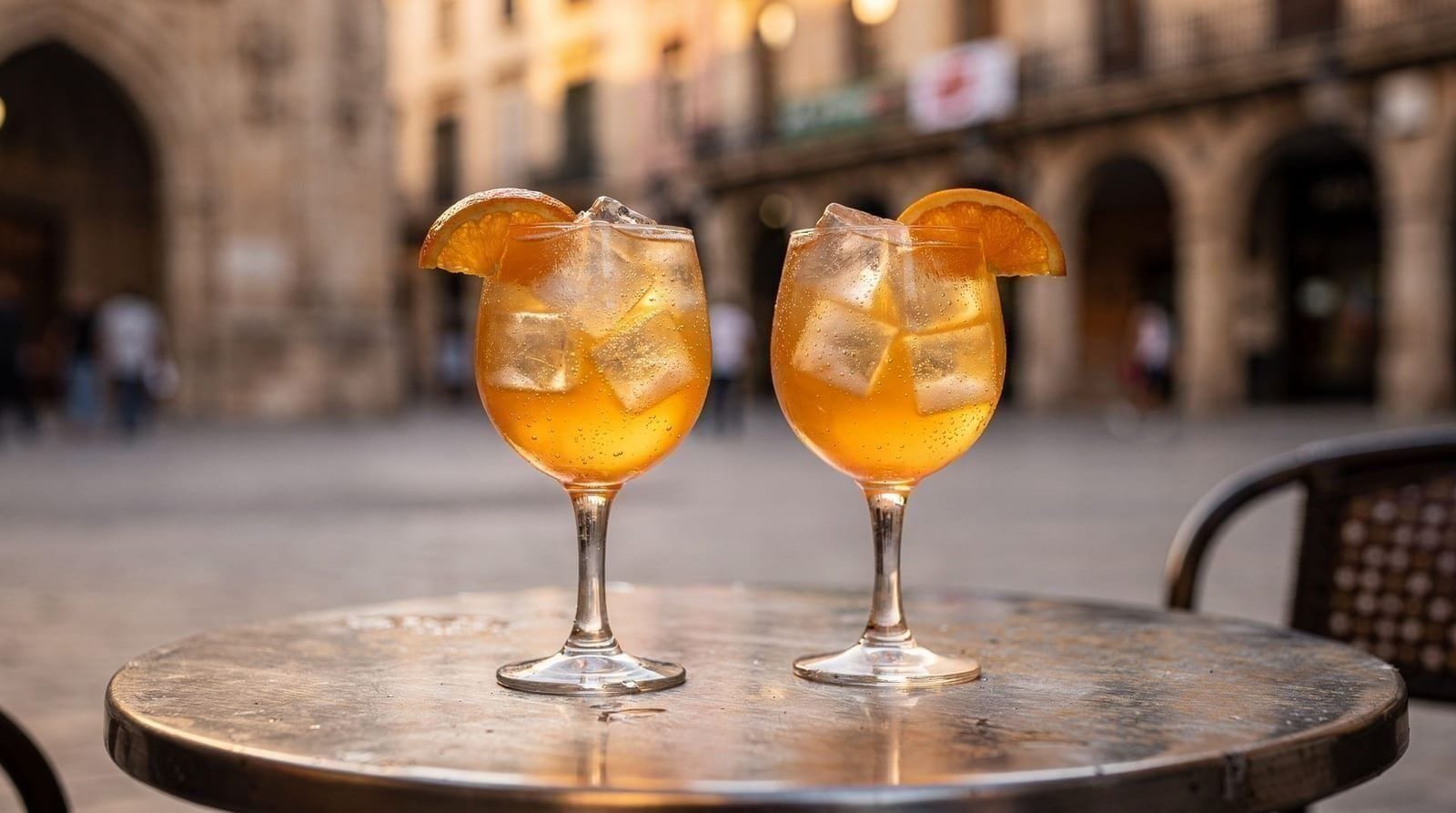
Drinking follows the same logic as eating: there’s a right hour for each thing. Coffee is a morning and early-afternoon habit, rarely ordered after a meal past mid-afternoon. Vermut (vermouth) hour — a pre-lunch aperitif with olives or a small tapa — happens roughly 1-2pm, mostly on weekends, in bars around El Carmen and Ruzafa. Beer (caña, a small draught) is the default early-evening order; wine by the glass is common at dinner but rarely ordered by locals at lunch on a working day. If you want to try Agua de Valencia, the local orange-cava cocktail, the honest version is drunk with friends in the late afternoon or evening, not as a lunchtime accompaniment to a meal.
Fallas and festival eating
Food habits shift noticeably during Las Fallas in March. The almuerzo tradition expands into a full street-party breakfast, bars open earlier, and the strict lunch-only rule for paella gets bent for the festival’s communal meals. If you’re visiting during Fallas, expect longer waits everywhere and book restaurant lunches further in advance than you would the rest of the year.