Valencia beach season guide: when to go, what to expect
The Mediterranean doesn’t work like the Atlantic
Mediterranean sea temperatures follow a different pattern than Atlantic waters. They warm slowly and cool slowly; the sea accumulates heat over the summer and often remains warmest in September and October, after the air temperature has started dropping.
This creates a useful misalignment for visitors who can be flexible: the best beach month in Valencia is not August (hottest air, most crowded) but September (still warm sea, notably thinner crowds, tolerable daytime temperatures). Understanding this is the foundation of getting a Valencia beach trip right.
| Season | June-October for swimming; the shoulder months trade a couple of degrees for far fewer people |
| Best single month | September — warm sea, thinner crowds, tolerable heat |
| Getting to city beaches | Tram or bus from the centre, around 15-20 minutes |
| Getting to El Saler / Devesa | Bus from Torres de Serranos, around 30-40 minutes |
| Cost | Beaches are free; sunbed/umbrella rental runs around 8-15 €/day |
Monthly sea temperature guide
| Month | Sea temp (°C) | Rating for swimming |
|---|---|---|
| January | 13–14 | No |
| February | 13–14 | No |
| March | 14–15 | No |
| April | 16–17 | Cold shower only |
| May | 18–20 | Hardy only |
| June | 21–23 | Yes, comfortably |
| July | 24–26 | Excellent |
| August | 26–27 | At its warmest |
| September | 25–26 | Peak recommendation |
| October | 22–23 | Still swimmable, cooling |
| November | 18–20 | Cold |
| December | 16–17 | No |
These are averages. Hot summers push August temperatures to 28°C+. La Gota Fría autumn weather events can temporarily affect water quality. Check the Conselleria de Sanitat website before swimming if in doubt after heavy rain.
June: the beach season opens
June marks the proper start of the Valencia beach season. The water temperature rises past 21°C from around the second week; most people find this comfortable for swimming. The sun is strong — UV index reaches 9-10 by late June — and the days are long (sunset around 9:30pm).
The beaches in June are busy on weekends but not yet at summer saturation. Weekday mornings in June are among the best conditions of the year for a beach visit: warm water, reasonable crowds, full services available (chiringuitos, lifeguards, equipment rental).
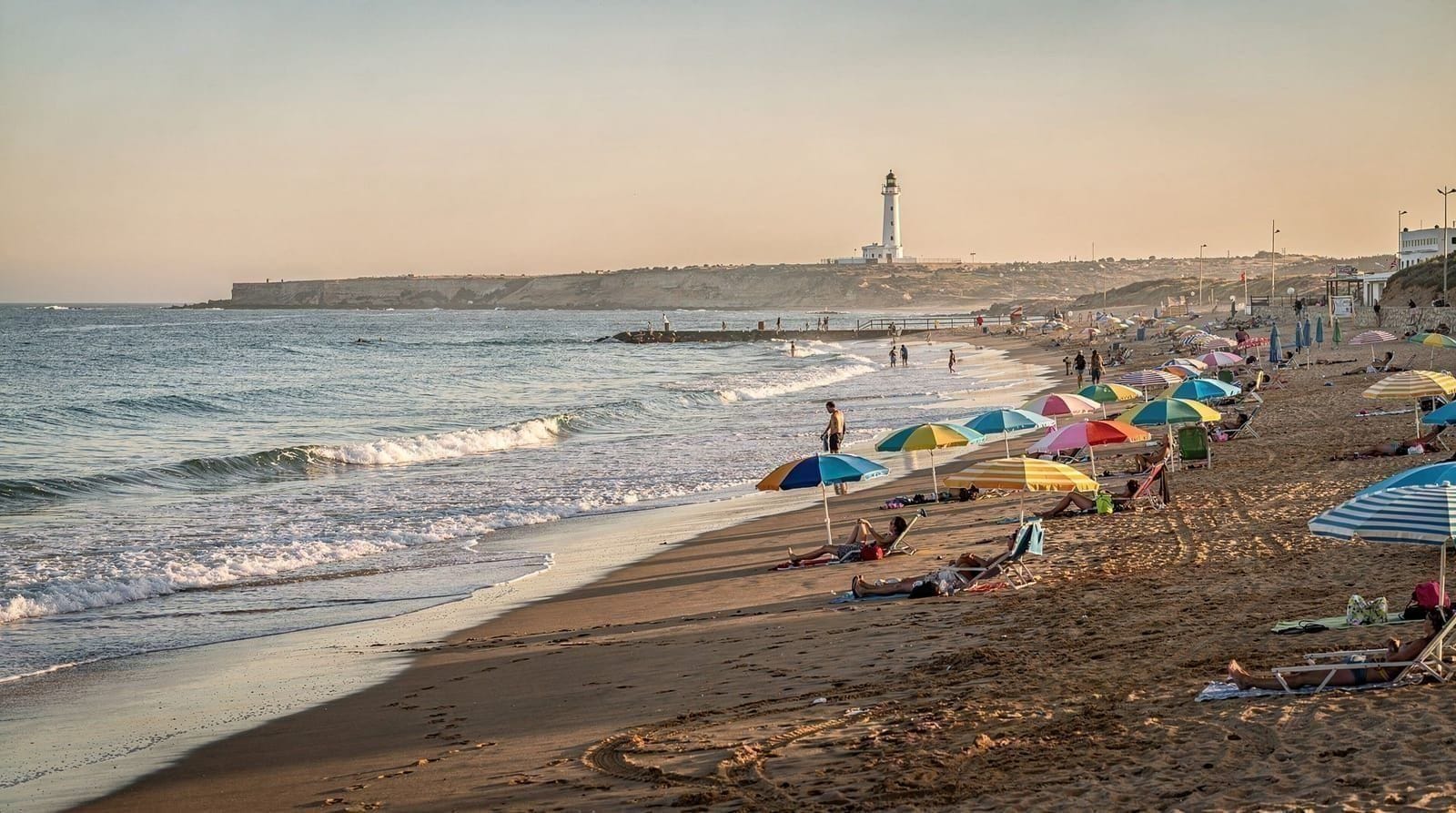
Malvarrosa and Patacona: City beach infrastructure fully operational from early June. Good option for day visitors from the city centre.
El Saler: Already worth the bus journey in June. The pine-backed beach at El Saler feels more natural and less urban than the city beaches, and in June it’s accessible without the August crowds.
July: full summer
July is hot. Daytime temperatures regularly reach 32-34°C. The sea is at its most inviting precisely when the air temperature makes spending extended time on the sand uncomfortable.
The practical adaptation: arrive at the beach at 9-10am, before the heat peaks. Leave by noon. Return after 5pm when the temperature drops and the beach remains open until late evening (beaches are publicly accessible around the clock).
Weekends in July at the popular beaches — Malvarrosa, Cullera, Gandia — are extremely busy. If you’re visiting in July and want a beach day without significant crowds, choose a weekday or go to El Saler, which consistently sees fewer visitors than the city and town beaches.
Water sports are at peak availability in July. Paddle surf rental, kayaks, jet ski operators, and sailing trips all run full programmes.
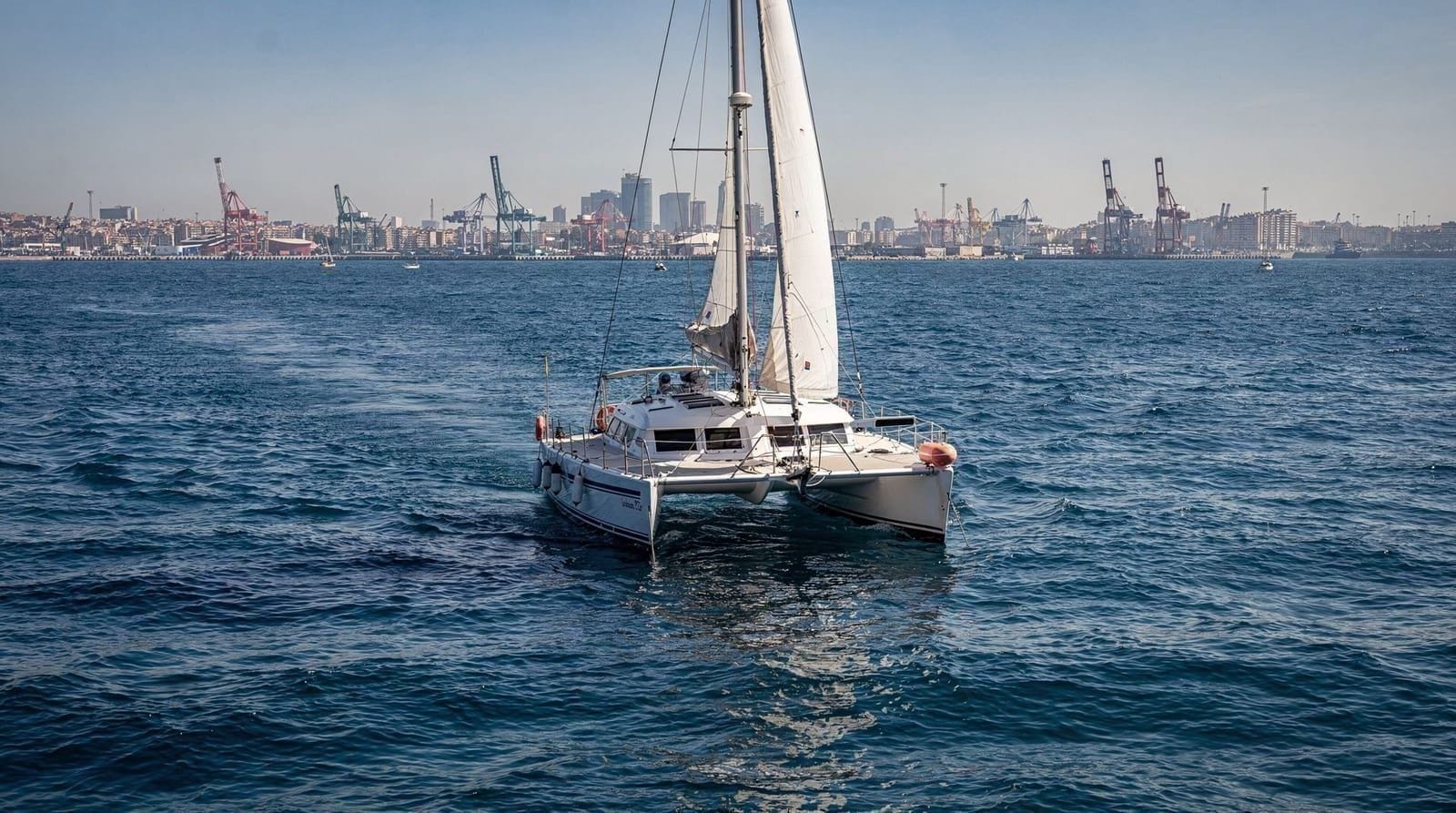 sailing catamaran cruise with swim stopCheck availability
August: the complicated peak
August concentrates the most problematic combination of factors: peak domestic tourism (Spanish families on holiday en masse), highest air temperatures (35°C+ regularly), maximum beach crowds.
The city beaches (Malvarrosa, Patacona) are packed. The beach towns south of Valencia — Cullera, Gandia, Oliva — are at their busiest. Finding space at popular beaches after 11am on a weekend in August means either accepting a very compressed setup or going further afield.
What August does well: the sea is at its absolute warmest (26-27°C). Evening beach culture is excellent — the city beaches remain pleasant from 7pm to midnight, with chiringuitos and the promenade restaurants at full operation. The social atmosphere of a warm evening on Malvarrosa, with groups eating paella and children still in the water at 9pm, is genuinely Valencian in character.
August reality check: La Tomatina (last Wednesday of August, Buñol) requires a bus or tour from Valencia. The event is an experience, not a beach activity, but it features in August planning for many visitors. The La Tomatina guide has details.
September: the recommendation
September is consistently the recommended beach month for visitors who can be flexible.
The sea temperature in September is at or near its annual peak (25-26°C, sometimes higher). The air temperature drops slightly from August — highs of 28-30°C rather than 33-35°C, which is meaningfully more comfortable for spending time on the beach. The crowds drop sharply after the first week of September as Spanish domestic tourists return to work and school.
By mid-September, beaches that were barely accessible in August become spacious. The chiringuitos remain open, the water remains warm, and the long September evenings continue (sunset around 8pm by end of month).
September is also when the Albufera is at its most photogenic for day trips combining water with nature — the rice harvest begins in late September, and the landscape of the lagoon and its surrounding fields has a quality that peak summer doesn’t match.
October: the shoulder window
October offers two to three weeks of genuine beach viability before the water cools past comfortable swimming.
Early October (1-15): Sea temperatures around 23-24°C. Still excellent for swimming. Air temperatures 22-25°C in early month. Manageable beach conditions.
Late October: Sea cools to 21-22°C. Swimmable for people comfortable with cooler water, but most casual beach visitors will find it marginal.
The advantage of October: accommodation prices drop significantly. The beaches are quiet. The El Saler and La Devesa beaches are at their most accessible. A beach day combined with a return visit to the Albufera for the rice harvest season gives a different but very satisfying Valencia trip.
The beaches compared by month
For peak summer (July-August): El Saler or La Devesa for manageable crowds; the city beaches for proximity and evening culture.
For shoulder season (June, September, October): All beaches are viable. El Saler remains the quality choice for natural setting. Cullera and Gandia are worth the train journey.
For natural setting year-round: La Devesa — the protected dune and pine forest environment behind the beach is genuinely beautiful in any season.
Practical notes
Parking in August: Beach car parks fill before 9am at popular beaches. Public transport (bus, train to Cullera/Gandia) is the practical alternative.
Jellyfish: August occasionally brings jellyfish to the Valencia coast, depending on sea currents. The beaches post warning flags when jellyfish are present. Bring antihistamine cream just in case; jellyfish stings here are rarely serious but they’re unpleasant.
Sun protection: The Mediterranean UV index in summer is high enough that protection is not optional. SPF 50, reapplied after swimming, is not excessive. Children need full coverage in July and August.
Beach services: The full service offering — chiringuitos, lifeguards, equipment rental, public showers — runs June through September at main beaches. Outside these months, services are reduced or absent.
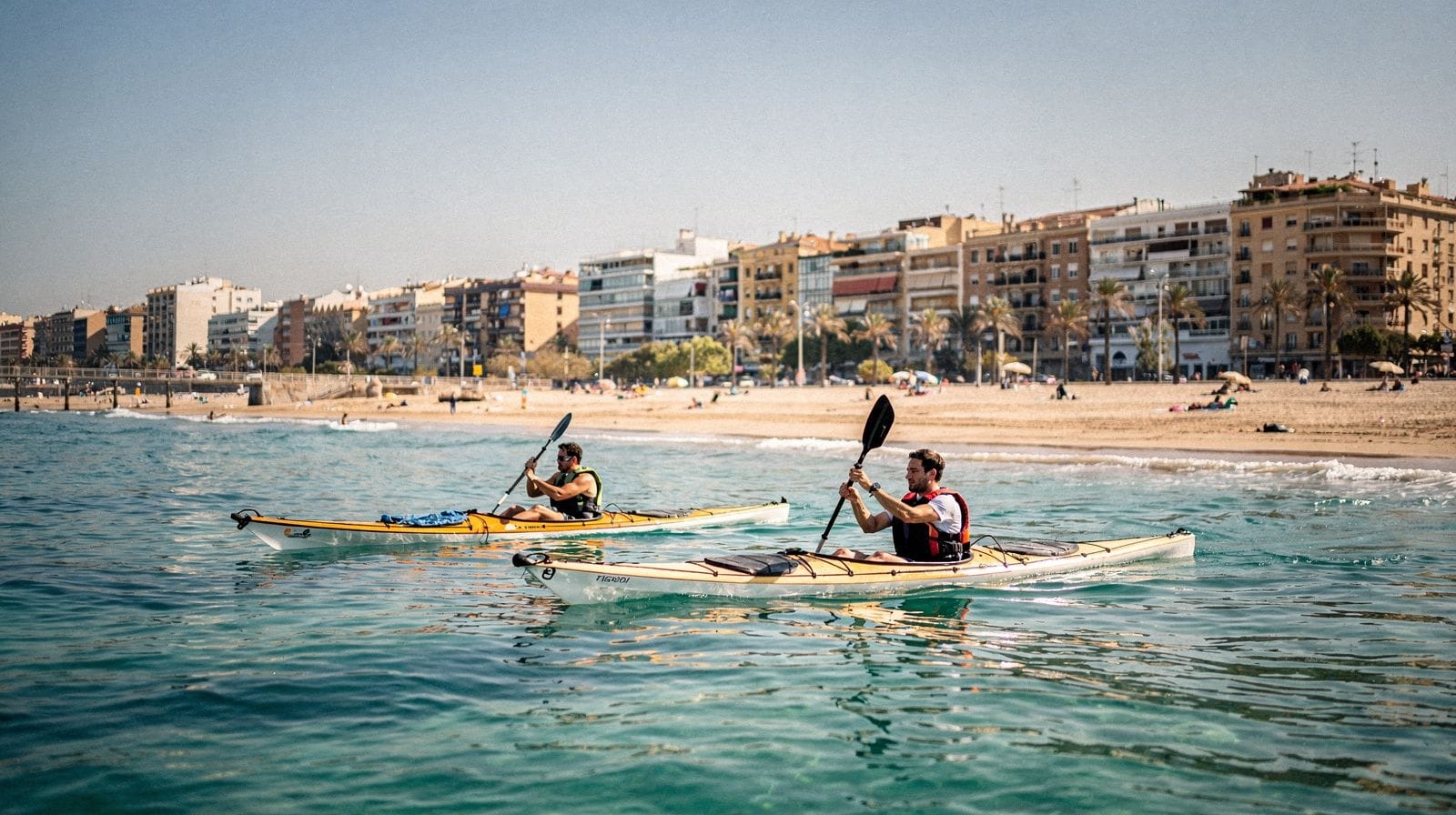 paddle surf lessonCheck availability
Getting to the beaches without a car
Valencia’s city beaches are genuinely easy without a car. The tram (Line 4 or 6, depending on route) reaches Malvarrosa and Patacona from the centre in about 15-20 minutes, and the Cabanyal beach neighbourhood sits right alongside them with its own distinct, less polished character.
For El Saler and the wider Devesa coastline, the bus from Torres de Serranos takes 30-40 minutes and drops you closer to the pine-backed dunes than driving would, since parking there is limited in peak season anyway. For Cullera or Gandia, the Cercanías train from Estació del Nord is the practical option and avoids the July-August motorway traffic entirely.
Family beach days
Families visiting in peak summer generally do better at Patacona or the calmer stretches near El Saler than at the busiest section of Malvarrosa, simply because there’s more space to set up and the water is shallower for longer near the shore in some spots. The family beaches guide and beaches with kids guide go into specifics on facilities, shade and which stretches suit younger children best. If you’re building a full family itinerary rather than a single beach day, the Valencia with family itinerary covers how a beach day fits alongside the city sights.
Quiet alternatives if the main beaches feel crowded
Even in August, it’s possible to find a quieter stretch without giving up much convenience. The quiet beaches guide covers the lesser-known options beyond El Saler, and pairing a beach afternoon with the Albufera day trip turns a single beach visit into a fuller day that most visitors miss entirely.
For more context on the full year in Valencia, the month-by-month guide covers all aspects of seasonality beyond the beach.
Frequently asked questions about Valencia beach season guide
Is the water too cold to swim outside June-September? Late May and early October are usually swimmable for people comfortable with slightly cooler water (18-23°C); outside that wider window, most visitors will find it too cold for more than a quick dip.
Which beach is best for a first-time visitor with only one beach day? Malvarrosa if convenience and city-beach atmosphere matter most; El Saler if a quieter, more natural setting matters more than proximity to the centre.