Best beaches near Valencia for a day trip: an honest ranking
The beaches you’ve heard about and what they’re actually like
Valencia has beaches both within the city limits and an hour or more south. The difference between them is not just distance — it’s the kind of beach day you’re signing up for.
| Closest option | Malvarrosa/Patacona, 4 km, 30 min by tram |
| Cleanest natural option | El Saler/La Devesa, 18 km, 30 min by car or bus 24/25 |
| Best by train | Cullera (45 min) or Gandia (1 hr) from Estació del Nord |
| Best months | June and September — warm water, thinner crowds |
| Watch for | Rip currents; check the flag colour before swimming |
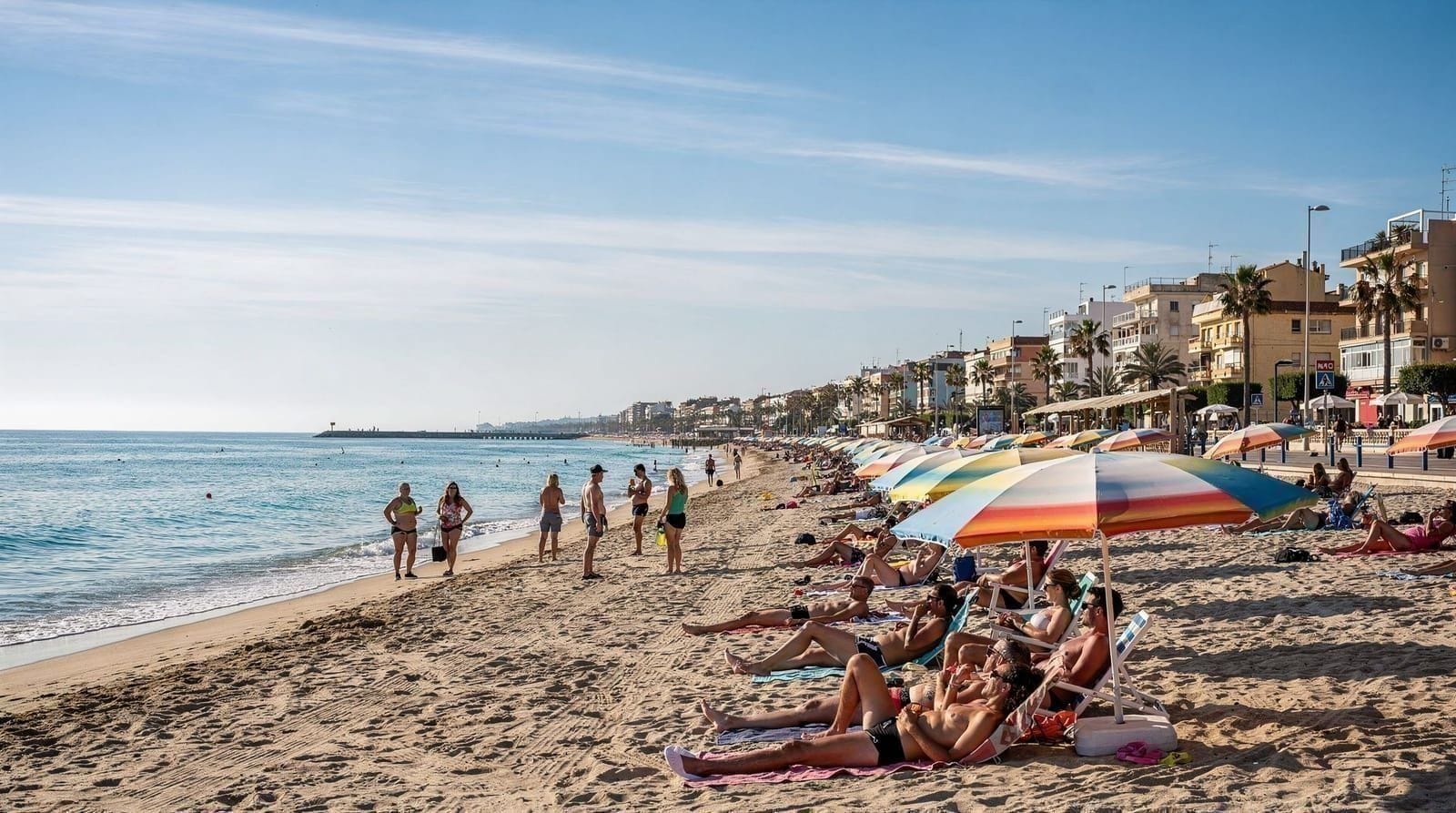
The city beaches, Malvarrosa and Patacona, are urban beaches. They have all the infrastructure that implies: rows of chiringuitos, pedal boats for rent, lifeguards on towers, and in July and August, an almost uninterrupted carpet of bodies from one end to the other. They’re convenient and well-served by public transport, and on a morning in early June or September, when the summer pulse has not yet fully arrived or has just left, they are genuinely pleasant. But if your mental image of a Spanish beach involves calm water, pine trees and some version of solitude, Malvarrosa in August is not it.
Further south, things change. The Albufera Natural Park acts as a natural break: south of it, the coast becomes less urban, the sand gets finer, and the crowds thin out in direct proportion to the distance from Valencia. This is where you find the beaches that justify a day trip.
Malvarrosa and Patacona: city beach, city rules
Distance from city centre: 4 km (30 minutes by tram or bike)
Water quality: Good (EU Blue Flag), but currents can be significant
Crowds: Very high July–August, moderate June and September
Best for: Convenience, family infrastructure, staying close to restaurants and nightlife
Malvarrosa runs about 1.8 km along the seafront of the El Cabanyal neighbourhood. The promenade behind it is lined with seafood restaurants, several of which are genuinely good (La Pepica has been feeding paella to locals since 1898; Las Arenas is the upscale option). The sand is grey-gold and wide, the sea is blue-green and often choppy.
Patacona is directly north — effectively the same beach with a different name once you cross the municipal boundary into Alboraia. It’s marginally less crowded and the access road is narrower, which keeps some traffic away.
Neither beach is somewhere you go to escape. You go there because you’re already in Valencia and want to swim after lunch. For more on each stretch of sand, see the Malvarrosa beach guide and the Patacona beach guide, and if you are travelling with children, the family beaches guide compares the options with little ones in mind.
El Saler and La Devesa: the park beaches
Distance: 18 km south (30 minutes by car; bus lines 24/25 from Valencia)
Water quality: Excellent — backed by the Albufera dunes
Crowds: Moderate — high only in August
Best for: Clean water, natural setting, families with children
El Saler is where the city’s beach infrastructure fades out and the natural landscape takes over. The El Saler beach is backed by the Devesa pine forest — a UNESCO-recognised landscape — which means there is actual shade, the sound of the sea replaces traffic noise, and the sand is notably whiter and cleaner than the city beaches. There are chiringuitos but they’re fewer and less built-up.
La Devesa, a few kilometres further into the park, is even quieter. The road into it is unpaved in sections and you’ll need a car or bike. What you get in return is one of the best deserted-feeling beaches within an hour of a major Spanish city.
The bus from Valencia (lines 24 and 25 from Torres de Serranos) takes about 40 minutes and deposits you at El Saler. If you want to reach La Devesa, a rental bike makes far more sense than waiting for infrequent services.
For a different angle on El Saler’s water, a catamaran trip that stops for a swim offshore turns the same coastline into an on-the-water afternoon rather than a towel-and-sand one.
Catamaran sailing trip with a swim stop off El Saler — a different way to experience the same clean water
Cullera: the dramatic option
Distance: 38 km south (45 minutes by cercanías train from Estació del Nord)
Water quality: Very good
Crowds: High in August, very manageable the rest of the beach season
Best for: Combining a beach day with a historical sight
Cullera has a Moorish castle on a hill, a lighthouse above the rocks, and several distinct beach zones below. The main beach near the marina is developed and family-friendly. The coves to the north — Marenys de Rafalcaid, Les Palmeres — are quieter and the water is clearer.
The train connection is one of the best arguments for Cullera as a day trip. The Rodalies line south to Gandia stops at Cullera in about 45 minutes; the frequency is reasonable. It’s one of the few beach destinations in the Valencia region where you genuinely don’t need a car.
The castle visit takes 45 minutes to an hour and adds some structure to a day that might otherwise be purely horizontal. The Cullera day trip guide covers the town in more depth, and Cullera’s beaches are worth a read before you decide which cove to head for.
Gandia: best train beach south of Valencia
Distance: 65 km south (about 1 hour by train)
Water quality: Excellent — Blue Flag
Crowds: Packed in August, fine in June and September
Best for: Longer stays, families, those doing the coast by train
Gandia has one of the best-organised beach towns on the Valencian coast. The beach itself is around 4 km long, wide and clean, with consistent gradual depth that makes it good for children. The town has proper restaurant infrastructure — not just chiringuitos but restaurants where you can order fideuà and a bottle of wine and sit for two hours.
The downside: Gandia in August is one of the most crowded beaches in the region, drawing primarily Spanish domestic tourists (many from Madrid, which discovers the Valencia coast every summer). The beach car parks fill before 10am.
The Gandia beach guide goes into more detail on the town and its seafront. Go in September, take the train, eat at Restaurante La Gamba or somewhere similar on the Passeig Marítim, and you’ll understand why the Valencianos actually rate this beach.
El Palmar and the Albufera south shore
Not strictly a swimming beach — the Albufera lagoon is freshwater and not swimmable in the traditional sense — but the south shore near El Palmar offers something the coast beaches don’t: quiet, boats, rice fields, and the particular atmosphere of a working fishing village.
This is the spiritual home of paella valenciana; the restaurants here — Casa Carmela, Bon Profit, several others — serve rice dishes made with local Albufera rice over wood fires in the way the dish was always meant to be cooked. A day trip combining the lagoon boat tour with lunch in El Palmar is a different kind of beach day but a more specifically Valencian one.
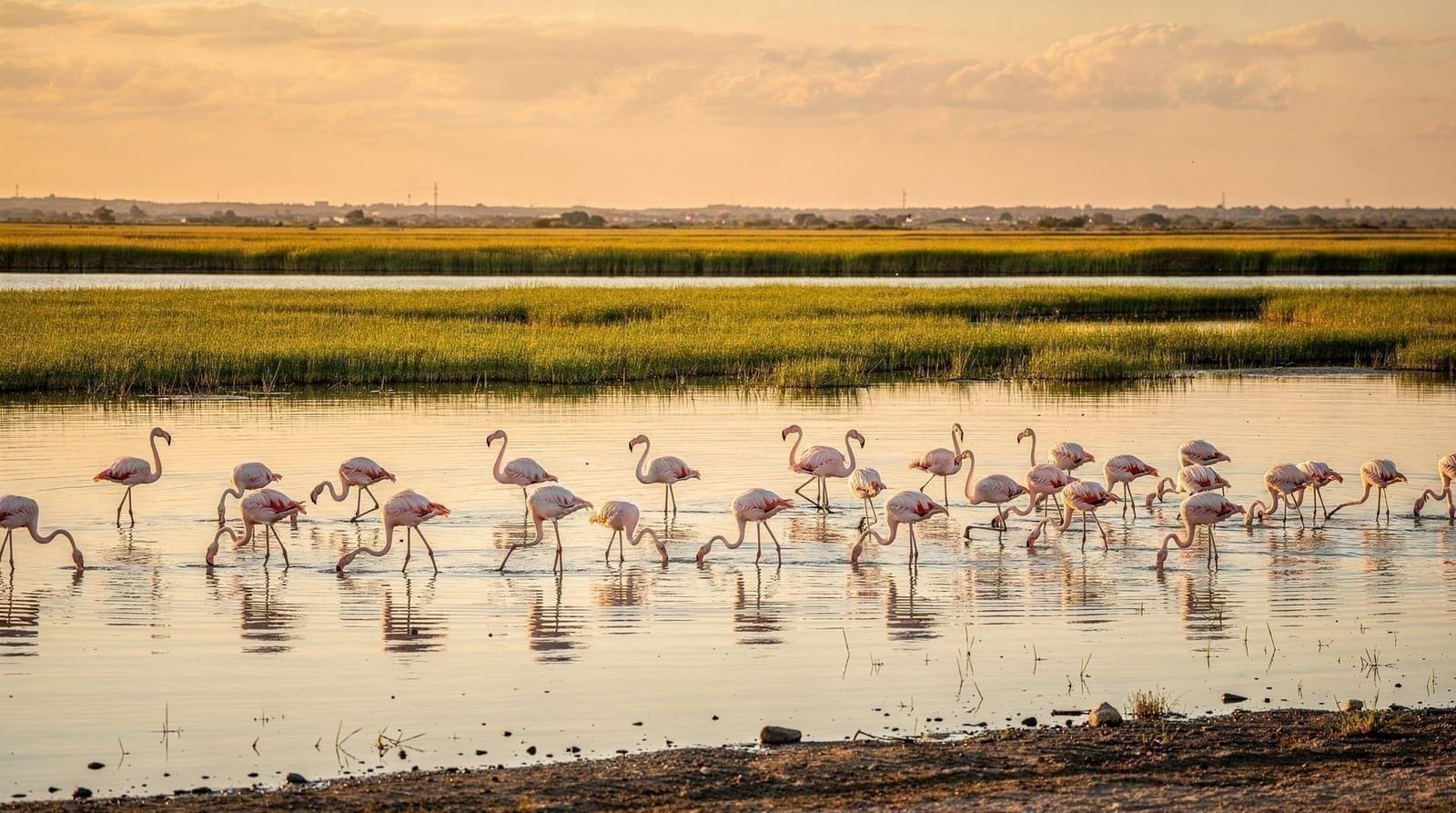 Albufera Natural Park eco boat tour at sunsetCheck availability
How to choose
A simple framework:
- Staying central and want to swim: Malvarrosa or Patacona, early morning or September
- Want natural setting, have a car or bike: El Saler or La Devesa
- Coming by train, want the full beach-town experience: Cullera (shorter trip) or Gandia (longer, more developed)
- Want both a historical sight and a swim: Cullera, or Peñíscola if you’re willing to go further north
- Want the most “Valencian” beach experience: El Palmar for the rice, El Saler for the park
The beach season guide has more detail on when each beach is at its best. The short version: June and September are the winning months, when the water is warm from summer but the crowds have either not arrived or have left.
Side-by-side comparison
| Beach | Distance | Best transport | Character |
|---|---|---|---|
| Malvarrosa/Patacona | 4 km | Tram, bike | Urban, lively, walkable from the centre |
| El Saler/La Devesa | 18 km | Bus 24/25, car, bike | Natural, pine-backed, whiter sand |
| Cullera | 38 km | Train (45 min) | Castle plus beach, easy without a car |
| Gandia | 65 km | Train (1 hr) | Long, developed, family-friendly |
| El Palmar | 10 km | Bus, guided tour | Not for swimming — rice, boats, food |
What nobody tells you about Valencia beaches
The Mediterranean here can have a rip current. It’s rarely dangerous but it’s stronger than the calm appearance of the sea suggests. The flags on lifeguard towers mean something: green is safe, yellow is caution, red is no swimming. In August after heavy rain inland, the Turia’s outflow sometimes temporarily affects water quality near Malvarrosa; the local authorities post alerts on the city website.
Beach parasols and loungers cost 6-10 € per set at most beaches. You do not need to rent them; a mat or towel works equally well. The rental operators can be persistent on busy days.
Finally: Spanish lunch hours apply at the beach too. The chiringuitos typically stop serving food around 4pm and reopen for dinner at 8pm. If you arrive at the beach at 3pm hoping for a full meal, you may find yourself negotiating with a tapas bar instead. Plan accordingly, or eat like a local and have lunch at 2pm.