Valencia in spring: Las Fallas, Easter, and the best weather of the year
Valencia: the ultimate Fallas tour — celebrate like a local
Duration: 3 hours
When is spring in Valencia and is it a good time to visit?
March through May is generally excellent in Valencia. March brings Las Fallas (1–19 March) — spectacular but expensive and loud. April has perfect mild weather with lower crowds. May and early June are the sweet spot: 22–26°C, sunshine, beaches beginning, and the main tourist wave still weeks away.
Spring is Valencia’s most theatrical season. The month of March alone delivers one of Europe’s most extraordinary urban festivals in Las Fallas, followed by the rapid transformation into warm Mediterranean spring as April and May arrive. Understanding what changes week by week is essential for planning.
| Where | City-wide for Las Fallas; El Cabanyal for Semana Santa; Turia Gardens and Albufera for late spring |
| Cost | Fallas peak 2–3× normal; April near winter rates; May rising toward summer |
| Time needed | 3–5 days minimum for Las Fallas; 3–4 days for April/May |
| Getting there | Standard city transport; book Fallas accommodation months ahead |
| Best time | First week of April for the best value-to-weather ratio |
March: Las Fallas and noise, beauty, crowds
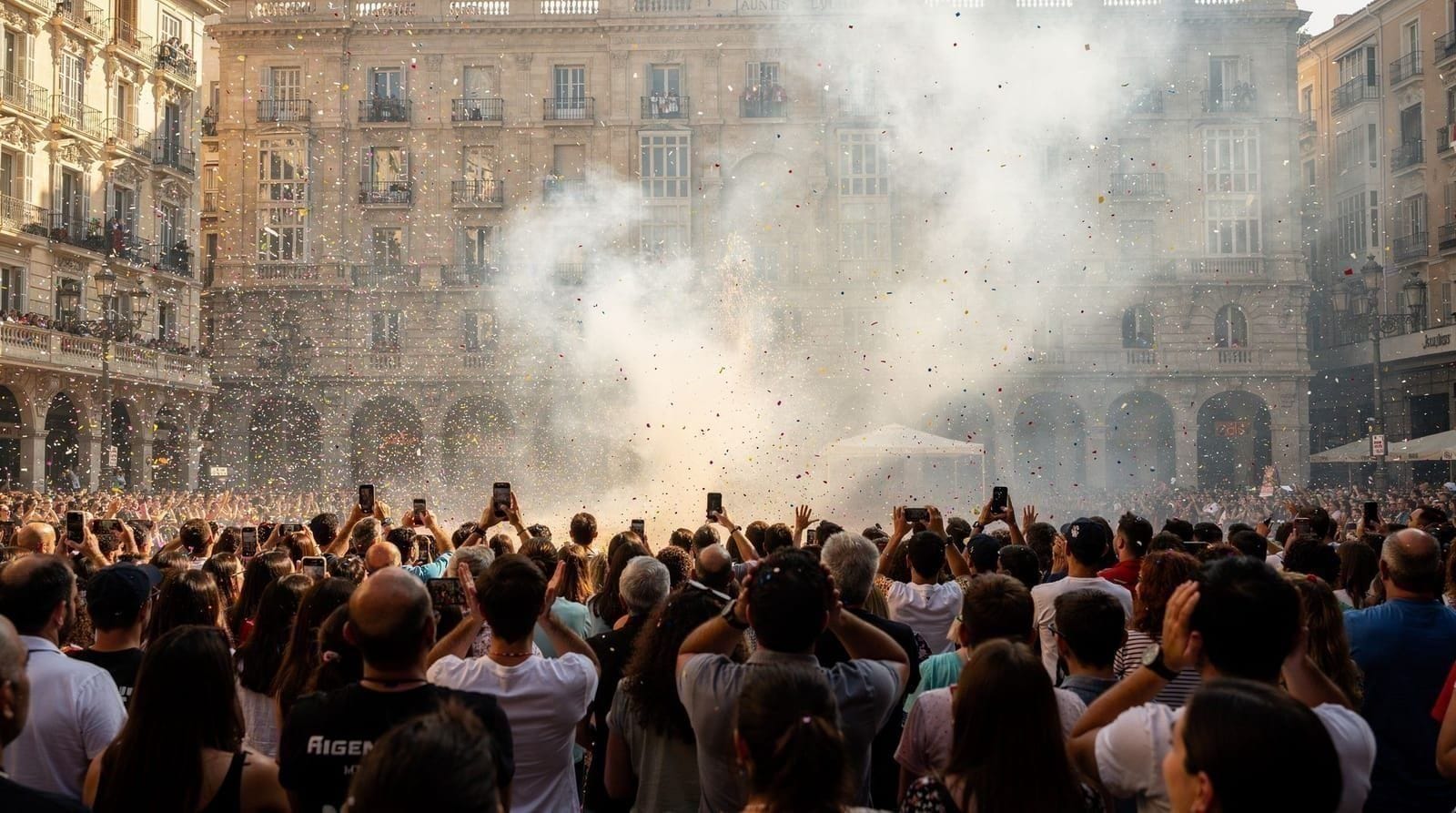
Las Fallas (1–19 March, UNESCO Intangible Cultural Heritage) is the event that defines Valencia’s international identity. For nineteen days, the city installs hundreds of satirical papier-mâché sculptures (fallas) in every neighbourhood, runs the mascleta (petarda fireworks show at 14:00 in Plaza del Ayuntamiento), stages parades of traditional dress (pasacalles), and burns everything on the final night of La Cremà (March 19).
The honest picture:
- Noise is constant and unavoidable. The mascleta at 14:00 is a 10-minute percussion assault that shakes windows across the city centre. Fireworks continue late into the night from March 15 onwards. If you have noise sensitivity, hearing issues, or children under 3, reconsider the March 15–19 window specifically.
- Prices triple. Hotel rates for the Nit del Foc window (March 15–19) are three to four times the January rate. A room that costs €90 in winter runs €270–350 during peak Fallas. Book by October for March.
- The experience is genuinely extraordinary. El Carmen neighbourhood packed with thousands of people viewing fallas sculptures by torchlight, the collective gasp as La Cremà begins at midnight on March 19, the gunpowder smell that hangs over the city — there is nothing quite like it in Europe.
Early Fallas (March 1–14): Quieter, cheaper, and still rewarding. The fallas go up on March 16–17 (some earlier), but the workshops (talleres falleros) are open, the first parades begin, and the mascleta runs daily. Hotel prices are significantly lower for the first two weeks than the final five days.
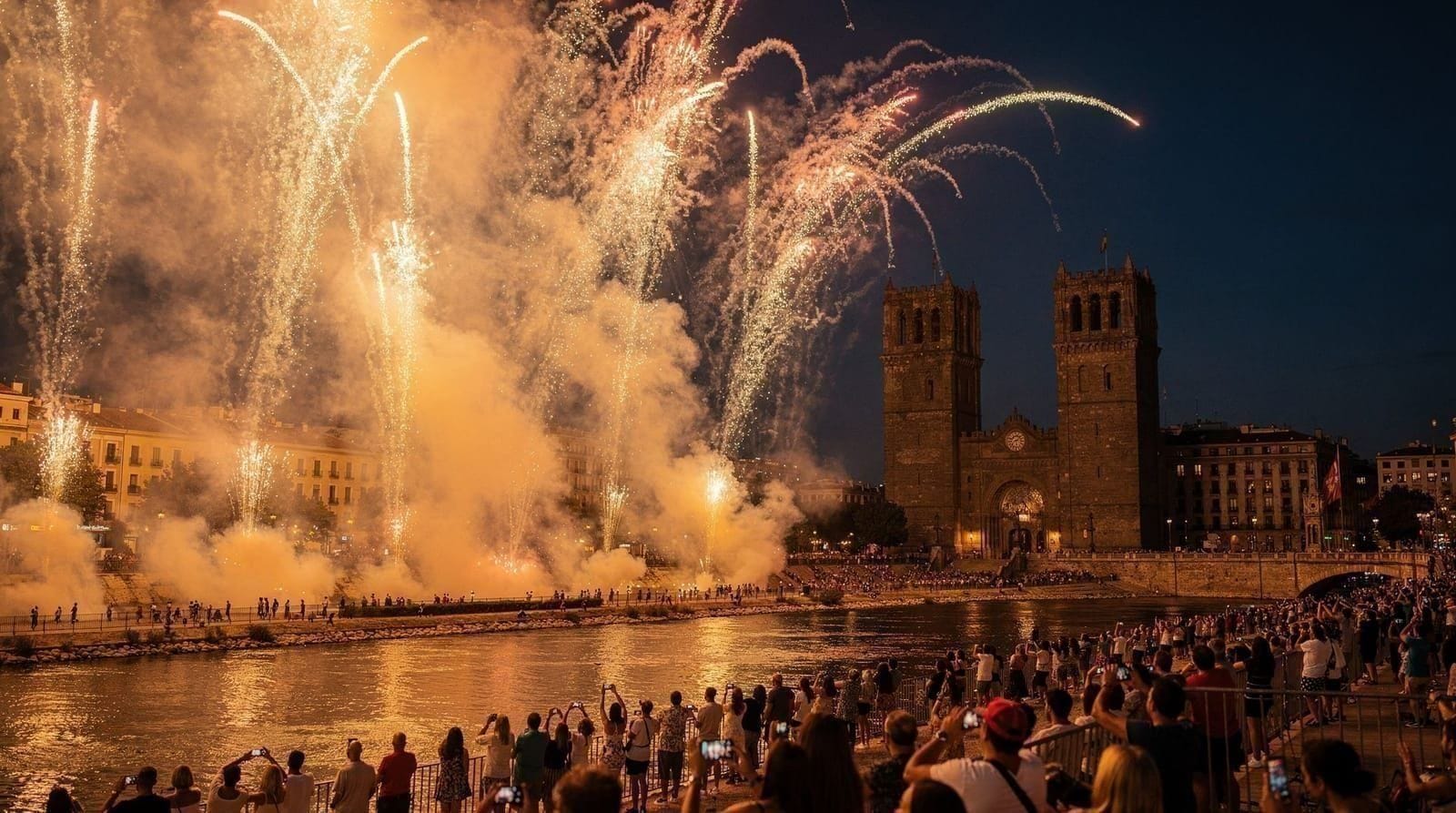
Nit del Foc (March 18): The supreme fireworks night — a 30-minute display over the Turia riverbed with over 100,000 spectators. The most photographed single event in Valencia’s calendar. Arrive 2–3 hours early for a good position.
La Cremà (March 19): From midnight, the fallas burn in their neighbourhoods. The pace is unhurried — multiple sculptures burning simultaneously across the city, with local firecrews attending each one. The final burning is the main city falla in Plaza del Ayuntamiento, usually after 01:00.
For the complete Fallas programme and logistics, see the Las Fallas complete guide.
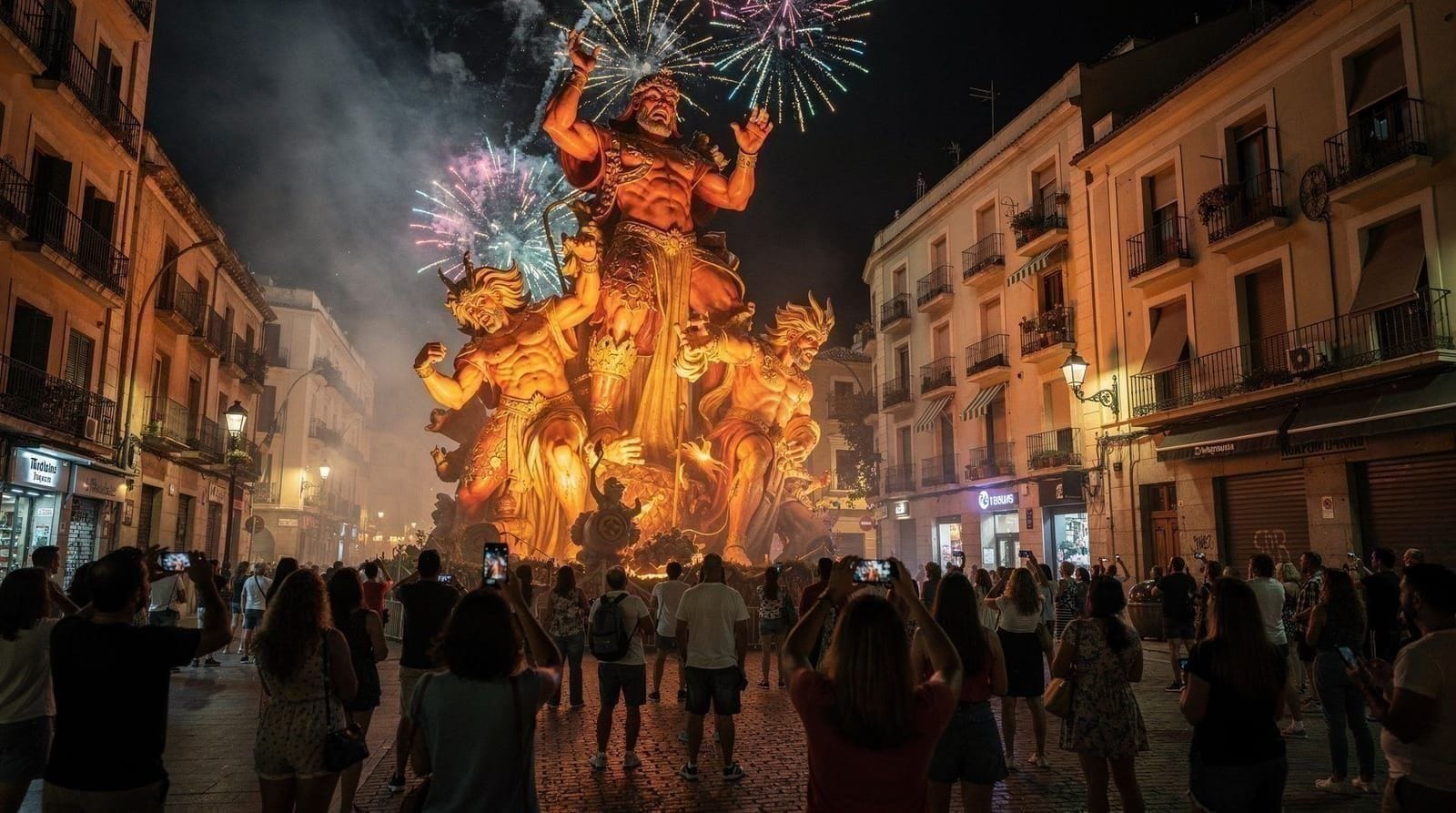 the ultimate Fallas tour — celebrate like a localCheck availability
Semana Santa Marinera (Easter Week)
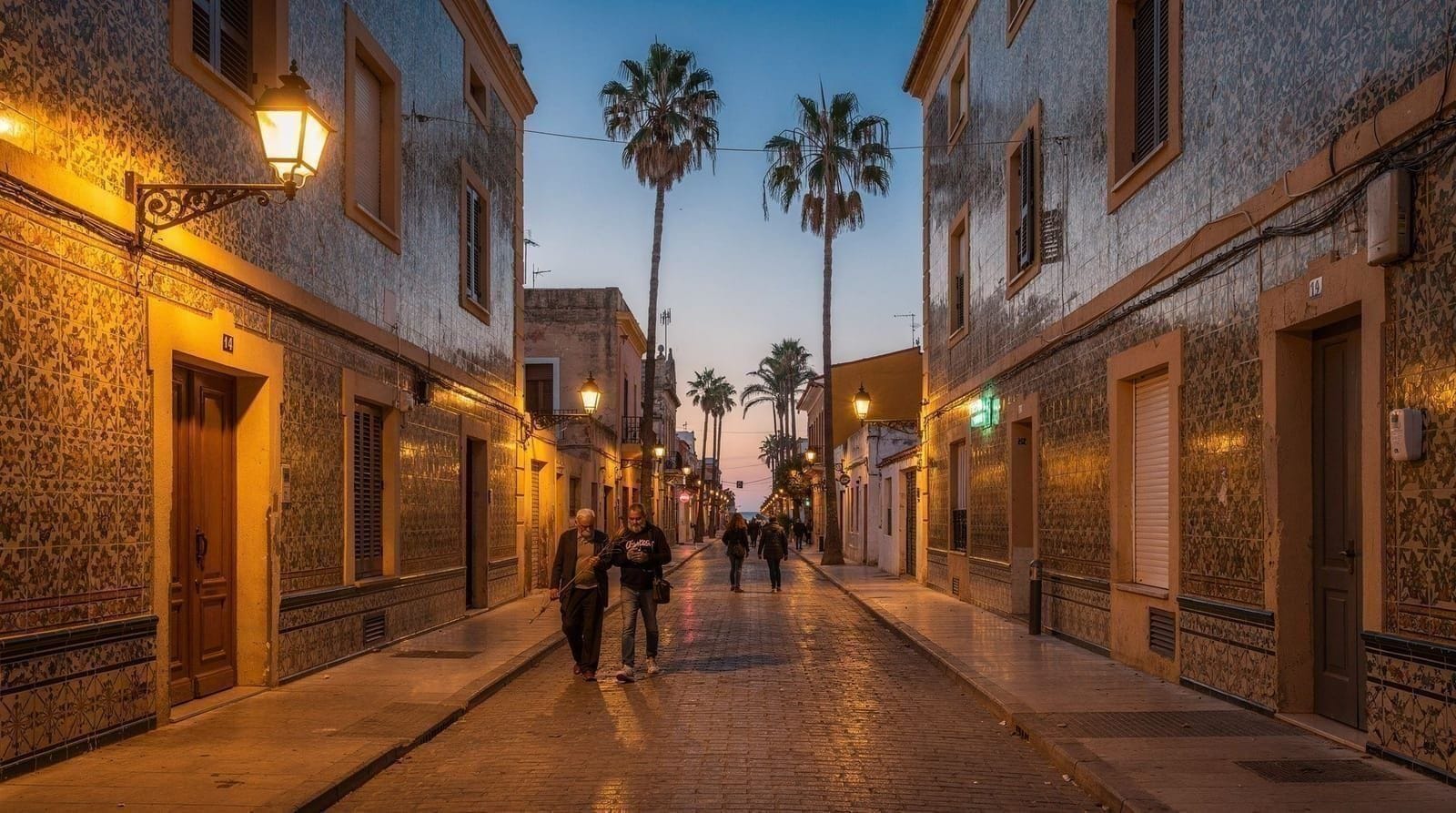
Easter in Valencia is lower-profile than in Sevilla or Madrid, but the Semana Santa Marinera (Holy Seamen’s Week) in El Cabanyal is distinctive. The maritime neighbourhood’s processions — austere, candlelit, with brotherhoods carrying elaborate floats through the narrow Modernista-tiled streets — have a particular character separate from the inland processions.
The main processions run from Palm Sunday through Good Friday. See the Semana Santa Marinera guide for the route and dates.
Easter accommodation in Valencia is moderately booked but nowhere near Fallas levels. Prices are elevated but manageable.
April: the sweet spot for culture
April is Valencia at its best for cultural tourism. Temperatures (19–23°C) are ideal for walking. The city has recovered from Fallas-induced post-event tiredness and the summer tourists have not yet arrived. Restaurants return to their normal menus after the festival rush.
April weather:
| Period | Average high | Average low | Rainfall |
|---|---|---|---|
| Early April | 19°C | 11°C | Occasional |
| Late April | 22°C | 13°C | Low |
The Turia park is at its most beautiful in April and early May — wildflowers in the planted sections, orange blossom in surrounding streets, and enough warmth for outdoor café life without summer heat.
The beaches in April: Not yet at swimming temperature for most visitors (18–20°C sea surface), but entirely pleasant for a morning walk or picnic. The beach chiringuitos begin opening on weekends from late April.
May: the best month to visit Valencia
May is the month most frequently chosen by experienced Valencia visitors who return annually. The reasoning is consistent:
- Weather: 24–27°C daily highs, sea temperatures reaching 21–22°C (swimmable for many visitors)
- Crowds: Noticeably quieter than June–August, with fewer European package holidaymakers
- Prices: 20–30% lower than peak summer
- Events: The Corpus Christi procession (late May or early June, spectacular in Valencia’s old streets), early summer beach activity beginning
- Produce: Spring artichokes, fresh almonds, early season tomatoes in the Mercado Central
Albufera in May: The rice paddies are planted in May (transplanting runs April–June), turning the floodplain green. The lake has excellent bird populations — herons, flamingos in transit, and the endemic Valencia water vole habitat. The boat tours run daily. See the Albufera boat sunset guide.
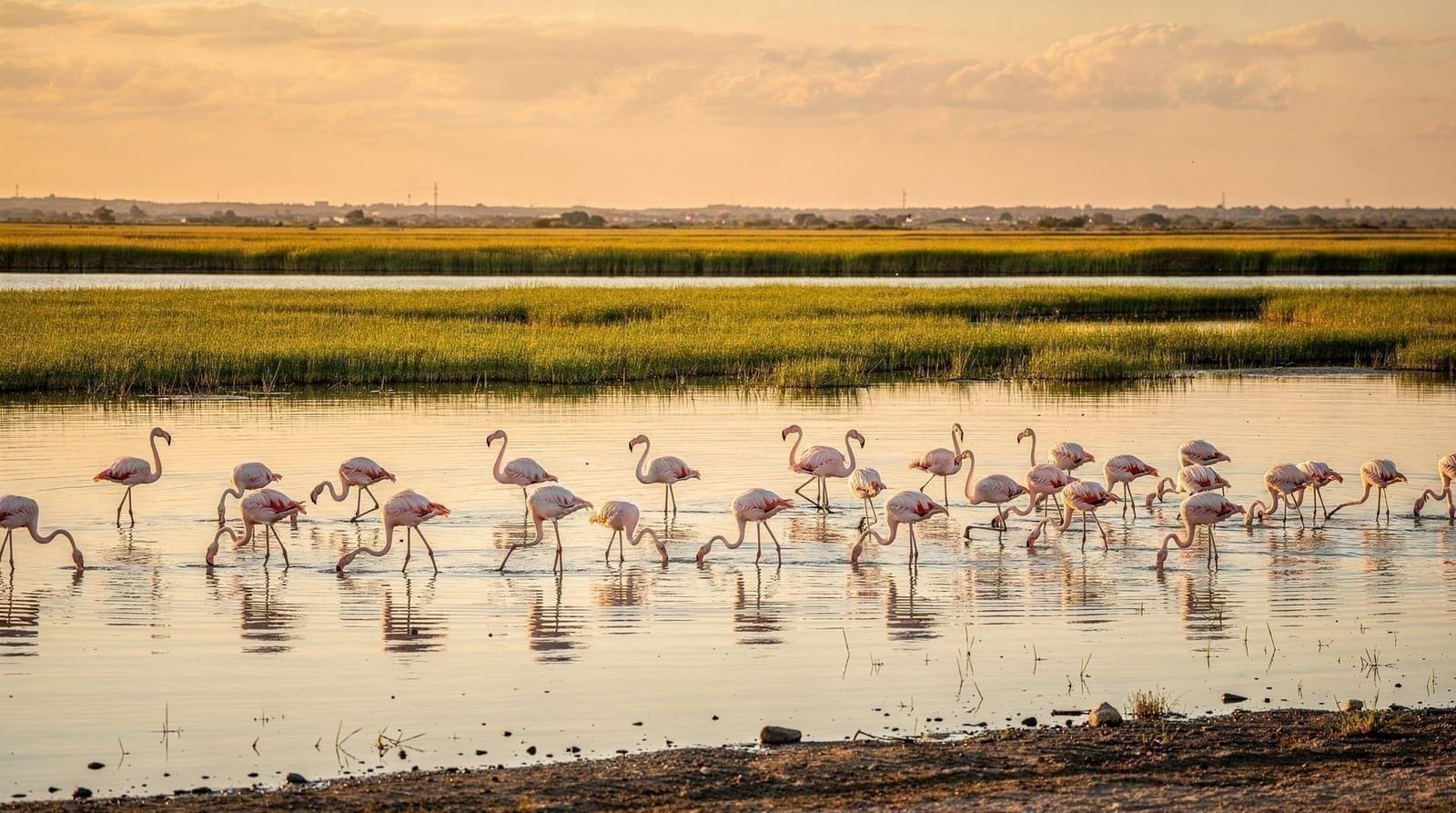 Albufera Natural Park eco boat tour at sunsetCheck availability
 Fallas tourCheck availability
Early June: the last window before summer
The first two weeks of June are arguably as good as May — beach season fully open, temperatures in the comfortable 26–28°C range, and the July–August rush not yet arrived. Valencia’s Nits de Bany (Baths Nights) cultural festival runs in June with outdoor cinema and concerts in the Turia park.
From approximately June 20, the summer dynamics kick in: more package tourists, fuller beaches, and the beginning of the price escalation toward July–August peaks.
Spring food and markets
Spring is a productive season for Valencia’s food culture:
Paella season in the countryside: The traditional Sunday paella valenciana is a year-round ritual, but April–May sees the most pleasant outdoor conditions for the lunch fire. Several villages in the Horta Sur district hold popular paella competitions and gastronomy events in spring.
Horchata season: The chufa-based drink is technically available year-round but Valencians associate it most strongly with summer heat. The traditional orxaterias (like Horchatería Daniel on Avenida Neptuno, or the Horchatería de Alboraia in Alboraia village north of the city) are at their most active from May onward.
Spring cooking class season: The best paella cooking classes fill up earliest in spring (April–June). Book 2–3 weeks ahead. See the full paella cooking class review for comparison.
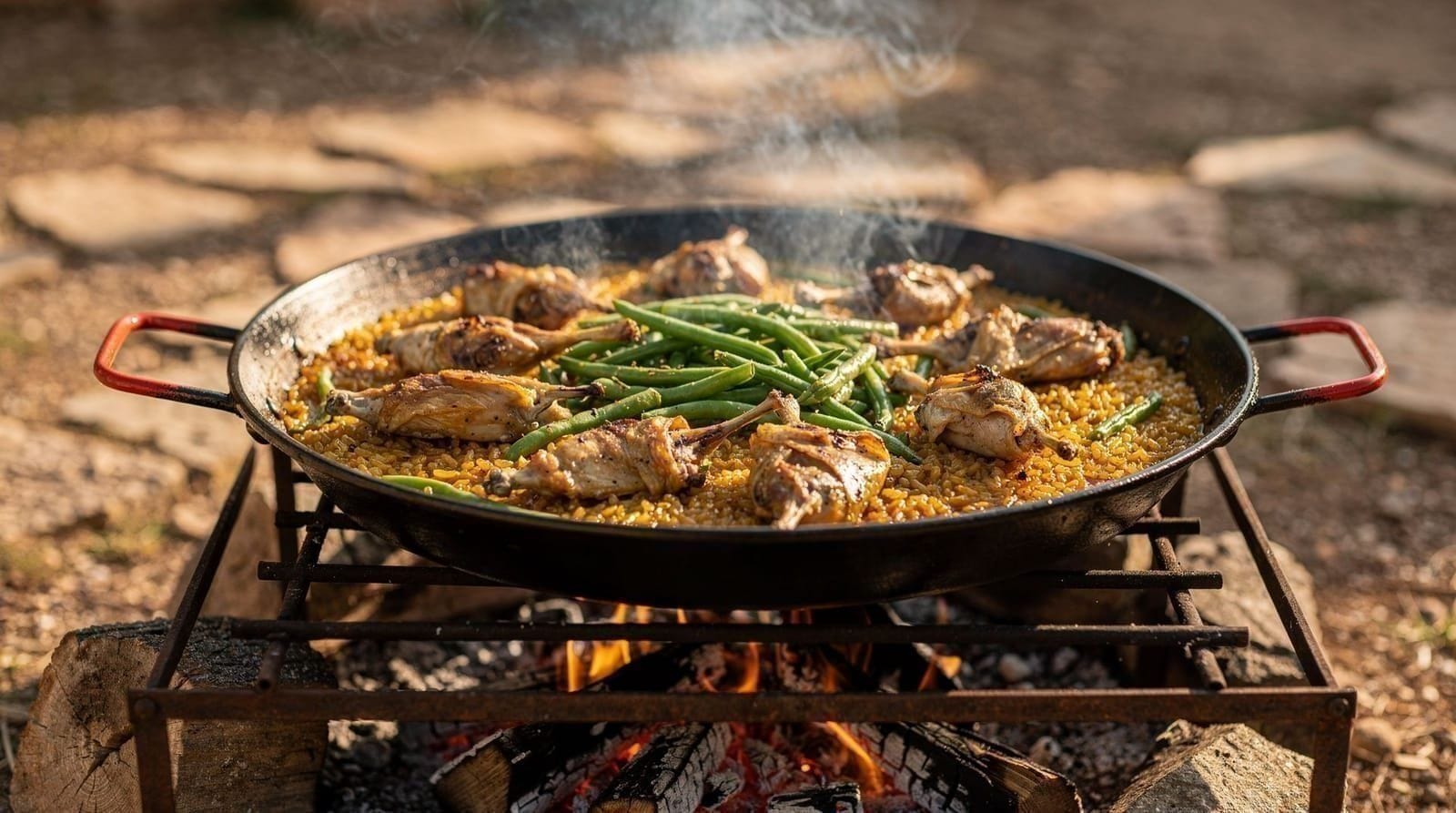 master the art of paella in an authentic Valencian kitchenCheck availability
What to pack for spring in Valencia
March (Fallas): Light jacket for daytime, warm coat for late-night events (La Cremà at midnight can be cold), ear protection is genuinely recommended for the mascleta if you are noise-sensitive.
April: Light layers — morning 11°C, afternoon 21°C. One waterproof.
May: Summer clothes work for the afternoon, with a light jacket for evenings. SPF 30+ sunscreen from May onward.
Frequently asked questions about Valencia in spring
Is it worth coming to Valencia just for Las Fallas?
Yes, unequivocally — if you book early and know what to expect (noise, crowds, prices). The Nit del Foc (March 15) and La Cremà (March 19) are once-in-a-lifetime events worth planning a trip around. The early Fallas window (March 1–14) offers most of the atmosphere at a third of the cost.
Can children enjoy Las Fallas?
Older children (8+) typically love it. The parades, the sculptures, the atmosphere at La Cremà are all genuinely impressive. The mascleta (14:00 daily, Plaza del Ayuntamiento) is extremely loud — hearing protection for children is essential. The fireworks at night during Nit del Foc are beautiful but late (best views from 23:00 onward). For children under 5, March 1–14 is more manageable than the final intense days.
What is the weather like during Las Fallas?
March in Valencia is typically mild and sunny with occasional brief rains. Average high 17–19°C during Fallas. The nights (midnight La Cremà) are cold — 8–12°C. Dress in warm layers for late-night events.
Is April crowded in Valencia?
No. April is distinctly uncrowded compared to the summer or Fallas periods. Easter week sees moderate influxes (and is specifically busy in El Cabanyal for Semana Santa Marinera), but the general April calendar is quiet. Hotel prices are approximately 40% lower than August.
Spring neighbourhood character
The different districts of Valencia take on distinct seasonal characters in spring.
El Carmen in March (Las Fallas): El Carmen is one of the best neighbourhoods to experience Fallas — the labyrinthine medieval streets frame the falla sculptures particularly well, and the density of small bars means you can warm up between outdoor viewings with a glass of horchata or a quick caña. The Nit del Foc (March 18) fireworks from the Turia riverbed are best viewed from the bridge near Torres de Serranos, which gives an elevated vantage point.
Russafa in April and May: The neighbourhood arts scene and restaurant culture is at its most active from April. The terrace season opens properly — outdoor tables on Calle de Sueca and surrounding streets fill after 20:00. The Mercat de Russafa on Sundays (fresh produce and artisan goods) is particularly good in spring when the seasonal produce shifts from citrus to strawberries, asparagus, and artichokes.
Cabanyal for Easter: The Semana Santa Marinera is a neighbourhood-specific experience — the processions are intimate and neighbourhood-scaled compared to the enormous civic events in Sevilla. The azulejo-tiled facades of El Cabanyal’s modernista worker-housing streets are an extraordinary backdrop for the candlelit Good Friday procession. The neighbourhood has been undergoing revitalisation since the planned motorway destruction plan was cancelled — spring 2026 sees it in perhaps its best state in a generation.
Spring beach conditions
April begins the gradual warming of the sea. Water temperature in April is 17–19°C — cold for most visitors but perfectly acceptable for the Spanish habit of paddling (wading in knee-deep while wearing shorts). The beach infrastructure — chiringuitos, sun lounger hire, lifeguards — begins operating from approximately mid-April for weekends, then daily from mid-June.
The Turia riverbed park parallels the coast for much of its route, and in April the city installs flowers and seasonal plantings in the formal sections. A spring morning cycling the Turia from the old town to the Malvarrosa beach on a Valenbisi bike, stopping at an open chiringuito for a coffee, is one of Valencia’s reliably excellent experiences — and costs essentially nothing.
Spring day-trip season
The spring window (April–early June) is ideal for day trips across the region:
Albufera: The rice paddies are being planted in April and May, turning the floodplain green with young shoots. The sunset boat tours in spring offer the lake at its calmest and most photographically beautiful — the golden light and absence of summer haze give clear views across to the mountains. See the Albufera day trip guide.
Xàtiva in May: The castle gardens bloom in spring, and the old town sees its lowest tourist densities of the year (outside deep winter). A May morning in Xàtiva — market in the main square, castle walk in comfortable 20°C temperatures, lunch with local wine — is the day trip at its best. See the Xàtiva castle guide.
Requena in April: The vines are budding in April, giving the wine landscape its freshest look. The old town is easy to explore without summer heat. Winery visits (at wineries that accept individual visitors) are bookable with advance contact. See the Requena wine tour guide.
Packing for spring in Valencia
March (Las Fallas): Light jacket for daytime sightseeing, warm coat for late-night events (Nit del Foc, La Cremà — both run past midnight when temperatures drop to 8–12°C). Comfortable walking shoes essential — you will walk 15–20 km over a Fallas evening. Ear protection genuinely useful for the mascleta.
April: Layers work best — 11°C mornings, 21°C afternoons. One waterproof/windproof outer layer. Light shoes adequate; the beaches are walkable in trainers.
May–early June: Summer packing with a light evening layer. SPF 30+ sunscreen from mid-May. Water shoes useful for beach access.
Spring hotel prices and booking strategy
Spring pricing follows a predictable pattern with one sharp spike:
- March 1–14 (early Fallas): 50–80% above January baseline, but far below the peak Fallas window
- March 15–19 (peak Fallas): 200–300% above January baseline; the most expensive week of the year in Valencia. Book by October the previous year for this window.
- March 20–31 (post-Fallas): Drops immediately after La Cremà — some of the best value of any week in the year, with all the city atmosphere and no crowds
- April: Returns to near-winter levels, 20–30% below summer
- May: Begins rising toward summer, particularly after the first heat wave
The best value spring window is the first week of April — Fallas hangover is over, Easter has passed, the weather is ideal, and hotel prices are at their spring low. This is frequently cited by experienced Valencia visitors as the single best week to book.
Spring and the Turia park
The Turia Gardens in spring are the finest they look all year. The 9 km linear park is fully planted with blossom in April and May, combining the Rose Garden, formal French garden sections, and the Gulliver Park at the eastern end.
A spring morning cycling the Turia from the Serrans bridge to the Bioparc (30–35 minutes by Valenbisi at leisure), then spending 2 hours with the African savanna enclosures before the midday heat, is one of Valencia’s best spring half-days. See Bioparc family guide and the Valenbisi cycling guide for logistics.
Spring versus autumn: which shoulder season to choose?
Both spring (April–May) and autumn (September–October) offer similar temperature advantages without summer crowds. The key differences:
| Factor | Spring (April–May) | Autumn (Sep–Oct) |
|---|---|---|
| Sea temperature | 18–21°C (cool–swimmable) | 22–25°C (warm–excellent) |
| Events | Las Fallas (March), Easter | La Tomatina (Aug), harvest |
| Beach season | Opening (June start) | Closing (from Oct) |
| Food season | Spring produce, Fallas food | Rice harvest, mushrooms |
| Prices | Low (April) rising | Falling from August |
For pure beach swimming, autumn wins. For culture, events, and city atmosphere, spring (particularly for Fallas) is unmatched. For quiet exploration with good weather, October and April are equivalent. For the full seasonal comparison, see the best time to visit guide.
Orange blossom and spring allergies
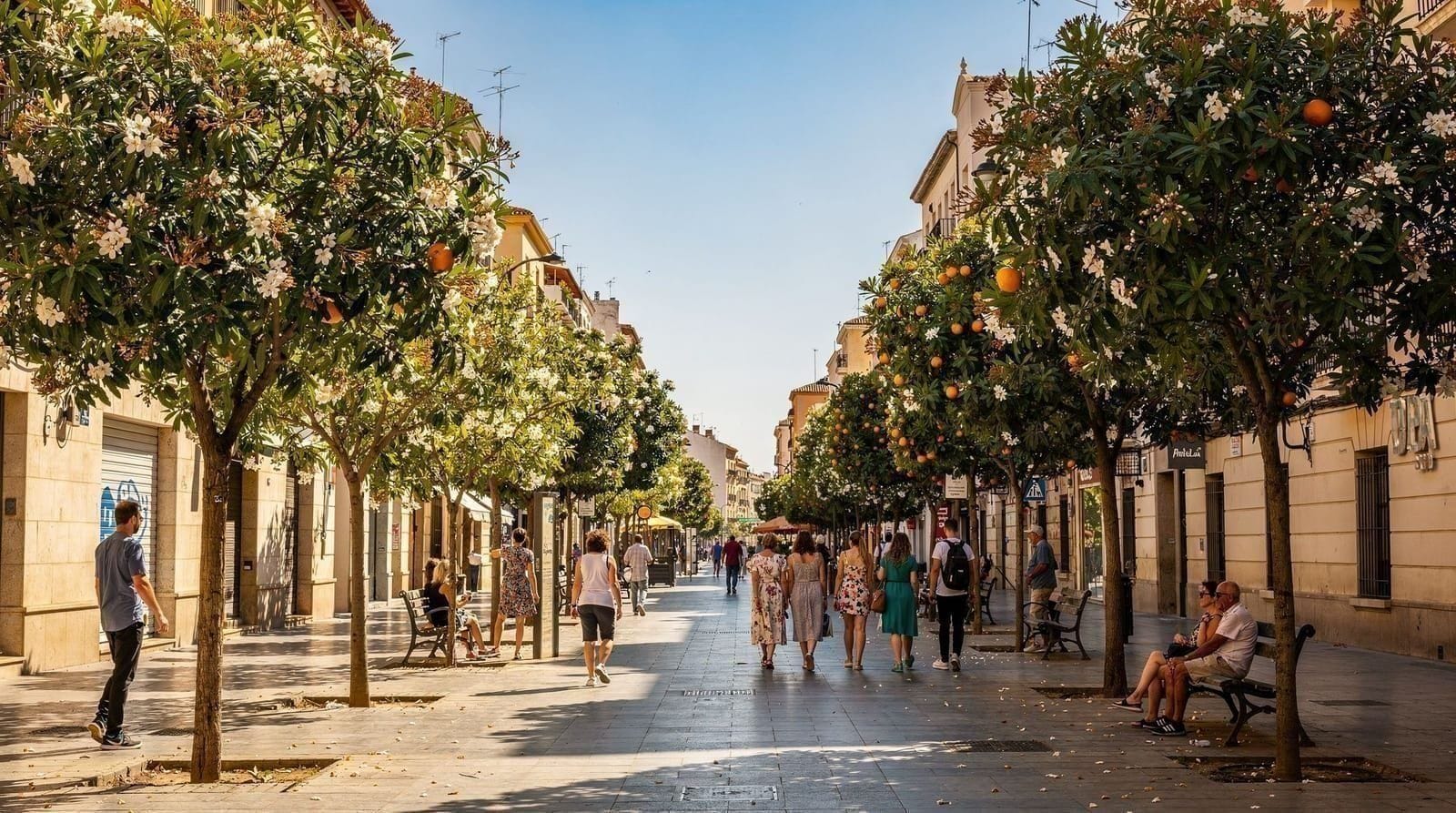
One distinctly Valencian spring detail worth knowing about: the city’s orange trees, planted extensively along streets and in the Turia park, flower in April, releasing the intense scent (azahar) that Valencians associate strongly with the season — perfume shops sell azahar-scented candles and colognes as a genuine local product, not a tourist gimmick. The flip side is pollen: visitors with tree-pollen allergies sometimes find late April uncomfortable, particularly if walking heavily planted streets like the Gran Via or the Turia Gardens on high-pollen days. If you have significant spring allergies, pack antihistamines or plan slightly more time indoors (museums, markets) during the second half of April.
Top experiences
Bookable activities with verified prices and instant confirmation on GetYourGuide.