Valencia in summer: heat, beaches, crowds and what to expect
Valencia: sailing catamaran cruise with sunset option and DJ
Duration: 1-1.5 hours
Is summer a good time to visit Valencia?
June and September are excellent: warm, manageable crowds, full beach season. July and especially August bring intense heat (30–38°C), packed beaches, and the highest prices of the year. August has the most UV but also the least appealing city conditions — locals leave and the tourist-to-local ratio flips uncomfortably.
Valencia in summer is the most intense version of the city — maximum heat, maximum visitors, maximum beach activity, and events running from La Tomatina in August to evening concerts throughout July and August. Whether it suits you depends largely on your relationship with heat and crowds.
| Where | City-wide; Malvarrosa/Patacona for beach; Buñol for La Tomatina |
| Cost | Hotels 20–30% above April/May; peak in late July and Tomatina week |
| Time needed | 4–7 days; structure around the midday heat |
| Getting there | Standard city transport; La Tomatina by Renfe train from Valencia |
| Best time | June and September for warmth without the worst heat and crowds |
Summer temperatures and what they mean in practice
The Valencian summer is Mediterranean in character: hot, dry, and reliably sunny. The coast moderates temperatures slightly compared to inland Spain, and the sea breeze from the Mediterranean activates in the evening to cool things down. But June to September daytime temperatures are not trivial:
| Month | Average high | Average low | Sea temperature |
|---|---|---|---|
| June | 27°C | 19°C | 22°C |
| July | 31°C | 22°C | 25°C |
| August | 33°C | 23°C | 27°C |
| September | 29°C | 20°C | 25°C |
The feels-like temperature in July and August, accounting for humidity and solar radiation, frequently reaches 37–40°C in exposed areas. Plaza de la Reina at 14:00 in August is not a comfortable place to stand for extended sightseeing.
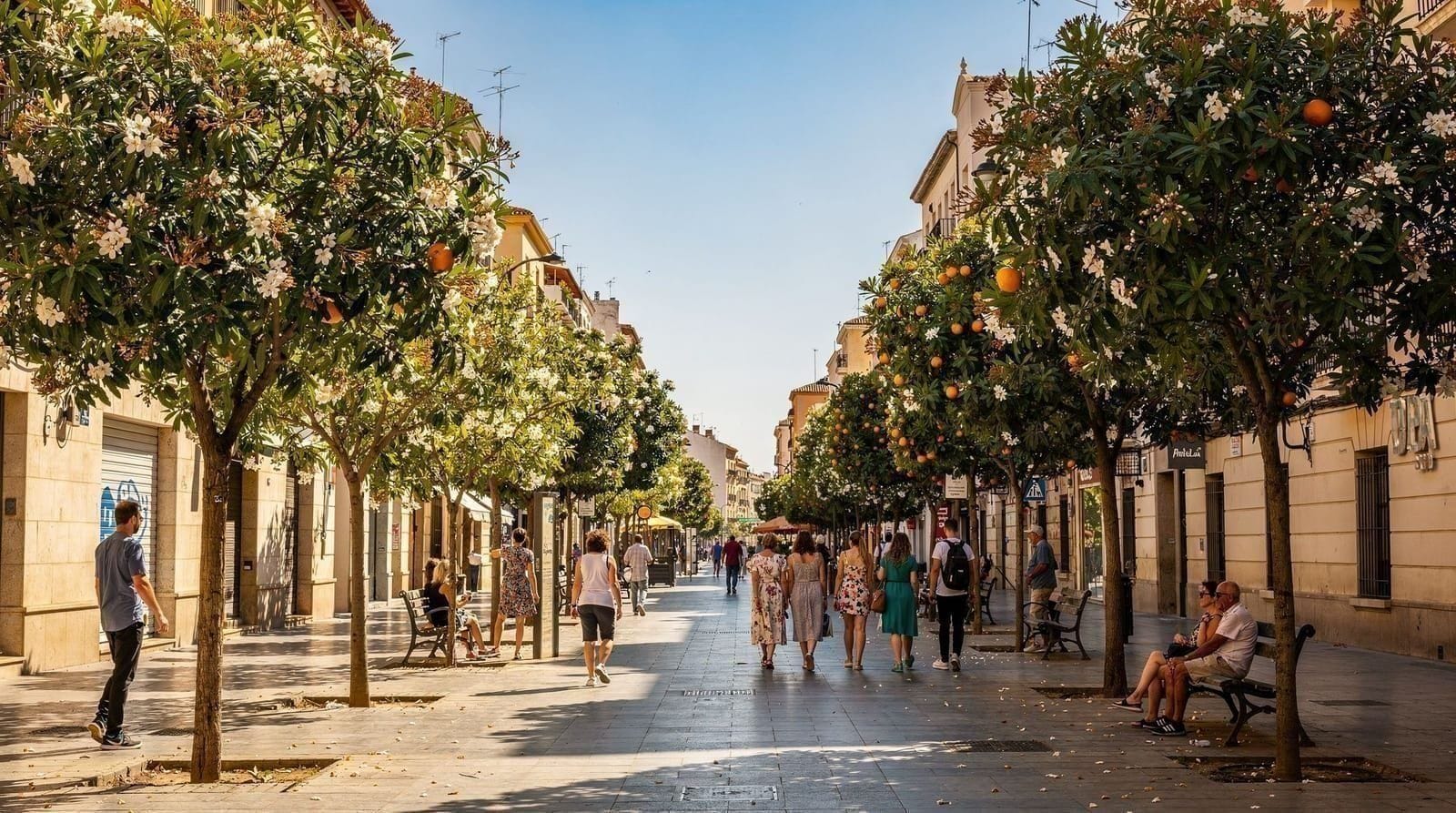
Smart summer strategy: Do your sightseeing before noon and after 18:00. Use the 14:00–17:00 block for lunch, a nap, or an air-conditioned museum (the Oceanogràfic is ideal for this window — see the Oceanogràfic guide). The evenings in summer Valencia are magnificent: outdoor dining until 23:00, terrace bars, the beach cooled by the sea, the Turia park lit by fairy lights.
The beach in summer
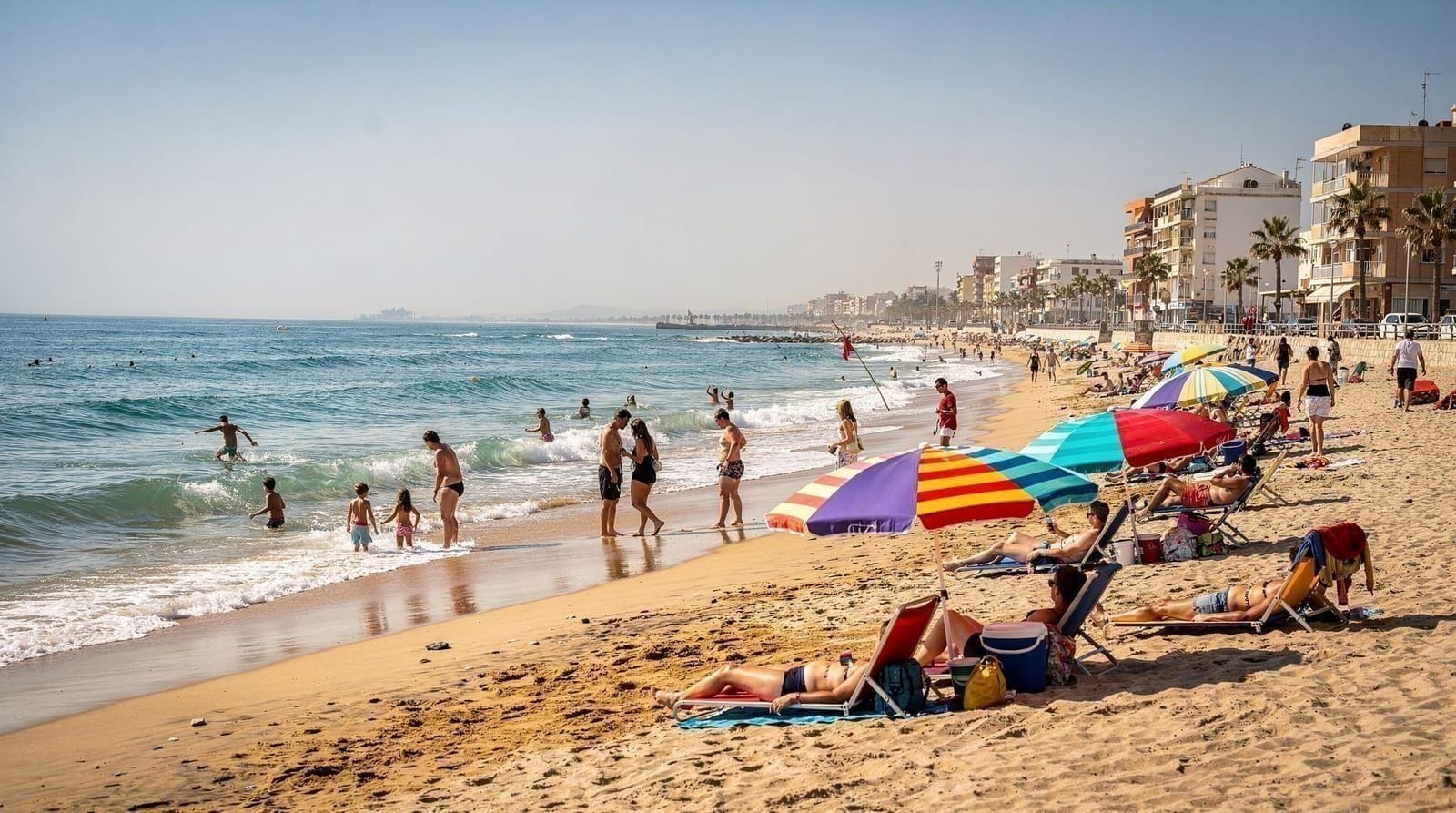
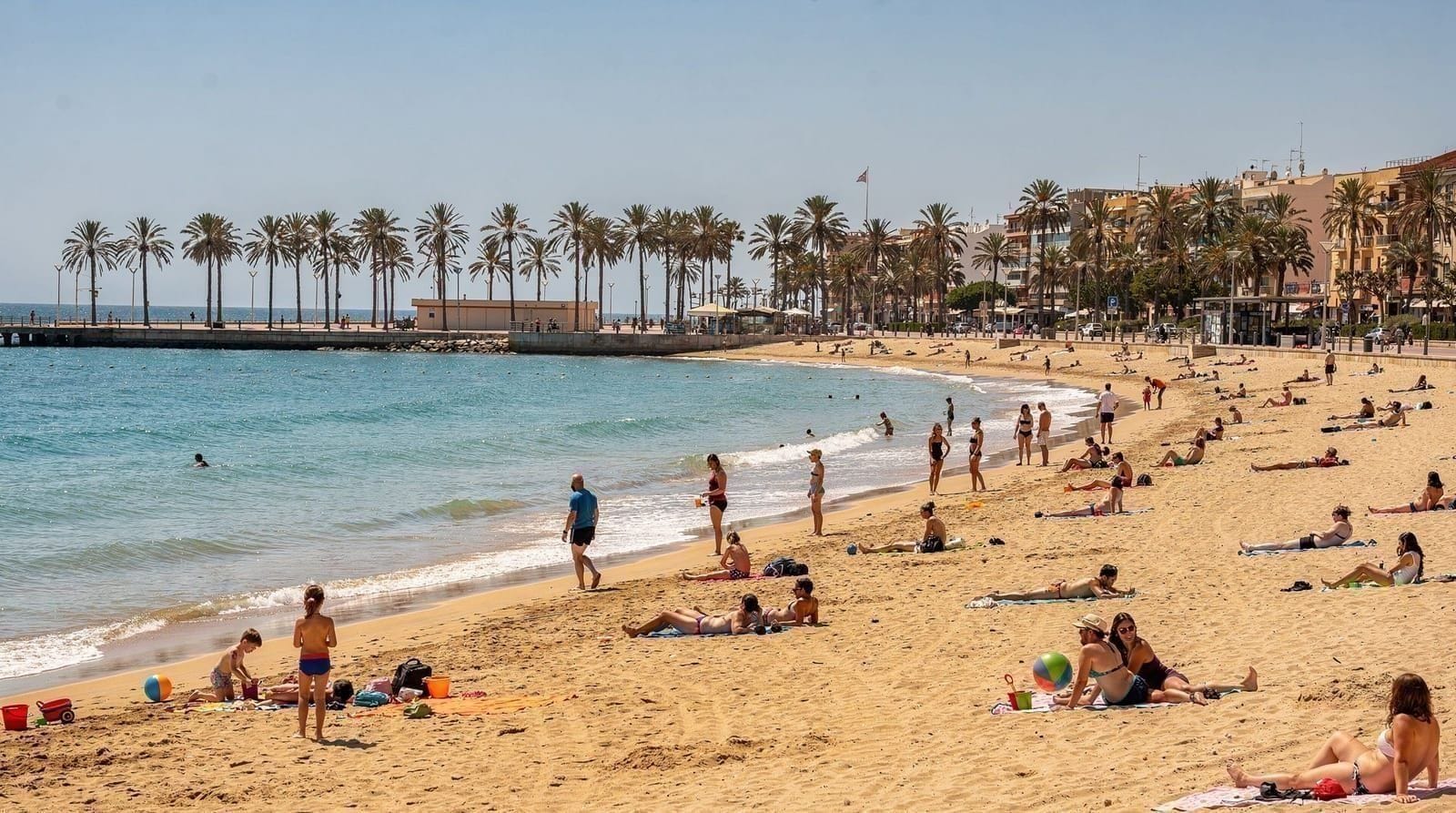
Valencia’s urban beaches — Malvarrosa and the adjoining Patacona — are at their best and busiest from mid-June through September. The lifeguards (socorristas) are stationed daily from 11:00 to 19:00 in season. Beach services include:
- Sun lounger and umbrella hire: €6–8 per pair per day from the beach concessions
- Chiringuitos (beach bars): Present at 200–300m intervals along both beaches, serving cold beer, agua de limón, and limited food. Prices are reasonable (€3–4 for a beer) though slightly above city-centre rates.
- Showers and changing areas: Available at the lifeguard stations
- Water quality: Both beaches consistently earn Blue Flag status. Visibility is around 3–4m in calm conditions.
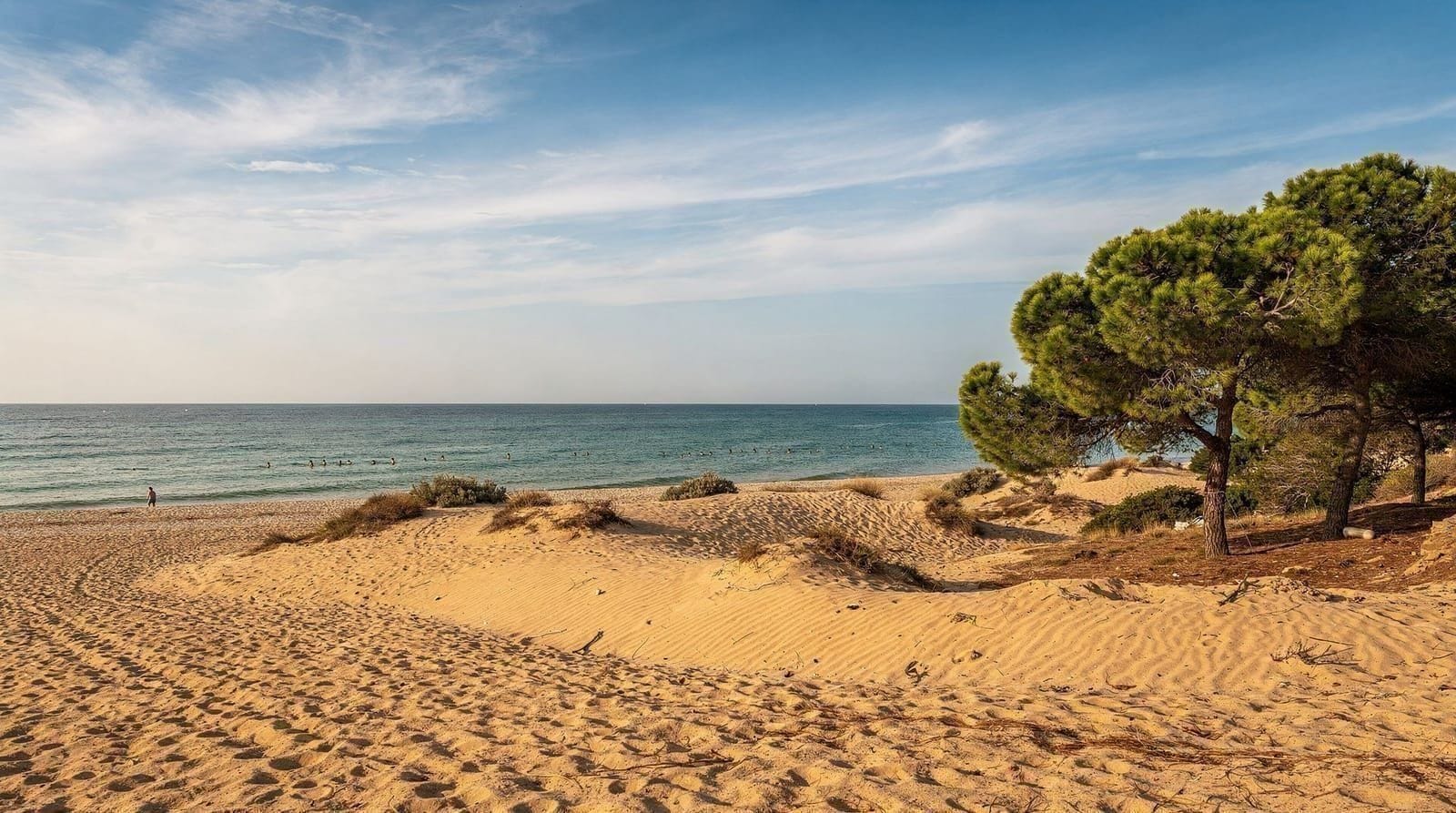
For quieter alternatives, the beaches south of the city — El Saler and La Devesa within the Albufera natural park — offer similar water quality with far fewer visitors, at the cost of requiring a bus or car to reach them. See El Saler beach and La Devesa beach for details.
The full beach and water sports picture, including the catamaran and jet ski options off Valencia’s coast, is covered in the Valencia beach season guide.
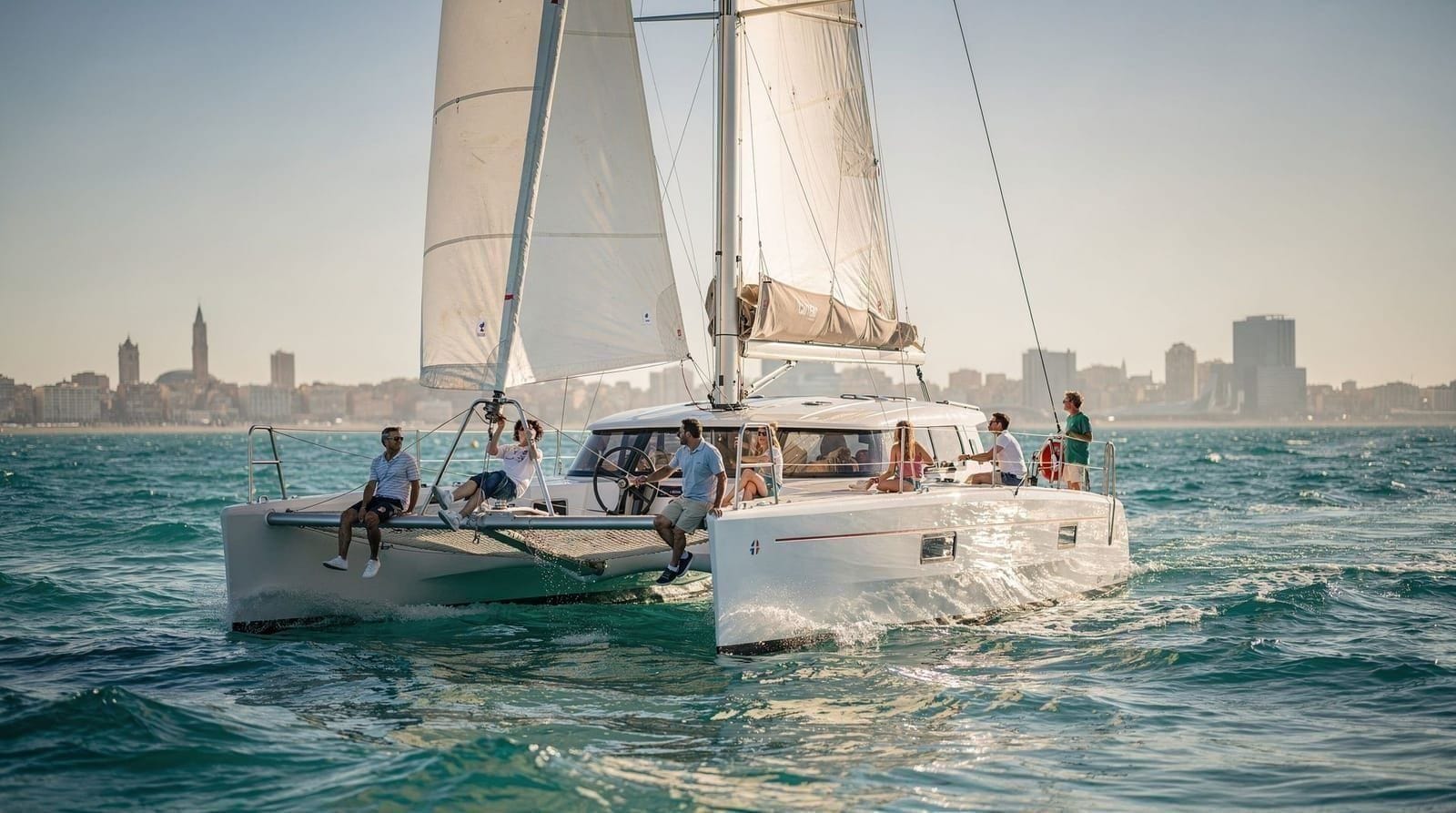 sailing catamaran cruise with sunset option and DJCheck availability
Summer events in Valencia
La Tomatina (last Wednesday of August)
The world’s most famous food fight happens 40 km west of Valencia in the small town of Buñol. Since tickets became mandatory (around 2013), La Tomatina is a managed event capped at 22,000 participants. The actual fight lasts exactly one hour — from 12:00 to 13:00 — and involves roughly 150 tonnes of overripe tomatoes.
Practical realities:
- Wear clothes you are prepared to throw away, and secure spectacles with a strap
- Water shoes or old trainers (the streets become a tomato slip-and-slide)
- Leave bags and valuables at your Valencia hotel
- The post-fight smell of tomato juice, despite the pressure-washing, lingers on skin and clothes
- Entry tickets: around €15 from official sources; tour operators offer Valencia-Buñol packages from €30–50 including transport and guide
See the La Tomatina guide for complete logistics.
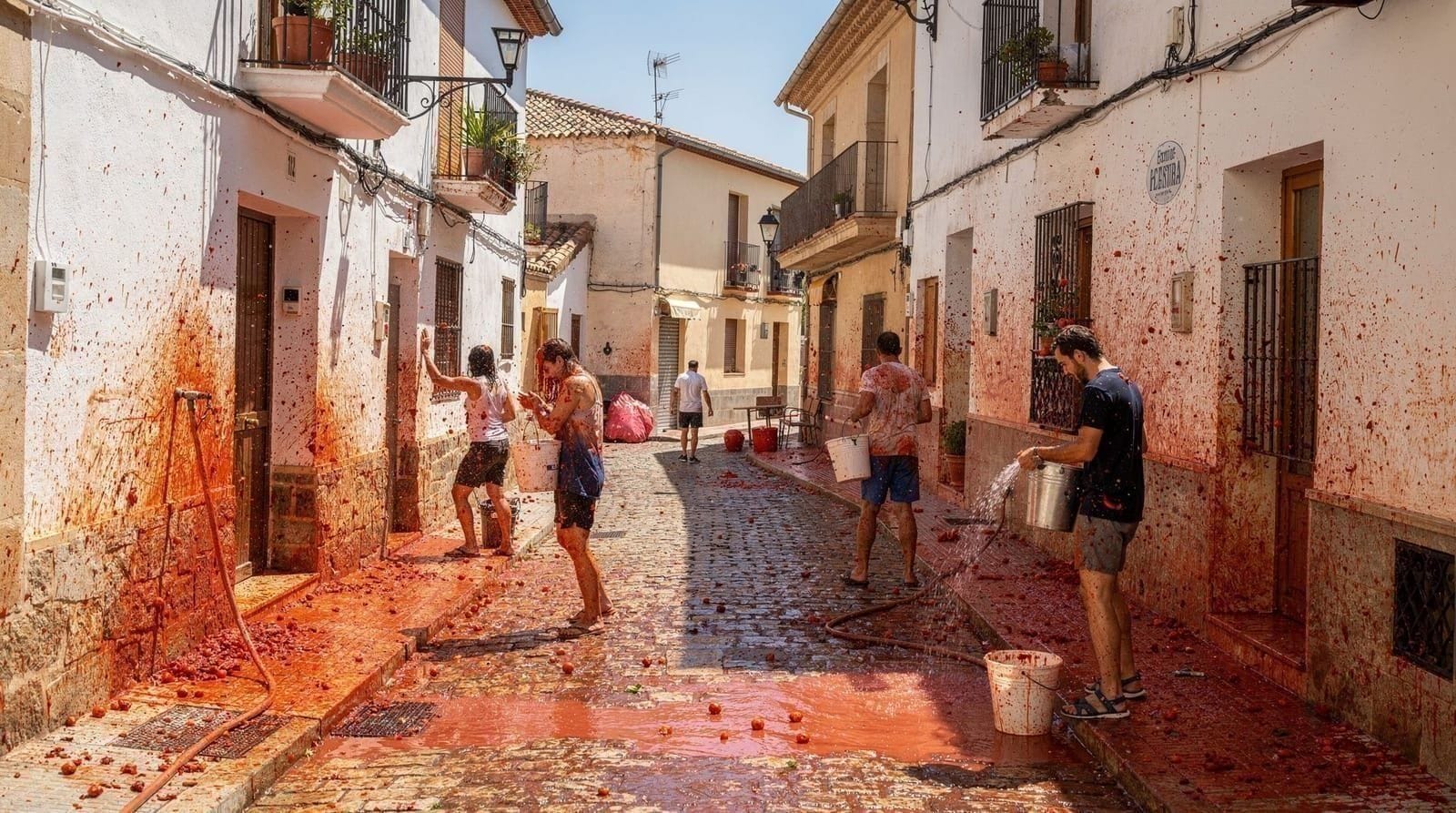 La Tomatina 2026Check availability
Gran Fira de València (July)
The Gran Fira (Great Fair) runs throughout July with open-air concerts, a city fair (feria) near the old exhibition grounds, and various cultural events across the city. The programme varies year to year but typically includes the Batalla de Flores (Battle of Flowers float parade, first week of August) and the Fira d’Artesania in the Turia park. Entry to many events is free or very cheap.
FIB Benicàssim (July)
One of Europe’s longer-running outdoor music festivals takes place 75 km north of Valencia at Benicàssim, typically over four days in early-to-mid July. A mix of international rock, pop, and electronic acts in a beach-adjacent festival site. Valencia is a natural base — ALSA buses and occasional Renfe services connect during the festival. See the FIB Benicàssim guide.
Nits d’Estiu (Nights of Summer)
The Palau de les Arts Reina Sofía (the opera house at Ciudad de las Artes y las Ciencias) runs its summer programme from July through August, with outdoor opera, classical concerts, and film screenings. Tickets from €10–40. Worth checking the programme at lesarts.com.
Summer tourist trap warnings
Restaurant prices near the cathedral in July–August: Menus along Carrer del Duc d’Alberche and the lanes around Plaza de la Reina inflate by 20–40% in peak summer compared to winter prices. The €12 menú del día becomes €16 for a lesser menu. Russafa and El Cabanyal maintain more honest pricing.
Smoothie stands at Mercado Central: The market itself is worth visiting, but the smoothie stalls near the entrance targeting tourists charge €5–8 for fresh juice — double what the same product costs at a bar inside. Buy at the interior stalls.
“Air-conditioned bus tour” upsells: Summer heat makes people vulnerable to air-conditioned tour pitches. The hop-on hop-off bus is fine for orientation but provides no meaningful shade at open-top stops. The Turia park’s tree canopy does more for comfort than any tour bus.
Pickpockets at the beach: Malvarrosa in peak summer is Valencia’s highest-pickpocket zone after the metro during Fallas. Don’t leave valuables unattended on your towel or in beach bags.
Albufera in summer
The Albufera lake district south of Valencia is a different summer experience from the urban beaches — quieter, greener, and genuinely beautiful at sunset. The sunset boat tours operate at maximum frequency in summer, departing from El Palmar village. The late light on the lake in June and July produces spectacular photography conditions.
The all-i-pebre eel stew and paella de verdures served in El Palmar’s lakeside restaurants are unchanged by the season — the kitchen tradition here is distinct from the beachfront tourist restaurants and worth seeking out.
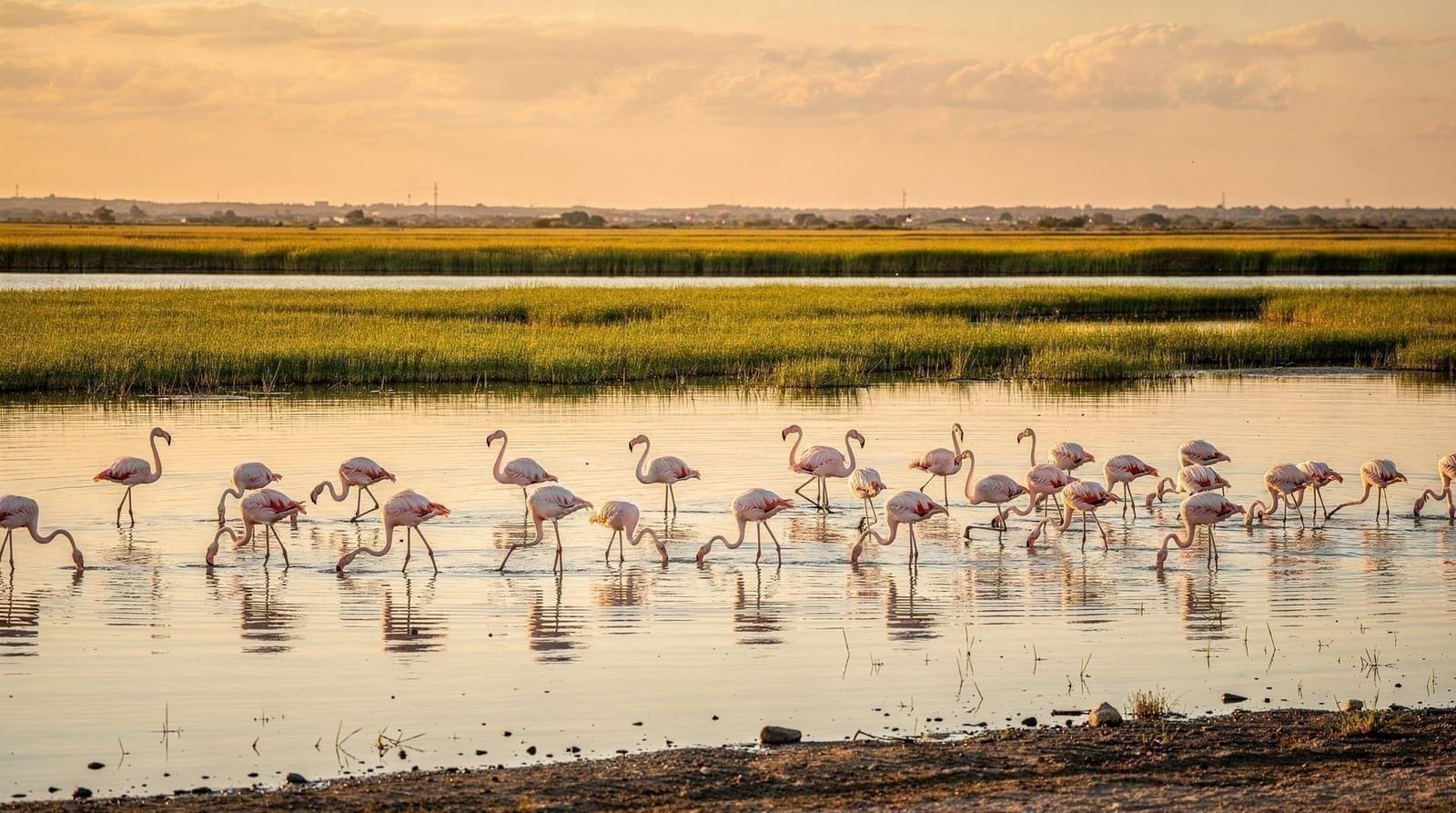 Albufera Natural Park eco boat tour at sunsetCheck availability
Accommodation and prices in summer
Valencia hotel prices peak in July and August, with weekends in late July and the La Tomatina week seeing the highest rates. Mid-range hotels (€80–150/night in April) typically run €130–220/night in August. Booking 2–3 months ahead is advisable for July and August, particularly for properties near the beach (Malvarrosa, Cabanyal) or the old town.
The best-value summer accommodation is often in Russafa — close to the centre with a local neighbourhood feel, slightly removed from the beach-tourist concentration, with good transport links to both the old town and the coast.
Summer neighbourhoods: where to stay and eat
Russafa in summer: The neighbourhood has a dual personality in July and August — the local restaurant scene ticks along (slightly emptied by the summer holiday exodus of Valencians), joined by an international tourist crowd discovering the area. The best Russafa restaurants maintain quality and reasonable prices year-round; the toutier ones near the market entrance inflate slightly. The evening terrace scene (outdoor tables from 20:00 onward, dinner served from 21:00) is at its most animated in summer.
El Carmen in summer: The historic quarter loses many of its local residents in August but gains a concentrated tourist crowd. Bars stay open until 03:00+ on weekends. The tourist restaurant density around Plaza de la Reina and Calle Caballeros is highest in summer — the honest planner’s rule applies most forcefully here: if someone is standing outside inviting you in, walk to the next street.
El Cabanyal in summer: The maritime neighbourhood adjacent to the beach maintains its neighbourhood character better than the old town in summer. The Mercat de Cabanyal (covered market on Calle del Rosari) sells fresh produce and cheap prepared food for beach picnics — the best option for beach day lunches without paying Paseo Neptuno restaurant prices.
Summer transport: metro and the beach tram
Summer brings two transport-specific considerations:
Beach tram L4 crowding: The L4 tram on summer Saturday and Sunday afternoons (returning from the beach, 16:00–19:00) reaches maximum capacity. Expect to stand for the journey in July and August. Arriving at the beach before 10:00 and leaving before 15:00 avoids this entirely.
Las Nits de l’Estiu metro extensions: During major summer events, Metrovalencia extends services beyond midnight. The Nits d’Estiu (Nights of Summer) concert programme at the Palau de les Arts sometimes triggers late-night metro extensions on L5. Check the Metrovalencia app event calendar for service extension announcements.
Cycling in summer: The morning beach run by Valenbisi bike (centre to beach, 30–40 min cycling) is best attempted before 09:00 in July and August. After 10:00, the sun is strong enough to make the Turia park and coastal cycle route uncomfortably hot without shade. Sunset cycling (from 19:00 onward) is excellent in summer — the Turia park route in the evening light is one of Valencia’s best free experiences.
Summer food beyond the tourist circuit
The summer menú del día persists in Valencia’s worker restaurants — the tradition of a three-course lunch with drink and bread for €12–16 survives the summer despite the tourist trade. Finding it requires stepping off the main tourist routes:
Russafa lunch spots that maintain local character in summer: The bars along Calle del Mestre Gozalbo and the side streets off Avenida del Regne de València serve local workers and maintain the lunchtime menú. Prices stay honest because their customer base doesn’t change.
Esmorzaret (mid-morning snack): The traditional Valencian morning snack of sobrasada or morcilla on bread with wine at around 10:00 continues year-round at the traditional bar-restaurants of the Eixample. These are worker culture institutions impervious to tourism.
Fresh horchata (orxata): Summer is the main horchata season. The best orxata in Valencia comes from the village of Alboraia north of the city (Horchatería Daniel, or the village orxaterias on the main road through Alboraia). The city’s orxaterias on Avenida Neptuno near the beach make tourist-facing versions; the Alboraia village original is more authentic. A litre bottle of fresh horchata to take to the beach costs €4–6 from these producers.
For the full beach food, water sports, and season guide, see Valencia beach season.
Summer itinerary structure: avoiding the heat trap
The most common visitor mistake in summer Valencia is planning sightseeing the same way they would in April — museum at 11:00, market at 12:00, lunch at 14:00, afternoon walk. By July, the 11:00–16:00 window is when the city is at its hottest and most uncomfortable for outdoor activity.
A better summer structure:
Morning (07:30–11:00): Outdoor sightseeing while it is still bearable. The Turia park, the old town streets, the Malvarrosa beach, the Albufera boat trip (early morning departure). The city is quiet, the light is good for photography, and temperatures are still under 28°C.
Midday (11:00–15:00): Indoor. Museum visit (Oceanogràfic, Bioparc, IVAM, Museu de Belles Arts), a long lunch at a restaurant (the menú del día typically runs 13:00–16:00), or simply the hotel pool / beach under an umbrella.
Afternoon (15:00–19:00): Either stay at the beach (the sea breeze activates from about 16:00 in summer and drops the coastal temperature 3–4°C below the city centre), or extend the museum visit, or rest at the hotel.
Evening (19:00–midnight+): The best time in summer Valencia. The old town comes alive from 19:00 — locals emerge for the passeggio (evening stroll), the outdoor tables fill, and the temperature drops to a comfortable 25–27°C. Dinner at 21:30 in a Russafa restaurant, a walk through El Carmen at 22:30, drinks at a rooftop bar at midnight — the summer evening is the city at its most pleasant.
This structure requires being honest with yourself about the midday heat: it is not enjoyable for outdoor activity in July or August, full stop. Plan around it rather than through it.
Heat safety basics
Valencia’s dry heat is more bearable than a humid climate at the same temperature, but July and August still carry real heat-stress risk for visitors unused to it. Drink water steadily through the day rather than only when thirsty — tap water is safe and good in Valencia, so refill a bottle rather than buying it. Watch for the warning signs of heat exhaustion (dizziness, nausea, stopping sweating) especially during midday sightseeing, and move to shade or an air-conditioned space immediately if they appear. Children and older visitors are more vulnerable; plan their outdoor time for the 07:30–11:00 or after-19:00 windows described above, and keep the midday hours for the Oceanogràfic, Bioparc or a long lunch. Sun protection matters as much as hydration — the Mediterranean UV index in July and August is genuinely high even under light cloud.
For a full seasonal comparison and the best months to visit overall, see the best time to visit Valencia guide.
Frequently asked questions about Valencia in summer
How hot is Valencia in summer?
June averages 26–28°C, July 28–32°C, and August peaks at 30–35°C with frequent days above 36°C. The heat is dry rather than humid, which makes it more bearable than Atlantic coasts, but the afternoons (14:00–17:00) in July and August are genuinely oppressive for sightseeing. Early morning and evening are the productive windows.Is the beach good in summer Valencia?
Malvarrosa and Patacona beaches are fully operational from June through September with lifeguards, beach bars (chiringuitos), sun-lounger rentals (€6–8/pair), and good water quality. The water reaches 25–27°C by late July. August weekends see the beaches at maximum capacity — arrive before 10:00 for a spot without a chair. The quieter beaches (El Saler, La Devesa south of the Albufera) are a better summer option for those who prefer space.What is La Tomatina and when is it?
La Tomatina is a tomato-throwing festival in Buñol, 40 km west of Valencia, held on the last Wednesday of August. Entry tickets are required (€15 from the Buñol tourist office or tour operators). The event runs from 12:00 to 14:00; the streets are hosed down afterwards. Renfe runs extra trains from Valencia to Buñol station on the day, but they fill fast. Book accommodation in Valencia (not Buñol) and travel on the day.What are summer opening hours and closures in Valencia?
Most Valencia museums maintain standard hours (Tuesday–Sunday, 10:00–19:00) through summer. Some private businesses take August holidays (especially second and third weeks), but tourist-facing restaurants and bars remain open. The Mercado Central closes Saturday afternoon and Sunday. Shopping centres (El Corte Inglés, Aqua Multiespacio) are air-conditioned and open standard summer hours.How crowded is Valencia in August?
August is Valencia's most crowded month for tourism, particularly international visitors, while many local residents leave for their own holidays. The result is a city that feels like a theme park in peak August — tourist restaurants near the cathedral charge inflated prices, the beaches are packed, and menus in English appear in windows where you'd expect to see Valencian regulars. June and September avoid this completely.Is Valencia worth visiting in August despite the heat?
For the beach, absolutely — August sea temperatures (27°C) are ideal and the beach infrastructure is fully operational. For city sightseeing, it is the least comfortable month. If you want both, plan beach time in the morning, air-conditioned sights in the midday heat, and city evening walks after 19:00 when the temperature drops.What should I pack for summer in Valencia?
High-SPF sunscreen (50+), light cotton or linen clothing, good walking sandals, a light cover-up for churches (bare shoulders and shorts are prohibited in the cathedral and Lonja), a reusable water bottle (tap water is safe and good in Valencia), and comfortable swimming shoes for the beach.Are the museums air-conditioned in summer?
Yes. The Oceanogràfic, Bioparc, Hemisfèric, IVAM, Museu de Belles Arts, and Museu Nacional de Ceràmica are all air-conditioned. Plan your afternoon sightseeing for indoor venues.
Top experiences
Bookable activities with verified prices and instant confirmation on GetYourGuide.