Valencia in autumn: the insider's season
Valencia: Albufera boat ride with food and paella included
Is autumn a good time to visit Valencia?
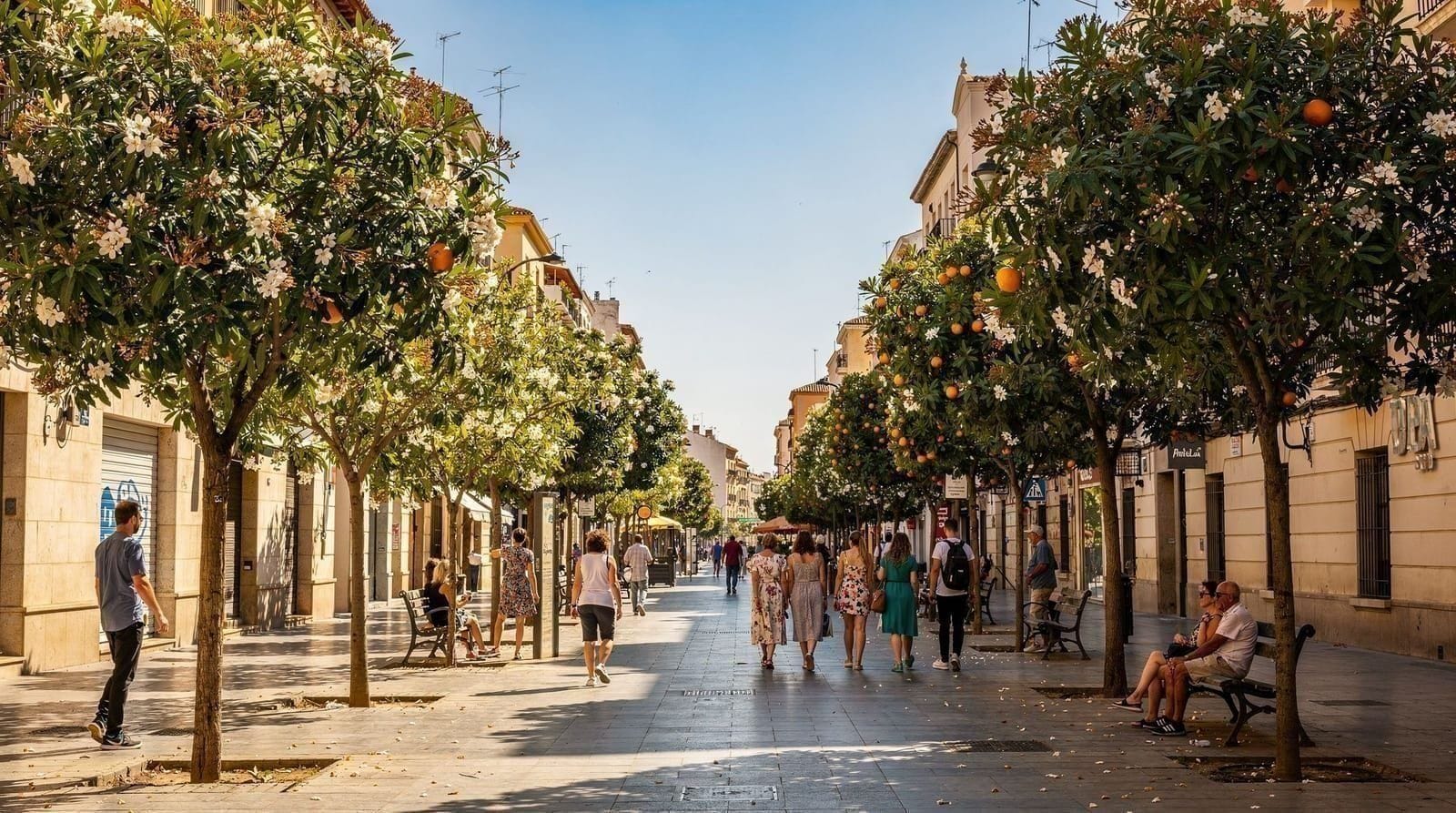
September and October are among the best months to visit Valencia. Temperatures remain warm (24–28°C in September, 20–24°C in October), the sea stays swimmable until late October, tourist crowds have thinned, and prices drop 20–40% from August peaks. November brings the first real autumn chill and the risk of gota fría storms.
Autumn is when Valencia’s genuine character re-emerges after the summer tourist season. The restaurants stop running their tourist menus, the beaches thin out from crowds while remaining swimmable, and the rice harvest turns the Albufera plain a golden yellow before the paddies are flooded for the winter. It is, by many measures, the most honest season to be in Valencia.
| Where | City-wide; Albufera and El Palmar for the rice harvest; Requena for wine harvest |
| Cost | Hotels 15–40% below August; similar to spring by October |
| Time needed | 4–7 days to combine city, beach and a harvest day trip |
| Getting there | Standard city transport; Albufera and Requena by bus, train or car |
| Best time | Mid-September through mid-October for warm sea and thin crowds |
Autumn temperatures and conditions
| Month | Average high | Average low | Sea temperature | Notable |
|---|---|---|---|---|
| September | 28°C | 19°C | 25°C | Last beach month |
| October | 23°C | 14°C | 22°C | Rice harvest |
| November | 18°C | 10°C | 18°C | Gota fría risk |
September is effectively a continuation of summer in terms of weather, but the tourist dynamic shifts dramatically after the first week. European school year restarts; package holiday traffic drops sharply from September 5–10. From mid-September, beaches that were shoulder-to-shoulder in August have comfortable space. Prices in hotels and restaurants begin normalising.
October is the month most locals name as their personal favourite. The combination of warm days (22–24°C), cool comfortable evenings (14–16°C), swimmable sea into mid-October (22°C), and the rice harvest spectacle in the Albufera makes it uniquely rewarding.
November is more uncertain. The gota fría weather pattern — intense Mediterranean low-pressure storms that can dump 100+ mm of rain in a few hours — is most likely in late October and November. The DANA of October 29, 2024 caused catastrophic flooding in the Valencia region. While these extreme events are not the norm, November carries genuine storm risk that other months do not. If visiting in November, monitor weather forecasts and have indoor backup plans.
The rice harvest: autumn’s defining spectacle
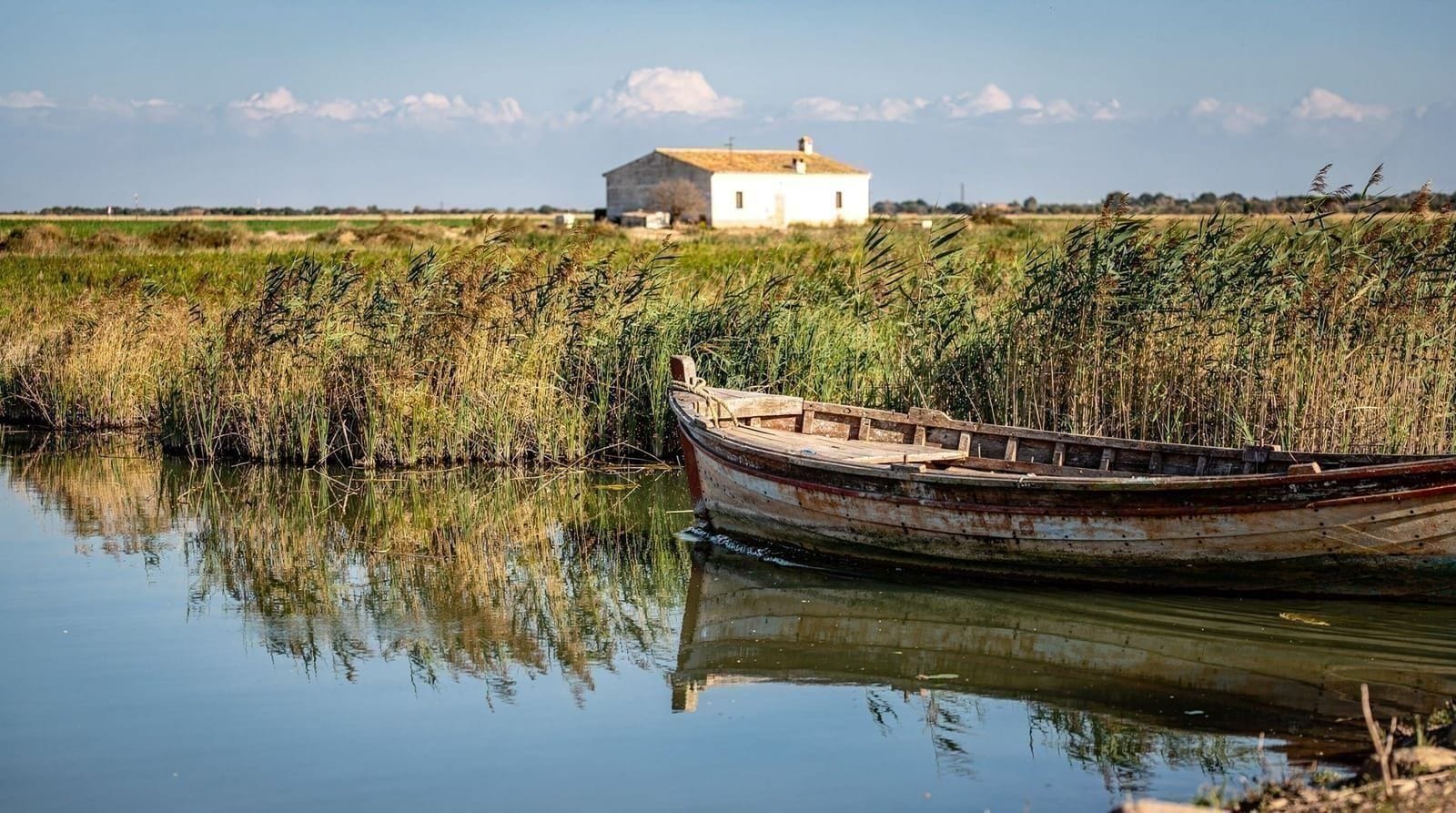
The rice paddies of the Albufera Natural Park — visible from the C1 Cercanías train south of Valencia — follow an annual cycle that peaks visually in September and October. The paddies flood in winter for bird habitat, drain in spring for planting, green up through summer, and then in September–October the rice ripens to gold before the combine harvesters arrive.
The harvest typically runs from mid-September to late October, depending on variety. Walking the embankments between the paddies (accessible from El Palmar village) during harvest week gives extraordinary views — golden rice fields, white herons standing in the irrigation canals, the Albufera lake glittering in the background.
Why this matters for food: Rice harvested from the Albufera in October is available in Valencia’s markets from November onward. The Valencian rice varieties (principally bomba and J. Sendra, grown in the Albufera) used in authentic paella valenciana are the same grain you see ripening in those September fields. If you eat rice in Valencia in autumn, the connection to landscape is almost literal.
 Albufera boat ride with food and paella includedCheck availability
Requena wine harvest (September–October)
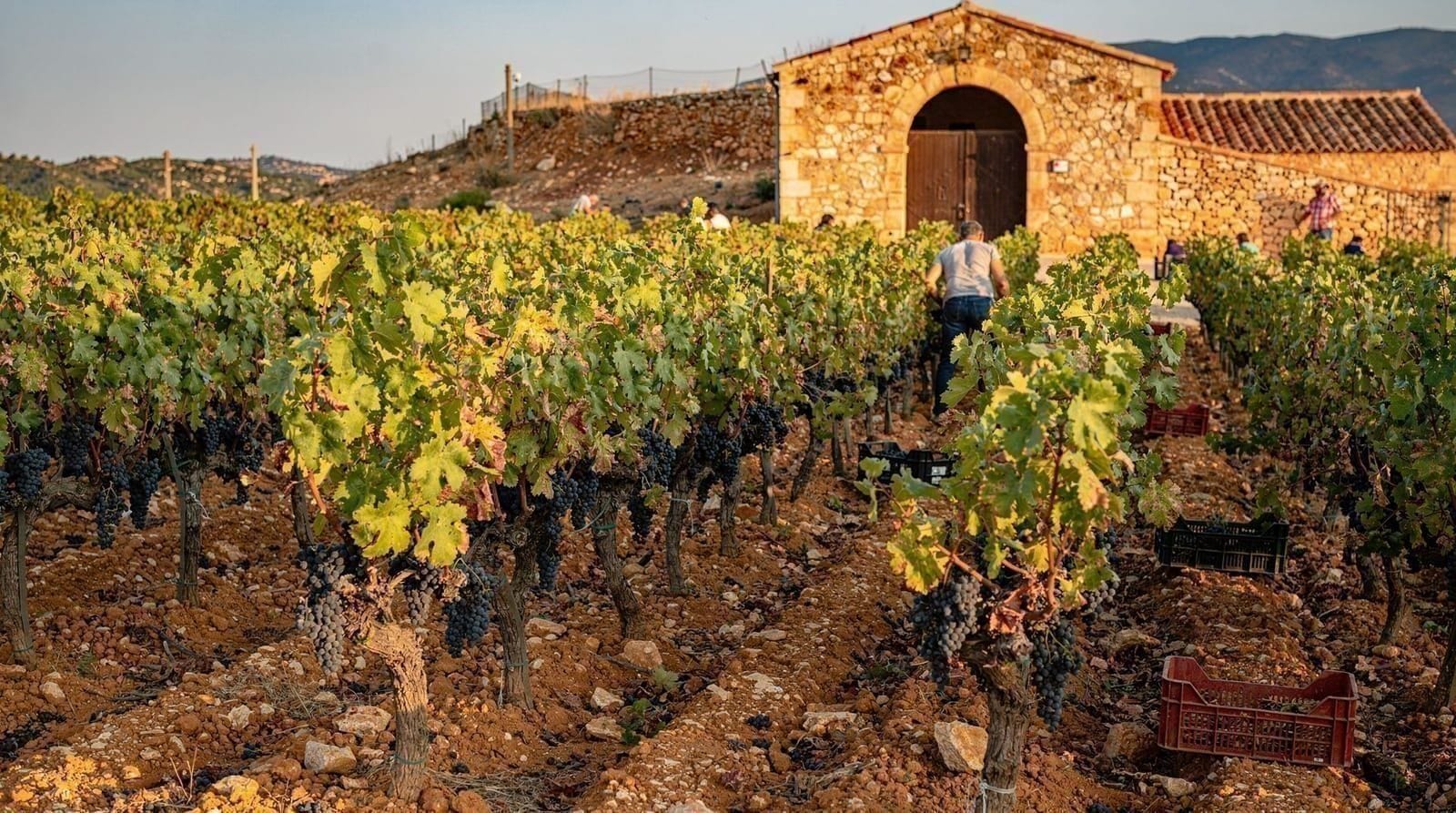
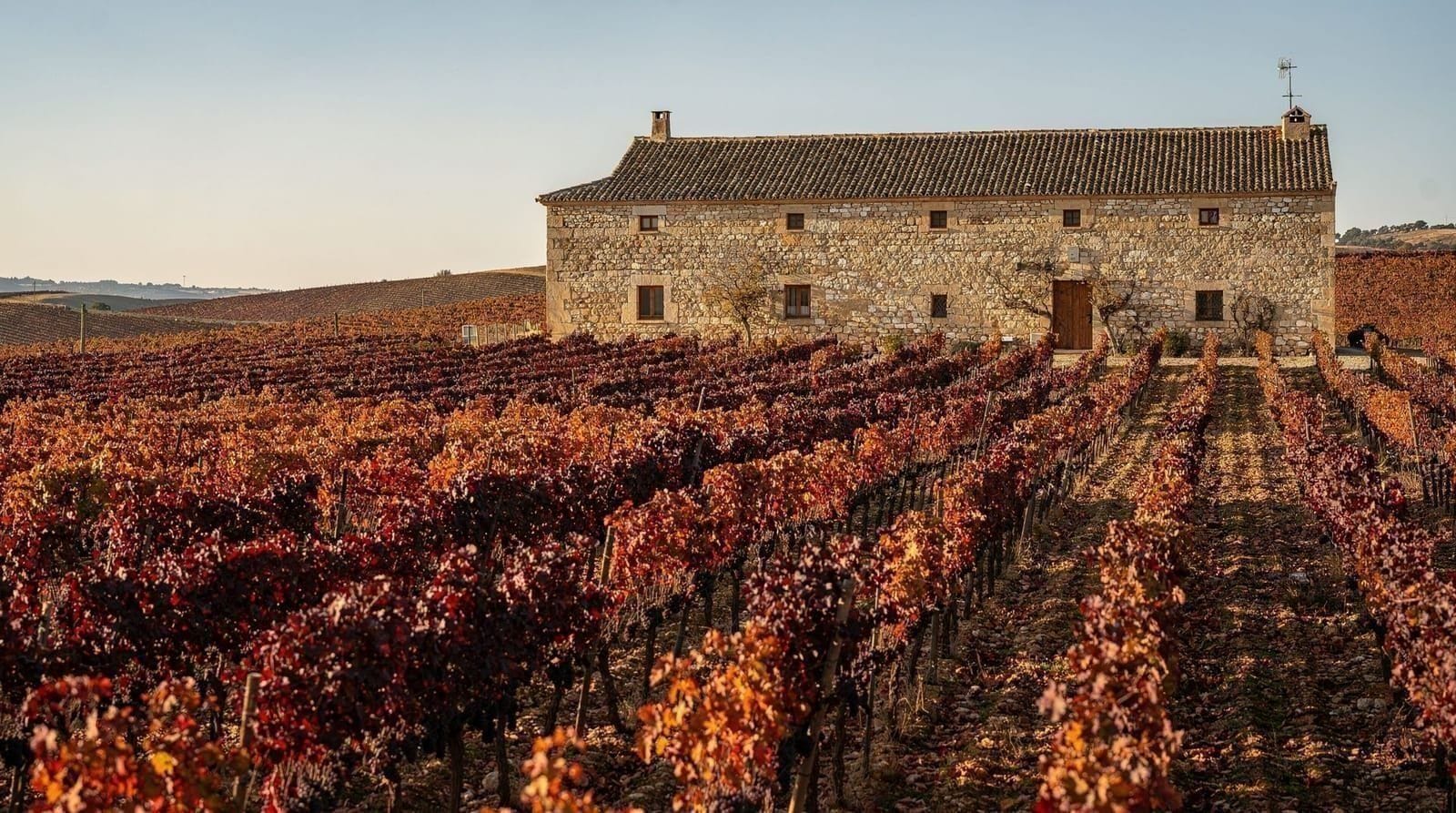
Sixty kilometres west of Valencia, the Utiel-Requena wine region harvests its Bobal, Tempranillo, and international varieties in September and October. The Bobal grape — almost exclusive to this small inland region — produces deep-coloured, tannic wines that age well and represent extraordinary value (bottles from the best producers cost €8–15 in local wine shops).
The harvest period brings open winery days and tasting events, particularly in the last weekend of September when Requena holds its Fiestas de la Vendimia (Grape Harvest Festival). The old town of Requena, with its underground bodega caves and Moorish-period streets, is one of Valencia’s genuinely underrated day trips at any time of year.
For logistics, see the Requena wine tour guide.
 Utiel-Requena wine tour and traditional lunchCheck availability
Beaches in autumn: the quiet season’s reward
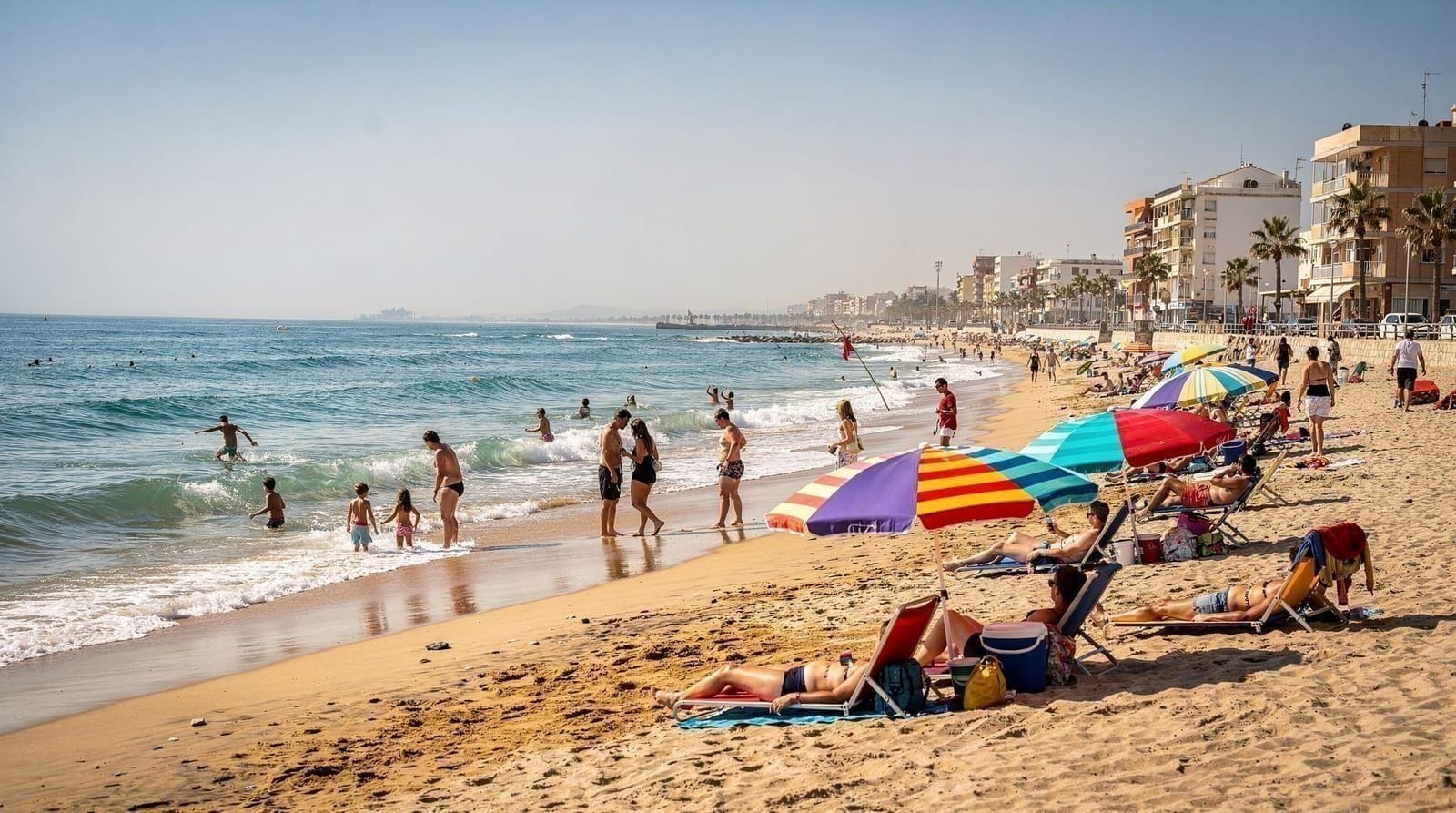
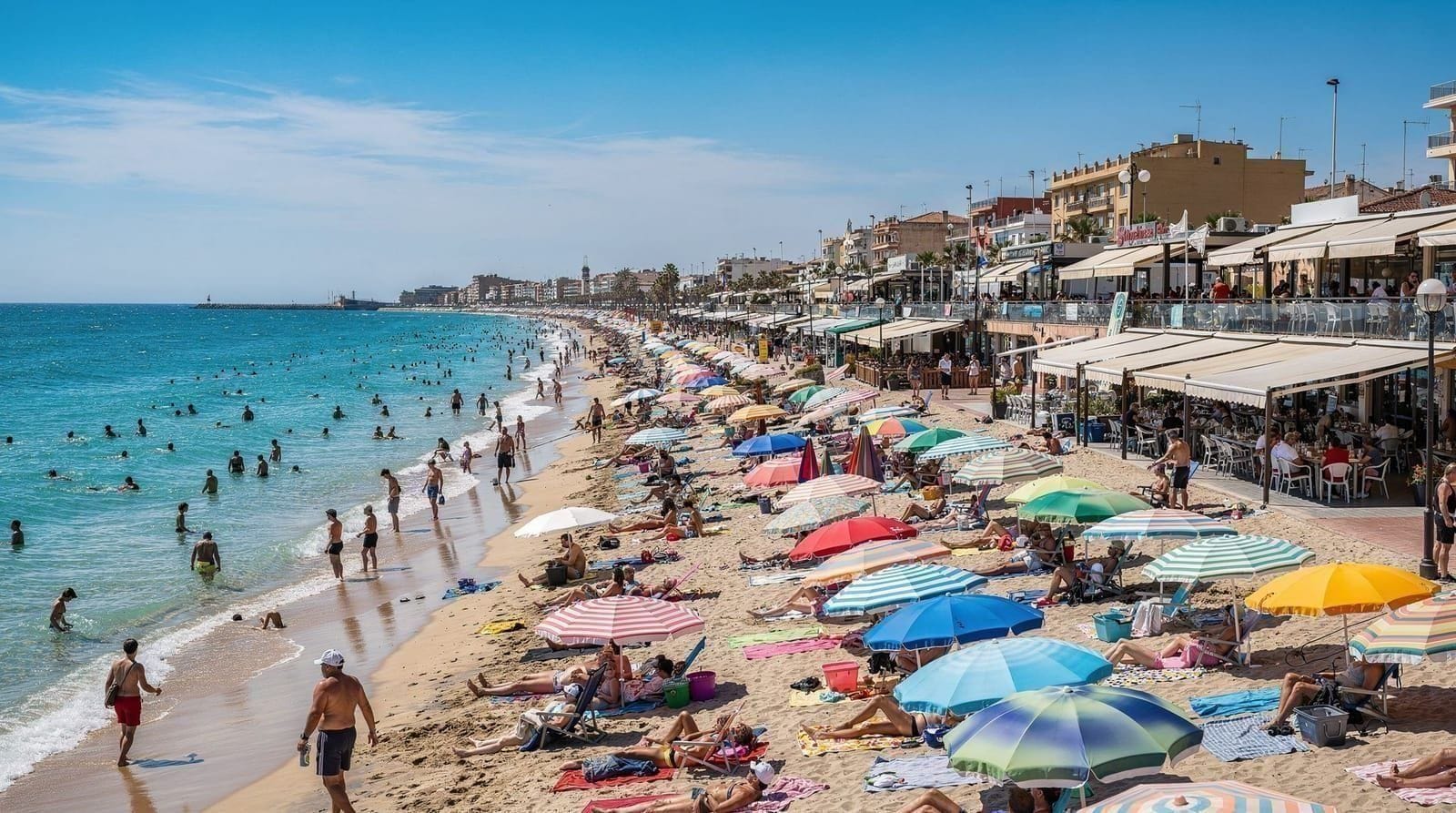
Malvarrosa and Patacona beaches in September are extraordinary. The summer infrastructure — lifeguards, chiringuitos, sun lounger rentals — remains in place until late September. The crowds that defined August are gone. The sea at 25°C is at its warmest of the year (warmer than June). You can spread out on a beach that was standing-room-only six weeks earlier.
The quality beaches south of the city — El Saler and La Devesa in the Albufera natural park — are particularly good in autumn. El Saler’s pine-backed beach, with its calm water and minimal facilities, achieves a tranquil beauty in October that is impossible in August. The lifeguard service ends in mid-September, so swim with awareness, but conditions on this sheltered stretch are usually gentle.
See the Valencia beach season guide for the full picture of what is open when.
Autumn food: the definitive Valencia season
Autumn is when the Valencian kitchen is at its most honest and seasonal:
Paella valenciana in October: The combination of fresh Albufera rice, autumnal game birds (in traditional recipes), and the cooler weather that makes a long midday meal more attractive — October paella is the fullest expression of the dish. The rice restaurants around El Palmar switch from summer tourist mode to serving genuine local diners.
All i pebre: The Albufera eel stew, made with eels caught in the lake channels, garlic, almonds, and sweet and hot paprika, is at its most available in autumn when the eel season is active. The restaurants on the lakeside in El Palmar are the authentic venues for this dish. See the all i pebre guide.
Mushroom season: October and November bring wild mushroom foraging in the interior mountains — Sierra Calderona, north of Valencia, produces rovellons (saffron milk cap mushrooms) and bolets (porcini varieties). These appear on restaurant menus and at the Mercado Central in October. The rice-and-mushroom paella variant is a distinctly autumn offering.
Seasonal produce at Mercado Central: September brings the last of summer’s tomatoes and peppers alongside the autumn harvest — figs, pomegranates, quinces, fresh almonds, and the first of the sweet Valencia oranges (the harvest begins October–November).
Autumn events
Fiestas de la Vendimia (Requena, last weekend September): The grape harvest festival with wine tasting, parade of floats through the old town, and the symbolic pressing of the first grapes. A genuine local event rather than a tourist confection.
Nit de la Lluentor (September): Some Valencia neighbourhood associations hold this traditional autumn lights festival, less known than Fallas but with local cultural resonance.
Valencia International Film Festival (Cinema Jove, late June — but post-production events extend into October): The autumn cultural programme in Valencia is strong — the Palau de les Arts runs its autumn opera season from October, the IVAM contemporary art programme launches new exhibitions in September, and the Teatre Principal and Teatre Rialto schedule their autumn performing arts seasons.
Autumn practical tips
Book October early. October has quietly become one of Valencia’s most sought-after visitor months, particularly among northern European travellers who know the city. Hotels fill for the second half of October (when weather is most reliable and the rice harvest is visible). Book 4–6 weeks ahead.
November weather: Monitor the AEMET forecast (Spanish national meteorological agency) if visiting in November, particularly for gota fría risk. These storms are short but intense — the flooding risk in low-lying areas (Albufera perimeter, some coastal zones) is real, as was demonstrated dramatically in autumn 2024.
Autumn clothes: September requires exactly the same packing as summer. October: add a light jacket for evenings. November: a proper coat, layers, a waterproof.
Cycling in autumn: The Turia park and coastal cycle lanes are at their best in September and October — comfortable temperature, low UV, and minimal crowds. Valenbisi and private rental bikes are both good options.
Frequently asked questions about Valencia in autumn
Can I swim in the sea in October in Valencia?
Yes, with a caveat. Sea temperature at 22°C in early October is comfortable for many swimmers — warmer than most UK and northern European beaches at their summer best. By late October it drops to 18–20°C, which is cool but swimable. By November (16–18°C), most people in non-wetsuits find it cold.
Is October more expensive than September in Valencia?
Broadly similar, with slight upward pressure in the second half of October when northern European visitors arrive for the mild shoulder season. October accommodation is 15–25% cheaper than August but similar to September in many hotels.
What is the gota fría and should I worry about it?
The gota fría (cold drop) is a meteorological phenomenon where cold air at altitude meets warm Mediterranean sea moisture, producing very intense localised rainfall. Events are unpredictable and vary enormously in severity — most years produce no serious flooding, but some years (2019, 2024) have caused major damage. November is the highest-risk month. The risk does not mean avoiding Valencia in autumn, but it means having flexibility and paying attention to forecasts. Avoid booking inflexible transport and accommodation for November weather-dependent activities.
Autumn food in depth
Rice harvest and Valencian paella in context
The connection between autumn rice harvest and the city’s defining dish is more direct in Valencia than anywhere else in Spain. The rice varieties grown in the Albufera — principally bomba and the locally prized J. Sendra variety — are certified with the Denominació d’Origen Arròs de València label, which guarantees origin and variety.
In October, the restaurants in El Palmar and the surrounding villages switch their rice sourcing to fresh-harvest grain. The difference between rice cooked within weeks of harvest versus 12-month-old stored rice is detectable in texture and absorption — the freshly harvested grain absorbs stock differently, producing a slightly creamier consistency even in a fully dry paella. This is why local rice aficionados plan their most important paella meals for October.
For the full context on how to order and evaluate paella in Valencia, see the authentic paella guide and the how to order paella guide.
Autumn market produce
The Mercado Central in September and October stocks its most varied produce of the year. The summer fruits (peaches, tomatoes, figs, watermelon) overlap with the autumn arrivals: pomegranates, quinces, fresh almonds, pears, and the first Valencian oranges (Clementinas from September, Navels from November). The wild mushroom vendors (set up in October) are a seasonal highlight — rovellons (saffron milk caps) from the Sierra Calderona appear in late September–October.
For a proper market visit, arrive before 10:00 on a weekday — the post-tourist rush quietens the stalls and the stallholders are more inclined to offer tastings and explain their produce. See the Central Market guide.
Autumn day trips
September and October are arguably the best months for the most demanding day trips from Valencia — the temperature is comfortable for hill walking, and the destinations are at their quietest.
Morella in autumn: The walled medieval city (175 km north) in October is extraordinary. The deciduous oaks around the approach road have turned colour; the town has reverted entirely to local life after summer. The Saturday market (Mercat Medieval runs periodically) and the local specialty embutidos (sausages, especially the local truffle-influenced products in season) make Morella a gastronomy day trip as well as an architectural one. See the Morella day trip guide.
Bocairent in September: The village festival season ends in September, and the village reverts to its genuine character. The Coves dels Coloms (the rock-cut Moorish cave chambers above the village) are accessed with a guide from the tourist office. Autumn light is excellent for photography of the Serra Mariola landscape. See the Bocairent guide.
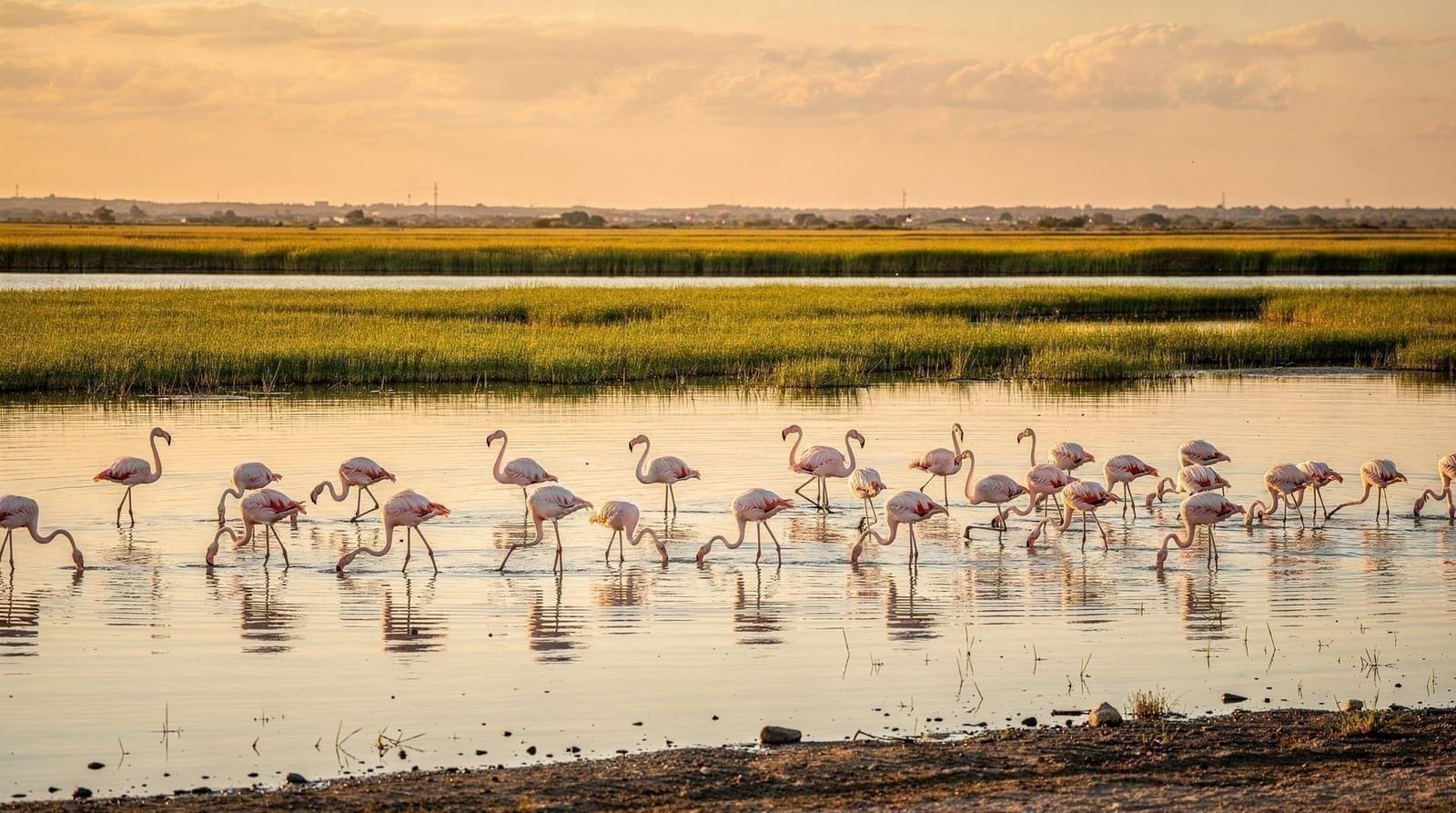
Albufera by boat in October: The rice harvest coincides with peak Albufera sunset beauty. The golden paddies visible from the boat as it enters the lake channels make October boat tours the most visually spectacular of the year. The flamingos passing through on autumn migration are a bonus. Book ahead — October boat tours fill with local visitors on weekends.
Autumn accommodation and pricing
September sees the first significant price drops after the summer peak. Hotels that ran €180–220 in August typically return to €110–140 in mid-September, and €90–120 by October. The drop is gradual and depends on the hotel — beachside properties fall faster than city-centre ones.
The exception is the Requena wine harvest weekend (last weekend of September), which sees Requena’s limited accommodation book out weeks ahead. If staying near Requena or planning that specific trip, book early.
The best booking strategy for autumn: target mid-September for beach plus city (still warm sea, falling prices), or October for pure culture and food tourism at the lowest prices before the Christmas uplift.
A sample 4-day autumn itinerary
| Day | Focus | Highlights |
|---|---|---|
| 1 | Old town | Cathedral, Llotja de la Seda, El Carmen, Mercado Central |
| 2 | Beach and Turia | Morning swim at Malvarrosa, Turia Gardens cycle or walk to City of Arts |
| 3 | Albufera day trip | Rice paddies, boat tour, all i pebre lunch in El Palmar |
| 4 | Requena or Russafa | Wine harvest day trip, or a relaxed morning in Russafa markets and tapas bars |
This structure works because it front-loads the two weather-dependent days (beach, Albufera) while the sea and harvest are both at their best, and leaves the wine day trip flexible for whichever day has the clearest forecast.
Top experiences
Bookable activities with verified prices and instant confirmation on GetYourGuide.