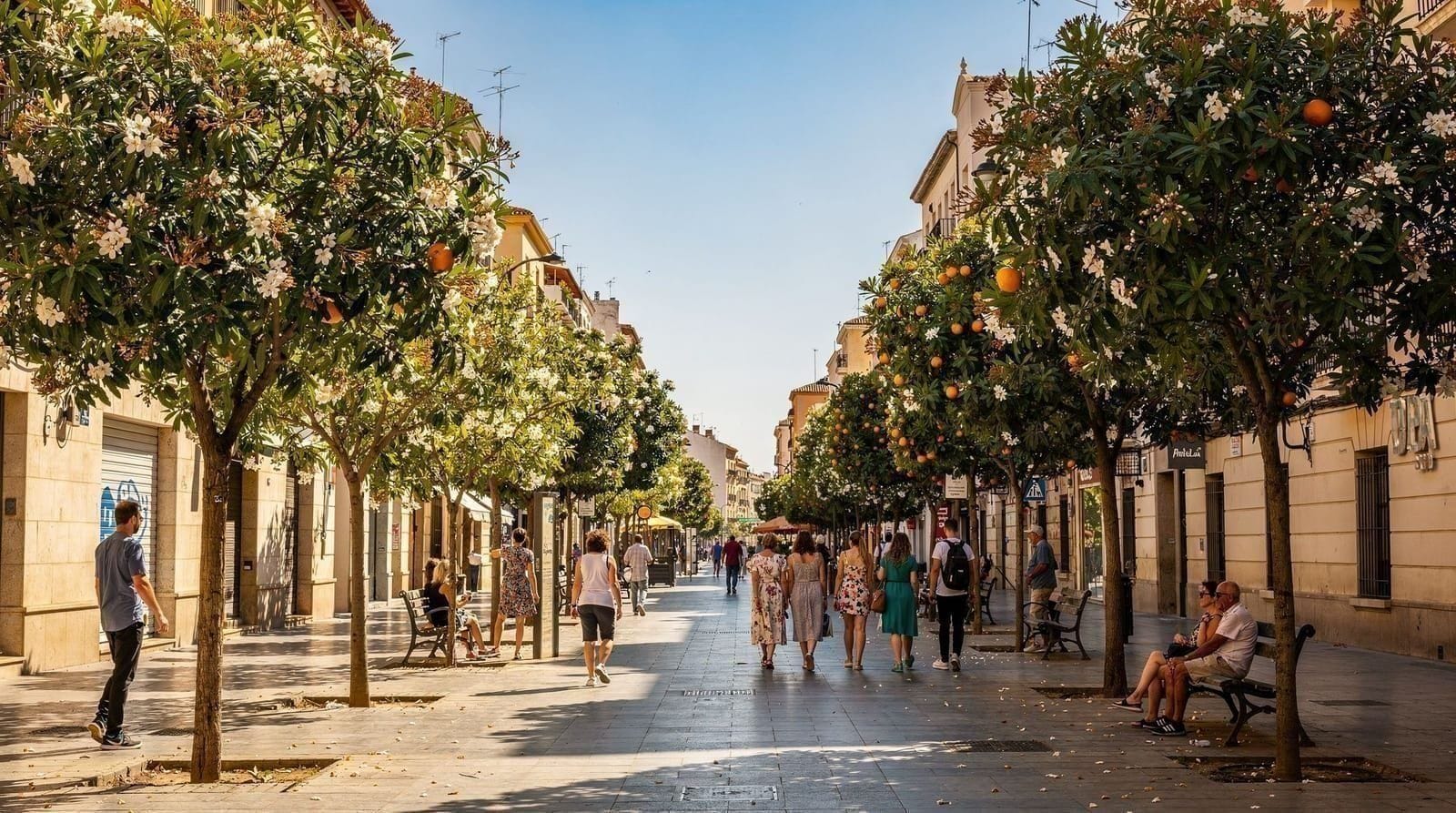
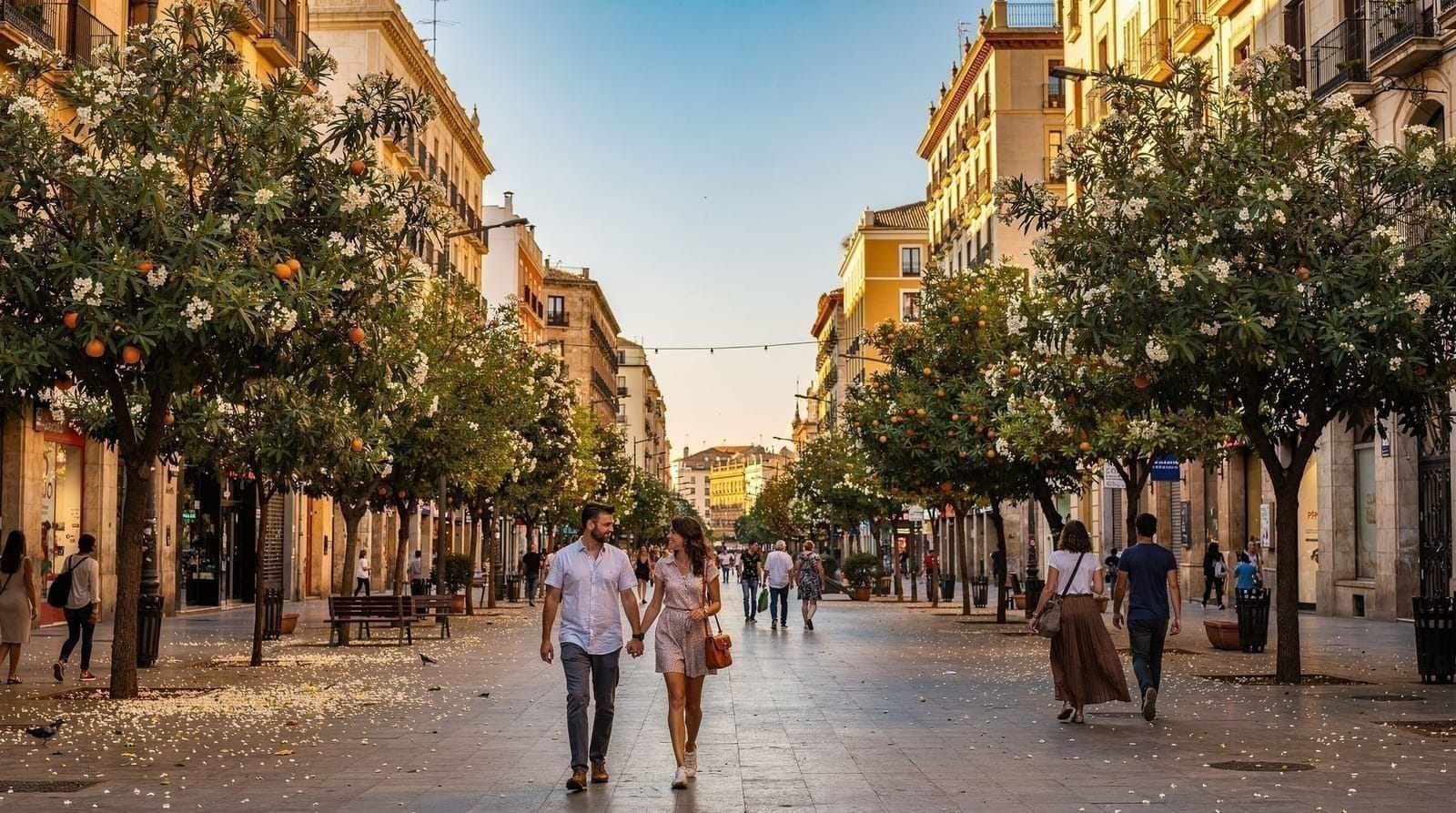
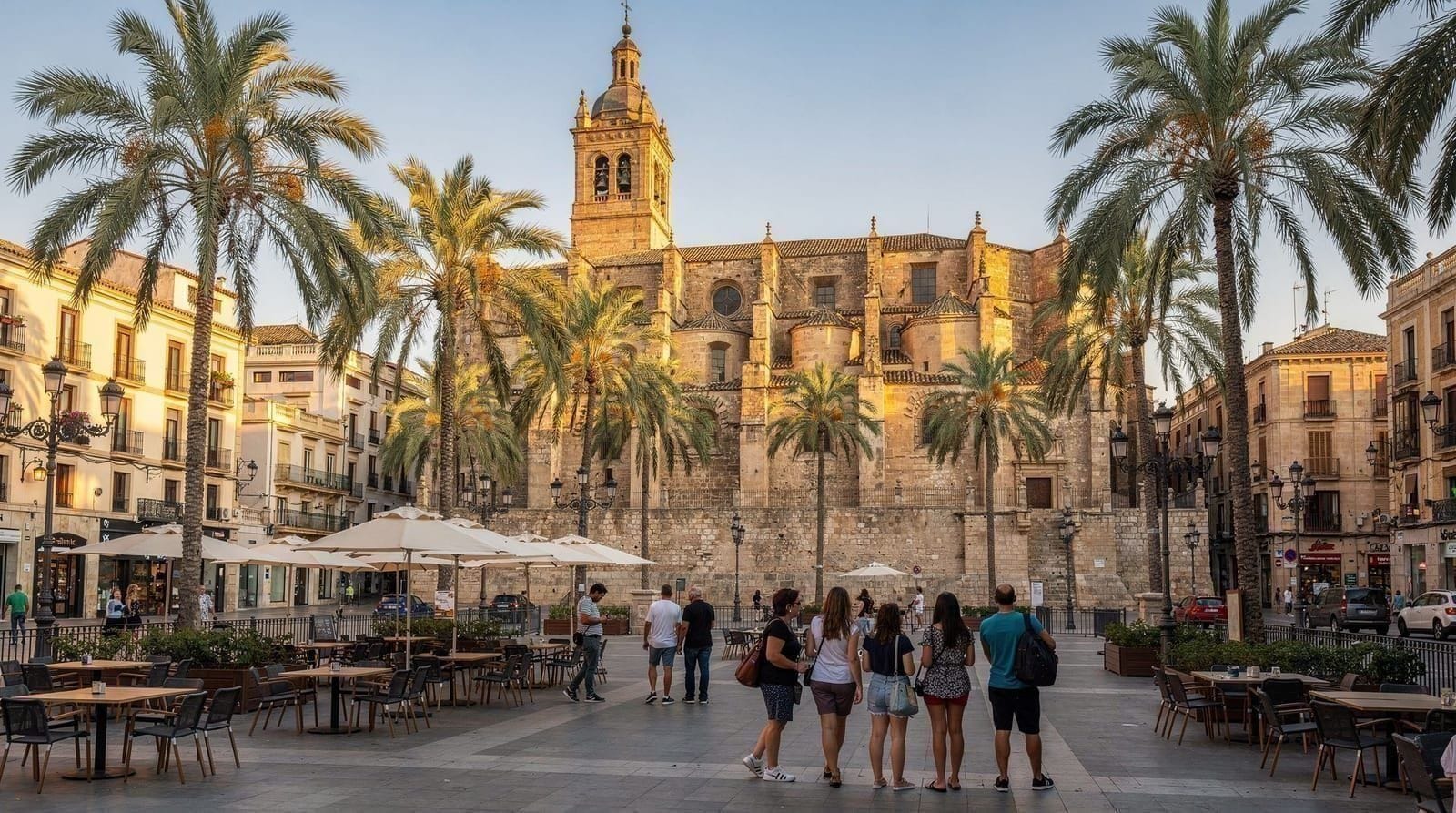
Valencia in winter: mild, uncrowded, and underrated
Valencia: daytime tapas tasting tour with Central Market visit
Duration: 3 hours
Is Valencia good to visit in winter?
December through February is one of the best times to visit Valencia if you don't need beach swimming. Temperatures average 16–18°C during the day, crowds are minimal, prices are significantly lower, and the city's cultural life — markets, music, museums — runs at full intensity. The Mediterranean climate means rain is rare and sunshine is common.
Valencia in winter is the city as it mostly prefers to live — slightly slower, dominated by locals rather than tourists, restaurants showing their real menus rather than English-language tourist versions, and prices that reflect actual value rather than summer peak demand. For cultural tourism, food exploration, and city walking, winter is arguably Valencia’s best season.
| Where | City-wide; El Palmar for winter birdlife on the Albufera |
| Cost | Hotels roughly half of August rates outside Christmas/New Year |
| Time needed | 3–4 days for culture, food and walking |
| Getting there | Standard city transport; no seasonal disruptions |
| Best time | Late January and February for the driest, most stable weather |
Winter temperatures and weather
Valencia’s Mediterranean climate produces the mildest winters of any major Spanish city. While Madrid shivers under frequent frost and Barcelona struggles with grey Atlantic fronts, Valencia averages daytime highs of 16–18°C from December through February.
| Month | Average high | Average low | Rainfall days | Sunshine hours/day |
|---|---|---|---|---|
| December | 16°C | 8°C | 5–6 | 5.5 |
| January | 15°C | 7°C | 5 | 5.5 |
| February | 17°C | 8°C | 4 | 6 |
What this means in practice: You can comfortably walk the old town, the Turia park, and the beach promenade (not swimming, but walking) in a light jacket or medium coat. Early mornings (before 09:00) require a proper coat. Afternoons in January and February with full sun feel remarkably warm — 17°C in direct Mediterranean sunshine with low humidity feels more like 20°C.
Rain falls mainly in short, intense bursts rather than sustained grey drizzle. A winter week in Valencia will typically have 1–2 rainy days and 5–6 dry, sunny days. The gota fría (cold drop) storm pattern occasionally produces very heavy rainfall in autumn and early winter — November sees the wettest conditions of the year. By January and February, the weather is generally stable.
Sea temperature: 13–15°C in January–February — cold for swimming by Mediterranean standards, though you’ll see determined local swimmers in wetsuits year-round. The beach promenade is pleasant for walking and the chiringuitos (beach bars) open on sunny winter weekends.
What is open in winter
Everything that matters culturally is fully open:
Museums and attractions: Most run on standard Tuesday–Sunday schedules (closed Mondays; the Lonja de la Seda is open Mondays). Winter is ideal for the Oceanogràfic (shorter queues, same excellent aquarium), Bioparc (animals more active in cooler temperatures, no summer heat), the Museu de Belles Arts (free, remarkable collection, almost empty in winter), IVAM, and the city’s heritage sites including the cathedral, Lonja de la Seda, and Hemisfèric.
Markets: The Mercado Central operates its full Monday–Saturday schedule (closed Sundays and public holidays), and winter is when it’s most genuine — local housewives buying the week’s vegetables rather than tourist crowds photographing the ceiling. The adjacent Mercat de Colón operates its café and market stall format year-round.
Restaurants: Valencia’s restaurant scene is fundamentally a year-round proposition. The menú del día runs properly in winter — the classic two-course with bread, drink, and dessert for €12–16 is available at almost every non-tourist restaurant in Russafa and the city centre. See the menú del día guide.
Nightlife: Russafa’s bars and restaurants are at their most local-frequented in winter, when tourists aren’t competing for tables. Booking ahead for weekend dinner in popular Russafa spots (Bar Ricardo, Bar Carmen, restaurants along Calle del Doctor Serrano) is advisable even in winter.
Christmas in Valencia
Christmas in Valencia (December 1 through January 6) is a genuinely good time to visit. The city centre receives extensive light installations — the Calle Colón shopping street illumination is famous in Spain, and the Plaza del Ayuntamiento gets a large tree and market.
Fira de Nadal (Christmas market): The main Christmas market runs in the town centre from late November to early January, with craft stalls, artisan food, and traditional roscón de reyes pastry sellers. More modest than the northern European Christmas markets visitors may be used to, but authentically Valencian.
Cabalgata de Reyes (Three Kings Parade): January 5 is one of Spain’s biggest events for families. The Three Kings parade (Melchior, Gaspar, and Balthasar, not Santa Claus) marches through central Valencia with elaborate floats, throwing sweets to the crowds. Children receive their Christmas presents on January 6 (Día de Reyes) rather than December 25. The parade route runs from the port through the coastal district to the city centre — expect enormous crowds and joyful chaos.
New Year’s Eve: Plaza del Ayuntamiento hosts the main public celebration, broadcasting the midnight clock chimes from Madrid’s Puerta del Sol and distributing the traditional 12 grapes for the 12 strokes of midnight. City centre accommodation fills; book well ahead for December 30–31.
Food and drink in winter
Valencian cuisine makes more sense in winter than summer. Paella valenciana — the genuine rabbit-and-chicken rice dish cooked over orange wood — is a substantial midday meal perfectly calibrated to a crisp January afternoon. The authentic version is a serious, slightly oily, deeply flavoured rice dish, not a saffron-yellow tourist plate.
Winter-specific foods:
- All i pebre de coll de anguila: Eel stew from the Albufera, with garlic, paprika, and almonds. Best at El Palmar restaurants in November–March. See the all i pebre guide.
- Esmorzaret: The Valencian mid-morning snack-breakfast — a glass of cheap wine and a bocadillo (usually sobrasada or black pudding) at a traditional bar, eaten standing at around 10:00. This winter habit is alive and well in the traditional worker bars of the Eixample and La Saïdia districts.
- Orxata (horchata): Technically year-round, but the local version — served cold from a churrería — tastes particularly good on a winter afternoon when the cold makes it bracing rather than refreshing. See the horchata guide.
The weeks before Las Fallas
February in Valencia carries a building tension as the Fallas season approaches. Street workshops (talleres de artistas falleros) are open in the Campanar district (northwest of the city centre), where you can visit the artists creating the Fallas monuments in progress — an extraordinary visual experience that is entirely free. The Exposició del Ninot (selection of the sculptures spared from burning) stays open until about 14–15 March, when the winning ninot is announced.
From approximately January through February, Valencia sees an influx of Fallas aficionados booking well ahead for the March festival. If your plan is to visit in late February specifically to see the pre-Fallas preparations, book accommodation by November. By February, March accommodation is very scarce.
See the complete Las Fallas guide and where to stay during Fallas.
Prices and crowds in winter
Hotel prices drop significantly from September through mid-March (excluding Christmas, New Year, and Las Fallas weeks). A mid-range hotel room that costs €160 in August is typically €80–110 in January. Budget accommodation (hostels, pensiones) sees similar proportional drops.
Tourist sites that charge admission — Oceanogràfic, Bioparc, Hemisfèric, City of Arts combo — do not discount significantly in winter, but queues are minimal. The Oceanogràfic in August might mean 45-minute waits; in January you walk straight through.
Restaurant bookings are easier in winter. The best Russafa tables that require a week’s advance booking in summer are often available the same day in January.
Practical tips for winter visitors
Layer clothing. The temperature swings from 8°C at 08:00 to 18°C at 14:00 on clear winter days. A packable down layer under a waterproof works well.
Sunscreen is still needed. The winter UV index at Valencia’s latitude (39°N) is lower than summer but still capable of burning during extended outdoor activity, particularly on the reflective beach promenade.
Beach days happen. On clear winter days with full sun and no wind, locals spread out on Malvarrosa — blanket on the sand, coffee from the one open chiringuito, no tourists. This is one of Valencia’s more distinctive pleasures.
The Turia park in winter. Without summer heat, the park is ideal for longer walks. The Gulliver playground at the eastern end remains open year-round. Joggers and families use the park heavily on winter weekend mornings.
Frequently asked questions about Valencia in winter
Is it too cold to enjoy Valencia in December or January?
No. 15–18°C is genuinely comfortable for sightseeing and outdoor café life. The main things you cannot do are swim in the sea (cold), and sit outdoors for extended dinners late at night (takes a coat by 20:00). Everything else — walking, markets, museums, eating outdoors at lunch — is fully enjoyable.
Are there any events in January or February in Valencia?
Besides Christmas and Three Kings, January and February are relatively quiet for festivals, which is exactly the point for visitors who prefer the city without event-related price spikes. The Fallas preparations ramp up in February and reach critical mass by the first week of March.
Is the Oceanogràfic worth visiting in winter?
More so than in summer, honestly. Same exhibits, no queues, no outdoor heat. The open-air sections (the dolphin tank, the outdoor pools) are slightly less active in winter, but the main indoor aquarium sections are as impressive as ever.
Can you swim anywhere in Valencia in winter?
Not comfortably in the sea, where January–February temperatures sit at 13–15°C. Some hotels have heated indoor or outdoor pools open year-round. A handful of dedicated open-water swimmers use Malvarrosa in wetsuits through winter, but this is not a mainstream visitor activity — winter beach time in Valencia is for walking, not swimming.
Winter eating: the Valencian kitchen in its element
Valencia’s food culture is at its most authentic in winter. The reasons are structural: local customers dominate, seasonal ingredients drive menus, and the economics of honest cooking replace the summer pressure to maximise tourist throughput.
Paella in winter: The classic paella valenciana (rabbit, chicken, white beans, green beans, saffron, paprika, cooked over orange wood) is calibrated to the cooler seasons. The wood-fire cooking method produces a genuinely rustic, slightly smoky flavour that disappears in gas-burner tourist versions. The best Sunday paella experiences in Valencia — at the country restaurants in the Horta Sur villages, at El Palmar, or at a traditional city restaurant like Restaurante Levante or La Pepica — are especially good in winter when the kitchen is serving primarily local families.
All i pebre in winter: Albufera eel stew (all i pebre) is peak season food. The European eel is caught in the Albufera channels in the cooler months, and the dish — which takes its name from the garlic (all) and pepper (pebre) that define it — appears on menus throughout the winter season. The lakeside restaurants at El Palmar (Restaurant Mateu, Casa Sento, La Sequieta) are the authentic settings. The bus 24/25 from Valencia to El Palmar runs year-round; check current timetables on the official EMT Valencia site. See the all i pebre guide.
Esmorzaret culture: The mid-morning snack-breakfast culture is most visible in winter. Starting at 09:30–10:00, Valencian workers sit at café bars and consume a glass of cheap wine or a caña alongside a bocadillo (bread roll) filled with sobrasada, morcilla (blood sausage), or tortilla española. The bars on Calle Turia, the streets of the Eixample east of the centre, and the working-class districts of La Saïdia and Patraix are the authentic settings. These bars serve no tourist food and communicate in Valencian — a remarkable contrast to the summer tourism bubble.
If you would rather have the market and its regional specialities explained as you go, a guided tasting works especially well in the quiet season: a morning food tour through the Central Market lets you taste local products without the summer crowds around the stalls. For the wider picture of where to shop and snack, see the Central Market guide and the food markets overview.
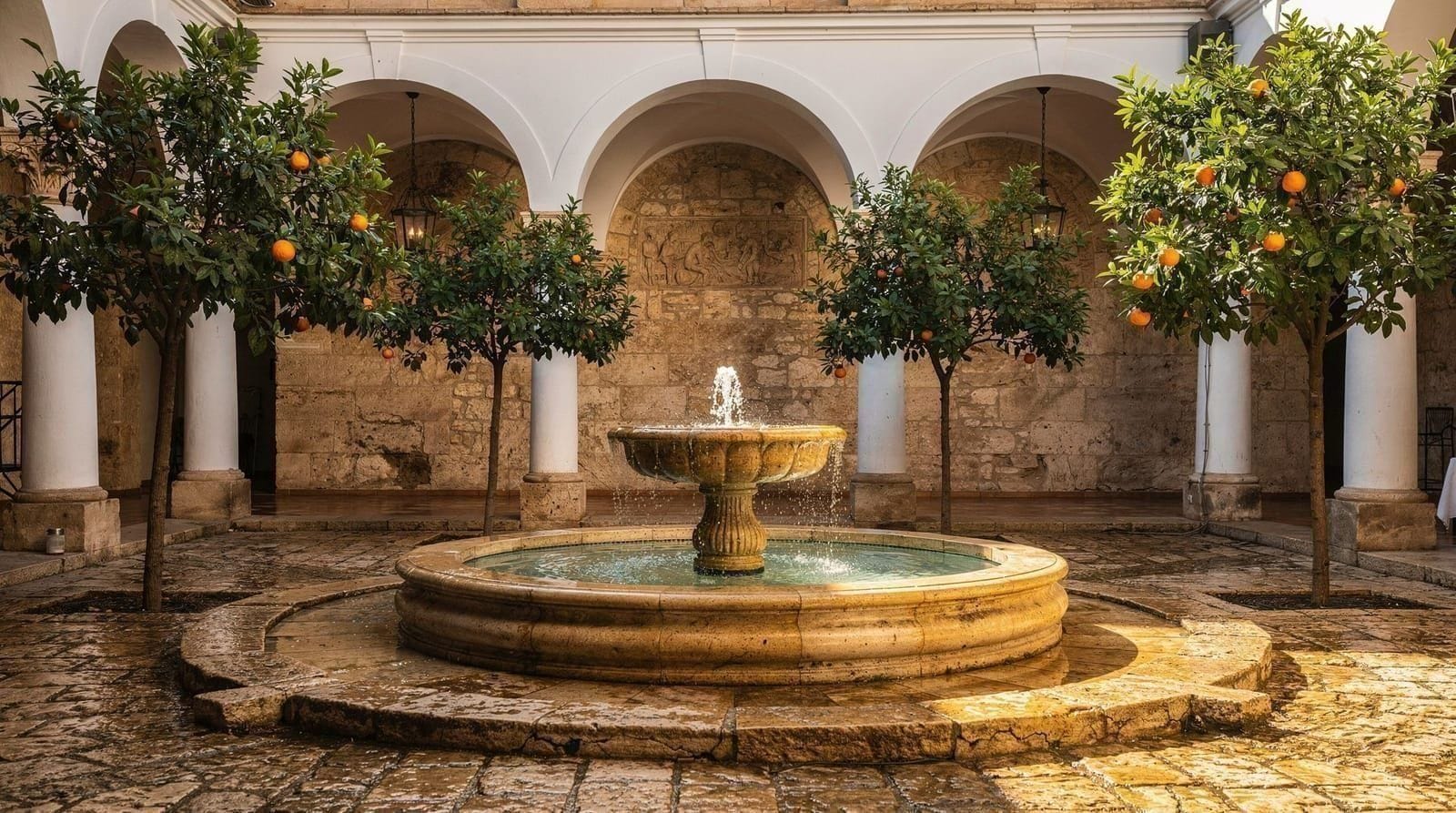
Winter orange season: Valencia’s most famous export, the Valencian orange (principally the Navel varieties and the late Clementinas), is harvested November through January. The orange orchards around the city are accessible by any outbound road in winter. At the Mercado Central in December and January, fresh-squeezed orange juice from local fruit costs €1–2 per glass from the juice vendors — a completely different product from the mass-produced commercial juice available at tourist cafés.
Winter day trips
Winter is underrated for day trips in the Valencia region. The crowd dynamics that affect summer destinations reverse in winter:
Xàtiva in winter: The castle is stunning on a clear winter day, with the hills bare and the views sharp. The old town’s small restaurants and bars are genuinely local in January — the Hostal de Mont Sant restaurant near the castle entry, one of the city’s most atmospheric dining rooms, is easier to book in winter than summer. See the Xàtiva castle guide.
Albufera in winter: Flooded paddies, flocks of overwintering flamingos (in transit), coots, herons, and ducks in large numbers. The Albufera in January is a birder’s destination that exceeds its summer version. The boat tours operate (more limited frequency; book ahead) and the El Palmar restaurants serve all i pebre to local families — the tourist layer is absent. See the Albufera day trip guide.
Requena in winter: The underground bodega caves are cool (literally — steady 14°C underground temperature) and the wines taste excellent in the cool weather above ground. The town is entirely local in January. See the Requena wine tour guide.
Winter in the city: what works
The Turia park: Fully enjoyable year-round. A winter Sunday morning walk from the old town east to Ciudad de las Artes y las Ciencias takes 45 minutes at a gentle pace and passes through the Gulliver playground (open year-round), the Rose Garden, and the formal French garden sections that bloom through autumn. The Bioparc is directly accessible from the western end of the park.
Cultural programme: The Palau de les Arts opera and concert season runs full schedule from October through June, with Christmas and New Year programmes and the early spring season featuring major opera productions. Check current ticket prices on the official Palau de les Arts website. The Teatre Principal on Plaza del Ayuntamiento and the Teatre Rialto in the old town run their full performing arts seasons through winter.
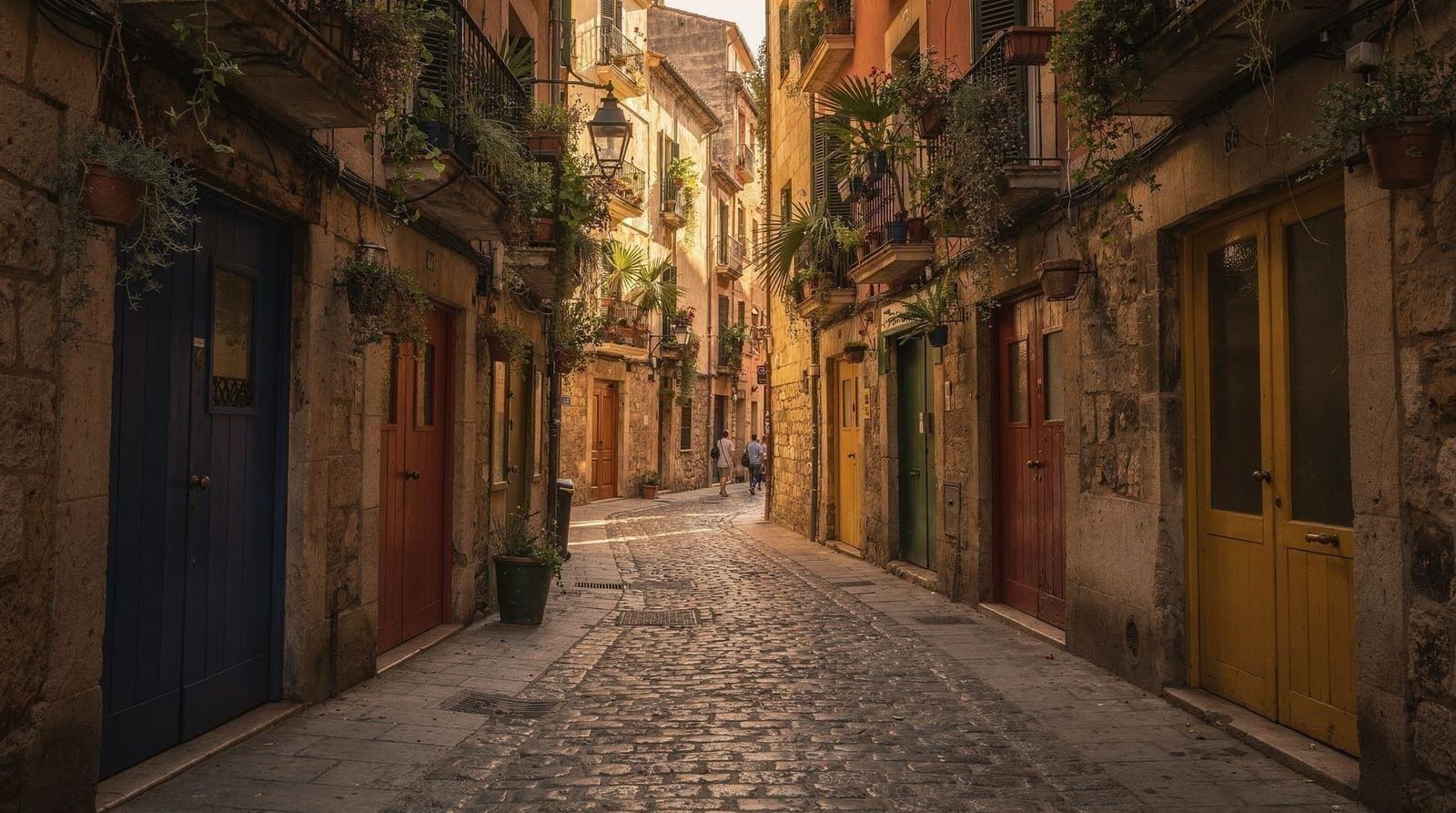
Walking the old town in winter: The absence of crowds makes it possible to appreciate the architecture properly. The cathedral, the Lonja de la Seda, and the streets of El Carmen are rarely empty but never impenetrable in winter. The Torres de Serranos, Valencia’s principal 14th-century city gate, takes on a particularly dramatic quality on clear winter mornings when the low winter sun illuminates the golden sandstone facade. See the El Carmen guide for neighbourhood orientation.
Indoor attractions worth prioritising in winter
Winter’s occasional rainy or cool day is the natural moment to prioritise Valencia’s indoor sights, and the reduced queues make them noticeably more enjoyable than in summer. The Oceanogràfic is the standout — Europe’s largest aquarium complex, walkable indoors with only short outdoor transitions between pavilions, and genuinely calmer without the summer crowds.
Oceanogràfic Valencia entry ticketThe City of Arts and Sciences complex more broadly — Hemisfèric’s IMAX dome and the Museu de les Ciències — pairs well with an Oceanogràfic visit on a cooler day, and the outdoor plazas between the buildings are still pleasant for walking in winter sun. For a wet-weather afternoon, the free Museo de Bellas Artes and the Turia by bike guide’s covered stretches near the Bioparc entrance are reliable fallbacks.
If you plan to see several of these buildings in one go, a combined ticket covering the aquarium, the planetarium dome and the science museum keeps a cool day simple, with everything under one booking. Families can find more ideas in the rainy day with kids guide, and the Science Museum guide and Hemisfèric guide explain what each building offers. For a longer stay, the how many days guide helps you decide how to spread indoor and outdoor days.