Ruzafa neighborhood guide: Valencia's best area for food and bars
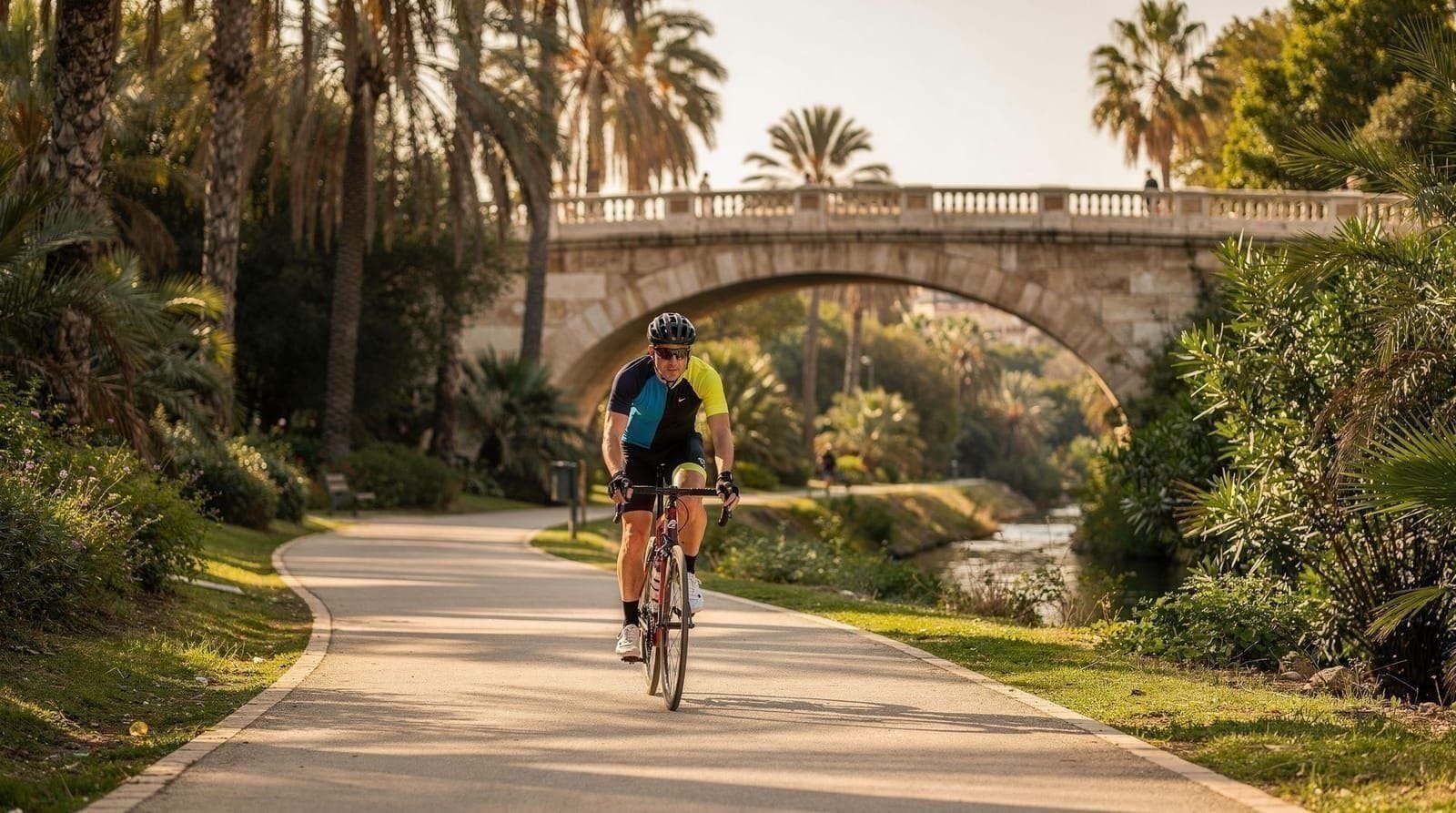
Valencia: Ruzafa guided bike tour of the city highlights
What is Ruzafa like in Valencia?
Ruzafa (also spelled Russafa) is Valencia's most vibrant residential neighborhood — the area for restaurants, independent cafés, cocktail bars, and a genuine local food market. It's 15 minutes on foot from the old city and has largely avoided becoming a tourist monoculture. Mid-range quality here is consistently higher than in the cathedral area.
Ruzafa has a reputation, and the reputation is mostly earned. This is where Valencia’s better restaurants have settled, where the interesting independent shops are, and where you’ll have the best chance of eating a genuinely good dinner without reading a menu that’s been translated into six languages. The neighborhood went through the standard gentrification arc — immigrant working class, artists and cheap rents in the 1990s, cafés and boutiques in the 2000s, Instagram-famous in the 2010s — and has landed somewhere more sustainable than that arc usually suggests.
| Where | South of Eixample, 15–20 min walk from the old town |
| Getting there | Metro to Bailén or Xàtiva, then 10-min walk |
| Cost | Menú del día around €12–15; specialty coffee €2.50–3.50 |
| Best for | Eating well, longer stays, local neighbourhood feel |
| Best time | Evenings for bars; Sunday midday for vermut |
Understanding the neighborhood
Ruzafa occupies a rough rectangle between the Calle de Cuba to the north (the main axis separating it from Eixample), Avenida del Puerto to the east, the railway viaduct to the south, and Calle de Bailén to the west. The neighborhood’s grid was laid out in the 19th century when this was a separate municipality absorbed into Valencia — the streets are regular and walkable, the blocks a manageable size.
The commercial heart is the area around Calle dels Literats, Calle Cadis, and the Plaça del Doctor Landete. This is where the visible café and bar culture concentrates. But Ruzafa is genuinely residential beyond these streets — the streets to the south and east have bakeries, hardware stores, and the completely ordinary domestic infrastructure of a working neighborhood.
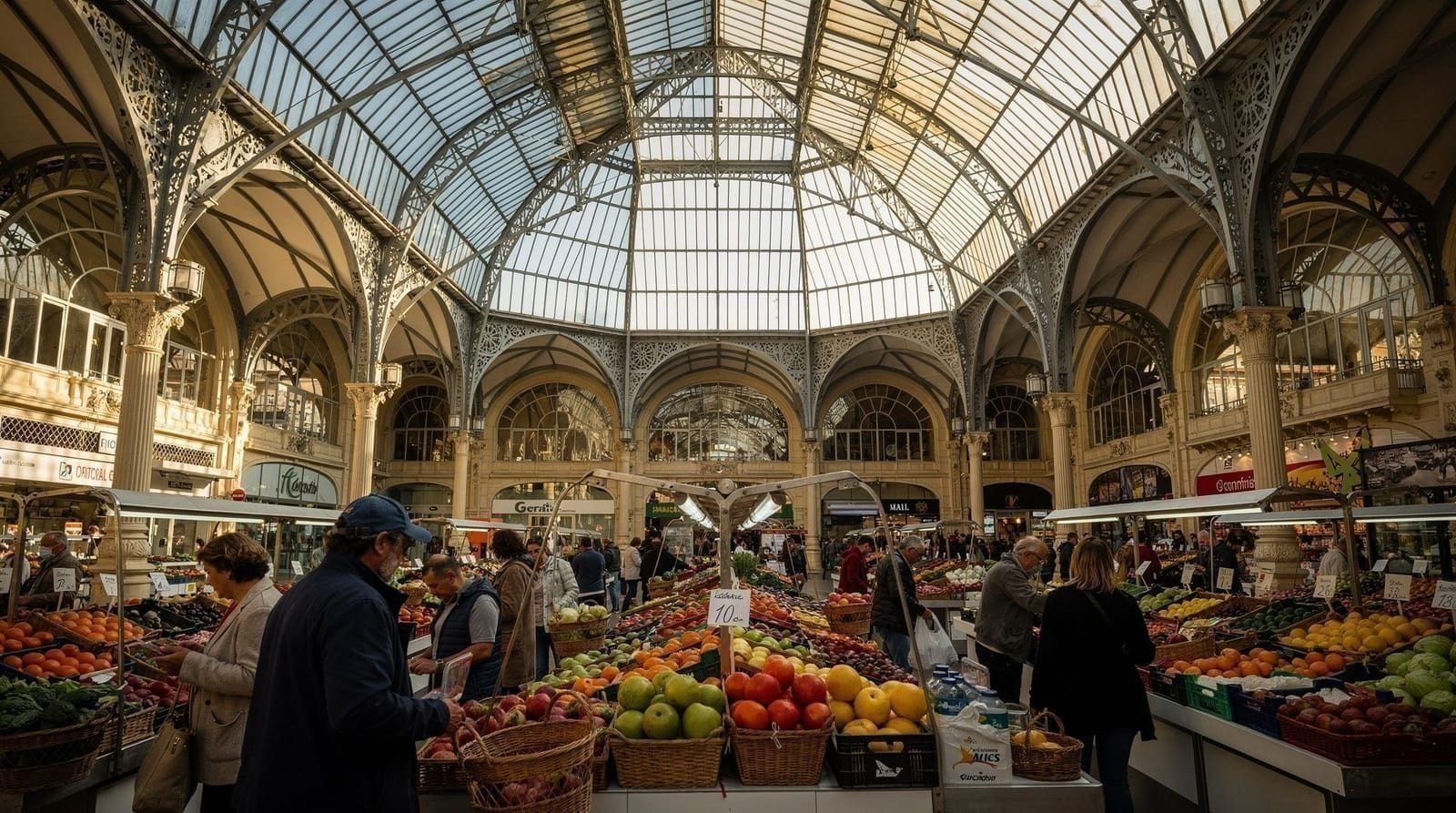
The Mercado de Ruzafa (entrance on Calle del Doctor Serrano) is a proper covered food market — not as grand as the Mercado Central, but with better value and a more local clientele. The fish counter is particularly good. Several bars inside the market serve morning coffee and an almuerzo (mid-morning snack of bread, cured meats, or a hot sandwich) that functions as Valencia’s working breakfast. If you want to eat like a local, this is the most direct route.
Eating in Ruzafa — the honest version
The restaurant scene in Ruzafa is genuinely strong, but there are now enough tourist-facing operations mixed in that you need to look for quality signals. Here is what to look for:
Handwritten menus in Valencian or Spanish (not a laminated folder with eight languages) is a good sign, though not infallible. No photos on the menu is a reliable positive indicator for mid-range and above. Lunch service before 14:30 being quiet is normal — Valencians eat lunch at 14:30-15:30 and dinner at 21:30-22:30.
Specific places worth knowing:
Canalla Bistro (Calle del Mestre José Serrano 5): Ricard Camarena’s casual restaurant, which means serious technique applied to informal dishes. Always busy; book ahead or arrive at 13:30 when it opens. Dishes around €10-16.
Bar Momi (Calle de Sueca 2): Small plates, excellent natural wine list, the kind of place that feels discovered but still has regulars. Closes early on Sundays; check before going.
Dulce de Leche (multiple locations, original on Calle de Sueca): Argentine bakery that’s become a neighborhood institution. The facturas (flaky pastries) and facturas de dulce de leche are excellent. Queue on Sunday mornings.
La Pascuala (Calle de Sueca): Cocktail bar with no gimmicks and drinks made properly. Evening only, arrives crowded after 23:00.
Central Bar (inside the Mercado Central, technically not Ruzafa but relevant): For the definitive paella or arroz con langostinos at the counter, book ahead; Ricard Camarena also runs this one.
El Rodilla (Calle de la Reina): Not a restaurant recommendation — this chain is what you eat on the go. Mentioned because guides sometimes list it as authentic; it’s a Spanish sandwich chain, like Pret a Manger.
Paella note: Like all of Valencia, proper Valencian paella is a lunch dish cooked on wood fire. Paella for dinner in Ruzafa is more available than in the old city, but is still often the frozen-and-microwaved version. For serious paella, book a proper lunch at a specialist restaurant and read the authentic paella guide first.
 Ruzafa guided bike tour of the city highlightsCheck availability
The café culture
Ruzafa has a disproportionate concentration of specialty coffee operations for a Spanish city. Spain’s standard café culture runs on robusta blends and the café con leche format; Ruzafa has disrupted this at least partially.
Bunker Coffee (Calle de Sueca): The most technically serious specialty coffee operation in the neighborhood. Espresso and filter, single origins, knowledgeable staff.
Kowalski (Calle dels Literats): Reliable espresso, comfortable for longer stays with a laptop, the neighborhood’s default “work café.”
Fosc (Plaça del Doctor Landete): Natural wine bar that also serves excellent coffee in the morning. Unusual combination that works well.
The standard Spanish café experience is also well-served in Ruzafa: any of the bars on Calle del Doctor Serrano serve a correct café con leche for €1.50 and the menú del día at lunch for €12-14. The menú del día guide explains this institution.
Nightlife and bars
Ruzafa’s bar scene is concentrated in the early-to-mid evening and the early-morning hours. The Valencian evening works like this: aperitivo (19:00-21:00), dinner (21:30-23:00), drinks (23:00-01:00), and then a decision about whether to go home or continue to late-night clubs (01:00-06:00).
The bars around Plaça del Doctor Landete and Calle Cadis cover the aperitivo and early-evening stretch well. For late night, the more concentrated scene is in El Carmen around Plaça del Tossal — Ruzafa empties somewhat after 02:00 as people move north.
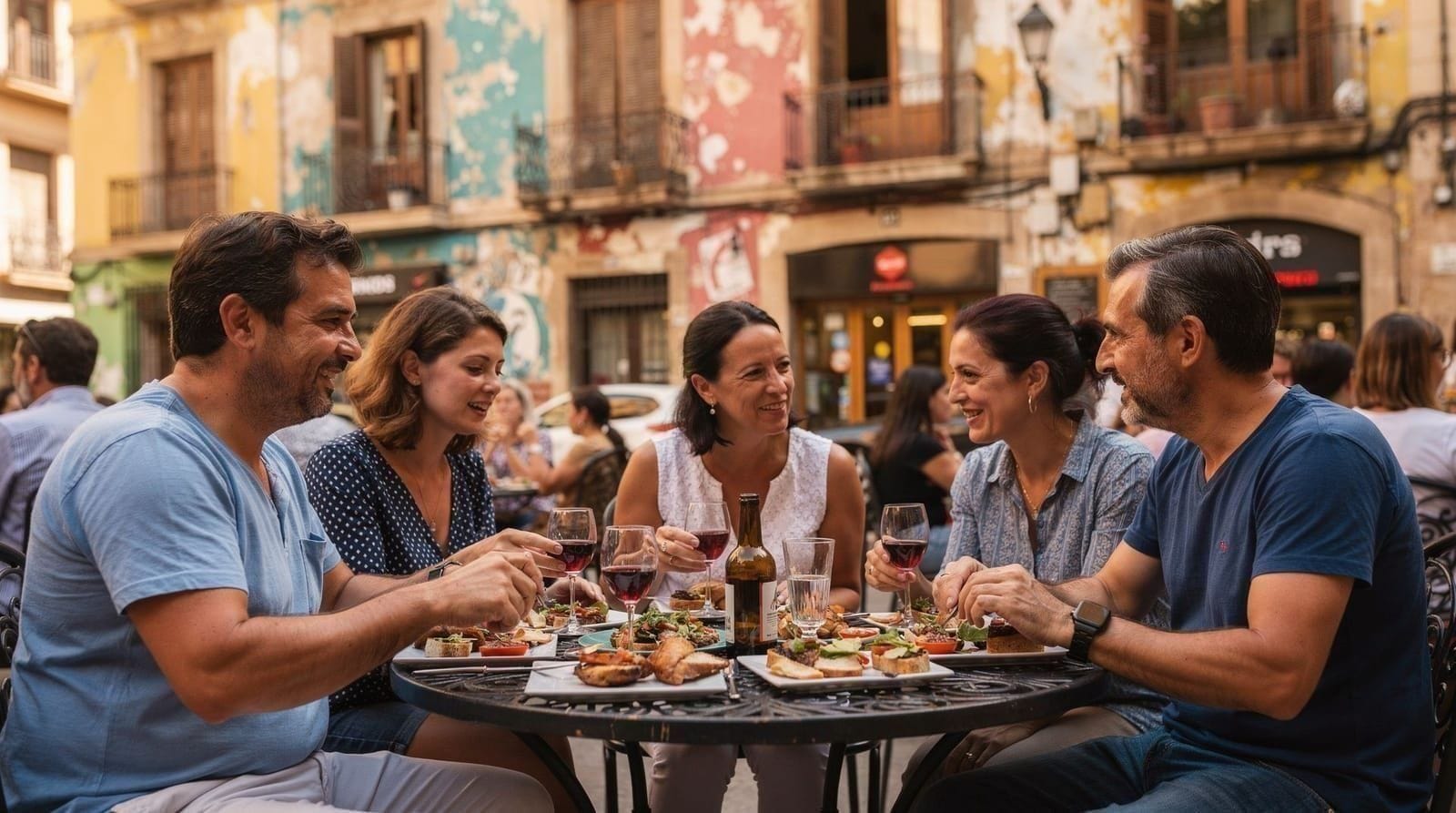
Vermouth hour: Sunday midday vermouth (vermut) is a Valencia institution practiced with particular enthusiasm in Ruzafa. Show up at any neighborhood bar between 12:30 and 14:30 on Sunday and order a vermut amb sifó (vermouth with soda) and accept whatever free snacks arrive with it.
Shopping
The independent retail culture in Ruzafa is notable by Spanish standards. The shops clustered around Calle de Sueca, Calle del Literat Azorín, and the Plaça del Doctor Landete include genuinely good independent bookshops, vintage clothing, local design, and ceramics. The ceramic tile tradition is strong in Valencia — several shops sell contemporary work inspired by the azulejo tradition.
The Mercado de Ruzafa (Tuesday-Saturday mornings) is the practical shopping anchor: fruit, vegetables, butchers, fishmongers, and cheese at prices that are significantly lower than the tourist-facing stalls in the Mercado Central.
Getting to and from Ruzafa
On foot from El Carmen: 15-20 minutes heading south down Calle de Xàtiva and turning right at the railway viaduct. Or use the underpass at the Plaza de España tram stop.
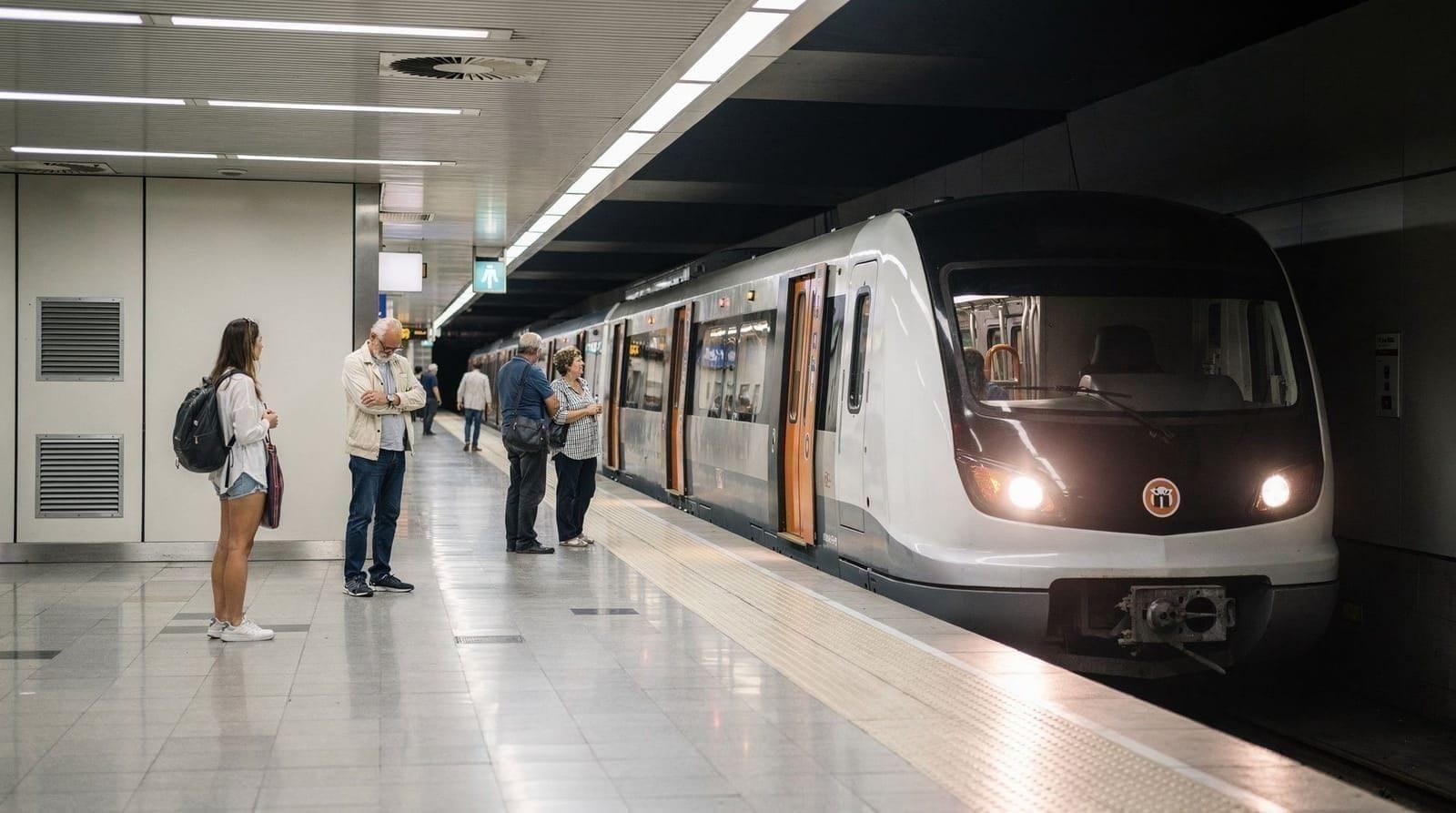
Metro: The nearest stations are Bailén (line 1) and Xàtiva (lines 3/5), both about 10 minutes walk from the center of Ruzafa. The tram stop at Gran Via del Marqués del Túria puts you closer to the north edge.
By bike: The cycle infrastructure connecting Ruzafa to the Turia Gardens and the old city is good. The Valenbisi guide covers the bike share stations, several of which are in Ruzafa.
Staying in Ruzafa
Hotels and apartments in Ruzafa offer better value than equivalent quality in El Carmen. For accommodation comparison across all neighborhoods, see the where to stay in Valencia guide.
The most practical areas within Ruzafa: the northern edge near Calle de Cuba gives the quickest walking access to Eixample and the train station. The core around Calle Cadis and Calle dels Literats is the most convenient for restaurants and bars. The southern edge near the railway viaduct is quieter and somewhat cheaper.
 paella workshop with tapas and Ruzafa market visitCheck availability
Ruzafa’s history and transformation
Ruzafa’s name comes from the Arabic Rusafa — a garden suburb of the Moorish city of Balansiya that was located outside the city walls in what is now this neighborhood. After the Christian reconquest of 1238, the area transitioned through various agricultural and peri-urban functions before becoming incorporated into the expanding 19th-century city.
The neighborhood’s modern character formed in layers. In the early 20th century, Ruzafa was a working-class district with significant immigrant populations (Italian, French, and eventually North African workers). The 1970s and 1980s saw it decline — high poverty rates, building deterioration, and the kind of neighborhood reputation that drives out investment. The 1990s brought the first wave of artists and young people drawn by cheap rents, which is the standard first act of gentrification everywhere in the world.
The difference in Ruzafa is that the second act — the boutique hotel, artisan coffee, and expensive cocktail bar phase — arrived but didn’t entirely displace the neighborhood’s working character. The Mercado de Ruzafa is still a genuine working market, not a food hall for tourists. The menú del día restaurants around Calle del Doctor Serrano still serve working lunches at €12-14. The bars on the quieter streets still have regulars who’ve been drinking there for 20 years.
This coexistence is fragile — every neighborhood at this stage of gentrification eventually tips into full tourist territory, and Ruzafa has enough Instagram presence to be at risk. But as of 2026, it remains more neighborhood than theme park.
The Ruzafa market in depth
The Mercado de Ruzafa (Calle del Doctor Serrano, entrance also via Calle de Dénia) was built in 1957 and has the utilitarian brick-and-iron character of Spanish mid-century market architecture. It’s not photogenic in the way the Art Nouveau Mercado Central is, but it’s significantly more functional.
Fish counter: The best reason to come. The display changes daily based on catch, but dorada (sea bream), lubina (sea bass), pulpo (octopus), gambas (prawns), and cloïsses (clams) are usually represented. Prices are 20-30% lower than tourist-facing alternatives. The fishmonger assumes you know what you want and how you’ll cook it — this is not a handled-with-care tourist market experience.
Fruit and vegetables: The Valencian citrus in season (November-March for clementines, December-February for the best naranjas) is exceptional. The tomatoes in summer are genuinely good. The stall on the western side usually has the best seasonal selection.
Bar counters for almuerzo: Two or three bar counters inside the market open from 08:00 for coffee and the mid-morning snack. The esmorzaret (Valencian almuerzo) — a coffee, a piece of bread or roll with some cured meat or a hot filling, sometimes a beer — is the correct Valencian working-class breakfast and costs €3-5. The esmorzaret guide covers this food culture in detail.
Cultural spaces and galleries
Ruzafa has an above-average concentration of independent cultural spaces for a neighborhood of its size:
La Rambleta (Calle de Músico Ginés, near the railway viaduct): A multi-use cultural center in a converted industrial space, with a cinema, music venue, café, and gallery. Programming tends toward independent film and mid-scale live music. The best venue in the neighborhood for catching a concert.
Several independent gallery spaces on Calle dels Literats and Calle de Sueca change their programming regularly. Most have free entry for visiting the exhibitions.
Bookshops: The independent bookshop culture in Ruzafa is stronger than in most of the city. Several shops stock Valencian-language literature alongside Spanish and international titles — a good sign for the neighborhood’s intellectual culture.
Street art and murals: Several buildings around Calle de Cuba and the streets near the market carry large-scale murals, part of an informal but tolerated street-art tradition that predates the neighbourhood’s more recent gallery scene. Unlike the curated street-art routes in El Carmen, Ruzafa’s murals are scattered rather than mapped — part of the appeal is stumbling across them while walking between a café and the market rather than following a fixed route.
Seasonal rhythms in Ruzafa
Las Fallas (March): Ruzafa has its own comissions falleres (neighborhood associations) that build and burn large papier-mâché sculptures on March 19. The neighborhood’s Fallas are smaller than the ones in the historic center but often more creative and less commercially minded. The atmosphere in Ruzafa during Fallas is festive and significantly less overwhelming than El Carmen.
Summer evenings: The outdoor terraces extend their hours in July and August, and the street life continues until very late. The cooler evening air (after 21:00) is when Ruzafa is at its most sociable. Tables outside on Plaça del Doctor Landete and the surrounding streets fill from 20:00 onward.
Gran Fira de València (July): Valencia’s summer festival extends into Ruzafa with outdoor concerts and neighborhood events. The market operates extended hours during festival weeks.
Ruzafa vs El Carmen: which should you choose?
This is the most common neighborhood comparison for Valencia visitors. Briefly:
Choose El Carmen if: You want to be in the medieval streets and step out directly into the monuments. You’re a first-timer who wants the visual “Valencia” experience from the hotel door.
Choose Ruzafa if: You eat well and want your evenings to be genuinely good. You’re staying more than 3 days. You prefer a local neighborhood feel to a tourist-center feel.
Both work well. The 15-minute walk between them is flat and pleasant. You can stay in Ruzafa and spend most of your time in El Carmen — the walking access is entirely practical. See the best area for first-time visitors guide for a framework tailored to shorter visits.
Ruzafa vs El Carmen at a glance
| Ruzafa | El Carmen | |
|---|---|---|
| Character | Local, residential, gentrifying | Medieval, tourist-monument-dense |
| Best for | Eating and drinking well | First-timers wanting landmarks on the doorstep |
| Price level | Slightly cheaper on average | Higher near main squares |
| Nightlife peak | Early-to-mid evening | Late night (after 02:00) |
| Walk between them | 15 minutes, flat | 15 minutes, flat |
Exploring Ruzafa without walking everywhere
For visitors who want a structured introduction rather than wandering block by block, a guided bike tour through Ruzafa and the neighbouring Eixample district covers more ground and adds context you’d otherwise miss — useful if you’re combining Ruzafa with a wider first-day orientation of the city:
 hidden tour of Eixample, Cánovas and RuzafaCheck availability
 authentic flamenco show at Hard Rock CaféCheck availability
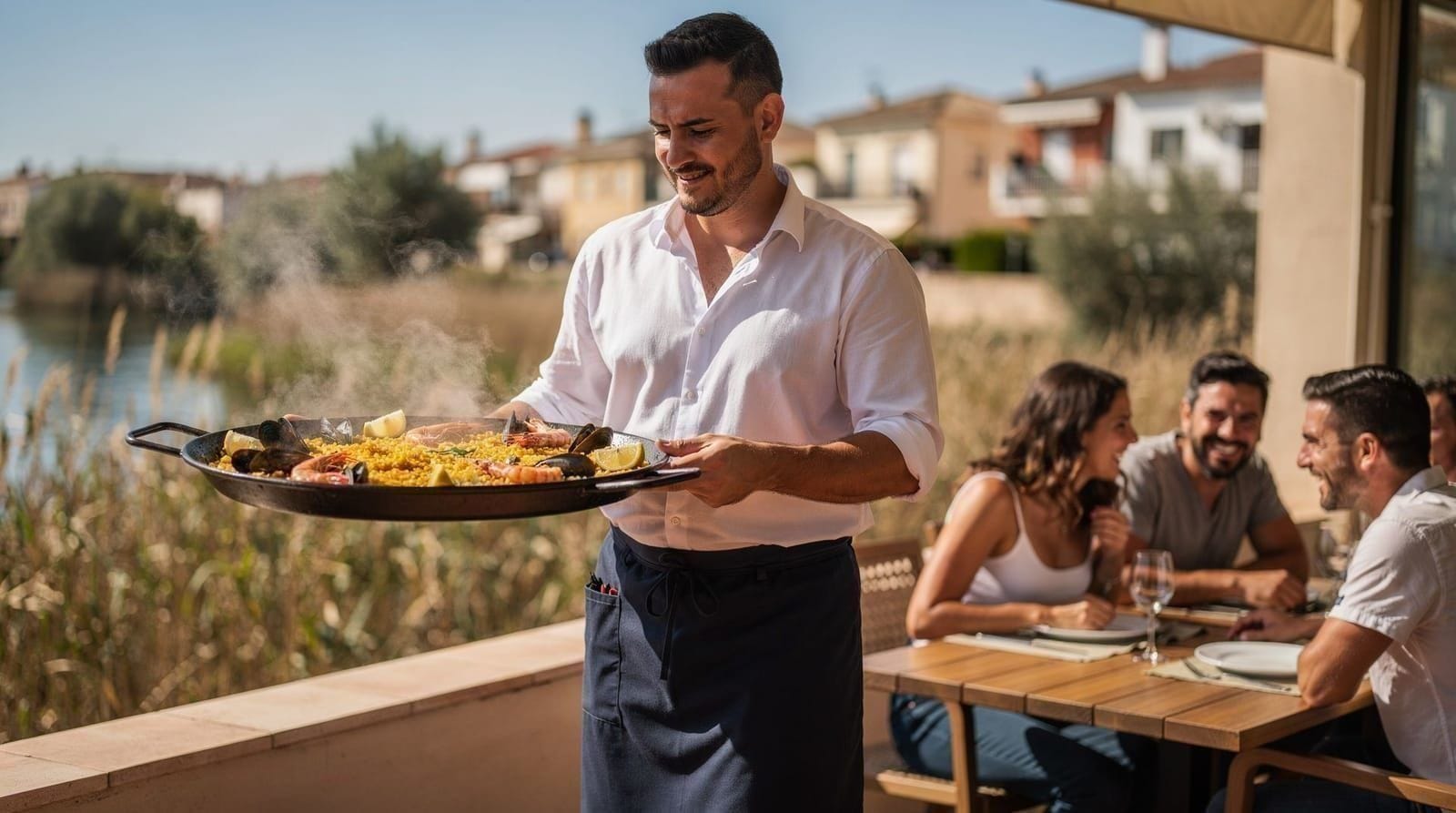
A hands-on alternative is a paella cooking class built around the neighbourhood market — you shop for ingredients at the Mercado de Ruzafa before cooking, which doubles as a genuine introduction to the market beyond a quick walk-through.
Getting around Valencia from a Ruzafa base
If you’re staying in Ruzafa, day trips and the main sights are all reachable without much friction: the metro and EMT bus guide covers routes from the Bailén and Xàtiva stations, both a short walk from the neighbourhood’s core. For restaurant recommendations beyond the Ruzafa-specific picks above, the best restaurants in Valencia guide rounds up the wider city, useful for evenings when you want to venture outside the neighbourhood.
The train station (Estació del Nord) sits roughly on the boundary between Ruzafa and the old town, which is a genuine practical advantage for a Ruzafa base: arriving by train from Requena, Xàtiva, or the airport puts you closer to your accommodation than if you were staying deep in El Carmen. The same applies in reverse when you’re heading out on a day trip — a Ruzafa stay shaves a few minutes off the walk to the station compared with most old-town hotels.
Frequently asked questions about Ruzafa
Is Ruzafa the same as Russafa?
Yes. Russafa is the Valencian-language spelling (and the original toponym); Ruzafa is the Spanish-language spelling. Both are in common use in Valencia — you’ll see both on street signs and in restaurant addresses. The neighborhood is most commonly called Ruzafa in day-to-day Spanish conversation, Russafa in Valencian-language contexts.
Is Ruzafa safe at night?
Ruzafa is safe at night by the standards of a European city. Street lighting is good, the bar and restaurant activity keeps streets active until late, and the main incidents are the standard urban issues (bag snatching, bicycle theft). The quieter streets to the south and southeast of the neighborhood can feel empty after midnight but are not dangerous.
What time do restaurants open in Ruzafa?
Lunch service typically opens 13:30-14:00. Dinner service opens 21:00-21:30. Arriving before these times will often get you a table, but arriving “European” early (dinner at 19:00) will result in an empty restaurant and sometimes confused staff. This is normal in all of Valencia, not just Ruzafa.
Are there budget options in Ruzafa?
Yes. The menú del día (three-course lunch with drink) at most neighborhood restaurants is €12-15. The Mercado de Ruzafa has prepared food counters with full meals for €5-8. Breakfast at a local bar (coffee and a toast with tomato and olive oil) costs €2.50-4. It is possible to eat very well in Ruzafa without spending much.
How walkable is Ruzafa?
Ruzafa is flat and on a regular grid, making it easier to navigate than the old city. The main commercial streets are pedestrianized or low-traffic. It’s an easy neighborhood to walk around; the Turia Gardens cycle path connects the north end of Ruzafa to the old city and the park without any traffic.
Top experiences
Bookable activities with verified prices and instant confirmation on GetYourGuide.