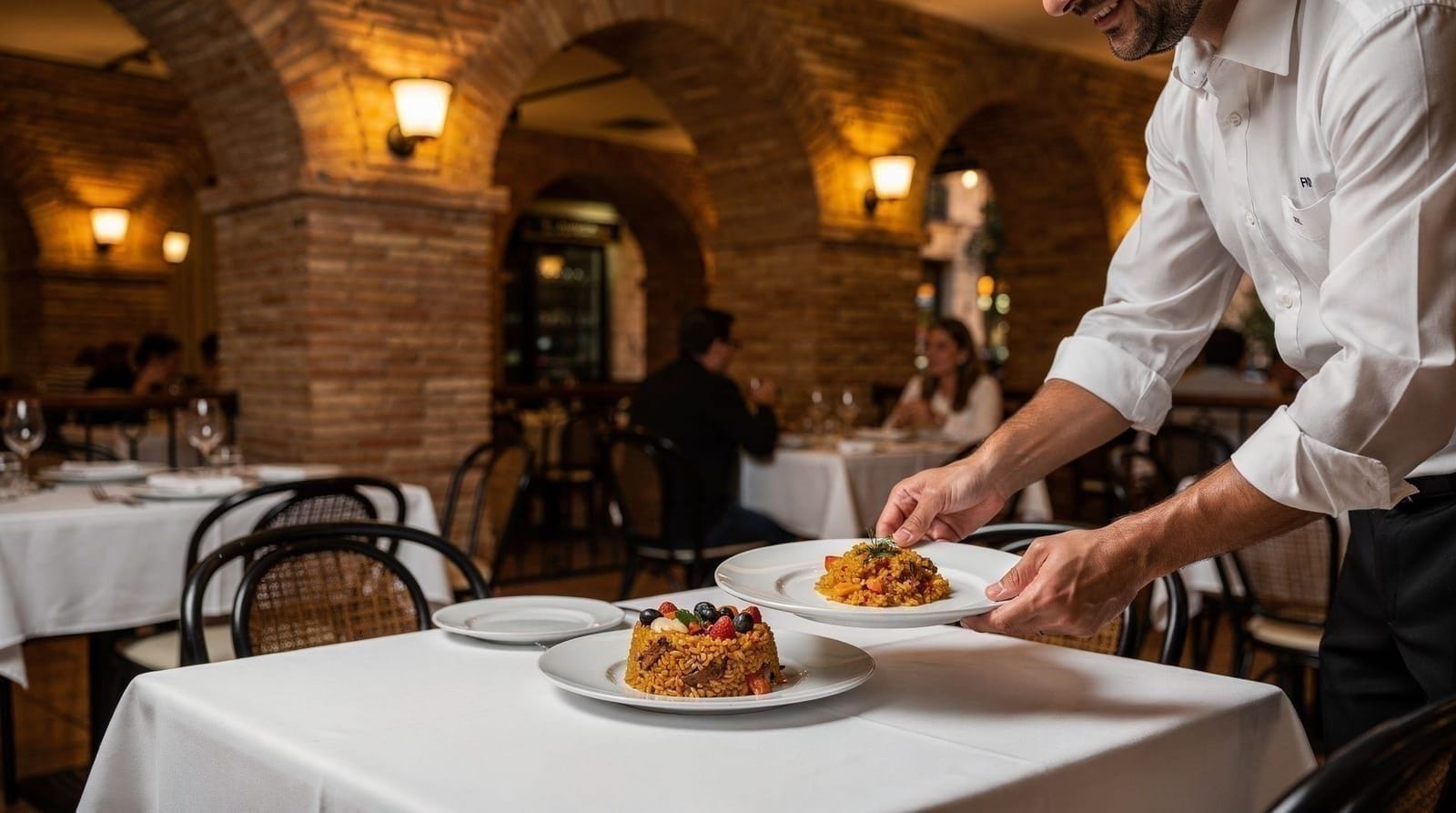
Mercado de Colón Valencia: food halls, bars and cafés guide
Valencia: hidden tour of Eixample, Cánovas and Ruzafa
What is the Mercado de Colón in Valencia?
The Mercado de Colón is a 1916 Modernista building in the Eixample neighbourhood, originally a food market and now a high-end food hall and bar complex. Entry is free. Best visited for a morning coffee or an evening vermouth — the architectural ironwork and ceramic tiles make it one of Valencia's most beautiful interiors.
The Mercado de Colón is one of Valencia’s finest pieces of Modernista architecture and one of its more pleasant spaces to spend an hour or two over food and drink. Built between 1914 and 1916 by Francisco Mora Berenguer (a contemporary and stylistic relative of the Barcelona Modernisme architects), it served as a covered food market for most of the 20th century before being restored and reopened in 2003 as a food hall and bar space. It sits in the middle of the Eixample neighbourhood, about equidistant between the old city and the Russafa/Ruzafa district.
| Where | Calle de Jorge Juan 19, Eixample |
| Cost | Free entry; cortado + vermut + pintxo around 8–12€ |
| Time needed | 45–90 minutes |
| Getting there | Colón metro (lines 3, 5), 50 m from the entrance |
| Best time | Morning (09:00–11:00) or Sunday vermouth hour (12:00–14:00) |
The building
The structure is a single large nave of iron columns and glass, with elaborate Modernista ornament in glazed ceramic tiles and wrought ironwork on the facade and arcade frontages. The main entrance on Calle de Jorge Juan faces southwest; the lateral facade on Calle del Conde Altea faces northeast.
The ironwork is the highlight architecturally — large decorative panels above the entrance arches depicting fruit, vegetables, and marine life in painted iron reliefs, representing the produce historically sold inside. The ceramic tile work in blues, greens, and oranges on the facade columns and cornices is well-preserved and in the Valencian Modernista style that also characterises the Central Market building (though the Central Market, built a decade later, is larger and more ambitious).
The interior has been comprehensively but respectfully renovated. The original iron column structure is retained; the market stalls have been replaced by permanent restaurant and bar units around the perimeter, with the central space used for standing room and small tables.
What to eat and drink
The Mercado de Colón operates as an upmarket food hall. The permanent tenants include:
Coffee and breakfast: The best time to visit is morning (09:00–11:00) when several of the café operators serve good espresso and pastries. Prepare to pay Barcelona-level prices — a cortado here costs €2.50–3.50 rather than the €1.50 you would pay at a neighbourhood bar.
Vermouth (vermut): The Colón is one of Valencia’s preferred venues for the Sunday morning vermouth hour (la hora del vermut), typically between 12:00 and 14:00. Multiple operators serve vermut from the tap with olives and pickled anchovies. This is a legitimate local practice here, not a tourist performance.
Wine and pintxos: Several operators serve Basque-style pintxos (small open sandwiches) alongside wine and cava by the glass. This works well as a late-afternoon or early-evening option before dinner.
Horchatería: A branch of a well-known Valencia horchatería operates inside the Colón, serving horchata and fartons in the traditional manner. Horchata de chufa — made from Valencia’s tiger nuts — tastes best cold from a horchatería that makes it daily rather than from a café that serves it from a commercial carton. The Colón branch is consistent.
Honest assessment
The Mercado de Colón is a beautiful building with competent but not exceptional food. It occupies a useful position in the Valencia visit — a pleasant mid-morning or late-afternoon stop rather than a destination for serious eating. The architecture justifies the visit independently of the food.
Prices are high by Valencia neighbourhood standards but reasonable by tourist-district standards. A cortado, a glass of vermut, and a pintxo here will cost €8–12 per person. The same quality of coffee at half the price is available at the dozens of neighbourhood bars in the surrounding Eixample streets.
For serious eating in the area, the Russafa neighbourhood (15 minutes’ walk south) and the broader Eixample have better options at lower prices. See the best restaurants in Valencia guide for specific recommendations.
Practical information
Opening hours (2026):
- Daily 10:00–01:00 (individual operators may vary; most active 10:00–14:00 and 18:00–23:00)
- Individual tenants set their own hours — some close Monday and Tuesday
Entry: Free at all times
Location: Calle de Jorge Juan 19, in the Eixample neighbourhood. About 15 minutes’ walk from the Cathedral and 15 minutes from Plaza del Ayuntamiento.
Getting there:
- Metro: Colón station (lines 3, 5) is directly adjacent to the market — the station exit is 50 metres from the main entrance.
- By foot from the old city: 15 minutes southeast from Plaza del Ayuntamiento along Gran Vía.
- By bike: The cycle lanes on Calle del Conde Altea pass directly in front of the building.
Combining with nearby attractions
The Colón’s location in the Eixample makes it a natural stopping point on several Valencia circuits:
Old city to Russafa walk: The Mercado de Colón sits midway between the historic centre and the Russafa neighbourhood. A walking afternoon that starts at the Central Market, passes through the old city, stops at the Colón for a coffee, and ends in Russafa for dinner covers most of Valencia’s commercial and culinary geography in a single circuit.
Eixample architectural walk: The Eixample neighbourhood contains several other Modernista buildings and contemporary architecture worth seeing. The Eixample guide covers the neighbourhood in detail.
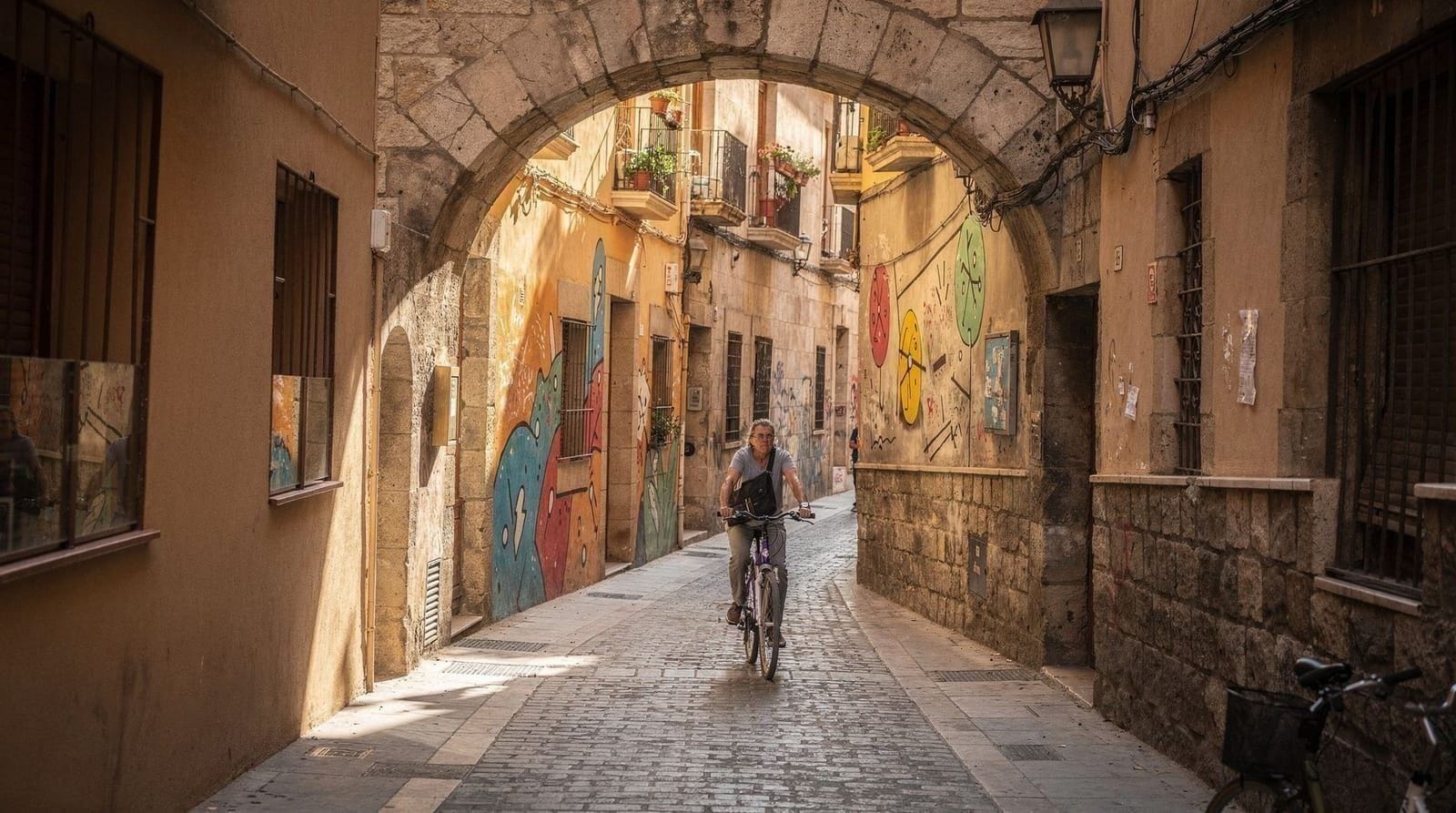
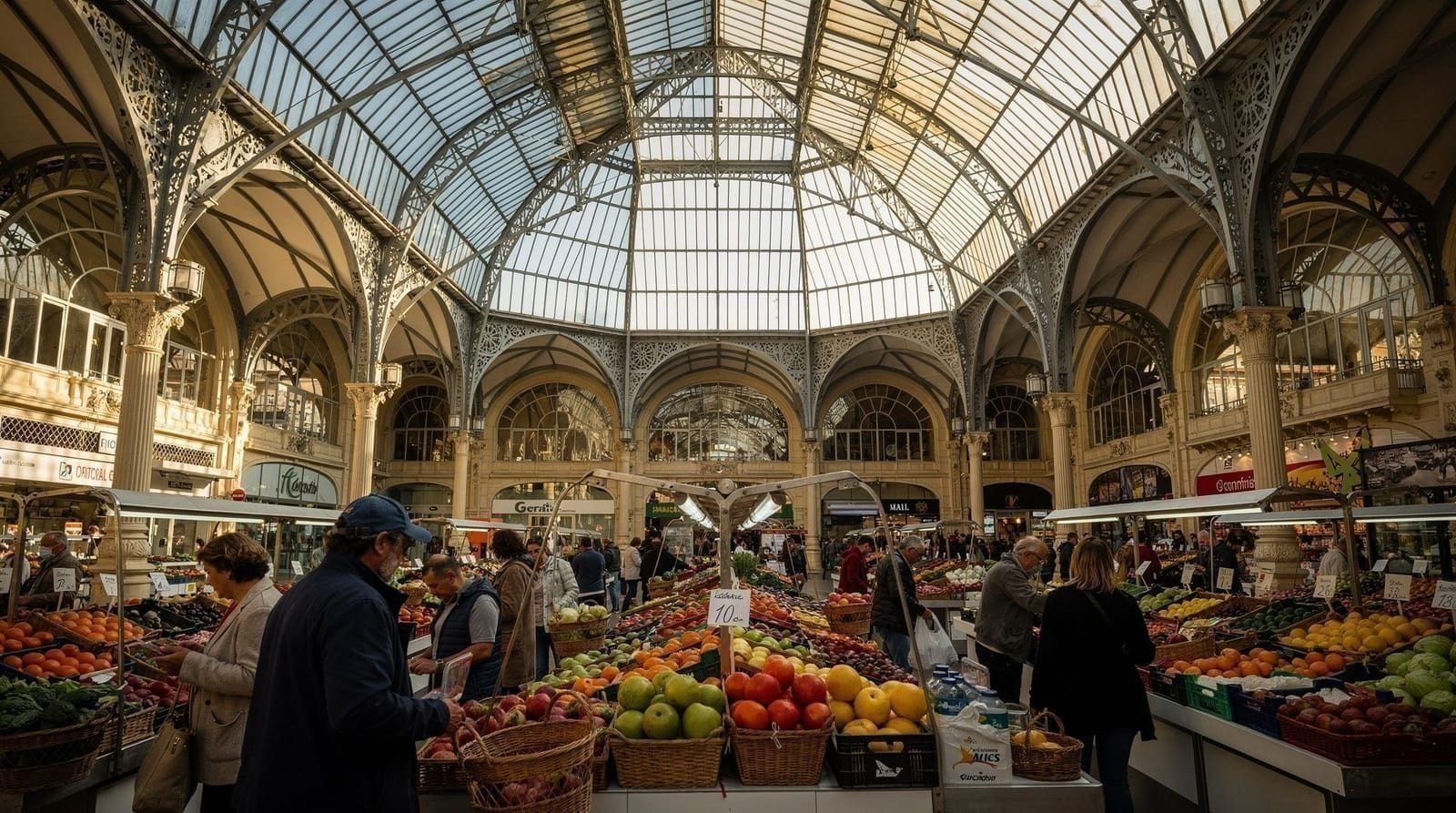 hidden tour of Eixample, Cánovas and RuzafaCheck availability
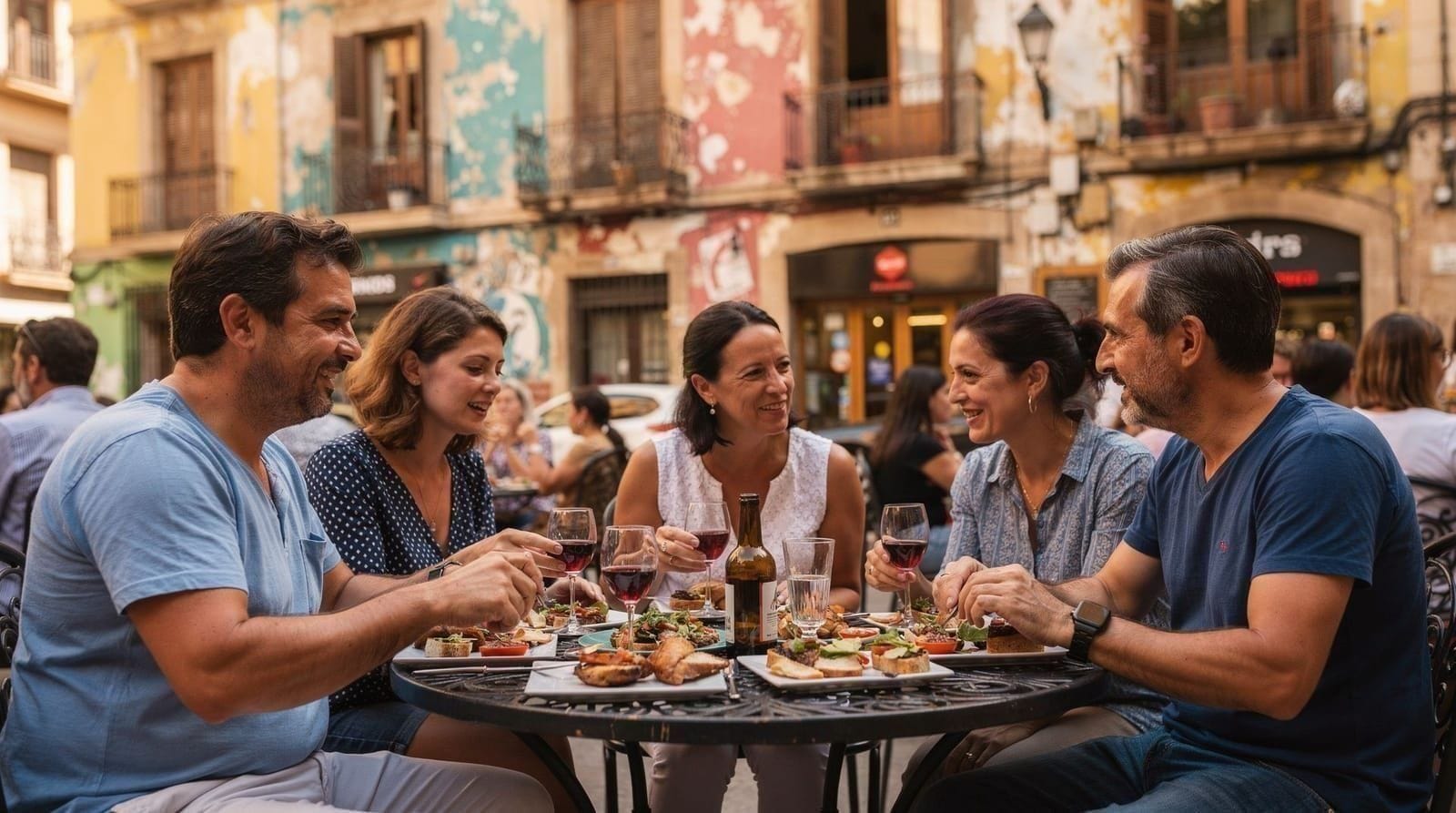
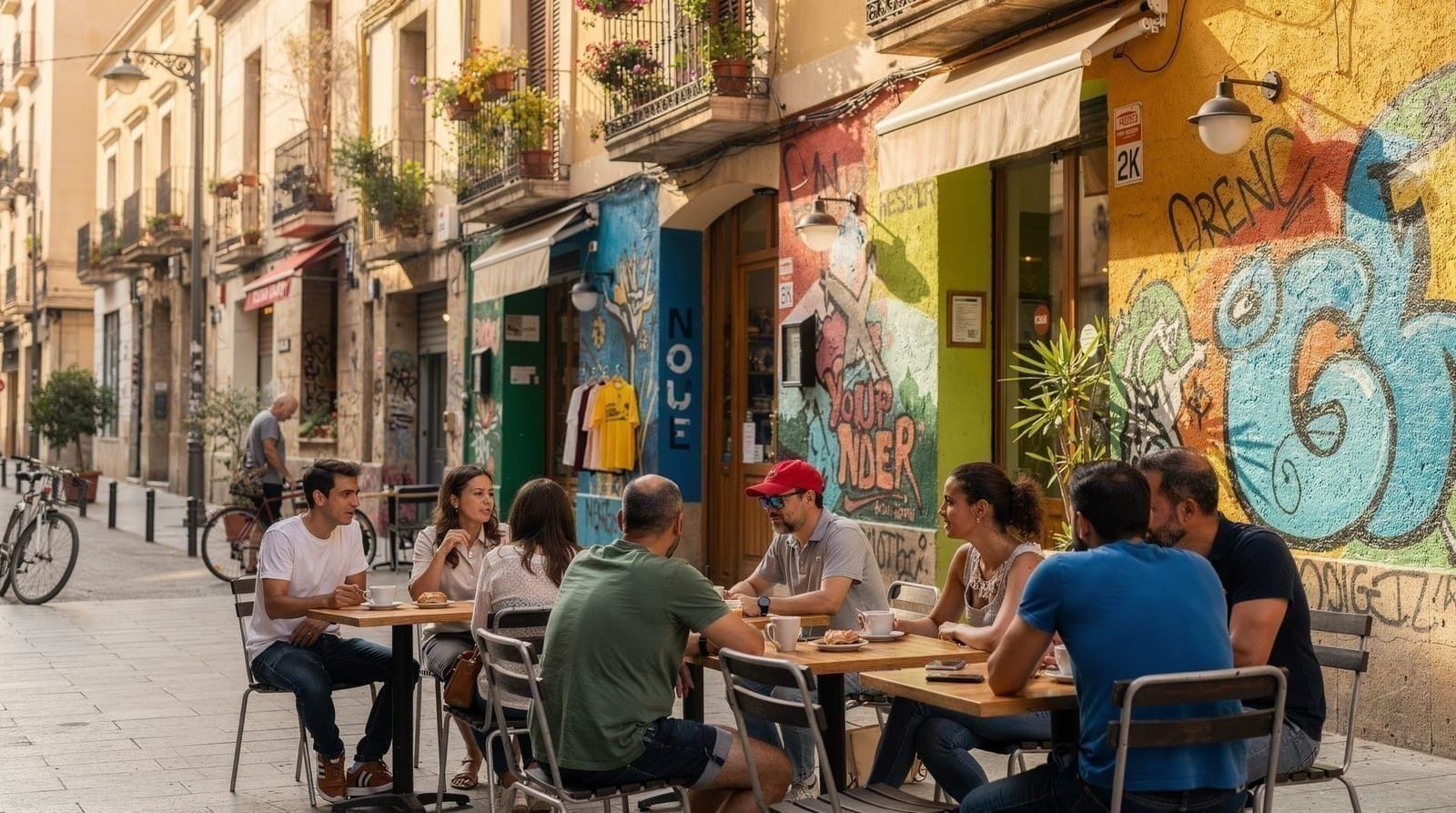
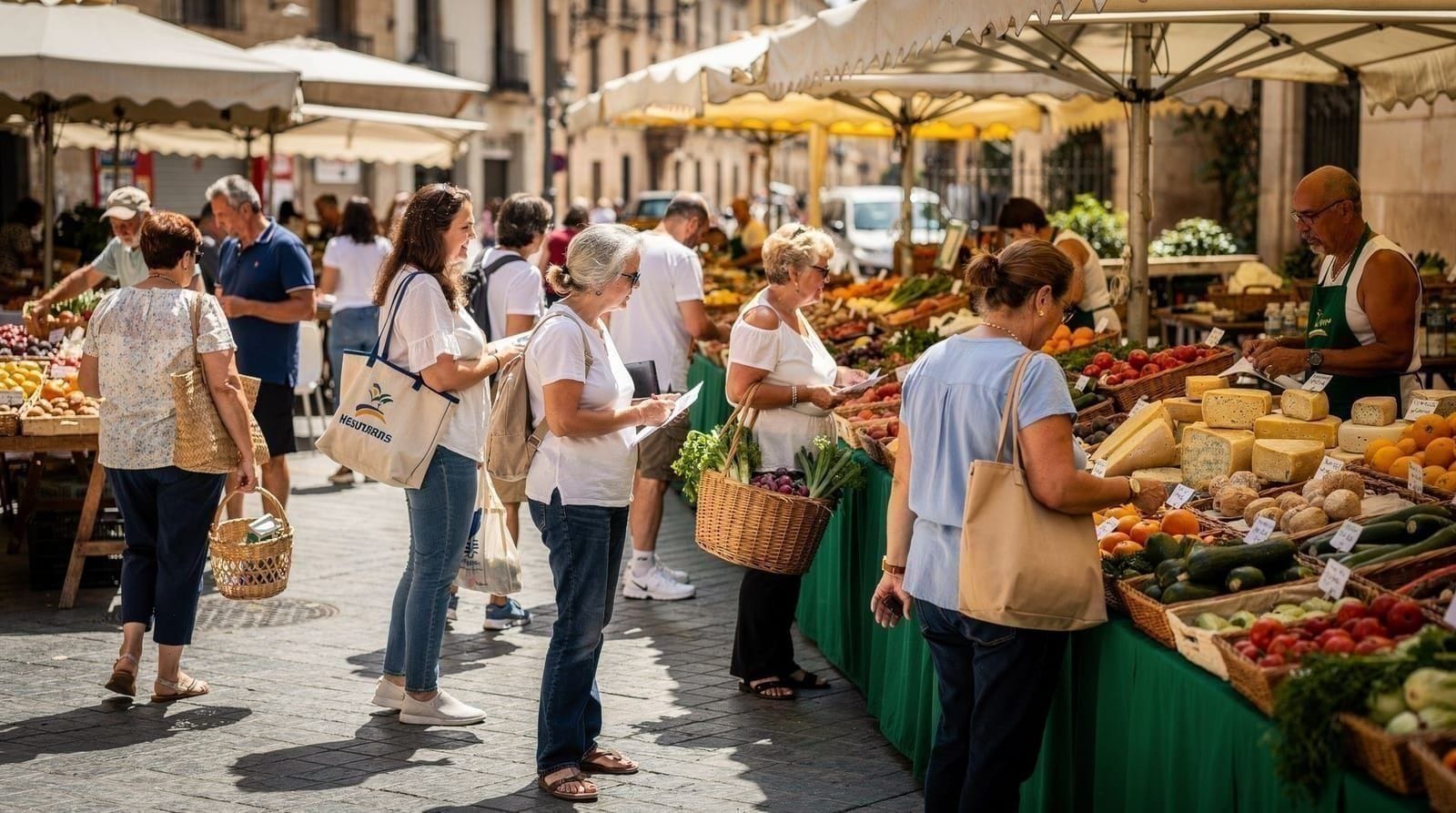 food tour with tapas and drinksCheck availability
Evening food tour: Several Valencia food tour operators use the Mercado de Colón as a starting or ending point for evening tapas circuits. The location between the old city and Russafa makes it a logical pivot.
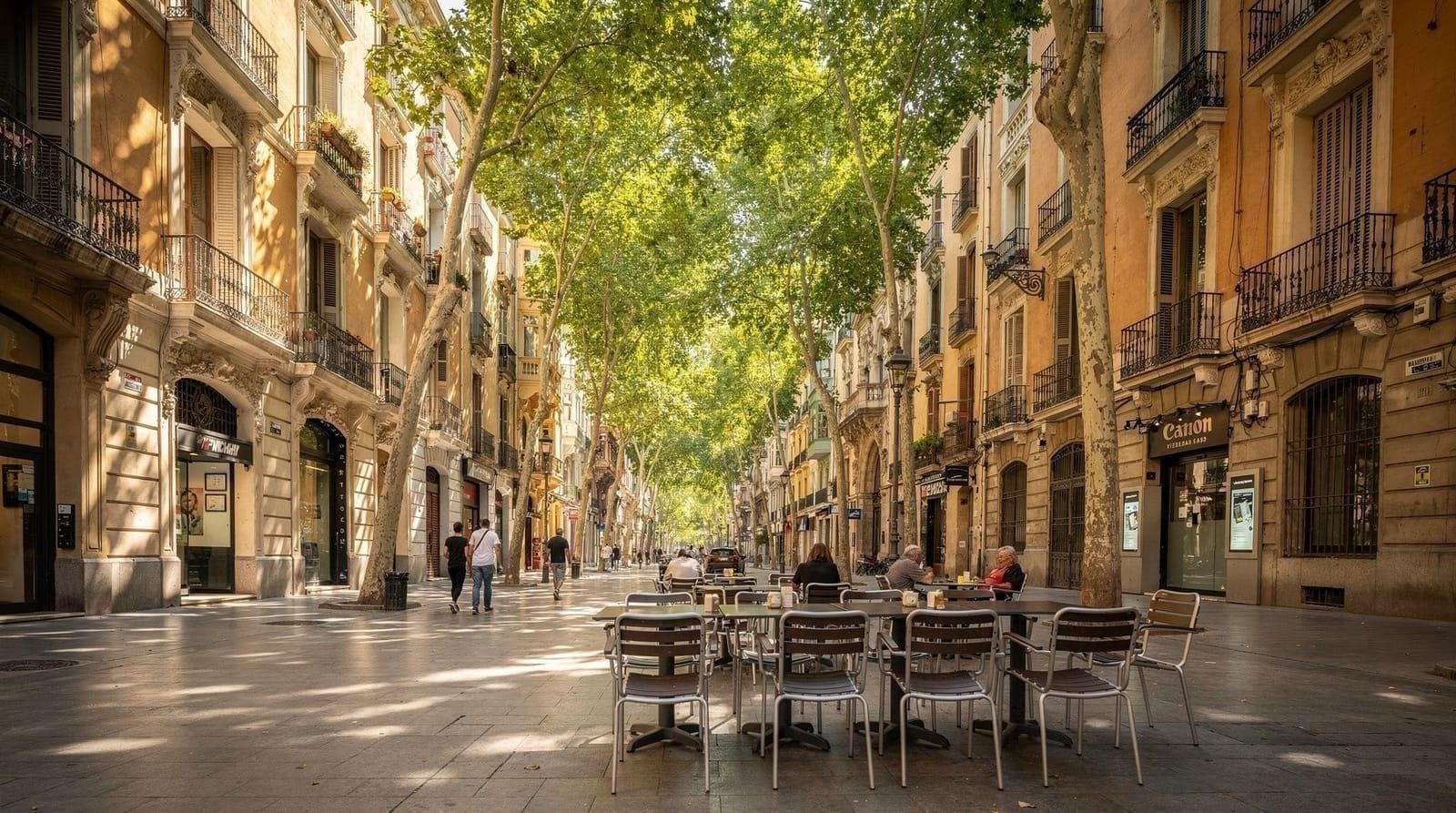
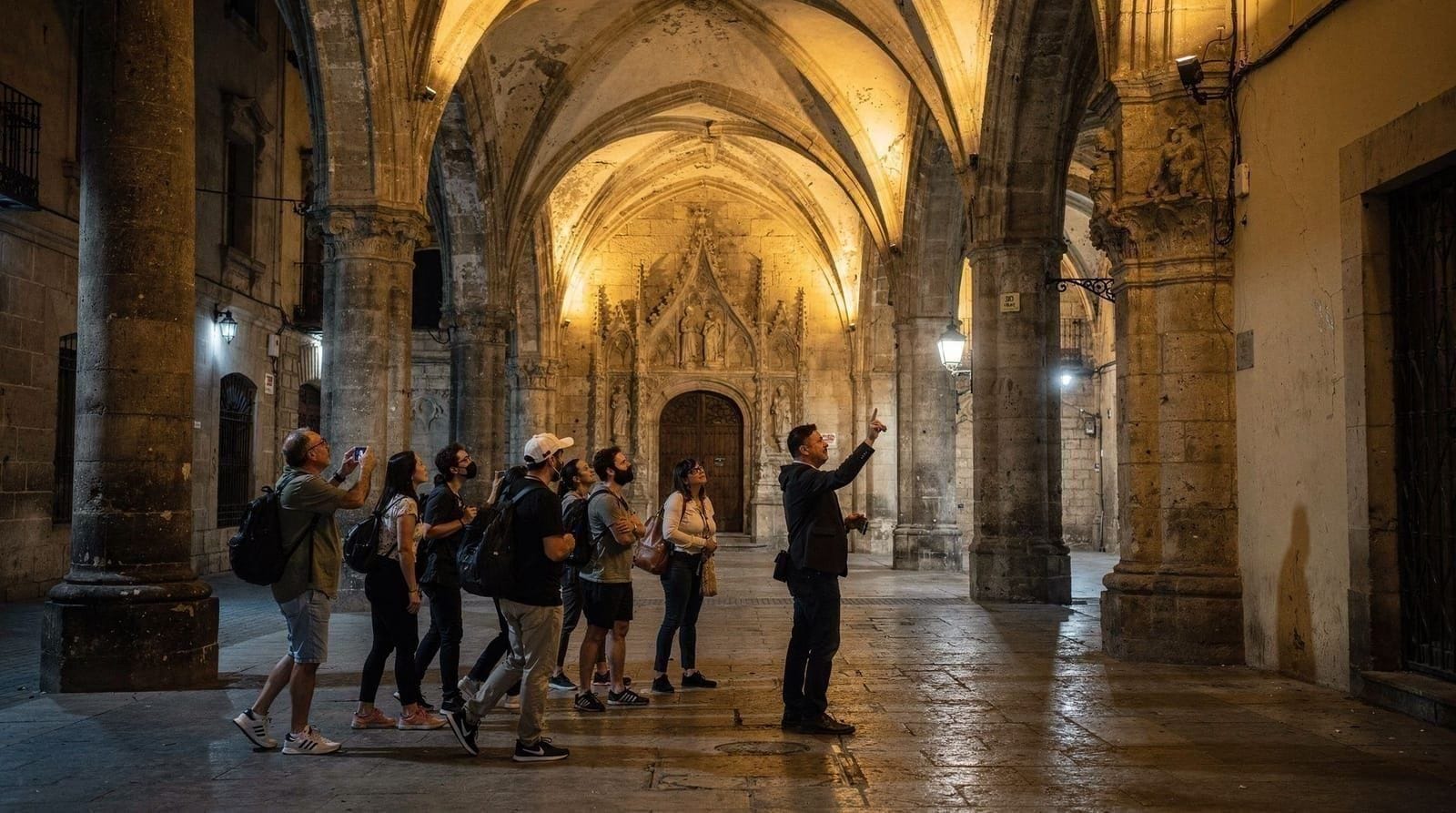 tapas and drinks evening tourCheck availability
A short circuit around the Colón
Because the Colón sits roughly midway between the historic centre and Russafa, it works well as a pause rather than a destination in itself. A practical half-day sequence: start at the Cathedral in the morning, walk 15 minutes southeast through Gran Vía to the Colón for a coffee, then continue 15 minutes further south into Russafa for lunch. This covers Modernista architecture from two different eras — the 19th-century Cathedral quarter and the early-20th-century Eixample — without backtracking.
If time is tighter, the Colón also pairs naturally with a Eixample-focused walk: the neighbourhood’s wide 19th-century boulevards, covered in the Eixample guide, contain several other Modernista buildings within easy reach on foot, making the market a logical midpoint rather than a detour.
How to spend your time inside
The Colón rewards a slow visit more than a purposeful one. Walk a full lap of the perimeter before ordering anything: the tenants change character from one side of the nave to the other, and seeing what is being poured and plated helps you choose. Then pick a spot near the central standing area, where you can look up at the iron columns and the glass while you drink. Most visitors order at the first counter they reach and miss half of what is on offer.
If you are travelling with a companion, split the order. One person takes coffee and a pastry, the other a vermut and a pintxo, and you swap halfway. It keeps the bill modest and lets you compare the operators without committing to a full meal at any of them. It is also an easy way to stay flexible if you are only passing through between sights.
Photography is easiest early, when the light enters the nave cleanly and the tables are not yet full. Later in the day the standing room fills and the ironwork is harder to frame. If the architecture is your main reason for coming, treat the food as the entry fee to a long look rather than the point of the visit. The same tile and ironwork sensibility appears across the city, and our Modernisme in Valencia guide shows where to follow it next.
The Eixample setting
The market makes more sense once you understand the district around it. The Eixample was laid out as a planned expansion beyond the old walls, with straight streets and generous corners, and the Colón was built to feed that new bourgeois quarter. The Eixample neighbourhood page explains how the grid developed, and the Eixample guide gives you a practical route through it on foot.
Walking in from the old city, you notice the change of scale: wider pavements, taller façades, more café terraces and fewer tourist menus. That shift is part of the pleasure of the Colón. You are no longer in the postcard-heavy streets around the Cathedral, and the people at the next table are as likely to be locals on a break as visitors. For a wider sense of how the city’s areas differ, the best area for first-timers page compares them, and where to stay in Valencia helps if you are choosing a base nearby.
Eating around the Colón
You do not have to eat inside the market to enjoy it. A sensible plan is to treat the Colón as the drink-and-look stop and keep your meal for somewhere with more local pricing. The menú del día guide explains how the fixed-price weekday lunch works, which is usually the best-value way to eat a proper meal in the neighbourhood. If you want the Valencian dishes themselves, the guide to ordering paella and the warning about paella traps will keep you away from the wrong places, and the honest guide to tourist menu traps covers what to avoid near the busier squares.
For a broader picture of how locals eat across the day, the eat like a local guide is a useful companion, and the esmorzaret and almuerzo guide explains the mid-morning meal that fits neatly with a morning visit here. If horchata caught your eye, horchata and fartons goes into what to expect and how to order. For a fuller set of food stops, Valencia’s food markets places the Colón alongside the other market halls.
Who this stop suits
The Colón suits travellers who like architecture and want a comfortable place to rest between walks. It works well for couples looking for an evening drink, for a first morning when you want a gentle start, and for anyone who needs a dependable stop with seating when the weather turns. Families can use it as a pause, though it is a bar-and-café environment rather than a place built around children, so keep expectations modest; the Valencia with kids guide is better for planning a child-centred day.
It suits less well anyone on a tight food budget or anyone hoping for a market in the traditional sense. If you want to see produce, fish and local shoppers at work, go to the Central Market instead, and read the Central Market food guide before you go. The Colón is a place to sit, look and sip.
Planning it into a longer visit
The market slots easily into a wider plan. If you are building a short stay, the Valencia first weekend itinerary and the one-day itinerary both pass through areas close enough to include a pause here. Food-focused visitors can use the Valencia for foodies itinerary as a frame and treat the Colón as a drink stop within it. Getting between stops is simple with the metro and EMT guide, and the Valenbisi bike share guide helps if you would rather cycle.
Weather affects how you use the building. On a hot day the shade and the open nave are welcome; on a wet day it is a good indoor refuge. See when to visit Valencia to match your trip dates to the season you prefer.
The Colón vs. the Central Market
Visitors sometimes ask which market to visit. They are different experiences:
- Central Market: A working food market with 1,200 stalls selling fresh produce. Best for buying ingredients, understanding Valencian food culture, and seeing one of Europe’s greatest market buildings in daily use. Open mornings only (until 15:00), closed Sundays.
- Mercado de Colón: A food hall in a beautiful building. Best for a coffee or drink in a remarkable space. Open all day and evening, open Sundays.
Both are worth visiting and they complement rather than duplicate each other.
Top experiences
Bookable activities with verified prices and instant confirmation on GetYourGuide.