Eixample Valencia: the calm, walkable neighborhood between old and new
Valencia: hidden tour of Eixample, Cánovas and Ruzafa
What is Eixample in Valencia?
Eixample (or Ensanche) is Valencia's 19th-century expansion district — a regular grid of wide boulevards and ornate buildings between the old city and Ruzafa. It's calmer than El Carmen, better connected than the City of Arts area, and offers the best balance of walkability and value for longer stays.
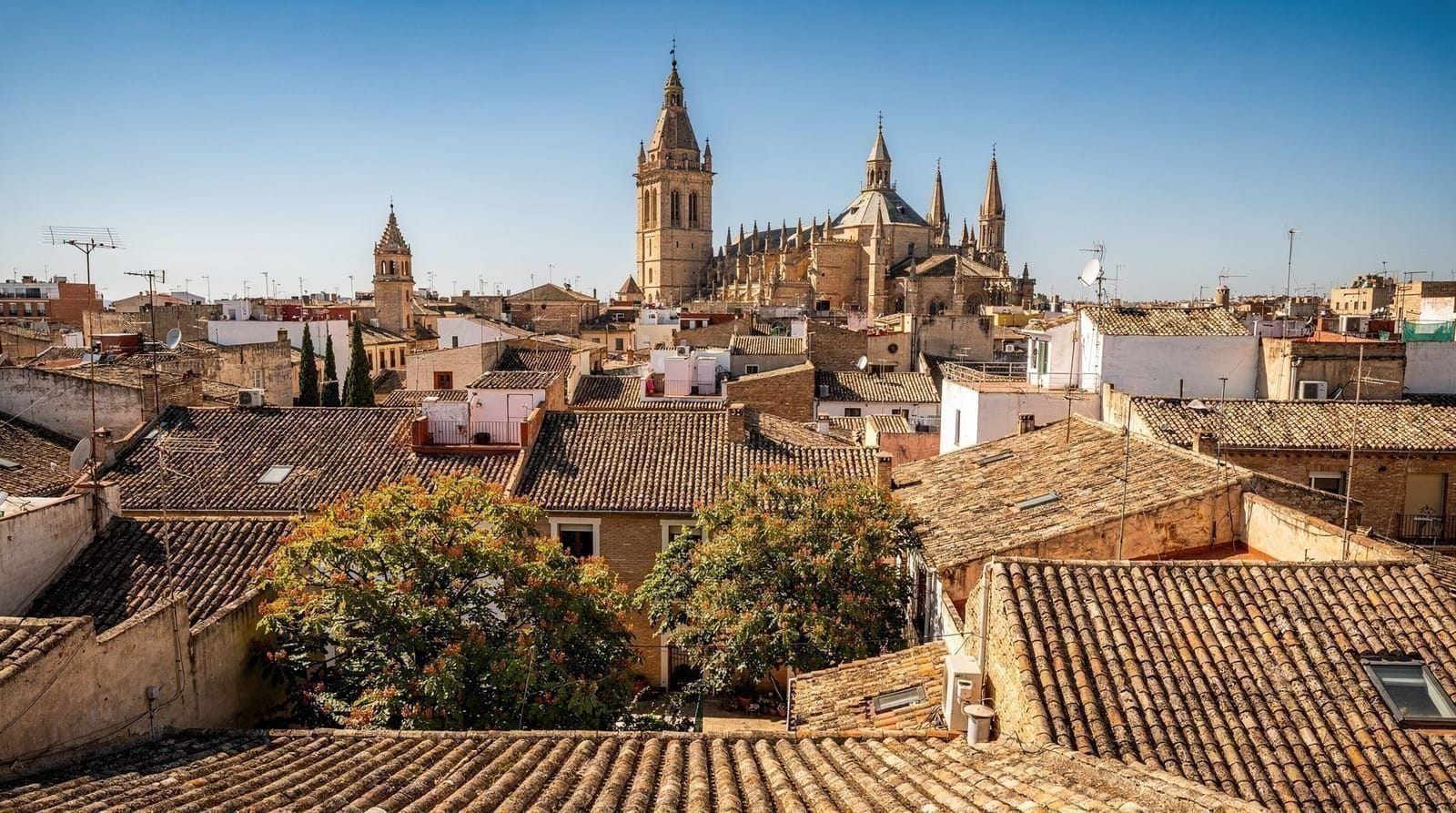
The Eixample (Ensanche in Spanish, expansion in English) is Valencia’s orderly 19th-century answer to the question of where to put a rapidly growing population once the medieval walls became a constraint. The city demolished the walls in the 1860s and replaced them with a wide boulevard, then laid out an orthogonal grid of streets and city blocks that now forms the central backbone of modern Valencia.
It’s not a glamorous neighborhood — it lacks the medieval mystery of El Carmen and the food-and-bar density of Ruzafa — but it is an extremely functional place to stay, especially for longer visits.
The character of Eixample
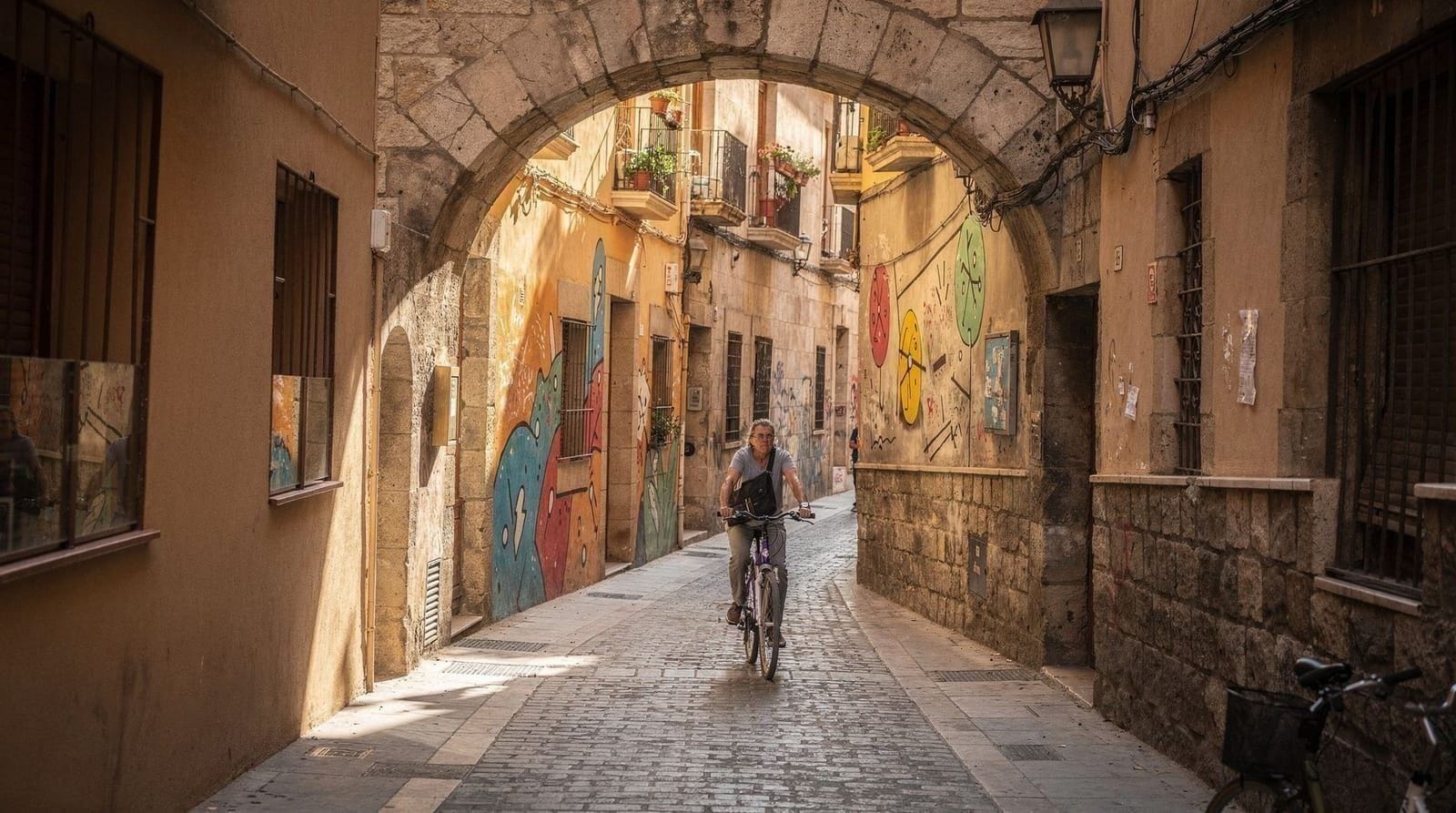
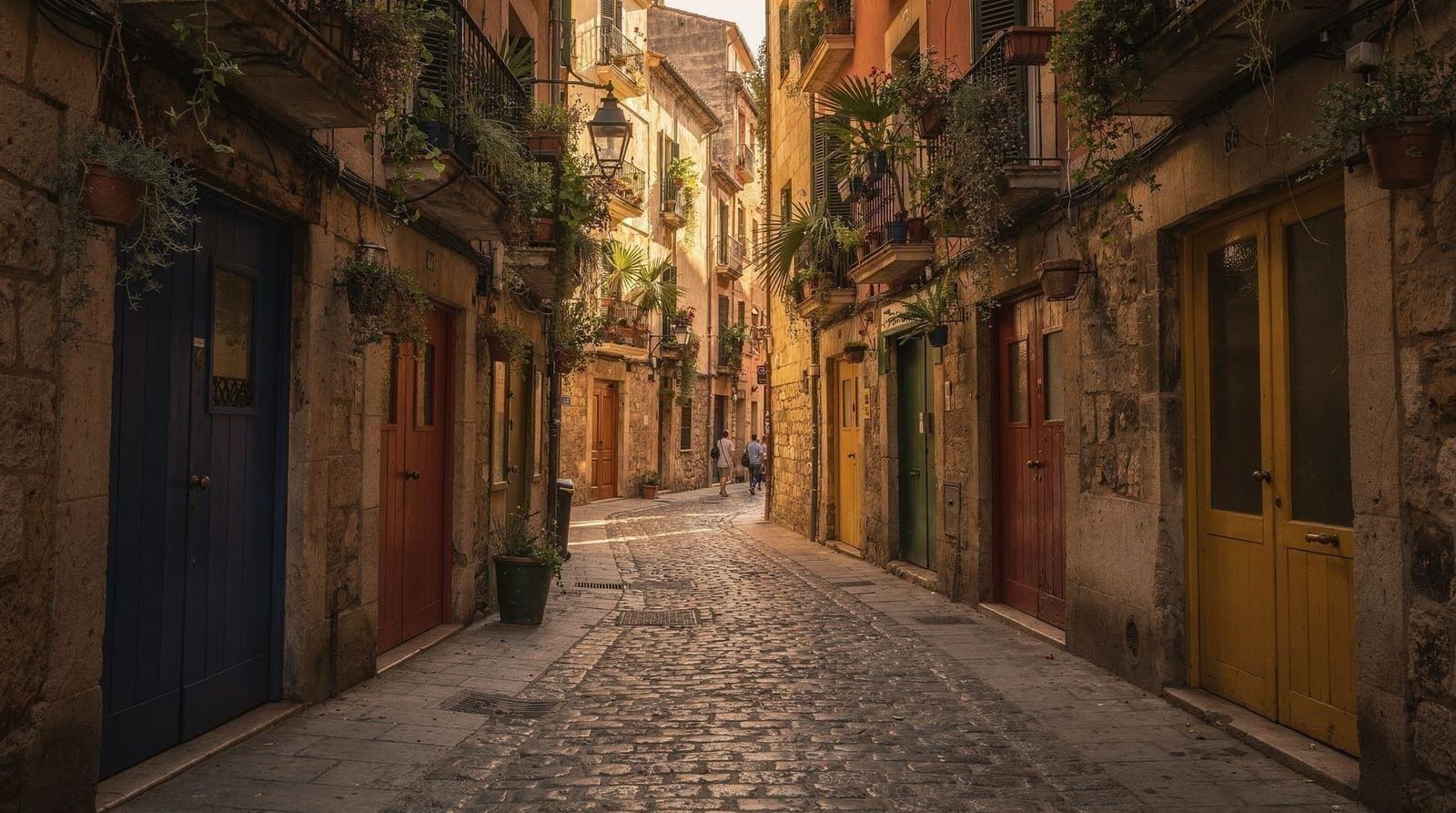
Wide tree-lined boulevards are the defining feature: Gran Via del Marqués del Túria, Calle de Colón, Calle de Xàtiva, and the Paseo de Ruzafa (the north edge of what’s now called Ruzafa) create an airy framework of main arteries. The side streets between them are narrower but still well-proportioned compared to the medieval lanes of El Carmen.
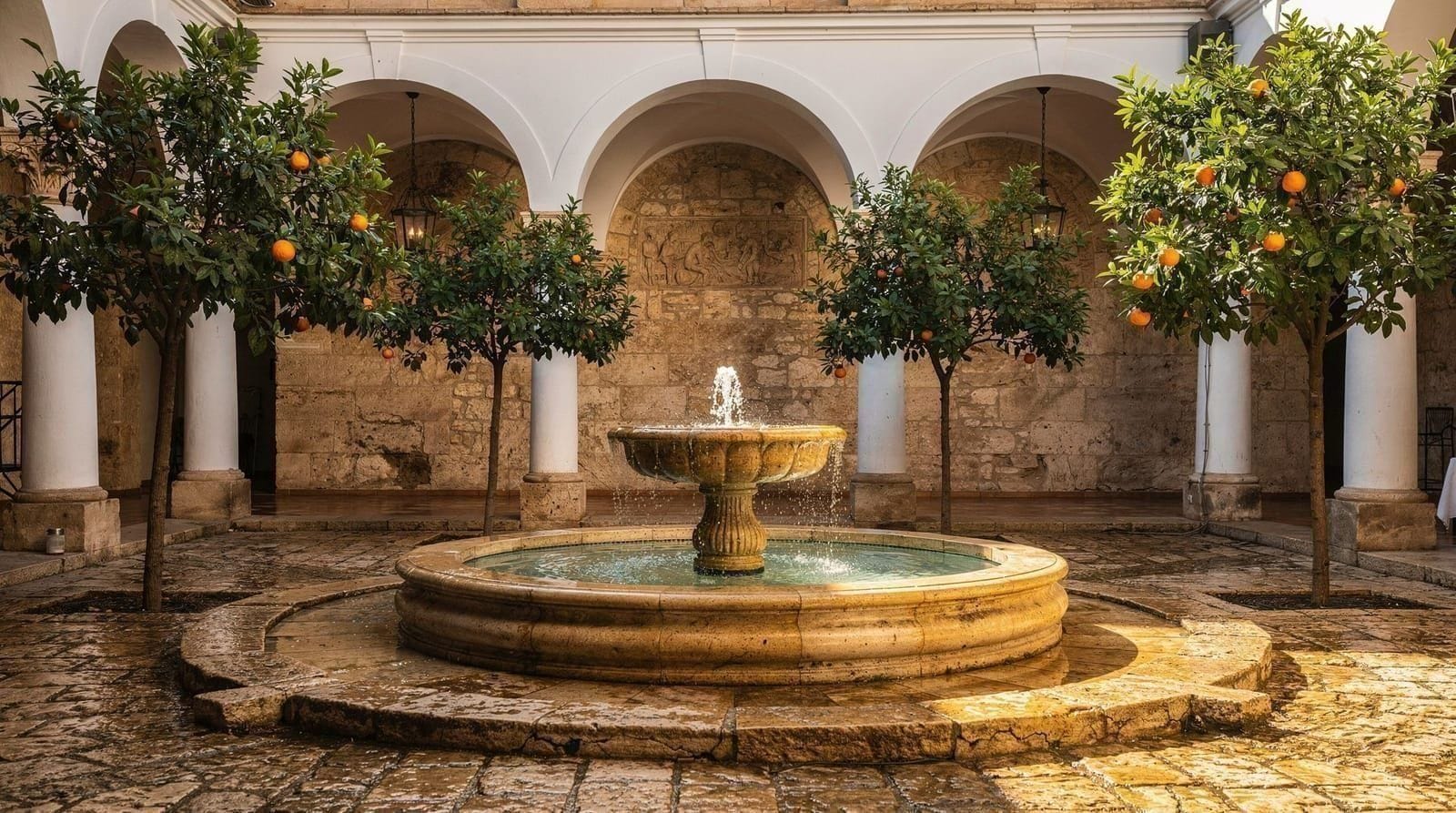
The architecture is a mix of late 19th-century eclecticism, Modernist buildings from the early 20th century, and mid-century apartment blocks. The most ornate buildings are clustered around Calle de Cirilo Amorós and the axis of Gran Via — these are the residences of the bourgeoisie of the 1890s and 1910s, with elaborate ceramic tile facades, ornate iron balconies, and occasionally very good Art Nouveau detailing.
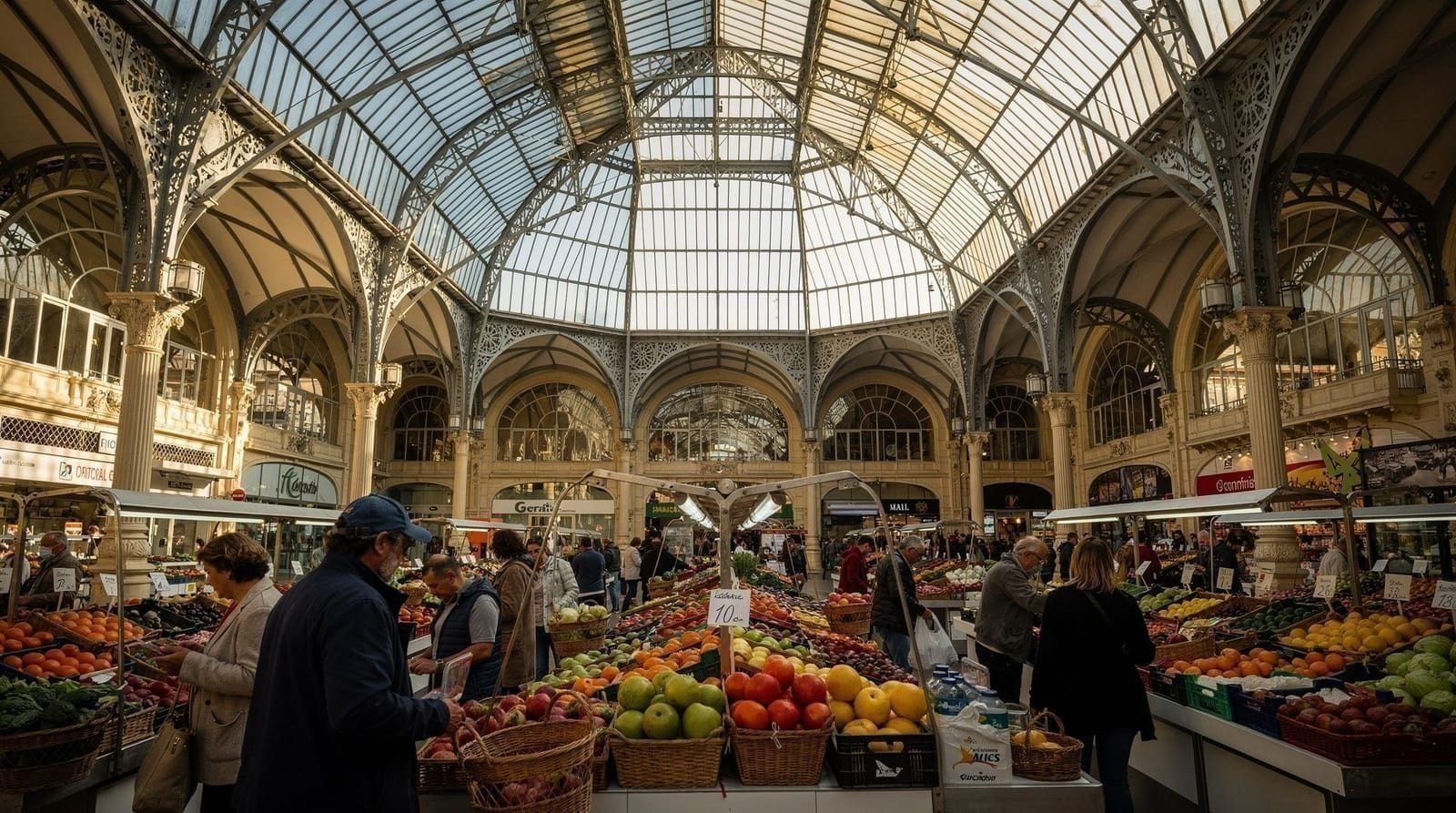
Mercado de Colón: The Mercado de Colón (Calle de Jorge Juan) is the architectural anchor of Eixample — a 1916 Art Nouveau market building with a magnificent iron and glass interior by Francisco Mora Berenguer. Unlike the Mercado Central, it’s no longer a functioning fresh produce market; it’s been converted into a food court and restaurant space. This has had mixed results: the building is extraordinary, the food offer ranges from genuinely good (craft beer bar, artisan cheese stall) to tourist-facing mediocre. Worth a look for the architecture; eat here only at the better operators.
Eating and drinking in Eixample
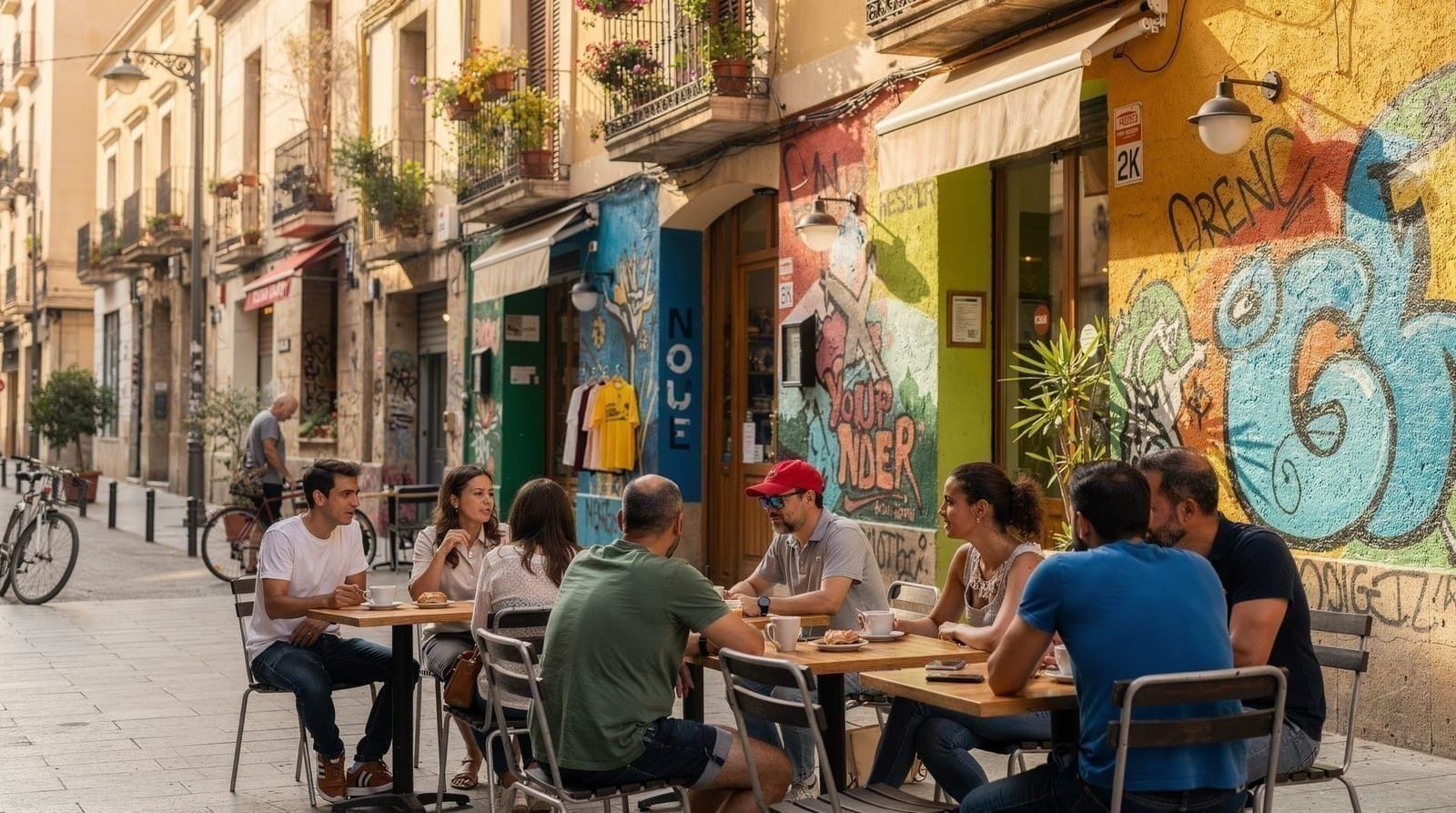
Eixample has good food options spread across the grid — a different character than the concentration of Ruzafa, but with some strong individual places.
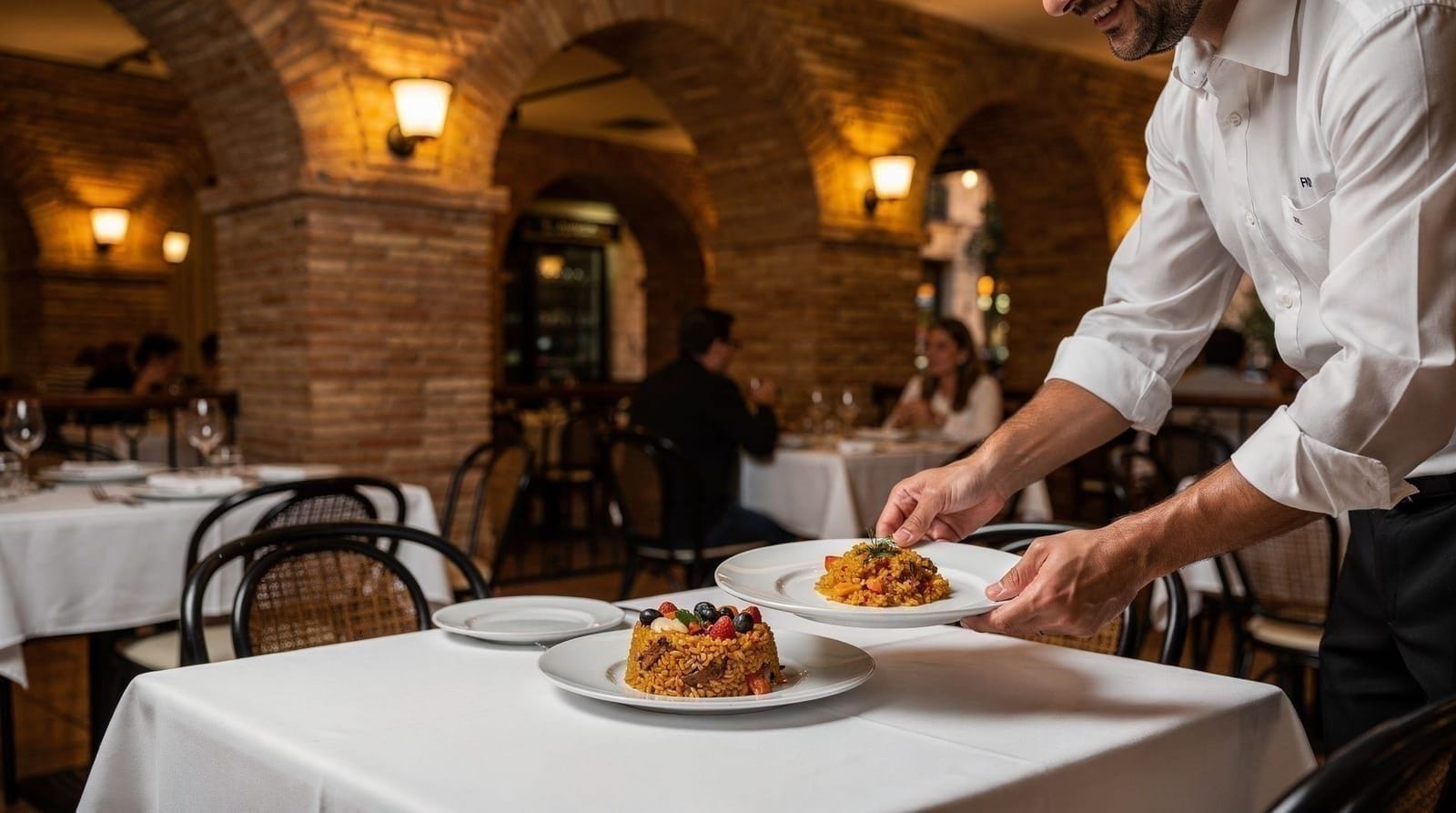
Gran Via: The main boulevard has a dense strip of restaurants and cafés. The quality is mixed but the better places serve reliable Mediterranean mid-range food. The menú del día on Gran Via is typically €13-16 and covers two courses plus a drink. See the menú del día guide for context.
Calle de Cirilo Amorós: A reliable restaurant strip with a slightly upscale character — the kind of street where local professionals eat lunch. Consistent quality, no tourist menus.
The cocktail bar scene: Eixample has an underrated late-night bar scene concentrated around Calle de Denia and Calle de Calderón de la Barca. These are neighborhood bars rather than tourist venues — comfortable, well-made drinks, open late.
Coffee: The Eixample has good café options without the specialty-coffee scene of Ruzafa. Any bar with a tostada con tomate (toast with tomato, olive oil, and jamón) will do the standard Spanish breakfast correctly. Budget €2-3 for coffee and toast.
The transport advantage
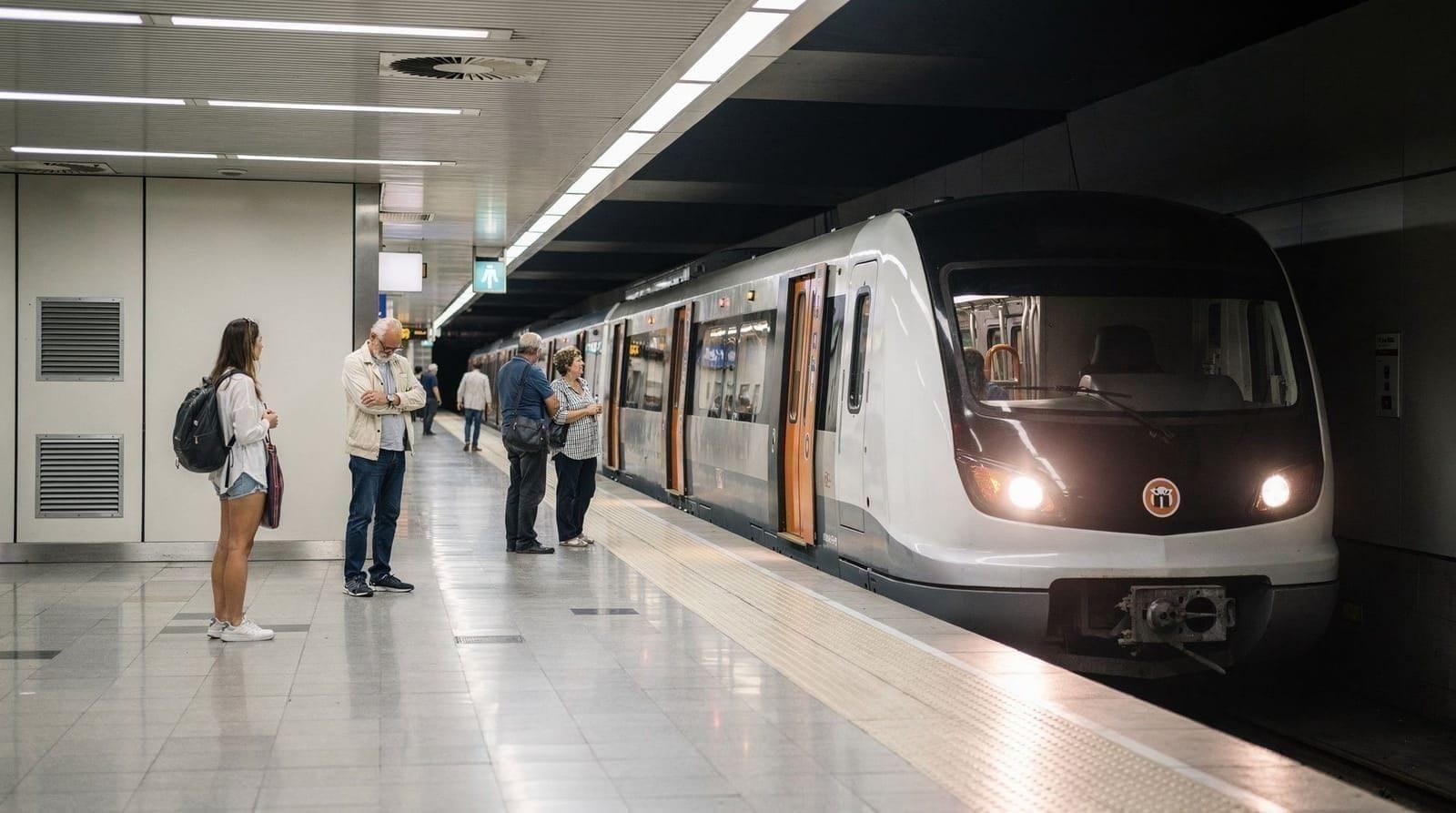
The greatest practical argument for Eixample is its transport connections. Three metro stations serve the neighborhood:
Colón (lines 3 and 5): On Calle de Colón, the most useful stop for accessing the old city (Alameda, one stop) or the City of Arts direction (Alameda → tram/bus).
Xàtiva (lines 3 and 5): Near the main train station (Estació del Nord), useful for train arrivals and departures.
Bailén (line 1): South edge of Eixample, convenient for Ruzafa access.
The main train station, Estació del Nord, is in the southern part of Eixample, making the neighborhood particularly convenient for visitors arriving by AVE from Madrid (1h55) or Barcelona (~3h). From Ruzafa or El Carmen, the extra 5-minute walk to the station is a minor inconvenience; from Eixample it’s immediate.
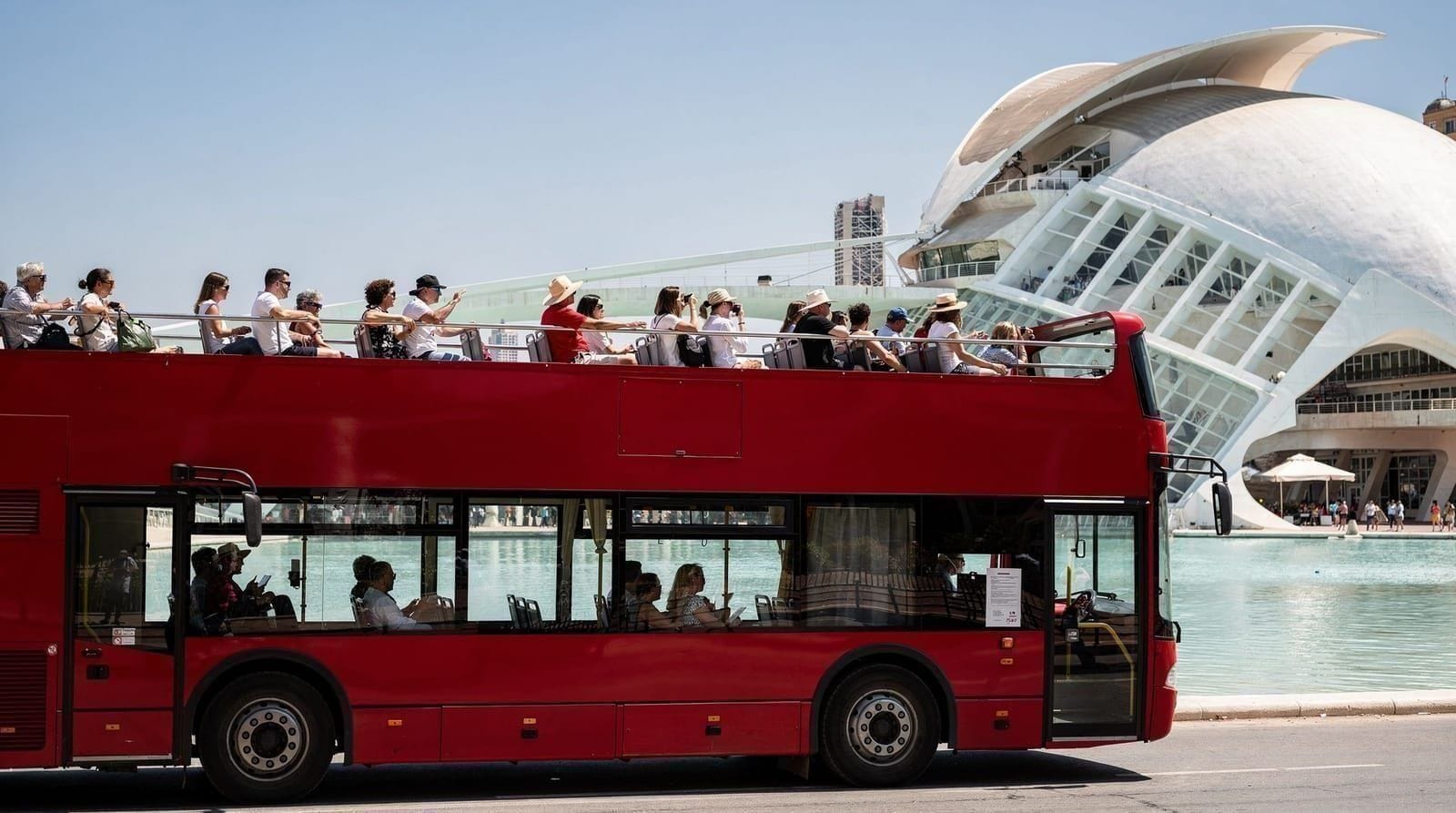
EMT bus lines 9, 70, and 95 cross the neighborhood. The hop-on hop-off bus route includes Colón as a stop.
 hidden tour of Eixample, Cánovas and RuzafaCheck availability
Hotels in Eixample
Caro Hotel (Calle del Almirante, near the border with El Carmen): One of Valencia’s best design hotels, built into a 19th-century palace with exposed Roman walls in the basement bar. Exceptional interior. €170-250/night. Restaurant worth a visit even without staying.
Hotel Balneario Las Arenas (technically on the beachfront, but the brand also operates an Eixample property): Reliable 4-star.
NH Collection Valencia Congress (Av. de Cortes Valencianas): Large business hotel, good transport connection, standard 4-star quality. €100-150/night.
Occidental Valencia (Gran Via del Marqués del Túria): Mid-range chain hotel in a central position. The location — one block from Gran Via, three blocks from Ruzafa — is genuinely useful. €80-120/night.
Casual Valencia del Cine (Calle de Denia): Budget-friendly boutique hotel with cinema theme, well-located at the Eixample/Ruzafa border. €65-90/night.
The where to stay in Valencia guide has the full neighborhood comparison with price ranges.
Walking distances from Eixample
The Eixample’s central position makes it useful as a base:
- Cathedral and Mercado Central: 12-15 minutes on foot north through the old city perimeter streets.
- Turia Gardens (Gulliver Park section): 10 minutes north and west.
- Ruzafa: 5 minutes south on foot (essentially the same neighborhood for walking purposes).
- Train station (Estació del Nord): 5-10 minutes depending on your hotel location.
- City of Arts and Sciences: 30-35 minutes on foot (or 15 minutes by bus or bike along the Turia Gardens path).
The Eixample also connects well to the Turia Gardens cycle path — the park entry at the Gulliver Park section is an easy 10-minute walk from the Colón metro area.
 hop-on hop-off bus tourist and maritime routeCheck availability
The neighborhood’s architectural highlights
Palacio del Marqués de Dos Aguas (Calle del Poeta Querol): Arguably the most dramatic building in Valencia — a 15th-century palace with a 1740 Baroque alabaster portal that is genuinely extraordinary. Now housing the National Ceramics Museum (Museo Nacional de Cerámica). Entry €3 (free Saturday afternoons and Sundays).
Estació del Nord (North Station) (Calle de Xàtiva): A 1917 Modernista railway station with exceptional ceramic tile decoration and Art Nouveau lettering. Free to enter (it’s a working train station). The cafeteria inside has the original tiled interiors.
Gran Via Modernista buildings: Walking the length of Gran Via del Marqués del Túria between the Plaza del Ayuntamiento and Calle de Bailén reveals a collection of early 20th-century facades that are largely overlooked by the tourist circuit. Look up: the ironwork balconies and ceramic tile details are at the 2nd and 3rd floor level.
If the Modernista facades catch your eye, the Modernisme in Valencia guide places this district in the wider story of the city’s Art Nouveau architecture. For a first look at the old city’s landmarks from your Eixample base, the Cathedral and Miguelete guide, the Lonja de la Seda guide and the Mercado Central guide are natural next steps, all reachable on foot.
Eixample vs Ruzafa: the practical question
Many visitors find themselves choosing between these two adjacent neighborhoods. The honest answer: Eixample and Ruzafa are so close (5-10 minutes on foot) that the choice often comes down to specific hotel availability rather than neighborhood character.
If you prioritize food and evening atmosphere: Ruzafa’s restaurant density is higher and the overall quality is better. If you prioritize quiet and transport connections: Eixample’s wider streets, lower noise levels, and direct metro access give a slight edge.
For a comprehensive comparison: where to stay in Valencia guide and best area for first-time visitors.
Eixample vs Ruzafa vs El Carmen: the triangle
The three neighborhoods form a rough triangle in central Valencia, each 10-15 minutes’ walk from the others. Understanding their relationship clarifies the choice:
El Carmen is the oldest and most historically rich — medieval street pattern, Gothic monuments, and a genuine Moorish-to-Christian urban sequence. It’s also the most tourist-concentrated, the noisiest late at night, and in some parts the least comfortable to sleep in.
Eixample is the most ordered and transport-connected — the 19th-century grid is calm, the metro is immediate, and the boulevard scale feels airy after the old city’s compression. It lacks the specific identity of the other two but makes up for it in practicality.
Ruzafa is the food and culture neighborhood — the densest concentration of good restaurants and bars, the most local daily-life atmosphere, and the strongest independent retail scene. Its main limitation is the 15-minute walk to the old city monuments.
For most visitors staying 4+ days, the combination of Eixample or Ruzafa as a base, with daily exploration of El Carmen, is optimal.
How long to stay is a separate question: the how many days in Valencia guide helps you decide, and the Valencia on a budget guide shows how a well-connected base like Eixample keeps daily costs under control. If you want the evening side of Ruzafa without sleeping there, the Ruzafa tapas guide points you to where to go after dark.
Seasonal considerations
Summer: Eixample’s wide boulevards with mature trees provide better shade than El Carmen’s east-west lanes, which can trap heat. The outdoor terraces on Gran Via and Calle de Cirilo Amorós are active until midnight in July and August, which means the neighborhood has more evening activity than its daytime calm suggests.
Las Fallas (March): Eixample has its own Fallas monuments erected at plazas throughout the grid, though the main concentration of large sculptures is in the old city. The firecrackers (mascletà) fired daily at 14:00 in Plaza del Ayuntamiento are audible throughout Eixample — this is non-negotiable during festival week.
Autumn and winter: Eixample’s tree-lined boulevards are genuinely beautiful in autumn. The November light on the ornate facades of Gran Via — lower angle, warmer tone — is some of the best photography light in the city. The neighborhood empties slightly in low season but remains functional and pleasant.
For autumn visits, the Valencia in autumn guide covers what the season is like across the city. If you come for the festival, the Las Fallas complete guide and the where to stay during Fallas guide explain how to plan around the crowds and the noise.
Green spaces within reach
Eixample is not a green neighborhood in the way that the Turia Gardens area is. However, several accessible green spaces are within walking distance:
Jardines del Real (Viveros): A 15-minute walk north from central Eixample. These are Valencia’s oldest public gardens, originally the Royal Orchards. They contain some of the city’s oldest trees, a rose garden, and a small municipal zoo. Entry is free. Excellent for a quiet morning walk away from the city center crowds.
Turia Gardens: The southern bank of the Turia Gardens is approximately 10-15 minutes walk north from the Colón metro area. The Gulliver Park playground (tramo 10) and the sections under the medieval bridges are the most visited parts. See the Turia Gardens guide.
Plaza del Ayuntamiento gardens: The central square, 5 minutes south of the Colón station, has the main flower displays that are changed seasonally. Not a park, but Valencia’s main civic green space.
Day trips by train from Eixample
Eixample’s proximity to Estació del Nord (the main train station, 5-10 minutes walk) makes it the best base for visitors planning day trips by rail:
- Xàtiva: 45 minutes by Cercanías regional train, €5-6. Medieval castle, historic city center. See the Xàtiva day trip guide.
- Madrid: 1h55 by AVE high-speed train, from €25 depending on booking advance. Estació del Nord connects to Puerta de Atocha. See the Madrid by AVE guide.
- Barcelona: ~3 hours by AVE, from €35. Estació del Nord to Barcelona Sants.
The Eixample eating and nightlife calendar
Eixample’s social calendar follows the city’s general rhythms but with some specific variation:
La Nit en Blanc (Eixample edition): Valencia’s Nit en Blanc (White Night, usually in October) has programmed events in Eixample in recent years — galleries open late, street performances, outdoor installations. Check the Valencia city cultural calendar in advance.
El Corte Inglés sales: The January and July sales at the El Corte Inglés on Calle de Colón draw significant crowds from across the city. If you’re shopping, these weeks offer genuine discounts. If you’re not shopping, avoid Calle de Colón on sale-opening weekends.
The Christmas market and lights: Eixample has good Christmas lighting on Gran Via and Calle de Colón from late November to early January. The Plaza del Ayuntamiento tree (just south of Eixample) is the city’s main Christmas installation.
Eixample for longer stays
Eixample’s practical qualities become increasingly valuable for stays of a week or more. The specific advantages:
Supermarkets: The Eixample has several Mercadona and Consum supermarkets — well-stocked, reasonable prices. For a visitor in an apartment cooking occasionally, this is a genuine practical benefit over the tourist-heavy old city where grocery options are less convenient.
Pharmacies: Multiple pharmacy options on Gran Via and Calle de Colón for any medical needs. Important for families and longer-stay visitors.
Medical facilities: The Hospital General Universitari de València is at the border of Eixample — relevant for any medical emergencies. The location is approximately 15 minutes from most Eixample hotels.
Laundry: Several self-service laundries (lavanderías) operate in Eixample for multi-week visitors. Prices around €4-6 per wash.
Post and logistics: The main Correos (post office) is on Calle de la Paz in adjacent Eixample, convenient for sending postcards or receiving packages at the hotel address.
Accessibility
Eixample is Valencia’s most accessible neighborhood for visitors with mobility limitations. The regular grid, wide pavements, good kerb cuts, and flat terrain make it significantly more navigable than El Carmen’s cobblestones and uneven medieval surfaces.
The Colón metro station has lift access. The main route between Colón station and the Turia Gardens (via Calle de Colón and then north) is entirely flat and pavement-continuous.
For visitors who use wheelchairs or have significant mobility limitations, Eixample as a base with metro access to other neighborhoods is the most practical choice. The accessible Valencia guide goes into more detail on getting around the rest of the city.
As in any busy city centre, keep an eye on your belongings in crowded places; the pickpockets and safe areas guide covers what to watch for. And if you would rather explore on two wheels, the Valencia by bike guide is a good companion to the tour options above.
Frequently asked questions about Eixample
Is Eixample touristy?
Significantly less touristy than El Carmen or the area immediately around the Cathedral. The main tourist concentration in Eixample is the Mercado de Colón, which draws visitors for its architecture. The rest of the neighborhood is dominated by local residents and business.
Is Eixample noisy?
Gran Via can be noisy due to traffic; the side streets off Gran Via are much quieter. Hotels and apartments set back one block from the main boulevards have a very different noise profile from those directly on Gran Via. Check guest reviews specifically mentioning noise if this is a concern.
How do I get from Eixample to La Malvarrosa beach?
The most direct route is metro line 5 from Colón to Maritima-Serreria (3 stops, 8 minutes), then a 15-minute walk or tram to the beach. Alternatively, take the tram from Gran Via station (line 4/6) to La Malvarrosa. Total journey time approximately 25-30 minutes.
Are there independent restaurants in Eixample or only chains?
Both. Gran Via has chain restaurants (La Tagliatella, 100 Montaditos, Cervecería Catalana) alongside good independent operations. The streets around Calle de Cirilo Amorós and Calle de la Pau have a better concentration of independent restaurants at mid-range prices.
What shopping is available in Eixample?
The Calle de Colón is Valencia’s main commercial shopping street, with Spanish chains (Zara, Mango, El Corte Inglés) and some independent shops. The streets around the Mercado de Colón have more interesting independent retail — design, ceramics, books.
Top experiences
Bookable activities with verified prices and instant confirmation on GetYourGuide.