Valencia on a budget — how to visit without overspending
Valencia: Oceanogràfic ticket with immersive experience
How much does a day in Valencia cost?
A backpacker managing carefully spends €55-80 per day (hostel, menú del día lunch, cheap dinners, public transport). A comfortable mid-range couple spends €120-180 per day each (3-star hotel, restaurant meals, 1-2 paid attractions). Budget travellers benefit from a strong free-sights culture, cheap public transport, and the best-value food in Spain's big cities.
| Where | City-wide; free sights concentrated in the old town and Turia Gardens |
| Cost | €55–80/day backpacker; €120–180/day mid-range per person |
| Time needed | Applies to any trip length |
| Getting there | Standard city transport; T-Card or Valenbisi keep costs low |
| Best time | January–February and November for the lowest prices |
Why Valencia is genuinely cheaper than other Spanish cities
Valencia is Spain’s third-largest city but charges closer to second-tier city prices. Compared with Barcelona and Madrid, you’ll pay:
- 20-30% less for accommodation at equivalent standards
- 15-25% less at mid-range restaurants
- Lower tourist surcharges on market food and coffee
- The same public transport prices (Spain’s metro and bus fares are regulated nationally)
This is not spin. Valencia’s tourism has grown significantly in recent years, but it hasn’t yet tipped into the price inflation cycle that Barcelona entered around 2015. You can still find a menú del día (two courses, bread, drink, dessert) for €12-14 in the old town; in Barcelona’s equivalent tourist zones, €18-22 is now standard for the same product.
The honest daily budget breakdown
Backpacker budget: €55-80 per day
This tier requires some deliberate choices but is genuinely achievable without deprivation.
Accommodation: Hostel dorms in Valencia cost €18-28 per night in most periods. Private hostel rooms (often ensuite) run €45-65. The best-located budget hostels are clustered around El Carmen — within walking distance of almost everything.
Food:
- Breakfast: Coffee and a tostada con tomate at a bar counter — €2.50-3.50. Avoid the tourist breakfast menus near the Cathedral that run €8-12.
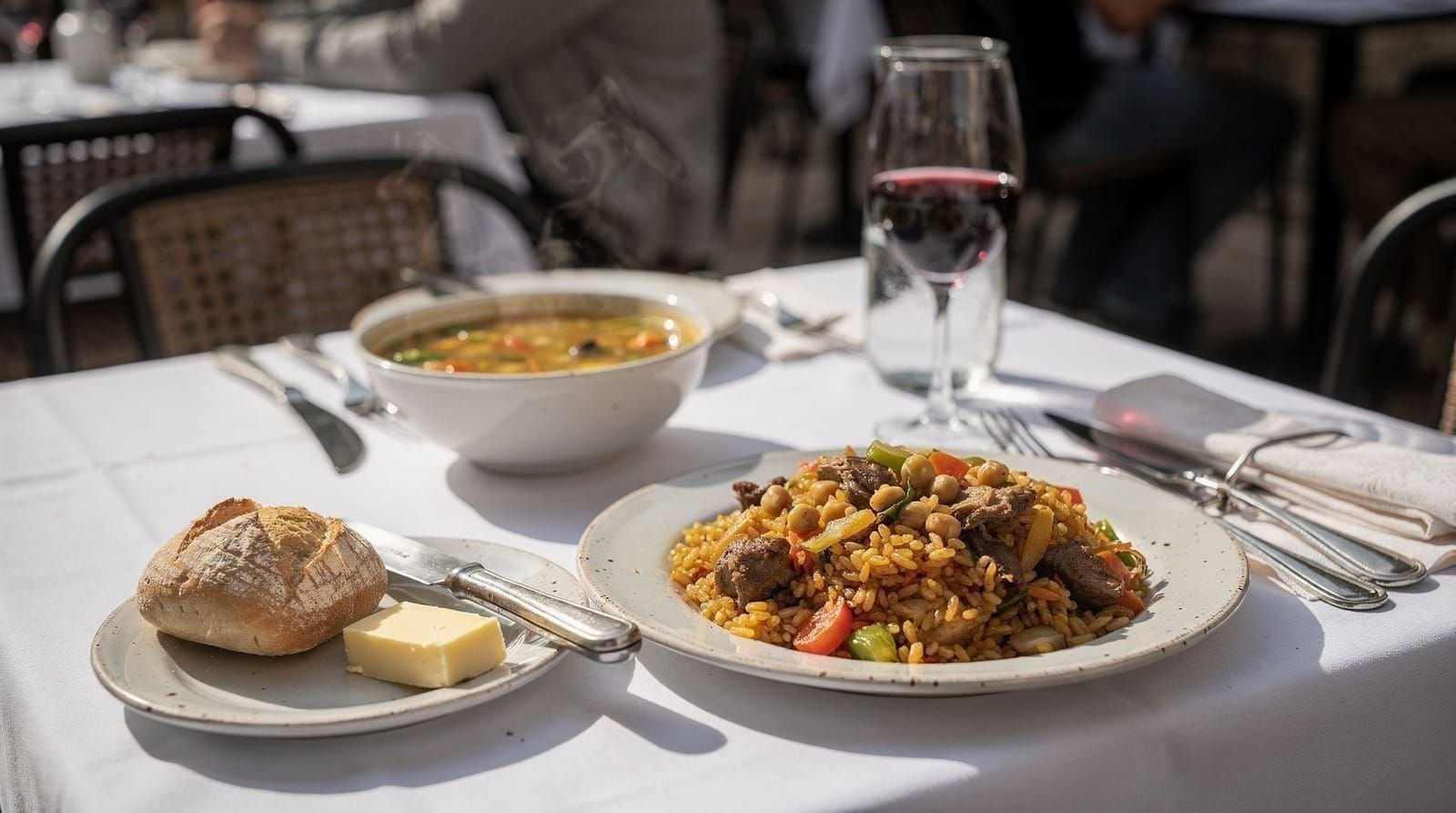
- Lunch: The menú del día is your budget superpower. Most restaurants serving this worker’s lunch offer two courses plus bread, a drink (water, beer, or wine), and occasionally dessert, for €12-16. Eat your main meal at lunch. See the menú del día guide for how it works and which areas have the best options.
- Dinner: A simple evening meal at a local bar — bocadillo (sandwich) or montaditos — costs €6-10. If you ate a proper lunch, dinner doesn’t need to be expensive.
Transport: A SUMA 10 ten-trip pass (on a rechargeable Mobilis card) costs €5.40 in zone A in 2026, thanks to a 40% discount running to 31 December 2026 (€9 at full price; check metrovalencia.es for 2027). At 1-2 trips per day, this covers 5-10 days. The tourist card becomes competitive if you’re doing 4+ trips daily.
Attractions: Several of Valencia’s best sights are free or near-free:
- Turia Gardens: free
- Malvarrosa beach: free
- Museo de Bellas Artes: free
- IVAM: free on Sundays and Wednesdays 16:00-19:00 (€5 other days)
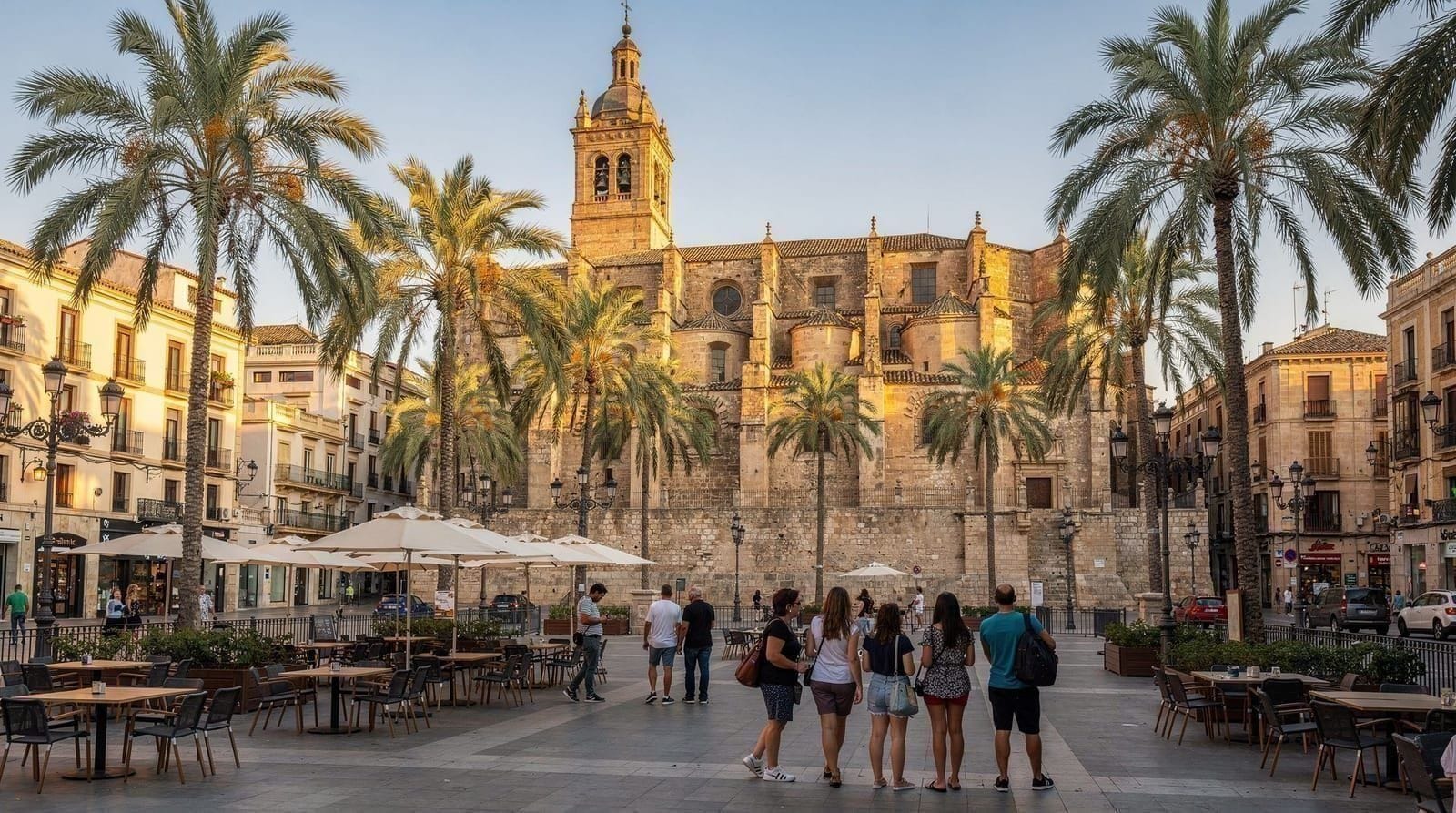
- Cathedral exterior and Plaza de la Reina: free to walk
- Torres Serranos and Torres de Quart: free entry on Sundays
Paid highlights: Cathedral interior (€12) and the Micalet tower (€3, separate ticket), Llotja de la Seda (€2), Oceanogràfic (see oceanograficvalencia.com for current prices).
Backpacker daily total: €55-80 depending on whether you visit a paid attraction that day.
Mid-range budget: €120-180 per person per day
This tier covers a solid 3-star or boutique hotel, proper restaurant meals, and 1-2 paid attractions daily, without counting pennies.
Accommodation: A well-located 3-star hotel in El Carmen or Russafa runs €90-140 per night for a double room (split between two: €45-70 per person). During Fallas (1-19 March), prices triple — book 3-6 months ahead. In August, add 20-30% premium for beach-adjacent properties.
Food:
- Breakfast at the hotel or a local café: €6-10
- Lunch at a proper restaurant with a meal from the regular menu: €20-30 per person with wine
- Dinner tapas or a local restaurant: €25-40 per person
Avoid the tourist menu traps near Plaza de la Reina — see the tourist menu traps guide for specific zones to bypass.
Attractions: Budget €25-40 per day for tickets. For Oceanogràfic and Hemisfèric tickets, check current prices at cac.es. Plan attraction days alongside free-sight days to average out.
Mid-range daily total: €120-180 per person.
Luxury: €300+ per person per day
Valencia has caught up on high-end hotels in recent years. The Balneario Las Arenas, the Caro Hotel (inside a medieval palace), and several modern 5-star properties charge €200-400+ per night. Fine dining (Quique Dacosta’s Michelin three-star restaurant, Vuelve Carolina, La Salita) adds €100-200+ per person per meal. Valencia’s luxury tier is genuinely good but still cheaper than equivalent experiences in Barcelona.
If a paid attraction is the reason for your trip, pick one headline sight and build the rest of the day around free ones. The Oceanogràfic guide and the City of Arts and Sciences guide help you decide what is worth the ticket, and if you want the aquarium, an Oceanogràfic entry ticket booked ahead saves you queuing on the day.
Best free things to do in Valencia
Turia Gardens — 9 km of park in a converted river bed, from Cabecera park in the west to the City of Arts in the east. Cycling, walking, running, playgrounds, the famous Gulliver slide-park (free admission). Valencia’s most-used public space.
Malvarrosa and Patacona beaches — wide, clean, free. Blue Flag beaches. The beach infrastructure (showers, lifeguards) is funded municipally. The only costs are what you eat and drink there — and the beachfront restaurants charge tourist prices, so eat before you go or bring food.
Mercado Central — entry is free; the market is for shopping, not tourism, but the building (1928 Art Nouveau) is extraordinary. Visit mid-morning on a weekday before the crowds peak.
El Carmen street art — one of Europe’s densest urban mural collections, concentrated in the streets north of the Cathedral. No guide needed; just walk. Streets around Calle de la Beneficència and Carrer del Músic Peydró have particularly good pieces.
Llotja de la Seda exterior — the UNESCO-listed Silk Exchange is one of Gothic architecture’s masterpieces. Entry costs €2, but walking around the exterior and through the courtyard during opening hours is free.
Torres Serranos and Torres de Quart — free entry on Sundays; small fee (€2) other days. Climb the medieval towers for city views. Torres Serranos in particular gives a panoramic view over the old town.
Bioparc Turia park — the park around the Bioparc is free to walk. The zoo itself has entry fees; the park path along the old Turia bed is free.
Gran Fira de València (July) and other city festivals — street events, open-air concerts, and neighbourhood ferias are largely free throughout the city. Las Fallas (March) has free outdoor events alongside paid shows.
Budget traps to avoid
Beachfront restaurant mark-ups: Restaurants on the first row of Malvarrosa beach charge 30-50% more than equivalent restaurants one street back. The Paella Valenciana Denominación de Origen-certified restaurants (like La Pepica, open since 1898, or Casa de la Paella) are in the area but expensive — an honest paella lunch for two costs €50-60+. For budget paella, see authentic paella where to eat.
Mercado Central smoothies and juices: The fresh-squeezed juice stalls inside and immediately outside the market charge €4-7 for a smoothie. It’s not fraud but it’s significantly above neighbourhood prices. The same fresh-squeezed orange juice at a bar counter in Russafa or El Carmen costs €2-3.
Central Market area coffee: The cafés directly facing the market or in Plaza de la Reina charge tourist coffee prices (€2.50-3.50 for a café con leche vs €1.20-1.60 at a neighbourhood bar). Two streets away, prices normalise immediately.
“Set menu tourist lunch” near Plaza de la Reina:** These menus promise value but are often frozen food, small portions, and lower quality than the genuine menú del día found in residential areas. For the full picture, see tourist menu traps.
Paid bread: In many tourist-area restaurants, bread is brought to the table automatically and charged at €1.50-3 per person (sometimes €5-8 for a basket with butter and local spreads). You can refuse it — “no queremos pan” (we don’t want bread). The charge is legal under Spanish consumer law as long as it’s on the menu. See tourist traps in Valencia for the full picture.
Two other guides help you stretch the budget further: the Turia gardens guide for a full free day outdoors, and the Valenbisi guide for getting around by bike. For a ready-made plan, follow the budget itinerary.
Budget transport options
EMT city bus: €2 per single journey (cash to the driver or bank card); a Bonobús 10-trip pass is €8.50 at full price, €4.25 in 2026 with the 40% discount. Most tourist routes are covered.
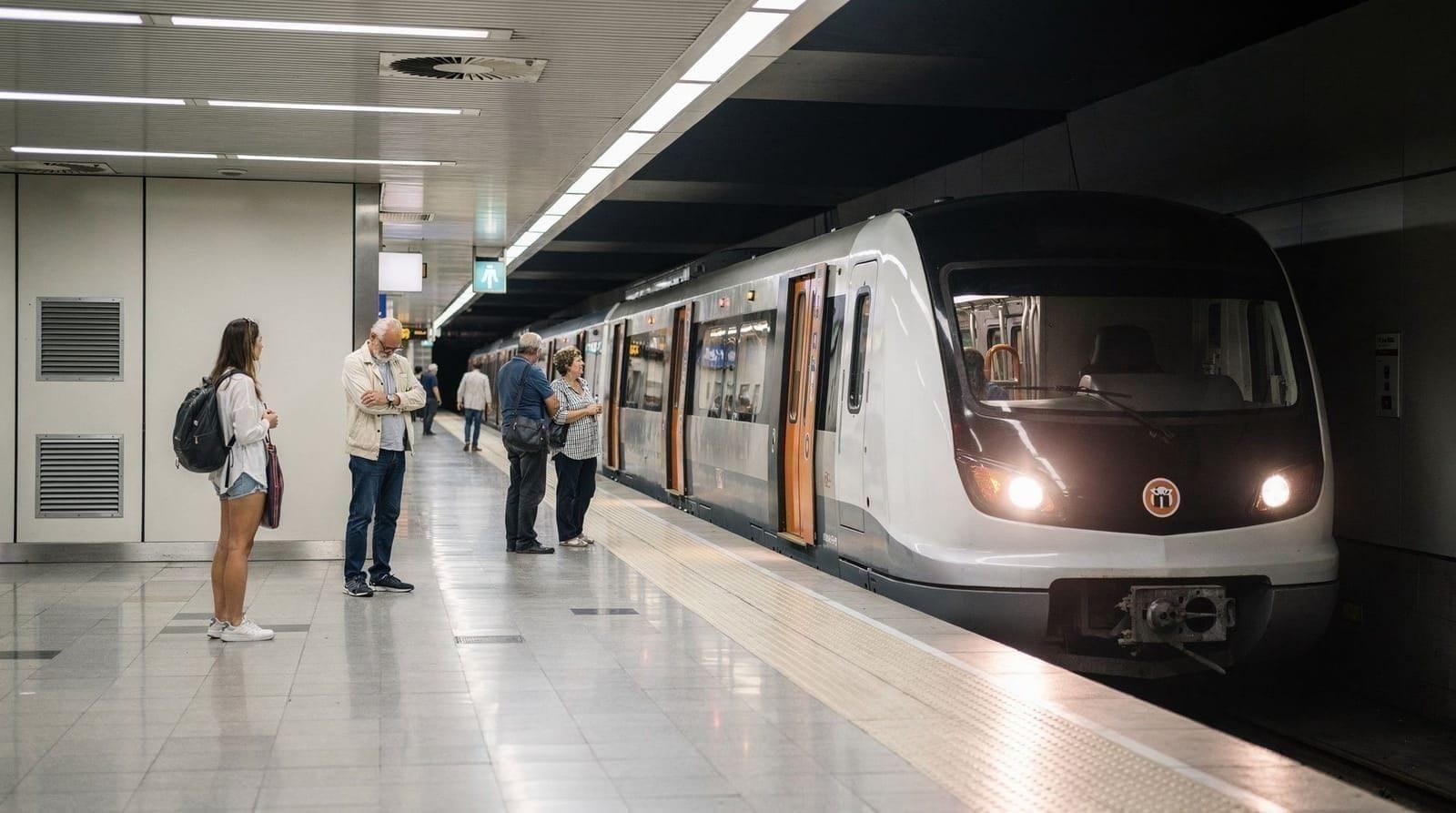
Metro: €1.50 single within zone A. Airport journeys (zones AB) cost €2.80 single. The metro is faster than the bus for cross-city journeys.
Valenbisi (city bike share): The first 30 minutes of each hire are free; check valenbisi.es for current subscription options and overtime charges. This is extremely good value for a city as flat and bike-friendly as Valencia.
Tram (TRAM): Connects Torres Serranos in the old town to El Cabanyal and Malvarrosa beach. €1.50 per trip within zone A, or included with unlimited passes.
Taxi and ride-share: Uber and Cabify operate in Valencia. From the old town to the airport, expect €15-20. From Russafa to the beach, around €8-12.
Budget accommodation areas
El Carmen (old town): Most central, with the most hostel density. Some streets are noisy at night (local bar culture). Best for visitors who want to be within walking distance of everything.
Russafa/Ruzafa: Slightly quieter at night than El Carmen’s bar zone, excellent local food scene, slightly better budget accommodation value per square metre. 20-minute walk to the old town or 10 minutes by metro.
Around the train station (Estació del Nord): Central, convenient for AVE arrivals, and has a good spread of mid-range hotels. The barrio immediately south has a slightly gritty edge but is safe.
Near the City of Arts and Sciences: Cheaper accommodation than the old town, but it’s a 20-minute bus or metro trip to the historic centre. Good option if your main goal is the science complex.
Is the Valencia Tourist Card worth it on a budget?
The Valencia Tourist Card bundles free public transport with discounted or free entry to a rotating list of paid sights (Cathedral, Llotja de la Seda, Bioparc among them) for a fixed price over 24, 48 or 72 hours. It only pays off if you’re visiting 3+ paid attractions per day and using public transport heavily — for a backpacker prioritising free sights (Turia Gardens, Museo de Bellas Artes, Malvarrosa beach) and walking most places, the card usually costs more than paying separately. Run the maths against your actual planned attractions before buying (the tourist card attractions guide lists what is included); see the honest tourist card guide for a full breakdown.
Valencia Tourist Card — 24/48/72h transport + attractionsSeasonal price variation
Cheapest: January and February (excluding Fallas build-up), and November. Accommodation is 20-40% cheaper than peak season. The weather is mild (10-15°C) but cool enough that beach visits feel academic. Museums and restaurants are quieter.
Peak prices: July and August (beach crowds, European holiday season), and Las Fallas period (1-19 March). During Fallas, expect to pay 2-3× normal rates for accommodation.
Best value for money: May-June and September-October. Warm enough for beach and terrace life, below peak-season prices, and the city is operating normally without Fallas chaos.
For more on timing, see the best time to visit Valencia and the Fallas complete guide if you are weighing the festival against its price spike. If you choose a neighbourhood by budget, where to stay in Valencia compares the areas in more detail.
Frequently asked questions about the Valencia budget
Is Valencia cheaper than Madrid?
Yes, marginally. Accommodation in Valencia typically runs 15-20% below Madrid prices. Restaurants are comparable or slightly cheaper. Attractions are similarly priced (museums, monuments). The main saving is accommodation.
Can you eat out cheaply in Valencia?
The menú del día makes Valencia one of the best-value eating-out destinations in Western Europe. €12-16 for a substantial two-course lunch with drink is normal. Evening tapas at bars cost €1.50-3 per portion. The key is eating where locals eat — the further you stray from tourist zones, the lower the prices.
Is street food common in Valencia?
Less so than in Southeast Asian cities, but horchata and fartons (a traditional drink and pastry) from street kiosks cost €2-3 and count as a cultural experience. Bocadillos from market bars are another form of cheap street eating. Traditional churros with chocolate cost €3-5 at a café.
Are there free museums in Valencia?
Yes. The Museo de Bellas Artes (Fine Arts Museum) is permanently free. IVAM is free on Sundays. Several smaller neighbourhood museums (the Valencian History Museum in Mislata, the Almoina archaeological site) have low or no entry fees. The Mercado de Colón market hall can be visited for free (no entry charge, it’s a commercial space).
What is the cheapest way to get from Valencia airport to the city centre?
Metro line L3 or L5 — around €2.80 for the airport zone fare. Takes 25-30 minutes to the city centre. The airport bus (lines 150 and N18) costs €2 single and takes 30-40 minutes. Taxis charge a minimum airport supplement, making them €25-30 for the same journey. See the airport to city guide for the full comparison.