Valencia wine lovers itinerary — city and Requena wine country
Valencia: Utiel-Requena wine tour and traditional lunch
Duration: 8 hours
Valencia’s wine country is one of the least-known wine regions in Europe and one of the most interesting. The Utiel-Requena DOC, 70 km west of Valencia on the Castilian meseta, produces Bobal — a thick-skinned red grape indigenous to this region, capable of wines ranging from fresh and light to structured and age-worthy at prices that haven’t yet caught up with their quality. This itinerary combines three days of city food culture with a full day in the wine country.
Quick answer: Day 1 covers Valencia’s food culture: Mercado Central, tapas in Ruzafa, wine bar evening. Day 2 is a full day in Requena — train or guided tour, winery visits, cave cellars, traditional lunch, return to Valencia. Day 3 is a relaxed city day: cooking class, a local natural wine bar, and dinner.
| Where | Valencia city (Ruzafa, El Cabanyal) and Requena (Utiel-Requena DO) |
| Cost | Around €45–65/pers for the Requena day, plus city meals |
| Time needed | 3 days, with day 2 dedicated fully to Requena |
| Getting there | Cercanías train to Requena-Utiel, around 50 min, €6.10 return |
| Best time | September–October for harvest season |
Requena wine: what you need to know
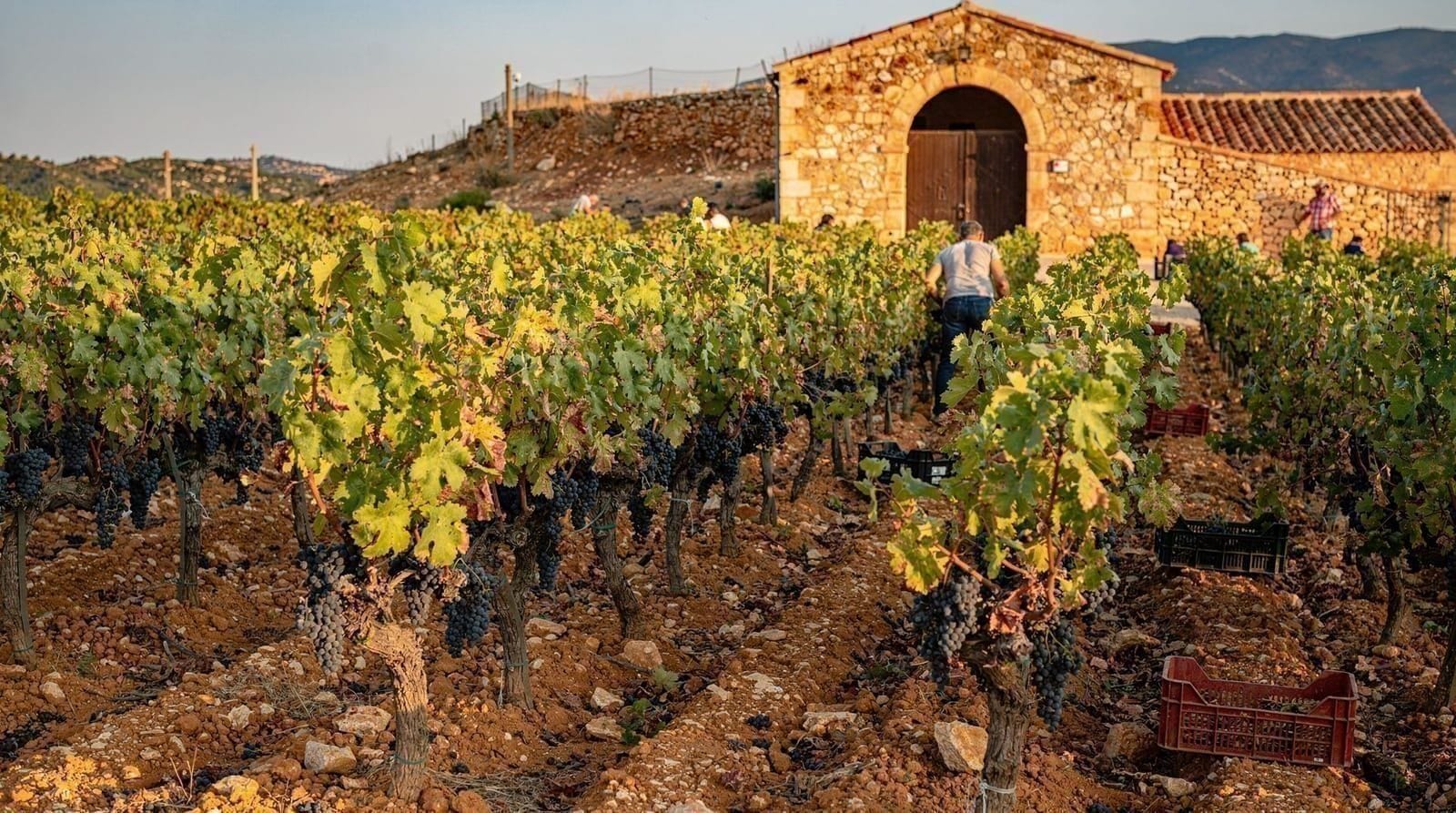
The Requena wine appellation is the Utiel-Requena DO (Denominación de Origen). It sits at altitude — 700–900 metres — on the meseta west of Valencia. The altitude gives cool nights that retain acidity; the dry summers give concentrated flavour.
Bobal is the primary grape: indigenous to this zone, deeply coloured, tannic when young but capable of excellent structure with age. Bobal rosados (rosés) were the first wines to attract international attention — they have an unusual depth of colour and flavour for a rosé. The reds range from easy-drinking joven (young) wines to serious reservas that rival Priorat and Jumilla at half the price.
Other grapes: Merseguera and Macabeo for whites (light, mineral), Garnacha for rosés, Tempranillo alongside Bobal for reds.
Bodegas to know: Mustiguillo, Pago de Tharsys, Casa Don Angel, Celler del Roure, Chozas Carrascal. The region has around 30 bodegas.
Prices: Excellent Utiel-Requena wines sell for €8–18 in the region. The same wines in London or Amsterdam cost twice that. Buy as much as airline carry-on allows.
Organised tour vs independent train — which to choose
| Organised tour | Independent by train | |
|---|---|---|
| Cost | €45–65/pers, all-inclusive | €6.10 train + entry fees + lunch (~€25–35) |
| Winery access | Includes wineries that don’t take walk-ins | Limited to bodegas taking advance bookings |
| Flexibility | Fixed schedule, guided pace | Set your own pace, choose your own bodegas |
| Best for | First-timers, no Spanish, time-pressed | Confident independent travellers, budget-conscious |
Both options are covered in the Day 2 plan below — pick based on how much you value flexibility versus guided access. Travellers without a rental car should note that combining both approaches across two separate days is realistic if you have a fourth day free, giving guided access to the harder-to-reach bodegas plus a slower independent day exploring the cave cellars at your own pace.
Day 1: Valencia food and wine culture
9:00 — Mercado Central
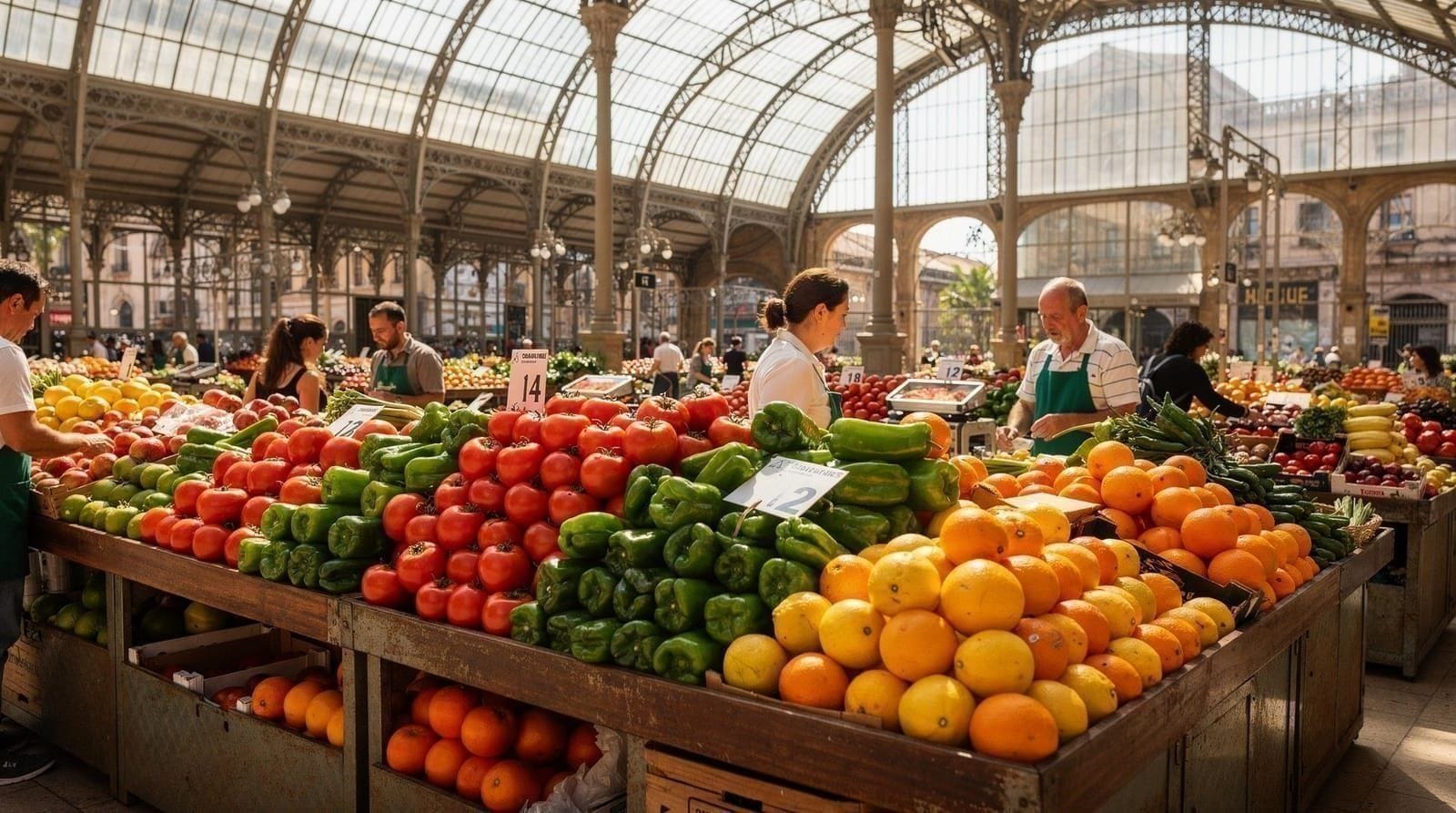
Start at the Mercado Central with a food-and-wine lens. The market’s wine stalls sell regional wines from the Valencian Community: Utiel-Requena, Valencia DO, Alicante DO. Look for bottles labelled Bobal, Monastrell (Mourvedre) or Merseguera. Buying a bottle at the market (€6–12) and drinking it with your lunch is the most honest wine introduction available.
The cheese stalls have excellent selections from the Maestrat and the Castelló interior — aged sheep cheeses that pair well with Bobal. Buy some for the afternoon.
10:30 — Llotja de la Seda
The Llotja de la Seda connects directly to Valencia’s commercial history — the Gothic silk exchange was the trading floor of a city whose wealth was built on agricultural goods, including wine. Entry €2. 30 minutes.
12:00 — Wine tasting in the city
Several wine bars and shops in Valencia offer guided tastings of Valencian wines:
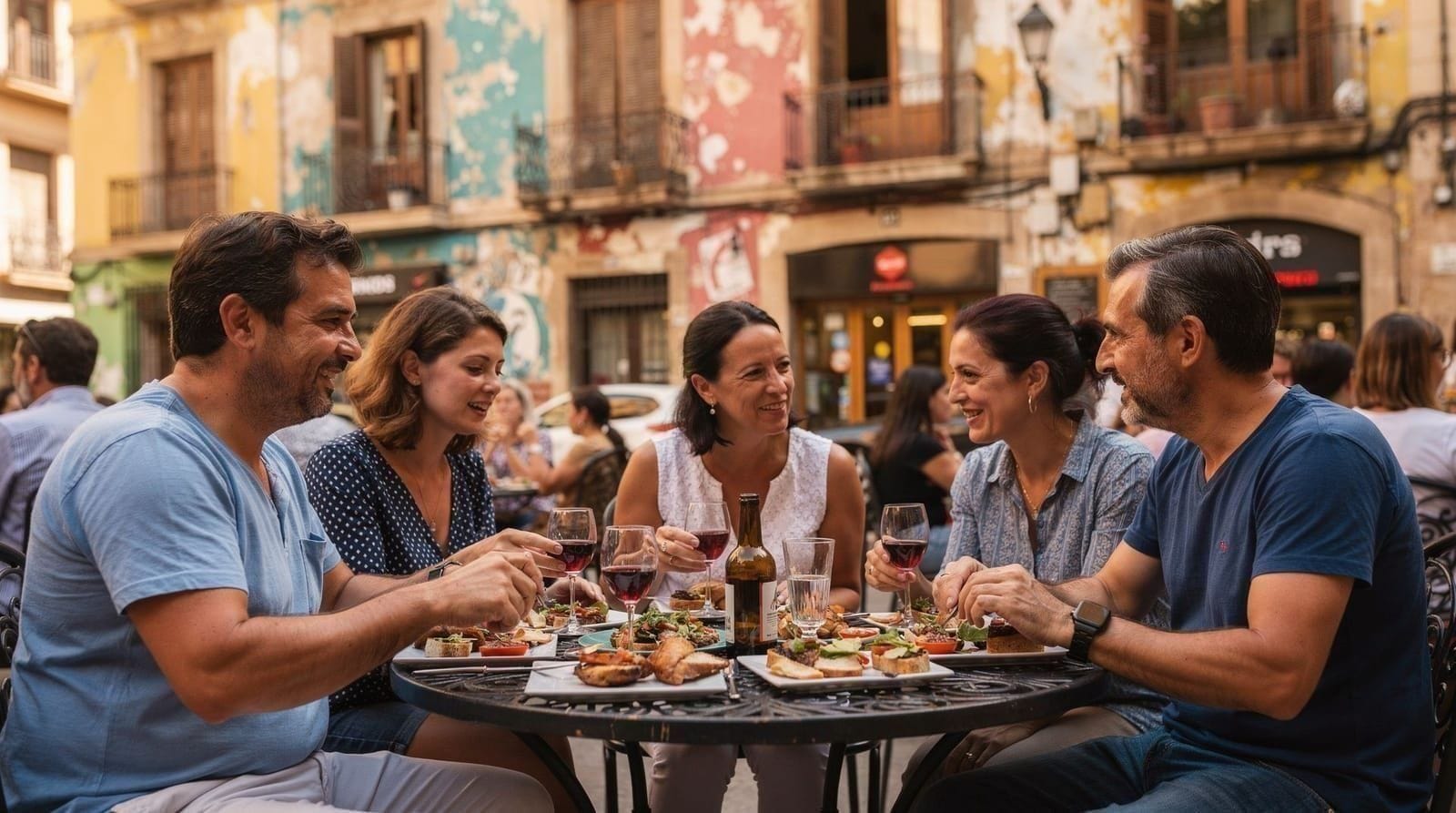 wine tasting and tapas pairingCheck availability
This structured tasting covers multiple Valencian wine appellations with tapas pairing. It’s the best way to understand the regional wine context before visiting Requena. Duration: 2–2.5 hours. Book ahead.
14:30 — Paella lunch
A proper wood-fire paella valenciana at La Riua (Calle del Maestro José Serrano 4) with a glass of Bobal rosado — this is the natural pairing, though the locals drink whatever is open. The wine should be light and cold; the food is the main event. Full guide: authentic paella in Valencia.
17:00 — Ruzafa: independent wine shops and natural wine
Ruzafa has Valencia’s best concentration of independent wine shops and natural wine bars. Worth visiting:
- La Vinoteca (Calle del Mossèn Femades): 200+ wines by the glass and bottle, relaxed atmosphere, very good by-the-glass selection
- Espai Gastronòmic de la Llotja (near the Llotja): Valencian wines prominently featured
- Vinodiversity (Ruzafa): small natural wine shop, curated selection, knowledgeable staff
The tapas and drinks evening tour is a good way to cover multiple Ruzafa stops with context:
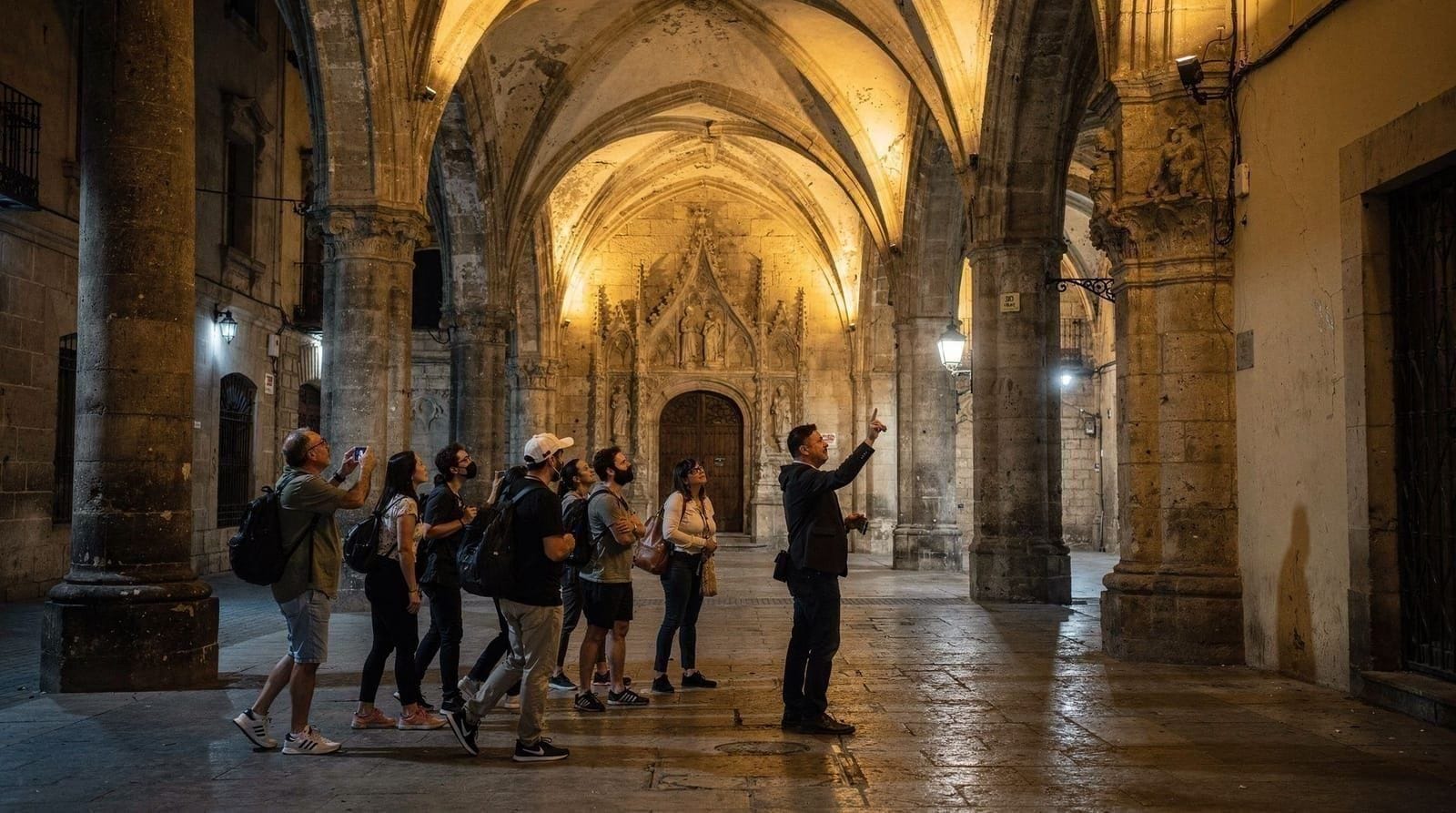 tapas and drinks evening tourCheck availability
21:00 — Dinner in Ruzafa
Choose a restaurant known for a serious wine list rather than a tourist-facing selection:
- Canalla Bistro (Calle del Mestre Gozalbo 19): Ricard Camarena’s casual restaurant, adventurous wine list, €30–40/pers
- El Majal (Calle de Cuba): seasonal Valencian food, good small wine list focused on natural producers, €22–30/pers
- Bar Perdut (Ruzafa): natural wine bar, excellent by-the-glass pours, snacks rather than full meals
Day 2: Requena wine country (full day)
Option A: Organised wine tour (recommended)
The most efficient option for a single day is an organised tour from Valencia. These typically include:
- Transport from Valencia to Requena (1 hour by comfortable coach)
- Guided visit to 2 wineries with tastings (6–10 wines total)
- Traditional lunch with local wine pairing
- Return to Valencia by 18:00–19:00
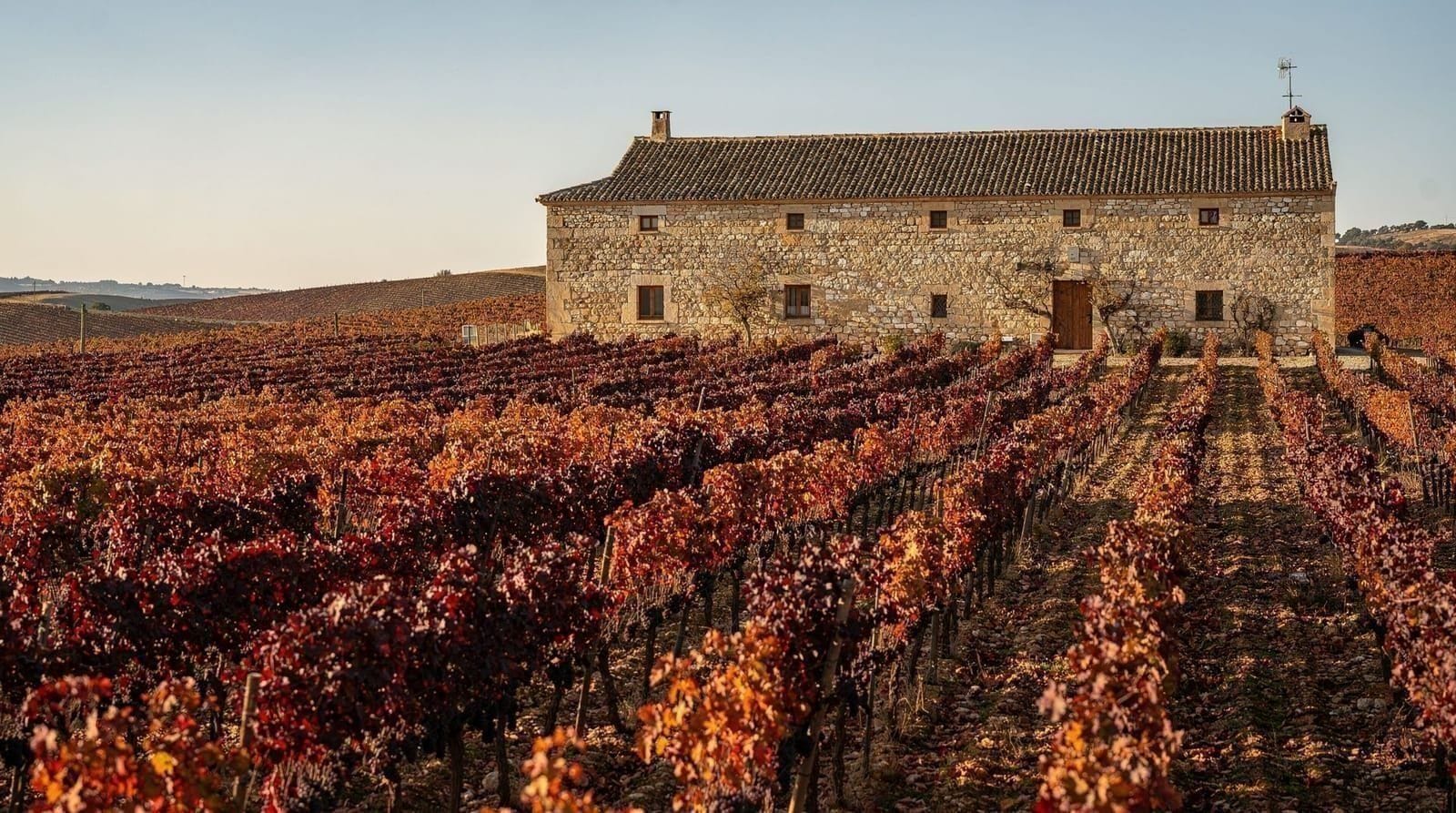 Utiel-Requena wine tour and traditional lunchCheck availability
This 8-hour tour from Valencia includes 2 wineries, tastings, and a traditional lunch with wine. Book at least 2 weeks ahead in summer.
A two-winery focused alternative:
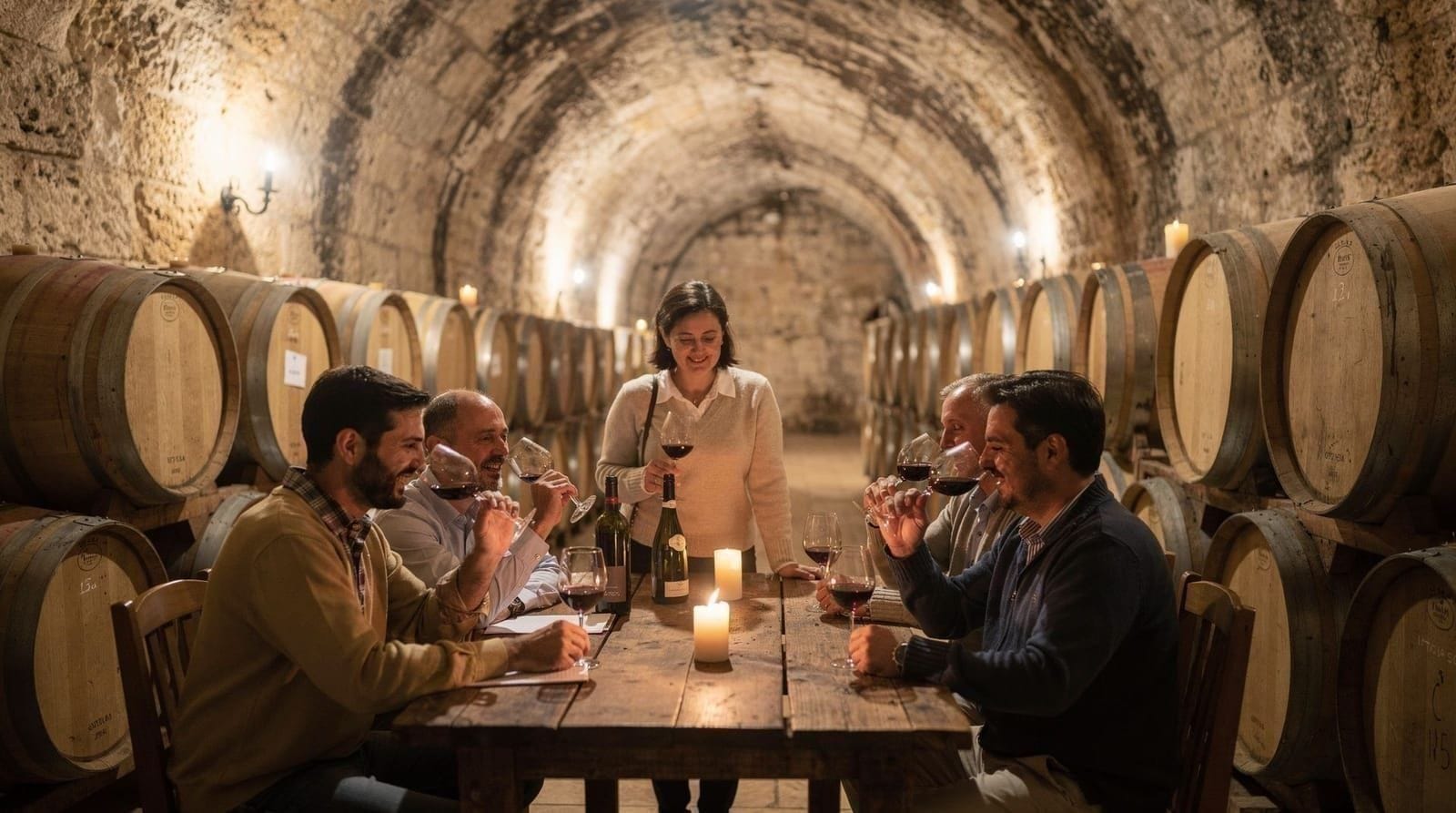 tour and tasting at 2 Utiel-Requena wineriesCheck availability
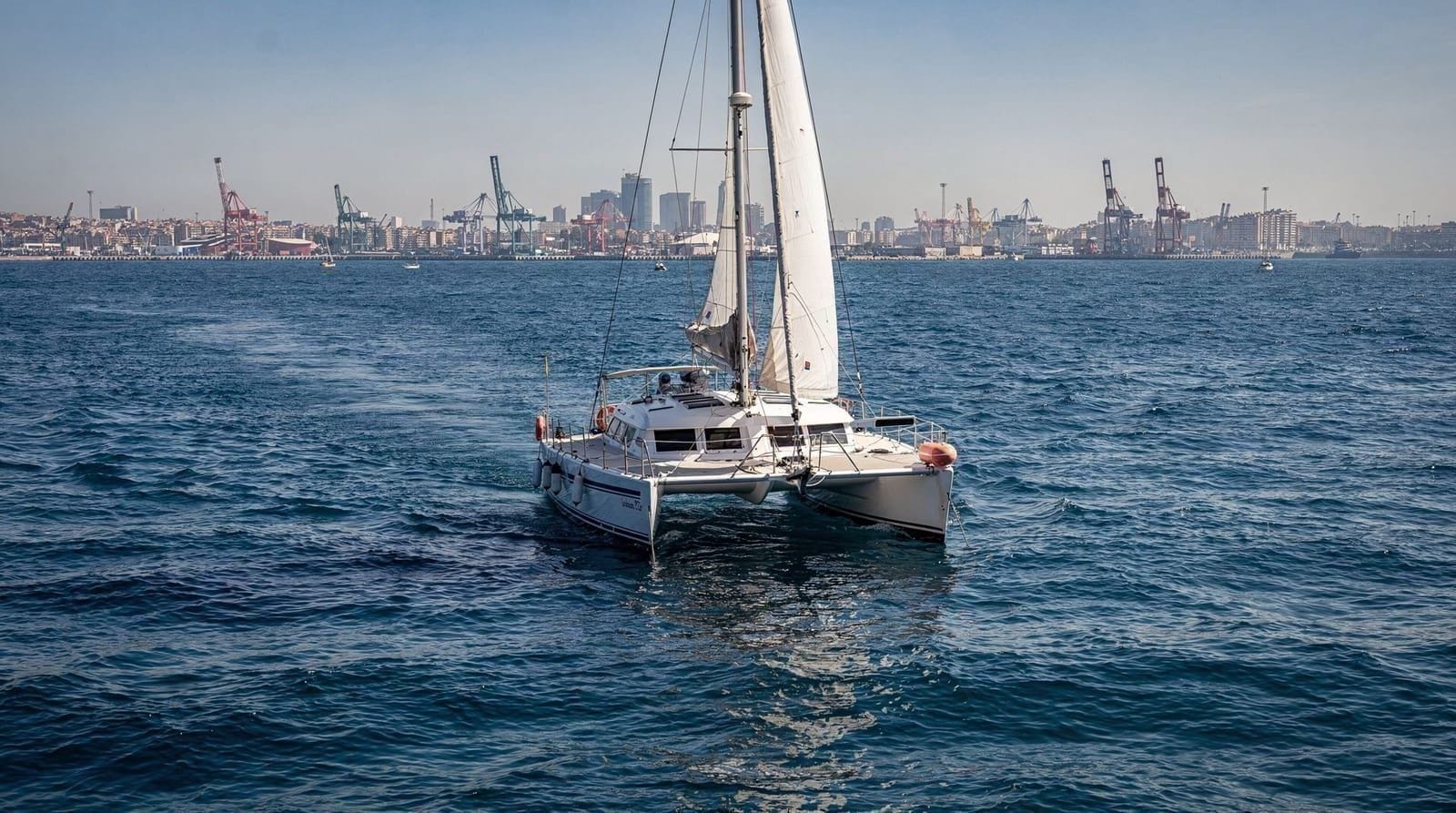 catamaran trip with wine tasting and seafoodCheck availability
Option B: Train to Requena (independent)
Cercanías Line C-3 from Valencia Estació del Nord to Requena-Utiel station (50 min, €6.10 return). The station is 2 km from Requena town (taxi €5).
If going independently:
- Visit the Requena old town: the Barrio de la Villa (medieval quarter), the 14th-century Castillo, the Gothic church of El Salvador
- The Museo del Vino (wine museum, Calle Escuelas 4, €2 entry) is a good starting point for understanding the DO
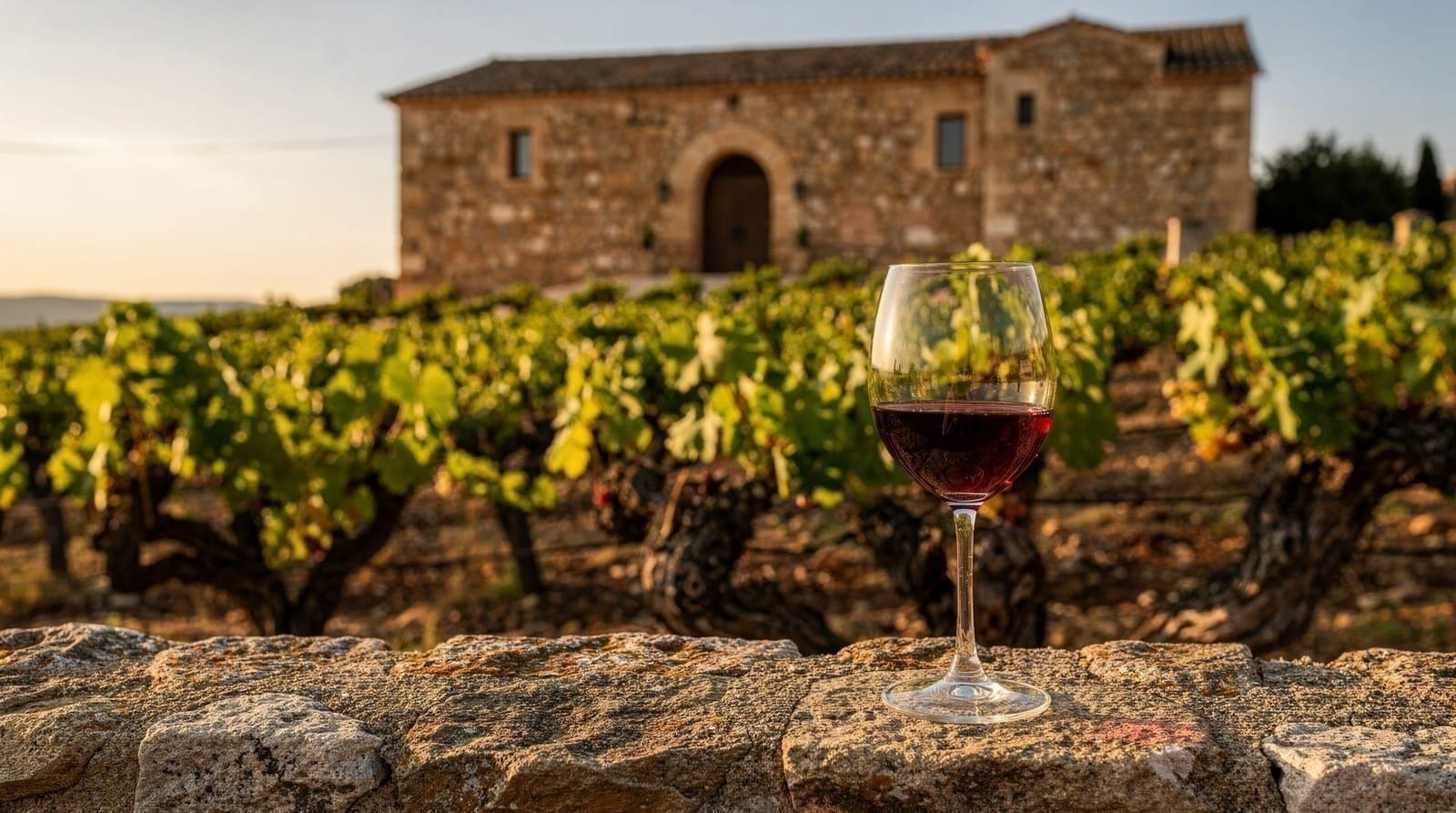
- Cave wineries: Requena has extensive limestone cave cellars used for wine storage for centuries. Several bodegas offer cave tours and tastings. Bodegas Iranzo (Carretera de las Cuevas, +34 962 30 07 06) and Pago de Tharsys (Carretera Nacional III km 274) both accept visitors with advance booking.
Where to eat in Requena: La Mesón del Vino (Calle del Arzobispo Mayoral 11): traditional Valencian meat and rice dishes, good wine list at cellar prices, €18–25/pers. Bar de la Villa in the old town for simple tapas at local prices (€8–14).
What to buy: Wines at cellar prices (€8–15 for reserve wines that cost €20–25 elsewhere), locally produced sobrasada, olive oil from the Requena cooperatives.
Pairing Bobal with Valencian food
Bobal’s structure and acidity make it a genuinely good match for the city’s core dishes, not just a regional curiosity to drink alongside them. A young Bobal joven, served slightly chilled, cuts through the richness of a wood-fire paella valenciana better than most whites. The rosados pair naturally with the market’s cured meats and cheeses, and with clóchinas if you’re eating them in season. A structured Bobal reserva stands up well to all i pebre’s eel and paprika intensity if you’re doing the Albufera food route on the same trip. Ask any Ruzafa wine bar to pair a glass with whatever you’ve ordered — most staff know the region well enough to make a genuine recommendation rather than a generic house pour.
Day 3: city cooking, natural wine and final dinner
10:00 — Paella cooking class (wine focus)
A cooking class on day 3 reinforces the food-wine pairing understanding from the previous days. Look for classes that include a wine component — some offer a paella class paired with a Valencian wine tasting:
wine tasting and tapas pairingCheck availability
13:00 — Mercado de Colón
The Mercado de Colón (Carrer de Jorge Juan 19, Eixample) is a 1916 modernista market building now functioning as a gourmet food hall. Better coffee than the Mercado Central, excellent wine shop inside (Lavinia reference wines), and a lunch menu at the bars that focuses on quality over quantity.
15:00 — Afternoon wine route in the city
Walk or bike from the Mercado de Colón through the Eixample to Ruzafa, stopping at:
- The Malaga wine shop (Carrer de Ruzafa): natural wines from the Peninsula, good Bobal selection
- Casa Montaña (El Cabanyal, Calle José Benlliure 69): 400-label wine list, open since 1836, the most serious wine destination in Valencia. Take a 20-minute taxi or metro to El Cabanyal for this one.
19:00 — Craft beer detour (optional)
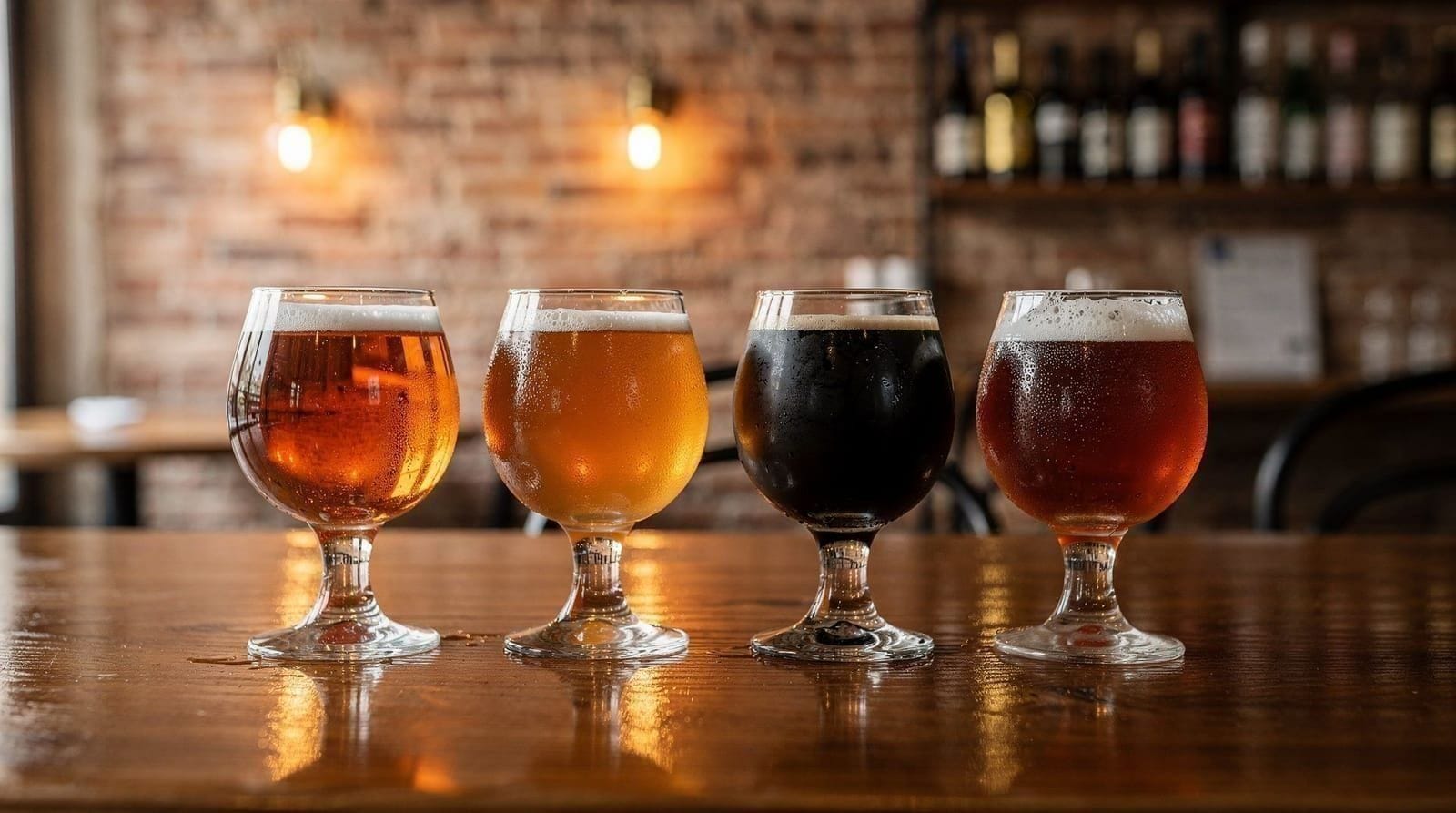
Valencia’s craft beer scene has grown significantly since 2018. For balance and variety: Tyris On Tap (Calle del Literat Azorín, Ruzafa) serves the Tyris brewery’s range (Valencia-based, genuinely good IPA and wheat beers) alongside guest taps. Full guide: craft beer in Valencia.
21:00 — Final dinner
End the wine itinerary at its logical conclusion: a restaurant with a serious Valencian wine list and good food.
Top recommendation: La Pepita (not the beach restaurant — the Ruzafa one at Calle de l’Empedrat 12): natural wines by the glass, excellent small plates, the wine list changes weekly. Informal, lively, reservations recommended.
For splurge: Ricard Camarena (Carrer del Doctor Sumsi 4): 2 Michelin stars, Valencian ingredients and technique, wine pairings available. €90–120/pers with pairing. Book weeks in advance.
Requena wine practical guide
When to visit
September–October: Harvest season — the vineyards are being picked, the wineries are in full operation, and some hold harvest-day events for visitors. The landscape is golden and spectacular. The best time.
November–February: Cave tasting conditions at their best, truffle season in the Maestrat nearby, quieter winery visits.
June–August: Hot (35–40°C on the meseta) and some bodegas close for August holiday. Check availability before booking.
Wine vocabulary useful for Requena
- Bobal: The indigenous red grape. Thick skin, dark colour, naturally high acidity.
- Joven: Young wine, unoaked, typically fresh and fruit-forward. Drink within 2–3 years.
- Crianza: Minimum 6 months in oak, 2 years total before release.
- Reserva: Minimum 1 year in oak, 3 years total.
- Gran Reserva: Minimum 18 months in oak, 5 years total.
- Rosado: Rosé — the Bobal rosados of Requena are some of Spain’s most distinctive.
Bringing wine home
EU travellers: no limits within the EU. Non-EU: customs allowances apply (typically 2–3 litres for US and UK). Wine shops in Requena will pack bottles for travel. The cave wineries often have export shipping arrangements for larger purchases.
Frequently asked questions about Valencia wine travel
Is Requena worth visiting as a day trip from Valencia?
Yes — the old town is genuinely interesting (cave cellars below the entire medieval quarter), the wines are excellent, and the prices are significantly lower than comparable Spanish wine regions. The train makes it easy. See our Requena wine tour guide.
What grape is Valencia most famous for?
Bobal (red) from the Utiel-Requena DO and Merseguera (white) from the Valencia DO. Monastrell (Mourvèdre in French) is also significant in the southern Alicante DOs. See wine from Requena and Bobal.
Are the Requena wine tours good value?
The organised tours (€45–65/pers) include transport, winery entry, tastings and lunch — comparable value to a self-organised day once you factor in train, taxi, winery entry and restaurant. The main advantage of the tour is access to wineries that don’t take walk-in visitors and a guide who knows the producers.
What wine should I buy to take home from Valencia?
A Bobal reserva from Mustiguillo or Celler del Roure (€14–18 in the region) is the best gift and the best introduction to the grape. A Bobal rosado from Pago de Tharsys (€8–12) is excellent for summer. A Merseguera white from the Valencia DO for immediate drinking (€6–10).
Can I do a wine tasting in Valencia city without going to Requena?
Yes — the wine tasting and tapas pairing in the city covers Valencian wine appellations without leaving the city. Casa Montaña in El Cabanyal has 400+ labels available by the glass. La Vinoteca in Ruzafa has a broad Valencian selection. The Mercado Central wine stalls sell bottles to drink that day.
Top experiences
Bookable activities with verified prices and instant confirmation on GetYourGuide.