Free walking tours in Valencia: what to expect and how they work
Valencia: historical city tour
Are free walking tours in Valencia worth it?
Yes, for most first-time visitors. The old city circuit (Cathedral, Mercado Central, Lonja de la Seda) done with a good guide makes the history legible in a way that self-guided exploration often doesn't. Tips of €10-15 per person are the expected norm; the 'free' is a business model, not a freebie.
The free walking tour model arrived in Valencia in the early 2010s and is now a standard feature of the city’s tourism infrastructure. Several operators run English-language tours daily, all starting at or near Plaza de la Reina (the main square in front of the Cathedral). The model is transparent enough once you understand it: guides work exclusively for tips, tours last 2-3 hours, and groups range from 5 to 25 people.
| Where | Meeting point: Plaza de la Reina, in front of the Cathedral |
| Cost | Tip-based, €10-15 per person expected |
| Time needed | 2.5-3.5 hours |
| Getting there | Central old-town location, walkable from most accommodation |
| Best time | 10:30 morning slot; book ahead during Las Fallas and peak season |
How the free walking tour model works
No payment at booking or start. You show up at the meeting point, the guide introduces themselves, and the tour begins. At the end, the guide gives a brief speech about tips being their entire income, and you pay what you think the experience was worth.
This is not charity. Professional free tour guides in a city like Valencia can earn €100-200 on a good high-season morning (25 people × €8-16 each). On a quiet winter weekday with 8 people and modest tips, the same guide might earn €40-60. The income is variable; the work is performance-dependent.
For you as a participant, the calculus is simple: if the guide was good and you learned something, tip €12-15 per person. If the guide was excellent and the tour transformed your understanding of the city, tip €15-20. If the tour was genuinely poor — bad English, inaccurate history, rushed through sites — €5-8 is appropriate. Zero tip is reserved for misconduct.
What free walking tours cover in Valencia
The standard old city circuit runs 2.5-3 hours and covers:
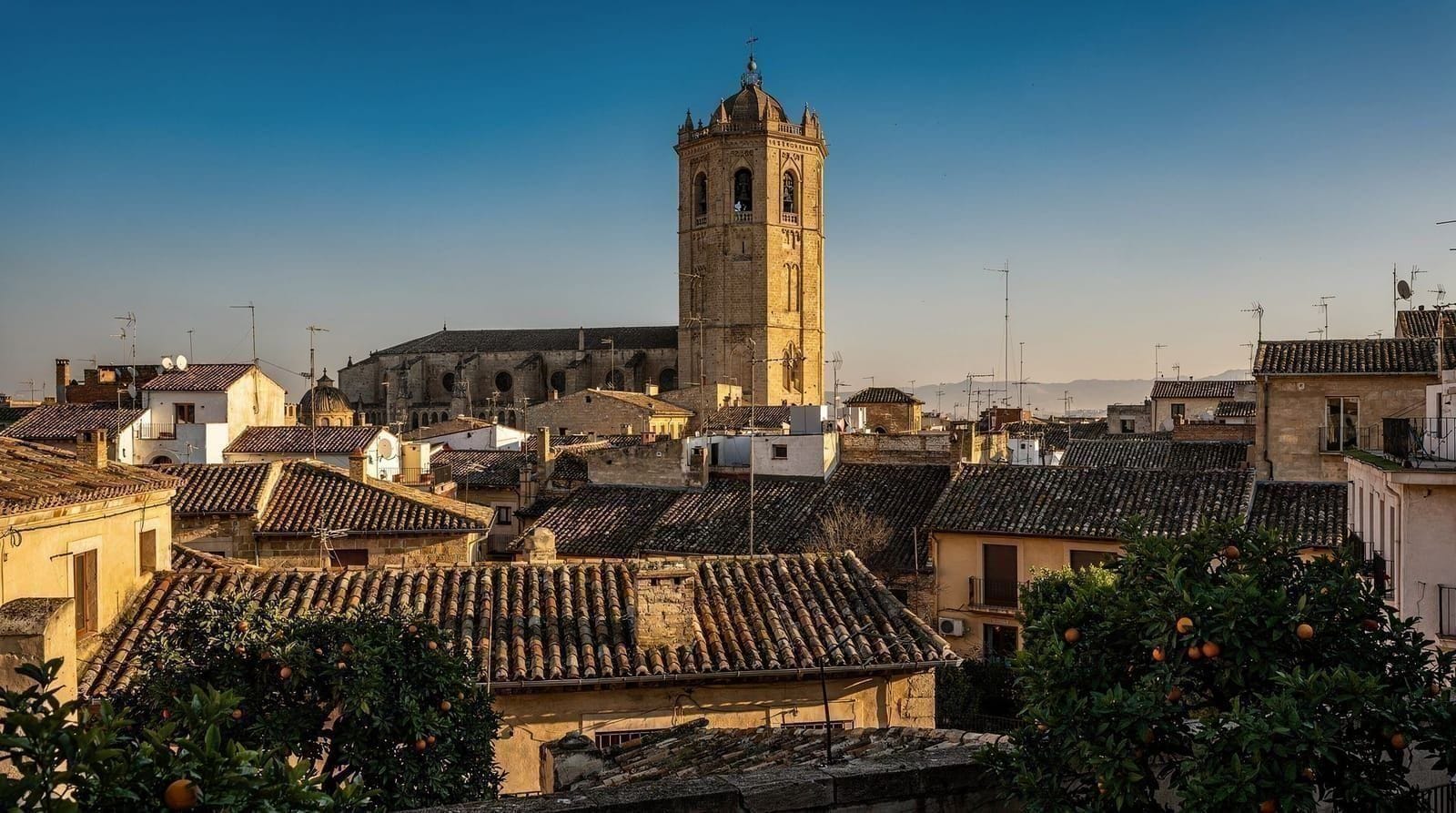
Plaza de la Reina (starting point): The main square in front of the Cathedral, with its orange trees and the Torre del Miguelete visible. Guides typically open with Valencia’s history from Roman settlement through the Moorish period to the Christian Reconquista of 1238.
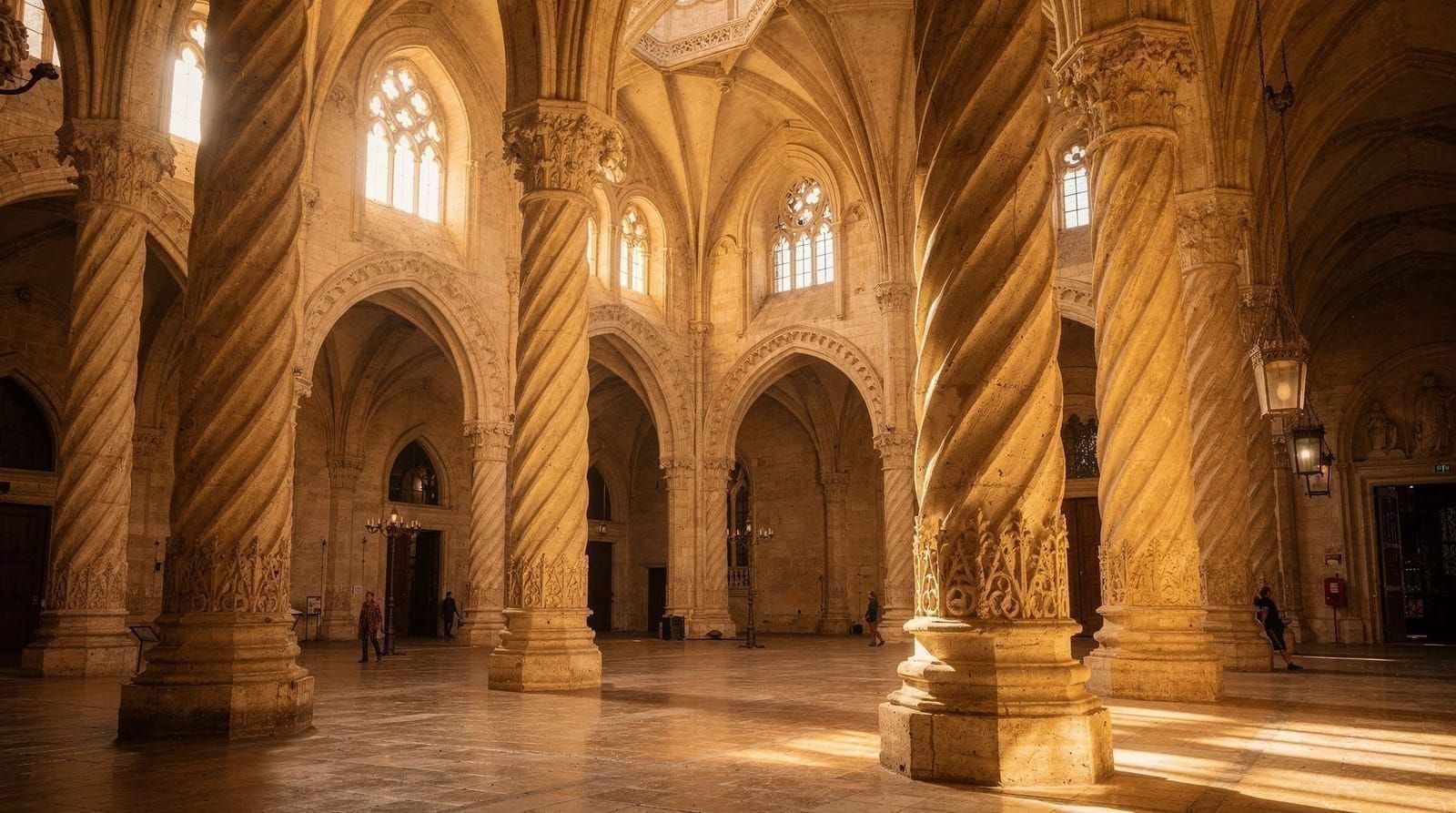
The Cathedral (exterior): The three doorways — each in a different architectural style (Romanesque, Gothic, Baroque) — reflect the centuries over which the building was constructed. Most free tours don’t enter the Cathedral (the cultural visit costs €12); they cover the exterior and the history.
The Miguelete Tower: The bell tower visible from most of the city center. Background on its construction (1381-1429) and its 207 bells.
La Lonja de la Seda (Silk Exchange): The UNESCO World Heritage site built between 1482 and 1548. The exterior Gothic stonework and the history of Valencia’s silk trade are covered. Entry (€2) is typically included if the group wants to go in, or covered as an optional add-on.
Mercado Central: The building’s Art Nouveau architecture (1928) and the silk exchange relationship. Guides explain the morning market rhythm and sometimes lead a small tasting or food stop inside.
San Nicolás Church: Most tours include a brief stop outside to discuss the famous Palomino frescoes inside (“the Sistine Chapel of Valencia”). Some tours arrange group entry; others leave it as an independent option.
Torres de Serranos or Torres de Quart: The two surviving medieval gateways. Most tours pass one or both; some include a brief climb.
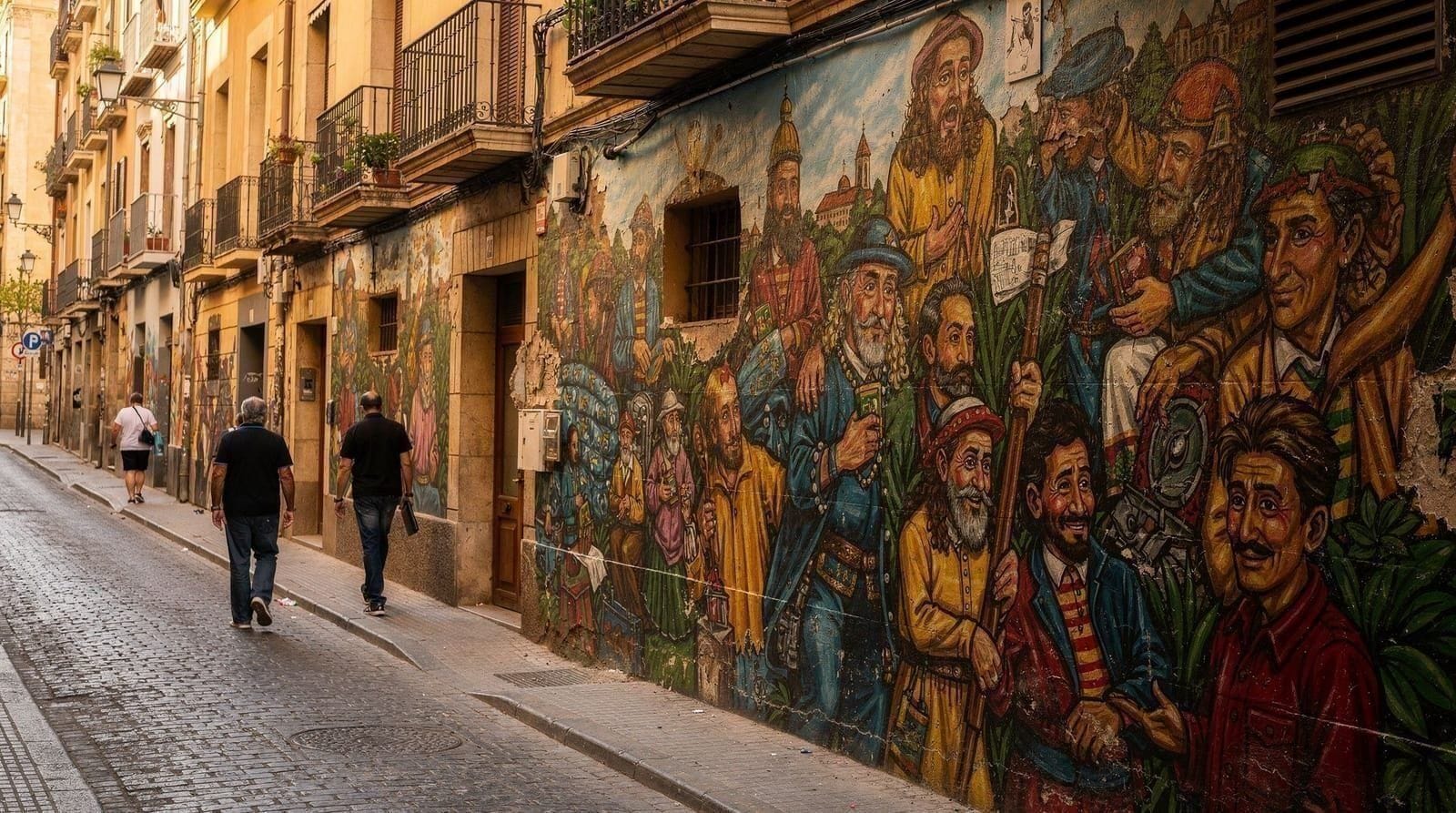
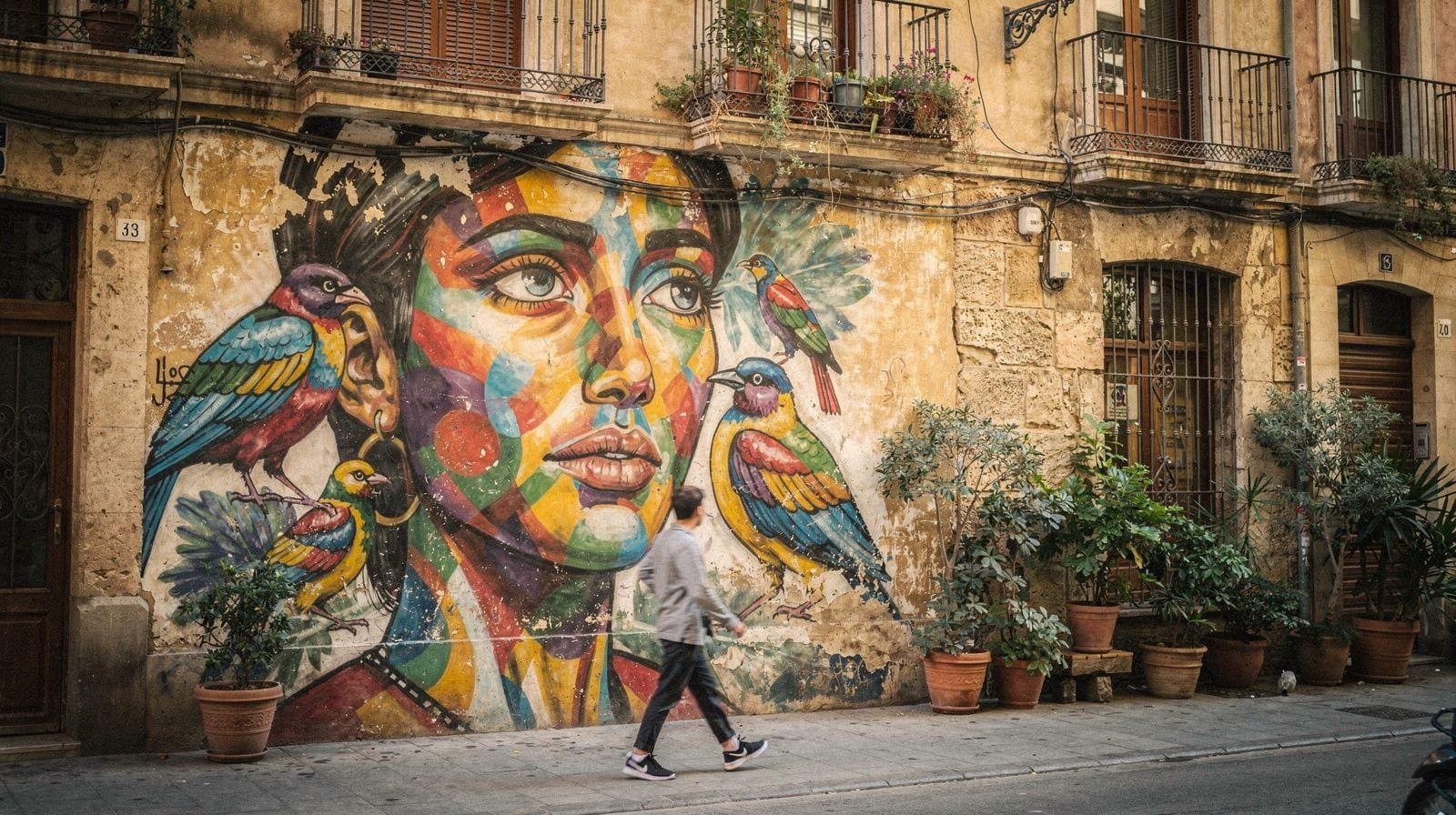
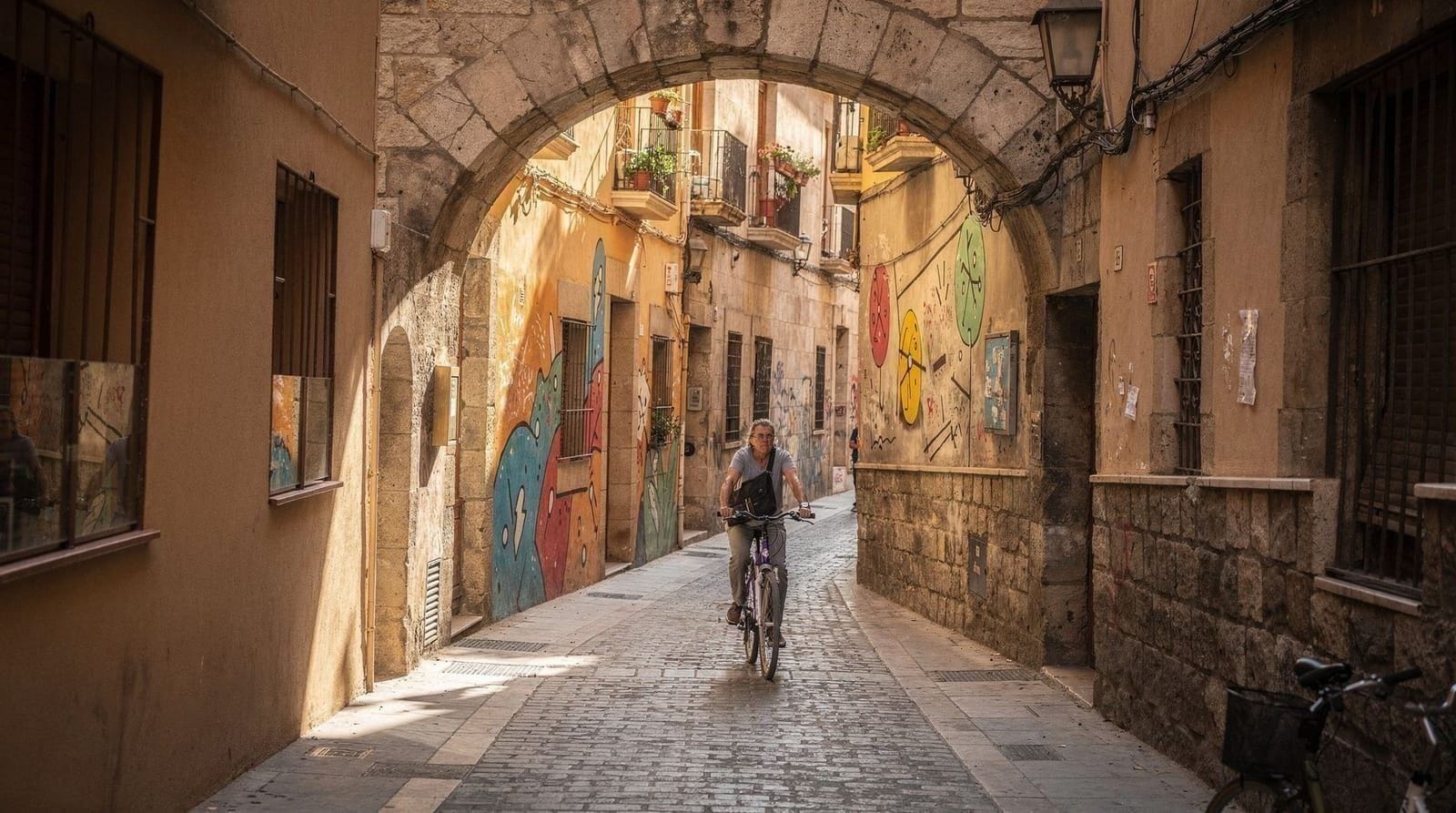
Street art in El Carmen: The newer tours incorporate the street art scene in the lanes north of the Mercado Central — this has become a popular addition in the last 5 years.
The operators
Several companies operate in Valencia. The competitive quality is generally good — the free tour market self-selects for engaged, multilingual guides, because bad guides simply don’t earn enough to continue.
The main English-language operators have meeting points at Plaza de la Reina (look for guides holding a colored umbrella or sign with their company name), typically at 10:30 and 16:00. Times shift seasonally — confirm the current schedule directly with operators, as they update their websites more frequently than third-party booking platforms.
 historical city tourCheck availability
 old town walking tourCheck availability
When to choose a paid tour instead
The free walking tour model has limitations that matter in some situations:
Small group or private: A group of 20 people going from site to site is a different experience from a private guide with 2-4 people who can adjust pace, take detours, and answer specific questions. The private walking tours cost €80-150 for a group of 2-4 but offer a fundamentally better experience for those who want depth.
Specific interests: If you want a tour focused on street art, Valencian architecture, food culture, or a particular historical period, a specialist paid tour delivers what a general free tour can’t. The street art walking tour focuses specifically on the murals in El Carmen and surrounding areas; the food tours combine walking with tastings.
Children or mobility needs: Large group free tours move at a pace that can be difficult for young children or people with mobility limitations. Family-focused paid tours are specifically designed for these needs.
Language: If English isn’t your first language, a free tour in your native language may not be available. Check the schedule. For French, German, Italian, and Spanish, good paid tour operators typically have more consistent scheduling.
Free vs private vs specialist: quick comparison
| Group size | Typical cost | Best for | |
|---|---|---|---|
| Free tip-based tour | 10-25 | €10-15/person tip | First-timers wanting an overview, budget-conscious travellers |
| Small-group paid tour | 6-12 | €15-30/person | A more paced experience with fixed pricing and no tipping calculus |
| Private guided tour | 2-4 | €80-150/group | Custom pace, specific interests, families, mobility needs |
| Specialist tour (food, street art, silk trade) | Varies | €25-75/person | Visitors who already know the monuments and want a deeper angle |
Self-guided vs guided: the honest answer
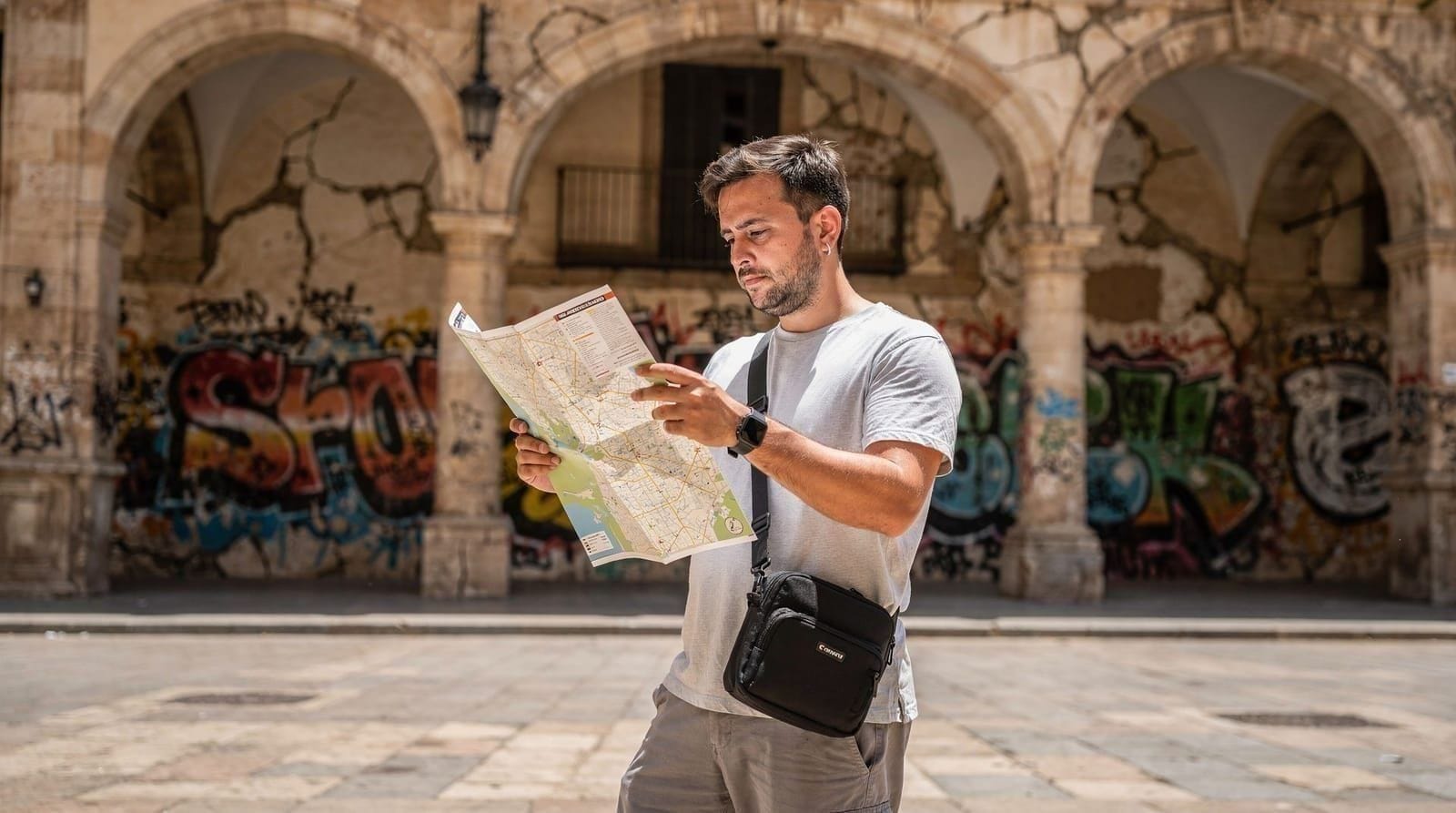
Can you see the same sites without a tour? Yes. The Lonja de la Seda, the Cathedral, the Mercado Central, and the Torres de Serranos all have entry tickets and explanatory materials. The sites are close together and walkable without guidance.
The value of the guided tour is the context — the chronological and thematic narrative that connects the sites and makes the history coherent. Walking into the Lonja de la Seda knowing that it was built as a statement of Valencian commercial power, at the height of the silk trade, when Valencia was one of the Mediterranean’s wealthiest cities, is a different experience from walking in knowing only that it’s a UNESCO World Heritage site.
For a full comparison of guided versus self-guided approaches, see the guided vs self Valencia guide.
The tourist trap version
Not all walking tours in Valencia are equal. Some operators focus on ensuring maximum affiliate commissions — steering groups to specific restaurants, gift shops, or experiences that pay the operator rather than those that serve the participants. Signs of this:
- Unsolicited strong recommendations for specific restaurants (“this is the best paella in Valencia, you must go tonight”)
- Guides who mention a business name multiple times and offer to make reservations
- Tours that end at or near a specific commercial establishment
This is less common with free tip-based tours (guides have more incentive to be genuinely helpful, since their income depends on participant satisfaction) than with paid tours that include commissions. But it exists.
The honest tourist guide to Valencia covers the paella trap and other related issues.
Practical logistics
Meeting point: Almost universally Plaza de la Reina, in front of the Cathedral. Look for a guide holding an umbrella, sign, or branded flag.
What to bring: Comfortable shoes (3+ hours of standing and walking on uneven stone surfaces), water (especially April-October), a hat in summer, €10-15 in cash for tipping (most guides prefer cash; some accept card).
Time of year: Las Fallas (March) sees demand spike dramatically — tours fill up and guides can be overwhelmed by large groups. Book in advance in this period. Summer (July-August) morning tours fill quickly for the 10:30 slot; the afternoon tour (if available) is often smaller.
Duration: Allow 2.5-3.5 hours depending on the operator and the group’s pace. Don’t plan anything time-sensitive immediately after.
Accessibility: The old city’s cobbled and paved streets are largely flat but uneven in places, and free tours don’t typically build in extra time for participants with mobility limitations. If you use a wheelchair or find long standing periods difficult, a private tour that can adjust pace and route is the better option — see the accessible Valencia guide for step-free routes through the same historic centre.
Weather: Summer tours (July-August) run in serious heat by late morning — the 10:30 slot beats a later one, and a hat plus water are not optional. Winter tours are comfortable but shorter daylight means afternoon slots can end near dusk. Rain doesn’t usually cancel a tour, but check with the operator if conditions look severe.
The Spanish walking tour market context
Free walking tours in Spain operate in a well-established ecosystem. The model originated in Germany (Berlin in the early 2000s) and spread through Europe, reaching Spain’s major tourist cities by 2008-2012. Valencia adopted the model later than Barcelona or Madrid, which means the market is less saturated — typically 5-8 operators rather than 30+ — and the quality floor is slightly higher.
The operators who survived the competition are generally those whose guides generated good tips through genuine quality. The high-tip baseline in Valencia is €12-15 per person; guides who reliably achieve this have developed reputations and repeat business that sustains them. The guides who deliver €5 average tips don’t stay in the business.
One specific aspect of the Valencia market: several operators run both free and paid private tours. The private tour product (€80-150 for a group of 2-4) uses many of the same guides who run the free tours. If you take a free tour and the guide is exceptional, asking for a private tour the next day with the same guide is an excellent option — you get the same quality of historical knowledge with the flexibility and depth of a private itinerary.
Beyond the standard route
The standard old city circuit covers the monuments most visitors already know about. The more specialized tours that have developed in Valencia address gaps in this standard coverage:
The Valencian Silk Road tour: Focused specifically on the silk exchange history, the silk museum, and the relationship between Valencia’s 15th-century commercial supremacy and the built environment. This requires specialist knowledge — a general guide covers the Lonja but not the deeper silk trade history. See the silk route guide.
The street art tour: El Carmen has developed a substantial outdoor mural collection since the late 1990s. Some of the work is by internationally recognized artists; some is by local muralists; all of it is in an architectural context that gives it meaning beyond gallery work. A dedicated street art tour covers the major pieces with artist backgrounds and social context. See the street art guide.
The Las Fallas history tour: Valencia’s most distinctive cultural institution — the annual festival of papier-mâché sculptures burned on March 19 — has a history, a social organization, and an artisan tradition that is not obvious to casual observers. A Fallas-specific tour, available during March and as a historical tour year-round, covers the falleres associations, the fallas artistes (sculptors), and the history of the festival. See the Las Fallas guide.
Food-focused walking tours: These are technically paid tours rather than free tip-based tours, but they operate on the same pedestrian format. The difference is that they involve tastings at 4-6 stops and are therefore priced at €55-75 rather than being tip-based. They’re better for food-focused visitors than a general walking tour, which covers monuments without much food content.
After the walking tour: using what you learned
A good walking tour gives you a mental map of the old city that transforms subsequent independent exploration. After a 3-hour guided walk, you have:
- A chronological framework: when each monument was built, what was happening in Valencia at the time, and why the building looks the way it does
- A spatial framework: how the different plazas and streets connect to each other
- Specific knowledge about what’s worth entering and what’s just as good from outside
- Restaurant and bar recommendations from a guide who earns their income by being genuinely useful
Use this knowledge for the rest of your time. Re-walk the Calle dels Cavallers alone the next morning when it’s quiet. Return to the Lonja de la Seda on a Sunday morning (open 10:00-14:00) when entry is free. Find the bar on the Plaza del Negrito that the guide mentioned for aperitivo.
The walking tour is the beginning of your relationship with El Carmen, not the whole of it.
Paid walking tours: when to upgrade
Some situations justify the step from free to paid walking tours:
Small groups: A group of 2-4 people paying €80-100 for a private 2-3 hour tour pays €20-25 per person — comparable to a generous free-tour tip, but with a genuinely custom experience.
Specialist themes: Paid tours focused on specific subjects (Valencian modernisme architecture, the silk trade history, the Holy Grail story) have more depth than general free tours.
Specific access: Some paid tours include monument entry (e.g., a tour that includes the Cathedral + Miguelete climb + Lonja entry). The cost difference from paying separately can be minimal once you factor in the value of queuing time.
essentials and World Heritage sites walking tourCheck availability
must-see attractions walking tourCheck availability
Combining a walking tour with the rest of your trip
A morning walking tour pairs naturally with an afternoon spent at your own pace revisiting the sites that interested you most. If the tour includes or passes the Mercado Central, consider timing your visit so you can return for lunch once the guide has explained what you’re looking at — the market is far more legible with context than as a cold visit. Public transport back to accommodation outside the old town is straightforward; see the getting around by metro and EMT guide for routes and ticketing if your hotel isn’t within walking distance.
Where to go next after the tour
Once the guide has given you the outline, pick the stops that caught your attention and return to them on your own terms. If the Cathedral story stayed with you, the Cathedral and Miguelete guide explains what to see inside and how to approach the tower climb. If the Silk Exchange impressed you, the Lonja de la Seda guide lets you take the interior at your own speed. The tour’s brief mention of the Carmen lanes is worth following up with the El Carmen neighbourhood guide, which suits an unhurried evening wander.
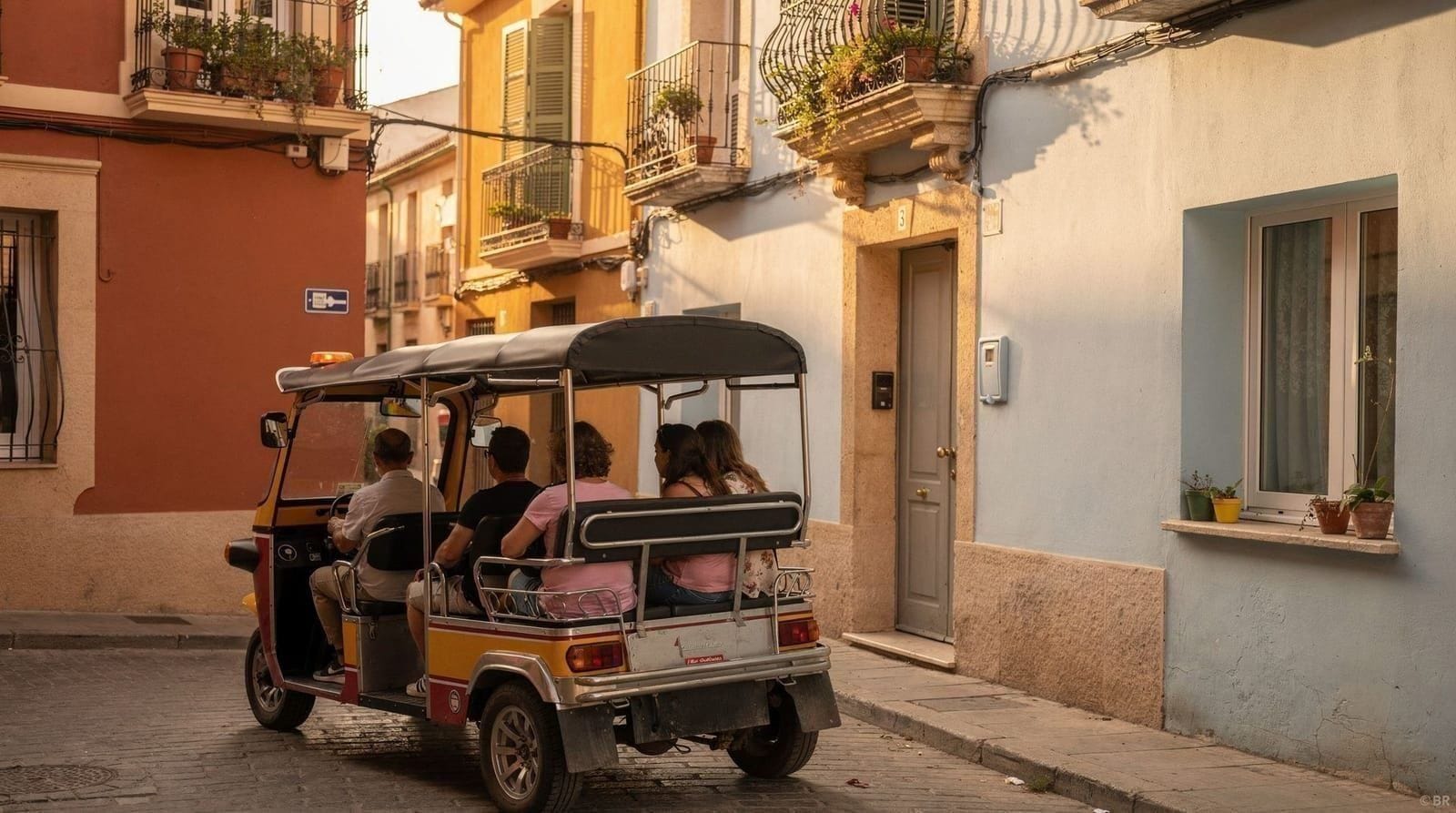
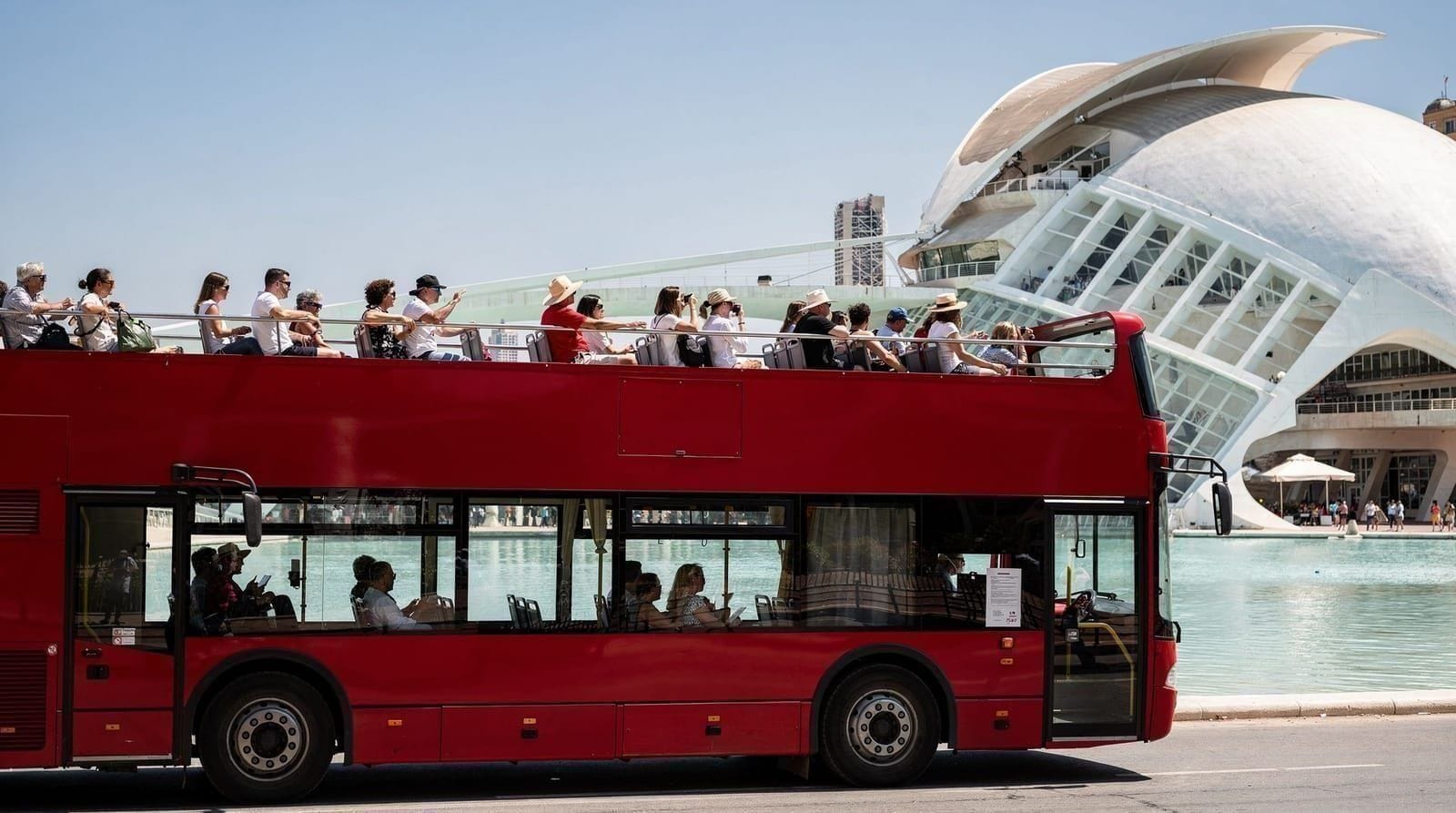
The two medieval gateways that the group usually only passes are covered in the Serranos and Quart towers guide. If the walking tour left you wanting a faster way to cover more of the city, compare it with the hop-on hop-off bus and the tuk-tuk tours, and if you are building a longer stay, the Valencia in one day itinerary slots a walking tour into a full first day.
Frequently asked questions about Free walking tours in Valencia
How much should I tip on a free walking tour in Valencia?
The expected norm is €10-15 per person. Professional quality guides doing a 2.5-3 hour tour justify €15-20 from satisfied customers. Tipping €5 or less is possible but should be reserved for genuinely poor experiences. The guides' income depends entirely on tips — there is no base salary.Do I need to book in advance?
Most free walking tour operators accept walk-ups, but booking online (usually free to reserve a spot) is recommended in high season (April-June, September) and during Las Fallas. Groups over 25 people become unwieldy; many operators cap at this size.What languages are available?
English-language tours run daily in Valencia, usually at 10:30 or 11:00, and sometimes at a second time in the afternoon. Spanish-language tours also run daily. German, French, and Italian tours operate less frequently — check specific operators. During Las Fallas, multilingual tours are the norm.Are free walking tours good for children?
Tours running 2.5-3 hours are on the long side for children under 10. The content tends to assume adult attention spans. Dedicated family walking tours exist and are a better choice for parties with young children.What's the difference between a free walking tour and a paid guided tour?
Free tours are typically tip-based and operate in groups of 10-25. Paid guided tours offer smaller groups, more tailored content, flexible timing, and a fixed price (usually €15-30/person). Private tours (€80-150/group) offer the most flexibility and the best experience for focused itineraries.Are free walking tours truly free?
No. They are tip-based — guides receive no salary and depend entirely on tips from participants. The 'free' designation means no upfront payment, not no cost. Participating without tipping is considered rude in the industry. Budget €10-15 per person.Are all free walking tours the same?
No. Guides vary significantly in quality, depth of knowledge, and storytelling ability. The best ones are passionate historians who happen to be great teachers. The worst are bored students reciting memorized scripts. The difference matters — a 3-hour tour with an excellent guide transforms how you see the city. The same route with a poor guide is a tiring walk.Can I leave a free walking tour in the middle?
Yes. There is no contractual obligation. If a tour is not working for you (wrong pace, incomprehensible guide, wrong language), leaving politely is entirely acceptable. You are not obligated to tip if you leave early, though a small amount acknowledging the time spent is courteous.Is tipping in cash or card?
Cash is strongly preferred. Some guides carry card readers but tips processed via card are subject to fees and delays. Carrying €10-20 in small bills specifically for the tour tip is good practice.What if I arrive late to the meeting point?
If the tour has already started, most guides will accept latecomers who join quietly. It's better to arrive 5-10 minutes early since the guide typically gives an introduction at the meeting point before moving.How do free walking tours in Valencia compare to Barcelona or Madrid?
Valencia's free tour market is smaller and less saturated than Barcelona's or Madrid's, which generally means more consistent guide quality and less aggressive commission-chasing. Group sizes tend to be somewhat smaller too, since Valencia receives fewer mass day-trip tour groups than Barcelona's cruise-heavy old town. If you've taken a free tour in either of those cities before, expect a calmer, less commercialised version of the same format in Valencia.Can I take more than one free walking tour during my trip?
Yes, and it's a reasonable strategy if your visit is longer than 2-3 days. The standard old-city circuit is the most common, but some operators run a second route covering Ruzafa, the Turia Gardens, or a different angle on the historic centre. Taking two different tours with two different guides over a week gives a genuinely fuller picture than repeating the same circuit, and tipping norms apply to each one independently — budget accordingly if you plan to do more than one.
Top experiences
Bookable activities with verified prices and instant confirmation on GetYourGuide.