Guided vs self-guided Valencia: which approach is right for you?
Valencia: private 4-hour walking tour of the old town
Duration: 4 hours
Should I take guided tours in Valencia or explore independently?
Both work in Valencia. The city is well-organized and walkable enough for confident independent exploration. Guided tours add the most value for historical sites where context matters (El Carmen, Cathedral, Lonja de la Seda), for first-time visitors who want orientation, and for day trips to less well-documented destinations. Self-guided works best for beaches, the Turia Gardens, and Ruzafa's food scene.
The guided versus self-guided question is one of the most useful things to think through before a trip to Valencia, because the answer affects how you allocate time and money. This guide gives you a genuine framework rather than the standard hedge.
| Best for guided | El Carmen history, Albufera day trip, first-day orientation |
| Best for self-guided | Beaches, Turia Gardens, Ruzafa food scene |
| Typical guided cost | around €15–75 per person depending on format |
| Time needed for a tour | 2–4 hours (city), full day (Albufera) |
| Booking | Advance recommended for private tours and Albufera |
Valencia’s self-guided advantage
Valencia is one of the more navigable European cities for independent visitors. Several factors contribute:
Compact historic center: The Ciutat Vella (old city) is roughly 1.5 km in diameter — small enough to walk across in 20 minutes. The main monuments are clustered within a few hundred meters of each other. Getting lost is difficult when you can see the Miguelete tower from most streets.
Clear visual markers: The Miguelete tower (visible from much of the old city), the Turia Gardens park (the green corridor that forms the northern boundary), and the City of Arts and Sciences (visible from 2 km away) provide constant orientation points.
Good signage: The tourist route through the old city is well-marked with brown signs. The metro system is intuitive and well-labeled.
Quality English content: This site and several good English-language guides exist. The major monuments (Cathedral, Lonja, Science Museum) have audio guides and explanatory panels in English.
The implication: a confident independent traveler can see Valencia’s main attractions, eat well, navigate the transport, and have a genuinely good trip without booking a single guided tour.
Where guided tours add real value
The honest case for guided tours is not “you need a guide to survive Valencia.” It’s that certain experiences are substantially better with good guidance:
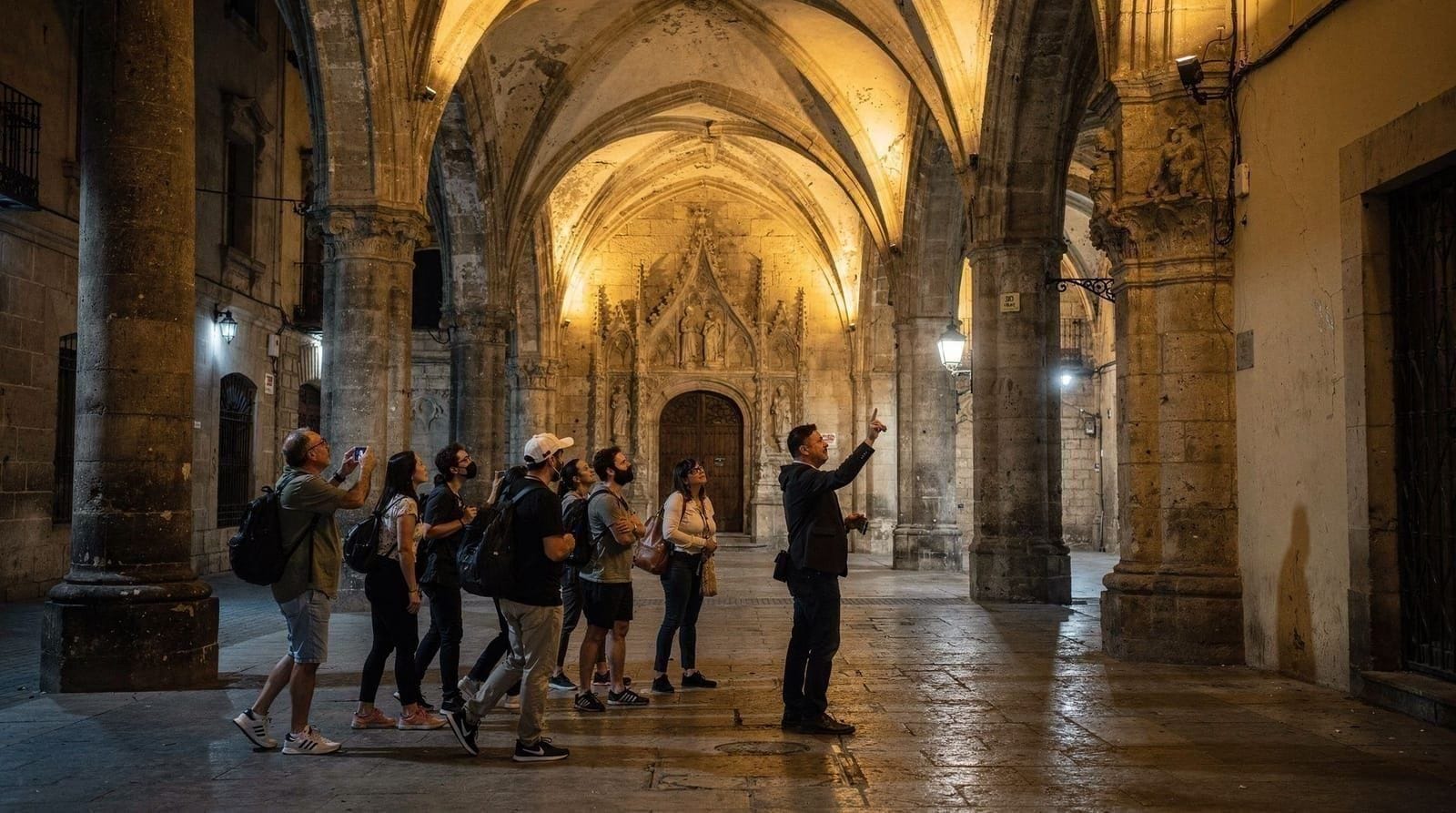
Historical context for El Carmen and the old city. Walking into the Lonja de la Seda without knowing why it was built, when, and what it meant for Valencia’s position in the 15th-century Mediterranean is a narrower experience than walking in with that context. The same applies to the Cathedral’s three architectural styles, the Torres de Serranos, and the relationship between the silk exchange and the market next door. A 2.5-hour walking tour with a good guide doesn’t just give you facts — it makes the city legible.
Day trips to lesser-known destinations. The Albufera lagoon, Xàtiva, and the villages of the inland region are destinations where good guidance makes a genuine difference. Local guides know which rice restaurants at El Palmar are actually cooking over wood (critical for authentic paella), which castle ruins at Xàtiva have the best viewpoint, and how to navigate a site without wasting half the day.
First-day orientation. A 2-3 hour guided tour on your first morning in Valencia is an efficient way to get the spatial and historical framework into your head. After that, everything you explore independently makes more sense because you have the context.
Language barrier situations. If your Spanish is minimal and you want to use Valencia’s food markets, craft workshops, or local experiences that aren’t tourist-facing, a bilingual guide is practically useful, not just an informational resource.
The case against guided tours (honestly)
Most organized tours in tourist cities are fine but not great. They optimize for a middle group — delivering enough to satisfy the majority without being challenging or specialized enough to satisfy people with specific interests or deep knowledge. If you’ve already read a substantial amount about Valencian history, a general walking tour will cover material you know.
The group dynamic: free walking tours run with groups of 10-25. This means waiting for the slowest walker at every intersection, not being able to ask follow-up questions without holding up the group, and an experience calibrated to the median attention span. If you’d spend the time differently, skip it.
The pacing problem: guided tours follow a fixed duration. If the Lonja de la Seda interior is the most interesting thing you’ve seen in years and you want to spend an hour there, a guided tour doesn’t accommodate that. Self-guided exploration does.
The recommendation density: some guides at the end of tours recommend specific restaurants, bars, or experiences that pay the guide referral fees. This is not universal (and is less common with tip-based free tour guides), but it happens. Treat restaurant recommendations from any tour guide with the same skepticism you’d apply to a hotel concierge.
Private vs group guided tours
The guided tour market has two main formats:
Group tours (8-25 people): Lower cost (€15-25/person for paid tours, €10-15 tip for free tours). Efficient use of guide time. Quality varies more with guide quality. Less flexibility.
Private tours (2-6 people, sometimes up to 10): Higher cost (€80-200 for a 3-4 hour tour, split between the group). More conversational, more flexibility on pace and content, better for families or couples with specific interests. The per-person cost is much lower in a group of 4-6.
For families, the math often works in favor of private tours: a group of 4 adults sharing a private 4-hour tour at €150 total pays €37.50/person — not much more than a paid group tour.
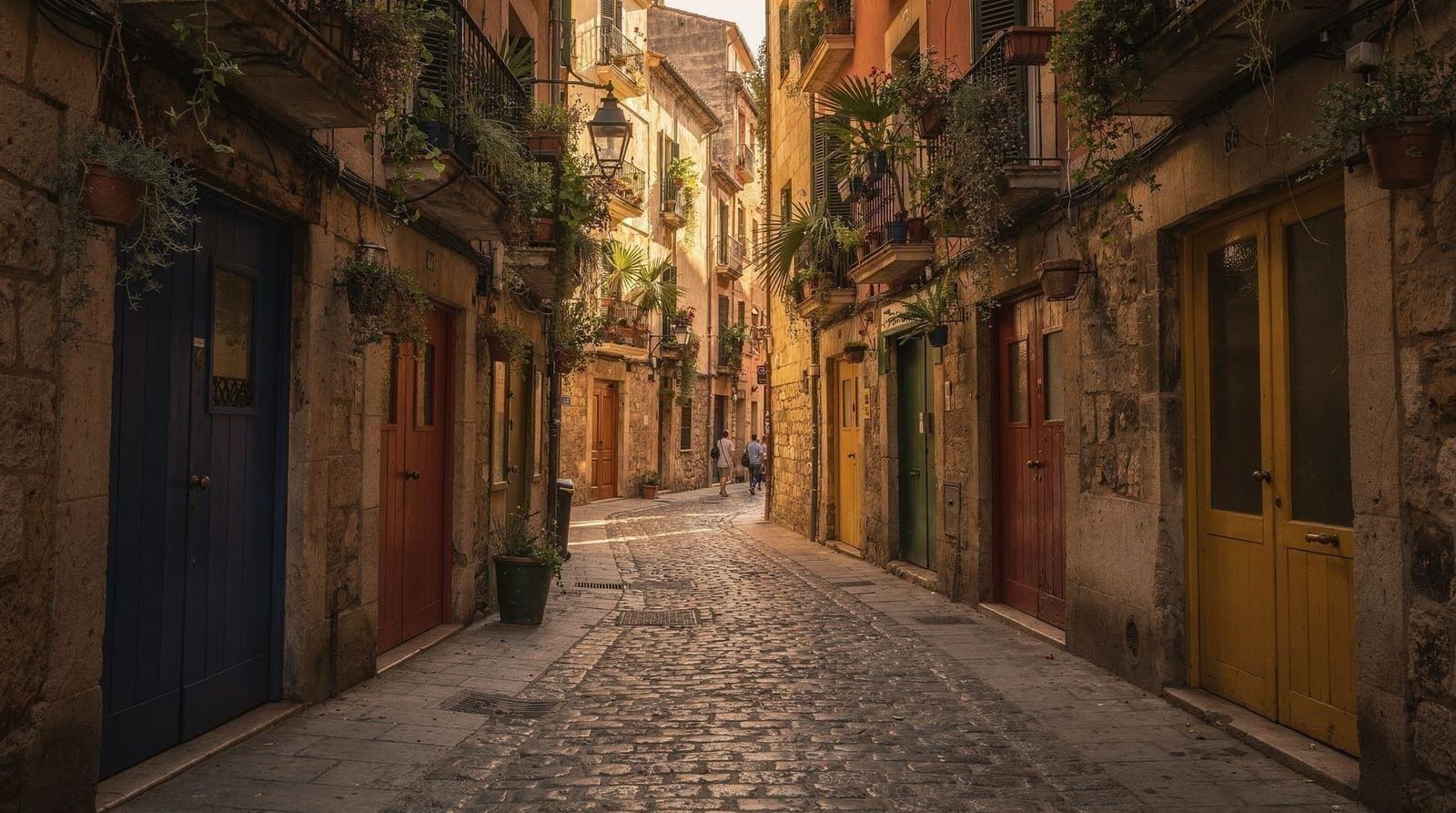 private 4-hour walking tour of the old townCheck availability
A practical framework by site type
El Carmen and the old city: A guided tour on your first day provides the best orientation and historical framework. After that, self-guided exploration. The free walking tours guide covers the tip-based options; this is the most cost-effective starting point.
City of Arts and Sciences: Self-guided works well. The individual buildings have audio guides and explanatory panels; the exterior is free and self-explanatory with a map. The city of arts guide covers everything you need. Optional: a guided tour of the complex provides architectural history that the audio guides skip.
Albufera day trip: Guided is significantly better unless you’re confident about navigating to El Palmar by bus (30-40 minutes) and finding the right boat tours and paella restaurants independently. See the Albufera day trip guide.
Turia Gardens: Self-guided. The park is free, well-marked, and the Turia Gardens guide covers everything.
Ruzafa food scene: Self-guided. The tapas in Ruzafa guide gives enough restaurant-specific information to eat very well without a guide. An evening food tour is a reasonable option for the first night when you don’t want to spend time researching.
Beaches: Self-guided. Take the tram to La Malvarrosa (line 4/6 from Pont de Fusta, €1.50) and walk onto the sand. No guidance required.
Day trips to Xàtiva, Sagunto, Peñíscola: Can be done independently by train or bus, but a guided tour saves time on navigation and provides context that the sparse on-site information doesn’t supply.
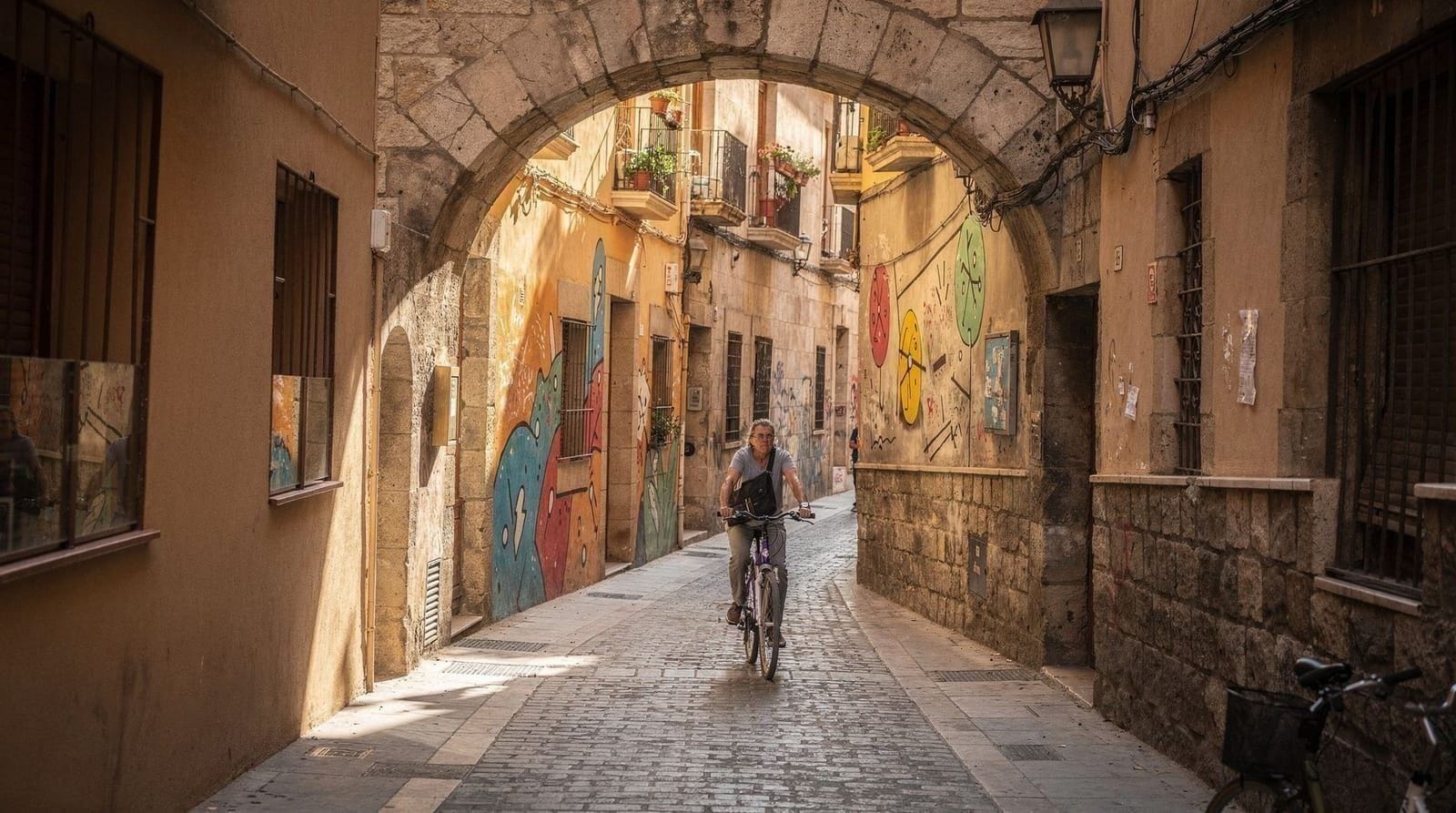 essentials and World Heritage sites walking tourCheck availability
The hybrid approach
For most visitors, the optimal approach is hybrid:
- Day 1, morning: Group walking tour for orientation and historical context.
- Days 1-2: Self-guided exploration of El Carmen, the Mercado Central, and Ruzafa, using tour context as background.
- Day 2-3: Self-guided day at the City of Arts and Sciences (tram to Pont de Fusta, cycle path to the complex).
- Day 3-4: Guided day trip to the Albufera, or a private guided tour of the sites you found most interesting.
This combines the efficiency of guided tours where they add value with the flexibility of self-guided exploration where it doesn’t.
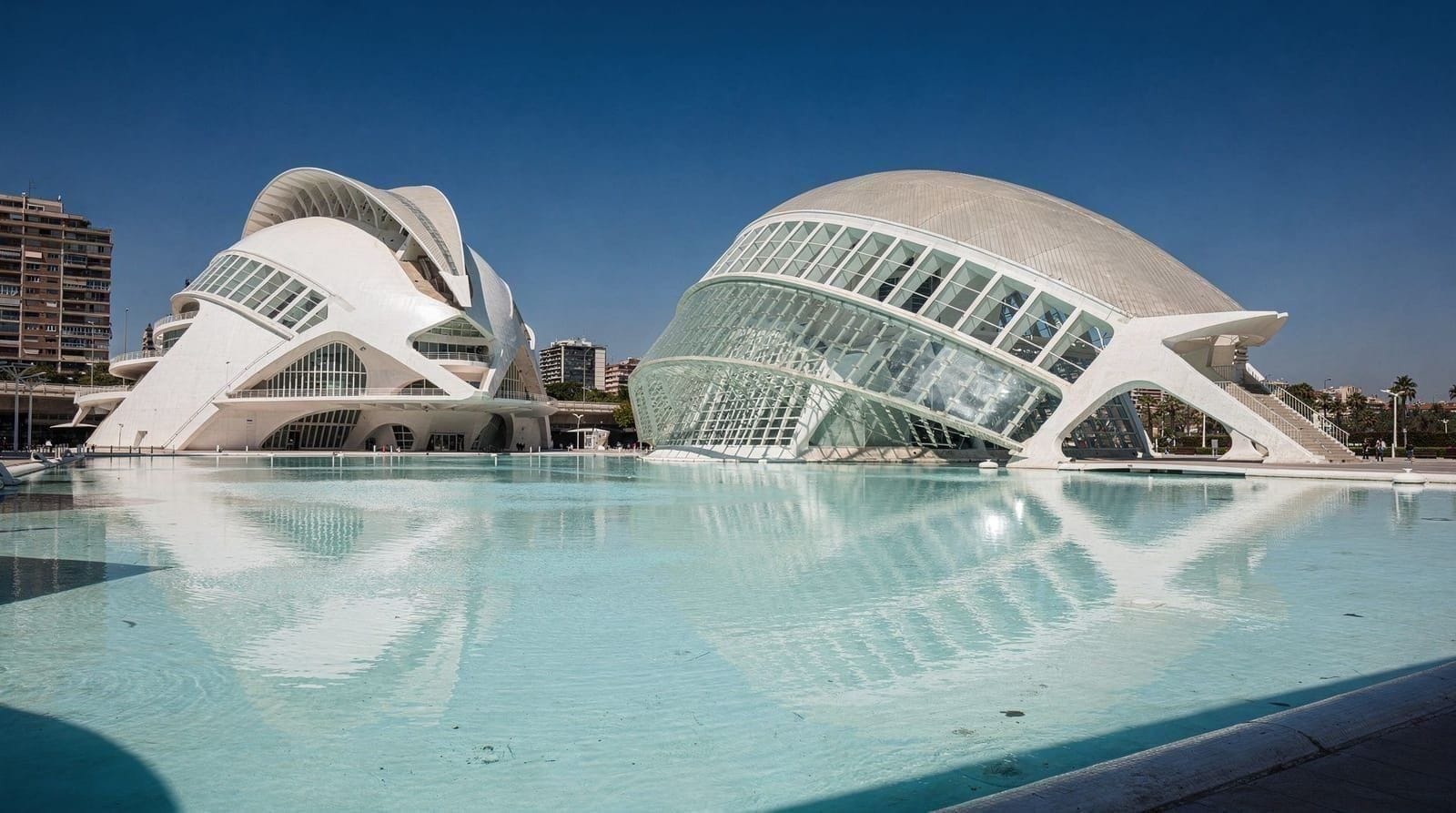 private tailored tourCheck availability
Specialist tours worth booking in advance
Some Valencia tours are worth booking specifically for their specialist knowledge:
The Holy Grail tour at the Cathedral: Valencia’s Cathedral claims to house the actual Holy Grail — the chalice used at the Last Supper. The history of this claim (whether it’s credible, where the chalice came from, how it came to Valencia) is genuinely interesting and best covered by a specialist guide. See the Holy Grail Cathedral guide.
The silk trade tour: The Lonja de la Seda and the Museu de la Seda (Silk Museum) together form one of the best surviving histories of Mediterranean silk trade, and the connection between Valencia’s wealth and the silk industry is the key to understanding the city’s golden age. The silk route guide covers the museum; specialist silk trade tours add oral history.
The Fallas guided experience: Las Fallas festival (March) generates a massive body of artisan craft and community organization that is largely invisible to casual visitors. A guided Fallas tour covering the artist workshops (the artisans who build the huge papier-mâché figures) and the neighborhood association culture provides context that transforms the experience.
Budgeting: what guided tours actually cost
A realistic budget breakdown for a 4-day Valencia visit:
| Tour type | Cost range |
|---|---|
| Free walking tour (tip) | €10-15 |
| Paid group walking tour | €15-25 |
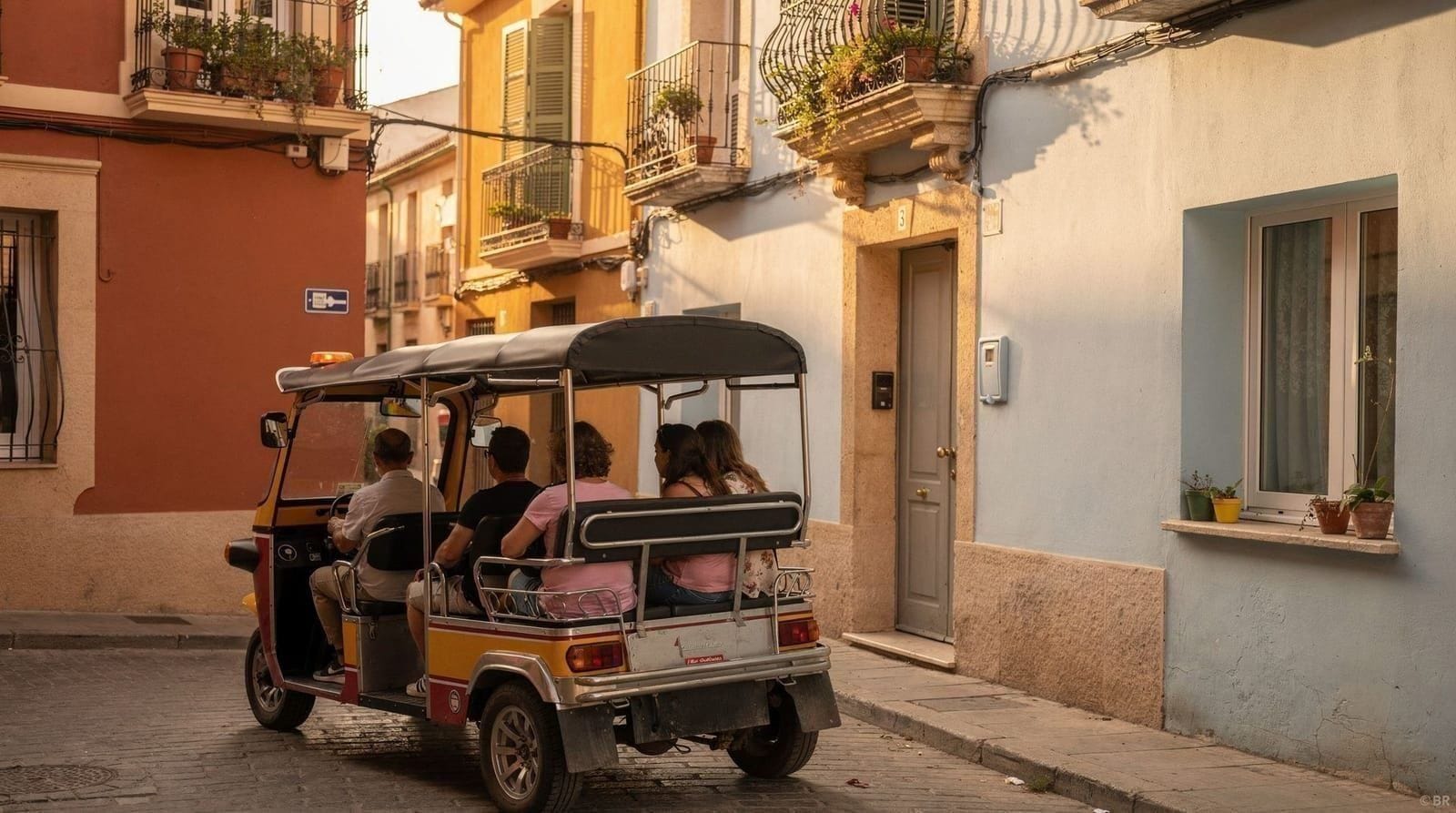
| Tuk-tuk city tour (2h) | €20-28 |
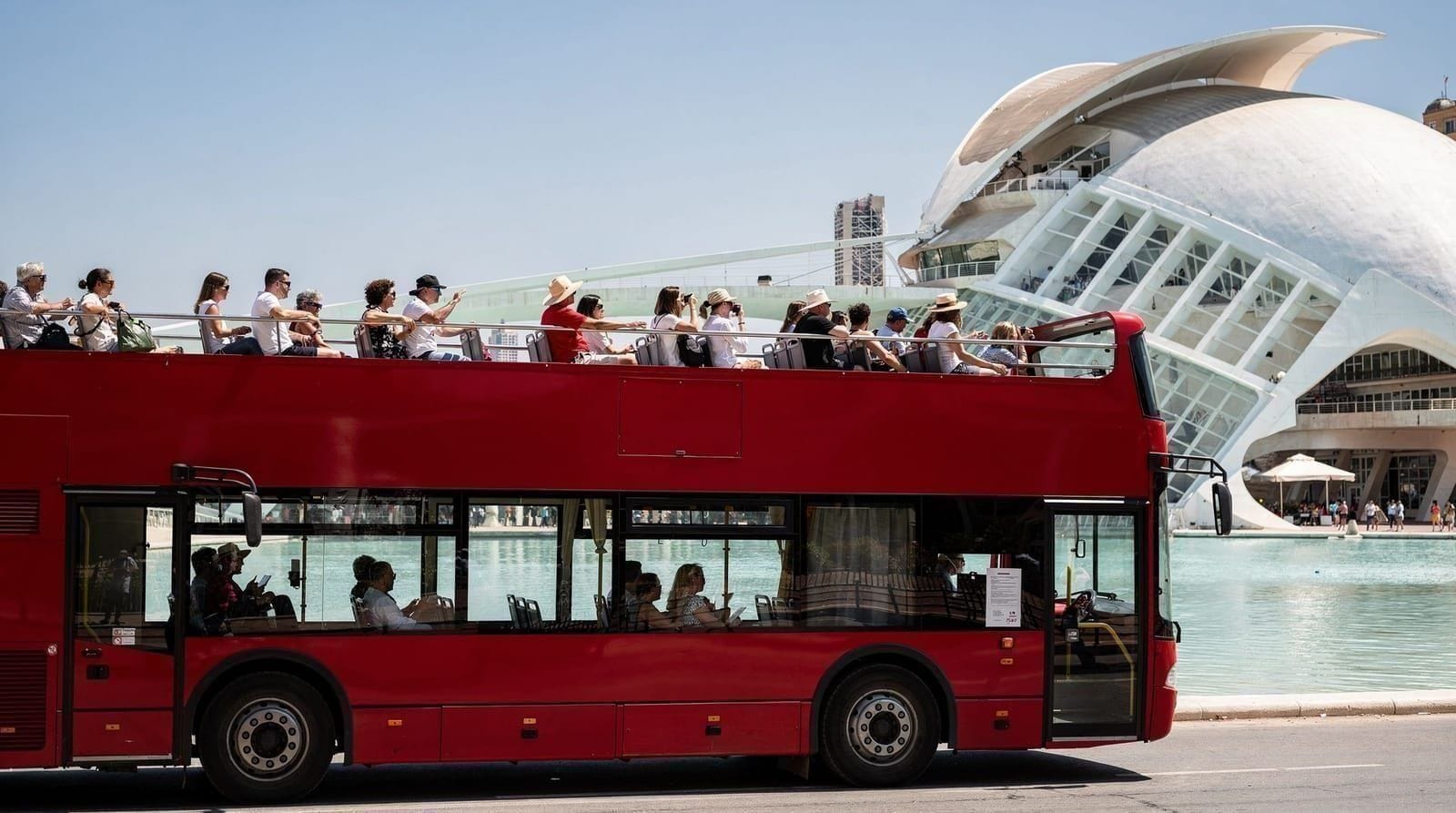
| Hop-on hop-off bus (24h) | €25-27 |
| Private walking tour (4h, group of 4) | €35-45/person |
| Albufera guided day trip | €45-75 |
| Evening food tour | €55-75 |
| Flamenco dinner show | €75-100 |
For a 4-day first visit, a reasonable tour budget is €50-100 per person, covering one guided city tour plus one day trip. Everything else can be explored independently.
Quick self-check: which traveler are you?
If you are still undecided, these rough profiles cover most visitors:
“I read a Rick Steves chapter and I’m fine.” You will do well self-guided almost everywhere in this article, and can save the guided budget for the Albufera or a single specialist tour (Holy Grail, silk trade, or Fallas artisan workshops).
“I want to understand what I’m looking at, not just see it.” Prioritise a first-morning group walking tour of El Carmen, then read the silk route guide and Holy Grail Cathedral guide before visiting those sites independently — you get most of the context without paying for a specialist tour of each site.
“I have 48 hours and want maximum coverage with minimum planning.” A hop-on hop-off day pass plus one guided walking tour covers the highlights efficiently. See the hop-on hop-off worth it guide for whether that specific format suits your itinerary.
“I’m travelling with young children.” Self-guided generally wins on flexibility — you can leave when a child is tired, adjust pace freely, and skip anything not landing well. Reserve guided time for the Albufera, where navigating boats and restaurants independently with kids adds real friction.
The language of historical sites in Valencia
One practical consideration for self-guided exploration: how much English is available at the monuments themselves.
Cathedral: Audio guide in English available (entry €12; check the Cathedral’s official site for what the ticket includes). Quality is adequate but the commentary focuses on the artworks rather than the broader architectural and historical context. The audio guide fills the gaps but doesn’t transform the experience.
Lonja de la Seda: Entry €2. No audio guide. The explanatory panels are available in Valencian, Spanish, and English. The panels cover the history well enough for independent understanding. The building’s visual impact is self-explanatory; the panels provide the historical depth.
Torres de Serranos: Free exterior, €2 for tower access. Minimal on-site interpretation. The building speaks for itself architecturally. Historical context is available from good preparation (this site and the Torres de Serranos guide).
Oceanogràfic: Extensive English signage throughout. Audio guide available (additional charge). The habitats are labeled in English. Entirely navigable independently.
Science Museum: Bilingual Spanish/English throughout. Interactive and accessible without a guide.
The pattern: the secular heritage buildings (Lonja, Torres) have less English interpretation than the museum-format buildings (Oceanogràfic, Science Museum). For the heritage buildings, a guided tour adds most value.
Self-guided resources
For independent exploration, the combination of this site’s guides, the on-site audio guides (where available), and the Valencian tourist office’s free printed maps covers virtually all the information you need. Specific resources:
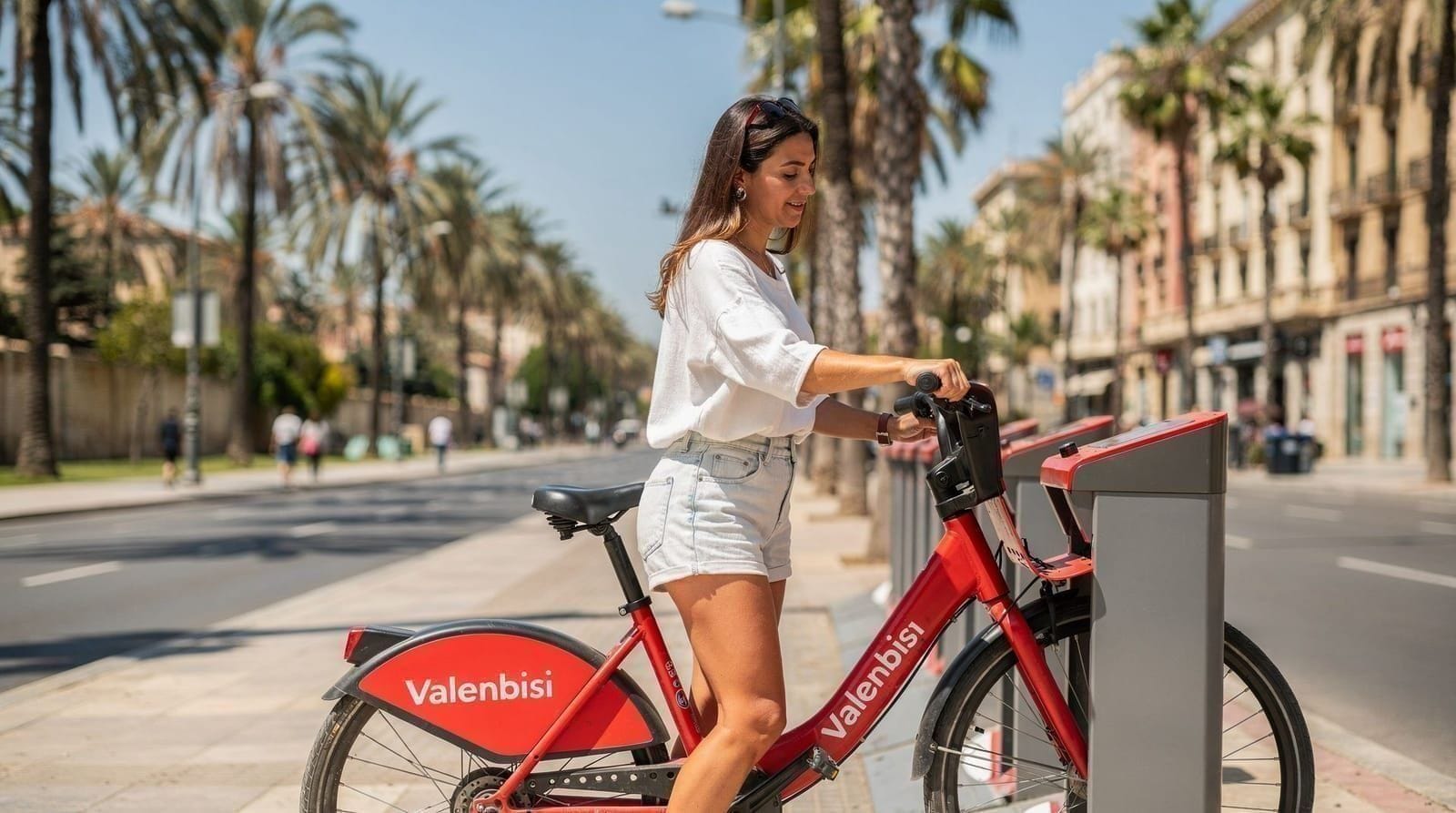
The getting around Valencia guide: Complete transport overview including metro map, EMT bus guide, and Valenbisi bike share.
The how many days Valencia guide: Day-by-day frameworks for 2-day, 3-day, and week-long visits.
The Valencia tourist card guide: Whether the €17-30 card is worth it for your itinerary.
The honest tourist guide: Where the tourist traps are concentrated and how to avoid them.
How to find a private guide in Valencia
If you decide a private guided tour is what you want, the options are:
GetYourGuide: The most reliable platform for vetted operators with genuine reviews. Filter by language, duration, and focus. Read the most recent reviews (not the overall rating) for current quality assessment.
Valencia Tourist Office: The official tourist information centers (main one on Plaza de la Reina) maintain lists of licensed guides and can recommend specialists.
Local guide associations: The APRAVE (Asociación Profesional de Guías de Valencia) has a directory of licensed Valencia guides. Licensed guides have passed a formal qualification; this matters for historical accuracy.
Word of mouth: If you take a free walking tour with an excellent guide, ask directly if they offer private tours. Many do — the price is negotiable for direct bookings.
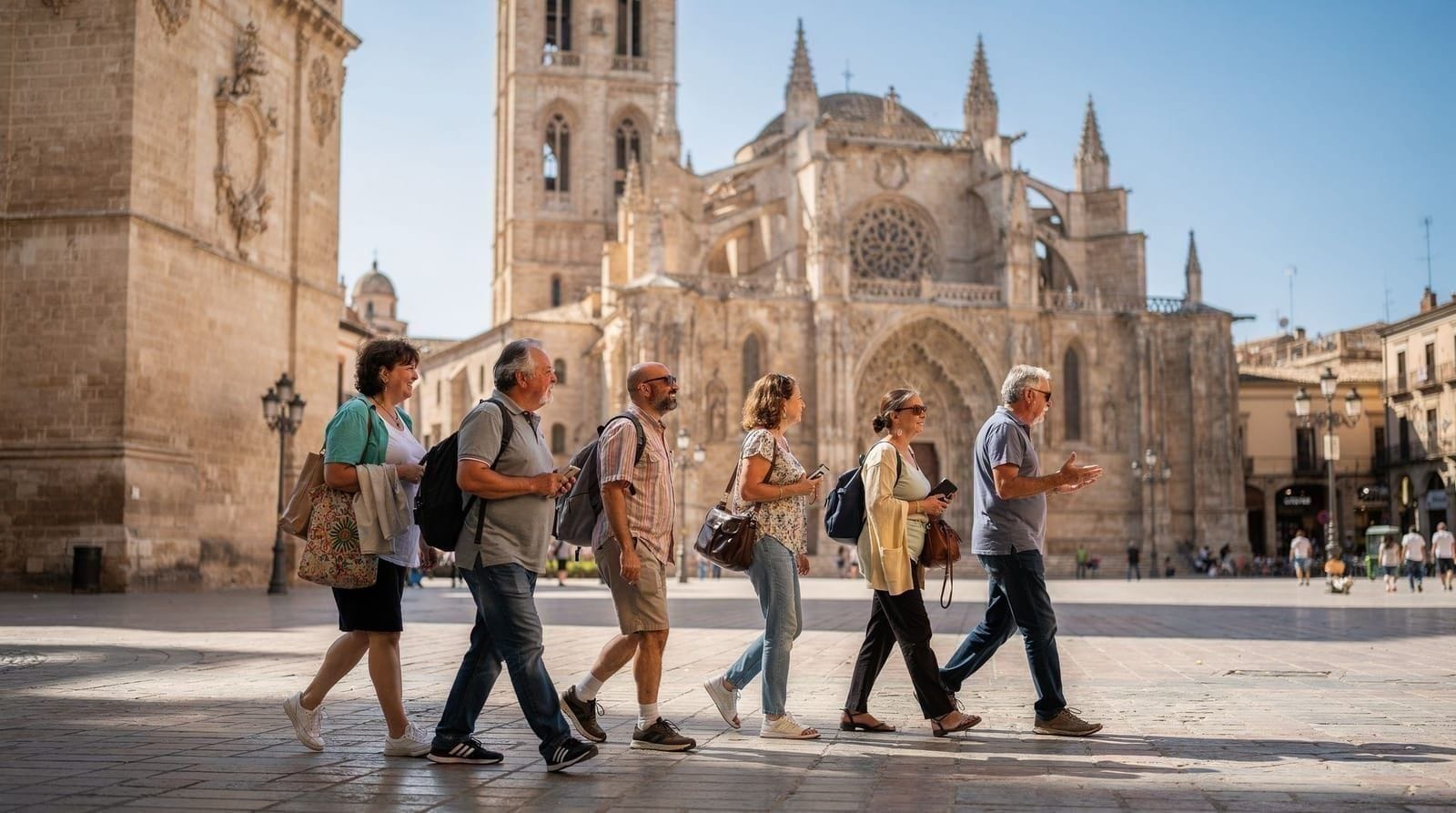 3-hour private guided tourCheck availability
 shore excursion with city tour, tapas and wineCheck availability
The case for doing both
The hybrid approach — starting with a guided tour for context, then exploring independently — is not a compromise. It’s the optimal sequence for most visitors.
The guided tour on day 1 gives you:
- Spatial orientation (you know where the main squares are relative to each other)
- Historical timeline (you understand why the Cathedral has three doorways in different styles)
- Social context (you understand what Las Fallas is before you see it, or what the silk trade was before you walk into the Lonja)
The independent exploration in subsequent days gives you:
- Flexible pace (you can spend 45 minutes in the Lonja if you want to)
- Personal discovery (the side streets you’d never take on a guided tour)
- Authentic food and bar experiences (you know to avoid the tourist menus near the Cathedral)
This sequence — guided first day, independent thereafter — is the pattern most experienced travelers naturally arrive at after a few trips to European cities. Encoding it as a deliberate strategy saves the learning time.
Frequently asked questions about guided vs self-guided Valencia
Can I explore Valencia completely independently?
Yes. The monuments, beaches, Turia Gardens, Ruzafa food scene, and City of Arts can all be navigated independently. The getting around Valencia guide covers transport; the how many days Valencia guide provides day-by-day planning frameworks.
Are audio guides worth buying at Valencia’s monuments?
The Cathedral audio guide (entry is €12; check the Cathedral’s official site for what the ticket includes) is decent. The Lonja de la Seda entry ticket (€2) doesn’t include an audio guide, but the site has good explanatory panels in English. The City of Arts buildings have their own materials. The Alcázar-style monuments (Torres de Serranos) are self-explanatory with a short read before visiting.
Is Spanish useful for self-guided exploration in Valencia?
Basic Spanish is useful for ordering food, asking directions, and navigating markets. In tourist areas and at major monuments, English is widely understood. In the Mercado Central, Mercat de Ruzafa, and local bars, Spanish or Valencian is needed for anything beyond basic transactions. See the Valencian language guide for context.
What’s the difference between a private tour and a shared tour?
Shared (group) tours have fixed departure times, fixed routes, and multiple other participants. Private tours are booked exclusively for your group — you set the time, discuss the route with the guide beforehand, and can adjust the agenda on the day. Private tours cost more per booking but can be split between a group of 4-6 to reasonable per-person costs.
Do I need a guide for the Albufera?
You can visit independently (bus 24/25 from the city, approximately 30-40 minutes) but you’ll have a better experience with guidance for the boat tours and paella restaurants. The key information — which operators run honest boat tours, which restaurants cook over wood, how to navigate El Palmar village — is available in the Albufera day trip guide, which reduces (but doesn’t eliminate) the advantage of local guidance.
Should a first-time visitor book any tours before arriving?
Booking one thing in advance is worth it: a first-morning group walking tour (for orientation) or, if travelling in a small group, a private 4-hour tour. Everything else — day trips, specialist tours, evening food tours — can reasonably be booked once you have arrived and have a feel for how much guided time you actually want.
Do guided tours in Valencia typically include entry fees?
It varies by tour. Walking tours of the exterior sights (El Carmen streets, squares, the Lonja’s facade) usually do not include monument entry fees, which you pay separately. Combo tours explicitly marketed as including “skip-the-line” Cathedral or City of Arts entry do include those fees — check the listing carefully, since the price difference is usually the entry fee itself, not a booking-fee markup.
Top experiences
Bookable activities with verified prices and instant confirmation on GetYourGuide.