Cycling Valencia: the complete bike guide for visitors
Valencia: bike tour
Is Valencia a good city for cycling?
Yes — one of Spain's best. Valencia has 150+ km of dedicated cycle lanes and the 8.5 km Turia Gardens car-free path. The city is flat, has good infrastructure, and the Valenbisi bike-share scheme makes cycling accessible without advance planning.
Valencia is the most bike-friendly major city in Spain. The combination of flat terrain, Mediterranean climate, strong cycling culture, and the 8.5 km Turia Gardens car-free corridor makes cycling the best way to understand the city’s geography. This guide covers everything from getting a bike to knowing the routes.
| Where | Old town, Turia Gardens, beach and Albufera routes |
| Cost | Valenbisi: see valenbisi.es for current rates; private hire €4–25; guided tours ~€25–30 |
| Time needed | 1–2 hrs for a short loop, half day for the beach route, full day to Albufera |
| Getting there | Pick up a bike near Torres Serranos or any Valenbisi station |
| Best time | Spring and autumn mornings; summer before 11:00 or after 19:00 |
Why Valencia works so well for cycling
The city’s relationship with cycling is partly infrastructural and partly cultural. The Turia Gardens path runs through the centre of the city, connecting residential areas to cultural destinations and the beach without a single traffic light or road crossing. This kind of continuous car-free infrastructure — 8.5 km of it — is rare in any European city.
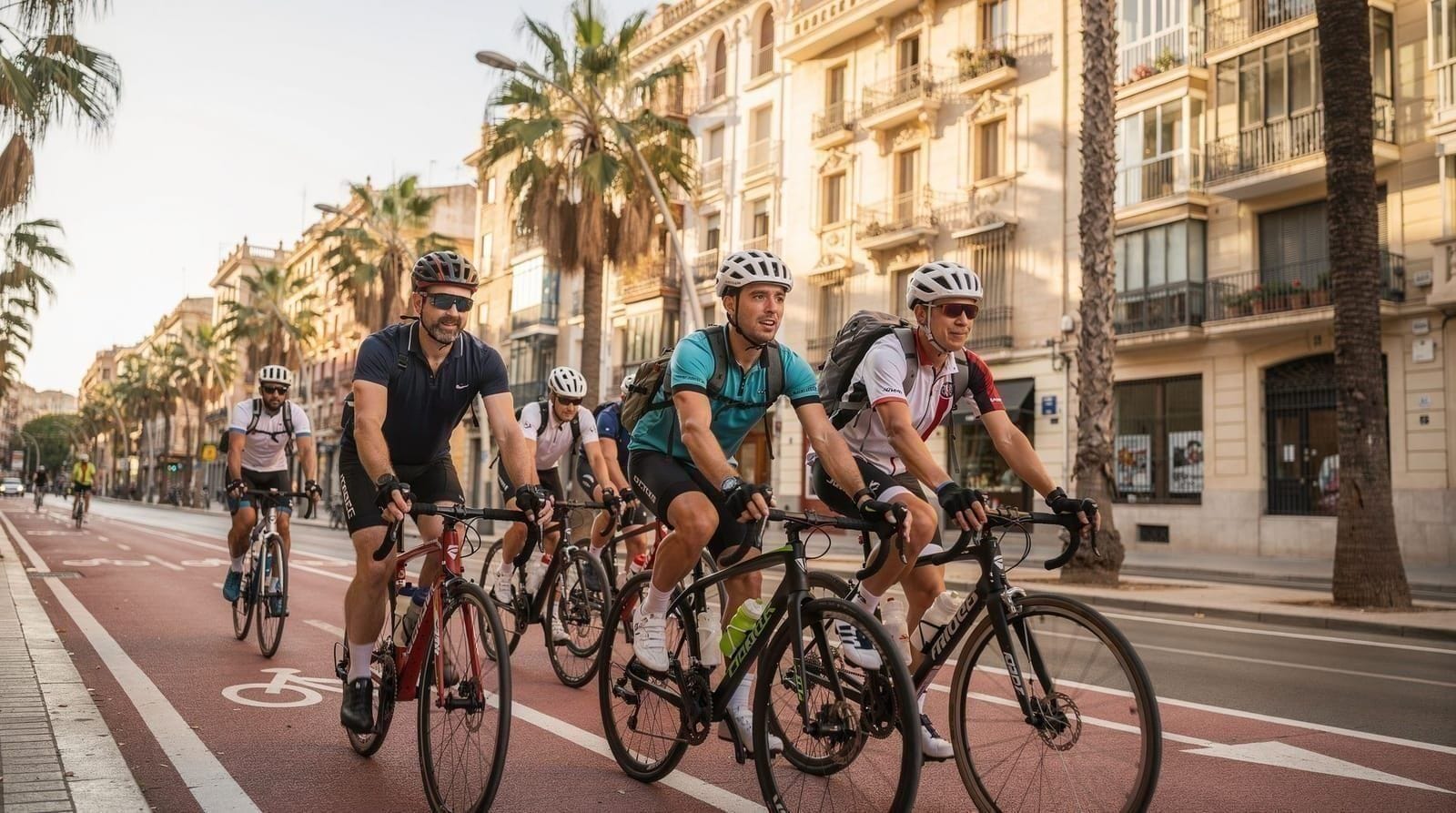
Beyond the Turia, Valencia has invested substantially in separated cycle lanes: 150+ km of dedicated infrastructure connecting neighbourhoods, the beach, and the wider metropolitan area. The lanes are clearly marked and generally respected. Cycling alongside traffic is limited to stretches where lanes exist.
The flat terrain is a physical fact, not marketing. Valencia sits in a coastal plain with essentially no meaningful hills within the city limits. The maximum gradient you will encounter on the main cycling routes is ramp access to bridges — the kind of incline that most city bikes handle in low gear without difficulty.
Planning your first ride
If you have never cycled in a foreign city, start small. Pick up a bike in the morning, ride the Turia path in one direction, and decide at the City of Arts and Sciences whether you want to carry on to the beach or turn back. The path is easy to follow because it simply stays in the old riverbed, so there is very little navigation to worry about and no pressure to commit to a long day before you know how you feel on the bike.
Think about the practical side before you leave your hotel. Carry water, wear sun protection, and keep a light layer in your bag for the evening. If you are staying in a neighbourhood such as Ruzafa or El Carmen, you will probably find a bike-share station within a short walk, which means you can ride out and return by another means if your legs have had enough. Our guide to getting around by metro and bus explains the fallback options, and the Mobilis card guide helps if you plan to mix cycling with public transport.
The main cycling routes at a glance
| Route | Distance | Surface | Best for |
|---|---|---|---|
| Turia Gardens | 8.5 km (12.5 km to beach) | Fully car-free | All levels, families |
| Old town loop | 8 km | ~70% cycle lane, rest shared road | City sightseeing |
| Beach route | 6 km one-way | Mostly separated cycle path | Beach days, evenings |
| City to Albufera | 20 km one-way | Flat, mixed path and lane | Full-day, fitter cyclists or e-bikes |
The main cycling routes
Route 1: Turia Gardens (8.5 km, car-free)
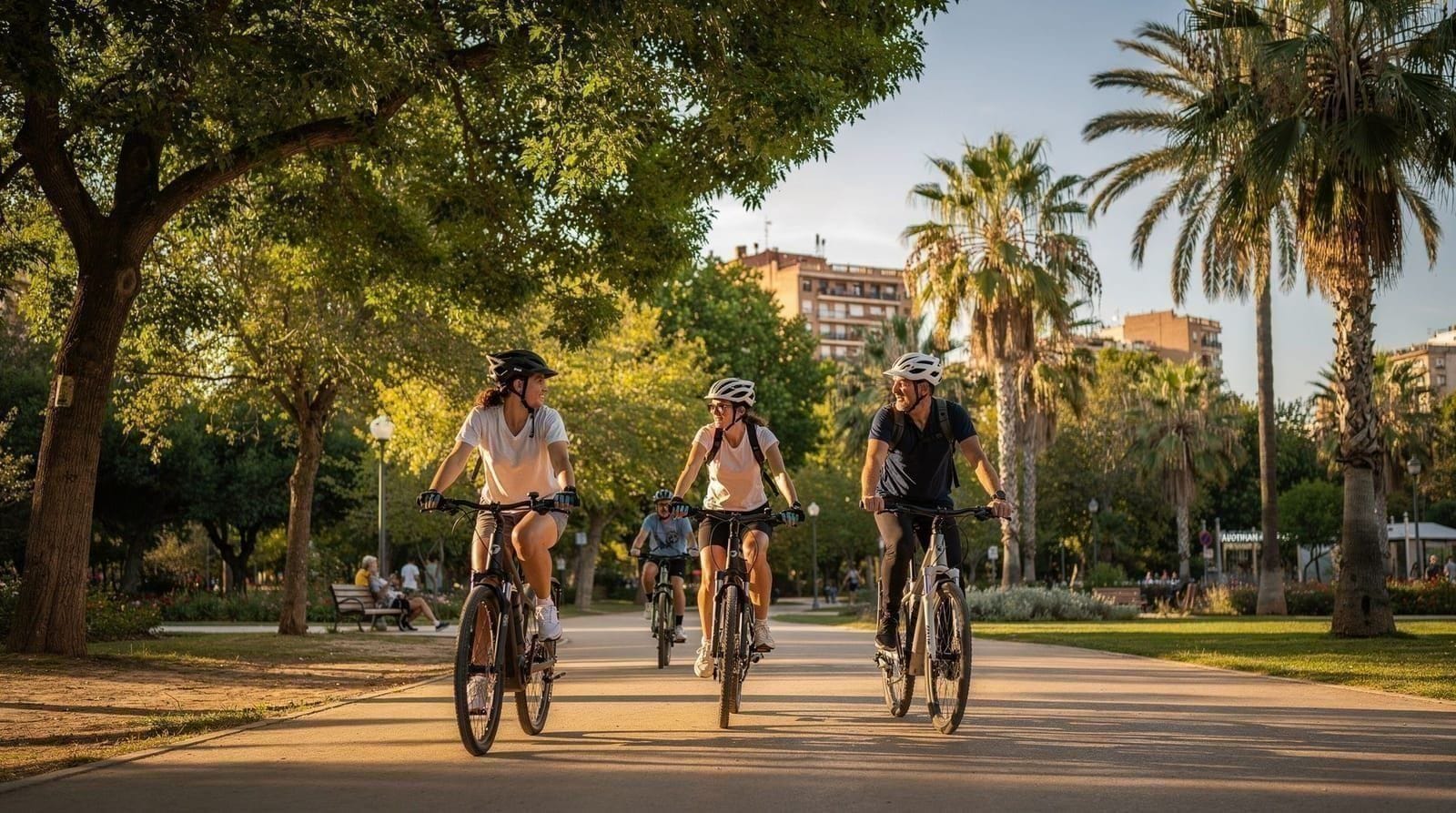
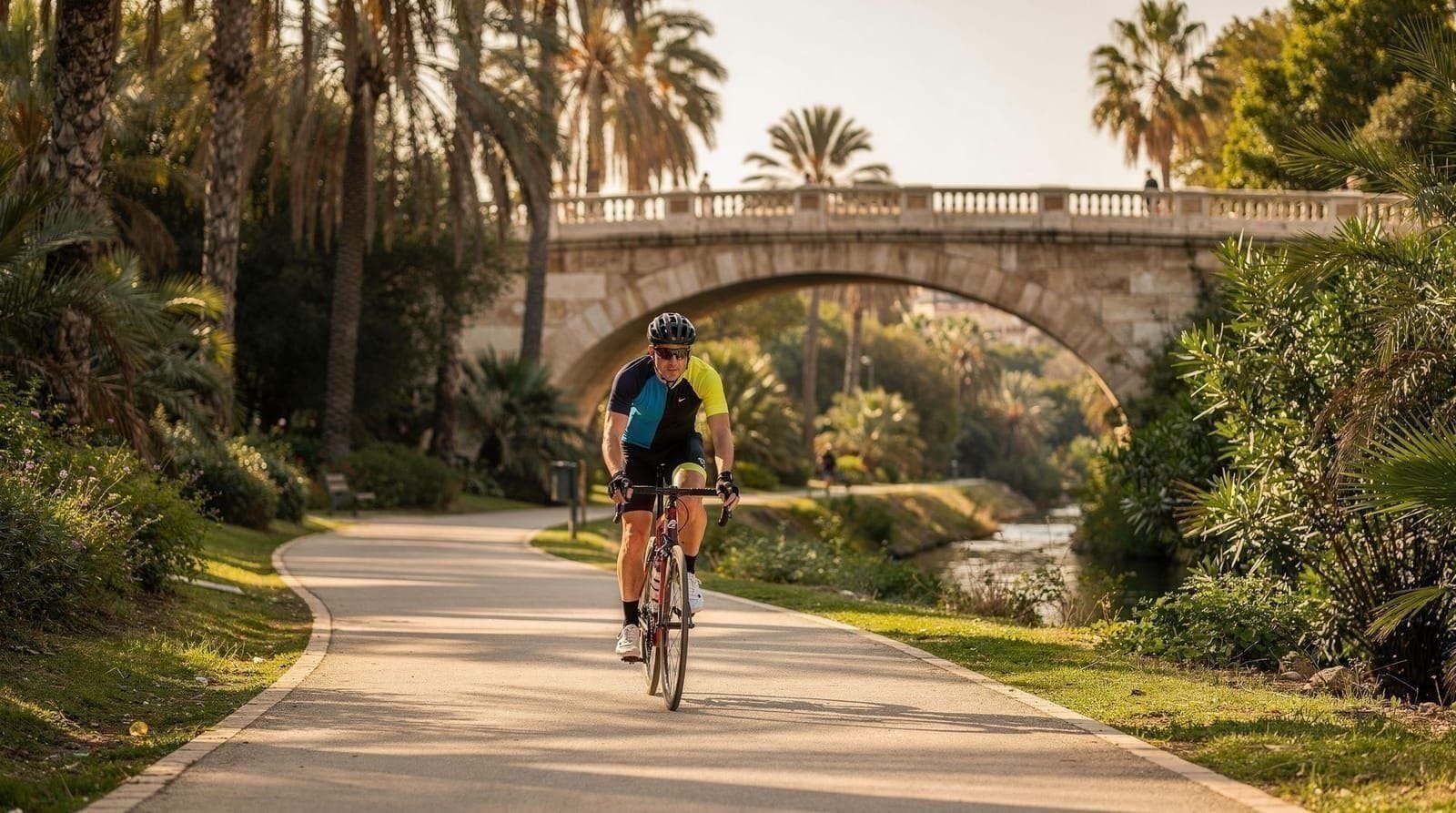
The definitive Valencia cycling route. See the dedicated Turia by bike guide for full detail. In summary: the path runs east-west through the former riverbed, passing Bioparc, Torres Serranos gate, Gulliver Park, and ending at Ciudad de las Artes y las Ciencias. Extended to the beach, total distance is 12.5 km.
Best for: All ability levels, families, first-time visitors, anyone wanting a car-free experience.
Route 2: Old town loop (8 km, mixed lanes and road)
A circuit of the historic centre taking in the main monuments. Starting from Torres Serranos, cycling through El Carmen to the Cathedral, south to the Mercado Central, east to the City of Arts approach, north through Russafa, and returning via the Turia path. This route uses cycle lanes for approximately 70% of its length and shared road for the old town sections.
Best for: Visitors who want to see the city’s historical and contemporary districts in a single ride.
Route 3: Beach route (6 km from old town, mostly on cycle paths)
From Torres Serranos, follow the marked cycle lane east through El Cabanyal to La Malvarrosa beach. The route is well-signed and mostly on separated cycle infrastructure. At the beach, the cycle path continues along the promenade for 3+ km. Return via the same route or via tram (bikes allowed in designated carriages outside peak hours).
Best for: Beach days, evening rides, combining with a swim.
Route 4: City to Albufera (20 km one-way)
Follow the cycle path south from the Turia Gardens exit through El Saler and the Devesa pine forest to the Albufera Natural Park. The route is mostly flat and follows the coast-facing edge of the Albufera lagoon to the village of El Palmar. This is a longer ride best suited to cyclists who are comfortable on 30–40 km days, or to e-bike riders for whom the distance is less significant.
Best for: Cyclists with a full day who want to combine riding with Albufera nature and boat trips.
Choosing between the routes
The routes are not rivals; they work best as building blocks. The Turia path is the backbone, and the others branch off it. A relaxed first day can be the Turia alone, with a long lunch stop along the way. A second day can be the beach route, ideally timed so that you arrive for a late swim and ride back as the light softens. The Albufera ride is the one that deserves a day to itself, because the point is not only the cycling but the lagoon, the village of El Palmar, and the time you give yourself there. Read the El Palmar guide before you go so you know what to look for, and see the Albufera day trip guide if you would rather mix a bike leg with a boat trip.
Stops are part of the pleasure. The old town loop passes close to the Central Market, which makes it a natural place to buy fruit or a snack, and the Lonja de la Seda and the cathedral and Miguelete tower are both easy to reach on foot once you have locked your bike. Cycling the beach route also lets you see El Cabanyal at street level, with its tiled houses and quiet lanes, rather than from the window of a tram.
Getting a bike in Valencia
Valenbisi (public bike share)
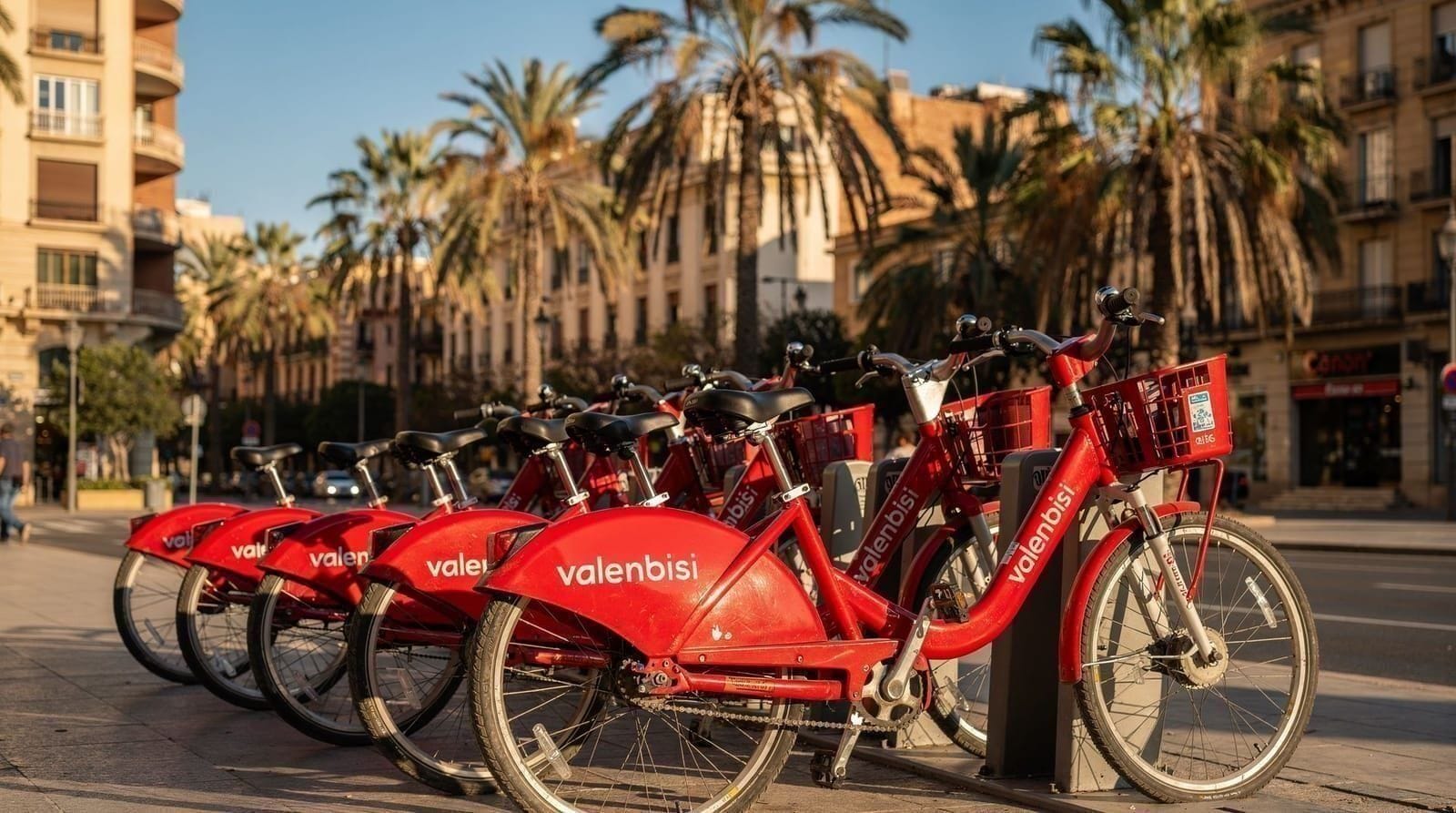
Stations across the city; the first 30 minutes of each ride are free. Check current rates and passes on valenbisi.es. For most urban cycling this is adequate. Full details in the Valenbisi guide.
Limitations: Standard city bikes only (no e-bikes, no children’s bikes), 30-minute single-ride limit, no helmet provided.
Private rental shops
Several operators near Torres Serranos and along the Turia Gardens entrance rent by the hour (€4–6), half-day (€12–15), or full day (€15–25). Children’s bikes, tandems, cargo bikes, and e-bikes are available. Helmets and locks typically included.
Recommended areas to find rental shops: Calle de Guillem de Castro (near Torres Serranos), the Turia Gardens access point near Plaça de la Porta de la Mar, and near the Gulliver Park entrance.
 bike tourCheck availability
bike tour city highlightsCheck availability
bike tourCheck availability
bike tour city highlightsCheck availability
Guided bike tours
Guided tours are worth considering for a first cycling experience in Valencia. The guide navigates, explains what you are seeing, and manages the group’s pace across variable terrain — including the mixed road and cycle lane sections in the old town.
Standard city highlights tour (3 hours, ~€25–30): The most popular option. Covers the old town, the Turia Gardens, and the City of Arts. Group size typically 8–12. Daily departures from central meeting points.
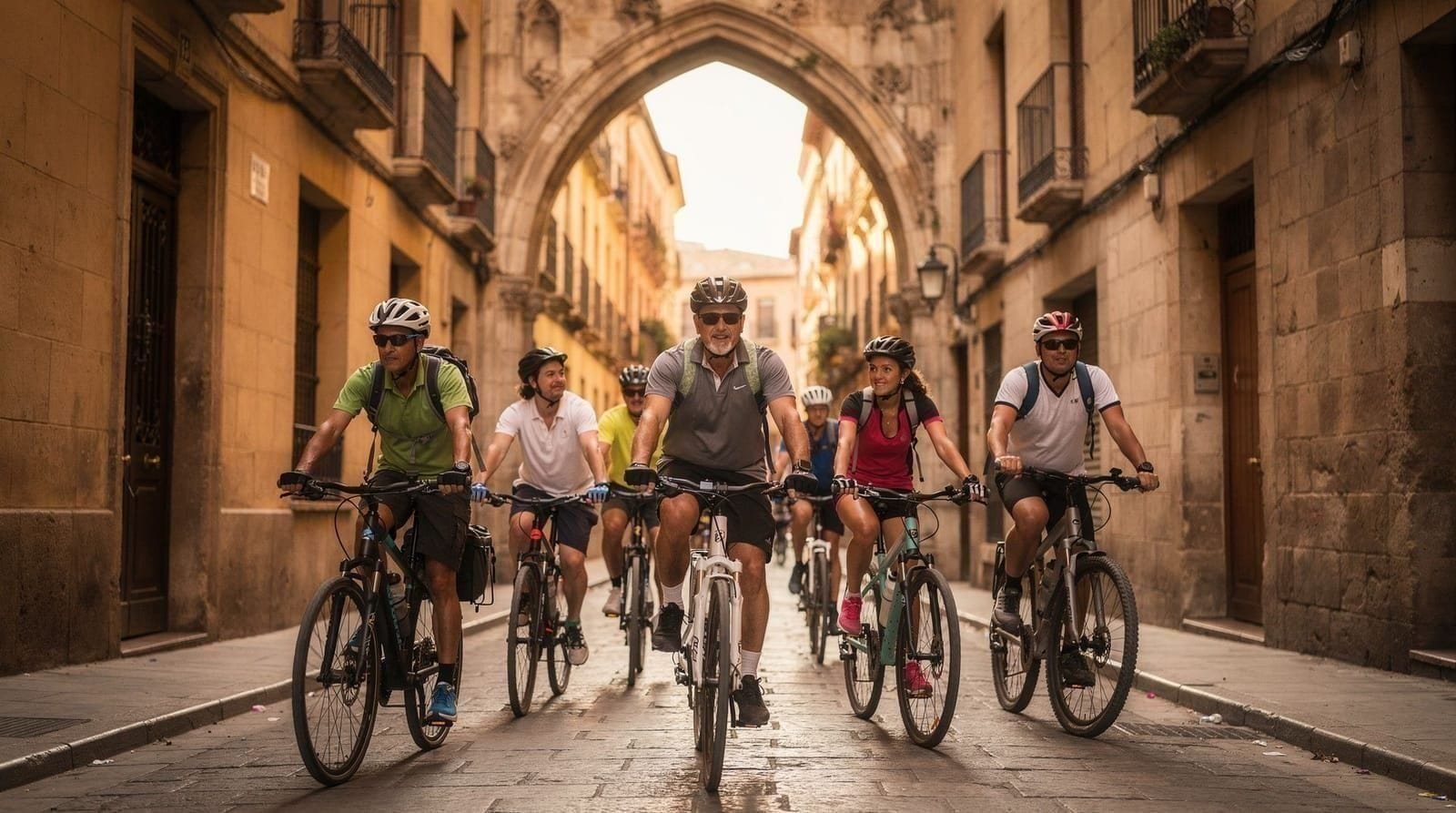 morning bike tour of city highlightsCheck availability
Top 25 highlights tour: A comprehensive guided tour covering 25 specific landmarks across the city. Duration 3.5–4 hours. Best for first-time visitors who want maximum coverage.
top 25 highlights guided bike tourCheck availability
Night bike tour: Valencia’s old town, the City of Arts, and the beach promenade by night. Duration 2 hours. The city lights, the lit Calatrava buildings, and the quiet streets make a different and genuinely beautiful experience from the daytime equivalent.
night bike tour (2 hours)Check availability
Cycling safety in Valencia
The rules: By law, cyclists in Spain must use cycle lanes where they exist, give way to pedestrians at crossings, and observe traffic signals. Helmets are required outside urban zones. Cycling while using a phone is prohibited.
In practice: Compliance with helmet rules in the city is inconsistent — many casual cyclists do not wear helmets on the Turia path. This does not change the recommendation to wear one, particularly on road sections.
Main hazards:
- Mopeds and delivery bikes in the old town, some of which use cycle lanes against the flow
- Tourists on shared routes who do not follow cycling conventions (particularly around Gulliver Park)
- Tram rails on streets that share tram and cycle routes — approach at a wide angle rather than parallel to avoid wheel-in-rail accidents
- Uneven paving in sections of El Carmen and the old town — watch for loose cobbles
Bike locking: Always lock to a fixed point (bike rack, bollard, lamp post — never to a tree or private fence). Use a good U-lock, not just a cable. Bike theft is not rampant in Valencia but does occur, particularly on the beach promenade in summer.
Cycling with children or in the rain
Family cycling works well on the Turia Gardens route, which is flat, car-free, and wide enough for child seats, trailers, and tandem hires — Valenbisi bikes are adult-only, so families need a private rental shop near Torres Serranos or the Gulliver Park entrance, most of which stock child bikes and trailers. Keep to the Turia and the beach cycle path with young children rather than the old town loop, where narrow lanes and shared road sections require more traffic awareness. Rain is infrequent in Valencia but not rare: when it does fall, it is often short and intense, and the Turia riverbed’s drainage can pool water in low sections during a downpour — wait it out at a café rather than cycling through standing water, and note that wet cobbles in El Carmen become genuinely slippery underneath a bike tyre.
Seasonal cycling conditions
Spring (March–May): Best conditions. Warm days, manageable sun, long evenings. The Turia Gardens are at their most attractive.
Summer (June–August): Excellent in the mornings. Cycle before 11:00 to avoid the worst heat; the evening ride after 19:00 is also excellent. Midday cycling on exposed routes is uncomfortable.
Autumn (September–October): Still warm, fewer tourists, excellent cycling conditions.
Winter (November–February): Cool (8–16°C) but almost always dry. The city’s cycling infrastructure is year-round. Winter morning rides in the Turia Gardens are among Valencia’s quietest and most atmospheric experiences.
Fitting cycling into a longer trip
Cycling is most rewarding when it replaces a transfer rather than adding a chore. Use a morning ride to reach a museum or the Oceanogràfic, spend the middle of the day indoors or in the shade, and take a second, gentler ride in the evening. In summer this rhythm is almost essential, and it matches how locals live: early activity, a long pause, then a return to the streets when the heat fades. The best time to visit guide will help you choose the month, and the one-day itinerary and three-day itinerary show where a bike ride can slot in without crowding the schedule.
Travelling with a group of mixed ability? A guided outing can keep everyone together, while confident riders can still explore on their own the next day. If you prefer other ways of seeing the city on wheels, compare the tuk-tuk tours and the Valenbisi guide, and keep the free walking tours in mind for a slower introduction to the old town before you cycle it. Budget travellers will find more ideas in the Valencia on a budget guide, since a bike is one of the cheapest ways to cover ground.
Finally, remember that cycling is a way to meet the city, not a race. Stop when something catches your eye, walk the bike through crowded squares, and give pedestrians the space they expect. Riders who do this tend to come away with a better sense of the neighbourhoods, and with fewer awkward moments on shared paths.
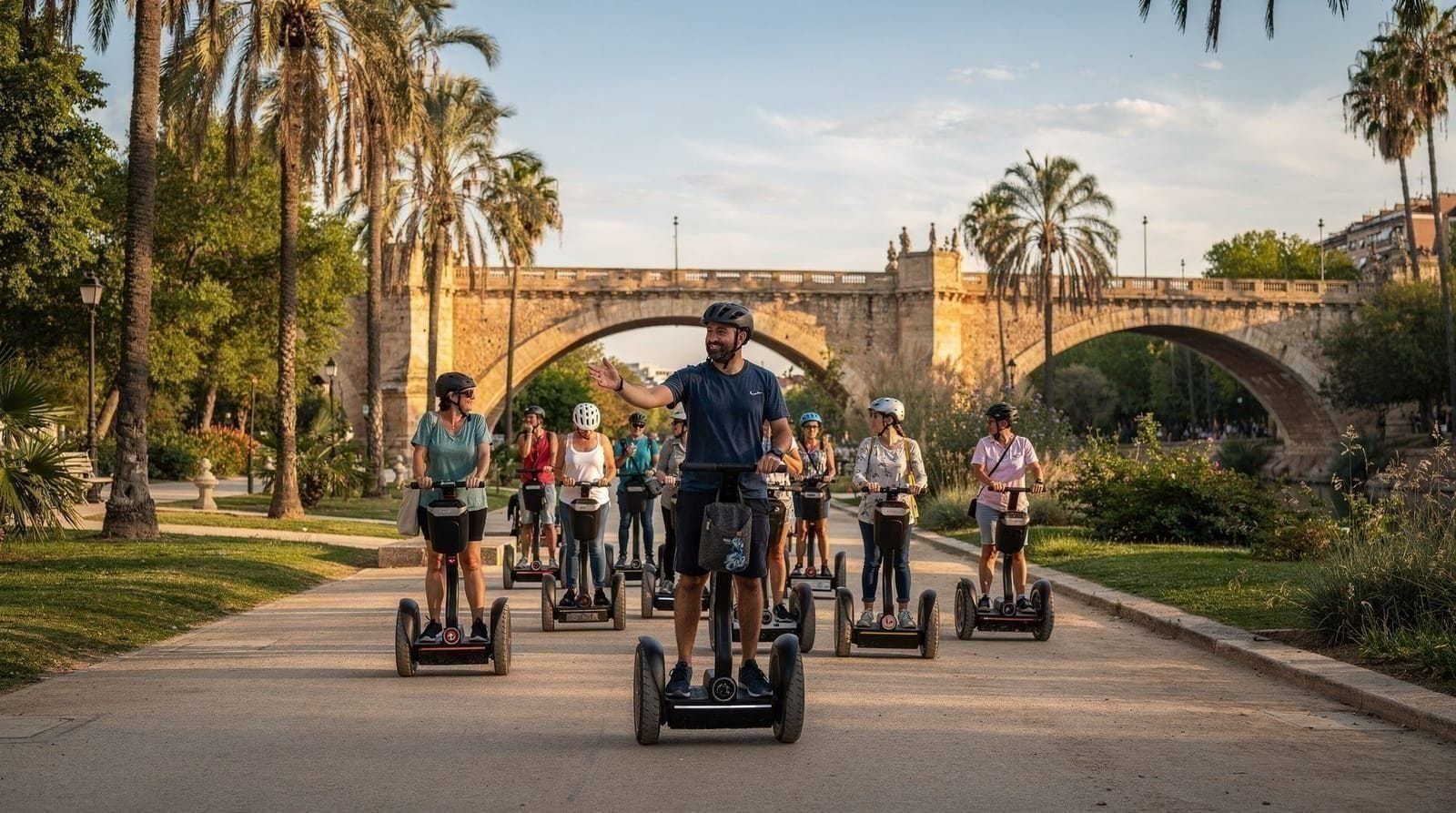
For the dedicated Turia Gardens cycling route, see the Turia by bike guide. For electric alternatives, see the e-bike tours guide and the segway guide.
Frequently asked questions about Cycling Valencia
Is Valencia safe to cycle in?
Yes, particularly on the Turia Gardens path and designated cycle lanes. The city centre can feel busy, but most major routes have separated cycle infrastructure. The main hazard is moped riders in the old town — stay attentive on narrow streets.What are the best cycling routes in Valencia?
The Turia Gardens path (8.5 km, fully car-free) is the main route. The old town to beach cycle path (6 km) is well-marked. Advanced cyclists can combine the Turia route with a beach run and a return via El Cabanyal for a 20 km circuit.Do I need my own helmet to cycle in Valencia?
Helmets are legally required outside city centres (for road cycling) but are recommended everywhere. Valenbisi does not provide helmets. Private rental shops and guided tour operators provide helmets. If you are renting a bike for touring, bring or hire a helmet.Can I bring my bike on Valencia public transport?
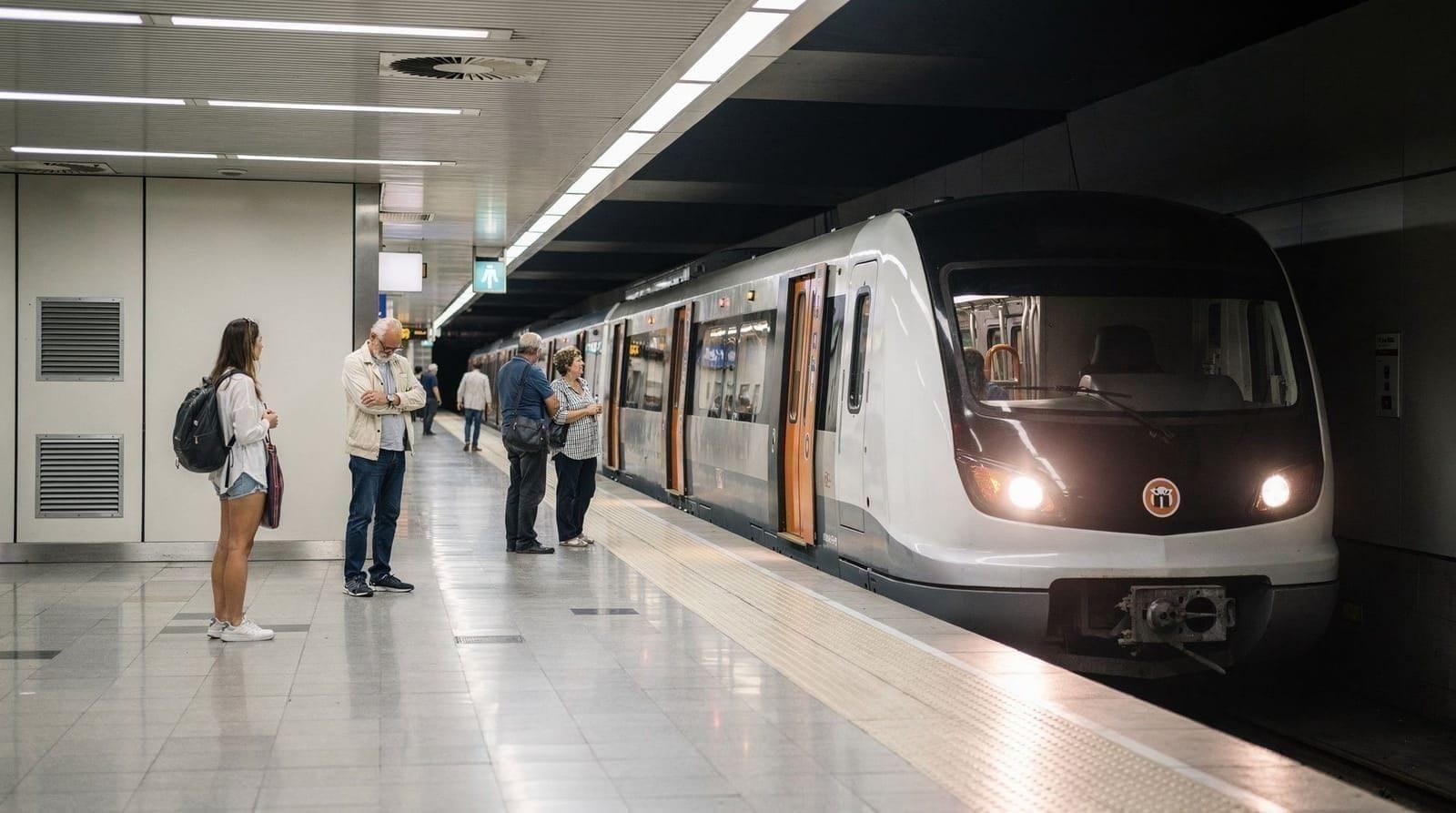
Bikes are allowed on metro outside peak hours (8:00–9:30 and 17:00–19:30 on weekdays) and in designated carriages. The beach tram allows bikes in the front carriage. Buses do not take bikes. The rules change occasionally — check current EMT/Metrovalencia policy.What is the cycling culture like in Valencia?
Strong and growing. Valencia has doubled its cycle lane network since 2010 and has one of Spain's highest cycling modal shares. Cycling is mainstream, not niche. Most cyclists are commuters or recreational riders rather than sports cyclists — the culture is relaxed and inclusive.
Top experiences
Bookable activities with verified prices and instant confirmation on GetYourGuide.