Valencia vs Barcelona — an honest comparison for first-time visitors
Valencia: daytime tapas tasting tour with Central Market visit
Duration: 3 hours
Is Valencia better than Barcelona for tourists?
Valencia is 15-25% cheaper, significantly less crowded, has better beaches directly in the city, and is easier to navigate. Barcelona has more internationally famous architecture and a larger overall tourism infrastructure. The cities suit different trip styles — Valencia rewards slow exploration and genuine local culture; Barcelona delivers iconic landmarks efficiently.
The honest upfront answer
This comparison gets asked constantly, and there’s no objectively correct answer — the cities serve different purposes and suit different travellers. But the framing of the question is usually backwards.
Most people ask “Valencia or Barcelona?” because they’re trying to pick one. In practice, many visitors do both on a longer Spain itinerary (they’re 3 hours apart by AVE). The better question is: what kind of trip are you actually trying to have?
This guide answers that directly.
| Cost gap | Valencia around 20–30% cheaper overall |
| Travel time between them | around 3 hours by direct high-speed train (check Renfe for current times) |
| Best for icons | Barcelona (Gaudí, Sagrada Família) |
| Best for value & beaches | Valencia |
| Ideal trip length to do both | 7+ days in Spain |
Price: Valencia wins clearly
This is the most measurable difference, and it’s significant.
Accommodation:
| Type | Barcelona (central) | Valencia (central) |
|---|---|---|
| Hostel dorm | €30-50/night | €20-30/night |
| 3-star hotel (double) | €150-250/night | €90-160/night |
| 4-star boutique | €250-400+/night | €140-220/night |
During high season (July-August), Barcelona peaks higher. During Las Fallas (March), Valencia prices spike to near-Barcelona levels.
Food:
- A menú del día in Barcelona’s tourist zones: €18-25
- A menú del día in Valencia’s tourist zones: €12-16
- Café con leche in Barcelona: €2.50-4
- Café con leche in Valencia: €1.20-2
The food price gap is most notable in the tourist areas. In residential neighbourhoods, both cities have similar prices for daily eating.
Attractions: Similar. Sagrada Família entry (Barcelona): €26 standard, €36 with tower access (sagradafamilia.org). Gaudí buildings generally €10-26 each. Oceanogràfic (Valencia): see the official site for current prices. The big-ticket attractions are comparable in price.
Overall: A comfortable 3-day trip costs 20-30% less in Valencia than in Barcelona.
Crowds: Valencia is significantly less congested
Barcelona receives around 12 million tourists annually. Valencia receives approximately 4 million. This gap is larger than the numbers suggest when translated into daily experience.
In Barcelona:
- Sagrada Família: timed entry essential, queue even with tickets
- Las Ramblas: difficult to walk at normal speed in summer
- Park Güell: timed entry with capacity limits
- Barceloneta beach: genuinely overcrowded in July-August
In Valencia:
- City of Arts and Sciences: no time slots needed for the Oceanogràfic (though pre-booking saves queuing)
- Old town: busy but walkable even in August
- Malvarrosa and Patacona beaches: crowded in peak summer but less extreme than Barceloneta
- Turia Gardens: used by locals and tourists together without the crushing density of Barcelona’s tourist corridors
The crowd difference affects everything — restaurant availability, walking comfort, queue lengths, the overall feeling of whether the city is working for you or against you.
Architecture: Barcelona has the iconic edge
This is the one area where Barcelona clearly outperforms Valencia for most visitors.
Barcelona’s architectural case:
- Sagrada Família — genuinely one of the world’s most extraordinary buildings
- Casa Batlló, Casa Milà, Casa Vicens — Gaudí’s residential masterpieces
- Palau de la Música Catalana — Domènech i Montaner’s Modernisme landmark
- The medieval Gothic Quarter — concentrated and largely authentic
- Frank Gehry’s Fish sculpture in the Olympic Port
Valencia’s architectural case:
- Ciudad de las Artes y las Ciencias — Santiago Calatrava’s futuristic complex is visually spectacular and more cohesive than it looks in photos
- Llotja de la Seda (Silk Exchange) — UNESCO-listed late Gothic, genuinely extraordinary interior
- Cathedral and Micalet tower — significant but less visually arresting than Barcelona’s Gothic Quarter
- Torres Serranos and Torres de Quart — intact medieval city gates
- El Cabanyal’s modernista tiled facades — less famous but with a raw, lived-in quality that Barcelona’s heavily restored architecture lacks
Honest verdict: If seeing world-famous architecture is your primary goal, Barcelona wins. Gaudí’s buildings are genuinely bucket-list material in a way that Valencia’s landmarks, though excellent, are not. If you care less about international name recognition and more about discovering architecture on your own terms, Valencia’s offer is undervalued.
Beaches: Valencia wins
This surprises many people who assume Barcelona’s beaches are better because of the city’s size and profile.
Barcelona beaches: Barceloneta and neighbouring beaches are decent — clean, Blue Flag, conveniently accessible from the city. But they were largely rebuilt for the 1992 Olympics and have an artificial, developed feel. In summer, they’re severely overcrowded. The water quality is adequate but not exceptional.
Valencia beaches: Malvarrosa and Patacona are wider, longer, and sit at the end of a genuine working-class fishing neighbourhood (El Cabanyal) rather than a constructed tourist strip. La Devesa and El Saler, 15-30 minutes south of the city, are backed by the Albufera natural park — miles of dunes, pine forest, and genuinely wild beach. Cullera and Gandia, 45-60 minutes south by train, offer further excellent beach options within easy day-trip range.
For pure beach quality and variety, Valencia’s coastal offer is better. See the best beaches near Valencia for the full rundown of options within day-trip range.
Food: both excellent, different strengths
Valencia’s food case:
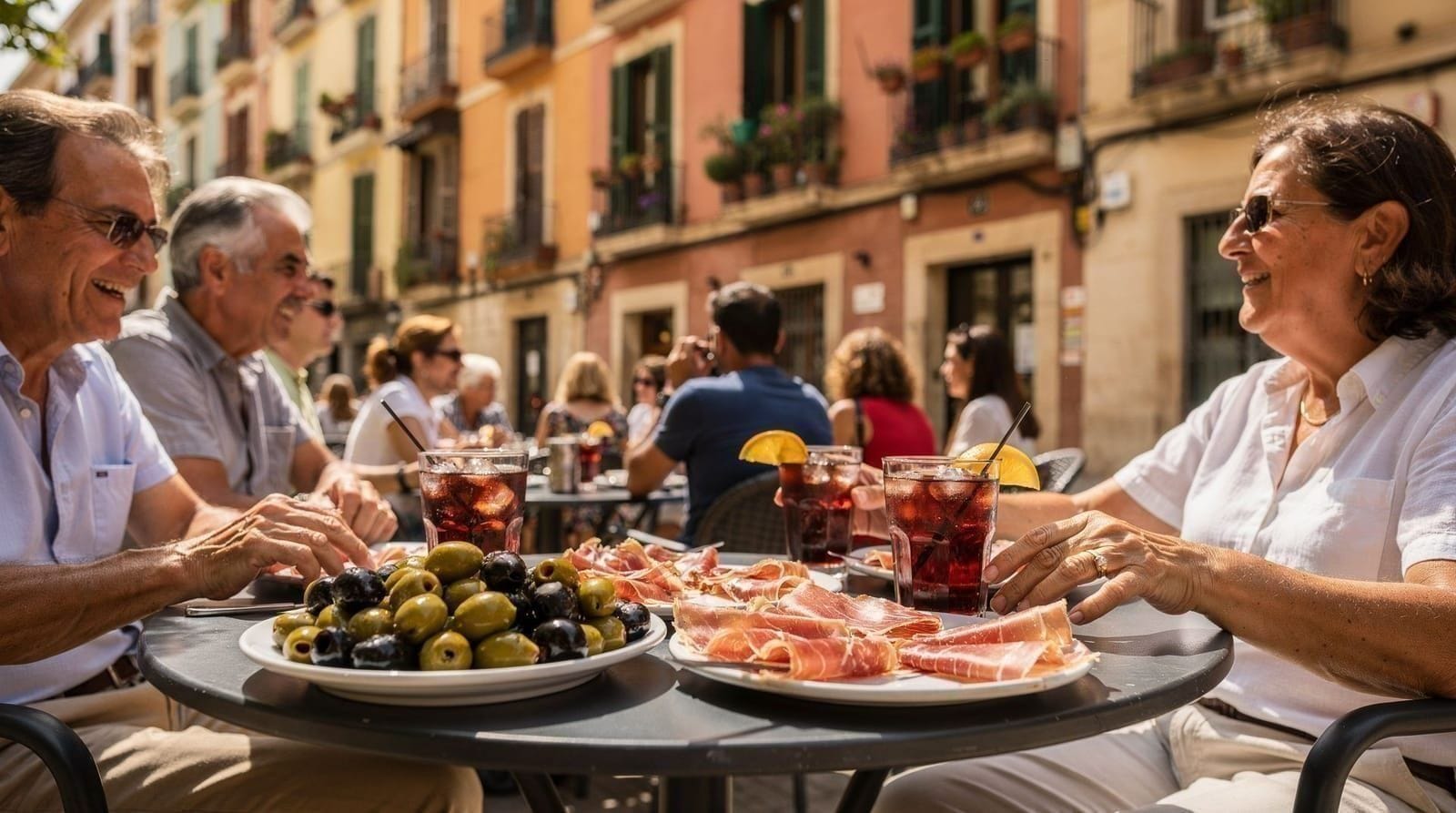
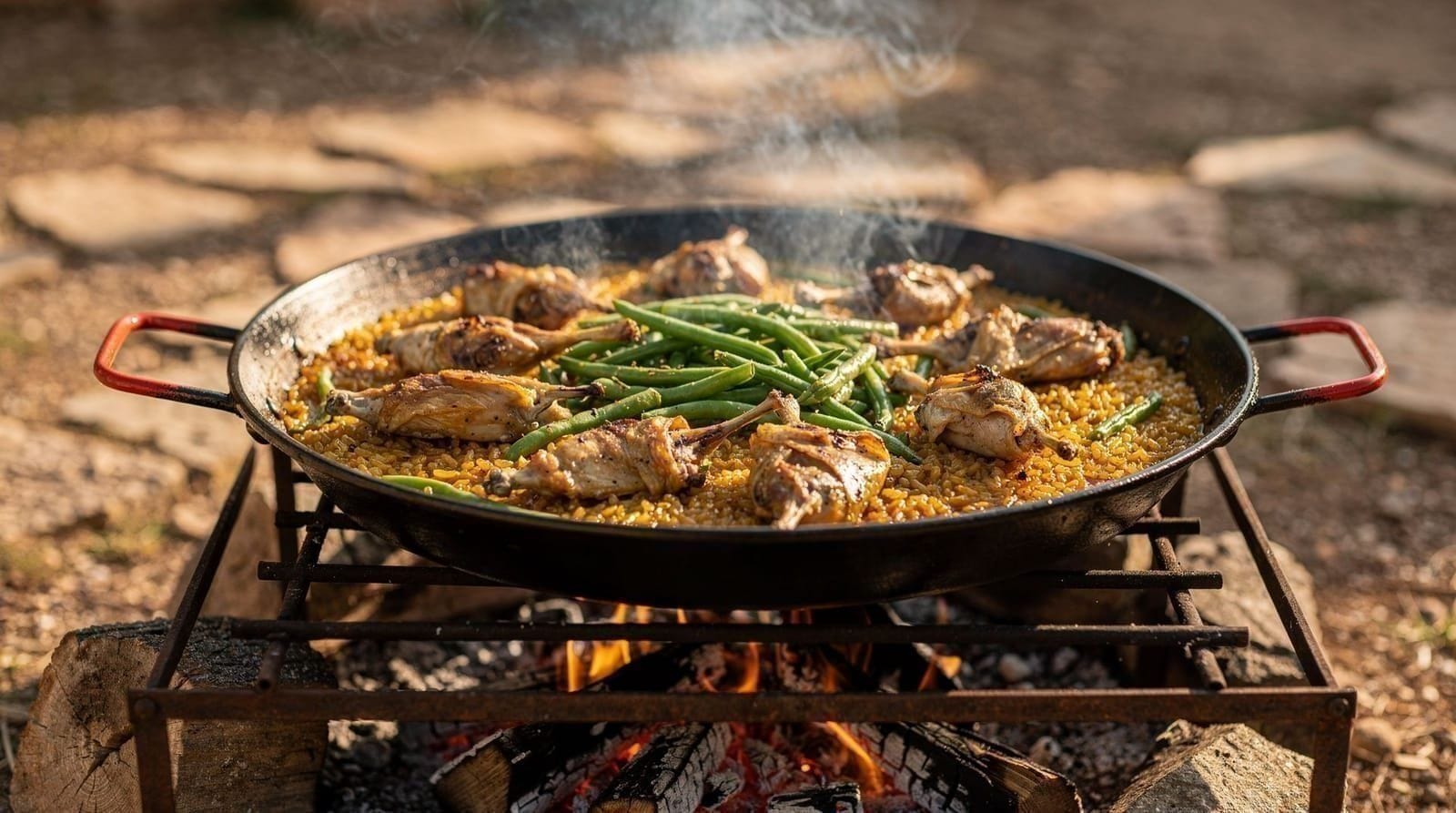
- Paella was invented here (in the Albufera rice fields). Eating paella in Valencia is eating it in its home territory — the quality and authenticity difference is real
- Horchata and fartons (the traditional drink and pastry from Alboraia) exist as a local daily food, not a performance for tourists
- The menú del día culture is deeply embedded and genuinely good value
- The Mercado Central is one of Europe’s finest food markets
- The food-drink neighbourhood of Russafa has evolved into one of Spain’s most interesting dining scenes
Barcelona’s food case:
- The city has more Michelin-starred restaurants overall
- The Boqueria market (equivalent to Mercado Central) is internationally famous but heavily touristified — it’s more visual spectacle than practical market now
- Catalan cuisine (pa amb tomàquet, escalivada, botifarra, esqueixada) is excellent and distinct
- Tapas culture is slightly less developed in Catalonia than in other Spanish regions; pintxos are more of a Basque tradition sometimes misrepresented as pan-Spanish
Honest verdict: For the visitor who cares specifically about eating well and learning about local food culture, Valencia has an edge in authenticity and value. For Michelin-level dining and volume of internationally celebrated restaurants, Barcelona is ahead. For where to actually eat paella properly, see authentic paella: where to find it.
Eating your way through Valencia
If food is a deciding factor, spend your first morning at the market and let the rest of the day follow from there. The Mercado Central food guide explains what to taste and what to skip, and a guided session such as a morning food tour built around the Central Market is an easy way to learn the stalls before you shop alone. From there, the menú del día guide shows how to turn lunch into the main meal of the day, and eating like a local covers the rhythm of the Valencian table. Avoid the classic mistakes by reading about paella traps and how to order paella before you sit down, and try the local specialities in horchata and fartons and the esmorzaret mid-morning ritual. For evenings, tapas in Ruzafa is a good place to start.
Big sights and family days in Valencia
Valencia’s headline attractions cluster in one area, which is a real practical advantage over Barcelona’s spread-out sights. The City of Arts and Sciences area guide shows how to link the buildings in a single outing, and the Oceanogràfic guide helps you decide how much time to give it. If you want to skip the ticket desk, you can reserve entry to the Oceanogràfic aquarium in advance. Families will also find the Valencia with kids guide and the rainy-day ideas for kids useful, and the Turia Gardens tie the whole area together on foot or by bike.
After you choose: next steps
Once you have settled on Valencia, the three-day itinerary is a sensible template, and the first-weekend itinerary works for a shorter stay. Timing matters too: the best time to visit guide and the Las Fallas complete guide will help you avoid arriving on the wrong week. For a half-day outside the city, the Albufera is the obvious choice, and the Valencia destination page gives a broader overview. Staying around the Eixample or Russafa are also options if you prefer a less central base, and the free walking tours guide is a low-cost way to get oriented on your first day.
Getting there and getting around
Getting there: Both cities are served by major international airports. Barcelona El Prat (BCN) has more direct intercontinental routes (transatlantic, etc.). Valencia VLC has good European connections with EasyJet, Ryanair, Vueling, and full-service airlines.
From the UK, both cities are around 2 hours by direct flight. From the US East Coast, Barcelona typically has more direct flights; Valencia often requires a connection in Madrid or European hub.
From Madrid: Valencia and Barcelona are both direct high-speed rail journeys (check Renfe for current times). Both are excellent high-speed rail journeys. The AVE from Madrid and Barcelona guide has full details.
Getting around: Both cities have metro, bus, and bike-share networks. Valencia is smaller (pop. 800,000 vs Barcelona’s 1.6 million in the city) and easier to navigate. The City of Arts and Sciences, the old town, and the beach are all connected by metro or a manageable bike ride. Barcelona’s tourist zones are more spread out and require more metro use.
Language: Spanish is spoken in both cities, but Barcelona is officially bilingual (Catalan and Spanish). Some Barcelonans prefer to address you in Catalan first. In Valencia, Valencian (a close relative of Catalan) is co-official but Spanish is more universally used in tourist interactions. As an English-speaking visitor, you’ll face no practical language barrier in either city.
Safety
Both cities have pickpocket problems in tourist zones. Barcelona’s Las Ramblas and the Gothic Quarter have a well-documented pickpocket and phone-snatch problem — it’s consistently one of Europe’s highest-risk zones for tourist theft. Valencia’s main risk areas are Malvarrosa beach (bag theft), the Fallas crowds in March, and the metro during peak periods. By objective measures, Valencia’s tourist zones are safer than Barcelona’s equivalent zones. See pickpockets and safe areas in Valencia for specifics.
The traveller type guide
Choose Barcelona if:
- Gaudí’s architecture is a specific goal (Sagrada Família, Casa Batlló)
- You want the most internationally connected, “world city” experience
- You’re visiting with limited flexibility on accommodation cost
- You want the largest range of nightlife options in Spain
- You have 4+ days and want one large, busy city
Choose Valencia if:
- You want genuine value for money without sacrificing quality
- Authentic paella and local food culture matter to you
- You prefer a calmer urban pace without tourist density
- You want better beaches closer to the city
- You’re interested in an architecturally interesting but less hyped city
- You have 2-4 days and want to experience a place at human scale
Do both if:
- You have 7+ days in Spain
- You’re coming from far away and want maximum range
- You’re happy to split the trip with a 3-hour AVE journey between cities
- You want contrasting experiences on the same trip
Where to base yourself in each city
If you do pick Valencia, the choice of neighbourhood matters as much as the city choice itself. For a first visit, most travellers do best in Ciutat Vella / El Carmen, within walking distance of the Cathedral, Mercat Central and La Llotja. See the full where to stay in Valencia guide for a neighbourhood-by-neighbourhood breakdown, including quieter options near Russafa for travellers who want a more local dining scene without sacrificing walkability.
Valencia essentials world heritage walking tourHow many days each city deserves
Valencia rewards a slower pace: 2–4 days is enough to see the old town, the City of Arts and Sciences, and a beach afternoon without rushing. Barcelona’s larger footprint and longer queues at major sights mean 3–5 days is the realistic minimum to see the Gaudí highlights without feeling rushed. See how many days you need in Valencia for a fuller planning breakdown, and factor in the AVE journey time if you’re doing both cities on the same trip.
Frequently asked questions about Valencia vs Barcelona
Is Valencia cheaper than Barcelona for food?
Yes, noticeably. The menú del día (set lunch) costs €12-16 in Valencia’s tourist areas versus €18-25 in Barcelona’s equivalent zones. Coffee at a neighbourhood bar costs €1.20-1.60 in Valencia versus €2-3 in Barcelona. Tapas at market bars is similarly 20-30% cheaper in Valencia.
Which city has better nightlife?
Barcelona has more internationally famous nightlife venues and a larger overall club and bar scene. Valencia has a strong nightlife culture — Russafa is genuinely good, and the university area (Benimaclet) and El Carmen both have active bar scenes — but it’s smaller and less internationally marketed than Barcelona’s.
Is Barcelona’s Sagrada Família worth the detour from Valencia?
For most visitors who care about architecture: yes. The Sagrada Família is genuinely unlike anything else in Europe — the interior especially is extraordinary. If you’re already near Barcelona (the train from Valencia takes around 3 hours), booking a half-day in Barcelona solely to see Sagrada Família and one or two other Gaudí buildings is worthwhile. But it requires advance booking, and tickets sell out weeks ahead.
Which city is better for families with children?
Valencia has a slight edge for family travel. The Oceanogràfic and Gulliver Park are excellent for children; distances between sights are more manageable; costs are lower. Barcelona’s attractions are also family-friendly (the Zoo, aquarium, CosmoCaixa science museum) but the crowds and higher prices make a family week in Barcelona a more expensive proposition.
How far apart are Valencia and Barcelona?
About 350 km by road, or around 3 hours by direct high-speed train (Renfe Euromed/AVE) from Valencia Joaquín Sorolla station to Barcelona Sants. The train journey is comfortable and scenic (the Tarragona coast section is beautiful). Flights exist but the city-to-city journey time is comparable once you factor in airports. The train is the recommended option.
Is Valencia a good first stop before Barcelona?
Yes — many visitors find Valencia a gentler introduction to Spain, with fewer crowds and lower prices, before tackling Barcelona’s busier sights. Starting in Valencia also lets you settle into the pace of a Spanish city without the pressure of timed-entry bookings, then arrive in Barcelona ready for its more demanding logistics.
Which city has better public transport for tourists?
Both are efficient, but Valencia’s compact size makes it easier to navigate without heavy reliance on the metro — most old town sights are within walking distance of each other. Barcelona’s tourist areas are more spread out, so visitors typically use the metro more often. See the getting around Valencia guide for specifics on Valencia’s network.