Best beaches in Valencia for families with children
Valencia: guided family walking tour
What are the best beaches near Valencia for families with young children?
La Malvarrosa has the best facilities for families: lifeguards June–September, designated swimming zones, showers, toilets, and beach bars. Patacona beach is quieter with similar facilities. El Saler is more natural but less equipped. All are within 30 minutes of the city.
Valencia’s beaches are a genuine asset for families — warm, calm Mediterranean water, flat sandy shores with good infrastructure, and close enough to the city that a beach afternoon does not consume the whole day. This guide focuses on practical family considerations: facilities, safety, crowds, and getting there.
| Best all-round | La Malvarrosa — facilities, lifeguards, easy access |
| Quietest with facilities | Patacona beach |
| Most natural/spacious | El Saler beach |
| Getting there | Tram/bus 20 min (Malvarrosa) to bus 40–45 min (El Saler) |
| Best window | 8:00–12:00 and 17:00–20:00, avoid midday heat |
La Malvarrosa: the main family beach
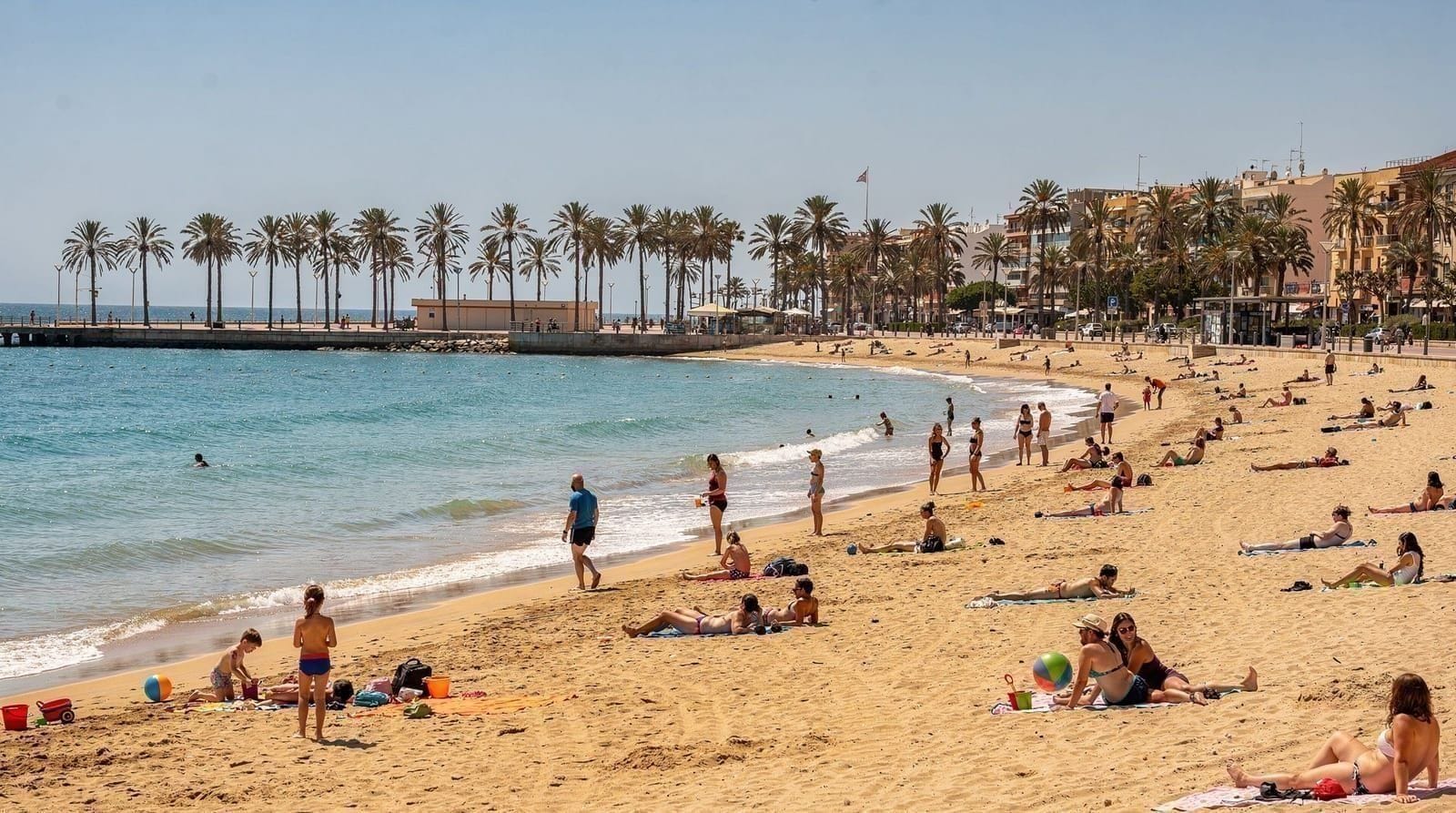
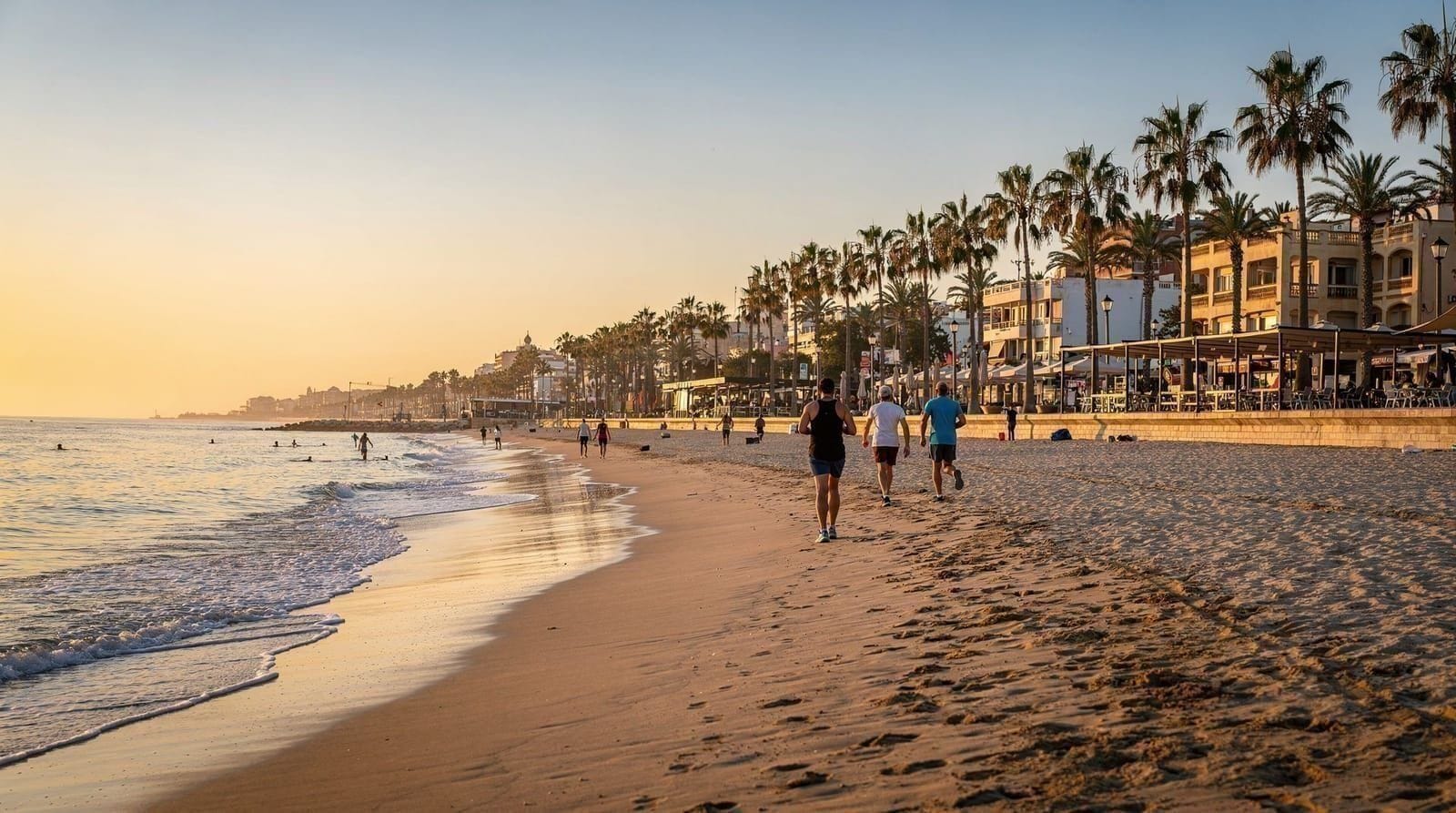
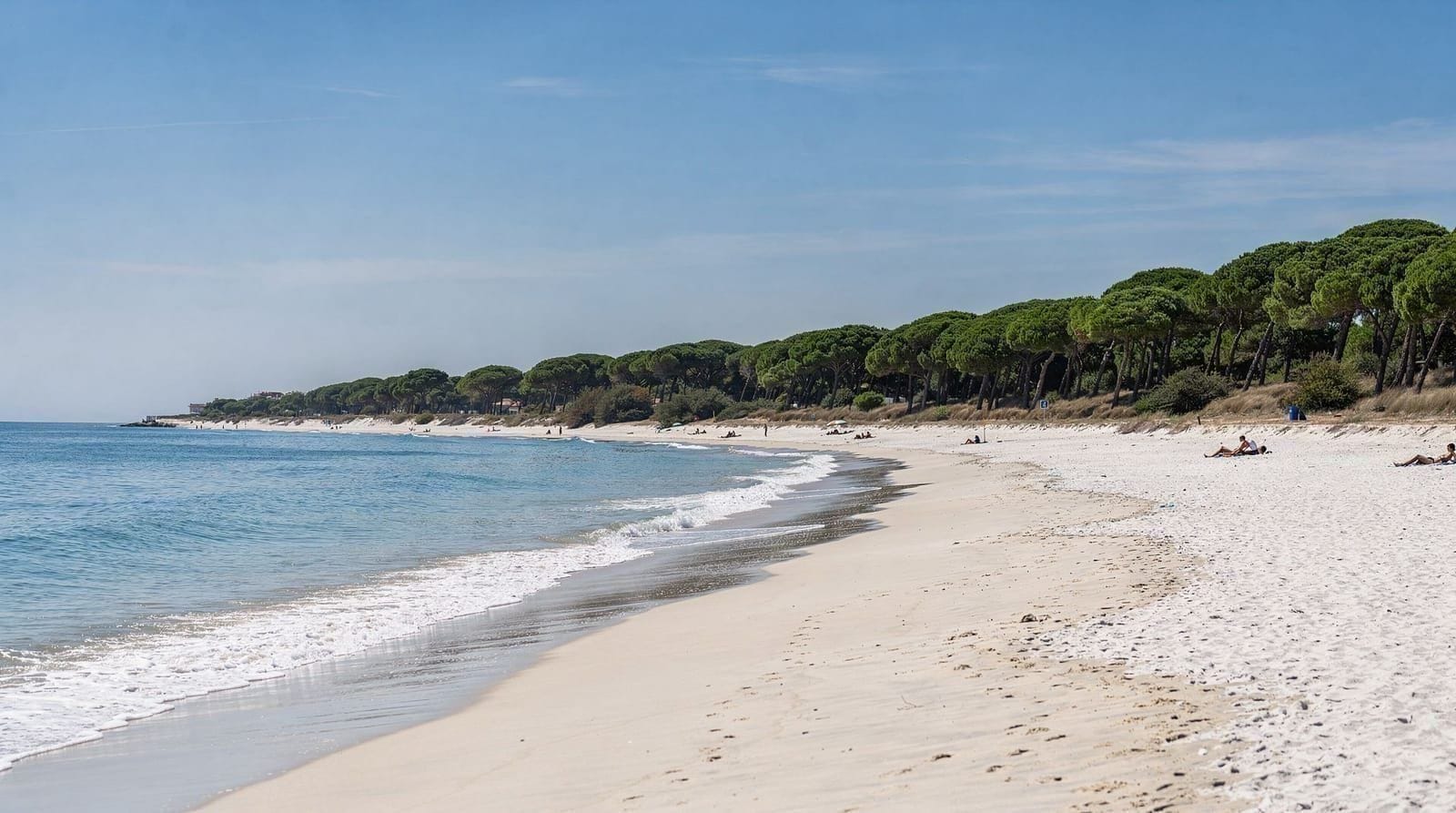
La Malvarrosa is Valencia’s primary urban beach. It stretches for 1.5 km along the northern end of the city’s beach strip, bordered by a wide promenade (Passeig Neptú) lined with restaurants and shops.
Why it works for families:
- Lifeguards stationed from mid-June to mid-September (8:00–20:00)
- Designated children’s swimming areas marked with buoys
- Showers at regular intervals along the beach
- Clean public toilets on the promenade
- Multiple sunbed and parasol rental points
- Beach bars (chiringuitos) with children’s menus
- Flat, compacted sand at the water’s edge — manageable with pushchairs at low tide
The sand: Coarse-grained, brownish-yellow. Not the fine white sand of Caribbean postcards. Children find it perfectly adequate for building. Adults wearing bare feet on a hot August afternoon will want water shoes.
The water: Typical Mediterranean — clear, calm, with minimal waves on most days. An offshore breakwater slightly further south reduces swell at La Malvarrosa. Water temperature: 22–24°C in June, 25–27°C in July–August, 24°C in September.
Crowds: The promenade strip directly behind the beach is very busy in August. The beach itself is large enough that it absorbs crowds better than you might expect. Arriving before 10:30 on weekends secures good positions. By 12:00 in August it is full.
Practical access for families: The tram runs from Torres Serranos (old town) to Malvarrosa beach (stop: Platja Malvarrosa) in about 20 minutes. Bus 19 also serves the beach from central Valencia. By bike, a dedicated cycle path runs 6 km from the Turia Gardens to the beach promenade. See the cycling guide for the route.
Eating: The best fish and seafood restaurants are at the southern end of the promenade on Calle Doctor Lluch, away from the most tourist-facing stretch. La Pepica (Passeig Neptú, 6) is a genuinely historic paella restaurant — busy, no-frills, reliable. Prices for a proper rice dish: €15–22 per person.
Patacona beach: the quieter alternative
Patacona beach is immediately north of La Malvarrosa, in the municipality of Alboraia. The transition between the two beaches is invisible on the sand, but Patacona has a different character: smaller, less commercialised, with fewer tourists and more locals.
Why families use Patacona:
- Same facilities as Malvarrosa (lifeguards, showers, toilets) but less crowded
- Quieter promenade — less traffic noise from motorcycles and delivery vehicles
- Horchata bars on the promenade (Alboraia is the horchata capital of Spain — try it with fartons)
- Marginally fewer vendors walking the beach
The main drawback is slightly less infrastructure — fewer beach bars and rental points. For families wanting a quieter experience without sacrificing safety, Patacona is often a better choice than the central Malvarrosa stretch in high season.
Getting there: bus 41 from central Valencia, or a 15-minute walk north along the promenade from the Malvarrosa tram stop.
 guided family walking tourCheck availability
El Saler beach: space and nature
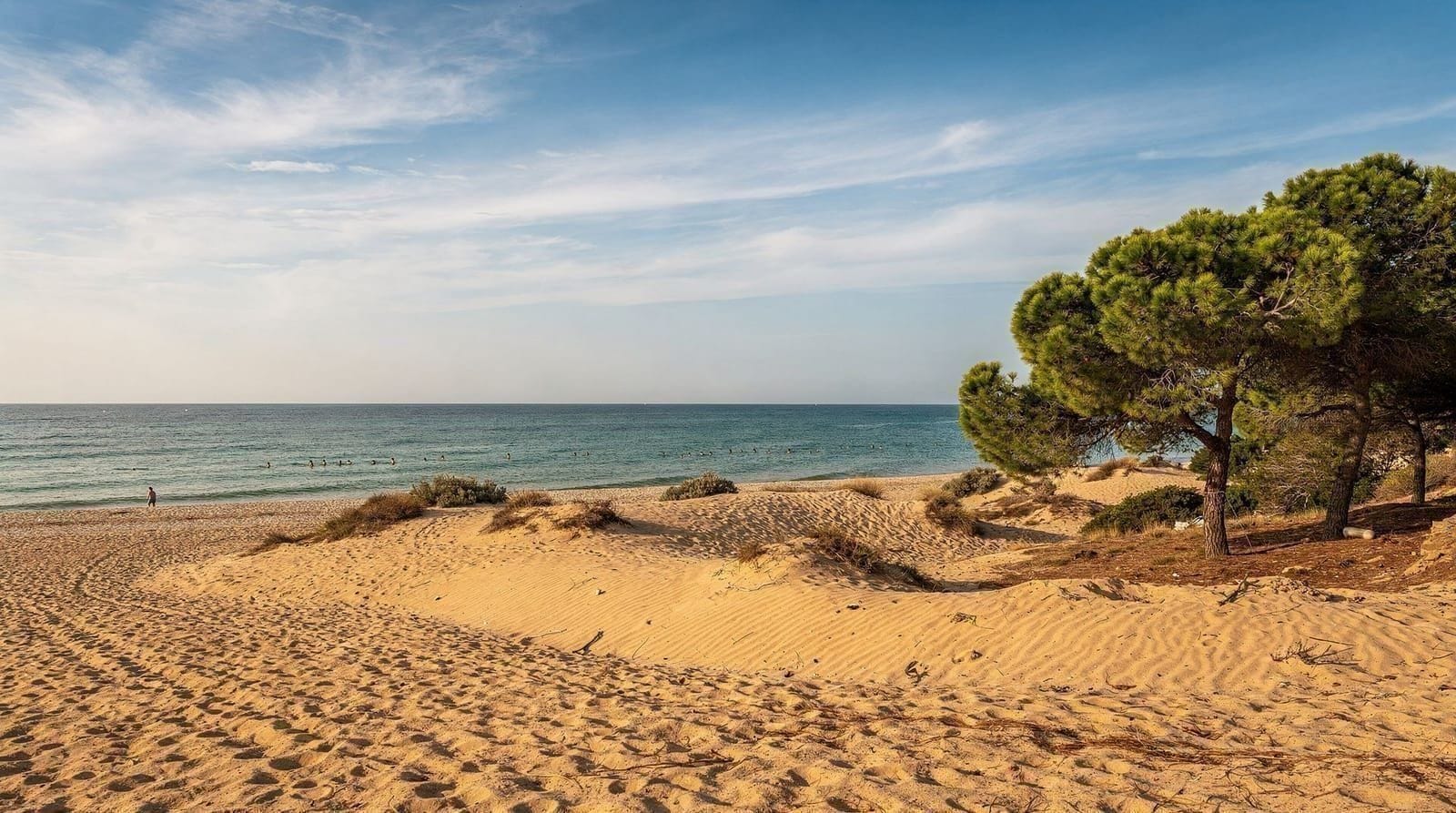
El Saler beach is 15 km south of Valencia, bordered by the La Devesa pine forest on one side and the Albufera lagoon on the other. It is a very different experience from Malvarrosa — wider, less developed, with dunes and forest rather than a promenade.
Why it works differently for families:
- Much less crowded than city beaches, even in August
- Pine forest immediately behind the beach provides shade for breaks
- Longer stretches of less-used sand
- Close to the Albufera Natural Park — good for combining
The drawbacks: Limited infrastructure compared to Malvarrosa. Fewer beach bars. No lifeguards outside peak season. Getting there requires a car or the 24/25 bus (40–45 minutes from the city, infrequent service). The waves are slightly more present here than at Malvarrosa, though still gentle by Atlantic standards.
Best for: Families with older children (6+) who appreciate space and nature over convenience. Also excellent if you are combining a beach afternoon with an Albufera boat trip.
La Devesa: natural beach without facilities
La Devesa is even further south and more remote than El Saler. Backed by protected dunes and pine forest, it attracts locals who know the area rather than tourists. There are minimal facilities — very limited beach bars, no guaranteed lifeguard presence. The water is clean and clear.
Suitable for families with children who are strong swimmers and older enough to manage an independent beach day. Not suitable for toddlers or young children who need supervised swimming areas.
Getting there: car is the most practical option. Bus 24/25 stops at El Saler; La Devesa requires walking further south or having transport.
Cabanyal beach: the neighbourhood option
Cabanyal beach is the stretch adjacent to the El Cabanyal neighbourhood — Valencia’s traditional fishing district. It overlaps with the southern end of La Malvarrosa. The neighbourhood behind the beach has been undergoing regeneration and is now an interesting mix of original fishing community and newer restaurants and bars.
This is a good option if you are staying in El Cabanyal or exploring the neighbourhood, rather than a specific destination for families. The beach itself has all the Malvarrosa facilities on the shared stretch. The neighbourhood restaurants are better value than the tourist-facing promenade spots.
Choosing between beaches when you have different ages
Families rarely travel with children of the same age, and the right beach often depends on the youngest and the oldest at the same time. With a toddler, the priority is shade, a short journey and a toilet within reach, which points to Malvarrosa or Patacona. With a pair of confident swimmers, the extra space and quiet of El Saler start to make sense. Teenagers tend to prefer the livelier stretches near the promenade, where there is something to watch, while younger children are happy with a bucket and a patch of wet sand.
If you are still deciding where to base yourselves, the family beaches overview and the wider best beaches near Valencia guide compare the options from other angles. For a quieter day away from the crowds, the quiet beaches guide is worth a look before you commit.
Turning a beach day into a full family day
The beach works best as one part of a day rather than the whole of it. A morning on the sand followed by a long lunch and a slow afternoon indoors suits most children better than a full day in the sun. The family itinerary shows how to pair beach time with city sights, and the beaches and city itinerary does the same with a lighter touch for adults.
Once the sun is high, the City of Arts and Sciences is the obvious shelter. The Science Museum keeps curious children busy, and the Oceanogràfic is a good second act for anyone who enjoyed the sea in the morning. If you would rather book ahead, entry to the aquarium so you skip the ticket queue keeps the transition from sand to shade simple. On a day when the weather turns, the rainy day ideas for kids cover the fallback plan.
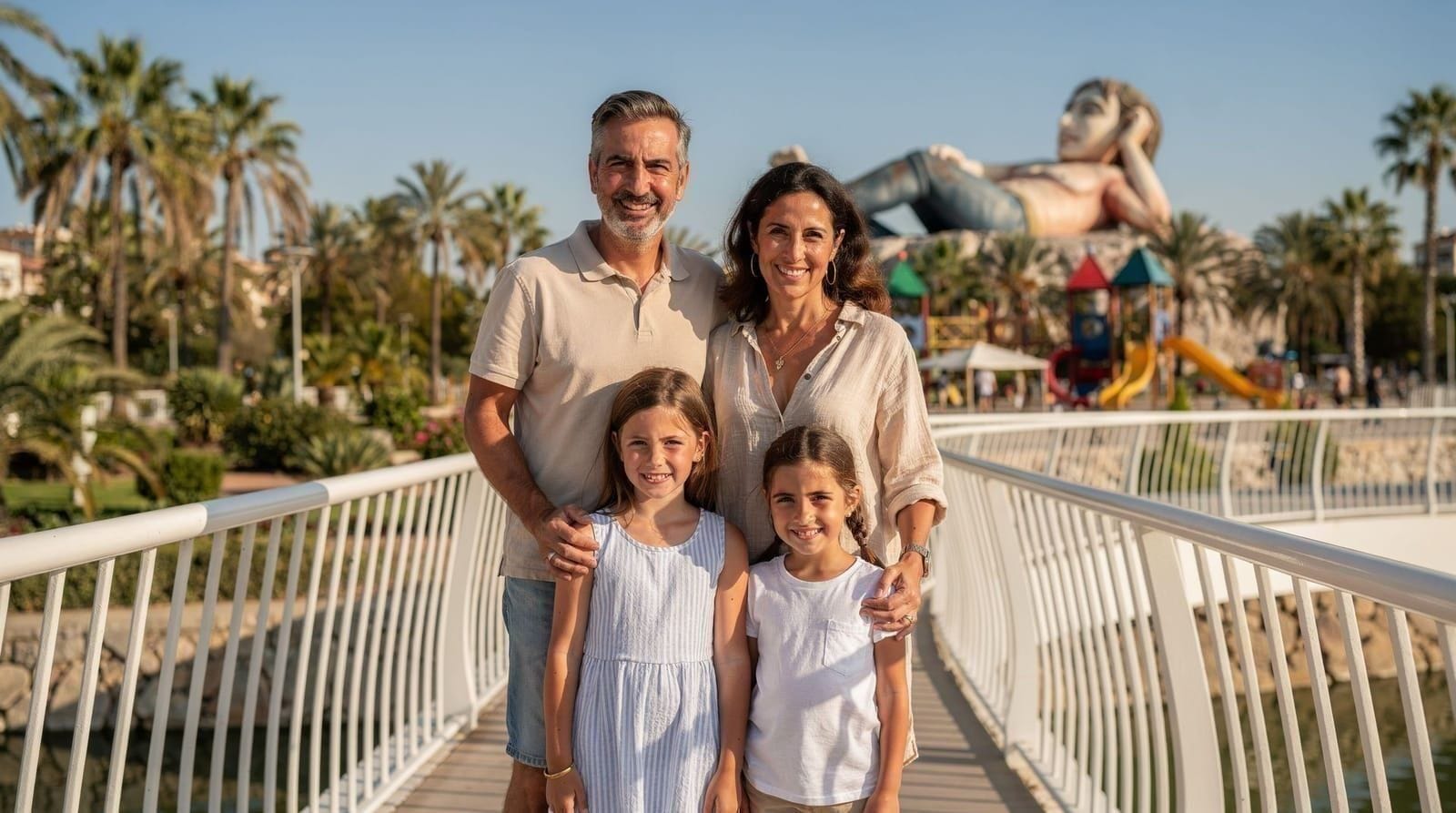
For a break from the sand that stays outdoors, Gulliver Park lets children burn off energy in the shade of the Turia gardens, and the Turia Gardens themselves are flat and easy for pushchairs. The Valencia with kids guide gathers the rest of the family-friendly options in one place.
Getting around with pushchairs and tired children
Public transport is the easiest way to reach the city beaches, and the metro and EMT guide explains how the tram and bus network fits together. Travelling with children is less stressful if you board before the afternoon rush and keep a snack and a bottle of water within reach. The Mobilis card guide helps if you plan several beach trips during a stay, and the coast train guide covers the rail option for the beaches further along the coast.
Bikes are a fun alternative for older children, as the route from the gardens to the sea is separated from traffic. The bike rental and Valenbisi guide explains the practicalities, though younger children are better on the tram.
Timing your beach visit
Best months: June (uncrowded, sea warming up), September (warm sea, schools back), October (very few tourists, warm enough for swimming). July is excellent but busy. August has the best sea temperatures but the most crowds and heat.
Best times of day: June–September, the comfortable window for young children is 8:00–12:00 and 17:00–20:00. The midday heat (12:00–17:00) is uncomfortable and the UV index at its highest. Plan beach visits around this window — cultural activities in the middle of the day work well.
For the midday gap, an indoor or shaded family activity works better than pushing through the heat on the sand. A gentler city-based option keeps the day balanced without a second exposure to peak sun.
Valencia private family tour: churros, parks and museum (good for the midday heat gap)Water temperature by month:
| Month | Sea temperature | Suitable for kids? |
|---|---|---|
| June | 22–23°C | Yes — bracing but comfortable |
| July | 25–26°C | Yes — ideal |
| August | 27–28°C | Yes — ideal, but crowded |
| September | 25–26°C | Yes — ideal, fewer crowds |
| October | 22–23°C | Yes for confident swimmers |
| November–May | 14–20°C | Generally too cold for young children |
Comparing the four beaches at a glance
| Malvarrosa | Patacona | El Saler | La Devesa | |
|---|---|---|---|---|
| Facilities | Full (lifeguards, showers, bars) | Full, quieter | Limited, seasonal lifeguards | Minimal |
| Crowds (Aug) | High | Moderate | Low | Very low |
| Best age | Any age | Any age | 6+ | Strong swimmers only |
| Getting there | Tram, 20 min | Bus 41, 25 min | Bus 24/25, 40–45 min | Car recommended |
What to bring
For a family beach day in summer:
- Factor 50 sunscreen for children (factor 30 absolute minimum for adults)
- Water shoes (for walking on hot sand and protecting against sea urchins)
- A large parasol or sunshade (rentals available but bringing your own saves €8–12)
- Plenty of water (beach bar drinks are expensive: €3–4 for a small water)
- Snacks for toddlers — beach bars are 15-minute walks apart at some beaches
- Waterproof bags for phones and wallets
The beach kiosks sell most essentials at higher prices. Water in Valencia supermarkets costs €0.30–0.50 for 1.5L; at beach kiosks it is €1.50–2.50.
Safety basics
- Check for beach flags: green (calm, swimming allowed), yellow (caution, swim close to shore), red (swimming prohibited)
- Keep children within the designated swimming areas at Malvarrosa and Patacona
- Jellyfish (medusas) appear periodically, particularly in summer. Flag warnings at lifeguard posts indicate their presence. Most Valencian jellyfish cause mild stings — uncomfortable but not dangerous. Do not rub the sting area.
- Pickpockets occasionally operate on busy beach promenades. Keep valuables locked in accommodation or use a hotel safe. The main risk is on the promenade, not on the beach itself.
Where to eat after the beach
Hungry children are rarely patient, so it helps to decide on lunch before anyone gets tired. Beach bars are convenient for a quick bite, but a proper sit-down meal away from the busiest stretch is usually calmer and better value. The how to order paella guide is useful if you want the family to try the local rice dish without falling into a tourist trap, and the paella traps guide explains what to avoid. Remember that paella is traditionally a lunchtime meal, so a late morning on the sand leads naturally into it.
For an easy treat, horchata and fartons are a local ritual that most children enjoy, and Patacona sits close to the area where they originate. If you prefer a lighter approach, the menu del día guide explains how a set lunch can keep costs down for a family.
Packing a beach bag that actually works for young children
Beyond the basics, a few small choices make a real difference over a full beach day: a pop-up sun tent (rather than just a parasol) gives toddlers a shaded zone that doesn’t move with the sun the way a parasol’s shadow does, and packs down small enough for a tram journey. A refillable water bottle with a wide mouth is easier for young children to drink from unsupervised than beach-kiosk bottled water, and cuts the recurring €1.50–2.50 per bottle cost across a full day. If nap schedules matter, the Malvarrosa promenade has enough café seating in shade to manage a stroller nap without needing to leave the beach area entirely — useful for younger toddlers whose schedule doesn’t stretch to a full uninterrupted beach morning.
For more on beach options around Valencia see the best beaches near Valencia guide and the beach season guide.
Frequently asked questions about Best beaches in Valencia for families with children
Are Valencia beaches safe for young children?
Yes. La Malvarrosa and Patacona have lifeguards and designated children's swimming areas from mid-June to mid-September. The water is Mediterranean — calm on most days with very little wave action. Water temperatures reach 25–27°C in July and August.How far is the beach from Valencia city centre?
La Malvarrosa is 6 km from the old town — about 20 minutes by tram or bus, 30 minutes by bike along a dedicated cycle path. El Saler is 15 km south (30 minutes by bus 24/25).What facilities are available at Valencia beaches for families?
La Malvarrosa and Patacona: lifeguards, marked swimming zones, showers, changing rooms, toilets, beach bars, sunbed and parasol rental. El Saler: less infrastructure, more natural, with limited beach bars and no lifeguards outside peak season.What time should you go to Valencia beach with children?
In July and August, go before 10:30 or after 17:30. Midday on the beach in peak summer is hot (34–37°C direct sun), crowded, and tiring for young children. Early mornings have the best conditions and the fewest people.Can you rent beach equipment in Valencia?
Yes. Sunbeds and parasols rent for approximately €8–12 each at La Malvarrosa and Patacona. Water toys, inflatables, and snorkel equipment are available from beach kiosks. Prices are set by season — July and August are the most expensive.
Top experiences
Bookable activities with verified prices and instant confirmation on GetYourGuide.