Gran Fira de València: the July summer festival guide
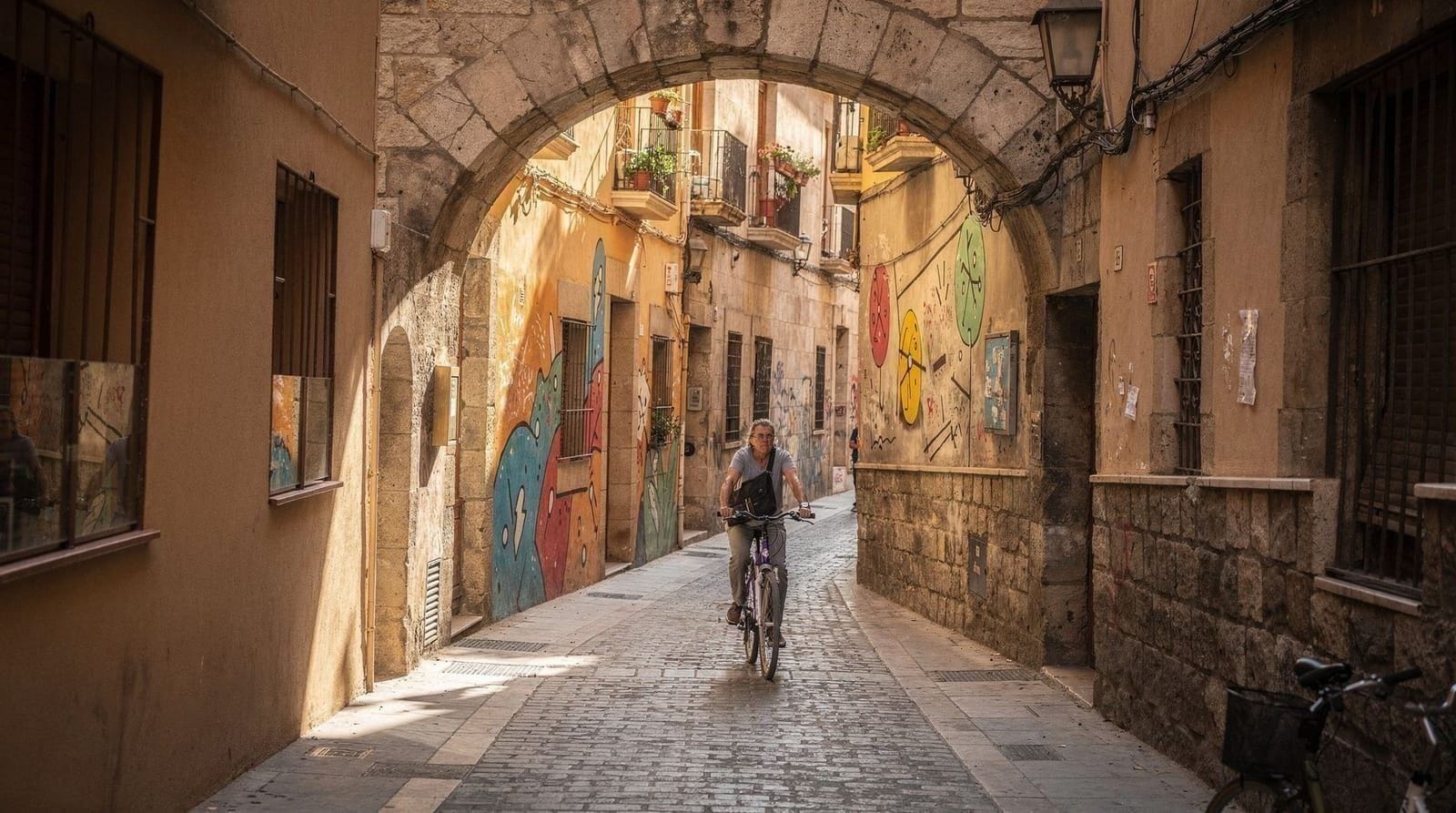
Valencia: historical city tour
What is the Gran Fira de València and when does it take place?
The Gran Fira de València (Great Fair of Valencia) is a month-long summer festival running throughout July. It encompasses multiple events including the Batalla de Flores (Battle of Flowers), fireworks competitions, theatrical performances, the Fira del Llibre (Book Fair), concerts, and various cultural events across the city. Most events are free or low-cost.
The Gran Fira de València is a month-long cultural festival running throughout July that most non-Spanish visitors know nothing about. While it lacks the visceral intensity of Las Fallas, it offers a diverse programme of events — from competitive fireworks to outdoor concerts to the remarkable Batalla de Flores — across a city that is operating at summer pace with longer days, warm evenings, and beaches in full operation.
| Where | Passeig de l’Albereda and the sites of the fireworks (they change each year), city centre |
| When | Throughout July, month-long |
| Cost | Mostly free; check the official programme for paid events |
| Getting there | Metro/tram to Xàtiva or Colón |
| Best for | Batalla de Flores (last Sunday) & July fireworks |
The festival’s structure
The Gran Fira is not a single event but an umbrella for multiple activities across July. The main components are:
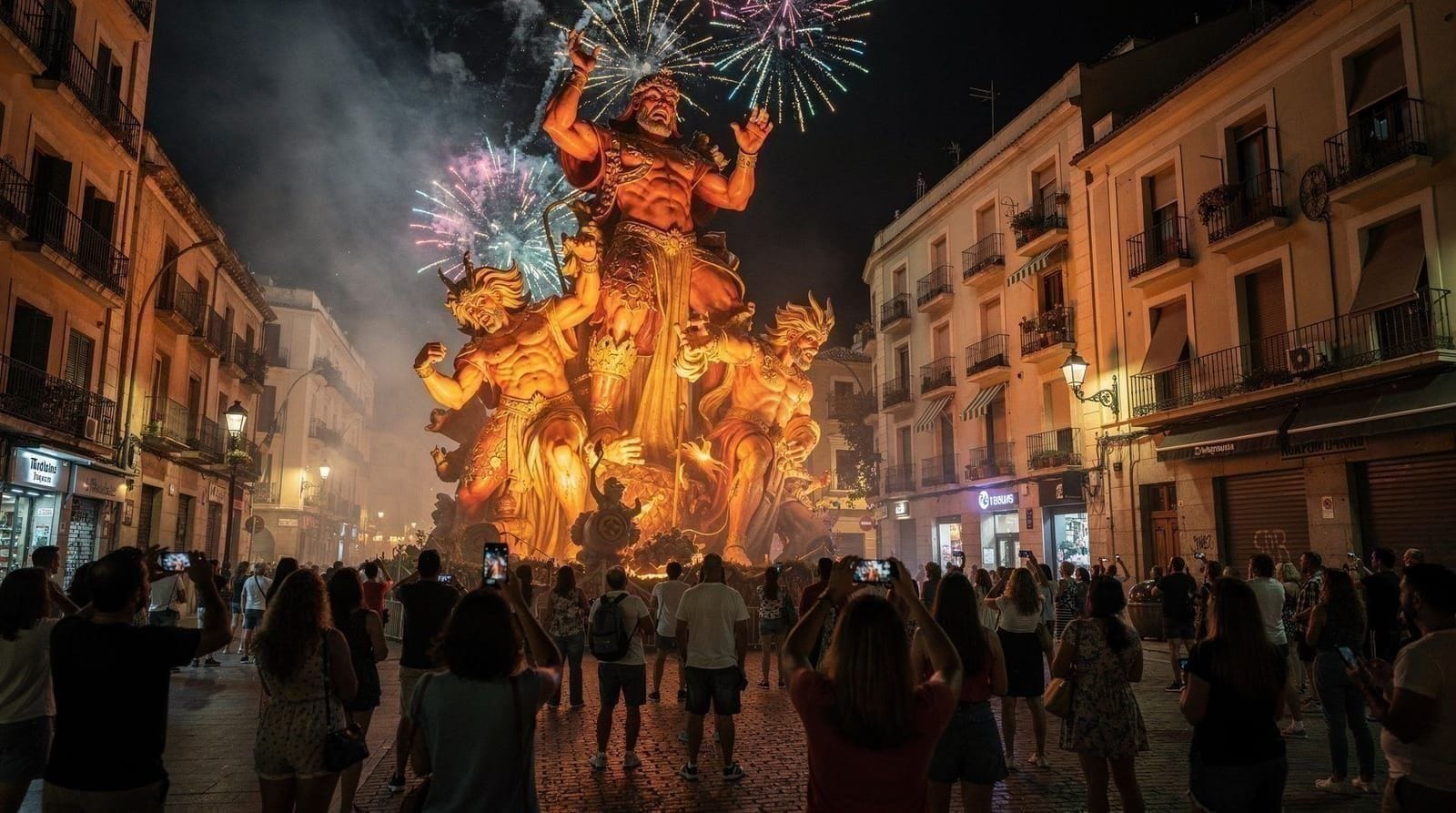
Concurs de Focs Artificials (Fireworks Competition): this competition between professional pyrotechnic companies is held at 23:59 on several nights in July and is free to watch. The place changes from year to year: the 2026 programme listed 18 July (Serranos bridge), 25 July (Calle de la Paz and Puerta del Mar, with a correfoc) and 26 July (Plaza del Ayuntamiento).
Batalla de Flores (Battle of Flowers): the last Sunday of July, Passeig de l’Albereda. This parade (Sunday 26 July at 20:00 in 2026) of decorated floats with flower-throwing is the festival’s signature visual event. Free to watch from the street.
Fira del Llibre (Book Fair): Valencia’s book fair runs in July in the Passeig de l’Albereda park, with publishers, second-hand booksellers, and author events. The setting under the plane trees is pleasant. Primarily Valencian/Spanish-language stock with limited English.
Concerts and outdoor theatre: Jardins de Vivers (the large gardens in the north of the city) hosts open-air concerts during July. These range from classical performances by the Orquestra de la Comunitat Valenciana to popular concerts; ticket prices vary from free to €30–40 for headline acts.
Mascletàs: Unlike Las Fallas, Gran Fira does not run daily mascletàs, but some weekends include daytime fireworks or traca displays in public plazas.
The Batalla de Flores in detail
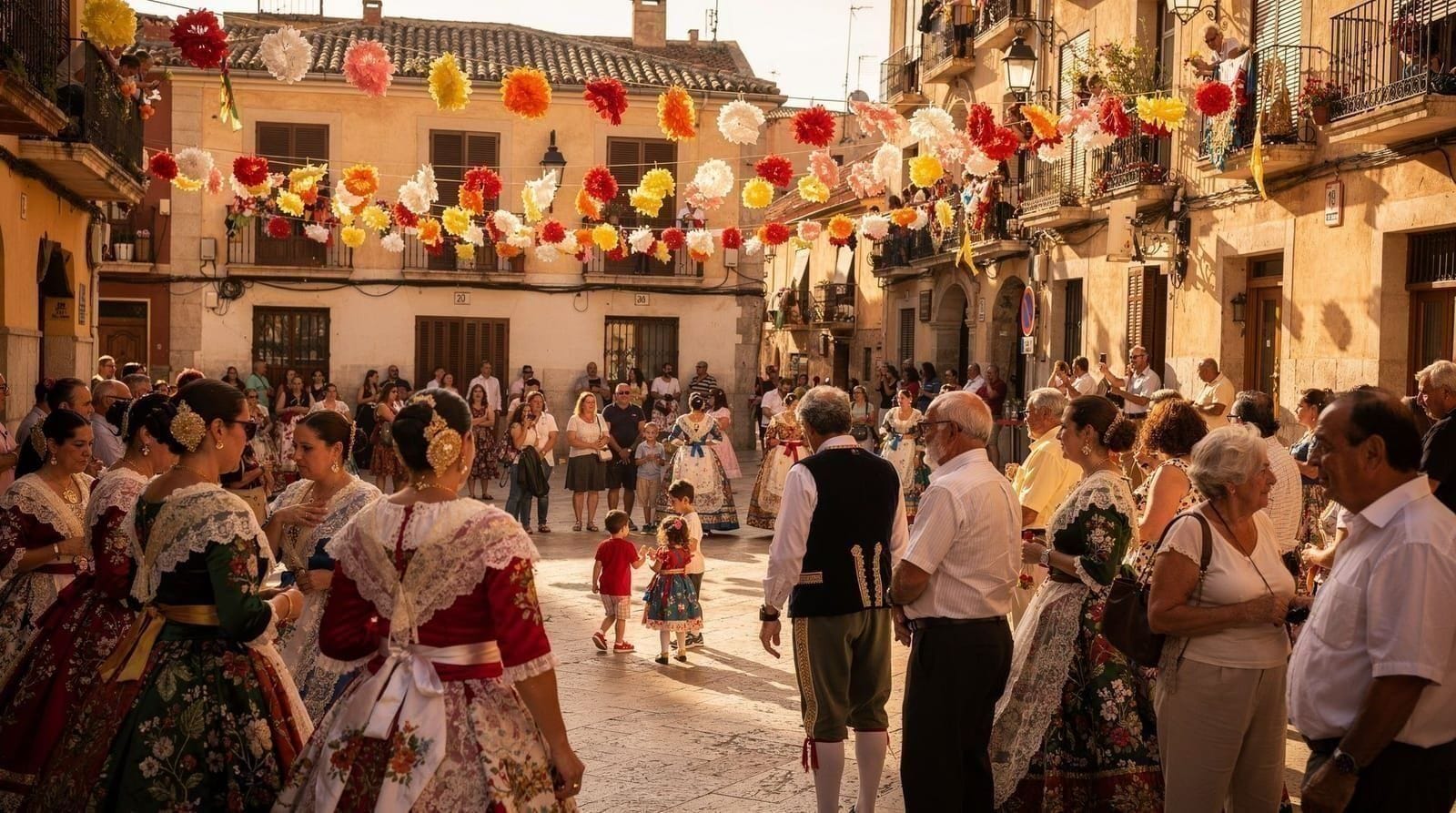
The Battle of Flowers deserves specific attention for anyone visiting Valencia in July. The event has been running since 1891 — predating Las Fallas as an internationally recognised Valencia event — and retains a distinctly Valencian character.
The parade route runs along Passeig de l’Albereda, the wide tree-lined promenade alongside the Turia park. Floats are decorated entirely in flowers and driven slowly past the seated and standing crowd. Participants on the floats throw large bunches of carnations, roses, and other flowers at spectators, who collect them and throw them back. By the end of the parade, the road and crowd are covered in petals.
The 2026 programme set the start for 20:00 on Sunday 26 July. Standing along the route is free and still offers good views; for any paid seating, check the official programme.
Wear old clothes — the flowers are thrown with enthusiasm and some petals are bruised and wet from the heat.
The Fireworks Competition
The Concurs de Focs Artificials is arguably the best pure fireworks spectacle in Valencia outside Las Fallas. It runs on several nights in July at changing locations (see above for the 2026 programme).
The key difference from Nit del Foc is that this is a formal competition. Pyrotechnic companies are judged on technique, musical synchronisation, originality, and effect. The competitive element means companies push their craft — the displays often feature unusual effects, experimental sequences, and precise musical timing that routine commercial displays lack.
Viewing positions are the same as for Nit del Foc: Turia gardens along Pont de les Flors, Passeig de l’Albereda. The crowds are substantially smaller than the March finals — good positions are available 30 minutes before the display rather than 2+ hours.
The displays start at 23:59. Check the official programme (available at the Valencia tourist office) for the confirmed dates and places in July.
July in Valencia: the full picture
Weather and beaches
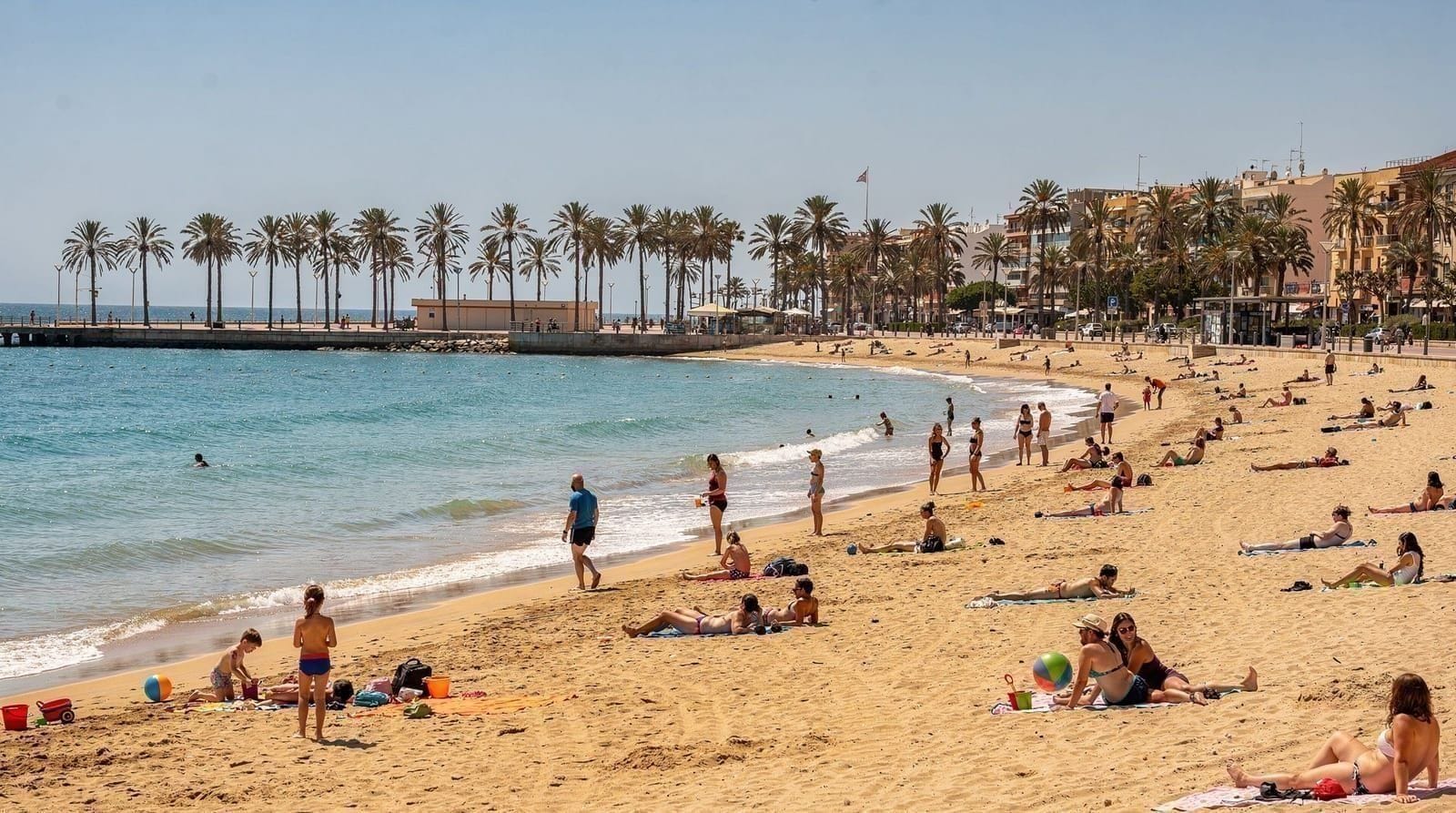
July is peak summer. Temperatures: 28–34°C during the day, 20–24°C at night. Humidity is moderate (less muggy than inland Spain). The beaches — Malva-rosa, El Saler, and the nearby Patacona — are at their busiest. EMT bus lines 19, 31, and 32 run to Malva-rosa.
Early morning is the best time for beaches and for walking the city; the 14:00–17:00 window is too hot for comfortable sightseeing outdoors.
Food in July
July is horchata season. Horchata de chufa (tiger nut milk, served ice-cold with fartons pastries) is technically available year-round in Valencia but reaches peak form as a summer drink. The horchaterias of Alboraia (a 15-minute metro ride north of Valencia) are the best places to drink it; in the city, Horchatería Santa Catalina on Plaza Santa Catalina is reliable.
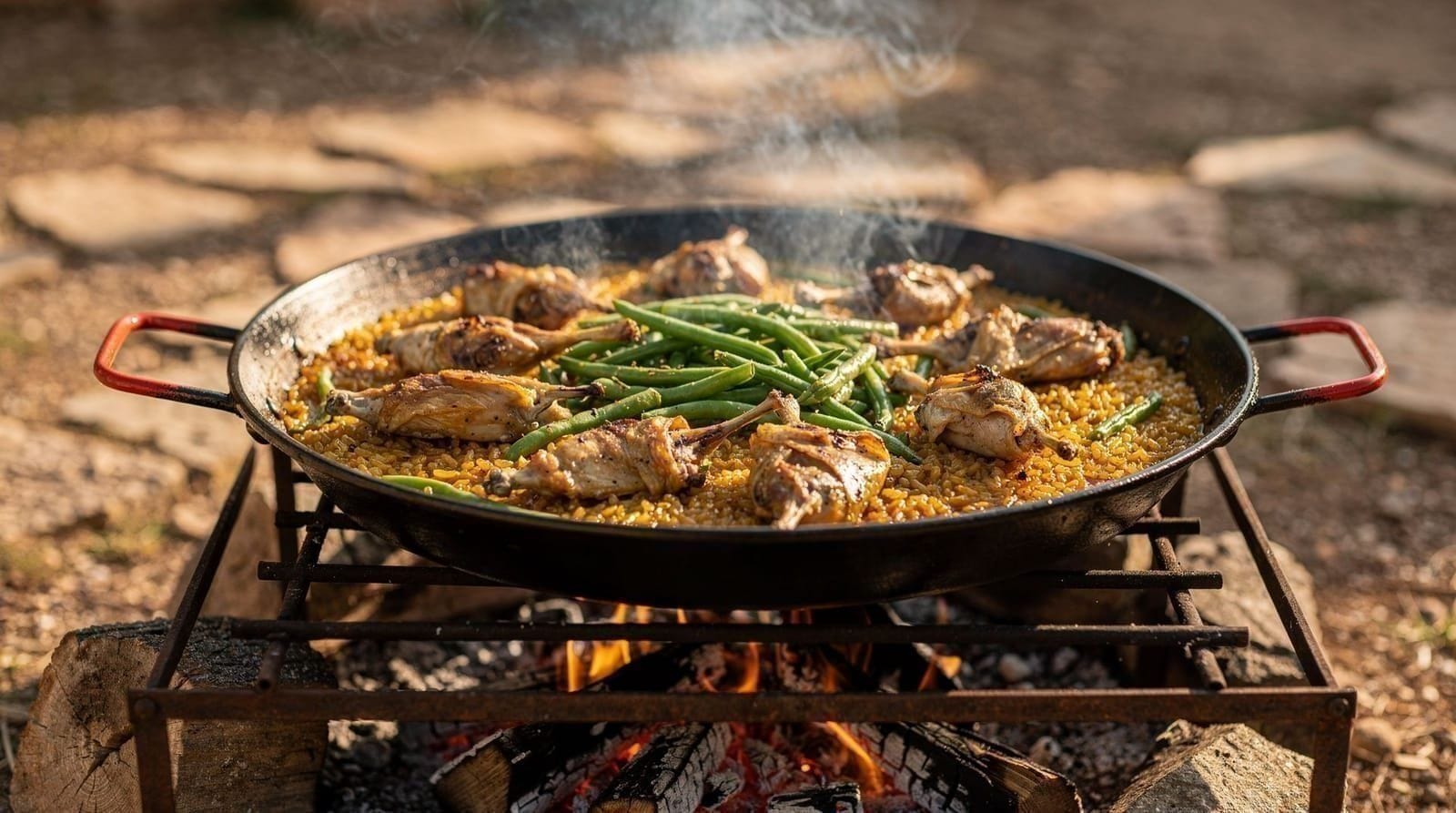
July is also paella season — weather permits outdoor wood-fire cooking, and rice dishes are at their peak. The authentic paella guide lists reliable options. The Central Market runs full operation in July.
Traditional Valencian paella cooking class — learn to make the dish from scratch in a proper Valencian kitchen
Gran Fira vs Las Fallas: which to plan a trip around
Visitors sometimes ask whether to time a Valencia trip around Gran Fira or Las Fallas instead. They are very different experiences:
| Gran Fira (July) | Las Fallas (March) | |
|---|---|---|
| Atmosphere | Relaxed, mostly local | Intense, internationally known |
| Weather | Hot, 28–34°C | Mild, 12–20°C |
| Crowds | Moderate, easy to find good spots | Very heavy, book months ahead |
| Hotel prices | Lower than March | Highest of the year |
| Signature event | Batalla de Flores, fireworks competition | Mascletà, La Cremà |
Neither is objectively better — Gran Fira suits visitors who want summer beach time plus a genuine local festival without the crush, while Las Fallas suits those chasing the single most spectacular event on the Valencia calendar and are willing to book far ahead and brave the crowds.
Practical tips for watching Gran Fira events
Arrive early for free viewing spots. For both the Batalla de Flores and the July fireworks, the best free positions along Passeig de l’Albereda fill up 45–60 minutes before the start on the more popular dates — much less pressure than the hours-ahead arrival Las Fallas requires.
Bring water and sun protection for daytime events. July heat is the main practical challenge, not crowding. The Batalla de Flores runs in late afternoon sun before cooling toward evening.
Check the exact dates each year. The fireworks dates and locations change from year to year — confirm the current July programme at the tourist office before building an evening around it. Combine a fireworks night with dinner nearby using our central market food guide for options.
Getting around during Gran Fira
The city does not impose the transport restrictions that Las Fallas requires. Standard metro, tram, and bus services operate normally. Valenbisi bike-sharing is excellent for July evenings and mornings.
For the Batalla de Flores (Passeig de l’Albereda), the tram and metro stations nearest the route are Xàtiva, Colón, and the tram stop on Passeig de l’Albereda. Arrive early — the parade attracts significant local crowds.
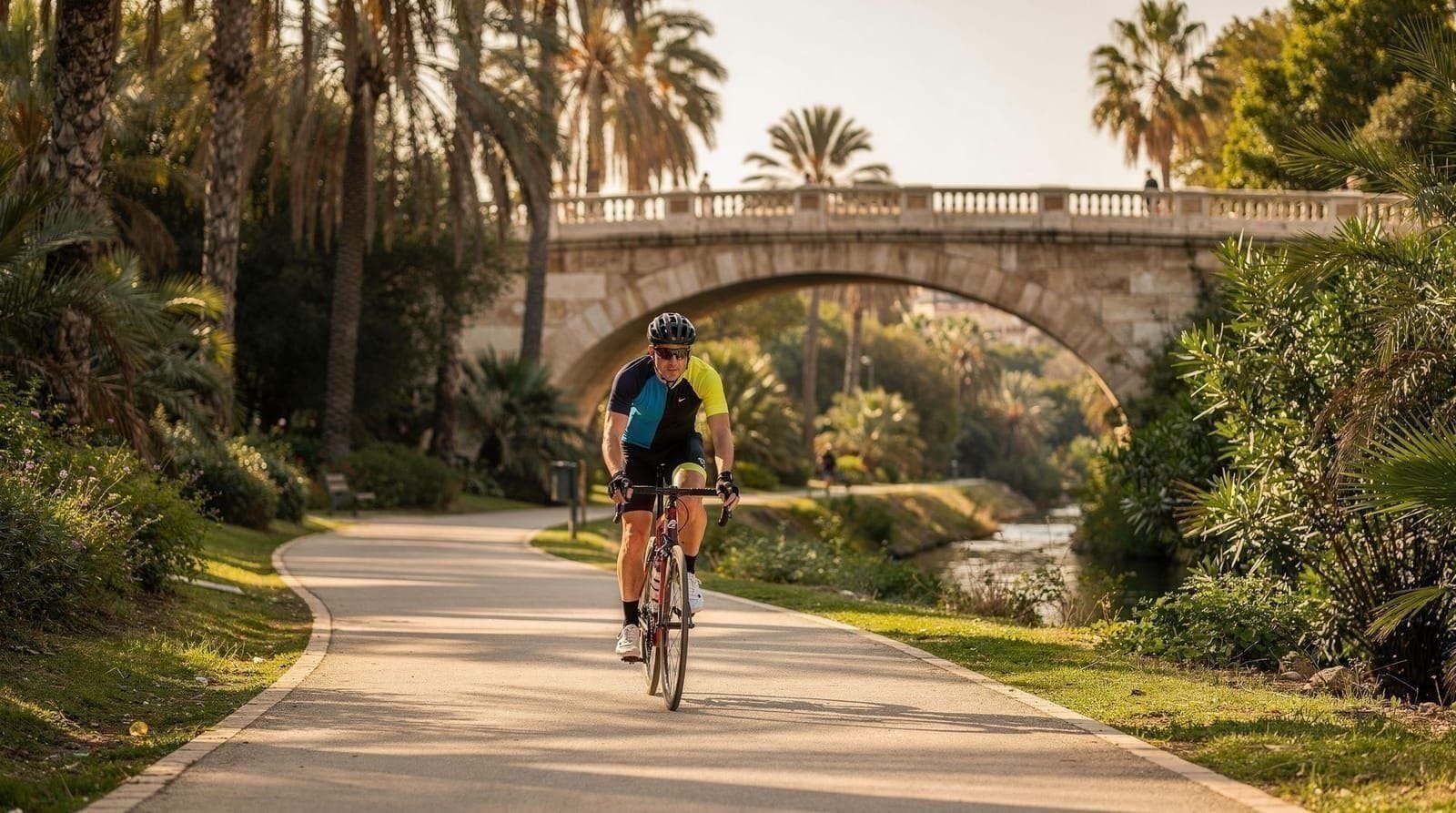
Valencia bike tour — the best way to cover the city’s main sights in a morning before the July heat peaks
Building a Gran Fira day around the heat
The smartest way to enjoy a festival month in July is to accept the weather rather than fight it. Treat the day as two separate shifts. The morning belongs to the city and the sea: a walk through Ciutat Vella and El Carmen, a coffee in the shade, or an early swim at Malvarrosa beach before the sand fills up. The middle of the day is for rest, a long lunch and air conditioning, ideally a proper menú del día rather than a rushed snack. The evening, once the light softens, is when the festival comes alive.
If you would rather see the historic centre on foot without planning every step, a guided walk through the old town is easiest in the cooler first hours of the day, and it gives you the context that makes the evening’s events feel more rooted in the city.
Valencia’s own summer rhythm helps here. Locals eat late, stay out late and treat the small hours of a warm night as perfectly normal. A fireworks night that starts close to midnight is not a late outlier for them, it is simply an evening out. Visitors who adopt the same rhythm, sleeping a little in the afternoon and dining after sunset, find that the festival fits the city rather than interrupting it.
Where to stay for the festival nights
Because the main events cluster around the Turia gardens and Passeig de l’Albereda, a base within easy reach of the riverbed makes late nights simple. The Eixample and Russafa both sit close to the action and have plenty of places to eat afterwards, while the old town puts you within walking distance of the river’s northern stretch. Our guide to the best area for a first visit compares the neighbourhoods in more detail, and where to stay in Valencia covers the practical side of choosing.
Whatever you pick, think about the walk home. After a fireworks display the metro and the streets are busy for a short while, and a hotel you can reach on foot removes any need to queue. In a warm month, a room with good air conditioning matters more than a view.
Making the most of the Turia for the festival
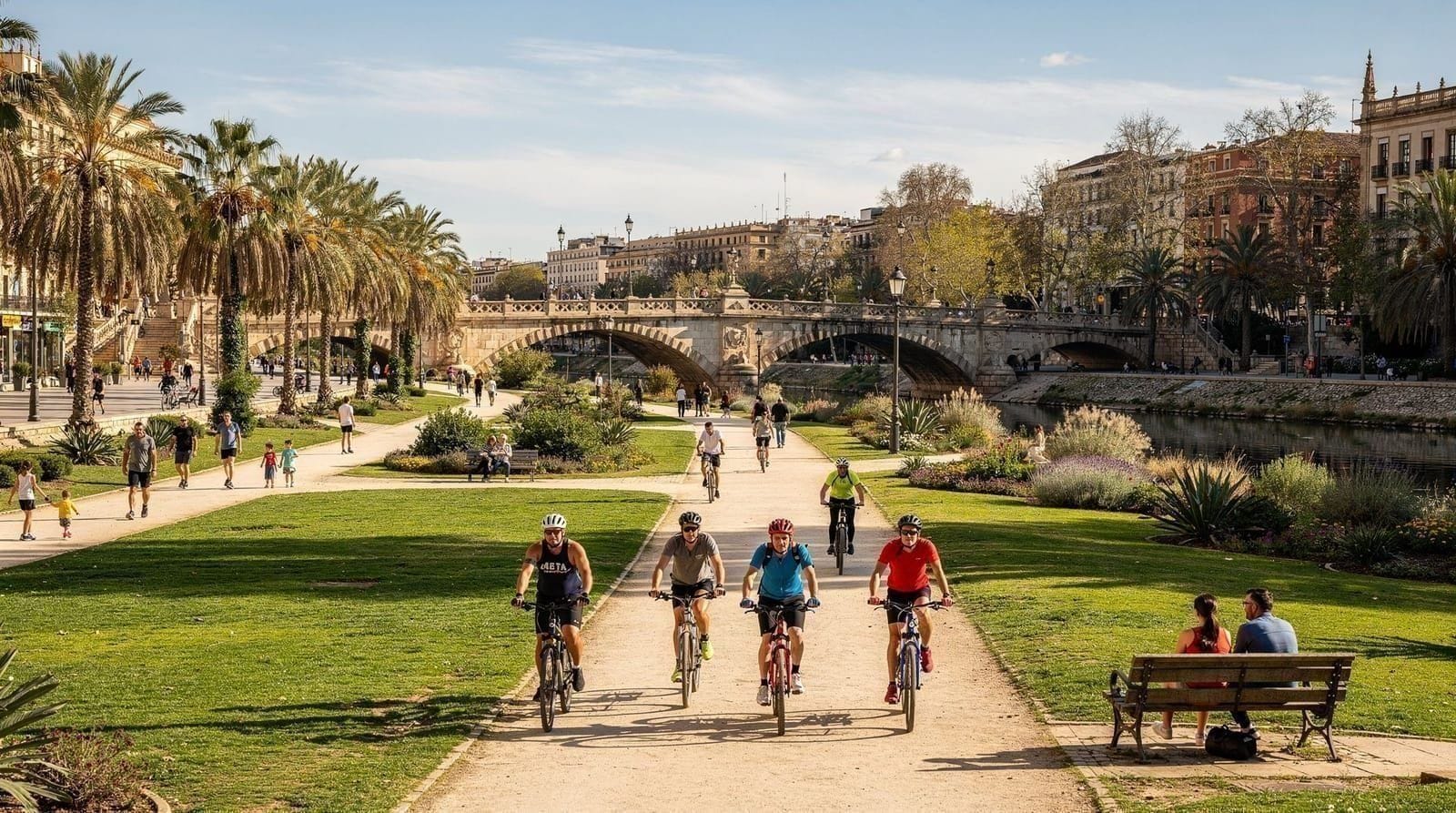
The riverbed is the stage for much of the programme, so it is worth knowing it before the crowds arrive. The Turia Gardens run through the city as a continuous green belt, and a daytime visit lets you pick your viewing spot for the fireworks, note where the shade falls and find the nearest bridge or crossing. If you prefer to move on two wheels, the Turia by bike guide and the Valenbisi guide explain how to cover the length of the park without a car, and it is a pleasant way to reach the evening’s events when the temperature has dropped. A relaxed cycling tour of the city also works well as a morning orientation before a festival night.
Running or walking the park early in the day is its own small pleasure in July, and the running in the Turia guide is useful if you want to keep a routine while on holiday.
Combining Gran Fira with the rest of Valencia
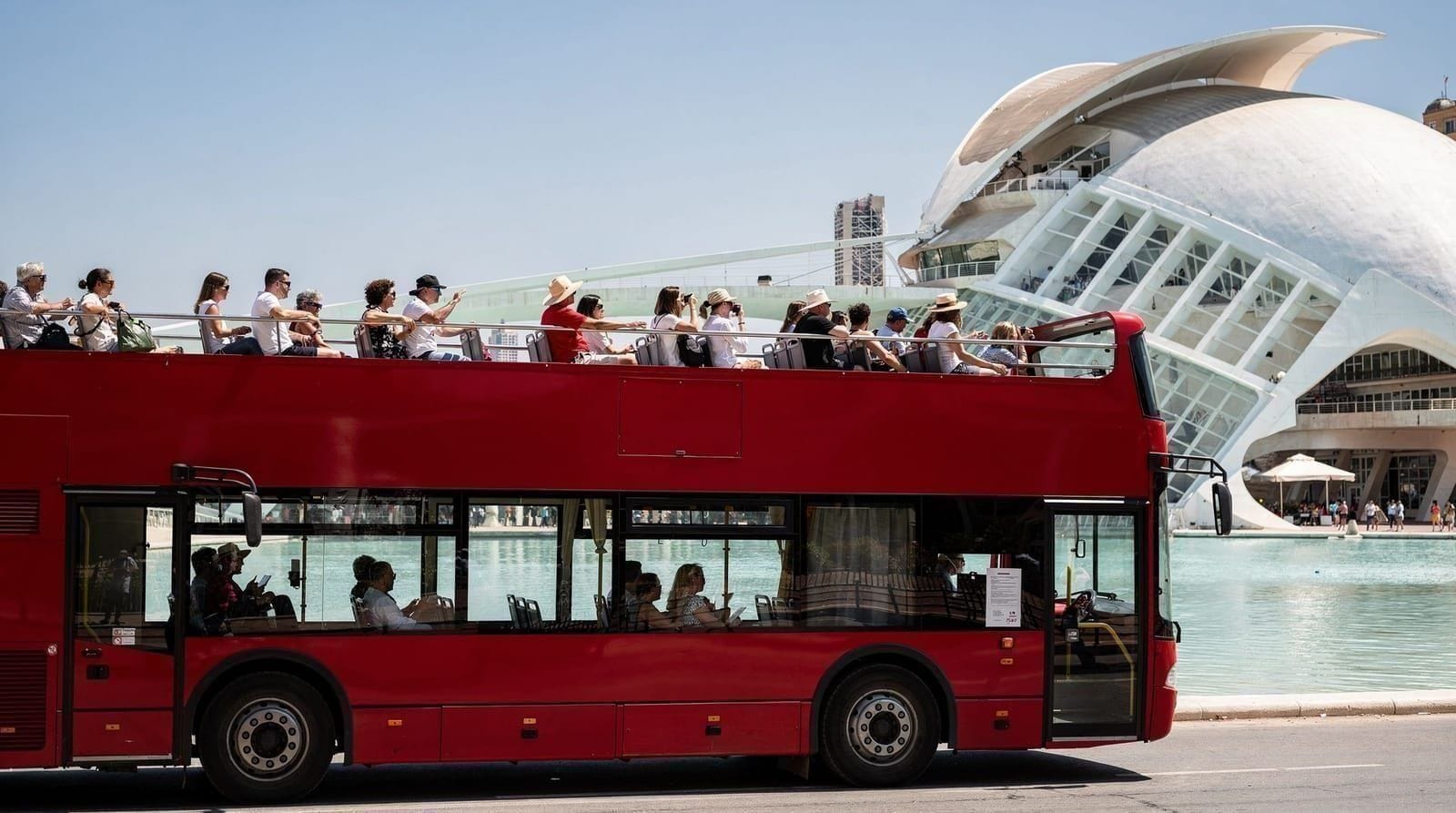
A month-long festival leaves plenty of free days, and the best way to use them is to mix the city with its surroundings. The Albufera natural park is a calm contrast to the festival crowds, and the sunset boat trip on the Albufera pairs naturally with a quieter evening between two fireworks nights. For a cultural day, the City of Arts and Sciences keeps visitors busy indoors during the hottest hours, and the Oceanogràfic is a classic escape from the afternoon sun.
Families have good options too. The Valencia with kids guide collects the activities that work in summer, and Gulliver Park is a favourite for children who need to burn off energy before a late-evening parade or display. For wider planning, the Valencia festivals calendar shows how the Gran Fira sits alongside the rest of the year, and the summer in Valencia guide covers what else the season offers.
If you are weighing which days to give to the festival, the three-day Valencia itinerary is a sensible frame: slot the Batalla de Flores or a fireworks night into the evening of whichever day suits your dates, and keep the daytime plan unchanged.
A few etiquette and comfort notes
The Gran Fira is a local celebration first, so a little courtesy goes a long way. Keep to the edges of the route during the parade so that families with children can see, return flowers with the same good humour in which they are thrown, and leave the street as you found it as far as you reasonably can. At the fireworks, claim a modest patch of grass rather than spreading out across a path, and remember that many people around you will be there with children and grandparents.
Comfort is mostly practical. Carry a refillable bottle, wear light breathable clothes and shoes you can stand in for a long time, and keep your phone and wallet secure in a crowd. The pickpockets and safe areas guide explains the sensible precautions for busy evenings, none of them dramatic, all of them easy. Finally, plan a relaxed dinner rather than a rushed one: the best restaurants in Valencia and the tapas in Russafa guide are good places to start when you want to eat well before the show.
Why the festival rewards a slow approach
What makes the Gran Fira distinctive is that it never demands that you do everything. There is no single day on which a trip stands or falls. You can catch the flower parade, one good fireworks night and an evening at an open-air concert, and spend the rest of your time on the beach or exploring the city, and you will have seen the festival at its best. Visitors who arrive expecting a checklist tend to be disappointed, while those who treat it as a warm backdrop to a summer holiday tend to remember it fondly. If you want the broader picture of how Valencia celebrates, the Las Fallas day by day guide and the Semana Santa Marinera guide show the other end of the festival spectrum.
Frequently asked questions about Gran Fira de València
What is the highlight event of Gran Fira de València?
The Batalla de Flores (Battle of Flowers) is the most spectacular single event — a parade along Passeig de l'Albereda where decorated floats and participants throw flowers at the crowd. It takes place on the last Sunday of July (26 July in 2026, at 20:00). The Fireworks Festival (Concurs de Focs Artificials de la Fira de Juliol), held at 23:59 on several nights in July at changing locations (in 2026: 18, 25 and 26 July), is also a major draw: it is a competition between pyrotechnic companies and features some of the best fireworks displays Valencia offers outside Las Fallas.Is Gran Fira de València a good time to visit Valencia?
July is high summer — temperatures typically reach 30–34°C and beaches are at maximum activity. The Gran Fira adds concerts, fireworks, and cultural events to the summer calendar. The Fira is enjoyable if you handle heat well; if you prefer cooler weather, May or September offer pleasant temperatures without the summer crowds. On the positive side, the fireworks competition nights are excellent and July hotel prices are lower than during Las Fallas.Are the Gran Fira fireworks better than the Nit del Foc?
Different — and in some ways technically superior as pure fireworks displays, because the Concurs de Focs is a formal competition between established pyrotechnic companies judged on artistry and technique. The scale is comparable to the Nit del Foc mid-nights (18–19 March) if not the grand finale. The atmosphere is more relaxed than the intense Las Fallas week.What is the Batalla de Flores?
The Battle of Flowers is a parade along Passeig de l'Albereda where decorated floats pass a seated crowd and participants throw large quantities of flowers at spectators. It began in 1891 as part of the July fair. Participants and spectators are both showered in petals — it is good-natured and visually striking. Standing along the route is free; for any paid seating, check the official programme.How does Gran Fira compare to Las Fallas for a first visit to Valencia?
Las Fallas is the bigger, more internationally known event with a single unmissable finale, while Gran Fira is calmer, mostly local, and spread across July with hot summer weather and beach access thrown in. First-time visitors chasing spectacle should aim for Las Fallas; those who want a relaxed local festival alongside a beach holiday will enjoy Gran Fira more.What should I wear to the Batalla de Flores?
Wear clothes you do not mind getting slightly damp or stained by flower petals, comfortable shoes for standing, and sun protection since the parade starts in late-afternoon summer sun. Avoid anything you are precious about, as the flower-throwing is enthusiastic and petals land everywhere near the route.Is Gran Fira de València a tourist event or a local one?
Primarily local. The Gran Fira is a significant event for Valencians and attracts visitors from across Spain but does not draw the international crowds that Las Fallas does. This is part of its appeal — events are relaxed and prices are not inflated specifically for tourists.Do I need to book events in advance?
Most events are free and require no booking. For paid concerts at Jardins de Vivers and some theatrical performances, tickets are available from the festival box office or Ticketmaster España. For any paid seating at the Batalla de Flores, check the official programme.Can Gran Fira de València be combined with FIB Benicàssim?
Yes — FIB Benicàssim (the Festival Internacional de Benicàssim) takes place in July at Benicàssim, about 60 km north of Valencia on the coast. The two events are not on the same dates but are in the same month. See the FIB guide for details.What is the best July event for families?
The Batalla de Flores is excellent for families — the flower-throwing is safe, the parade is colourful, and the setting on Passeig de l'Albereda has space for children. The Book Fair (Fira del Llibre) has children's sections. The fireworks competition nights are late-start and suitable for older children who can handle late bedtimes.
Top experiences
Bookable activities with verified prices and instant confirmation on GetYourGuide.