Valencia festivals calendar: all the major events by month
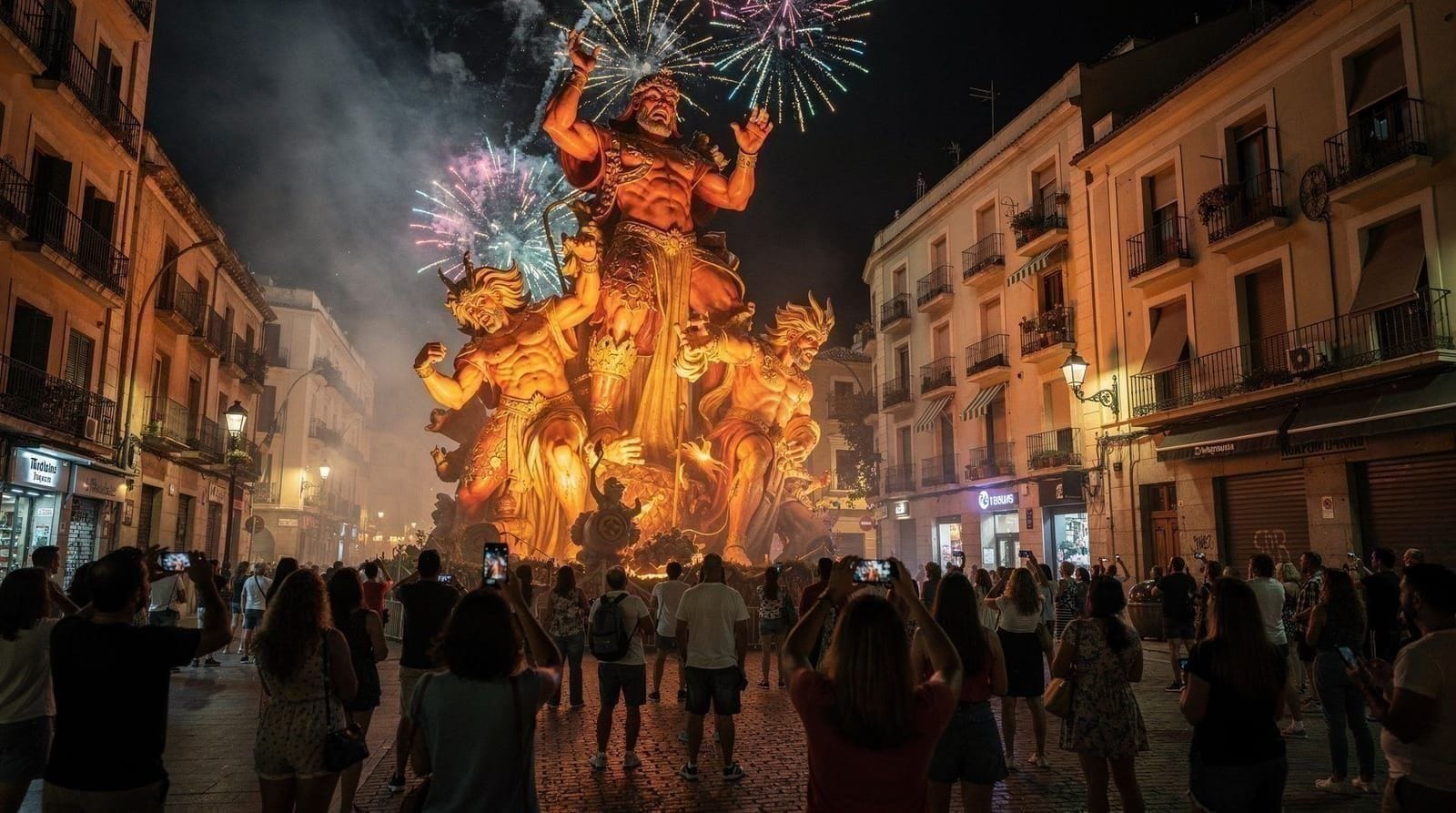
Valencia: the ultimate Fallas tour — celebrate like a local
Duration: 3 hours
What are the main festivals in Valencia and when do they take place?
The major events: Las Fallas (1–19 March, UNESCO), Semana Santa Marinera (Holy Week, March/April), Gran Fira de València (July), FIB Benicàssim (July), and La Tomatina Buñol (last Wednesday August, ticket required). Smaller regular events run throughout the year. March and July are the peak festival months.
Valencia has a genuine festival culture — not manufactured for tourism but rooted in civic, religious, and agricultural traditions that go back centuries. Understanding the annual calendar helps you time your visit to coincide with what interests you, or to consciously avoid the most crowded periods.
| Where | City centre for most events; El Cabanyal for Semana Santa Marinera; Buñol for La Tomatina |
| Cost | Most events free; La Tomatina and FIB tickets required |
| Time needed | A single day for most; Las Fallas rewards 3+ days |
| Getting there | Walkable in the centre; Buñol reached by train from Valencia |
| Best time | March for Las Fallas, July for Gran Fira, September for events-free calm |
Festival months compared
| Month | Headline event | Crowds | Cost impact |
|---|---|---|---|
| March | Las Fallas | Very high | Hotels 2–3× normal |
| March/April | Semana Santa Marinera | Moderate | Slightly elevated |
| July | Gran Fira de València, FIB Benicàssim | High | Elevated (summer peak) |
| August | La Tomatina | High (Buñol only) | Summer peak citywide |
| September | Portes Obertes | Low | Normal, best value |
| October | Día de la Comunitat Valenciana | Low–moderate | Normal |
January
Cavalcada de Reis (5–6 January): The Three Kings (Reyes Magos) parade takes place on the evening of 5 January — the night before Epiphany (6 January). The procession moves through the city centre with decorated floats, the three kings distributing sweets to the crowd. This is the primary Christmas gift-giving event in Spain (more important than 25 December for children). The procession attracts large local crowds.
Día de San Vicente Mártir (22 January): Valencia’s first patron saint day. Church services and a small procession from Valencia Cathedral. Low-key compared to other religious festivals.
February
Carnaval: Valencia’s Carnaval is modest compared to Cádiz or Tenerife. The Ateneo Musical del Puerto (El Cabanyal) organises a traditional neighbourhood celebration. Costume parties in El Carmen bars.
Preparation for Las Fallas: The city begins to feel anticipatory. Las Fallas workshops (Museu Faller, Calle de los Artistas Falleros) complete construction. The announcement of the winning ninot (the figurine exempted from burning) comes as the Ninot exhibition closes, around 14–15 March.
March: Las Fallas
1–19 March — Las Fallas (UNESCO Intangible Cultural Heritage)
The defining event of the Valencian calendar. Full details in the complete Las Fallas guide and day-by-day schedule.
Key dates:
- 1 March: Festival opens, first mascletà at 14:00 in Plaza del Ayuntamiento
- 14:00 daily 1–19 March: Mascletà in Plaza del Ayuntamiento
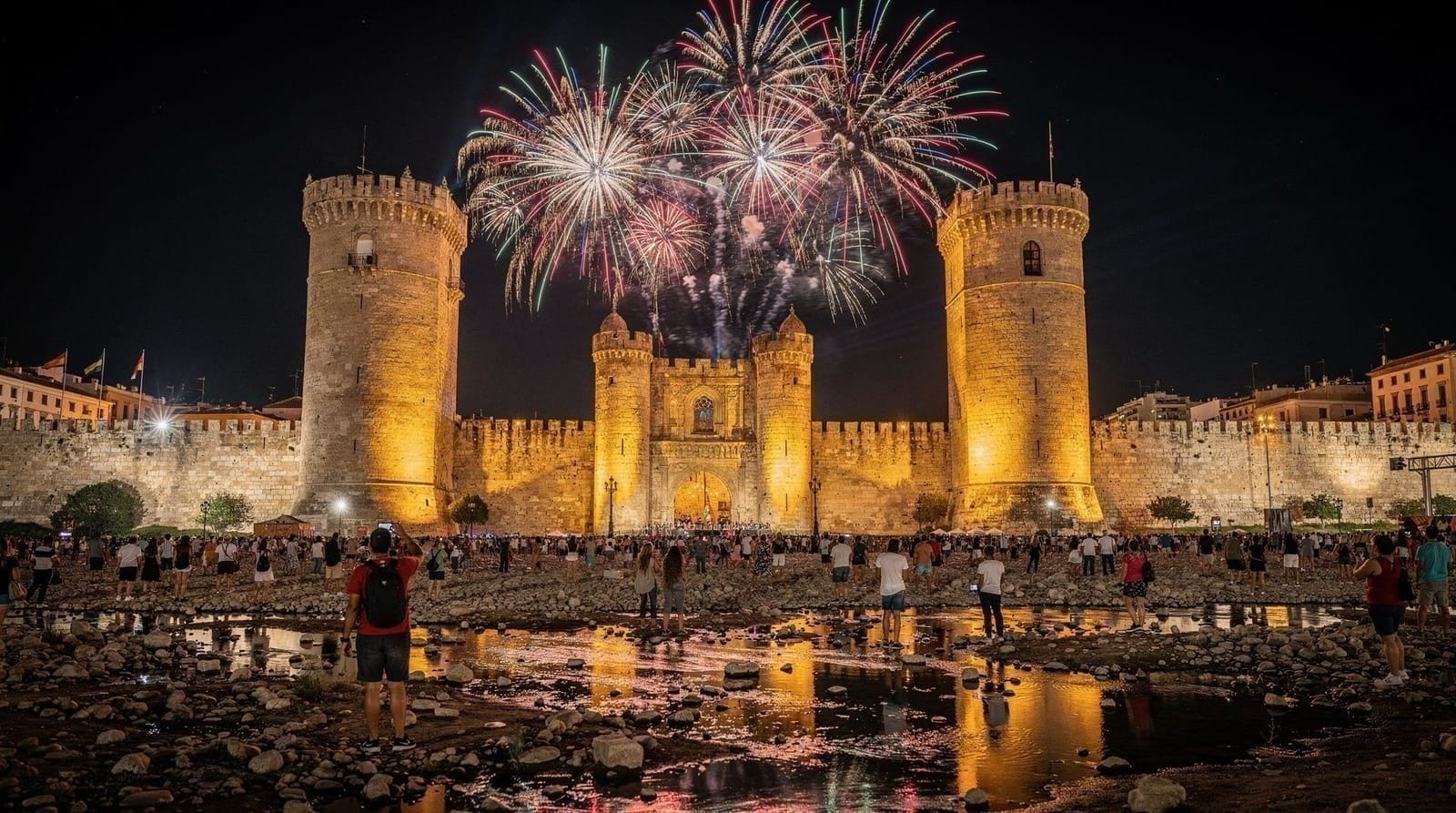
- 15–18 March at 23:59: nightly fireworks (15 March: L’Alba de les Falles at Plaza del Ayuntamiento; 16–17 March: castillos at the Monteolivete bridge in the Turia riverbed); the Nit del Foc itself is 18 March, 23:59, at the Monteolivete bridge
- 17–18 March from 15:30 until about 01:00: Ofrenda de flores, Plaza de la Virgen
- 19 March from 20:00: La Cremà (children’s fallas at 20:00, all other fallas from 22:00; check fallas.com for exact times)
Guided Las Fallas tour — the most efficient way to understand and navigate the festival
19 March — Día de Sant Josep (St. Joseph’s Day): This is the final day of Las Fallas and also the feast day of St. Joseph, which is the traditional origin of the festival. It is a public holiday in the Valencian Community.
March/April: Semana Santa Marinera
Palm Sunday to Easter Sunday (dates vary annually; in 2026, Holy Week is 29 March–5 April)
The maritime neighbourhoods of El Cabanyal, El Canyamelar, and La Malva-rosa hold their distinctive Semana Santa processions. The Good Friday procession is the most significant. Full details in the Semana Santa Marinera guide.
April
Semana Fallera Infantil: A junior version of Las Fallas, typically in late April, where children’s associations build and burn smaller fallas. Low-key and locally attended.
Día de Sant Jordi (23 April): The feast of St. George, celebrated across Spain and Catalonia as Día del Libro (Book Day) — bookstalls appear on streets, books are given as gifts.
May
Feria de Libro de Valencia (mid-May): Valencia’s spring book fair, held in the Jardins de Vivers. Spanish and Valencian-language publishers; some international sections. Pleasant setting under the garden’s trees.
Día de la Virgen de los Desamparados (second Sunday in May): The procession of Valencia’s patron saint, the Virgen de los Desamparados (Our Lady of the Forsaken), from her basilica adjacent to the Cathedral through the old town. This is one of the most attended events of the year for local Valencians — a ceremonial transfer of the image back to the church with a packed plaza. More solemn and civic than tourist-oriented.
June
Corpus Christi (typically early June, dates vary): A traditional religious procession through the old town, primarily in the Barrio del Carmen. One of the oldest surviving processions in Valencia, with historical costuming and ceremonial elements.
Día de San Juan (23–24 June): Midsummer night. Valencia’s beaches — Malva-rosa, El Saler — host bonfires and parties on the night of 23 June. Tradition involves jumping over fires and swimming at midnight. The beach scene is crowded and festive; the bonfires are concentrated around midnight.
July: Gran Fira de València
Gran Fira de València — throughout July
Valencia’s summer festival encompasses multiple events. Full details in the Gran Fira guide.
Key events:
- Saturday nights in July: Concurs de Focs Artificials (competitive fireworks) from Turia riverbed
- Final Sunday of July: Batalla de Flores, Passeig de l’Albereda
- Fira del Llibre: book fair in Passeig de l’Albereda
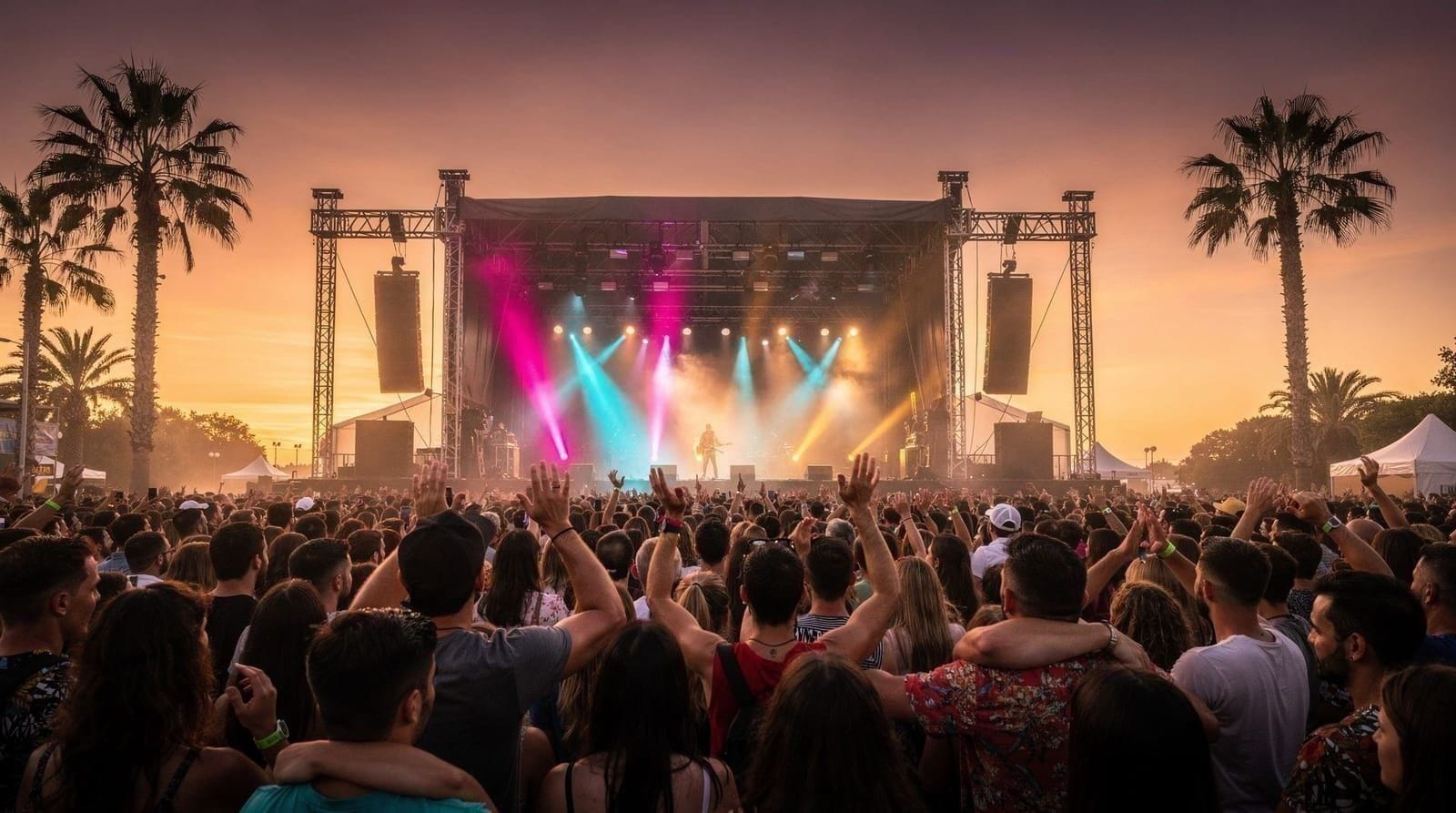
- Jardins de Vivers concerts: outdoor concerts throughout July
FIB Benicàssim — second or third weekend of July
The Festival Internacional de Benicàssim, 70 km north on the coast. Full details in the FIB guide.
August
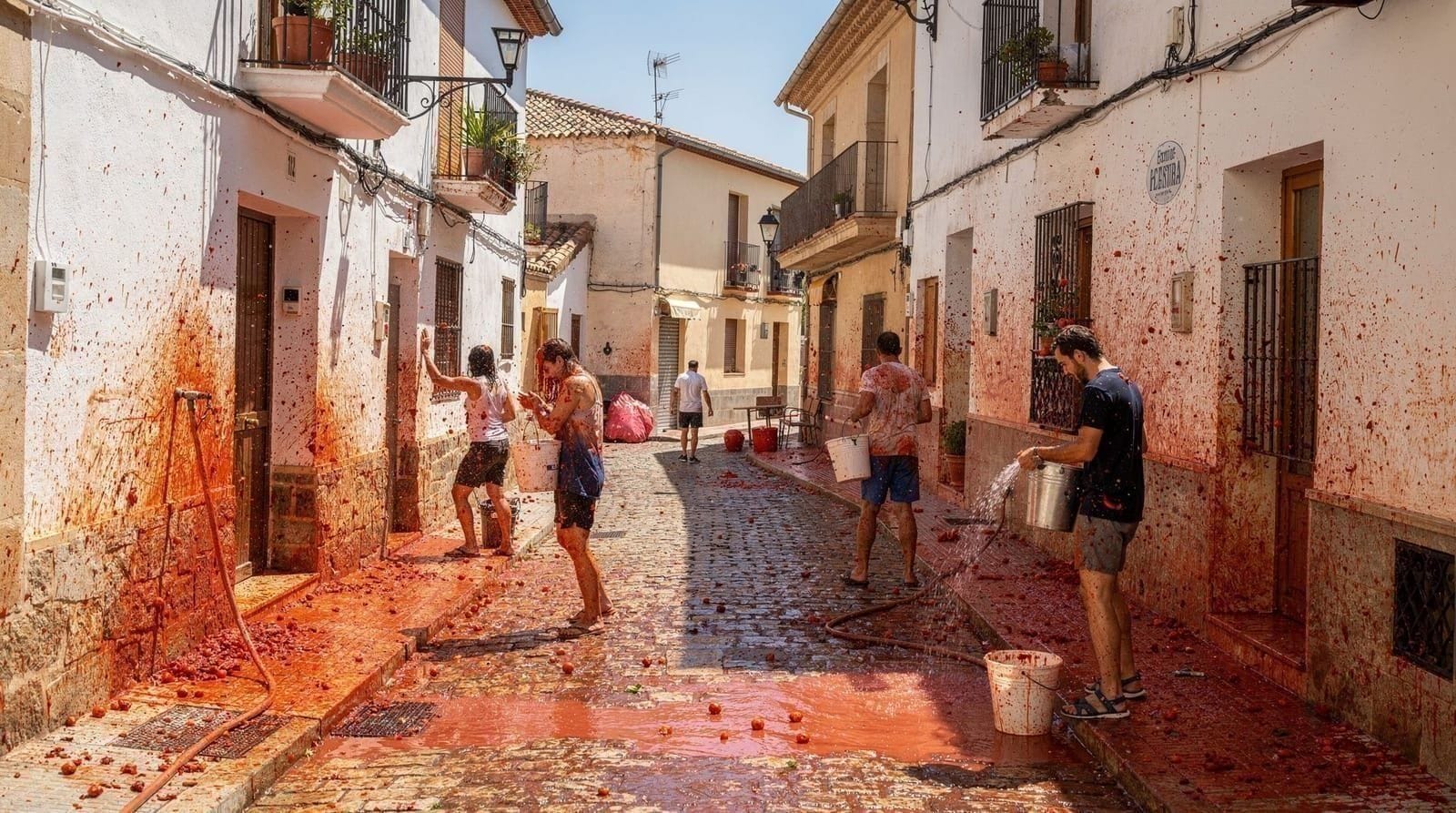
La Tomatina, Buñol — last Wednesday of August (26 August 2026)
The world’s largest food fight. Ticket mandatory (cap of 22,000 participants). Full details in the La Tomatina guide.
La Tomatina 2026 organised day trip from Valencia — bus + ticket included
Nit de Sant Bartomeu (24 August): A smaller traditional festival in several inland Valencia municipalities, involving local bonfires and community celebrations.
August beaches: The beaches around Valencia are at maximum activity in August. The beach guide lists all the coastal options from urban Malva-rosa to the quiet dunes at El Saler.
September
Jornades de Portes Obertes (Open House weekend, typically September): Valencia’s architecture open house, when historic buildings normally closed to the public open for weekend visits. A hidden-gem event for architecture enthusiasts — the programme varies annually but often includes private courtyards, historic palaces, and industrial heritage sites.
Vuelta a España (if passing through Valencia): The Spanish cycling Grand Tour sometimes passes through Valencia in September. Check the current year’s route.
September is generally excellent for visiting Valencia: summer heat has dropped slightly (25–29°C), beaches are still good but less crowded, and there are no major disruptive events that inflate prices.
October
Día de la Comunitat Valenciana — 9 October
The most important civic celebration in Valencia after Las Fallas. The date marks the entry of King Jaume I into Valencia in 1238, ending Moorish rule. The day includes:
- Institutional ceremony at the Palau de la Generalitat
- Military parade through the city centre
- Procession of the Senyera (the Valencian flag)
- Street festivities throughout the old town
Many museums are free on 9 October. The city is genuinely celebratory. If your visit coincides with this date, it is worth staying central.
Día de la Hispanitat (12 October): Spanish national day, public holiday. Lower-key in Valencia than in Madrid.
November
Tots Sants (1 November): All Saints’ Day, public holiday. Traditional food: panellets (marzipan-like sweets) and roasted chestnuts, sold at street stalls from late October onwards.
Fira de Tots Sants de Cocentaina: Valencia region’s most famous autumn fair, in the historic town of Cocentaina (60 km south of Valencia). A multi-day traditional market tracing back to the 13th century — worth a day trip.
December
Christmas markets (Mercados de Navidad): Valencia’s Christmas markets are modest compared to northern European versions but pleasant. The main market is typically in Plaza del Ayuntamiento. Artisan stalls, sweets, and traditional figurines for the Nativity scene (belén) dominate.
Noite de Reis Mags parade rehearsal: Final week of December sees preparations for the 5 January parade begin.
New Year’s Eve (Nit de Cap d’Any): Plaza del Ayuntamiento hosts a large outdoor celebration with fireworks at midnight. The tradition of eating twelve grapes (one per stroke of midnight) is taken seriously — supermarkets sell pre-packed grapes in the days before.
Making the most of a festival visit
Festivals change how the city works, so a little preparation pays off. During big events the centre fills up, streets are closed, and the metro and EMT buses run under pressure; the metro and bus guide explains how the network works, and the Mobilis card guide covers the simplest way to pay for it. Many visitors find that Valenbisi or a bike from the bike rental guide is the easiest way to move between events when the crowds make walking slow.
Food is part of every celebration. Festival days are not the moment to wander into the first restaurant you see near a packed square: read the tourist menu traps guide first, and use the eat like a local guide to find places where residents actually sit down. For a festival-day breakfast the esmorzaret guide explains the Valencian mid-morning ritual, and the horchata and fartons guide covers the classic sweet snack.
Crowds also attract pickpockets. Carry only what you need, keep phones out of back pockets, and read the pickpockets and safe areas guide before you go. If a festival day leaves you wanting something calmer, the Turia gardens offer green space close to the centre.
If you would rather understand the city’s traditions before you join the crowds, a guided historical walking tour is a good way to put the festivals in context; for something more structured, the historical walking tour of the old town gives you the background behind the processions and the monuments they pass.
Choosing between festivals
The festivals suit different travellers. Las Fallas rewards people who enjoy noise, fire, and late nights; the Las Fallas itinerary shows how to structure the days. Semana Santa Marinera is quieter and more devotional, and pairs well with time in El Cabanyal; see the Cabanyal guide. Summer events suit travellers who want beach time as well, and the Valencia in summer guide helps you balance the two. Spring and autumn visitors will find the spring and autumn guides useful for seeing what else is on besides the headline events.
Planning around Valencia’s calendar
For a first-time visit, the key decision is whether to coincide with Las Fallas (extraordinary but expensive, loud, and requires advance planning) or choose a quieter period. May, September, and October offer the best balance of pleasant weather, manageable crowds, and authentic city atmosphere. July is excellent if you enjoy summer heat and want to add La Tomatina to your itinerary.
See the best time to visit Valencia guide for a full seasonal analysis.
Booking around Valencia’s festival calendar
Accommodation strategy differs sharply by event. For Las Fallas, book by October the previous year if you want central El Carmen or Ayuntamiento-area options — see where to stay during Fallas for the specific streets that sell out first. For La Tomatina, most visitors base themselves in Valencia city rather than Buñol itself, since Buñol has limited accommodation and the train connection on the day is straightforward; book the organised day trip or check current dates well ahead, since both the ticket allocation and the trains fill early. For Gran Fira and FIB Benicàssim in July, book 4–6 weeks ahead as July already carries summer peak pricing before any festival premium. Outside these windows — May, September, most of October — accommodation books normally and prices stay close to baseline.
Frequently asked questions about Valencia festivals calendar
Which month has the best events in Valencia?
March, for Las Fallas — if you can handle the crowds and noise. July is the second best: Gran Fira de València plus beach season plus FIB Benicàssim nearby. September is excellent for pleasant weather without a single dominant event. October brings the Día de la Comunitat Valenciana (9 October, a public holiday with street events).Are any major events free?
Yes — Las Fallas mascletàs, ofrenda, and La Cremà are free. Gran Fira de València's Batalla de Flores and many concerts are free. Semana Santa Marinera processions are free to watch. La Tomatina is ticketed (mandatory since 2013). FIB Benicàssim requires a paid ticket.What happens on 9 October in Valencia?
9 October is the Día de la Comunitat Valenciana (National Day of the Valencian Community), a public holiday marking the anniversary of King Jaume I entering Valencia in 1238. The day includes a formal institutional ceremony, military parade, and significant street celebration in the city centre. The Valencian flag is displayed throughout the city. Museums and monuments are often free.Can I attend multiple festivals in one trip?
March is the most festival-dense month — Las Fallas runs 1–19 March, and Semana Santa Marinera follows immediately in Holy Week (sometimes overlapping with March). A 3-week March–April trip could cover both. July covers Gran Fira de València, a possible FIB day trip, and the build-up toward La Tomatina in August.Which festival is most family-friendly?
The Ofrenda de Flores during Las Fallas is excellent for families. The Cavalcada de Reis (5 January) is specifically oriented toward children. Gran Fira de València's Batalla de Flores is family-appropriate. La Tomatina is suitable for children 10+ who enjoy rough play.Are any festivals specifically Valencian-language?
The Día de la Comunitat Valenciana (9 October) is the most culturally Valencian-language-oriented event, celebrating the Valencian language and heritage explicitly. Some neighbourhood festival events in El Cabanyal and working-class barrios are conducted primarily in Valencian. See the Valencian language guide for context.
Top experiences
Bookable activities with verified prices and instant confirmation on GetYourGuide.