Valencia in 4–5 days — the extended itinerary with day trips
Valencia: City of Arts full-day combined tickets
Four to five days in Valencia gives you the full picture: the historic core, both contrasting modern neighbourhoods (Ruzafa and Cabanyal), the beach, the Albufera, and at least one proper day-trip to the surrounding region. This is the itinerary for people who want to understand Valencia rather than tick it off.
| Where | Old town, City of Arts, Ruzafa, Cabanyal, Albufera, Xàtiva |
| Cost | around €115–245/day mid-range, incl. meals and tours |
| Time needed | 4–5 full days |
| Getting there | Metro from Valencia Airport (VLC), 25 min, €2 |
| Best time | March–June and September–October |
Quick answer: Days 1–3 follow the core circuit (old town, City of Arts, beach). Day 4 adds a half-day in El Cabanyal and a sunset Albufera boat trip. Day 5 takes you by train to Xàtiva castle, a genuinely excellent half-day trip without a car. Adjust days 4–5 depending on your interests: substitute with Requena wine country if you prefer that to a castle.
Day 1: the historic core
Follow the full Day 1 plan from our 3-day itinerary: Mercado Central (8:30), Llotja (9:30), Cathedral and Micalet (10:30), El Carmen neighbourhood (12:00), paella lunch at La Riua or Casa Carmela (13:30), afternoon in Ruzafa (15:30), vermouth and dinner in Ruzafa (19:00).
This day doesn’t change whether you have 3 days or 5 — the historic centre deserves a full unhurried first day.
If you have time to spare on day 1 evening, walk south into the Eixample district — Valencia’s late-19th-century grid extension, with wider boulevards and Modernista buildings that contrast with the medieval streets you’ve spent the day in. See the Eixample guide for what to look for.
Day-by-day summary
| Day | Focus | Highlight |
|---|---|---|
| 1 | Historic core | Cathedral, Llotja, El Carmen, paella lunch |
| 2 | City of Arts and beach | Oceanogràfic, Malvarrosa, port walk |
| 3 | Ruzafa in depth | Paella cooking class, market, night in El Carmen |
| 4 | Cabanyal and Albufera | Modernista architecture, sunset boat |
| 5 | Xàtiva (or Requena/beach swap) | Castle, inverted portrait, torró |
Day 2: City of Arts, Turia by bike, Malvarrosa
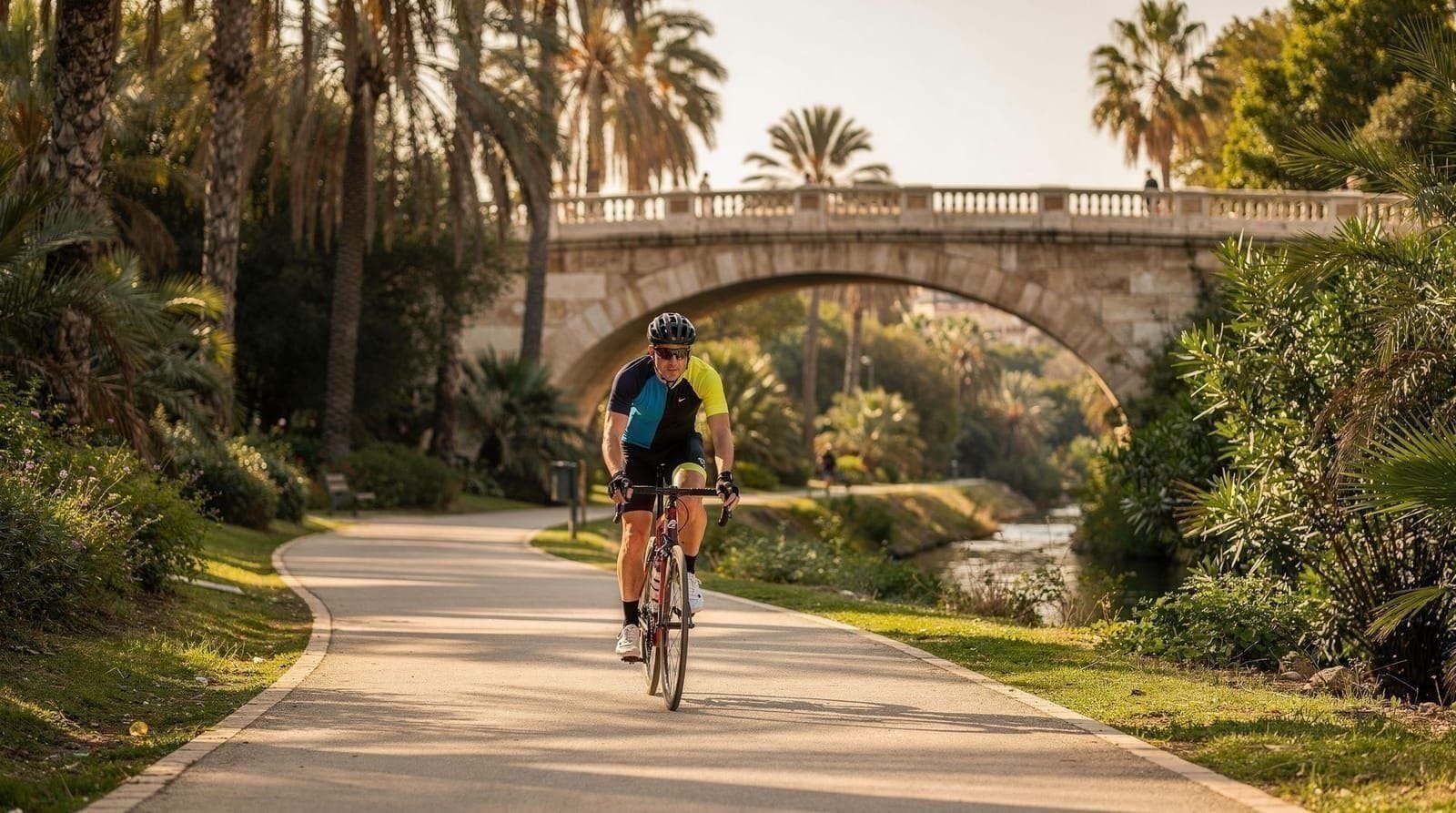
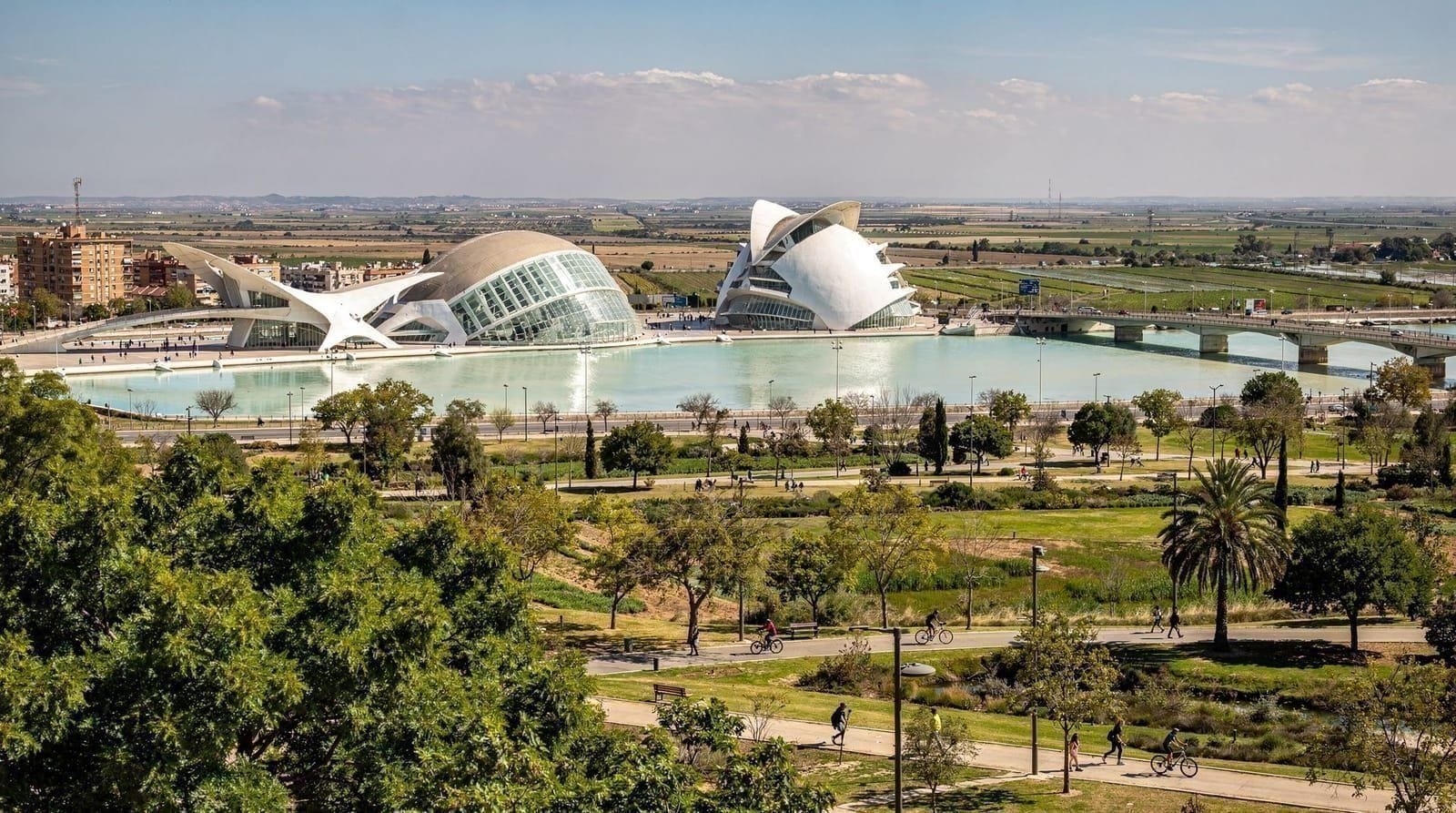
Follow the Day 2 plan from the 3-day itinerary: bike through the Turia gardens (9:00), City of Arts complex — primarily L’Oceanogràfic (10:30), paella lunch on the beach promenade (13:30), afternoon at Malvarrosa (15:00–18:00), Port of Valencia walk (17:30).
With more days available, you can slow down: spend more time at the aquarium (book the guided tour if curious about the behind-the-scenes), or walk the full beach to Patacona and back without rushing.
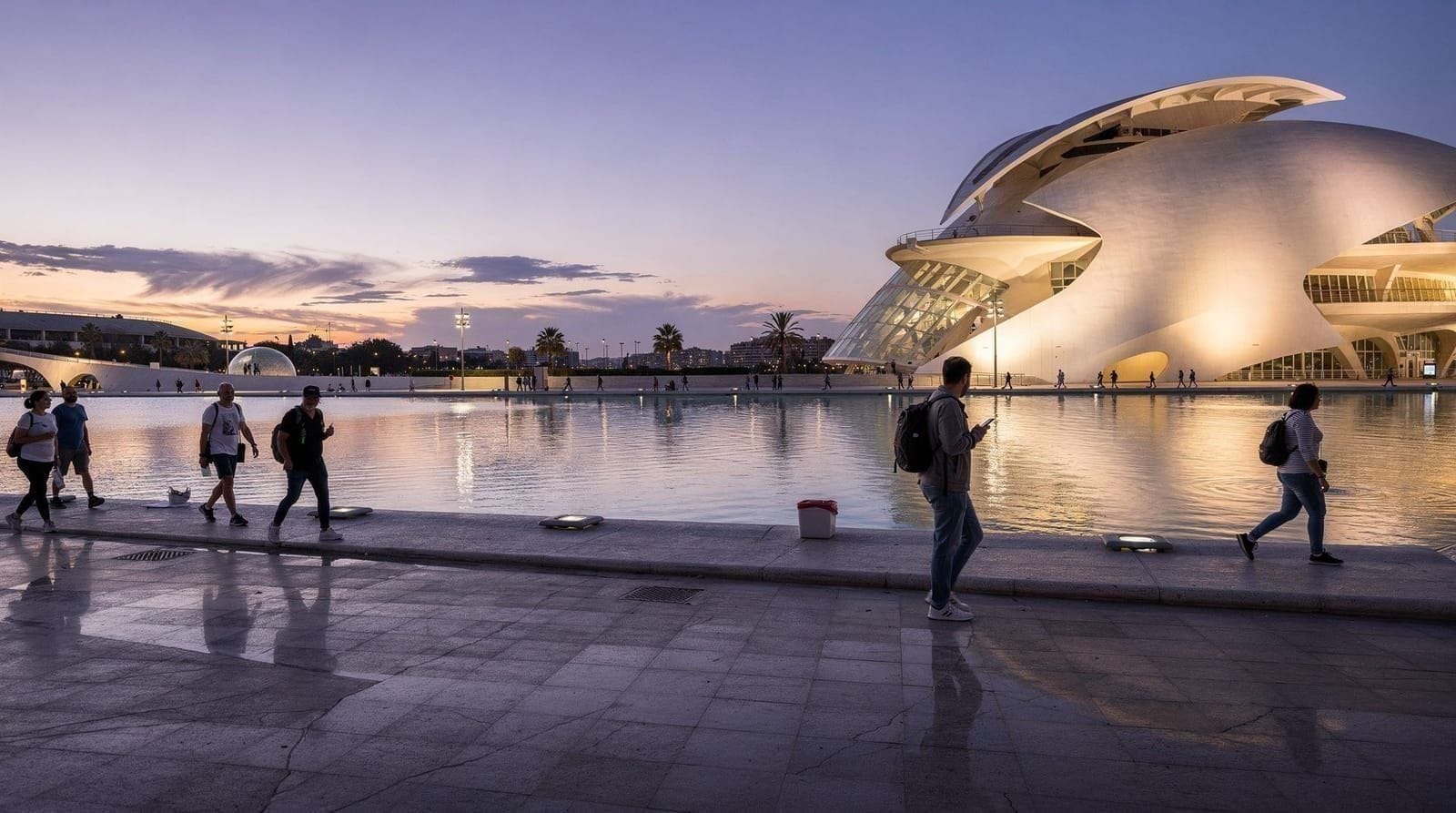 City of Arts full-day combined ticketsCheck availability
Dinner on day 2: If you haven’t been to El Cabanyal yet (you will on day 4), try the Mercado de Colón for a casual evening — the 1916 modernista building is worth seeing even if you just have a drink.
Day 3: Ruzafa in depth and a paella cooking class
Day 3 with 4–5 days available gives you the chance to go deeper into the city’s culinary culture without rushing.
9:30 — Paella cooking class
With 3 days or fewer, you eat paella at a restaurant. With 4–5 days, you can do both: eat at a restaurant one day, learn to make it another. A good paella class includes sourcing ingredients at a local market, fire management (paella is cooked over wood or gas in specific ways), and the timing of the socarrat — the crispy rice base that marks a properly made paella.
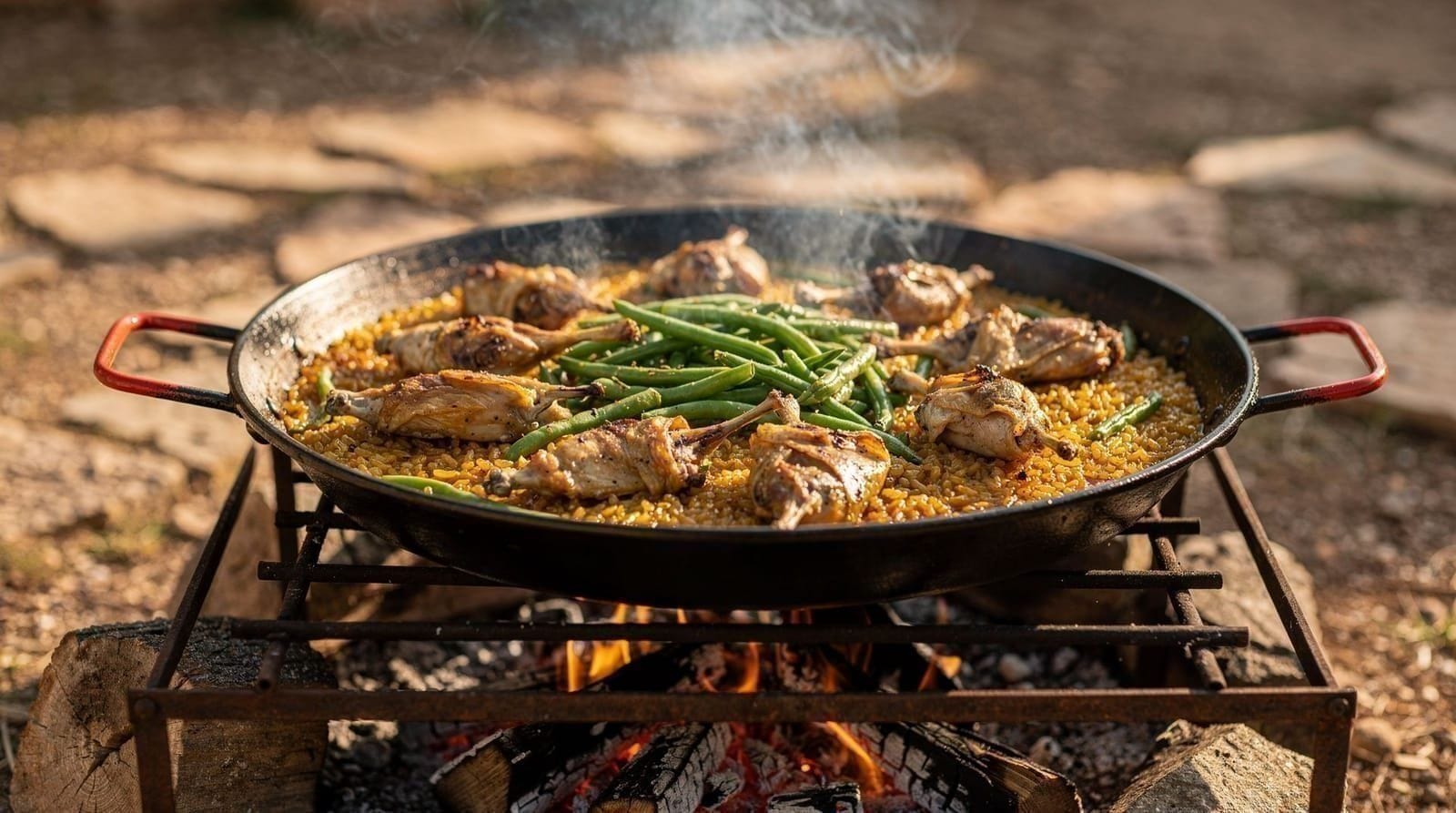 master the art of paella in an authentic Valencian kitchenCheck availability
Classes typically run 10:00–13:00 and include lunch (the paella you cooked). Budget €60–80/pers.
14:30 — Ruzafa in depth
With a proper afternoon free, explore Ruzafa properly. Start at the covered Mercado de Russafa (Calle del Literat Azorín 23) — a low-key neighbourhood market that sells real food at real prices. Then wander the blocks east of the market: street art galleries (Galería Punto, Galería 9+1), independent clothing stores, and the terrace bars of Calle de Cuba.
Ruzafa to see: Almudí gallery space (free entry), the old Cine Rialto building, the Parque de Monteolivete nearby for quiet. Ruzafa to eat: Veraz tapas (€15–22), El Majal seasonal menu (€20–28). For the fullest neighbourhood breakdown, including which streets to prioritise if you only have the afternoon, see the Russafa neighbourhood guide.
19:00 — Barrio del Carmen at night
El Carmen transforms at night. The bars open, the terraces fill, and the streets around Plaça del Tossal and Calle de Quart have a genuine neighbourhood energy that’s different from the tourist circuit of the daytime. For dinner: traditional Valencian food at Refugio Valencia (Calle del Mossèn Femades), or the slightly touristy-but-genuine Restaurante El Poblet for elevated Valencian cooking (€50–70/pers with wine, booking required).
Day 4: El Cabanyal and Albufera sunset
9:00 — El Cabanyal neighbourhood
El Cabanyal is Valencia’s former fishermen’s quarter, now undergoing slow gentrification after decades of threatened demolition. The neighbourhood has the most distinctive architecture in Valencia: long, narrow streets of modernista and Art Deco houses, many covered in tile and paint. Take the metro to Marítim-Serreria and walk north.
Key streets: Calle del Rosari (most restaurants), Calle de la Barraca (most striking architecture), the Mercat del Cabanyal (Calle del Mar 119, closed Sundays). The beach here — usually called Cabanyal beach — is less busy than Malvarrosa at peak times.
Eat in Cabanyal: La Fábrica de Hielo (Calle del Rosari 15) is the most celebrated restaurant in the barrio — creative Valencian cooking in a converted ice factory. Queue expected without reservations. Bar Canela is more casual and cheaper (€12–16/pers). Clóchinas (local mussels) are the Cabanyal speciality: tiny, sweet, cooked simply with steam. Order them at any seafood counter for €3–5.
12:30 — Walk or bike to the beach
From Cabanyal, walk 10 minutes to the sea. Spend some time on the beach itself — bring snorkelling gear if you have it (the shallow Mediterranean near El Saler has surprisingly good visibility in calm conditions). Alternatively, rent a pedal boat from the beach kiosk for €10/hour.
14:30 — Paella lunch near the beach or on the way to Albufera
This is the day for a beach-side paella. Casa Carmela (Calle d’Isabel de Villena 155) is the gold standard: wood fire, chicken and rabbit, genuinely traditional. La Pepica (Passeig de la Malvarrosa 6) has more history. Both require booking on weekends.
16:00 — Travel to Albufera
Bus 24 or 25 from Plaça de la Reina runs to El Palmar in 35 minutes (€2). Alternatively, take an organised tour that includes transport and the sunset boat ride — most also include a paella dinner in El Palmar, which saves having to plan the evening:
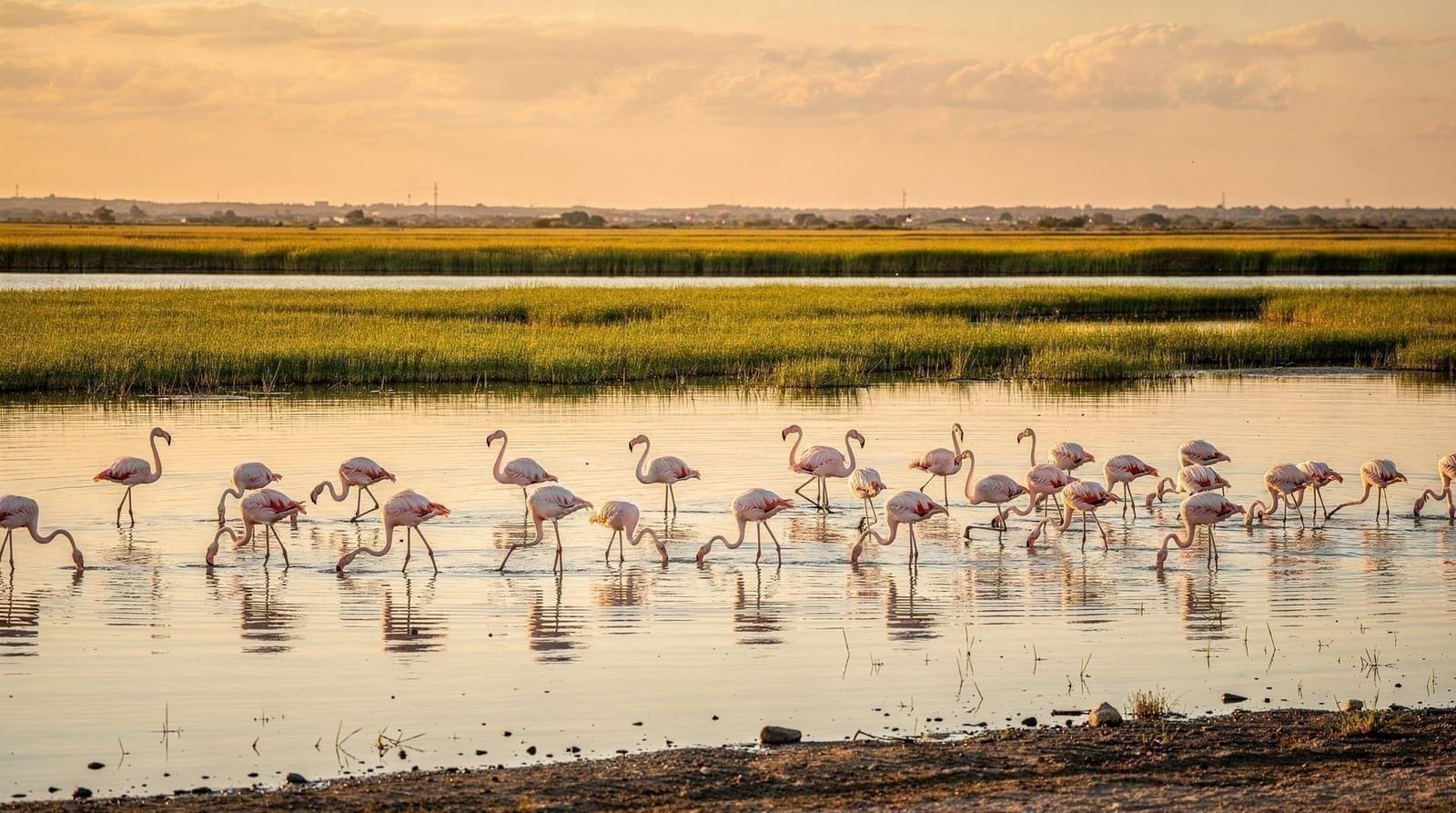 Albufera boat ride with food and paella includedCheck availability
18:00 — Albufera sunset boat
The traditional rowing boat on the Albufera lake at sunset is the best moment of this itinerary. The light changes quickly — pink, then orange, then a deep purple — as the water stills and the birds settle. The boats seat 4–6 people; the rower is usually also the guide. Cost: €5–8/pers for a 30-minute row.
Stay for the full sunset (typically 20:30–21:00 in summer, 18:30–19:00 in autumn/spring). Dinner in El Palmar at Mateu Paella or Restaurante La Pista (paella and all i pebre, €18–25/pers).
Return to Valencia by bus (last bus around 21:00) or taxi (€15–20).
Day 5: Xàtiva castle by train (half-day option)
9:00 — Train to Xàtiva
Xàtiva (Xàtiva/Játiva) is 60 km south of Valencia, 45 minutes by Cercanías train (Line C-1 from Estació del Nord, €4.60 return). The town was the birthplace of two Borgia popes and has one of the best hilltop castles in the Valencian Community.
10:00 — Xàtiva castle
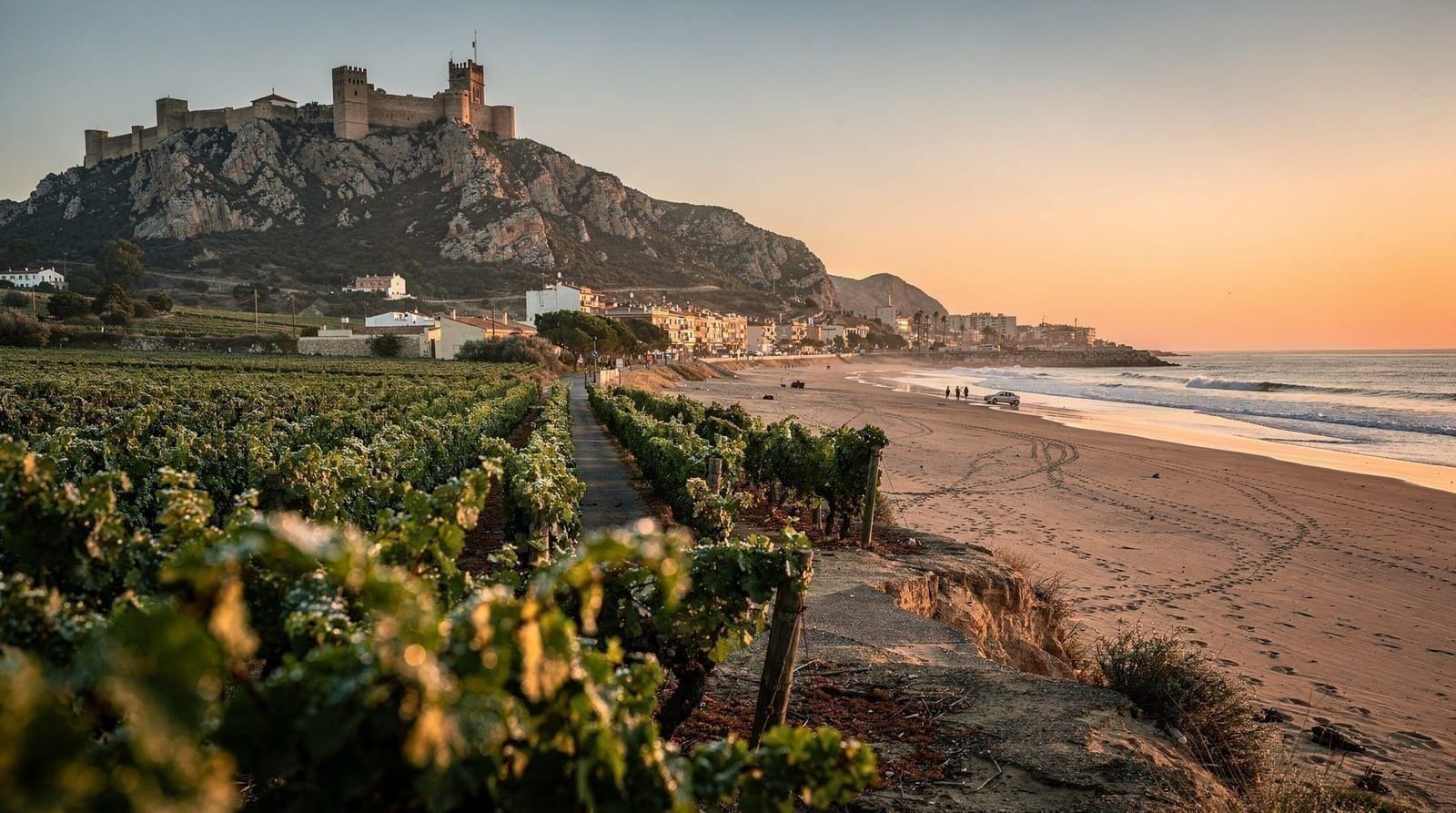
The Xàtiva castle sits on a limestone ridge above the town. The walk up takes 20–30 minutes, or you can take a small tourist bus (€1.50 each way). The castle is actually two forts connected by a passage — medieval below, Roman foundations above. Views over the Valencian plain on a clear day reach to the sea. Entry: €2.50. Allow 1.5–2 hours.
Don’t miss the inverted portrait of Felipe V in the Municipal Museum at the bottom of the hill — the king burned Xàtiva in 1707 during the War of Spanish Succession and the town hung his portrait upside-down in revenge. It remains upside-down today.
For a guided tour from Valencia that includes transport:
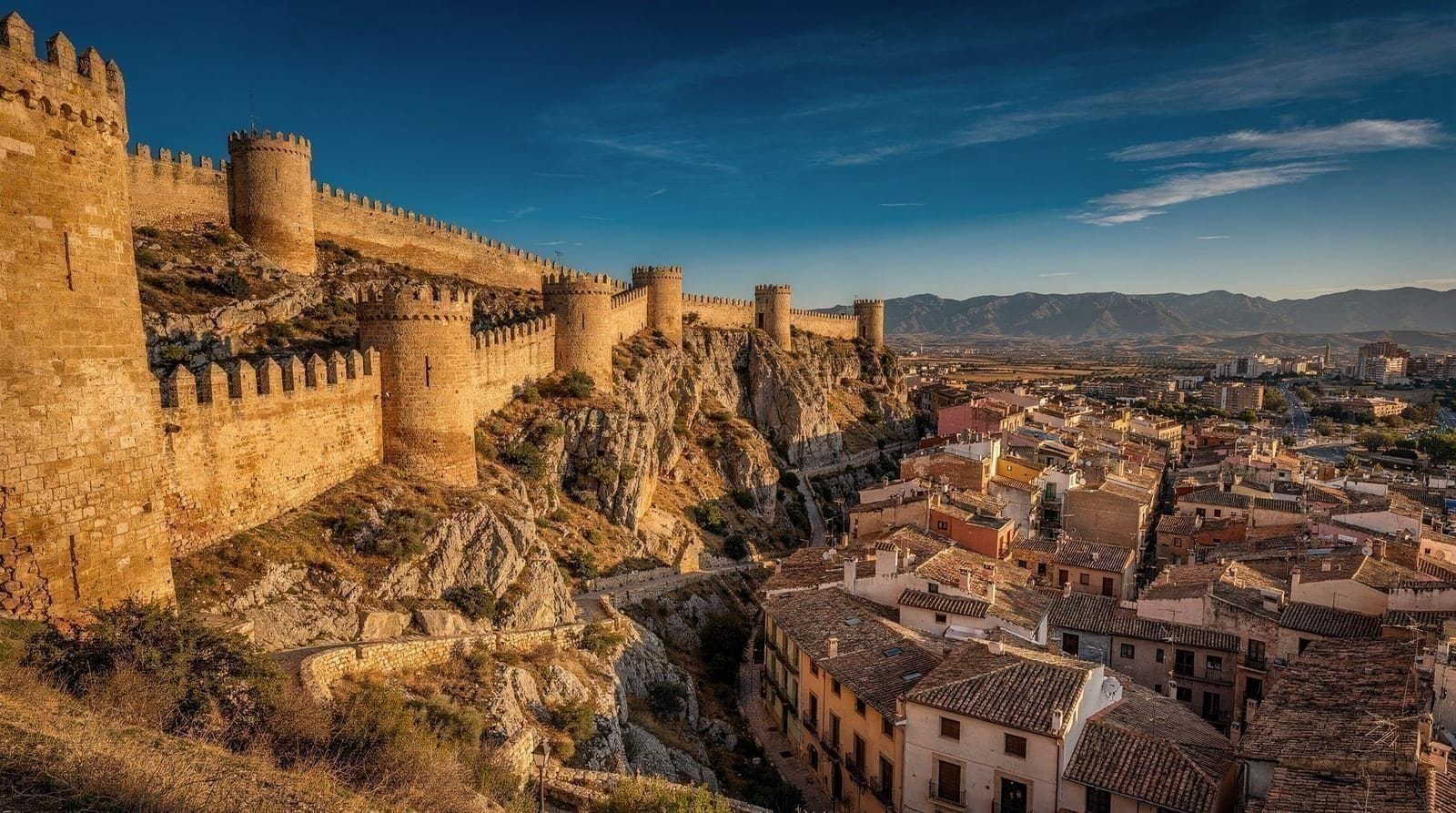 the complete experience from Valencia — castle and museumCheck availability
13:00 — Lunch in Xàtiva
La Nostra Terra (Carrer d’Àngel Lacort 2): Valencian home cooking, €14–18/pers. Restaurant Kasa for good-value menú del día (€12–15 on weekdays). Buy some locally produced torró (nougat) at the market before returning — Xàtiva is one of the better places to get genuine artisan torró.
16:00 — Return to Valencia
Back in Valencia by 17:00. The afternoon and evening are free for anything you missed: the IVAM, Bioparc, a longer wander through the Eixample shopping streets, or a boat trip from the port.
Final evening: If it’s your last night, Café de las Horas near El Carmen for drinks, then dinner at wherever looked good during the week. The tourist traps guide remains relevant on the last night: stick to the streets behind the main tourist squares where the restaurants don’t need signs outside.
4–5 day budget (per person)
| Budget | Mid-range | |
|---|---|---|
| Accommodation (4–5 nights) | €200–250 | €400–500 |
| Meals | €150–180 | €300–380 |
| Entrance fees | €25 | €85 |
| Transport (metro, trains, buses) | €25 | €35 |
| Paella class | — | €70 |
| Albufera tour | €25 | €45 |
| Drinks | €35 | €70 |
| Total (4 nights) | ~€460 | ~€985 |
Optional additions for 5 days
If you’re interested in wine: Replace day 5’s Xàtiva trip with a day trip to Requena wine country — 1 hour by train, excellent Bobal red wines, a medieval old town, and cave cellars. See the Requena wine tour guide and the Bobal wine guide for background on the grape variety itself before you go.
If you have children: See the Valencia with family itinerary — the schedule above works well but the day order changes to front-load Bioparc and Oceanogràfic.
If you’re interested in beaches: Replace the Xàtiva day with a beach day at El Saler or Cullera — longer beaches, cleaner water, and a natural park backdrop. See the beaches and city itinerary.
Frequently asked questions about 4–5 days in Valencia
Is 4 or 5 days better for Valencia?
Four days covers everything essential. Five days allows one proper day-trip (Xàtiva or Requena) on top of the city circuit without rushing. If you’re choosing between 4 and 5, pick 5 if you can — the extra day allows you to slow down and eat properly rather than optimise everything.
What can I add to a 3-day Valencia trip to make it 4–5 days?
The additions that add most value: El Cabanyal neighbourhood (half-day), a proper Albufera sunset (half-day), and Xàtiva castle by train (half-day). Together these three additions take you from 3 to 5 days without needing a car.
Is Xàtiva worth a day trip from Valencia?
Yes, if you enjoy medieval history and castles. The castle is excellent, the town is genuinely charming (not a tourist construction), and the 45-minute train makes it effortless. The inverted portrait of Felipe V alone is worth the trip. See our full Xàtiva castle guide.
Can I visit Albufera without a tour on day 4?
Yes — bus 24/25 from Plaça de la Reina runs to El Palmar in 35 minutes for €2. The sunset boat rides are offered by local operators on the lakefront in El Palmar; no pre-booking required (€5–8/pers). Restaurants in El Palmar don’t require reservations except on Sunday lunchtimes. See the Albufera day trip guide.
Should I do Xàtiva or a beach day on day 5?
Depends on what days 1–4 already covered. If you’ve had plenty of beach time via the Malvarrosa and Cabanyal stops, Xàtiva’s castle is the better contrast. If those beach mornings felt rushed, swap in El Saler or Cullera instead — both are longer, less urban beaches than what you’ve seen by day 4. Neither choice is wrong; it’s a matter of what you haven’t done yet.
Is this itinerary avoidable of tourist traps?
Largely, yes — the restaurant picks throughout follow honest-pricing principles, and the tourist traps in Valencia guide is worth a read before your final evening, when tiredness makes it easiest to settle for whatever’s nearest the hotel rather than walking the extra few minutes to somewhere genuine.
Top experiences
Bookable activities with verified prices and instant confirmation on GetYourGuide.