Valencia in 3 days — the complete itinerary for a short city break
Valencia: historical city tour
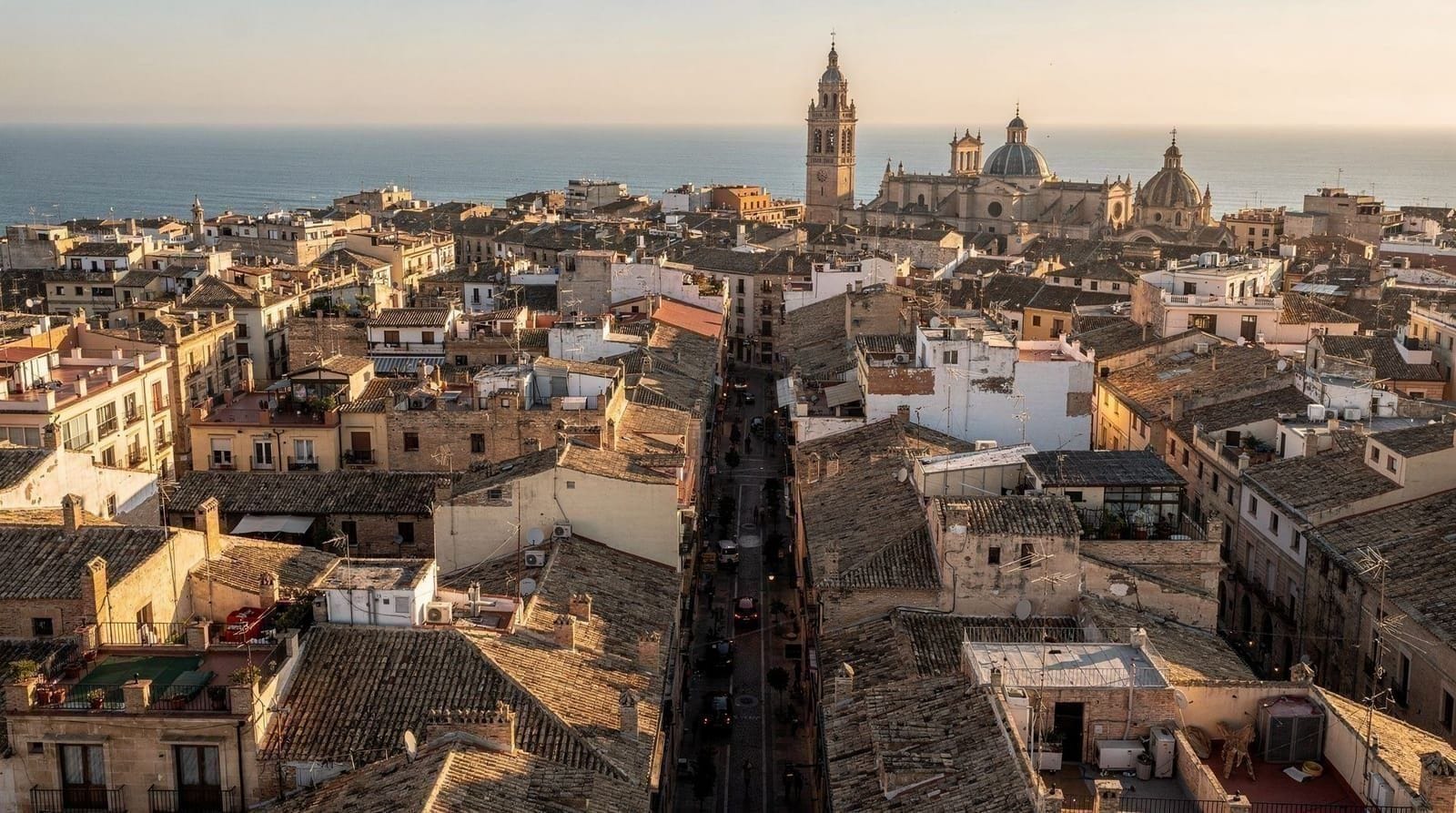
Three days is the sweet spot for Valencia: enough time to cover the essential sights, eat properly, explore two contrasting neighbourhoods, and make a half-day trip to the Albufera. You won’t feel rushed, and you’ll leave with a genuine sense of what the city is rather than what the tourist brochure claims.
| Where | Old town, City of Arts, Ruzafa, Malvarrosa, Albufera |
| Cost | around €115–240/day mid-range, incl. meals and one tour |
| Time needed | 3 full days |
| Getting there | Metro from Valencia Airport (VLC), 25 min, €2.80 |
| Best time | March–June and September–October |
Quick answer: Day 1 focuses on the old town — Cathedral, Llotja, Mercado Central, El Carmen, paella for lunch. Day 2 covers City of Arts and Sciences, Turia gardens, and a bike route to the beach. Day 3 makes the half-day trip to Albufera for a sunset boat ride and paella in El Palmar, finishing with the Ruzafa neighbourhood in the evening.
Before you go: logistics and base
Getting there: Valencia Airport (VLC) has direct connections from most of Europe. Metro Line 3 or 5 to the city centre costs €2.80 (single ticket, zones AB) and takes 25 minutes. High-speed AVE train from Madrid runs 1h55; from Barcelona, around 3 hours.
Where to stay: El Carmen for easy access to the historic core (€80–130/night); Ruzafa for a more local feel (€65–120); near Plaza del Ayuntamiento for central convenience. Full guide: where to stay in Valencia.
Transport: No car needed. The metro and EMT buses cover everything. Valenbisi bike-share (current prices on valenbisi.es) is the best tool for the Turia gardens and beach route.
Only have a weekend? See the Valencia first weekend guide for a tighter two-day version of this plan. Travelling with children? The Valencia with family itinerary reorders these three days to front-load the Bioparc and Oceanogràfic. On a tighter budget? The budget itinerary and the Valencia on a budget guide show where to cut costs from this mid-range version.
Day-by-day summary
| Day | Morning | Afternoon | Evening |
|---|---|---|---|
| 1 | Mercado Central, Llotja, Cathedral | Torres de Serranos, El Carmen, paella lunch | Ruzafa vermouth and dinner |
| 2 | Turia gardens by bike | City of Arts (Oceanogràfic), lunch, Malvarrosa beach | Port of Valencia, dinner in Cabanyal |
| 3 | Free morning (IVAM, Benimaclet or Bioparc) | Albufera departure, El Palmar, sunset boat | Return to Valencia, final night out |
Day 1: historic centre, paella and El Carmen
8:30 — Mercado Central
Start at the Mercado Central before the tour groups arrive. This 1928 Art Nouveau market is 8,000 sq m of colour and noise. Walk the full perimeter, look at the produce stalls (fish, olives, seasonal vegetables) and eat breakfast at one of the bar counters: coffee and bocadillo de calamar, €3–4. Closed Sundays. Watch out for the smoothie stands near the main entrance charging €8 — that’s tourist pricing.
9:30 — Llotja de la Seda (Silk Exchange)
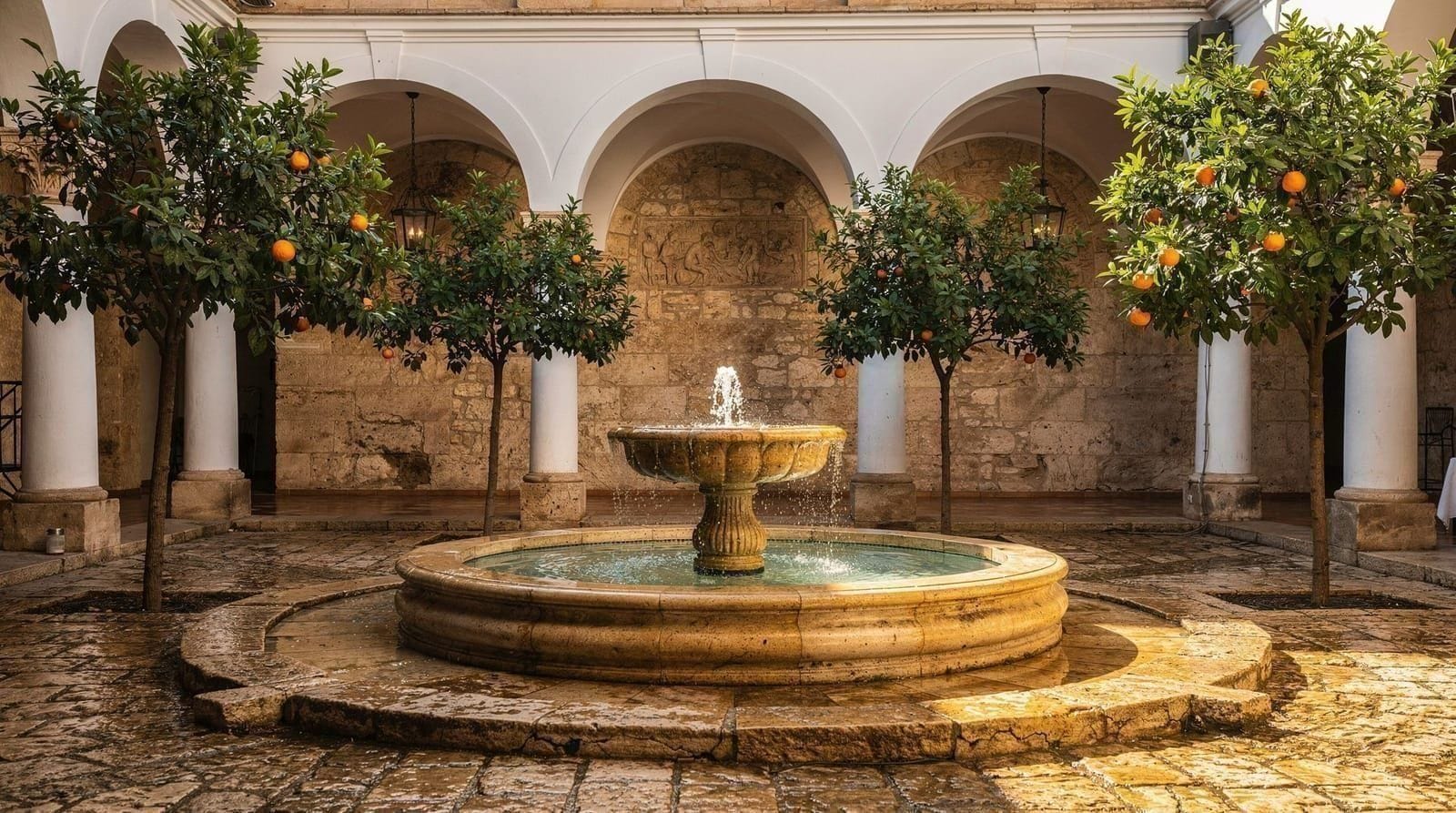
A two-minute walk east to the best secular Gothic building in Spain. Entry €2. The Hall of Columns is the centrepiece: 24 spiralling columns, vaulted ceiling, and no religious imagery — it was built for commerce, not worship, and it feels completely different from the Cathedral. The orange-tree courtyard is free. Allow 30–45 minutes.
The Llotja de la Seda and the nearby churches (San Nicolás, Santos Juanes) are UNESCO-listed. San Nicolás was recently restored and is nicknamed the “Sistine Chapel of Valencia” — entry €16 online (€18 at the door), audioguide included. Worth it if Gothic painting interests you; skip if you’re short on time. The Llotja also anchors the old silk trading route that made medieval Valencia rich — worth reading if the building’s commercial history interests you beyond the architecture.
If a paid guide isn’t in the budget, the free walking tours guide covers tip-based options that hit the same three buildings with a local guide.
10:30 — Cathedral and Micalet tower
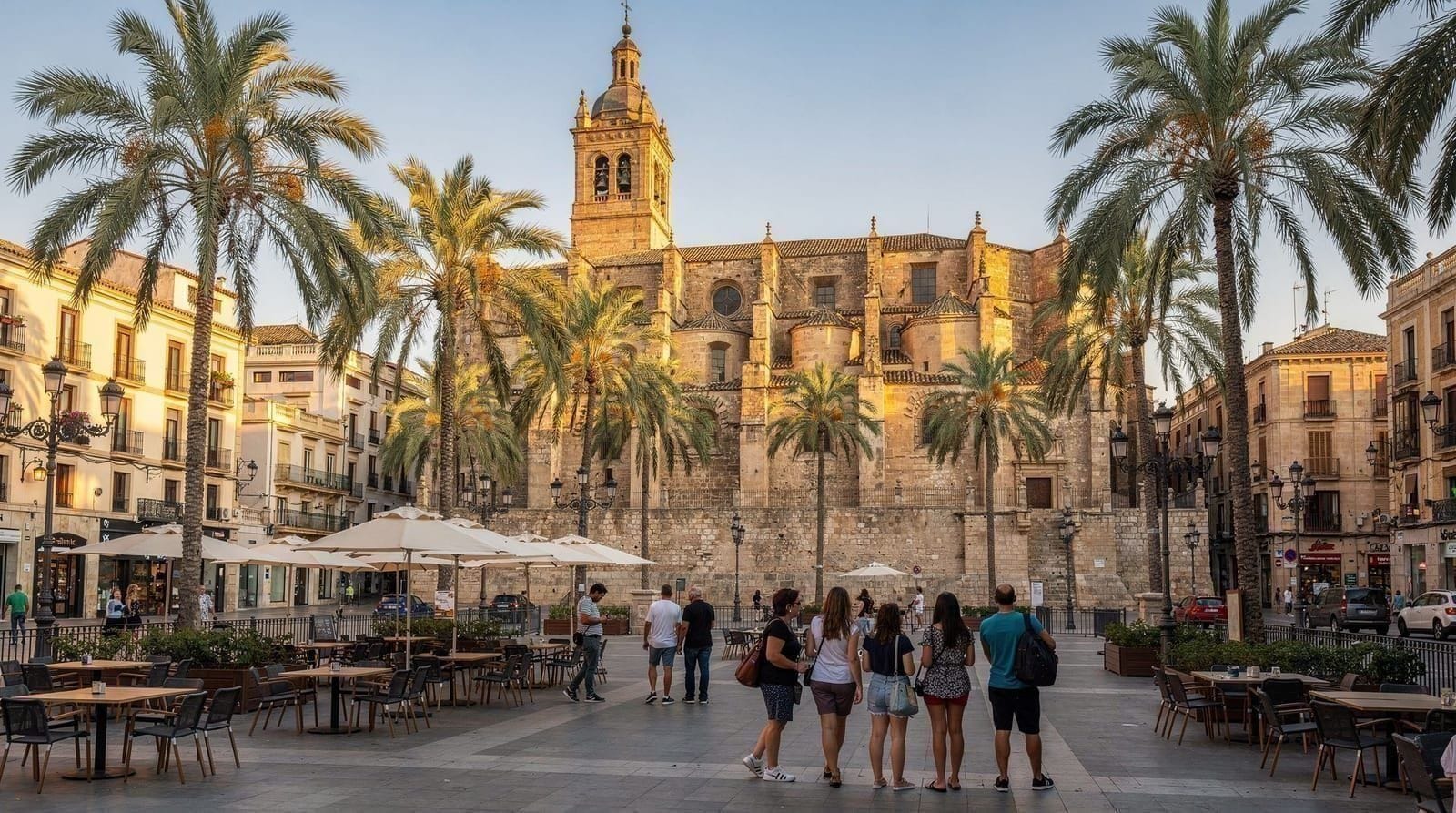
The Valencia Cathedral took five centuries to build, which explains why the exterior is Gothic, Baroque and Romanesque simultaneously. Cultural visit €12 (€6 reduced), Micalet bell tower €3 as a separate ticket. The tower is 207 narrow steps; the views over the city are best before 11:30. The treasury’s Holy Grail is a real 1st–2nd century agate cup — whatever you make of the story, it’s worth seeing.
For a guided introduction with context on all three buildings (Cathedral, Llotja, San Nicolás):
 historical city tourCheck availability
12:00 — Torres de Serranos and El Carmen
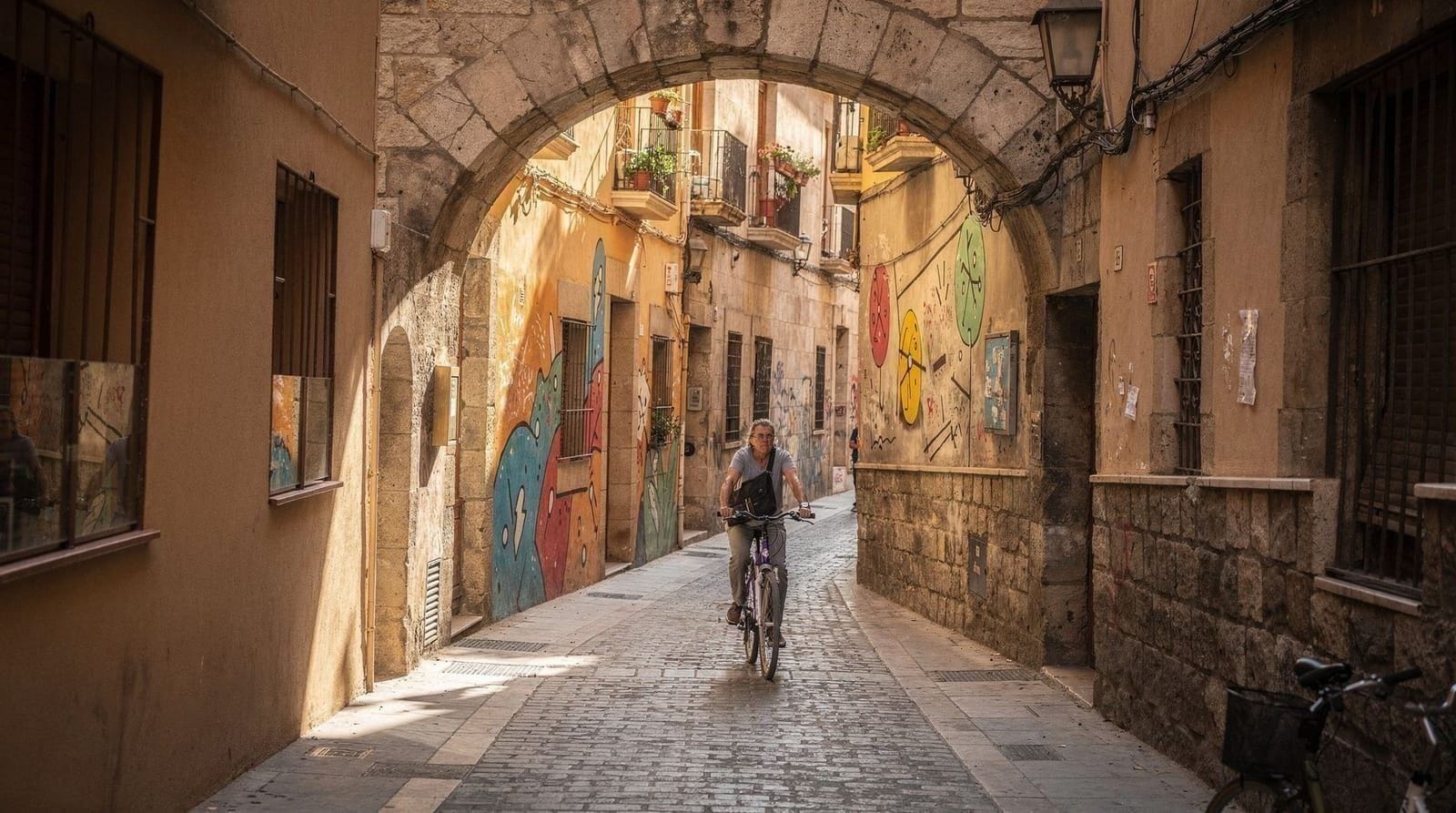
Walk north to the Torres de Serranos — the best-preserved 15th-century city gateway in Spain. Free from outside; €2 to climb. Then continue into El Carmen, the oldest neighbourhood, a tangle of medieval streets, street art on building facades, independent bars and Baroque churches. Focus on Calle Alta, Plaça del Tossal and the area around the IVAM modern art museum.
The street art in El Carmen is a genuine local cultural institution, not tourist decoration. Artists like Escif and Julieta XLF have left major works on building gables. Free, and one of the most interesting things in the city.
13:30 — Paella lunch
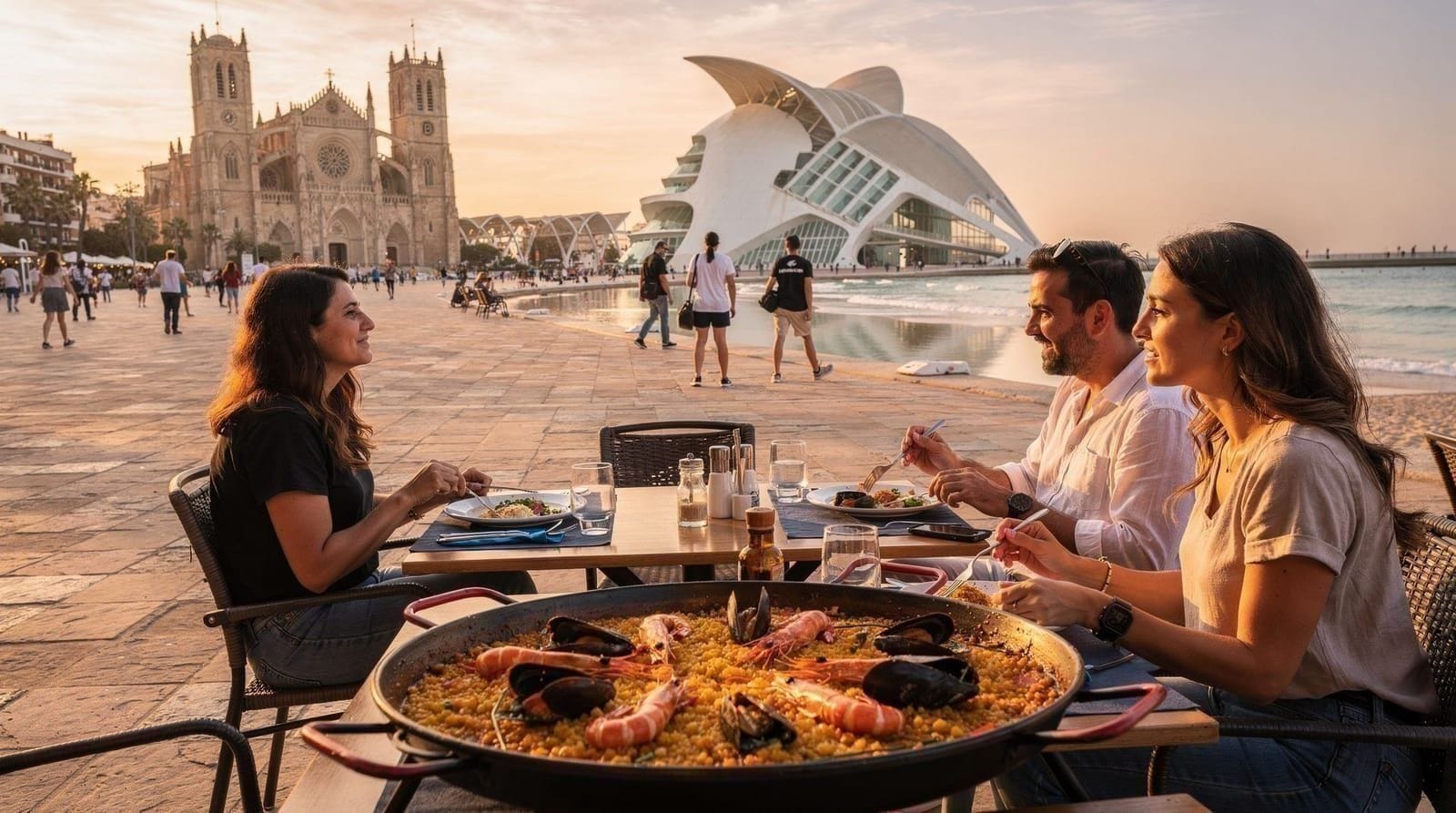
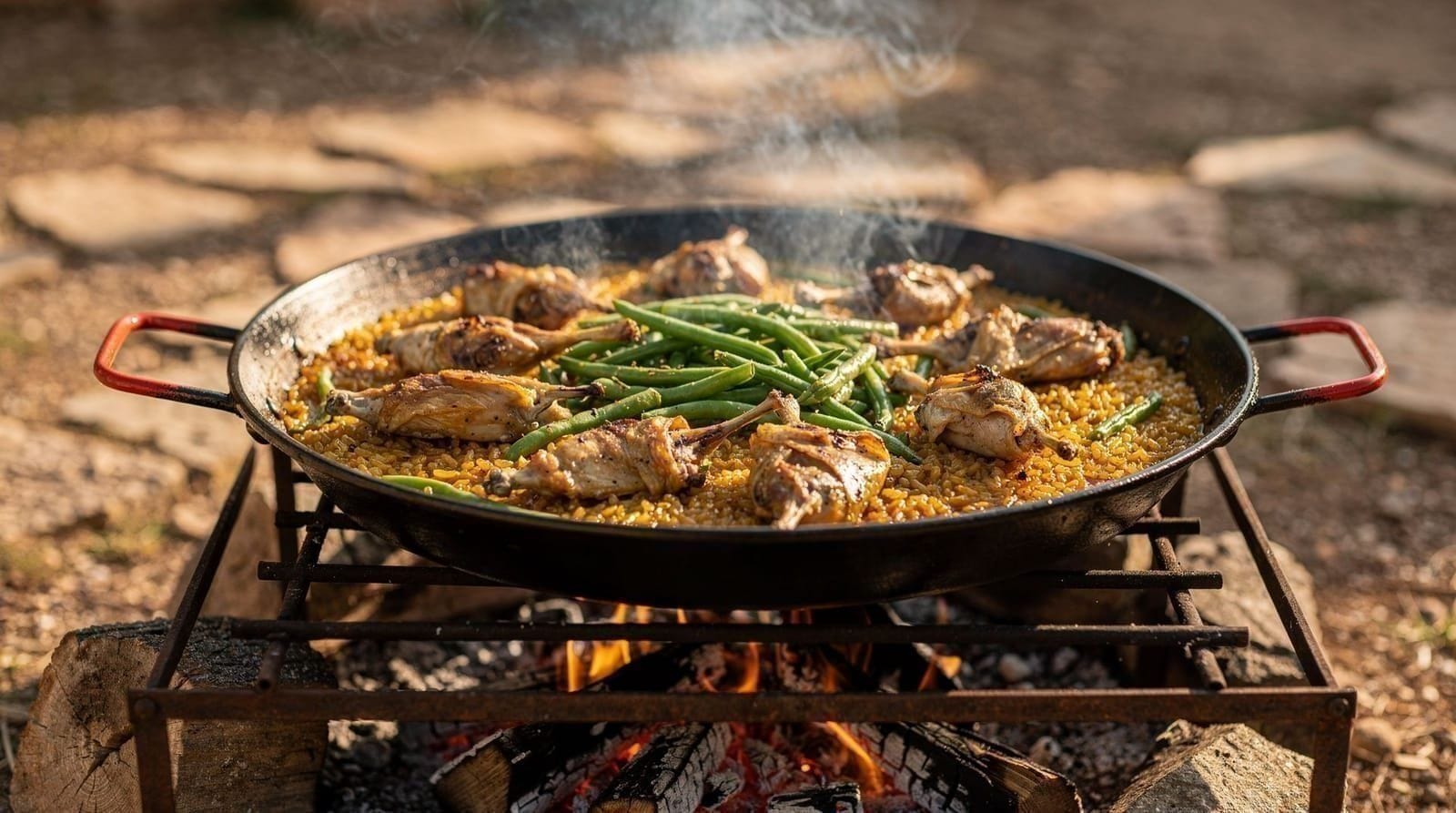
This is the most important decision of day 1. Paella is a lunch dish cooked over wood fire — the Valencian original uses chicken, rabbit and green beans, not seafood. Eating it at dinner is a tourist-restaurant warning sign.
Best honest options:
- La Riua (Calle del Maestro José Serrano 4, Eixample): consistently good wood-fire paella, ~€18/pers. Closed Monday.
- Casa Carmela (Calle d’Isabel de Villena 155, near Malvarrosa): traditional recipe, family-run, ~€20/pers.
- Arrocería El Bou (Calle de Borrull): good rice dishes including arroz negro and fideuà, €20–25/pers.
Full guide: where to eat authentic paella in Valencia.
15:30 — Ruzafa
Walk or take the metro to Ruzafa (Russafa), the neighbourhood that gives you the clearest picture of contemporary Valencia. Wander Calle de Cuba, Calle del Literat Azorín and the surrounding blocks. Good independent cafés (Bluebell Coffee, Dulce de Leche), vintage shops and street art throughout. For a tapas-focused pass through the same streets later in your trip, see the Ruzafa tapas guide. If you want a guided introduction to the area combined with food:
 master the art of paella in an authentic Valencian kitchenCheck availability
19:00 — Vermouth and dinner in Ruzafa
Vermouth (vermut) at 19:00 is a genuine local ritual — not a tourist performance. Bar Suc (Calle de Puerto Rico 11) and Bar Elisa serve excellent house vermouth with olives and chips for €3–4. Dinner at 21:00: Canalla Bistro (Calle del Mestre Gozalbo 19, reservations essential) or the more relaxed La Fusta for straightforward tapas.
Day 2: Turia gardens, City of Arts and Malvarrosa beach
9:00 — Turia gardens by bike
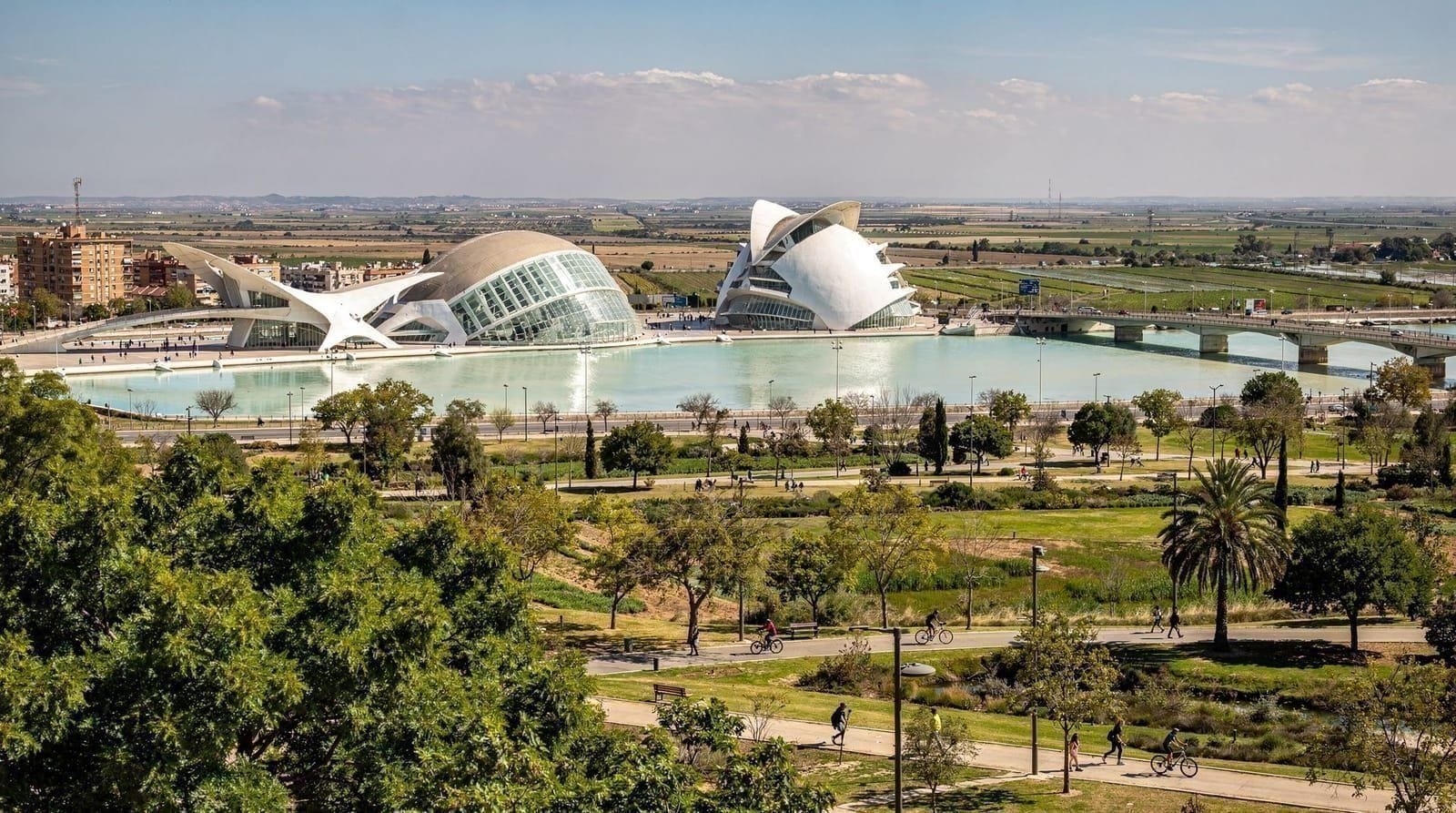
The Turia gardens are Valencia’s greatest civic achievement: a 9-km green corridor running through the former riverbed after the 1957 flood. Rent a Valenbisi bike from any station near the old town (the first 30 minutes of each trip are free; check current prices on valenbisi.es).
Cycling east, you pass the Palau de la Música, the Gulliver play park, and the Pont del 9 d’Octubre before arriving at the City of Arts. The route is flat, well-marked and takes 30–40 minutes without stopping. For a guided bike tour with a local:
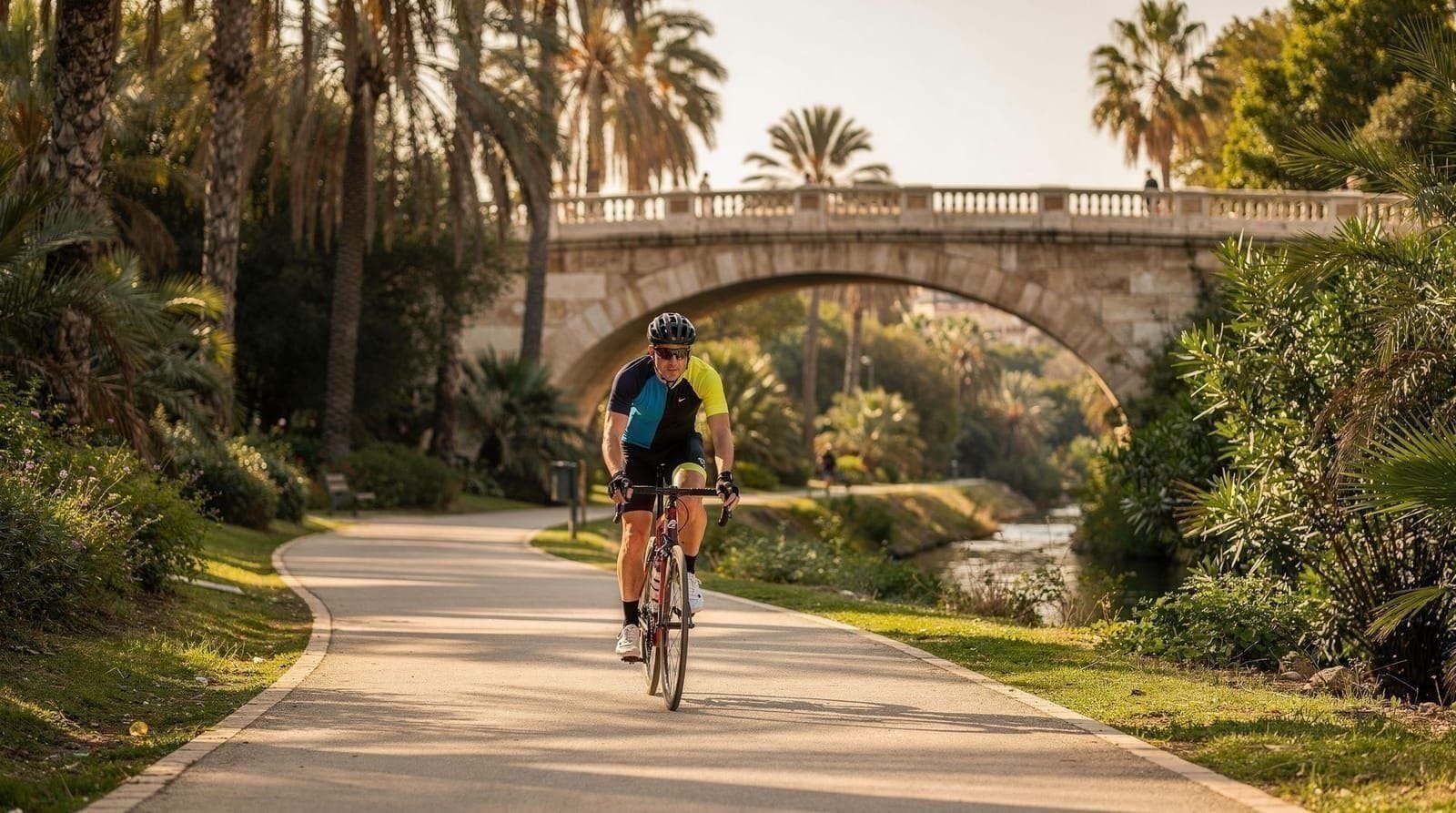 bike tourCheck availability
10:30 — Ciudad de las Artes y las Ciencias
The City of Arts and Sciences is the most-photographed thing in Valencia and worth visiting rather than just photographing. Entry options:
- L’Oceanogràfic: Europe’s largest aquarium by surface area. 10 marine environments, sharks, beluga whales, penguins. Budget 2–3 hours minimum. Pre-book online to avoid queues; current prices on oceanograficvalencia.com.
- Museu de les Ciències Príncep Felip: interactive science museum.
- Hemisfèric (IMAX): per-session ticket (see cac.es). Worth it for the building alone even if you don’t watch the film.
- Combined ticket: all buildings at a discount.
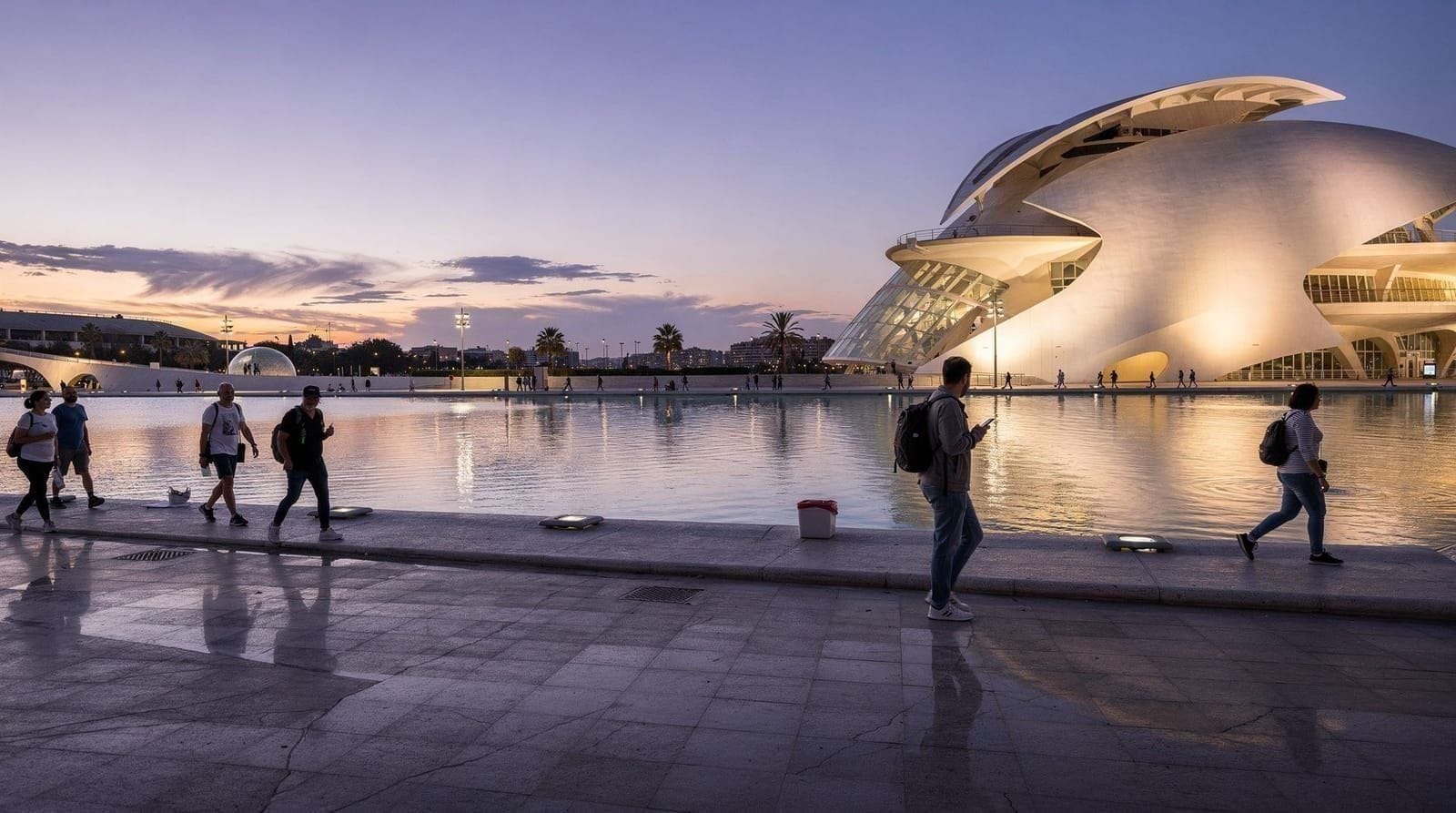 City of Arts full-day combined ticketsCheck availability
The exterior reflecting pools are free to walk around and genuinely impressive. The best light for photography is morning (before 11:00) or late afternoon (after 17:00).
13:30 — Lunch near the beach
From the City of Arts, take a 20-minute walk north-east or a quick taxi to Malvarrosa. The beach promenade (Paseo de Neptuno) has genuine restaurants on the Malvarrosa end — less tourist-aimed than the central stretch. La Pepica (Passeig de la Malvarrosa 6, open since 1898) is the historic choice. L’Estimat nearby is more modern and slightly pricier but excellent.
Avoid: anything with a menu board on the promenade’s middle section, illustrated photos and €22 paella for one.
15:00 — Malvarrosa beach
Malvarrosa is a 3.5-km stretch of wide, clean sand with a very different character from Spanish resort beaches — this is where Valencians go. Sun lounger rental €6–8. The water is Mediterranean: warm from June, calm, shallow near the shore. Walk north to Patacona for quieter conditions.
17:00 — Port of Valencia
Walk or cycle south from Malvarrosa to the Port of Valencia. The America’s Cup marina (Dàrsena America’s Cup) has been properly developed — promenade, restaurants, sailing infrastructure. Genuinely pleasant at sunset, and removed enough from the tourist centre to feel like an actual city working its waterfront.
19:30 — Back to the city
Return via metro (Neptú station) or a 30-minute walk along the Turia. Dinner in El Cabanyal if you want to explore a fourth neighbourhood: the former fishermen’s quarter has some of the best seafood in Valencia at normal prices. La Fábrica de Hielo (Calle del Rosari 15) is the most celebrated, but the queue can be 45 minutes without a booking.
Day 3: Albufera, sunset boat and evening in the city
9:30 — Morning free in the city
Day 3 morning is intentionally light before the Albufera afternoon. Options:
- Visit the IVAM (Institut Valencià d’Art Modern) if modern art interests you: €5 entry, free all day Sunday and Wednesday 16:00–19:00.
- Explore the Benimaclet neighbourhood north of the city centre: a student area with a village-within-the-city character.
- Visit the Bioparc (Valencia’s zoo, African habitat format): excellent, but budget 3+ hours — better for day 2 if you have children.
12:00 — Lunch before Albufera
For the Albufera half-day, many tours include paella in El Palmar — check your booking. If not, eat in the city (Mercado de Colón food hall has reliable options, €14–18/pers) before departure.
14:00 — Albufera departure
The Albufera natural park is 15 km south of Valencia. Bus 24 and 25 from Plaça de la Reina take 35–40 minutes (EMT single ticket €2). Alternatively, take an organised tour that includes transport, boat ride and paella in El Palmar:
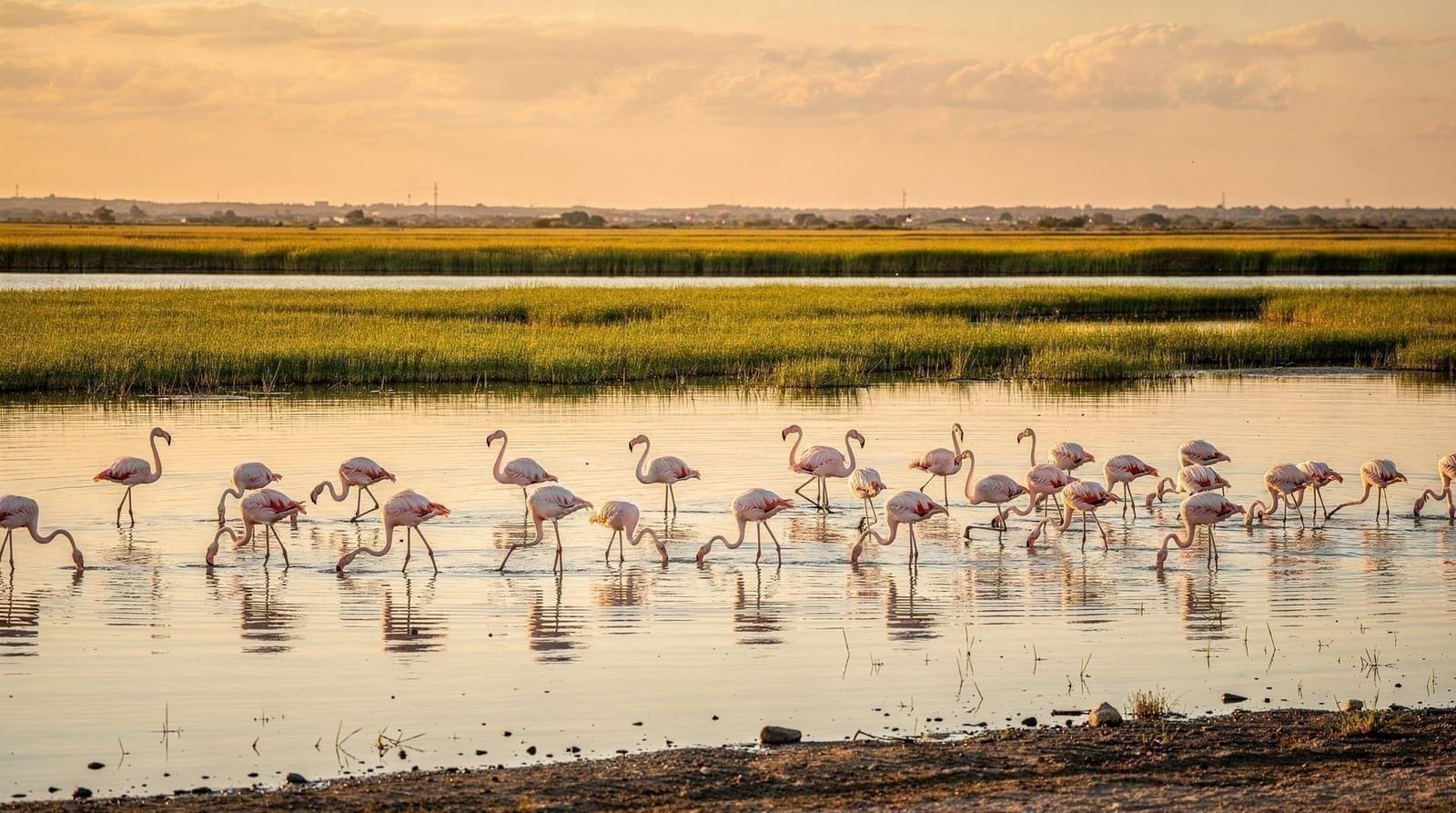 Albufera Natural Park eco boat tour at sunsetCheck availability
15:30 — El Palmar and the boat ride
The village of El Palmar sits on an island in the lake, connected by roads across the marsh. The village has 15–20 restaurants, all serving paella and all i pebre (eel and potato stew) — the two dishes you can’t eat anywhere else quite the same way. For authentic experience: Restaurante La Pista or Mateu Paella — book ahead for weekends (€18–25/pers for paella).
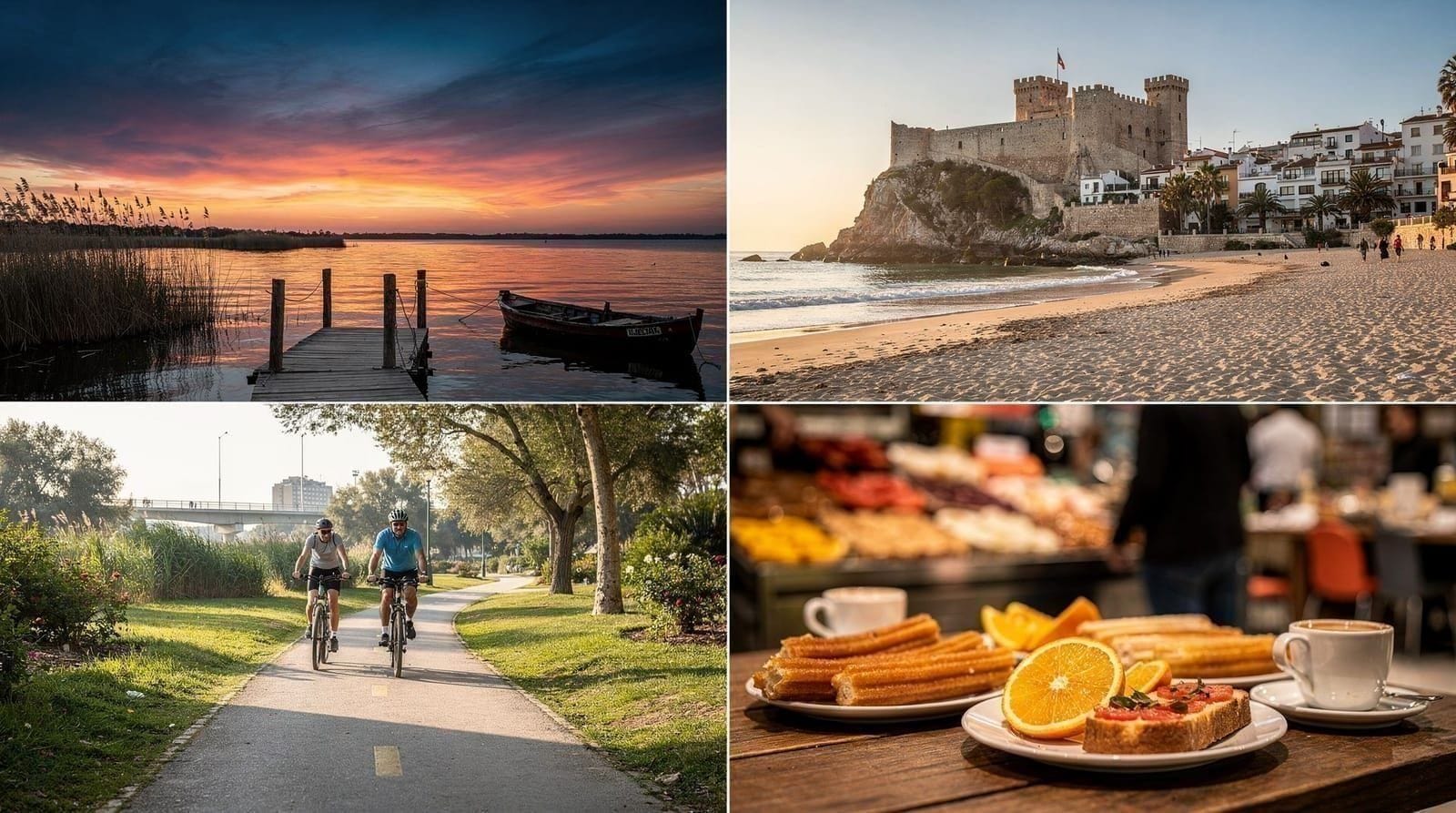
The traditional rowing boat ride on the Albufera lagoon takes 30–40 minutes. The lake — Spain’s largest freshwater lagoon — is most beautiful at sunset when the sky reflects in the still water. Birds are extraordinary (flamingos winter here, herons year-round).
19:30 — Sunset on the lake
The Albufera sunset is the single most photogenic moment of a Valencia trip. The lake fills with pink and orange and the silhouettes of the fishermen’s boats appear. Go specifically for this. The tourist infrastructure here is low-key and relatively honest — most boat operators charge €5–8 per person for a 30-minute row.
21:00 — Return to Valencia and evening
Return to the city on bus 24/25 or with your tour group. Valencia on a final night: the historic centre, Plaza de la Virgen, or a walk through the illuminated Jardines del Palau de la Generalitat. Nightcap at Café de las Horas (Carrer del Comte d’Alacant 1) for the full Agua de Valencia experience — but read our honest take first: is Agua de Valencia worth ordering?
3-day budget estimate (per person)
| Budget | Mid-range | |
|---|---|---|
| Accommodation (3 nights) | €150 (hostel/guesthouse) | €300 (3-star hotel) |
| Meals | €110 | €230 |
| Entrance fees (Cathedral, Llotja, Oceanogràfic) | €15 | €65 |
| Transport (metro, bike, bus 24) | €15 | €20 |
| Albufera tour with boat | €25 | €45 |
| Drinks | €25 | €50 |
| Total | ~€340 | ~€710 |
Frequently asked questions about 3 days in Valencia
Is 3 days enough to see Valencia properly?
Three days covers the historic core, one day-trip (Albufera) and two distinct neighbourhoods. You won’t see the inland towns (Xàtiva, Requena, Bocairent), the other beaches (El Saler, Cullera) or all 8 quarters of the city. For a genuinely complete visit, 4–5 days is more comfortable. But 3 days gives a real and honest picture of Valencia.
What’s the best order for a 3-day Valencia trip?
Old town on day 1 while you’re freshest and before tourist fatigue sets in. City of Arts and beach on day 2. Albufera on day 3 afternoon (it’s best at sunset, which means the morning is free). This order avoids the common mistake of saving the old town for the last day when energy is lower.
Should I book tours in advance for a 3-day trip?
Book the Oceanogràfic and any paella cooking class in advance (they sell out in summer). The Albufera boat tour is easier to arrange on arrival but pre-booking saves waiting time. The walking tour doesn’t usually need advance booking except during Fallas (March).
What’s the single biggest mistake first-time visitors make in 3 days?
Trying to add a fourth destination — usually Xàtiva or Peñíscola — on top of the city, City of Arts and Albufera plan. Three days is already full; a day trip beyond these three pushes the itinerary into rushed, low-quality time everywhere. If an inland or coastal day trip genuinely matters to you, add a fourth day rather than compressing this plan — the 4–5 day itinerary shows how that extra day slots in.
How do I get from Valencia to Albufera without a tour?
Bus 24 from Plaça de la Reina (every 20–30 minutes) goes to El Palmar in 35 minutes for €2. The return last bus is around 21:00. For the boat ride, walk to the lake shore in El Palmar — local operators charge €5–8/person and you don’t need to pre-book. See the full Albufera day trip guide.
Can I combine Valencia with a day trip to Barcelona or Madrid in 3 days?
Technically yes — AVE to Barcelona is 3 hours, to Madrid 1h55. But adding a day trip to another city means one of your Valencia days is consumed by trains. For a first visit, stay in Valencia and do the Albufera instead. See Valencia vs Barcelona: which to visit first.
Is 3 days enough with children?
It’s tight but workable if you reorder the days to put the City of Arts and Bioparc earlier, when energy is highest. See the Valencia with family itinerary for the adjusted sequence — it uses the same sights as this 3-day plan but paces them differently.
How much cheaper can this itinerary be on a tight budget?
Significantly. Skipping the guided tours, eating at market bar counters instead of restaurants, and using the independent Albufera bus instead of an organised tour can bring the daily cost close to the “budget” column in the table above. See the Valencia on a budget guide and the budget itinerary for the fuller version.
Top experiences
Bookable activities with verified prices and instant confirmation on GetYourGuide.