Valencia first weekend itinerary — 2 days for first-timers
Valencia: historical city tour
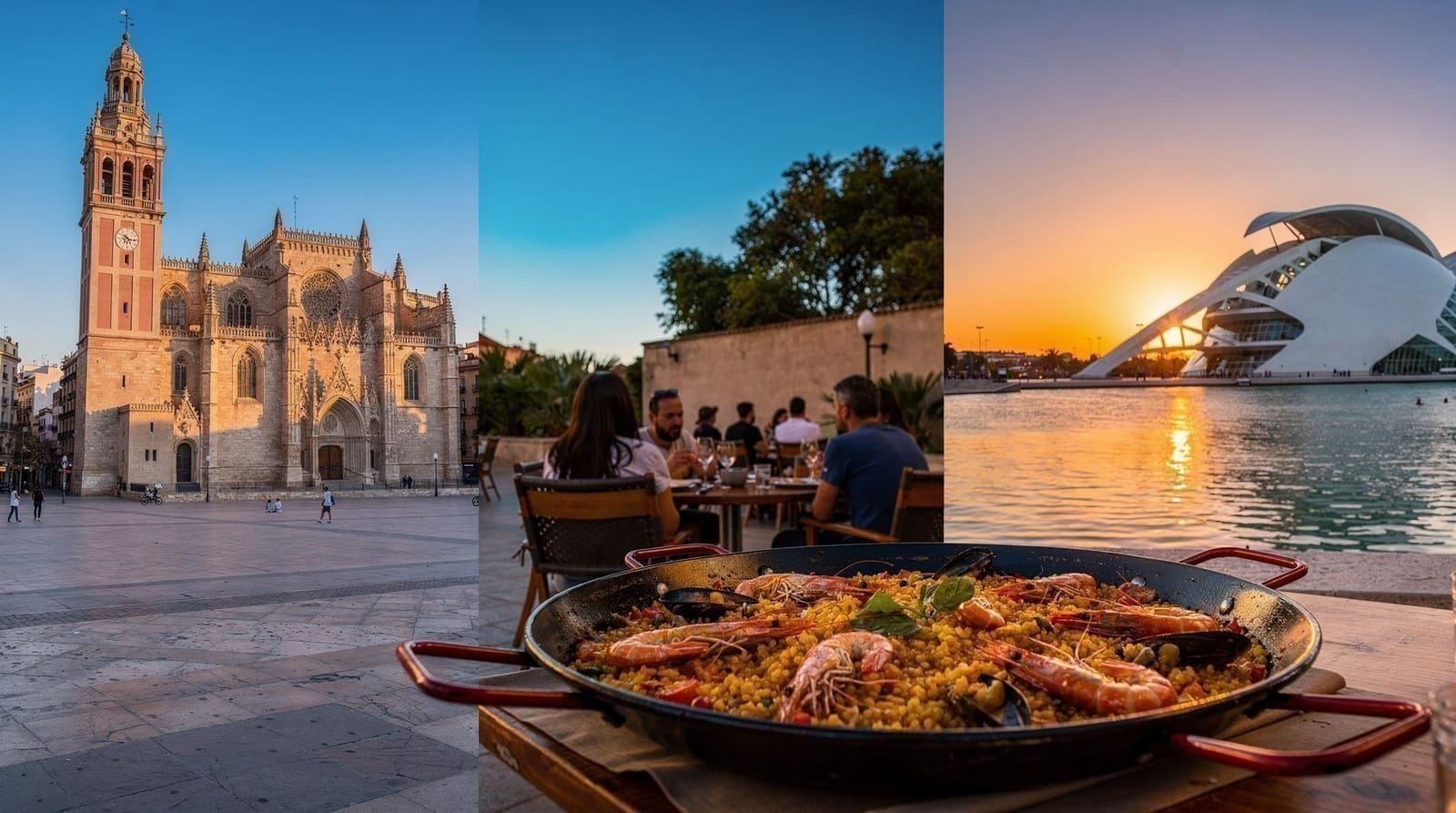
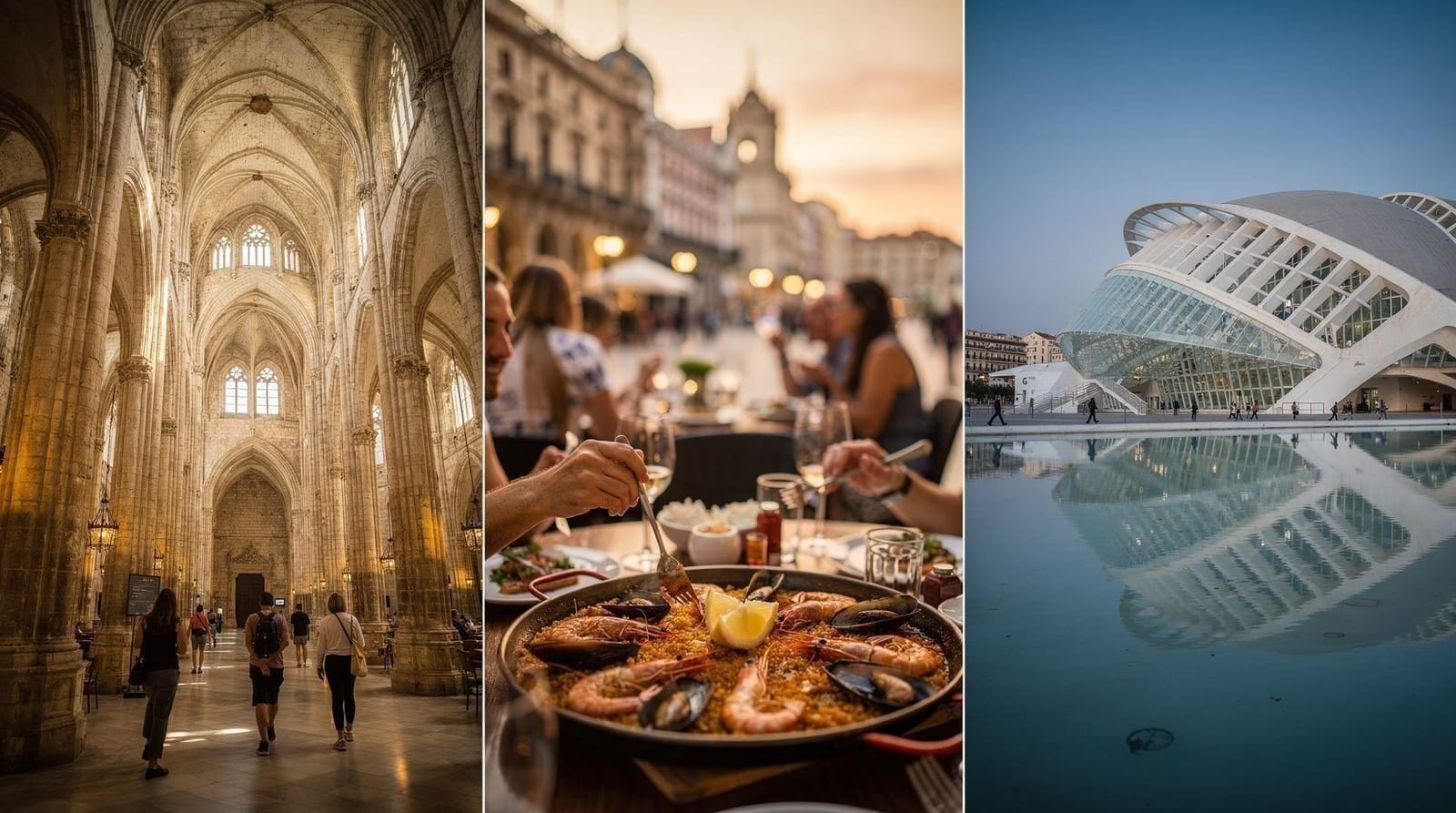
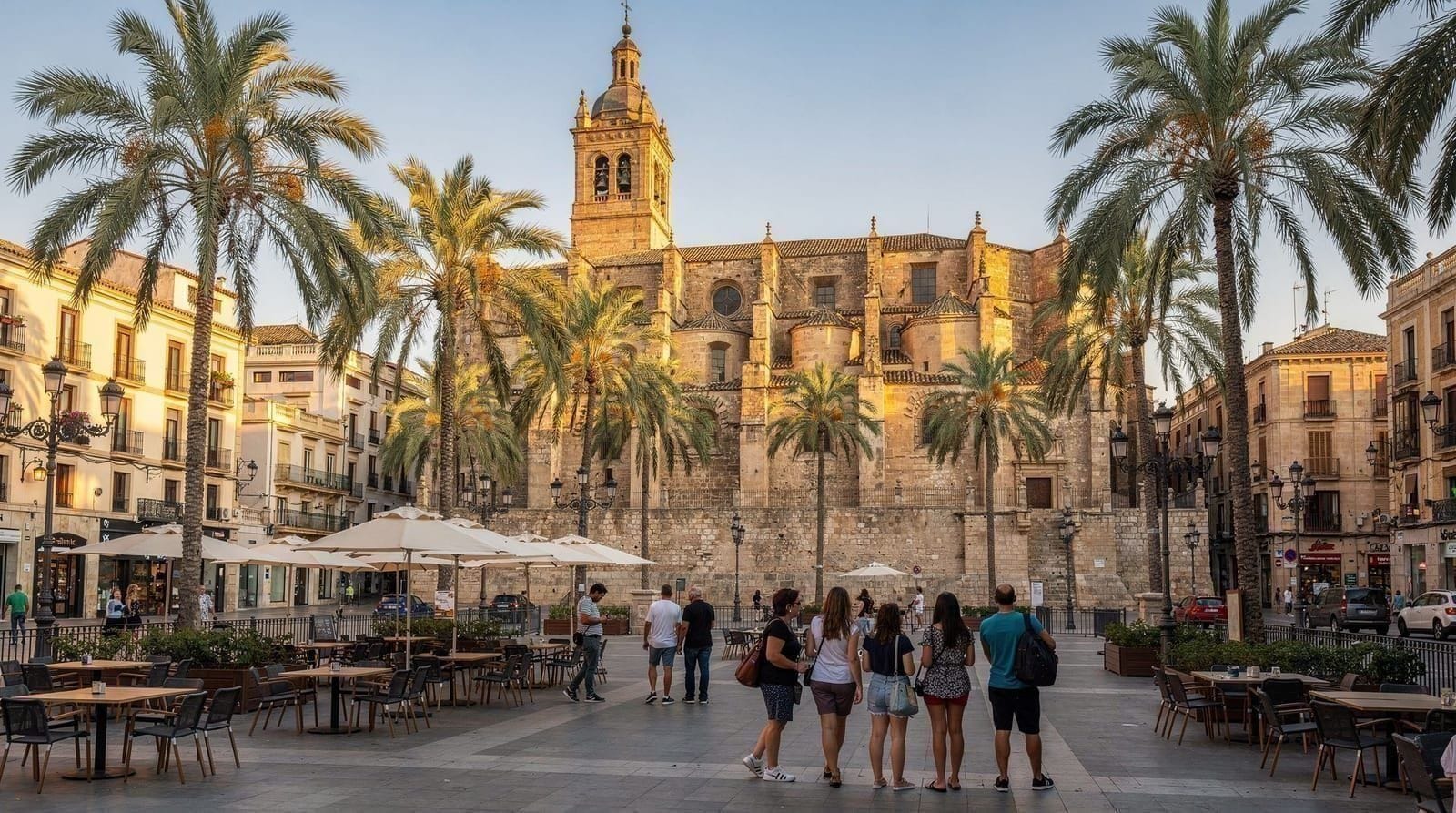
Two days in Valencia covers the essential circuit without rushing: old town and real paella on day one, City of Arts and the beach on day two. The city is compact, walkable, and honest about its scale — unlike Madrid or Barcelona, you can feel genuinely familiar with Valencia after a weekend. This guide cuts the tourist traps and gives you a grounded first visit.
Quick answer: Day 1 focuses on the historic centre — Mercado Central, Llotja, Cathedral, El Carmen, dinner in Ruzafa. Day 2 heads to the Turia gardens, City of Arts and Sciences, and Malvarrosa beach. Both days include a proper paella at lunch.
| Where | Ciutat Vella (El Carmen), Ciutat de les Arts i les Ciències, Malvarrosa |
| Cost | Around €230–465 for the weekend, all-in (see budget table below) |
| Time needed | 2 days, easy pace |
| Getting there | Valencia Airport (VLC), metro Line 3/5, around 25 min, €2.80 |
| Best time | May, June, September, October for weather and manageable crowds |
Before you arrive: logistics
Getting there: Valencia Airport (VLC) is served by most European low-cost carriers. Metro Line 3 or 5 from the airport to the city centre takes 25 minutes and costs €2.80 for a single ticket. Taxis cost €20–25. The AVE high-speed train connects Madrid in 1h55 and Barcelona in around 3 hours.
Staying: For a first weekend, the most practical zones are El Carmen (historic centre, lively, €80–130/night for a decent hotel), Ruzafa (more local, cheaper, quieter nights, €65–120) or around the Plaza del Ayuntamiento (central, walkable, €90–150). Read our where to stay guide for a full breakdown.
Transport: You won’t need a car. The metro and EMT buses cover the whole city efficiently. A Bonobús card (10 trips, €8.50) is cost-effective if you plan to use buses daily. Valenbisi bike-share (check current rates at valenbisi.es; the first 30 minutes of each trip are free) is the best way to do the Turia gardens.
If you land late or leave early: A weekend trip often means a Friday-evening arrival and a Sunday-afternoon departure, which shrinks your real time to closer to a day and a half. If that’s you, swap the Day 1 morning market visit for a slower start and go straight to the Cathedral and El Carmen around 10:00 — you’ll still make the 13:00 paella slot. Landing on a Saturday means the Mercado Central is open (closed Sundays), so try to keep that visit on day one rather than day two if your schedule allows.
Day 1: the historic centre and real paella
8:30 — Mercado Central
Start before the crowds at the Mercado Central, one of the largest covered markets in Europe. The building itself — 8,000 sq m of Art Nouveau ceramic and iron — is worth arriving early for the light. Grab a coffee and something to eat at the bar counters on the perimeter (€3–5). The market is open 7:30–15:00 Monday to Saturday and closed Sundays.
Honest note: the market sells high-quality produce but some stalls near the entrance have begun charging tourist prices for smoothies (€7–8). The actual vendors — fish, cheese, vegetables — price normally.
9:30 — Llotja de la Seda
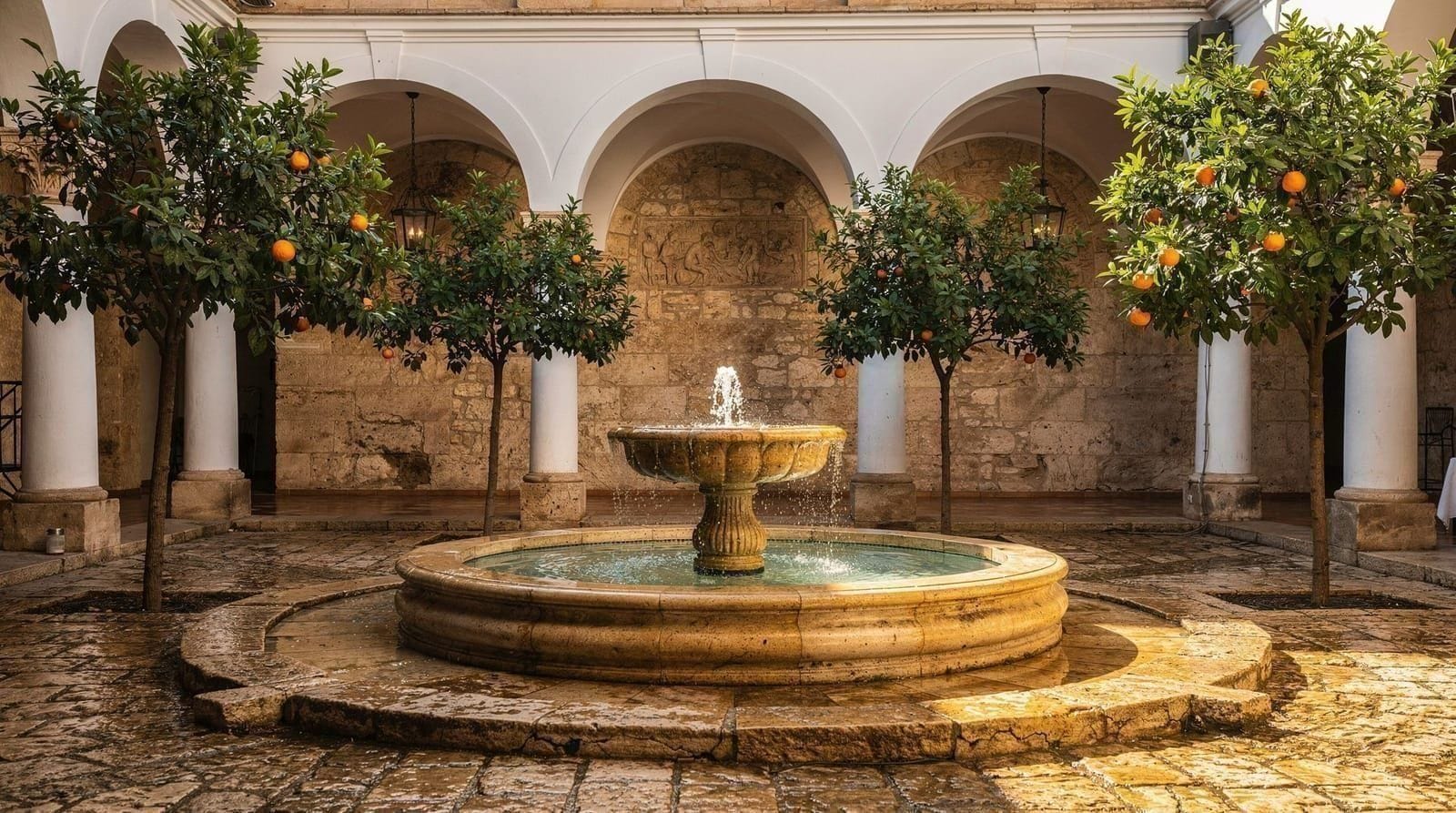
Walk two minutes to Valencia’s finest Gothic building, the Llotja de la Seda (Silk Exchange, UNESCO World Heritage). Entry is €2. The Hall of Columns is extraordinary: 24 twisted columns supporting Gothic vaulting, completely secular and free of religious iconography. Allow 30–45 minutes including the orange-tree courtyard (free).
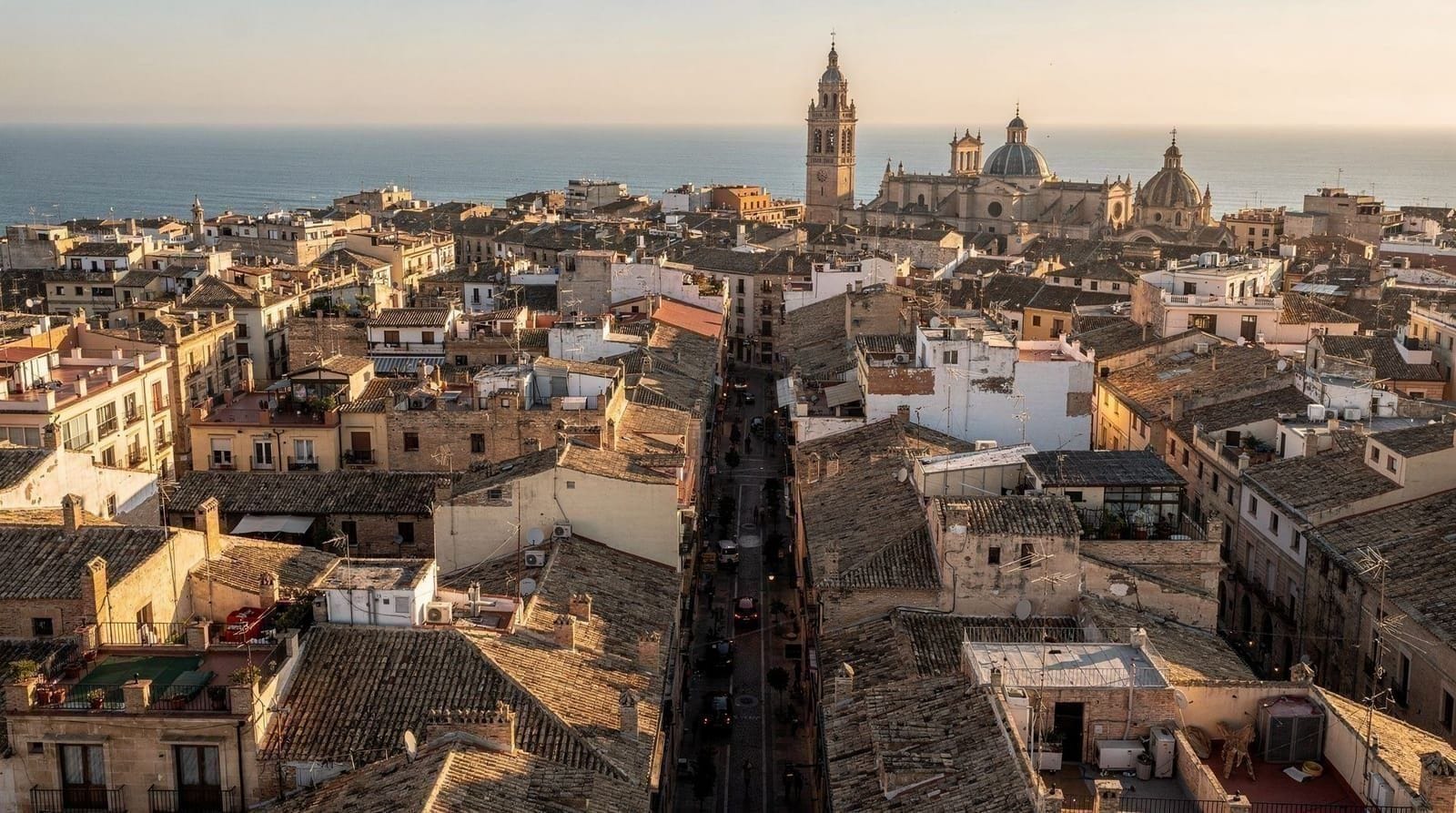
10:30 — Valencia Cathedral and the Micalet
The Cathedral is a five-minute walk east. Cultural visit €12, Micalet tower €3 separately. The tower is 207 steps and genuinely narrow — worth climbing for the views, but skip if you’re short on time. The Cathedral treasury displays what is claimed to be the Holy Grail; whether you believe that, the chalice is a 1st–2nd century AD agate cup.
A self-guided walking tour covers the Cathedral, Llotja and surrounding streets. If you want context from a local guide, the historical walking tour departs from Plaza de la Reina:
 historical city tourCheck availability
11:30 — El Carmen neighbourhood
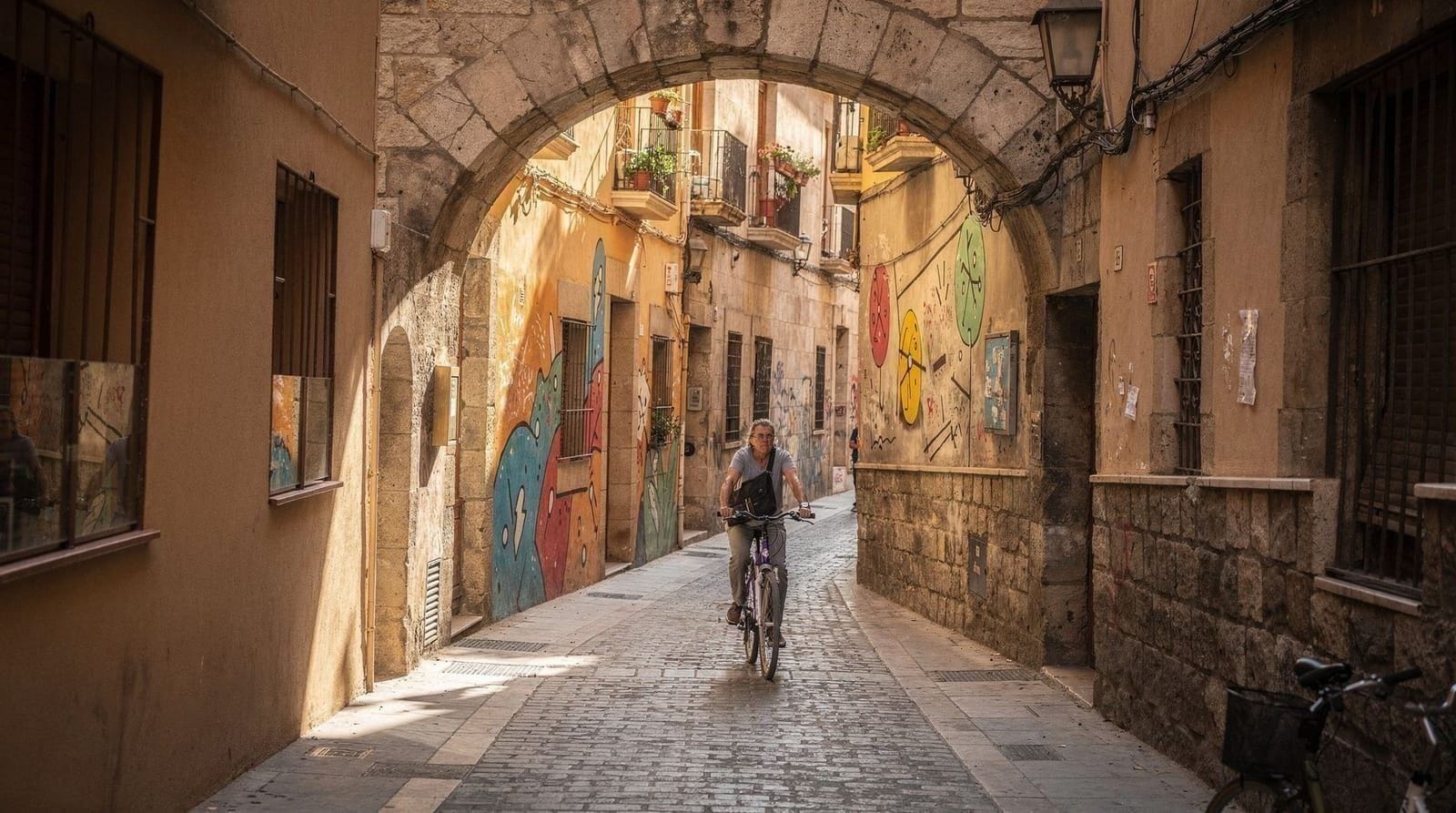
Walk north through the Torres de Serranos — the 15th-century gateway to the city, free to view from outside, €2 to climb — into El Carmen. This is Valencia’s oldest barrio: narrow medieval streets, layers of street art, Baroque churches and some of the city’s best independent bars.
Wander without a specific plan: Calle Alta, Calle del Museu, Plaça del Tossal. Avoid the main tourist-trap drag of Calle de Cavallers where several bars charge €8 for sangria to anyone who looks lost. The street art in the Carme is legitimate — look for works by Escif, Julieta XLF and Hyuro on building gables in the back streets near the IVAM museum.
13:00 — Paella lunch — the critical choice
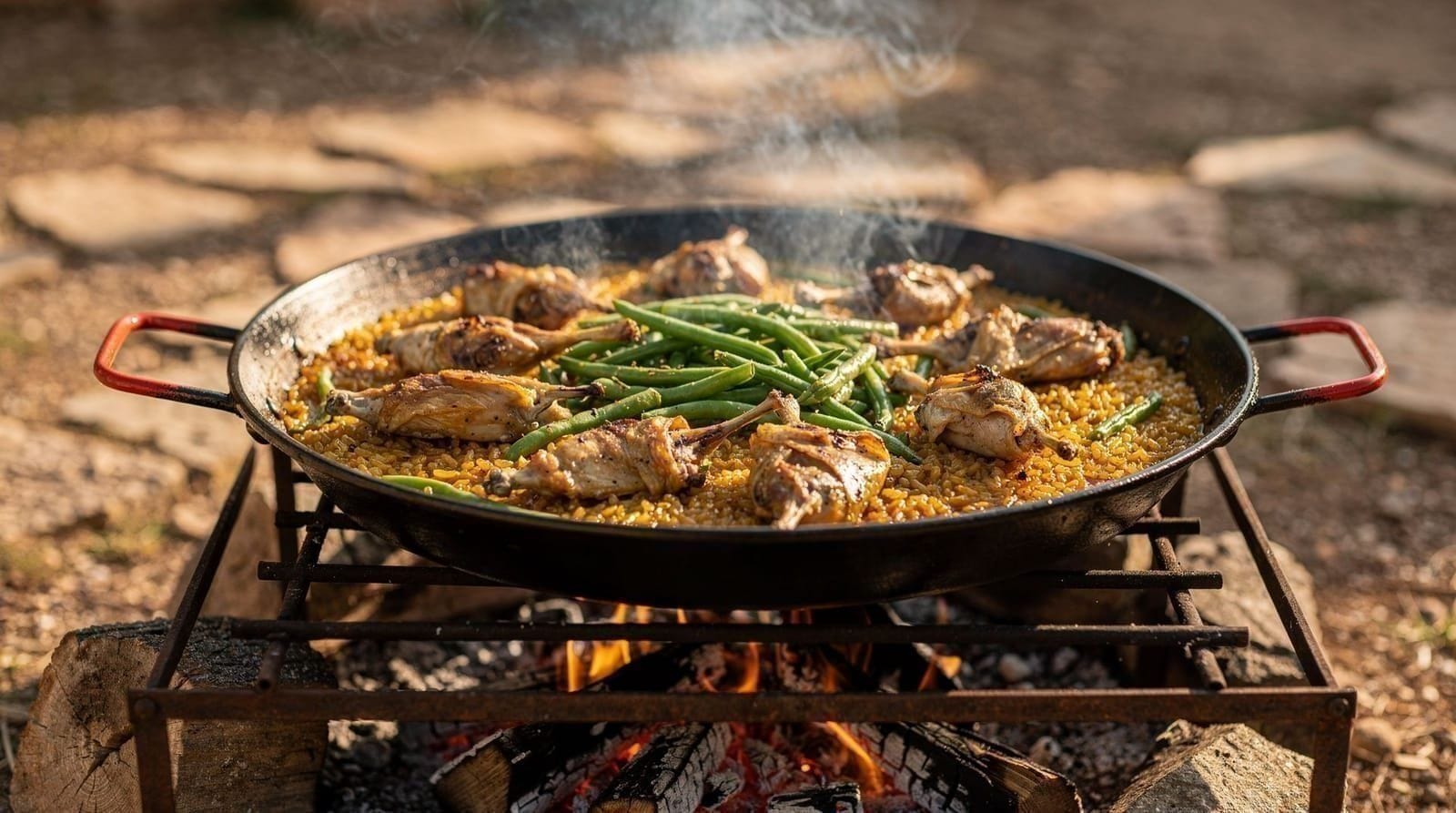
Paella is a lunch dish, cooked at midday over a wood fire with chicken and rabbit (the original recipe) or seafood. Any restaurant offering paella for dinner is almost certainly reheating. Your best honest options:
- La Riua (Calle del Maestro José Serrano 4, Eixample): excellent wood-fire paella valenciana, ~€18/pers. Closed Monday. Book ahead on weekends.
- Restaurante Valenciana (Calle del Mossèn Femades): affordable menú del día with paella, €14. No frills.
- Arrocería El Bou (Calle de Borrull, near the market): rice specialists, slightly more expensive (€20–25/pers) but consistent quality.
Full guide: where to find authentic paella in Valencia.
15:00 — Rest or Ruzafa
After a proper lunch, the Spanish afternoon logic applies: either find a shaded terrace and stay for coffee, or walk 20 minutes south into Ruzafa (Russafa). Ruzafa has good independent shops, café-bars and some of the city’s best street art. It’s not a sightseeing destination so much as a place to absorb the genuine texture of the city — a contrast to El Carmen’s tourist circuit.
19:00 — Vermouth hour
Return to Ruzafa or the Mercado de Colón (a beautiful 1916 modernista market now functioning as a food hall) for vermouth and pintxos. Standard vermouth in a local bar costs €2.50–3.50. The Mercado de Colón’s bars charge slightly more (€5–7) but the building is worth seeing.
20:30 — Dinner
Valencia eats late. Book for 21:00. In Ruzafa:
- Canalla Bistro (Calle del Mestre Gozalbo 19): Ricard Camarena’s casual restaurant, creative Valencian dishes, €30–40/pers.
- La Fusta (Ruzafa): straightforward tapas, €15–22/pers, no booking needed.
- El Majal (Calle de Cuba): well-priced seasonal menu, €20–28/pers.
Day 2: Turia gardens, City of Arts and the beach
9:00 — Turia gardens by bike
The Turia gardens are the best way to understand Valencia: 9 km of green space running through the former riverbed, connecting the old town to the sea. Rent a Valenbisi bike (see valenbisi.es for current rates; the first 30 minutes of each trip are free) from any of the stations near the Torres de Serranos or Plaça de la Mare de Déu.
Cycling east from the old town, the route passes under Roman bridges, by the Palau de la Música concert hall and by the Gulliver play park — a vast Gulliver sculpture you can climb on (free, excellent if you have kids). The whole route to the City of Arts takes 30–40 minutes by bike.
10:30 — Ciudad de las Artes y las Ciencias
The City of Arts and Sciences by architect Santiago Calatrava is the most photographed site in Valencia. The reflecting pools and white architecture work best in morning or late afternoon light. Entry options:
- L’Oceanogràfic (aquarium): prices on oceanograficvalencia.com, the best aquarium in Europe by area. Allow 2–3 hours. Most families find this alone fills a half-day.
- Museu de les Ciències Príncep Felip: see cac.es for prices, interactive science museum, good for ages 8+.
- Hemisfèric (IMAX): sessions at fixed times, see cac.es for prices.
- Combined ticket: all buildings, check cac.es for current prices.
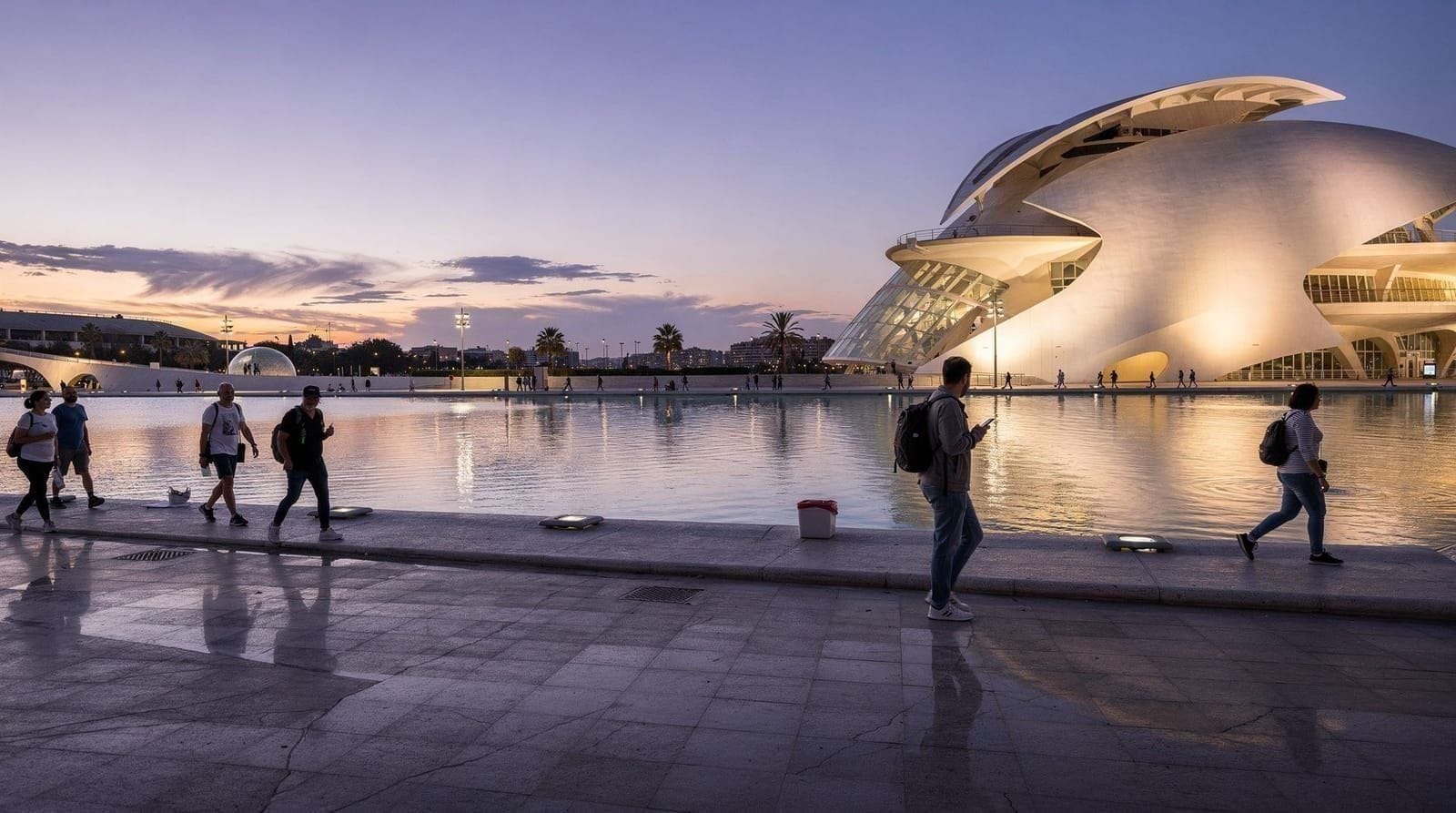 City of Arts full-day combined ticketsCheck availability
If you only pick one, L’Oceanogràfic is the obvious choice for most visitors. If you have children, the Museu de les Ciències and the Gulliver park are genuinely excellent.
13:00 — Paella near the beach
From the City of Arts, it’s a 25-minute walk or 5-minute taxi to Malvarrosa and the beach promenade. For your second paella, try:
- La Pepica (Passeig de la Malvarrosa 6): the most famous, open since 1898, eaten by Hemingway. Paella for two from €28. Book ahead.
- Casa Carmela (Calle d’Isabel de Villena 155): traditional wood-fire recipe, chicken and rabbit, ~€20/pers, excellent quality.
Avoid the restaurants in the middle section of the Malvarrosa promenade with outdoor speakers and menu photos on A-boards. Price and quality are inversely correlated on this stretch.
15:00 — Malvarrosa beach
After lunch, Malvarrosa is a working-class beach, wide, clean, and significantly less crowded than Spanish resort beaches. Sun lounger rental is €6–8/day. The water is shallow and calm. There’s good people-watching and no vendor hassle beyond the occasional watermelon cart.
Walk north toward Patacona beach — quieter, with a slightly different character (more families, fewer groups). Or walk south toward Port Saplaya, a small marina village with pastel houses.
17:30 — Port of Valencia and the America’s Cup marina
The Port of Valencia area has been transformed since the 2007 America’s Cup. The Marina Real Juan Carlos I is now a waterfront promenade with genuine quality restaurants (less touristy than the beach strip) and a sailing club. It’s a 15-minute walk from Malvarrosa, or take the hop-on-hop-off maritime route:
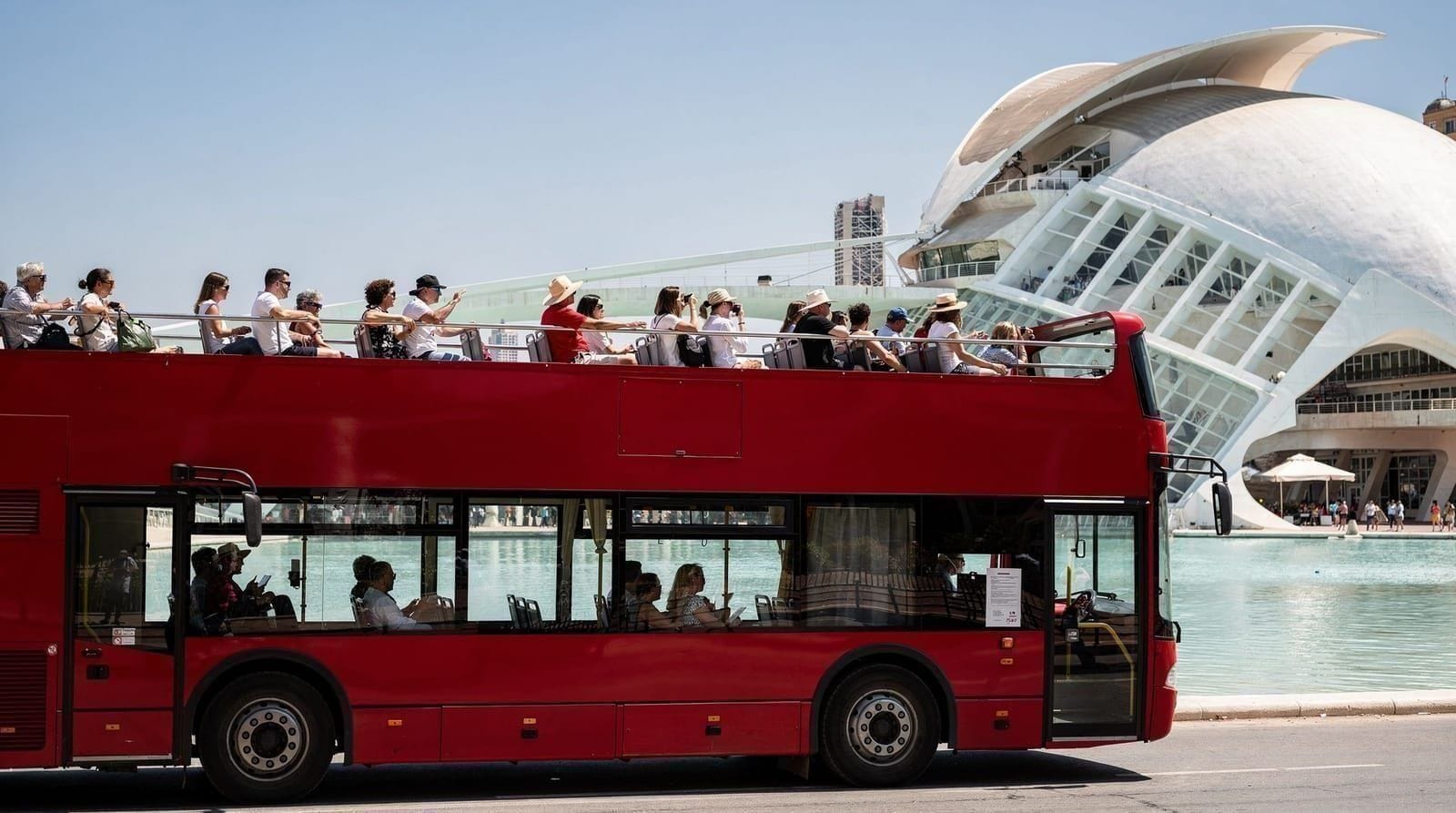 hop-on hop-off bus tourist and maritime routeCheck availability
19:30 — Sunset and evening
Head back toward the city centre. The Puente del Reino (bridge) over the Turia gardens is excellent at sunset. For a drink before dinner, the terraces on Calle del Mar or in the Plaza del Carmen are less crowded than the main tourist squares.
Dinner on day 2: try something different from the previous evening — Bar Pilar (Calle del Moro Zeit 13) for tigres and clóchinas (Valencia’s local mussels, €2–3 per plate), or a sit-down meal at Refugio Valencia in El Carmen for creative Mediterranean food (€25–35/pers).
If it rains, or you have a spare half-day
Valencia is dry most of the year, but if a shower hits during your weekend, the Museu de les Ciències inside the City of Arts and Sciences works as a covered alternative to the beach afternoon, and the Mercado de Colón’s food hall is a comfortable place to wait out weather with a coffee. If you find yourself with an unplanned extra half-day — an early check-in on Friday, or a late flight on Sunday — walking Ruzafa’s streets without an agenda or adding a short Albufera boat trip both fit well; see our Albufera day trip guide for the logistics. Travellers who end up with more time than planned often extend straight into our 3-day Valencia itinerary, which folds this weekend plan into a longer trip.
Two days at a glance
| Day | Morning | Afternoon | Evening |
|---|---|---|---|
| 1 | Mercado Central, Llotja, Cathedral | Paella lunch, El Carmen or Ruzafa | Vermouth hour, dinner in Ruzafa |
| 2 | Turia gardens by bike, City of Arts | Paella near the beach, Malvarrosa | Port and marina, sunset, dinner |
Budget for a first weekend (per person)
| Budget | Mid-range | |
|---|---|---|
| Accommodation (2 nights) | €100 (hostel) | €200 (3-star hotel) |
| Meals (6 lunches + dinners) | €80 | €160 |
| Entrance fees | €15 | €55 (Oceanogràfic + Cathedral) |
| Transport (metro + Valenbisi) | €12 | €15 |
| Drinks, coffees | €20 | €35 |
| Total | ~€230 | ~€465 |
See our Valencia on a budget guide for more detail.
Frequently asked questions about a first weekend in Valencia
What are the must-sees for a first-time visitor to Valencia?
The old town circuit — Mercado Central, Llotja de la Seda, Cathedral, Torres de Serranos, El Carmen — plus the Turia gardens walk and the City of Arts and Sciences. L’Oceanogràfic is the single best tick for time invested. A proper paella lunch is non-negotiable — see where to eat paella.
Which neighbourhood is best to stay in for a first visit?
El Carmen gives you immediate access to the historic sights. Ruzafa is more characterful and slightly cheaper. The area around Plaza del Ayuntamiento is practical and central. Avoid hotels near the train station (Estació del Nord) as the surrounding streets are less pleasant than the tourist maps suggest. Full guide: where to stay in Valencia.
Is 2 days enough for Valencia?
Two days covers the core without rushing. Three days allows a day-trip to Albufera, an extra beach afternoon, and more relaxed mealtimes. Four to five days allows you to properly explore Ruzafa, Cabanyal, and a day-trip to Xàtiva or the Albufera. See our how many days in Valencia guide for the calculation.
Can I do Valencia in a weekend without a car?
Yes. The city centre is extremely walkable and the metro reaches the beach, the airport and the City of Arts. You only need a car for day-trips to inland towns like Montanejos, Bocairent or Requena. For those, see our day-trips without a car guide.
What is the best time of year for a first visit?
May, June, September and October give the best balance of weather (22–27°C), manageable crowds, and open restaurants. March (Las Fallas period) is unforgettable but chaotic and expensive — hotels book out months in advance. August is hot (35°C+), crowded on the beaches, and some local restaurants close. Full detail: best time to visit Valencia.
Top experiences
Bookable activities with verified prices and instant confirmation on GetYourGuide.