Valencia food itinerary — 3 days eating like a local
Valencia: master the art of paella in an authentic Valencian kitchen
Duration: 2 hours
Valencia’s food culture is specific, opinionated and genuinely excellent — and it has been systematically simplified for tourists in ways that matter. Paella is not a seafood dish in Valencia; it’s cooked at lunch from chicken and rabbit. Horchata is not a novelty drink — it’s a serious tradition. Agua de Valencia is served mainly to tourists and wasn’t invented here in the first place. This itinerary is built around eating what Valencians actually eat, not what they think you want.
Quick answer: Three days focused on food: day 1 covers the Mercado Central, Llotja de la Seda, a paella cooking class and Ruzafa tapas. Day 2 is the deeper food tour — morning market with a guide, traditional almorzar, fideuà and all i pebre in El Cabanyal. Day 3 goes to Albufera for paella in El Palmar and ends with a wine evening in the city.
| Where | Mercado Central, Ruzafa, El Cabanyal, El Palmar (Albufera) |
| Cost | Around €60–90/day on food alone, comfortably |
| Time needed | 3 days for full depth, 2 days for the essentials |
| Getting there | Valencia Airport (VLC), metro Line 3/5, around 25 min |
| Best time | May–October for produce and horchata season |
What to know before eating in Valencia
The paella rules
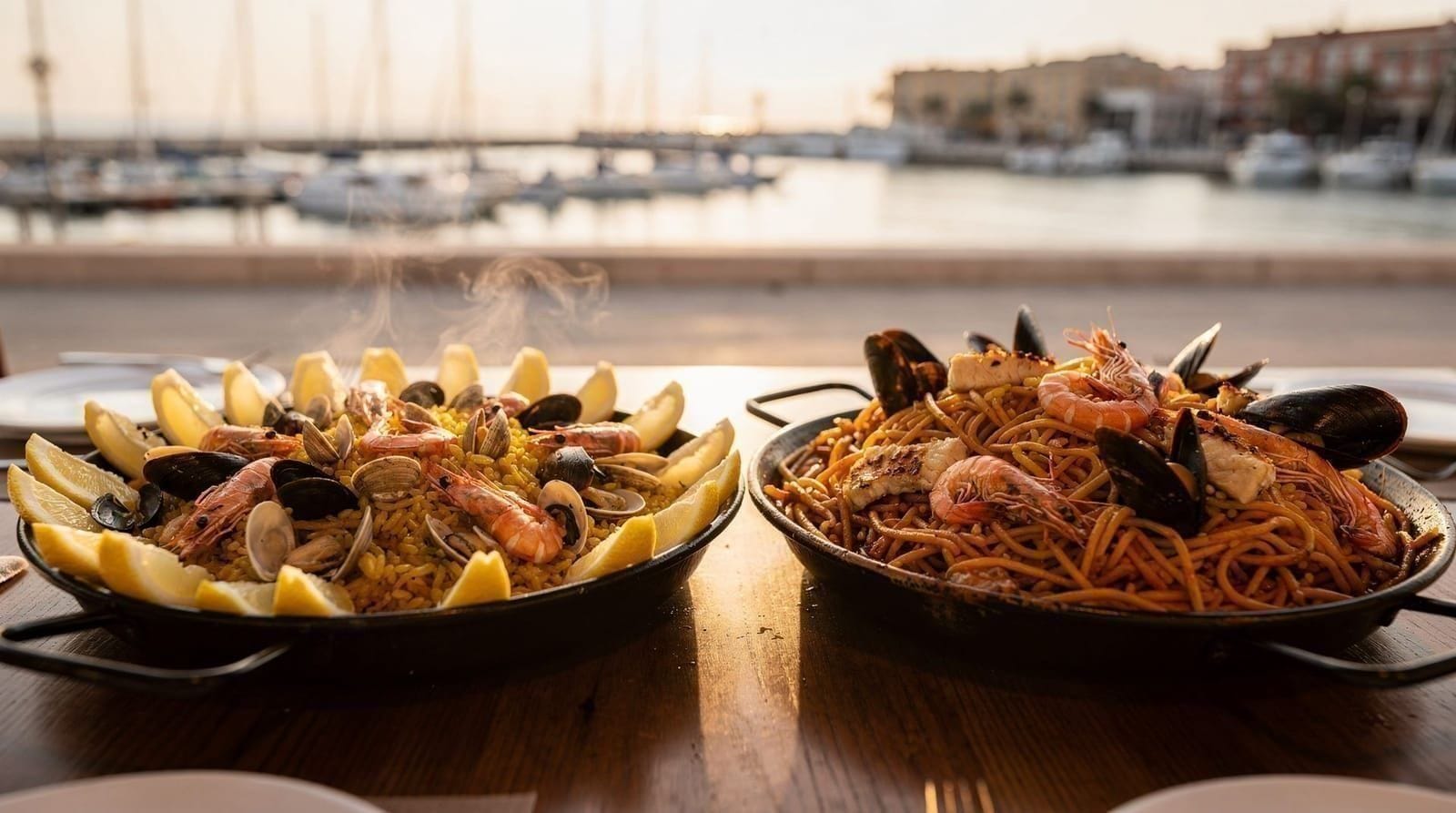
Paella valenciana uses chicken, rabbit and green beans (ferraura). It is cooked at midday over wood fire and eaten for lunch, never dinner. The socarrat — the slightly caramelised rice at the bottom — is the mark of quality. A good paella has absorption and texture; it is not a risotto and should not look wet.
Restaurants serving paella at dinner are serving either pre-made or frozen paella reheated. This is the single biggest tourist trap in Valencia. See our full paella traps guide.
The almorzar
The almorzar (esmorzaret) is Valencia’s mid-morning eating tradition: between 10:00 and 12:00, workers stop for a serious second breakfast. This is the best meal of the day to eat cheaply and well — a bocadillo (filled roll) with cured meat or sausage, café amb llet, and a glass of something cold. Bars in El Carmen and the market area that serve almorzar are almost always good-value and reliable.
Menu del día
The menú del día is Valencia’s lunch institution: €12–16 for two courses plus dessert, bread and a drink (often wine or water). Available Monday–Friday in most non-tourist-oriented restaurants. Skip it on weekends (restaurants are busier and the menu is often more expensive or dropped entirely).
What not to order
- Paella for dinner — see above.
- Agua de Valencia if someone just suggested it at a tourist bar — it’s not local culture, it’s a upsell.
- Sangria — not Valencian; typically cheap wine with industrial fruit juice in tourist spots.
- Smoothies at Mercado Central — the smoothie stalls near the entrance charge €8 for cold-pressed juice. Skip them and buy actual produce instead.
Eating with dietary restrictions
Valencian cooking leans heavily on rice, seafood, pork and rabbit, but it’s manageable for most diets with a little planning. Vegetarian paella (arroz de verduras, with artichoke, green beans and garrofó) is a genuine traditional variant, not an invention for tourists — ask for it by name. Gluten-free is straightforward since rice dishes are naturally gluten-free, though check the sofrito base and any accompanying bread.
Vegan diners will find the market stalls and the menú del día’s vegetable courses easier going than restaurant mains; Ruzafa has the highest concentration of restaurants used to catering for it. If you have a shellfish allergy, be explicit when ordering fideuà or paella, since stock bases sometimes include seafood even in ostensibly meat versions. Restaurants in Ruzafa and the Eixample are generally more used to fielding these questions in English than the tourist-facing spots near the Cathedral, where staff turnover is higher and menus are less flexible.
Day 1: markets, paella class, and Ruzafa tapas
8:00 — Early at the Mercado Central
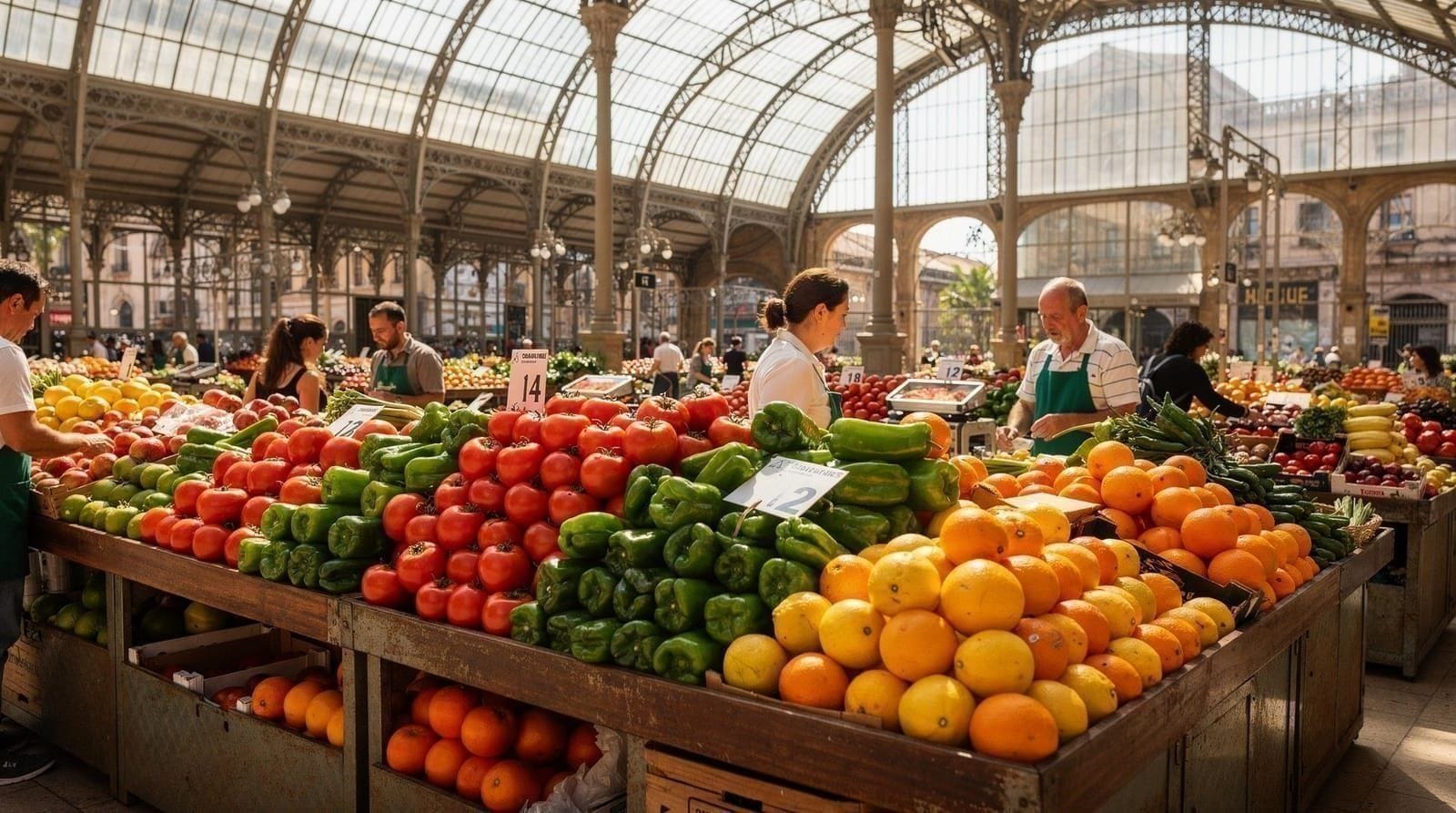
Arrive at the Mercado Central at 8:00 for the full experience: traders setting up their stalls, the best produce selection of the day, and no tourist crowds. The fish stalls are the most impressive — fresh dorada, lubina, clóchinas (Valencia’s tiny local mussels), and the occasional large tuna. The vegetable section has seasonal produce that doesn’t exist in supermarkets: Valencian flat green beans (ferraura), garrofó (wide white beans used in paella), and tomatoes that taste like tomatoes.
For coffee and something to eat, go to the bars on the south perimeter of the market — the ones facing the Llotja. Café amb llet and a bocadillo de llom (pork loin sandwich) costs €3.50. The almorzar bars on Carrer de la Llotja are also excellent.
9:30 — Guided market food tour
The market with a guide who knows which stalls to stop at and why is a genuinely different experience from wandering alone:
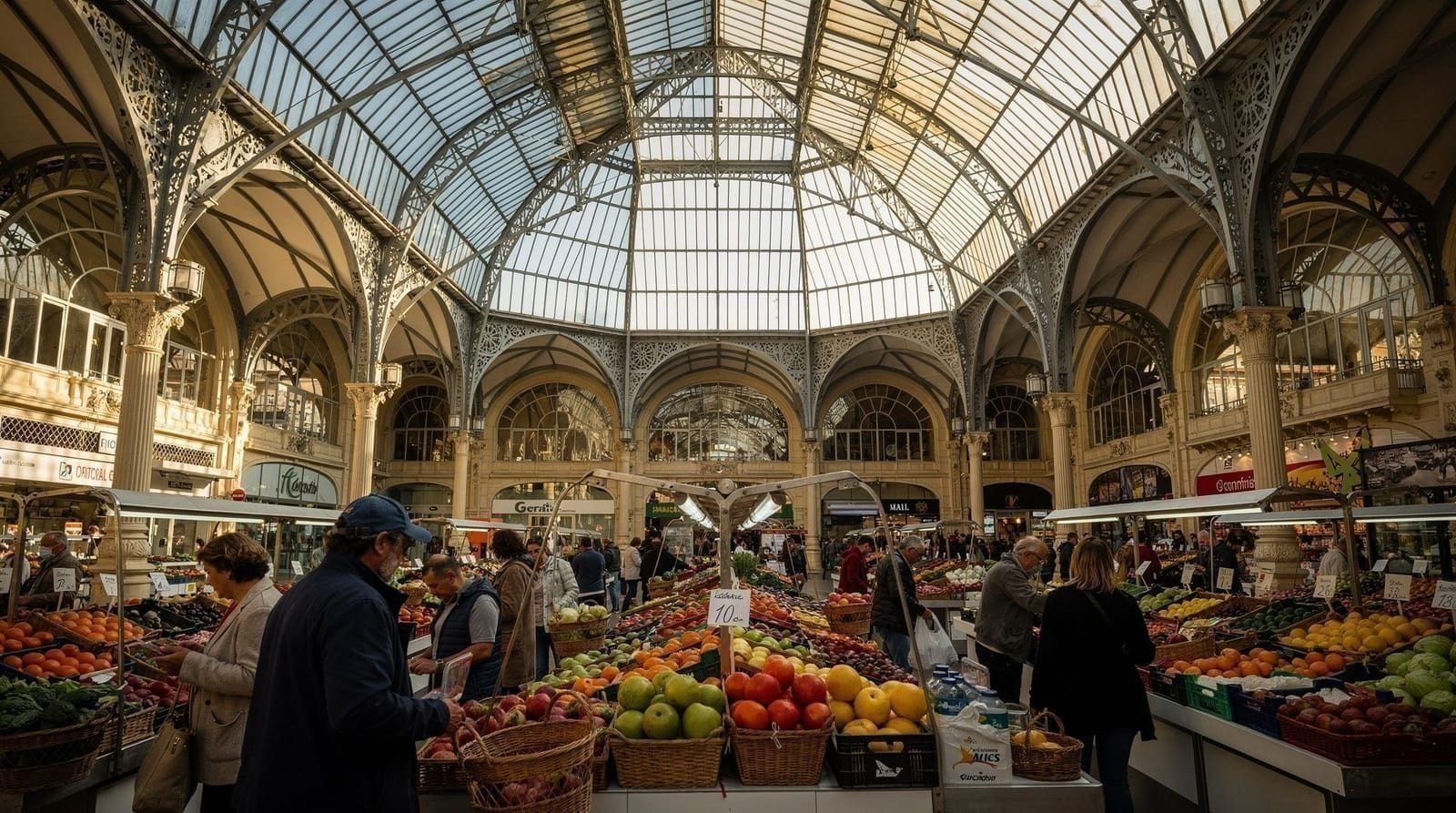 daytime tapas tasting tour with Central Market visitCheck availability
These tours typically run 10:00–13:00 and include tastings of 8–10 products (cheese, ibérico, local wines, olives, fruit). The guide’s relationship with specific vendors means you access things that aren’t on display. Budget €65–80/pers.
13:00 — Paella cooking class
After the market, a paella class puts the ingredients in context. You’ll source produce, prepare the sofrito, manage the fire, and serve what you’ve made — which is lunch. The class format forces you to understand why the recipe works.
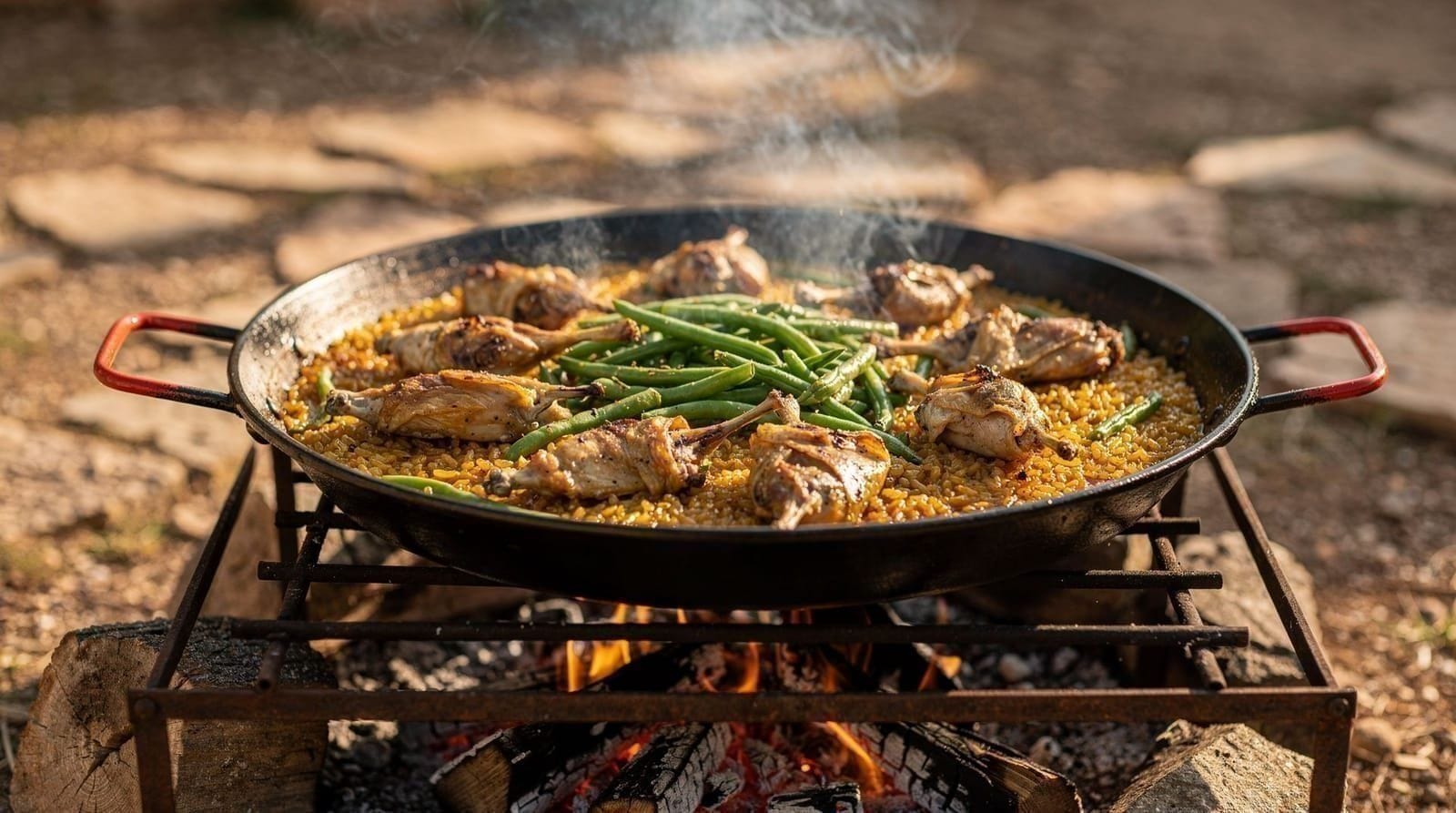 master the art of paella in an authentic Valencian kitchenCheck availability
Classes include all materials and wine. Duration: 2–3 hours. Book at least a week ahead for summer months.
17:00 — Free afternoon
Rest, or visit the Llotja de la Seda (€2) which is a five-minute walk from the market. The 15th-century silk exchange gives context to why Valencia was a wealthy trading city — the food culture connects to that commercial history.
19:30 — Vermouth hour in Ruzafa
Ruzafa (Russafa) is where Valencia’s food scene lives. Start with vermouth at 19:30 — any bar counter on Calle de Cuba or Calle del Literat Azorín will serve it for €3–4 with a plate of olives. This is not tourist vermouth hour; it is what local Valencians do before dinner.
21:00 — Ruzafa tapas dinner
The best approach in Ruzafa is to graze across two or three bars rather than commit to one restaurant:
- Bar El Brillante for croquetas and gambas a la plancha (€12–16)
- Bar Suc for excellent pintxos and local wine (€3–5 per pintxo)
- Veraz if you want to sit down for creative Valencian cooking (€20–30/pers, book ahead)
Alternatively, the full tapas tour covers multiple stops with a guide and includes drinks:
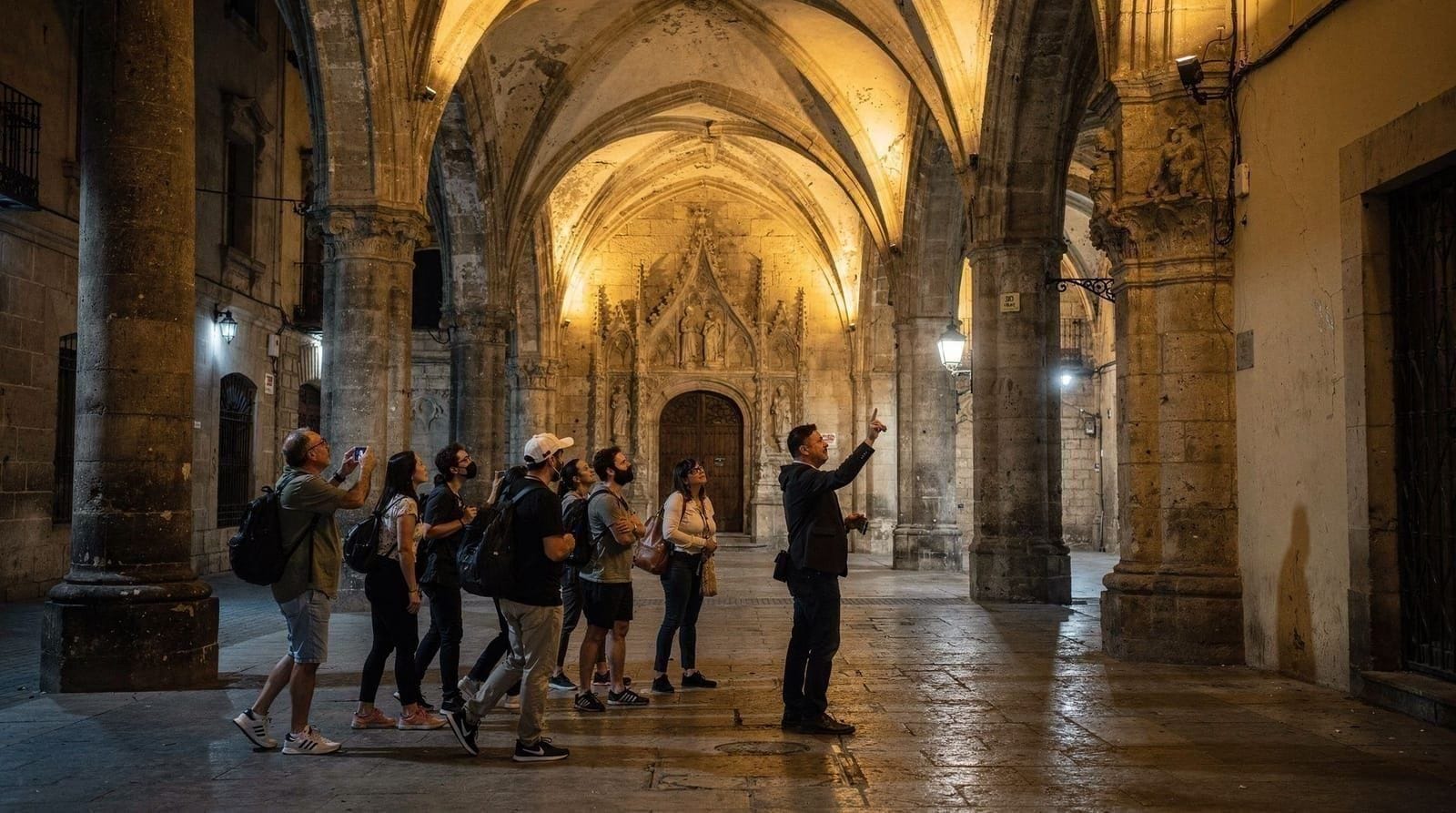 tapas and drinks evening tourCheck availability
Day 2: almorzar, fideuà and El Cabanyal
9:30 — Almorzar (the serious second breakfast)
An authentic Valencia morning requires the almorzar. Go to Bar Pilar (Calle del Moro Zeit 13, El Carmen) or El Kiosko (near the Mercado Central) for the following combination: a café amb llet, a bocadillo de llom with alioli, and an horchata if the season is right. Total cost: €5–7. Eat at the bar, standing or on a stool, like everyone else.
The almorzar is properly a working-class tradition — it’s the mid-morning break of workers who started early. The best places are slightly worn, have sports on the TV, and price the coffee at €1.30 rather than €3.
11:00 — Horchata at Alboraia
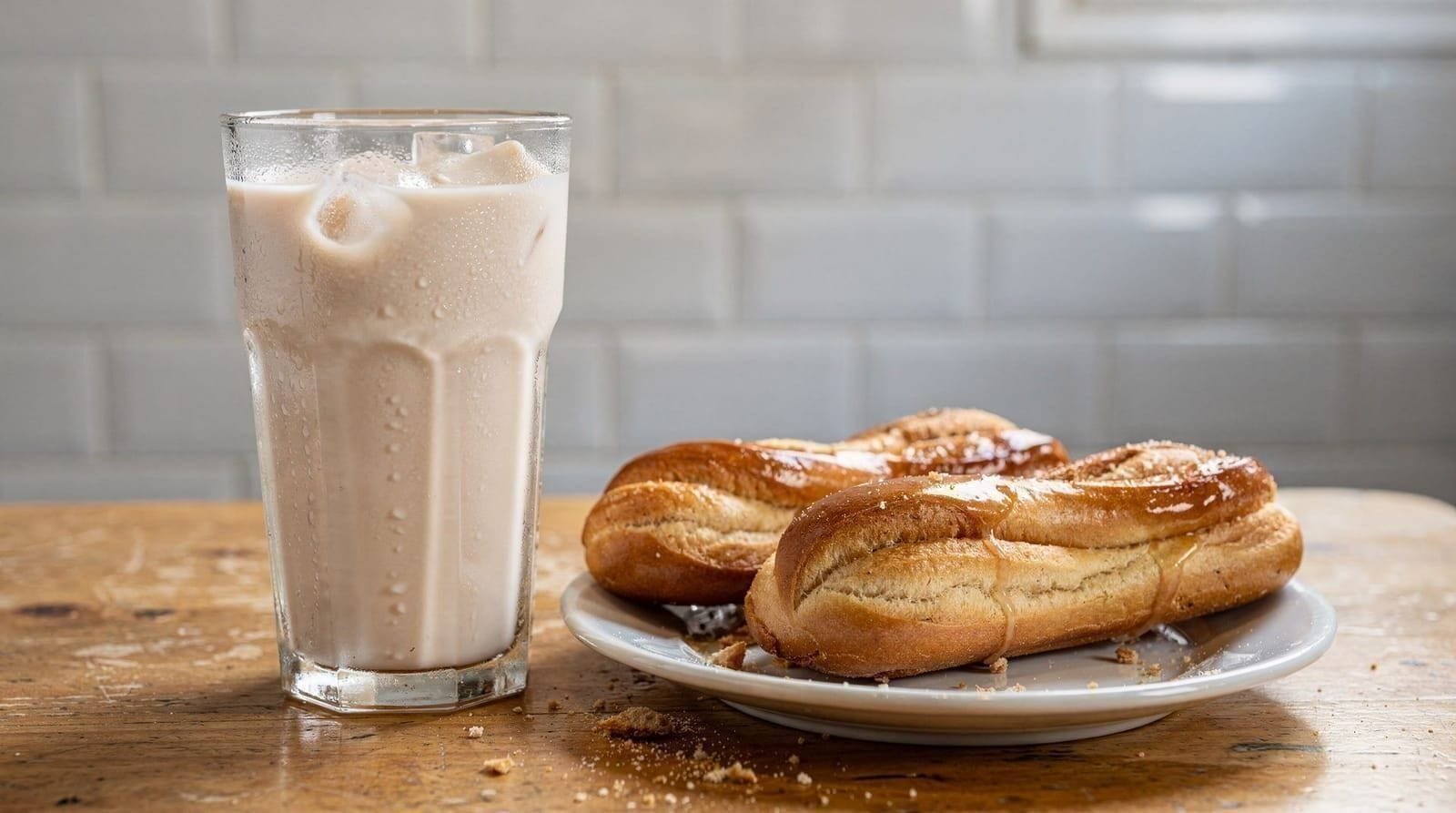
Horchata (orxata) is Valencia’s defining cold drink: made from tiger nuts (chufa) grown in the orchards of Alboraia, north of the city, 10 minutes by metro (Line 3 to Alboraia-Palmaret). The drink is thick, sweet and cold. It is served with fartons — an elongated glazed pastry that you dip in.
The best horchata in Valencia is at Horchatería Daniel (Alboraia) or Horchatería Santa Catalina in the old town (Plaça de Santa Catalina 6). The tourist horchata bars near the Cathedral charge €5–7; the real thing at source costs €2–2.50.
Read our full guide: horchata and fartons — Valencia’s original cold drink.
13:00 — Fideuà lunch in El Cabanyal
El Cabanyal is Valencia’s former fishing neighbourhood and the natural home of fideuà — the noodle-based equivalent of paella, typically with seafood. The difference from paella: fideuà uses short fine noodles instead of rice, and is traditionally made with monkfish, cuttlefish and langoustines.
Where to eat fideuà in Cabanyal:
- La Fábrica de Hielo (Calle del Rosari 15): the most celebrated option, creative and excellent, queue expected (€25–35/pers)
- Cervecería El Requeté (near the beach): more casual, honest seafood, €16–22/pers
- Casa Montaña (Calle José Benlliure 69): the most historically significant bar in Valencia, open since 1836, excellent wine cellar and traditional tapas
Also try: clóchinas — Valencia’s local mussels, available May–August, very small, sweet and salty, served simply steamed. At any counter along Calle del Rosari for €3–5.
15:30 — Beach walk and afternoon at Cabanyal
After lunch, walk to the beach through the tile-decorated streets of Cabanyal. The architecture here — colourful modernista facades covered in geometric tiles — is genuinely extraordinary and exists nowhere else in Spain. Walk Calle de la Barraca and Calle Eugeni Viñes.
The beach at Cabanyal is quieter than Malvarrosa and feels more local. Decent for a late afternoon swim.
19:00 — Wine and cheese at Casa Montaña
If you haven’t already, return to Casa Montaña (Calle José Benlliure 69) for early evening drinks. The wine list runs to 400+ references, focused on natural and Valencian wines. An excellent counter plate of local cheeses and cured meats costs €12–16. This bar has been operating since 1836 and is the best place in Valencia to understand Valencian wine culture outside Requena.
21:00 — Secret Food Tour dinner option
If you want a structured evening that covers multiple stops:
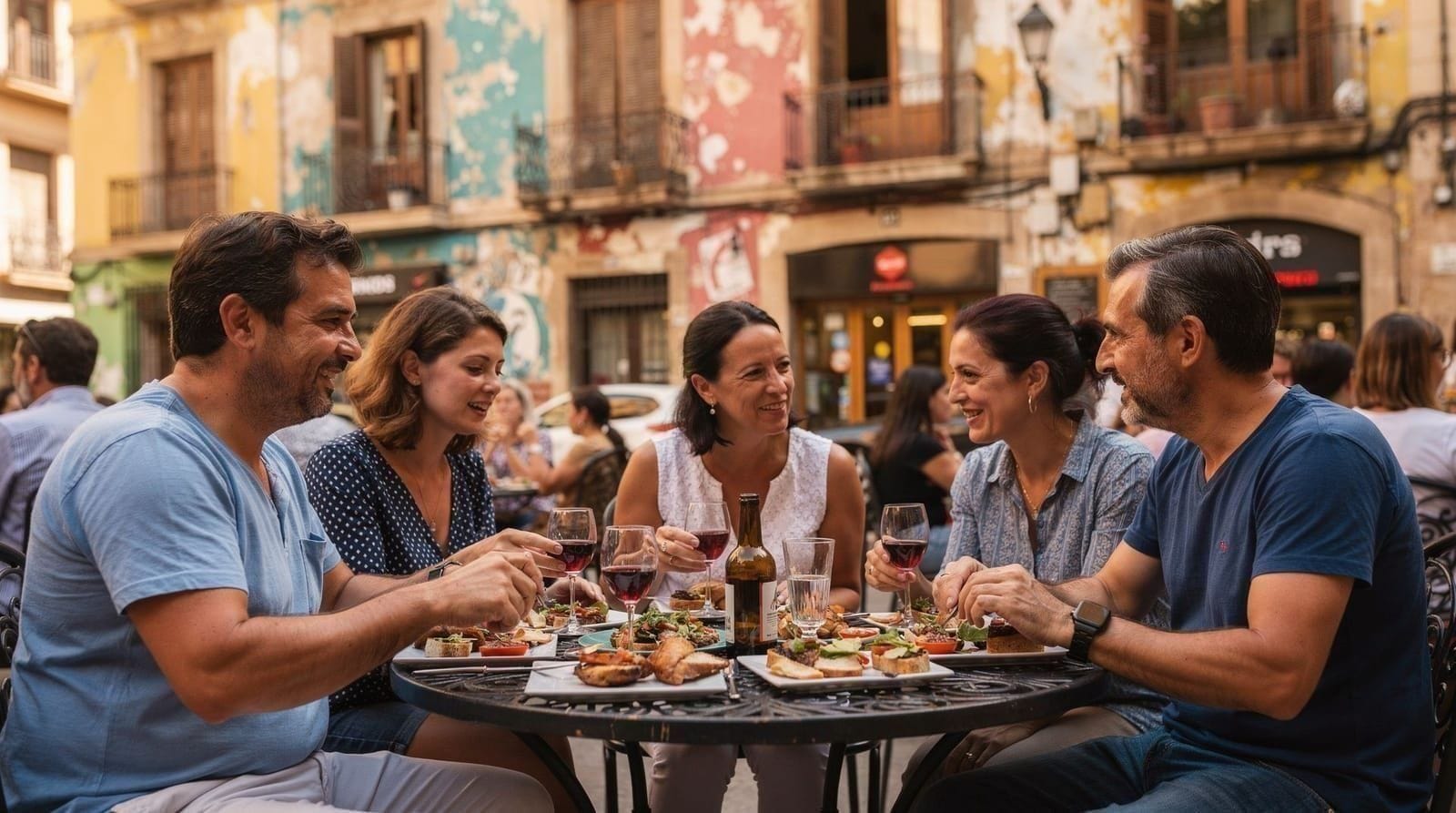 Secret Food Tours — 10 tastingsCheck availability
These tours cover 10 tastings across different establishments, providing a breadth of experience that a single dinner doesn’t give. Duration 3 hours, €65–80/pers including all food.
Day 3: Albufera, all i pebre and wine evening
9:30 — Morning free in the city
Day 3 morning: visit any food-related attraction you missed. The Mercado de Colón (Carrer de Jorge Juan 19, Eixample) is a 1916 modernista market now functioning as a high-quality food hall — better coffee, better pastries, and a good place to buy regional products to take home. The Mercat del Cabanyal (Calle del Mar 119) operates Tuesday–Saturday and is the best neighbourhood market in the city.
If you want to explore wine culture without going to Requena, the Mercado Central’s wine stalls and specialist shops around Calle del Bisbe Amigó sell good Valencian wines (Bobal, Merseguera, Monastrell) for €6–15 a bottle.
12:00 — Bus to Albufera
Bus 24 from Plaça de la Reina to El Palmar (35 min, €2). The village of El Palmar is the definitive setting for Valencian rice dishes — it sits on an island in the Albufera lagoon, surrounded by the rice paddies where the ingredients grow. Paella made in El Palmar with local rice and local eel is as close to the source as you can get.
13:30 — Lunch in El Palmar (paella and all i pebre)
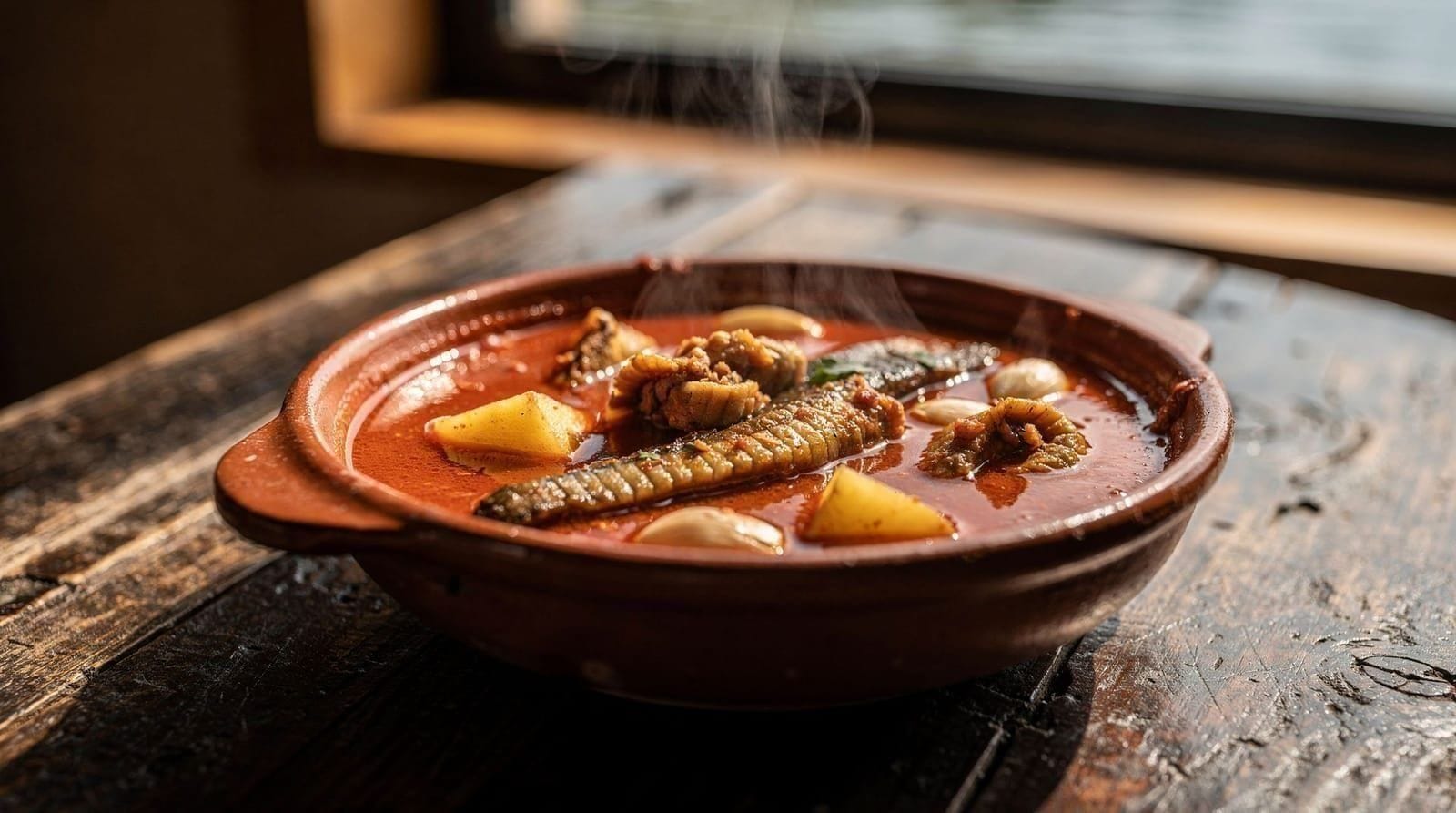
The dish to eat in El Palmar beyond paella is all i pebre: a stew of eel, garlic, paprika, potato and olive oil. The eel comes from the Albufera lake; the flavour is funky, slightly smoky and completely unlike anything you’ll have eaten. It is not for everyone but it is genuinely Valencian.
Best restaurants in El Palmar:
- Mateu Paella (Calle de les Canyes 4): family-run, traditional paella and all i pebre, €18–25/pers
- Restaurante La Pista (Carretera del Palmar): wood-fire paella, excellent, weekend lunch requires booking
- Casa Trotxa (Calle del Pedregal): old-school, good value, the least tourist-adapted of the three
15:30 — Boat on the Albufera
After lunch, take the traditional rowing boat on the lake. The 30-minute row across the Albufera gives a completely different view of the landscape — flat, wide, open sky, herons standing in the reed beds. Cost: €5–8/pers, organised informally by local operators on the lakefront. No pre-booking required.
17:30 — Return to Valencia
Bus 24/25 back to Valencia, arriving by 18:15.
Extending into wine country
If the Albufera day leaves you wanting more of the Valencian countryside, the natural next step is a full day in Requena’s Bobal wine country, 70 km west of the city. It doesn’t fit into this three-day food itinerary without cutting something, but travellers with a fourth day free consistently rate it as the best add-on — see our dedicated Valencia wine lovers itinerary for how to combine the two.
19:00 — Wine and cheese evening
End the food itinerary with a proper wine evening. Options:
- La Vinoteca (Calle del Mossèn Femades, El Carmen): 200+ wines by the glass, small plates
- Espai Gastronòmic de la Llotja (near the Llotja): seasonal Valencian dishes paired with local wines
- Bar Perdut (Ruzafa): natural wine bar, excellent selection, relaxed atmosphere
For a structured wine tasting with tapas pairing:
Honest note on Agua de Valencia: You will see it on menus everywhere — it’s cava, orange juice, vodka and gin, often in a 1-litre jar. It was invented in the 1950s at Café Madrid and has been appropriated by every tourist bar. It’s enjoyable, but the tourist-bar version is typically much stronger than it tastes and priced at €8–15/jug. Read our full honest take: is Agua de Valencia worth ordering?
Food itinerary practical notes
When to visit: May–October for the best produce and horchata season. March for Fallas period (some specialist restaurants book out). November–February for quieter restaurants and excellent winter rice dishes.
Booking ahead: La Riua, La Fábrica de Hielo, Casa Montaña (evening), Canalla Bistro, and any paella class all require advance reservations. Everything else in this itinerary you can do spontaneously.
Honest market tip: The best produce at the Mercado Central is at the interior stalls, not the ones near the entrances. The inner stalls near the fish section are less tourist-adjusted and have better prices.
Budget: This itinerary is food-intensive. Budget €60–90/day for meals if you do everything listed; €40–50 if you substitute the food tours for independent eating.
A short glossary before you order
A handful of terms will save confusion at the counter. Socarrat is the caramelised layer of rice at the bottom of the paella pan — asking for it is a compliment, not a complaint. Ferraura and garrofó are the flat green bean and wide white bean specific to paella valenciana; a good restaurant will name them on the menu. Esmorzaret (or almorzar in Spanish) is the mid-morning second breakfast described above. Fartó is the elongated pastry served with horchata, and clòtxina (clóchina in Spanish) is Valencia’s small local mussel, in season roughly May to August. Knowing these five words moves you from tourist-menu Spanish to something closer to how Valencians actually talk about their own food. A sixth worth learning: rovellons (wild mushrooms, autumn only), which show up on seasonal menus in October and November and are treated with the same seriousness as good produce anywhere in Spain.
Three days at a glance
| Day | Morning | Midday | Evening |
|---|---|---|---|
| 1 | Mercado Central, guided market tour | Paella cooking class | Vermouth and tapas in Ruzafa |
| 2 | Almorzar, horchata in Alboraia | Fideuà in El Cabanyal | Wine and cheese at Casa Montaña |
| 3 | Free morning, Mercado de Colón | Bus to Albufera, paella and all i pebre in El Palmar | Wine and cheese evening in the city |
Frequently asked questions about Valencia food travel
What is the most important food rule in Valencia?
Paella for lunch only, never dinner. This one rule separates tourist restaurants from real ones. Any restaurant on a tourist street serving paella at 20:00 is serving reheated food. The authentic wood-fire version is a midday dish. See where to find authentic paella.
Is horchata really that different in Valencia?
Yes. Valencia’s horchata uses chufa (tiger nuts) grown specifically in the huerta north of the city. The result is nutty, fresh and thick — it doesn’t resemble the Mexican or US versions. Drink it at a proper horchatería (Horchatería Santa Catalina, Horchatería Daniel in Alboraia) not at a café.
What is all i pebre and should I try it?
All i pebre is an eel stew from the Albufera — garlic, paprika, potato and eel cooked in olive oil. The eel is from the lake. The flavour is rich and specific; it doesn’t appeal to everyone, but it is the most genuinely Valencian dish outside paella. Try it in El Palmar, not in the city.
What’s the best food neighbourhood in Valencia?
For tapas and independent restaurants: Ruzafa. For seafood and neighbourhood cooking: El Cabanyal. For the best paella: near the Malvarrosa beach or in El Palmar. For market eating: around the Mercado Central in the old town.
What is the menú del día and how do I use it?
The menú del día (lunch menu, available Monday–Friday) is the best value eating in Valencia: two courses, dessert, bread and a drink for €12–16. The trick is to find restaurants where locals eat (ask at your hotel, or look for restaurants with handwritten chalkboards and Spanish-speaking customers). The tourist-adjusted version exists but is usually €17–20 and lower quality.
Are the food tours worth the cost?
The market food tour (€65–80) is worth it specifically if you’re in Valencia for the first time — the context and the tastings justify the price. The evening tapas tours are more variable; the best ones cover Cabanyal and Ruzafa rather than the old town tourist circuit. Read reviews for the specific operator before booking.
What should I bring home from Valencia’s food markets?
Paprika (pimentón de la Vera), saffron from a trusted stall (not the tourist-packaged variety near the cathedral), Valencian olive oil, local wines (Bobal from Requena, Merseguera white), chufa for home-made horchata, and torró from Xàtiva or Jijona if you’re visiting in winter.
Top experiences
Bookable activities with verified prices and instant confirmation on GetYourGuide.